


Introduction
Shiitake mushrooms, with their rich umami flavor and meaty texture, have been a staple in Asian cuisine for centuries and are now beloved worldwide. These distinctive fungi offer not just incredible taste, but also impressive nutritional benefits. Whether you're a culinary enthusiast or a home cook looking to expand your ingredient repertoire, mastering how to cook shiitake mushrooms will elevate your dishes to new heights.
The beauty of shiitake mushrooms lies in their versatility. They can be sautéed, roasted, grilled, or braised – each method bringing out different aspects of their complex flavor profile. From quick weeknight stir-fries to elegant dinner party dishes, shiitakes add depth and dimension to countless recipes.
In this comprehensive guide, we'll walk you through everything you need to know about cooking shiitake mushrooms to perfection. You'll learn about proper preparation techniques, various cooking methods, and delicious recipes that showcase the unique character of these remarkable mushrooms. Let's dive into the wonderful world of shiitake mushrooms and unlock their full culinary potential.

Selecting and Preparing Shiitake Mushrooms
Choosing the Best Shiitakes
Whether you're working with fresh or dried shiitake mushrooms, knowing how to select quality specimens is crucial for the best cooking results.
Fresh Shiitake Mushrooms:
- Look for firm, plump caps with tight gills
- Avoid specimens that appear slimy, wrinkled, or dried out
- Choose mushrooms with caps that are slightly curved under at the edges
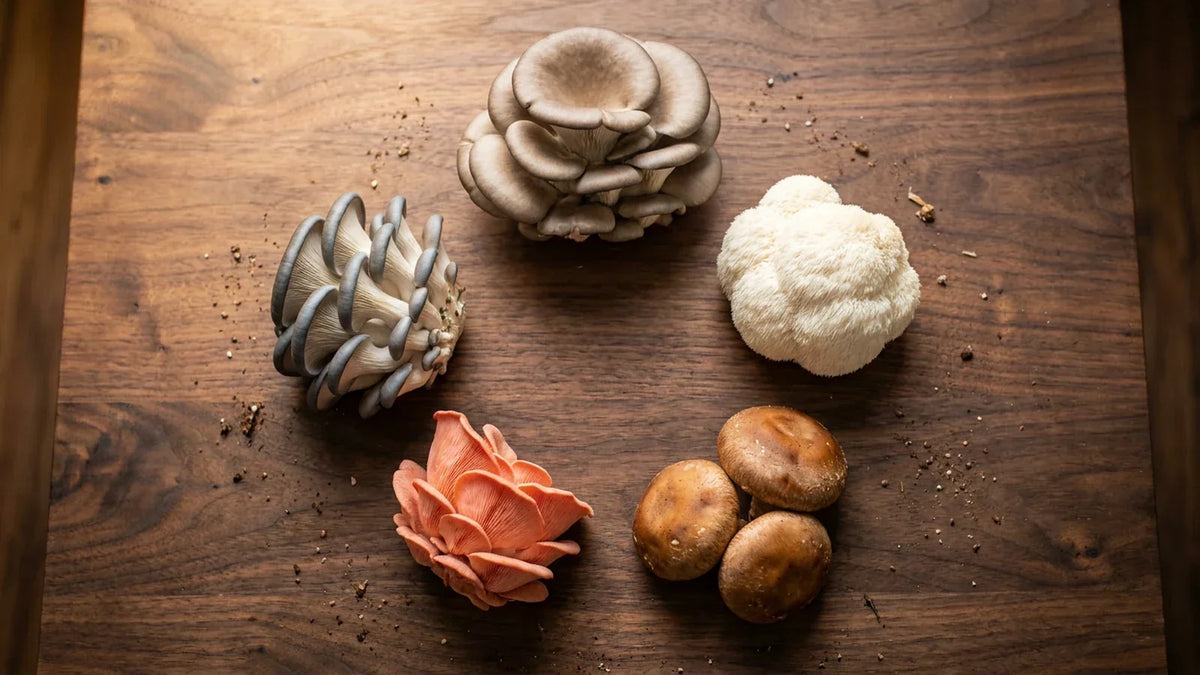
- The color should be tan to dark brown, with a smooth, slightly glossy surface
- Smaller shiitakes tend to be more tender, while larger ones have a meatier texture
Dried Shiitake Mushrooms:
- Select packages with whole, unbroken mushrooms
- Look for thicker caps with visible white cracks (called "flower mushrooms" in some Asian markets)
- Check for a strong, pleasant aroma
- Avoid packages with excessive dust or fragments
Cleaning Shiitake Mushrooms
Proper cleaning is essential to remove dirt while preserving the mushrooms' texture and flavor.
For Fresh Shiitakes:
- Wipe each mushroom cap with a damp paper towel or clean kitchen cloth to remove dirt
- If they're very dirty, you can quickly rinse them under cold running water
- Never soak fresh shiitakes as they'll absorb water and become soggy
- Pat them dry thoroughly with paper towels if you've rinsed them
For Dried Shiitakes:
- Rinse briefly under cold water to remove any dust
- Place in a bowl and cover with warm water (not boiling)
- Soak for 20-30 minutes for most uses, or up to 8 hours in the refrigerator for the best texture
- Once rehydrated, gently squeeze out excess water
- Strain and save the soaking liquid – it makes an excellent base for soups and sauces
Preparing Shiitake Mushrooms for Cooking
Before cooking, shiitake mushrooms need a bit of preparation:
-
Remove the stems: The stems of shiitake mushrooms are typically too tough and woody to eat. Remove them by gently twisting or cutting them off at the base of the cap. Don't discard these stems – they can add tremendous flavor to stocks and broths.
-
Decide on size and shape: Depending on your recipe, you might want to:
- Leave small caps whole
- Slice larger caps into ¼-inch to ½-inch thick slices
- Quarter very large mushrooms
- Dice them for stuffings or fillings
-
Pat dry if needed: Ensuring mushrooms are dry before certain cooking methods (like sautéing) helps them brown properly rather than steam.
Essential Cooking Methods for Shiitake Mushrooms
Sautéing Shiitake Mushrooms
Sautéing is perhaps the most common and quickest way to cook shiitake mushrooms. This method brings out their natural flavors and creates a wonderful caramelization.
Basic Sautéed Shiitake Mushrooms Recipe:
Ingredients:
- 1 pound fresh shiitake mushrooms, stems removed and caps sliced
- 2 tablespoons butter, olive oil, or a combination
- 2-3 cloves garlic, minced (optional)
- Salt and fresh ground pepper to taste
- 1 tablespoon fresh herbs (thyme, parsley, chives) or 1 teaspoon dried herbs (optional)
- A splash of soy sauce, tamari, or lemon juice (optional)
Instructions:
- Heat a large skillet over medium-high heat until hot
- Add butter, oil, or a combination to the pan
- Add sliced shiitake mushrooms in a single layer (work in batches if necessary to avoid overcrowding)
- Let the mushrooms cook undisturbed for 2-3 minutes until they begin to brown
- Stir and continue cooking for another 2-3 minutes until golden brown
- Add garlic if using and cook for 30 seconds until fragrant
- Season with salt and pepper
- Add herbs and/or liquid seasonings if desired
- Cook for another minute, then serve immediately
Pro Tips for Sautéing:
- Don't overcrowd the pan – mushrooms need space to brown rather than steam
- Be patient and let the mushrooms develop a golden-brown crust before stirring
- For extra flavor, deglaze the pan with a splash of white wine, sherry, or stock after the mushrooms have browned
Roasting Shiitake Mushrooms
Roasting concentrates the flavor of shiitake mushrooms and gives them wonderful crispy edges while maintaining a juicy interior.
Basic Roasted Shiitake Mushrooms Recipe:
Ingredients:
- 1 pound fresh shiitake mushrooms, stems removed
- 3-4 tablespoons olive oil
- 1 teaspoon sea salt
- Freshly ground black pepper
- 2-3 cloves garlic, minced (optional)
- 1 tablespoon fresh thyme or rosemary (optional)
Instructions:
- Preheat oven to 400°F (200°C)
- Line a baking sheet with parchment paper
- Place mushroom caps on the baking sheet, gill-side up
- Drizzle with half the olive oil
- Turn mushrooms over and drizzle with remaining oil
- Season with salt, pepper, and herbs if using
- Roast for 15 minutes
- Turn mushrooms over and continue roasting for another 10-15 minutes until edges are crispy and golden
- Add garlic during the last 5 minutes of roasting if using (to prevent burning)
- Serve hot or at room temperature
Pro Tips for Roasting:
- For extra crispy mushrooms, make sure they're completely dry before roasting
- Don't crowd the baking sheet – leave space between mushrooms
- Try brushing with sesame oil and soy sauce for an Asian-inspired flavor
- Roasted shiitakes can be stored in the refrigerator for up to 3 days and used in salads, grain bowls, or as a topping for soups
Grilling Shiitake Mushrooms
Grilling imparts a wonderful smoky flavor to shiitake mushrooms and creates a delightful char that enhances their meaty texture.
Basic Grilled Shiitake Mushrooms Recipe:
Ingredients:
- 1 pound fresh shiitake mushrooms, stems removed
- 3 tablespoons olive oil or sesame oil
- 2 tablespoons soy sauce or tamari
- 1 tablespoon rice vinegar or lime juice
- 1 teaspoon honey or maple syrup (optional)
- 1 clove garlic, minced (optional)
- 1 teaspoon grated fresh ginger (optional)
- Chopped green onions and sesame seeds for garnish
Instructions:
- Clean mushrooms and remove stems (you can leave the stems on as "handles" if grilling whole mushrooms)
- Whisk together oil, soy sauce, vinegar, sweetener, garlic, and ginger if using
- Toss mushrooms in the marinade and let sit for 15-30 minutes
- Preheat grill to medium-high heat
- Place mushrooms on the grill, cap side down first
- Grill for about 3-4 minutes per side, until grill marks appear and mushrooms are tender
- Garnish with chopped green onions and sesame seeds before serving
Pro Tips for Grilling:
- If mushrooms are small, use skewers or a grill basket to prevent them from falling through the grates
- Maintain the marinade to brush on mushrooms while grilling for added flavor
- For indoor cooking, a grill pan works wonderfully
- Try serving grilled shiitakes as a burger topping or as part of a grilled vegetable platter
Braising Shiitake Mushrooms
Braising involves cooking in a small amount of liquid and is perfect for creating deeply flavored, tender shiitake mushrooms. This method is particularly popular in Asian cuisine.
Basic Braised Shiitake Mushrooms Recipe:
Ingredients:
- 8 ounces dried shiitake mushrooms, rehydrated, or 1 pound fresh shiitake mushrooms
- 2 tablespoons vegetable or sesame oil
- 3 slices fresh ginger
- 2 cloves garlic, smashed
- 1/4 cup soy sauce
- 2 tablespoons oyster sauce (optional)
- 1 tablespoon brown sugar
- 1 cup mushroom soaking liquid or vegetable broth
- 1 tablespoon cornstarch mixed with 2 tablespoons water (optional, for thickening)
- Sliced green onions for garnish
Instructions:
- If using dried mushrooms, rehydrate according to package directions and reserve the soaking liquid
- Heat oil in a large pan or wok over medium heat
- Add ginger and garlic, cook for 30 seconds until fragrant
- Add mushrooms and cook for 2-3 minutes until they begin to brown
- Add soy sauce, oyster sauce, sugar, and broth or soaking liquid
- Bring to a simmer, then reduce heat to low
- Cover and simmer for 15-20 minutes until mushrooms are tender and flavorful
- If desired, add cornstarch slurry and stir until sauce thickens
- Garnish with green onions before serving
Pro Tips for Braising:
- This method works particularly well with thicker dried shiitake mushrooms
- The braising liquid becomes a delicious sauce – serve it over rice or noodles
- Add vegetables like bok choy or broccoli during the last few minutes of cooking for a complete dish
- Leftover braised shiitakes can be refrigerated for up to 5 days and used in soups, noodle bowls, or rice dishes
Creative Shiitake Mushroom Recipes
Shiitake Mushroom Bacon
Transform shiitake mushrooms into a savory, bacon-like treat that's perfect for topping salads, soups, or enjoying as a snack.
Ingredients:
- 8 ounces shiitake mushrooms, stems removed
- 2 tablespoons olive oil
- 1 tablespoon soy sauce or tamari
- 1 tablespoon maple syrup
- 1/2 teaspoon smoked paprika
- 1/4 teaspoon garlic powder
- 1/4 teaspoon black pepper
Instructions:
- Preheat oven to 350°F (175°C)
- Slice mushroom caps into thin strips
- In a bowl, whisk together oil, soy sauce, maple syrup, and spices
- Toss mushroom slices in the mixture until thoroughly coated
- Arrange in a single layer on a parchment-lined baking sheet
- Bake for 20-25 minutes, turning halfway through, until crispy
- Let cool completely to crisp up further
Shiitake Mushroom Risotto
This creamy, comforting dish showcases the rich flavor of shiitake mushrooms.
Ingredients:
- 1 ounce dried shiitake mushrooms
- 4 cups vegetable or chicken broth
- 2 tablespoons olive oil
- 1 tablespoon butter
- 1 medium onion, finely diced
- 2 cloves garlic, minced
- 1 1/2 cups Arborio rice
- 1/2 cup dry white wine
- 8 ounces fresh shiitake mushrooms, stems removed and caps sliced
- 1/2 cup grated Parmesan cheese
- 2 tablespoons fresh parsley, chopped
- Salt and pepper to taste
Instructions:
- Rehydrate dried mushrooms in 2 cups hot water for 30 minutes
- Strain, reserving liquid; chop rehydrated mushrooms
- Combine mushroom liquid with broth in a saucepan; keep warm
- In a large pan, heat 1 tablespoon oil and sauté fresh mushrooms until golden; set aside
- In the same pan, heat remaining oil and butter; sauté onion until translucent
- Add garlic and cook for 30 seconds
- Add rice and stir for 1-2 minutes until translucent at edges
- Add wine and cook until absorbed
- Add warm broth mixture one ladle at a time, stirring constantly and waiting until liquid is absorbed before adding more
- After about 18-20 minutes, when rice is creamy and al dente, stir in rehydrated and fresh mushrooms
- Remove from heat and stir in Parmesan and parsley
- Season with salt and pepper and serve immediately
Shiitake Mushroom Soup
A soothing, flavorful soup that highlights the earthy depth of shiitake mushrooms.
Ingredients:
- 1 ounce dried shiitake mushrooms
- 8 ounces fresh shiitake mushrooms, stems removed and caps sliced
- 2 tablespoons butter or olive oil
- 1 medium onion, diced
- 2 carrots, diced
- 2 celery stalks, diced
- 3 cloves garlic, minced
- 1 tablespoon fresh thyme leaves
- 6 cups vegetable or chicken broth
- 2 tablespoons soy sauce
- 1 tablespoon miso paste (optional)
- 1/4 cup heavy cream or coconut milk (optional)
- Salt and pepper to taste
- Chopped green onions for garnish
Instructions:
- Rehydrate dried mushrooms in 2 cups hot water for 30 minutes
- Strain, reserving liquid; chop rehydrated mushrooms
- In a large pot, heat butter or oil over medium heat
- Add onion, carrots, and celery; cook until softened
- Add garlic and thyme; cook for 30 seconds
- Add fresh and rehydrated mushrooms; cook for 5 minutes
- Add mushroom soaking liquid, broth, and soy sauce
- Bring to a simmer and cook for 20 minutes
- If using, dissolve miso paste in a small amount of the hot soup, then stir back into the pot
- For a creamy soup, add cream or coconut milk
- Season with salt and pepper
- Garnish with green onions before serving
Tips for Cooking with Dried Shiitake Mushrooms
Dried shiitake mushrooms offer concentrated flavor and extended shelf life, making them a valuable pantry staple. Here's how to make the most of them:
Proper Rehydration
The key to using dried shiitakes successfully is proper rehydration:
- Cold water method (best for flavor): Place mushrooms in cold water and refrigerate for 8-24 hours
- Warm water method (quicker): Cover mushrooms with warm (not boiling) water for 20-30 minutes
- For maximum flavor absorption: After initial soaking, cut a small X in the cap and continue soaking
- To speed up the process: Slice the mushrooms before rehydrating
Using the Soaking Liquid
The dark, flavorful liquid from soaking dried shiitakes is a culinary treasure:
- Strain the liquid through a fine-mesh sieve or coffee filter to remove any grit
- Use as a base for soups, stews, sauces, and braising liquids
- Freeze in ice cube trays for future use
- Mix with equal parts soy sauce for a quick dipping sauce
Texture Considerations
Rehydrated shiitakes have a different texture than fresh ones:
- They remain slightly chewier, making them excellent for longer cooking methods
- For stir-fries, slice rehydrated mushrooms more thinly than fresh ones
- For soups and stews, they hold their shape better than fresh mushrooms
- If you want a softer texture, extend the soaking time and simmer longer
Common Mistakes to Avoid When Cooking Shiitake Mushrooms
To ensure the best results when cooking shiitake mushrooms, avoid these common pitfalls:
Overcrowding the Pan
When sautéing or roasting shiitake mushrooms, giving them enough space is crucial. Mushrooms release moisture as they cook, and if they're too crowded, they'll steam rather than brown, resulting in soggy mushrooms instead of golden, caramelized ones.
Solution: Cook in batches if necessary, and use a pan large enough to allow mushrooms to be arranged in a single layer with some space between them.
Stirring Too Soon or Too Often
When sautéing shiitake mushrooms, resist the urge to constantly stir them. Leaving them undisturbed for the first few minutes allows proper browning and flavor development.
Solution: After adding mushrooms to the hot pan, let them cook undisturbed for 2-3 minutes before stirring.
Not Removing the Stems
The stems of shiitake mushrooms are typically too tough and woody to eat comfortably. Leaving them on can make for an unpleasant dining experience.
Solution: Remove stems before cooking, but save them to add flavor to stocks and broths.
Washing Instead of Wiping
Mushrooms are like sponges and will absorb water if submerged or excessively rinsed, which can make them soggy when cooked.
Solution: Clean fresh shiitakes by gently wiping with a damp paper towel or cloth. If you must rinse them, do so very quickly and dry thoroughly afterward.
Underseasoning
Shiitake mushrooms have wonderful natural flavor, but they benefit from proper seasoning to bring out their best qualities.
Solution: Season mushrooms with salt at the beginning of cooking to help draw out moisture and concentrate flavor. Add aromatics like garlic, ginger, or herbs to complement their earthy profile.
Storing Cooked Shiitake Mushrooms
Properly stored cooked shiitake mushrooms can be kept for several days and used in multiple dishes:
- Refrigeration: Store in an airtight container for up to 5 days
- Freezing: Cooked shiitakes can be frozen for up to 3 months
- Reheating: Reheat gently in a skillet over low heat or in the microwave at 50% power
-
Uses for leftovers:
- Add to omelets or scrambled eggs
- Toss into salads
- Mix into grain bowls
- Add to sandwiches or wraps
- Incorporate into pasta dishes
Conclusion
Mastering the art of cooking shiitake mushrooms opens up a world of culinary possibilities. Whether you prefer them sautéed, roasted, grilled, or braised, these versatile fungi bring exceptional flavor and texture to countless dishes. Their meaty consistency and rich umami taste make them a favorite among vegetarians and meat-eaters alike.
By understanding the proper techniques for selecting, preparing, and cooking shiitake mushrooms, you can elevate your home cooking and impress family and friends with delicious, restaurant-quality dishes. From simple side dishes to elaborate main courses, shiitake mushrooms deserve a regular place in your kitchen repertoire.
The next time you spot fresh or dried shiitake mushrooms at your local market, don't hesitate to bring them home and put your new knowledge into practice. Your taste buds will thank you for the incredible flavors and textures these remarkable mushrooms provide. Happy cooking!



Share:
Shiitake Mushroom Basics: A Taste Exploration
Dried Shiitake Mushrooms: A Gourmet’s Delight for Flavor Lovers