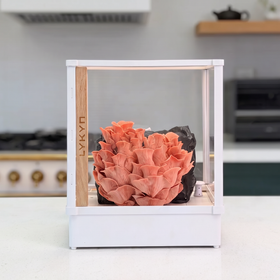



Introduction to Maitake Mushrooms
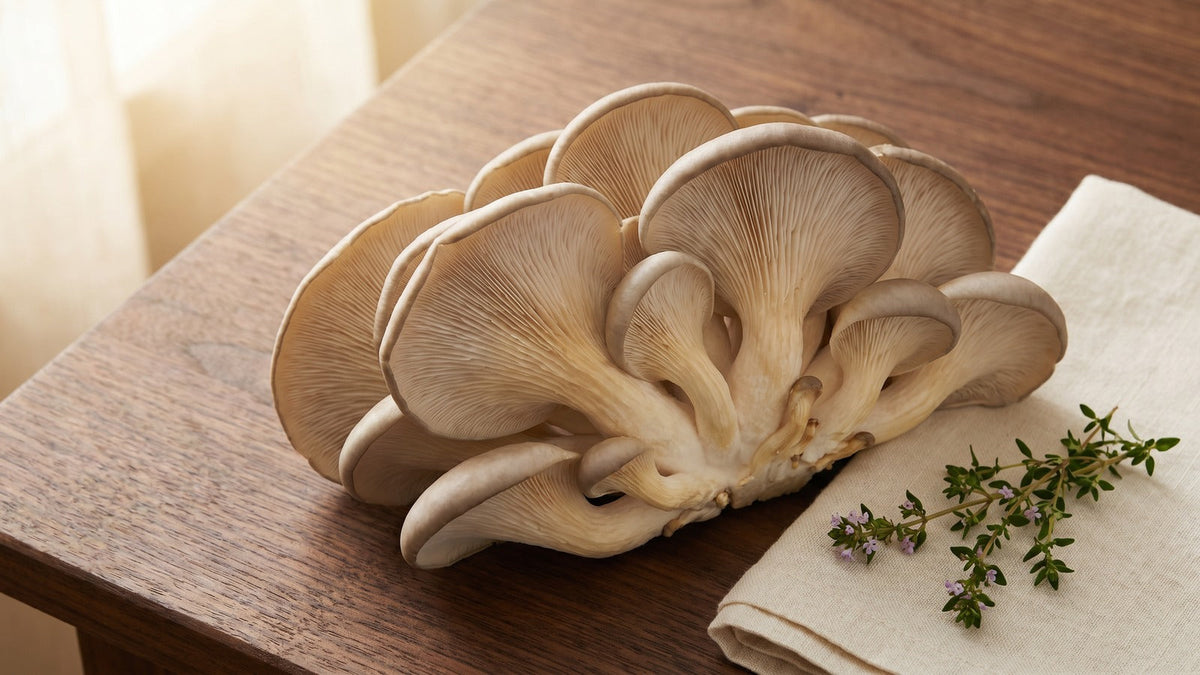
Maitake mushrooms (Grifola frondosa), also known as "hen of the woods" or "dancing mushrooms" in Japanese, are among the most prized edible fungi in the culinary world. With their distinctive feathery appearance, deep earthy flavor, and meaty texture, these mushrooms have moved from being a specialty ingredient found only in gourmet restaurants to becoming increasingly available in grocery stores and farmers' markets.
What makes maitake mushrooms special is their unique combination of flavor and texture. Unlike button mushrooms which can sometimes have a rubbery texture, maitakes offer a delicate, feathery quality with crisp edges when cooked properly. Their rich, woodsy flavor with hints of pepper makes them stand out in any dish, whether as the star ingredient or a supporting element.
In this comprehensive guide, we'll explore five excellent cooking methods to bring out the best in maitake mushrooms. We'll cover everything from basic preparation to sophisticated techniques that will help you transform these remarkable fungi into delicious culinary creations. Whether you're a mushroom enthusiast or just beginning to explore beyond standard grocery store varieties, this guide will help you master the art of cooking maitake mushrooms.
Before You Start: Selecting and Preparing Maitake Mushrooms
Selecting the Best Maitake Mushrooms
When purchasing maitake mushrooms, look for specimens with the following characteristics:
- Freshness: Choose clusters that appear fresh and vibrant, not dried out or withered
- Color: Look for grayish-brown caps with creamy white undersides
- Texture: The mushroom should feel firm but not hard, with some springiness
- Aroma: Fresh maitakes have a pleasant, earthy smell; avoid any with a sour or ammonia-like odor
- Size: Smaller to medium-sized clusters (4-8 inches) often have more tender texture and milder flavor
Maitake mushrooms can be found at specialty grocery stores, Asian markets, farmers' markets, and sometimes even at mainstream supermarkets with good produce sections. They're typically available fresh during fall months, though cultivated varieties may be available year-round.
Basic Preparation
Before cooking maitake mushrooms, you'll need to properly prepare them:
Cleaning
-
For cultivated maitakes: Gently brush off any visible debris with a soft mushroom brush or paper towel. These mushrooms are usually quite clean and rarely need washing.
-
For wild maitakes: If you've foraged your own (or purchased wild-harvested ones), they may require more cleaning. Remove any forest debris and inspect for insects. Only if necessary, give them a quick rinse with cold water and pat dry immediately with paper towels.
-
Important note: Avoid soaking maitake mushrooms, as they act like sponges and will absorb water, which can make them soggy when cooked.
Breaking Down the Mushroom
Maitake mushrooms grow in clusters with a common base. Here's how to break them down for cooking:
-
Trim off any tough or woody parts at the base.
-
Instead of chopping with a knife, gently tear the clusters apart with your hands. This preserves their natural structure and creates more surface area for browning.
-
How you break them down will depend on your cooking method:
- For roasting or grilling: Keep pieces in 2-3 inch sections
- For sautéing: Tear into smaller, bite-sized pieces
- For soups or stews: Use a mix of sizes for textural variety
Now that your mushrooms are prepped, let's explore the best ways to cook them!
Method 1: Roasting Maitake Mushrooms
Roasting is one of the most popular and foolproof methods for cooking maitake mushrooms. The high, dry heat caramelizes the natural sugars in the mushrooms and creates crispy edges while maintaining a tender interior.
Basic Roasted Maitake Mushrooms
Ingredients:
- 8 oz (225g) maitake mushrooms, torn into pieces
- 2 tablespoons olive oil
- ½ teaspoon sea salt
- ¼ teaspoon freshly ground black pepper
- Optional: 2-3 sprigs of fresh thyme or rosemary
Instructions:
-
Preheat your oven to 425°F (220°C).
-
Line a baking sheet with parchment paper for easier cleanup.
-
Arrange the mushroom pieces in a single layer on the baking sheet, making sure not to overcrowd them. Overcrowding will cause the mushrooms to steam rather than roast.
-
Drizzle with olive oil and sprinkle with salt and pepper. If using herbs, scatter them among the mushrooms.
-
Toss gently to ensure even coating.
-
Roast for 15 minutes, then remove from the oven and carefully flip the pieces over.
-
Return to the oven and continue roasting for another 10-15 minutes until the edges are crispy and golden brown, and the interior is tender.
-
Serve immediately for the best texture and flavor.
Chef's Tips for Perfect Roasted Maitakes:
-
Oil distribution: Make sure all surfaces of the mushroom pieces get a light coating of oil for even browning.
-
Spacing matters: Leave enough space between mushroom pieces to allow moisture to evaporate. If the pieces are too close together, they'll steam instead of roast.
-
Textural contrast: The thick stems might not get as crispy as the delicate fronds, and that's OK! This contrast between crispy edges and tender centers is part of what makes roasted maitakes special.
-
Temperature adjustment: Every oven is different. If your mushrooms aren't browning enough, increase the temperature by 25 degrees for the last few minutes of cooking.
Variations on Roasted Maitake Mushrooms:
-
Garlic Roasted: Add 3-4 cloves of minced garlic during the last 5 minutes of roasting to prevent burning.
-
Soy-Glazed: After the first 15 minutes, brush with a mixture of 1 tablespoon soy sauce, 1 teaspoon sesame oil, and 1 teaspoon honey before returning to the oven.
-
Spiced: Toss with 1 teaspoon of your favorite spice blend (curry powder, za'atar, or Italian herbs) before roasting.
Method 2: Sautéing Maitake Mushrooms
Sautéing is a quick-cooking method that brings out the rich flavor of maitake mushrooms while maintaining their delicate texture. This technique is perfect for when you want to incorporate the mushrooms into pasta dishes, grain bowls, or as a side dish.
Basic Sautéed Maitake Mushrooms
Ingredients:
- 8 oz (225g) maitake mushrooms, torn into bite-sized pieces
- 2 tablespoons high-quality olive oil or butter (or 1 tablespoon of each)
- 2 cloves garlic, minced
- ½ teaspoon salt
- ¼ teaspoon freshly ground black pepper
- Optional: 1 tablespoon fresh herbs (thyme, parsley, or chives)
Instructions:
-
Heat a large skillet over medium-high heat.
-
Add oil or butter and wait until it's hot but not smoking.
-
Add the mushroom pieces in a single layer. Don't overcrowd the pan; work in batches if necessary.
-
Let the mushrooms cook undisturbed for 2-3 minutes until they begin to brown on one side.
-
Flip the pieces and cook for another 1-2 minutes on the other side.
-
Add the minced garlic and cook for 30 seconds until fragrant.
-
Season with salt and pepper, and sprinkle with fresh herbs if using.
-
Toss everything together and cook for another minute until the mushrooms are tender.
-
Remove from heat and serve immediately.
Chef's Tips for Perfect Sautéed Maitakes:
-
Hot pan, cold oil: Start with a hot pan before adding your oil to help prevent the mushrooms from sticking.
-
Resist the urge to stir: Let the mushrooms develop a nice sear before flipping them.
-
Dry before cooking: Make sure your mushrooms are completely dry before sautéing to avoid steaming.
-
Butter for flavor, oil for heat: Using a combination gives you the best of both worlds, the flavor of butter with the higher smoke point of oil.
Variations on Sautéed Maitake Mushrooms:
-
Wine Deglazing: After mushrooms are browned, add 2 tablespoons white wine to the pan and stir to release browned bits.
-
Asian-Style: Substitute sesame oil for olive oil and finish with a splash of soy sauce and a drizzle of rice vinegar.
-
Creamy Maitakes: After mushrooms are cooked, add 2 tablespoons heavy cream and reduce until thickened.
Method 3: Grilling Maitake Mushrooms
Grilling imparts a wonderful smoky flavor that complements the earthy taste of maitake mushrooms. This method is perfect for summer cookouts or when you want to add a charred element to your dish.
Basic Grilled Maitake Mushrooms
Ingredients:
- 8 oz (225g) maitake mushrooms, kept in larger clusters
- 3 tablespoons olive oil
- 1 tablespoon balsamic vinegar
- 2 cloves garlic, minced
- ½ teaspoon salt
- ¼ teaspoon black pepper
- Optional: 1 teaspoon fresh thyme leaves
Instructions:
-
Preheat your grill to medium-high heat (about 400°F/200°C).
-
In a small bowl, mix together olive oil, balsamic vinegar, minced garlic, salt, pepper, and thyme if using.
-
Gently brush the mushroom clusters on all sides with the marinade mixture.
-
Place the mushrooms on the grill, starting with the cut side down.
-
Grill for 3-4 minutes per side until nicely charred and tender.
-
Remove from grill and serve immediately, perhaps with a final drizzle of olive oil.
Chef's Tips for Perfect Grilled Maitakes:
-
Keep clusters intact: Larger pieces are easier to manage on the grill and less likely to fall through the grates.
-
Oil the grates: Make sure your grill grates are clean and lightly oiled to prevent sticking.
-
Use a grill basket: For smaller pieces, a grill basket can be very helpful.
-
Don't move too soon: Wait until the mushrooms release easily from the grill before turning.
Variations on Grilled Maitake Mushrooms:
-
Herb-Grilled: Add a tablespoon of chopped fresh herbs (rosemary, oregano, or sage) to the marinade.
-
Spicy Grilled: Add ½ teaspoon red pepper flakes to the marinade for heat.
-
Citrus-Grilled: Add 1 teaspoon lemon or lime zest to the marinade and finish with a squeeze of fresh citrus juice after grilling.

Method 4: Stir-Frying Maitake Mushrooms
Stir-frying is a quick, high-heat cooking method that maintains the texture of maitake mushrooms while infusing them with flavor. This technique is perfect for Asian-inspired dishes and quick weeknight meals.
Basic Stir-Fried Maitake Mushrooms
Ingredients:
- 8 oz (225g) maitake mushrooms, torn into bite-sized pieces
- 2 tablespoons neutral oil (such as vegetable or grapeseed)
- 2 cloves garlic, minced
- 1 teaspoon ginger, minced
- 2 tablespoons soy sauce
- 1 teaspoon sesame oil
- 2 green onions, thinly sliced
- Optional: 1 teaspoon chili oil or crushed red pepper flakes
Instructions:
-
Heat a wok or large skillet over high heat until very hot.
-
Add oil and swirl to coat the cooking surface.
-
Add the mushrooms and stir-fry for 2-3 minutes until they begin to brown.
-
Add garlic and ginger and stir-fry for another 30 seconds until fragrant.
-
Add soy sauce and continue to stir-fry for 1 minute until the mushrooms absorb some of the sauce.
-
Drizzle with sesame oil and toss to combine.
-
Garnish with green onions and chili oil if using.
-
Serve immediately as a side dish or over rice.
Chef's Tips for Perfect Stir-Fried Maitakes:
-
High heat is key: Stir-frying requires high heat to quickly cook the mushrooms while maintaining their texture.
-
Keep it moving: Unlike sautéing, stir-frying involves constant movement to prevent burning.
-
Small batches: If cooking a large amount, work in batches to maintain high heat.
-
Have everything ready: Stir-frying goes quickly, so have all ingredients prepped and ready before you start.
Variations on Stir-Fried Maitake Mushrooms:
-
Vegetable Medley: Add other quick-cooking vegetables like bell peppers, snow peas, or baby bok choy.
-
Noodle Stir-Fry: Toss with cooked soba or udon noodles for a complete meal.
-
Sweet and Spicy: Add 1 tablespoon of honey or maple syrup and increase the chili oil for a sweet-spicy combination.

Method 5: Braising Maitake Mushrooms
Braising combines dry and moist heat cooking methods to create tender, flavorful mushrooms that are perfect for soups, stews, and sauces. This technique allows the maitakes to absorb the flavors of the braising liquid while maintaining their integrity.
Basic Braised Maitake Mushrooms
Ingredients:
- 8 oz (225g) maitake mushrooms, torn into pieces
- 1 tablespoon olive oil
- 1 small onion, finely diced
- 2 cloves garlic, minced
- ½ cup vegetable or chicken broth
- ¼ cup white wine
- 1 bay leaf
- 1 sprig fresh thyme
- Salt and pepper to taste
- Optional: 1 tablespoon butter to finish
Instructions:
-
Heat olive oil in a deep skillet or Dutch oven over medium heat.
-
Add onion and cook until translucent, about 3-4 minutes.
-
Add garlic and cook for another 30 seconds until fragrant.
-
Add the mushroom pieces and sauté for about 2 minutes until they begin to soften.
-
Pour in the wine and let it bubble for a minute to burn off the alcohol.
-
Add the broth, bay leaf, and thyme, and bring to a gentle simmer.
-
Cover and reduce heat to low, then simmer for about 15-20 minutes until the mushrooms are tender and have absorbed some of the liquid.
-
Uncover and increase heat to reduce the liquid if necessary.
-
Season with salt and pepper to taste, and swirl in butter if using.
-
Serve as a side dish or use as a component in other recipes.
Chef's Tips for Perfect Braised Maitakes:
-
Gentle simmer: Keep the heat low for a gentle braise that allows the mushrooms to slowly absorb flavor.
-
Patience pays off: Braising takes longer than other methods but rewards you with deep flavor.
-
Better with age: Braised maitakes often taste even better the next day after flavors have had time to meld.
-
Liquid selection matters: The braising liquid will concentrate, so choose something flavorful that complements mushrooms.
Variations on Braised Maitake Mushrooms:
-
Miso Braised: Add 1 tablespoon of miso paste dissolved in the braising liquid for umami depth.
-
Herbal Infusion: Use a bundle of fresh herbs (thyme, rosemary, sage) for a more aromatic braise.
-
Tomato Braised: Add ½ cup of crushed tomatoes to the braising liquid for a Mediterranean twist.
Creative Ways to Use Cooked Maitake Mushrooms
Once you've mastered the basic cooking techniques, here are some creative ways to incorporate maitake mushrooms into your meals:
As a Side Dish
- Simple Accompaniment: Serve any of the above preparations as a side dish with grilled steak, roasted chicken, or baked fish.
- Grain Bowl Topping: Add to quinoa, farro, or rice bowls for a meaty element.
- Mixed Mushroom Medley: Combine with other mushroom varieties for a diverse mushroom side dish.
In Main Courses
- Pasta Enhancement: Toss with pasta, olive oil, and Parmesan for a simple yet elegant dish.
- Risotto Addition: Fold into risotto just before serving for texture and flavor.
- Pizza Topping: Use roasted or sautéed maitakes as a gourmet pizza topping.
- Sandwich Filling: Layer grilled maitake clusters on sandwiches as a meat alternative.
- Taco Filling: Season with taco spices and use as a vegetarian taco filling.
In Soups and Sauces
- Mushroom Soup Base: Use braised maitakes as the foundation for a rich mushroom soup.
- Sauce Component: Incorporate into cream sauces, gravies, or wine reductions.
- Ramen Addition: Add to miso or shoyu ramen for depth and texture.
For Breakfast
- Egg Scramble: Fold sautéed maitakes into scrambled eggs with herbs.
- Savory Oatmeal: Top a bowl of savory oatmeal with roasted maitakes and a poached egg.
- Breakfast Hash: Incorporate into a root vegetable hash with crispy potatoes.
Storing and Preserving Cooked Maitake Mushrooms
If you have leftover cooked maitake mushrooms, here's how to store them:
Short-Term Storage
- Refrigeration: Store cooked maitakes in an airtight container in the refrigerator for up to 3-4 days.
Reheating
- Stovetop: Gently reheat in a skillet over medium heat until warmed through.
- Oven: Spread on a baking sheet and warm in a 350°F (175°C) oven for 5-10 minutes.
- Microwave: Use only as a last resort as it can make mushrooms rubbery; heat in 15-second intervals.
Freezing Cooked Maitakes
While fresh is best, you can freeze cooked maitakes:
- Cool completely before freezing.
- Store in airtight containers or freezer bags.
- Freeze for up to 2-3 months.
- Thaw in the refrigerator before reheating.
- Best used in cooked applications rather than as a standalone side after freezing.

Nutritional Benefits of Maitake Mushrooms
Beyond their delicious taste, maitake mushrooms offer impressive nutritional benefits:
- Low in Calories: About 31 calories per 100g serving.
- Rich in Fiber: Provides beneficial dietary fiber for digestive health.
- Good Source of Protein: Contains all essential amino acids.
- Vitamin-Rich: Particularly high in B vitamins and vitamin D (especially when exposed to sunlight).
- Mineral Content: Contains potassium, copper, zinc, and selenium.
- Beta-Glucans: Contains immune-supporting compounds.
- Antioxidants: Rich in compounds that help combat oxidative stress.
Including maitake mushrooms in your diet is not only a culinary delight but can also contribute to your overall nutritional intake.
Troubleshooting Common Cooking Issues
Even experienced cooks sometimes encounter challenges when cooking maitake mushrooms. Here are solutions to common problems:
Problem: Mushrooms releasing too much water when cooking
Solution: Cook in smaller batches and avoid overcrowding the pan. Make sure your pan is hot enough before adding the mushrooms.
Problem: Mushrooms not browning properly
Solution: Ensure mushrooms are dry before cooking and that your cooking surface is hot enough. Also, resist the urge to stir too frequently.
Problem: Mushrooms turning out tough or rubbery
Solution: You may be overcooking them. Maitakes cook relatively quickly. For larger pieces, consider braising for a more tender result.
Problem: Bitter taste after cooking
Solution: Some bitterness can occur if maitakes are overbrowned. Balance with a touch of sweetness (like honey or balsamic vinegar) or acidity (lemon juice).
Conclusion: Your Journey with Maitake Mushrooms
Maitake mushrooms offer a world of culinary possibilities with their unique texture and rich, earthy flavor. From simple roasting to complex braises, these versatile fungi can transform everyday dishes into gourmet experiences.
By mastering the five cooking methods outlined in this guide, roasting, sautéing, grilling, stir-frying, and braising, you'll be well-equipped to make the most of maitake mushrooms in your cooking. Each technique brings out different qualities in the mushrooms, allowing you to choose the perfect preparation for your specific dish or preference.
Whether you're a seasoned mushroom enthusiast or just beginning to explore beyond button mushrooms, maitakes offer an accessible yet sophisticated ingredient that rewards a little care and attention with exceptional flavor. Happy cooking!



Share:
Maitake Mushroom Recipes: A Delicious Delight for Every Table
Maitake Mushroom Nutrition Facts Unveiled