


Quick Answer
A great mushroom sauce starts with high-heat searing of mushrooms in butter or oil until they release water and turn golden, then deglazes with stock or wine, and finishes with cream or a roux for body. Cremini, button, and oyster mushrooms work for everyday sauces; shiitake or porcini add rich umami for special dinners.

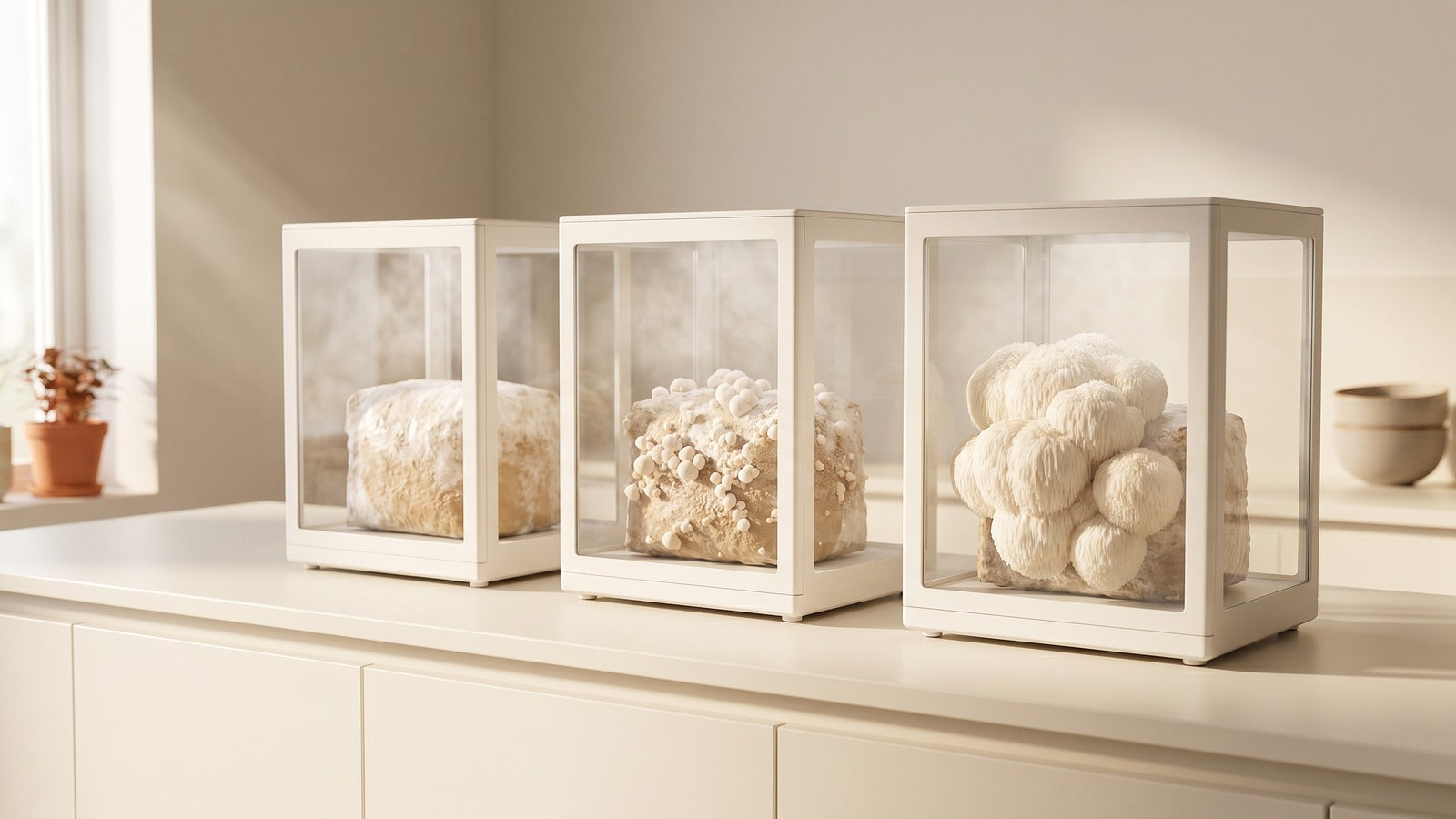
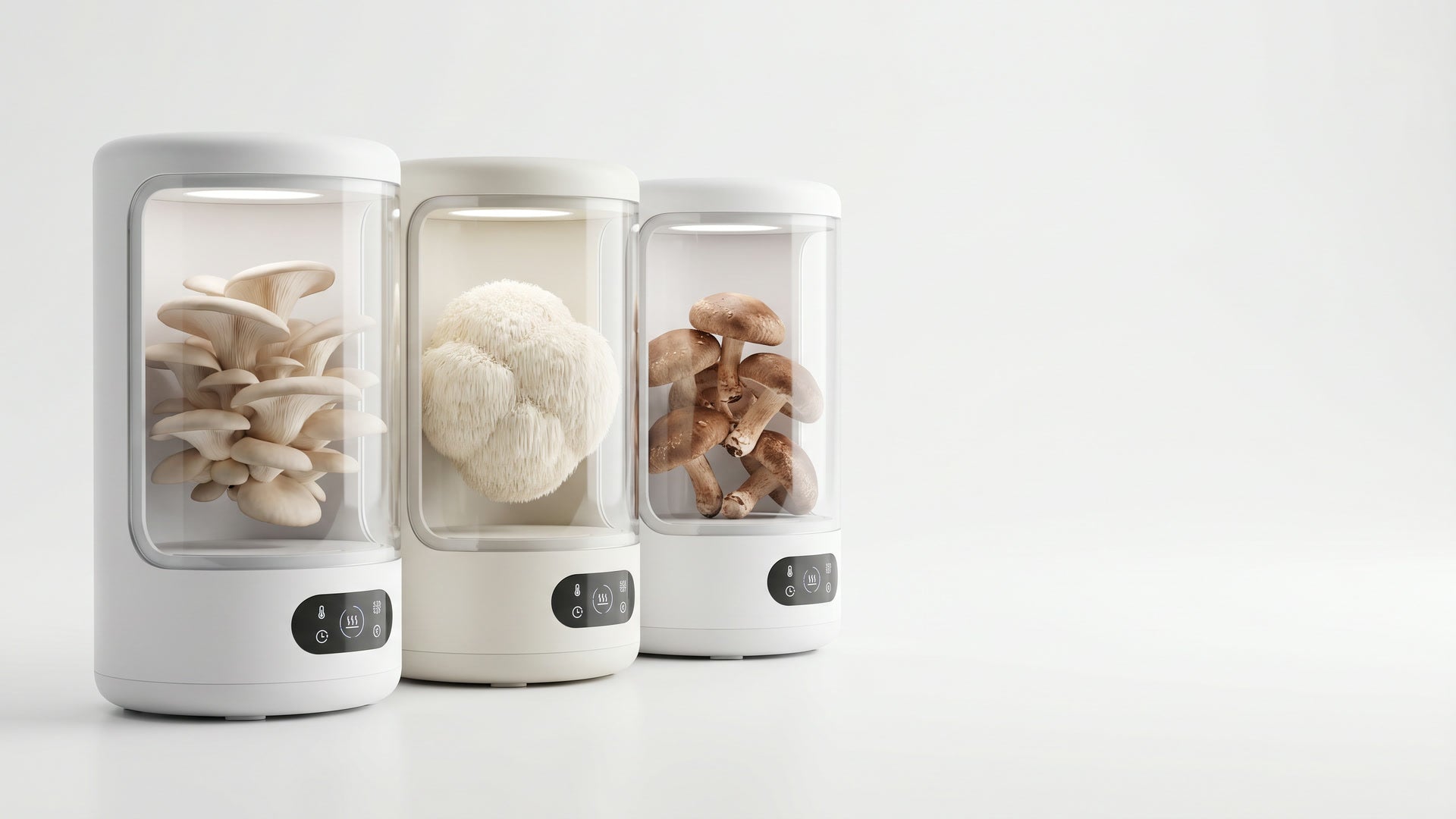
Smart Chamber. Bone White Single
- 2.8L tank, 90% humidity automatic
- App-controlled, plug-and-play
- 6 lb block ceiling, in stock

Smart Chamber. Obsidian Black Single
- Same hardware as Bone White
- Matte black premium finish
- Pairs with any kitchen palette


Mushroom sauce represents one of the most versatile and beloved accompaniments in culinary arts, transforming simple dishes into sophisticated, restaurant-quality meals. These rich, umami-packed sauces elevate everything from grilled meats and roasted vegetables to pasta dishes and rice preparations, making them essential additions to any home cook's repertoire.
The beauty of mushroom sauce lies in its adaptability and depth of flavor. Whether you prefer cream-based preparations, wine reductions, or lighter broth-based versions, mastering mushroom sauce techniques opens up countless possibilities for enhancing your cooking and impressing family and guests alike.
Understanding Different Types of Mushroom Sauces
Classic Cream-Based Mushroom Sauces
Traditional Heavy Cream Sauce
- Rich, velvety texture perfect for special occasions
- Pairs excellently with beef, chicken, and pork
- Creates luxurious coating for pasta dishes
- Foundation recipe that accepts numerous variations
Light Cream Alternatives
- Half-and-half provides lighter consistency
- Greek yogurt creates tangy, protein-rich versions
- Milk-based sauces offer everyday practicality
- Reduced-fat options maintain creamy satisfaction
Wine-Reduction Mushroom Sauces
White Wine Reductions
- Sauvignon Blanc creates bright, acidic balance
- Chardonnay provides buttery, oak-influenced depth
- Pinot Grigio offers clean, mineral undertones
- Perfect for seafood and poultry applications
Red Wine Variations
- Cabernet Sauvignon delivers bold, robust flavors
- Pinot Noir creates elegant, nuanced reductions
- Merlot provides smooth, approachable character
- Ideal companions for red meat preparations
Broth-Based and Lighter Options
Vegetable Broth Foundations
- Vegetarian and vegan-friendly preparations
- Lower calorie alternatives to cream sauces
- Enhanced with herbs and aromatics
- Suitable for various dietary restrictions
Mushroom Broth Concentrates

- Double-mushroom flavor intensity
- Created using mushroom soaking liquids
- Professional technique for maximum umami
- Foundation for complex sauce preparations
Essential Ingredients and Quality Selection
Choosing the Right Mushrooms
Button Mushrooms
- Mild flavor that accepts seasonings readily
- Consistent availability and affordability
- Uniform texture when cooked properly
- Perfect base for beginner sauce makers
Cremini and Baby Bella Varieties
- More complex flavor than standard button mushrooms
- Firmer texture holds up during longer cooking
- Rich brown color enhances sauce appearance
- Excellent balance of flavor and practicality
Shiitake Mushrooms
- Intense umami flavor profile
- Meaty texture adds substance to sauces
- Remove tough stems before preparation
- Premium ingredient for sophisticated sauces
Mixed Mushroom Combinations
- Layered complexity from multiple varieties
- Textural interest from different mushroom types
- Professional restaurant-style preparations
- Seasonal availability creates unique blends
Dried Mushroom Enhancements
- Concentrated flavors impossible to achieve fresh
- Porcini mushrooms provide nutty, earthy depth
- Soaking liquid becomes flavorful broth base
- Small amounts create significant impact
Supporting Ingredients and Aromatics
Allium Family Foundations
- Yellow onions provide sweet, caramelized base
- Shallots offer delicate, sophisticated flavor
- Garlic adds pungent, aromatic complexity
- Leeks contribute mild, refined undertones
Fresh Herb Selections
- Thyme complements mushrooms naturally
- Rosemary provides piney, resinous notes
- Sage creates earthy, slightly bitter balance
- Parsley adds brightness and color contrast
Wine and Spirit Additions
- Brandy or cognac creates luxurious depth
- Madeira wine provides sweet, nutty complexity
- Dry sherry adds subtle, refined character
- Quality cooking wines essential for best results

Step-by-Step Sauce Preparation Methods
Basic Cream Mushroom Sauce Recipe
Ingredient Preparation Phase
- Clean and slice 1 pound mixed mushrooms uniformly
- Dice 1 medium onion into small, consistent pieces
- Mince 3-4 garlic cloves for aromatic foundation
- Measure 1 cup heavy cream and ½ cup white wine
- Prepare 2 tablespoons fresh thyme leaves
Cooking Process Breakdown
Step 1: Mushroom Preparation
- Heat 2 tablespoons butter in large, heavy-bottomed pan
- Add sliced mushrooms in single layer without overcrowding
- Cook without stirring for 4-5 minutes until golden
- Season with salt and pepper once browning begins
- Remove mushrooms and set aside temporarily
Step 2: Aromatic Base Development
- Add diced onions to same pan with residual fat
- Cook over medium heat until translucent and softened
- Include minced garlic in final minute of cooking
- Avoid browning garlic to prevent bitter flavors
- Season lightly with salt to draw out moisture
Step 3: Wine Reduction Process
- Pour white wine into pan with aromatics
- Scrape up any browned bits from pan bottom
- Simmer vigorously until wine reduces by half
- Alcohol should cook off completely during reduction
- Concentrated flavors will intensify significantly
Step 4: Cream Integration
- Lower heat to medium-low before adding cream
- Pour cream slowly while stirring constantly
- Avoid boiling cream to prevent breaking or curdling
- Simmer gently until sauce thickens slightly
- Consistency should coat spoon lightly
Step 5: Final Assembly and Seasoning
- Return cooked mushrooms to sauce
- Add fresh thyme leaves and stir gently
- Taste and adjust seasoning with salt and pepper
- Finish with pat of cold butter for glossy appearance
- Serve immediately while hot and creamy
Advanced Wine Reduction Techniques
Professional Reduction Methods
- Start with twice the liquid you want to finish with
- Maintain steady simmer rather than rolling boil
- Stir occasionally to prevent sticking or burning
- Taste frequently as flavors concentrate rapidly
- Strain final sauce for silky-smooth consistency
Flavor Balancing Strategies
- Add pinch of sugar if wine reduction tastes harsh
- Include splash of cream to mellow acidic notes
- Finish with cold butter pieces for richness
- Season incrementally throughout cooking process
- Fresh herbs brighten heavy, reduced sauces
Recipe Variations and Adaptations
Vegan and Dairy-Free Options
Cashew Cream Base
- Soak 1 cup raw cashews for 2 hours minimum
- Blend with mushroom broth until completely smooth
- Creates rich, creamy texture without dairy
- Nutritional yeast adds cheesy, umami notes
Coconut Milk Alternatives
- Full-fat coconut milk provides richness
- Light coconut milk offers lower-calorie option
- Combines beautifully with Asian-inspired seasonings
- Ginger and lemongrass create exotic variations
Olive Oil Emulsions
- High-quality extra virgin olive oil essential
- Slowly whisk into reduced mushroom cooking liquid
- Creates light but flavorful sauce coating
- Mediterranean herbs enhance olive oil preparations
International Flavor Profiles
French-Inspired Preparations
- Cognac or brandy adds luxurious depth
- Fresh tarragon provides anise-like complexity
- Dijon mustard creates tangy, sophisticated edge
- Classic mother sauce techniques apply perfectly
Italian-Style Variations
- Dry white wine like Pinot Grigio preferred
- Fresh basil and oregano provide herbaceous notes
- Tomato paste adds color and umami depth
- Parmesan cheese creates rich, nutty finish
Asian-Fusion Adaptations
- Soy sauce replaces salt for umami enhancement
- Rice wine or mirin provides subtle sweetness
- Ginger and garlic create aromatic foundation
- Sesame oil finish adds nutty complexity
German and Eastern European Styles
- Sour cream provides tangy, rich base
- Paprika adds color and mild spice
- Caraway seeds contribute distinctive flavor
- Traditional preparations complement hearty meats
Pairing Suggestions and Applications
Meat and Poultry Combinations
Beef Applications
Fuel Your Mushroom Journey
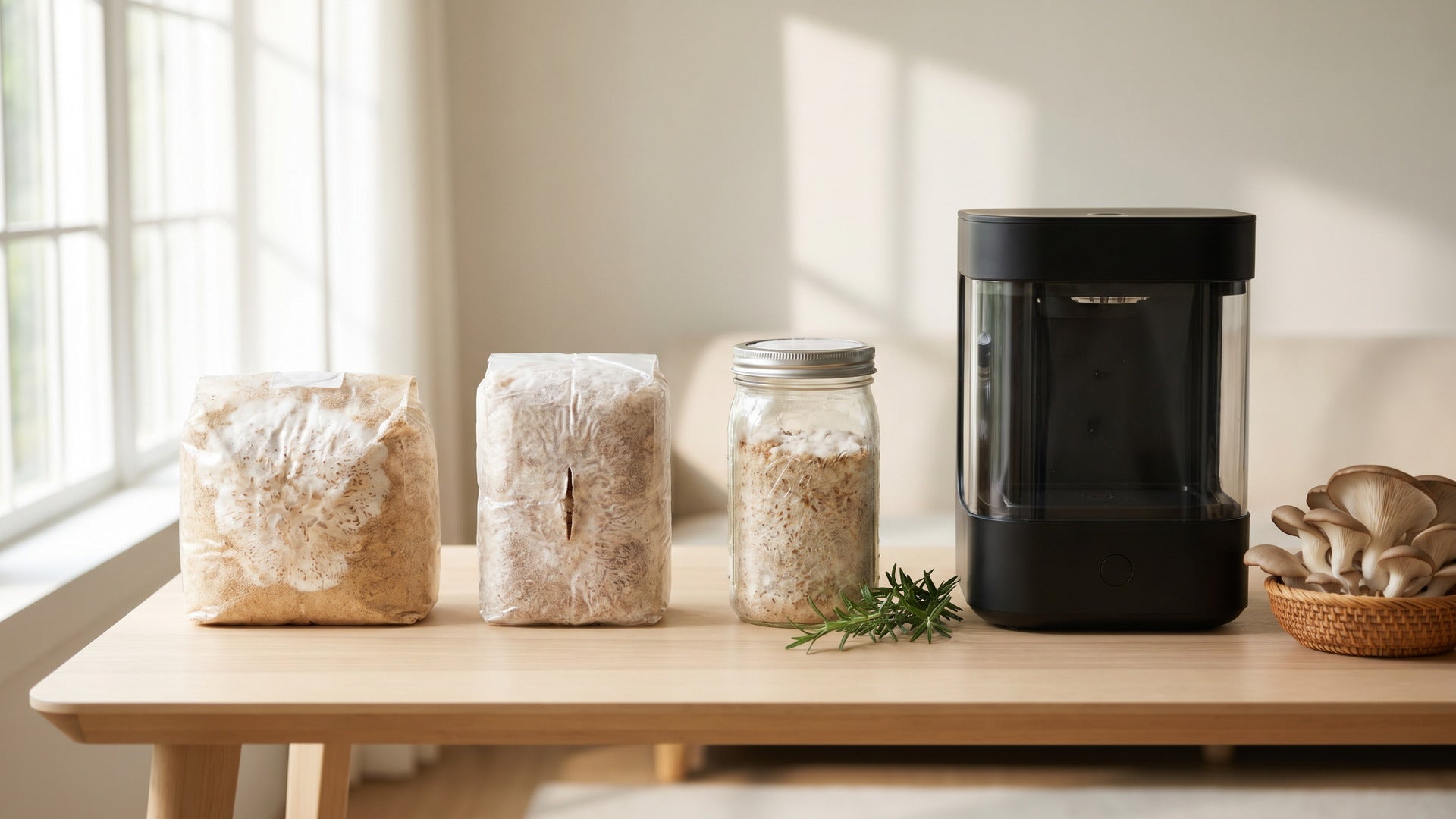
Smart Mushroom Grow Chamber
Plug-and-play smart chamber with humidity, light, and airflow dialed in for every species. Beginners harvest their first flush in days, not months.
Add to cart $299- Grilled steaks benefit from rich, wine-based sauces
- Pot roasts pair excellently with cream preparations
- Meatballs absorb mushroom sauce flavors beautifully
- Beef tenderloin showcases elegant reduction sauces
Chicken and Turkey Pairings
- Roasted chicken breasts enhanced by light cream sauces
- Grilled chicken thighs complement wine reductions
- Turkey cutlets pair with sage-infused preparations
- Whole roasted birds benefit from pan sauce preparations
Pork Preparations
- Pork tenderloin showcases delicate mushroom sauces
- Grilled pork chops pair with robust wine reductions
- Pork roasts benefit from slow-simmered preparations
- Bacon additions create double-umami combinations
Vegetarian and Pasta Applications
Pasta Dish Enhancements
- Fettuccine Alfredo elevated with mushroom additions
- Penne and rigatoni hold chunky mushroom sauces well
- Fresh pasta absorbs delicate cream preparations beautifully
- Rice and risotto dishes benefit from concentrated versions
Vegetable Preparations
- Roasted vegetables enhanced by light mushroom drizzles
- Grilled portobello mushrooms with mushroom sauce reductions
- Steamed broccoli and asparagus complemented perfectly
- Root vegetables pair with hearty, wine-based preparations
Grain and Legume Combinations
- Wild rice dishes enhanced by earthy mushroom sauces
- Quinoa and barley preparations benefit from umami additions
- Lentil dishes pair excellently with wine-reduced sauces
- Bean preparations complement cream-based versions

Storage and Meal Prep Strategies
Proper Storage Techniques
Refrigerator Storage Methods
- Cool sauce completely before refrigerating
- Store in airtight containers for maximum freshness
- Use within 3-4 days for best quality and safety
- Label containers with preparation date clearly
Freezing Considerations
- Cream-based sauces may separate when frozen
- Wine reductions freeze excellently for months
- Broth-based preparations maintain quality frozen
- Freeze in ice cube trays for portion control
Reheating and Refreshing Tips
Gentle Reheating Methods
- Use low heat to prevent separation or curdling
- Whisk constantly while reheating cream sauces
- Add splash of wine or broth if too thick
- Fresh herbs brighten reheated preparations
Sauce Rescue Techniques
- Broken cream sauces fixed with cold butter whisking
- Too-thick sauces thinned with appropriate liquid
- Bland reheated sauces enhanced with fresh seasonings
- Separated emulsions re-combined with gentle whisking
Advanced Techniques and Professional Tips
Sauce Consistency Management
Thickening Methods
- Cornstarch slurry creates glossy, clear thickness
- Flour roux provides traditional, matte finish
- Reduction concentrates flavors while thickening
- Cold butter mounting creates luxurious consistency
Thinning Strategies
- Wine additions brighten and lighten heavy sauces
- Broth maintains flavor while reducing richness
- Cream creates smooth, flowing consistency
- Pasta water adds starch for natural thickening
Flavor Development Techniques
Layered Seasoning Approach
- Season mushrooms during initial cooking
- Add aromatics gradually throughout process
- Taste and adjust continuously during preparation
- Finish with bright, fresh elements
Umami Enhancement Methods
- Tomato paste adds depth without tomato flavor
- Soy sauce provides savory, salty complexity
- Parmesan cheese rinds infuse during simmering
- Anchovy paste creates subtle, oceanic undertones
Troubleshooting Common Issues
Texture Problems and Solutions
Grainy or Separated Cream Sauce
- Usually caused by excessive heat or boiling
- Fix by removing from heat and whisking vigorously
- Add cold cream gradually while whisking continuously
- Prevention: maintain gentle simmer temperatures
Too Thin Consistency
- Continue reducing over medium heat
- Create cornstarch slurry for quick thickening
- Add cold butter pieces for immediate richness
- Combine with cream for permanent thickness
Overly Thick Preparations
- Thin with appropriate liquid gradually
- Wine brightens while thinning effectively
- Broth maintains mushroom flavor profile
- Cream creates smooth, flowing consistency
Flavor Balance Issues
Overly Salty Results
- Add cream or butter to mellow saltiness
- Include splash of wine for acidic balance
- Fresh herbs provide aromatic distraction
- Sugar pinch counteracts excessive salt
Bitter or Harsh Flavors
- Usually from overcooked garlic or burnt fond
- Add cream or butter for mellowing effect
- Include small amount of sugar for balance
- Fresh herbs mask unpleasant bitter notes
Bland or Flat Taste
- Increase seasoning gradually while tasting
- Add acid through wine or lemon juice
- Include umami boosters like soy sauce
- Fresh herbs provide aromatic lift
Nutritional Benefits and Considerations
Health Advantages of Mushroom Sauces
Nutritional Profile Benefits
- Mushrooms provide essential B vitamins
- Low in calories compared to traditional cream sauces
- Rich in antioxidants and beneficial compounds
- Excellent source of selenium and potassium
Dietary Adaptation Possibilities
- Easily modified for various dietary restrictions
- Vegan versions maintain rich, satisfying flavors
- Low-sodium preparations possible with careful seasoning
- Gluten-free naturally when avoiding flour thickeners
Portion Control and Moderation
Serving Size Guidelines
- 2-3 tablespoons typically sufficient per serving
- Rich sauces require smaller portions for satisfaction
- Light, broth-based versions allow larger servings
- Quality ingredients mean less quantity needed
Seasonal Variations and Ingredient Swaps
Spring and Summer Adaptations
Light, Fresh Preparations
- Emphasize fresh herbs like basil and parsley
- Include seasonal vegetables like asparagus
- Use lighter wines and reduced cream quantities
- Fresh mushroom varieties at peak season
Fall and Winter Heartiness
Rich, Warming Preparations
- Include warming spices like nutmeg and white pepper
- Use fuller-bodied wines for deeper flavors
- Add root vegetables for substance
- Dried mushrooms provide concentrated flavors
Holiday and Special Occasion Versions
Elegant Presentation Ideas
- Garnish with fresh herb sprigs
- Include truffle oil for luxury touch
- Use multiple mushroom varieties for complexity
- Present in warmed serving vessels
Conclusion
Mastering mushroom sauce preparation transforms your cooking capabilities and provides endless opportunities for culinary creativity. Whether you prefer rich, cream-based preparations or lighter, wine-reduced versions, understanding fundamental techniques allows you to create restaurant-quality sauces that elevate any meal.
The key to exceptional mushroom sauce lies in quality ingredient selection, proper technique execution, and thoughtful seasoning throughout the cooking process. Start with basic recipes to build confidence, then experiment with international flavors and seasonal variations as your skills develop.
Remember that great mushroom sauce requires patience during the cooking process and attention to detail in balancing flavors. With practice, you'll develop the intuitive understanding necessary to create personalized versions that reflect your taste preferences and complement your favorite dishes perfectly.
These versatile sauces store well, reheat beautifully, and adapt to numerous dietary requirements, making them practical additions to meal planning and entertaining strategies. Master these techniques, and you'll never be without an elegant, flavorful sauce to enhance your cooking repertoire.
Frequently asked questions
What is the best mushroom for mushroom sauce?
Cremini and button mushrooms are the everyday workhorses. For deeper flavor, blend them with shiitake (umami), oyster (silky), or rehydrated porcini (intense). Avoid watery mushrooms like fresh enoki for a sauce with body.
Can I make mushroom sauce without cream?
Yes. Use a roux (butter and flour) thinned with broth, or finish with unsweetened oat milk, cashew cream, or coconut milk for a dairy-free version. A teaspoon of miso or a small handful of Parmesan rind adds richness without dairy.
Why is my mushroom sauce watery?
Either the pan was too crowded so the mushrooms steamed instead of seared, or you added cream before the alcohol or stock fully reduced. Cook in batches in a hot pan, deglaze, and reduce by half before adding any dairy.
How long does mushroom sauce keep?
In an airtight container in the fridge, three to four days. Reheat gently with a splash of stock to loosen. Cream-based sauce does not freeze well; a butter-and-stock version can be frozen for up to two months.
What can I serve mushroom sauce with?
Pasta, gnocchi, polenta, mashed potatoes, grilled steak, pan-seared chicken, pork chops, and roasted vegetables. Also works as a base for a savory tart or over a poached egg on toast.
Want fresher mushrooms in your sauce?
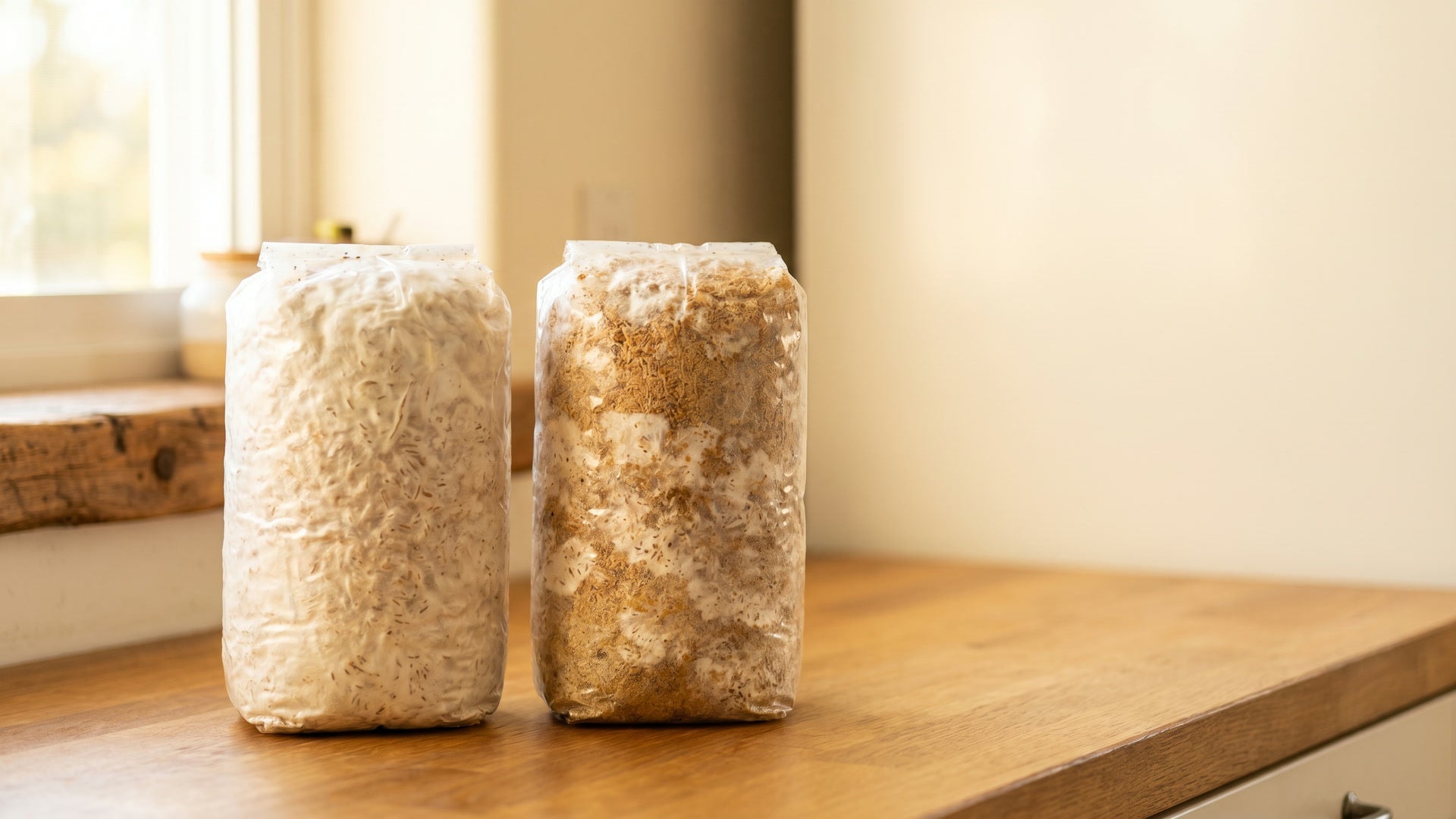
The best mushroom sauce starts with mushrooms picked the same week. The Lykyn smart chamber and our 5 lbs species kits put a steady supply on your counter.

Share:
Benefits of Mushrooms: Nature's Superfood for Health
How to Sauté Mushrooms: The Lykyn Guide