


Standard drug tests do NOT detect culinary or medicinal mushrooms like lion's mane, reishi, or shiitake. These legal mushrooms contain no controlled substances. Only specialized tests screen for psilocybin (magic mushrooms), and even these aren't part of typical 5, 10, or 12-panel employment screenings.
Look, I get it. You're standing in front of your mushroom grow kit, watching those beautiful lion's mane fruiting bodies develop, and suddenly a thought hits you: "Wait, could this affect a drug test?"

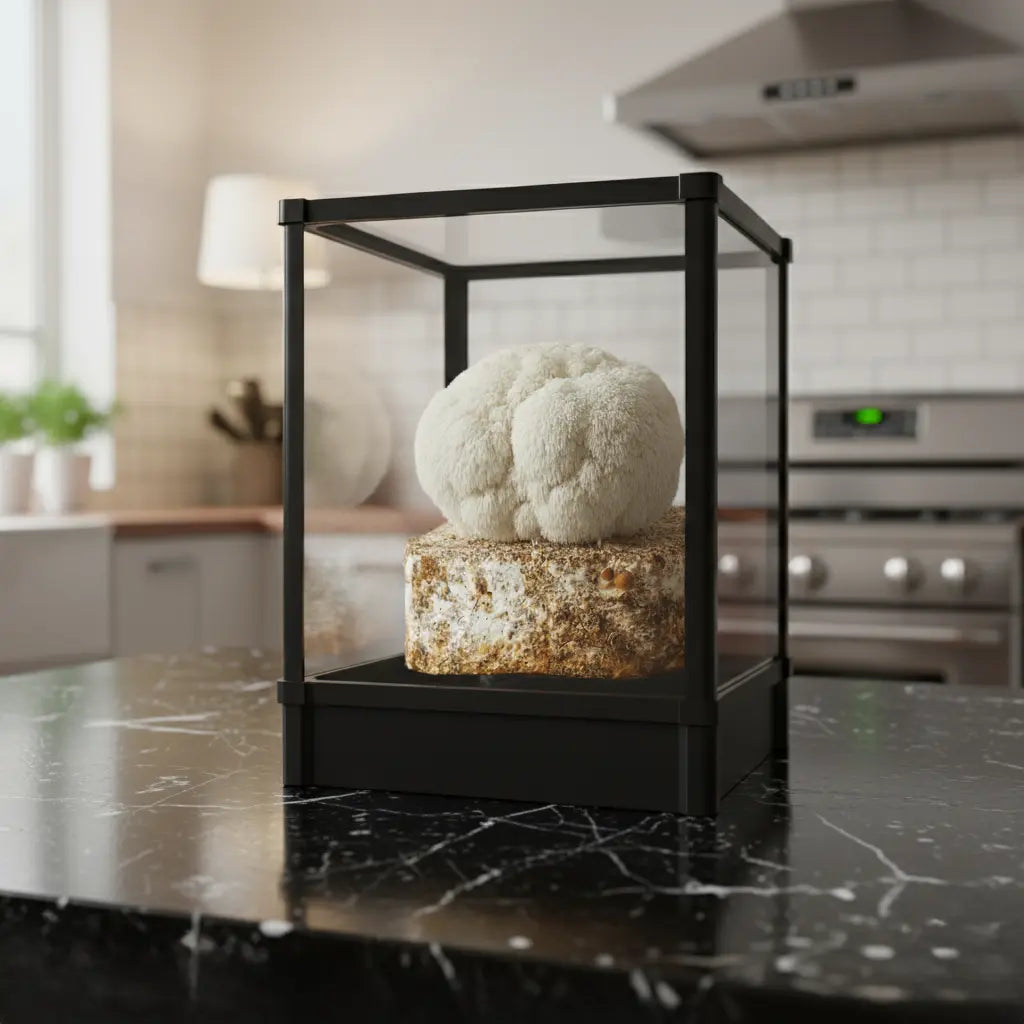
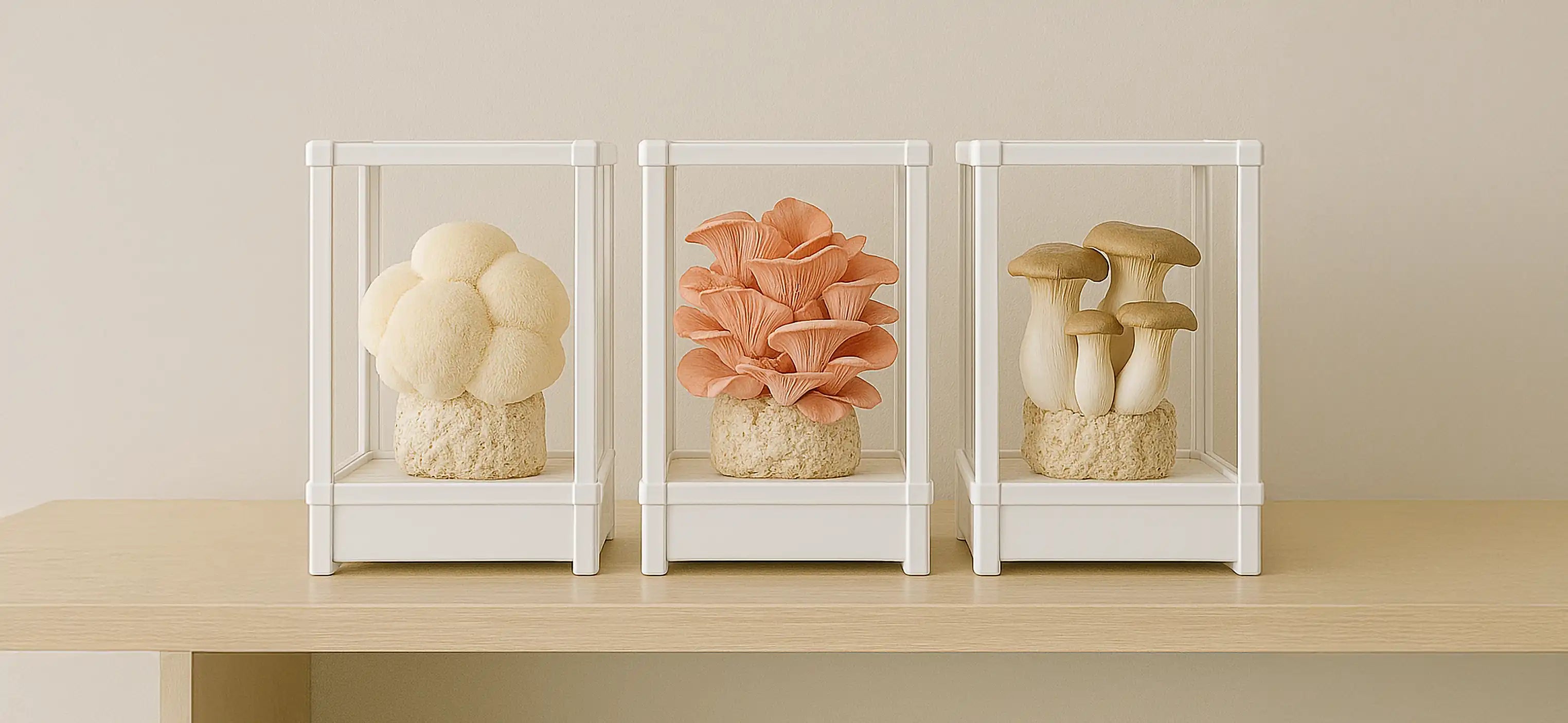
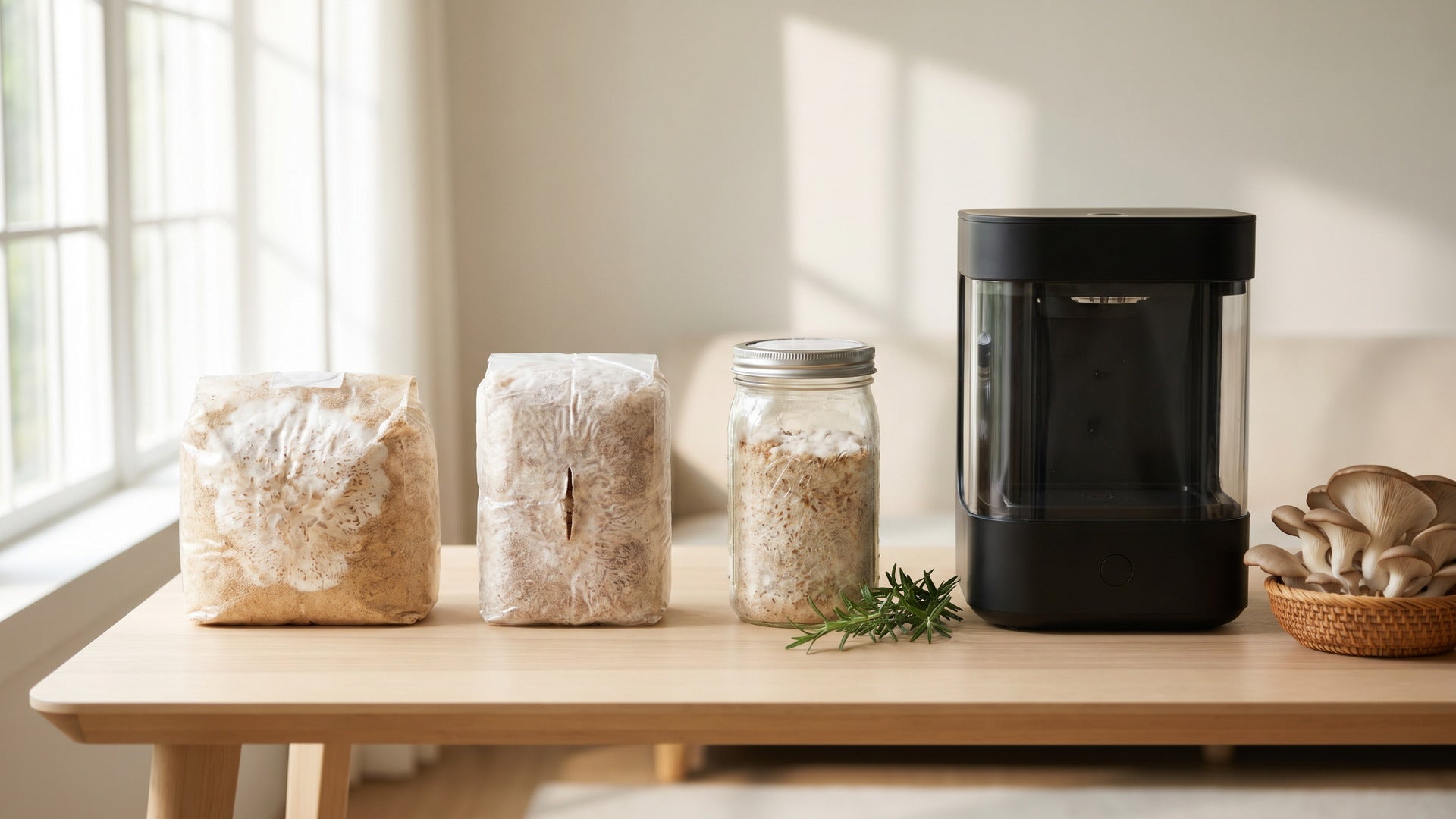
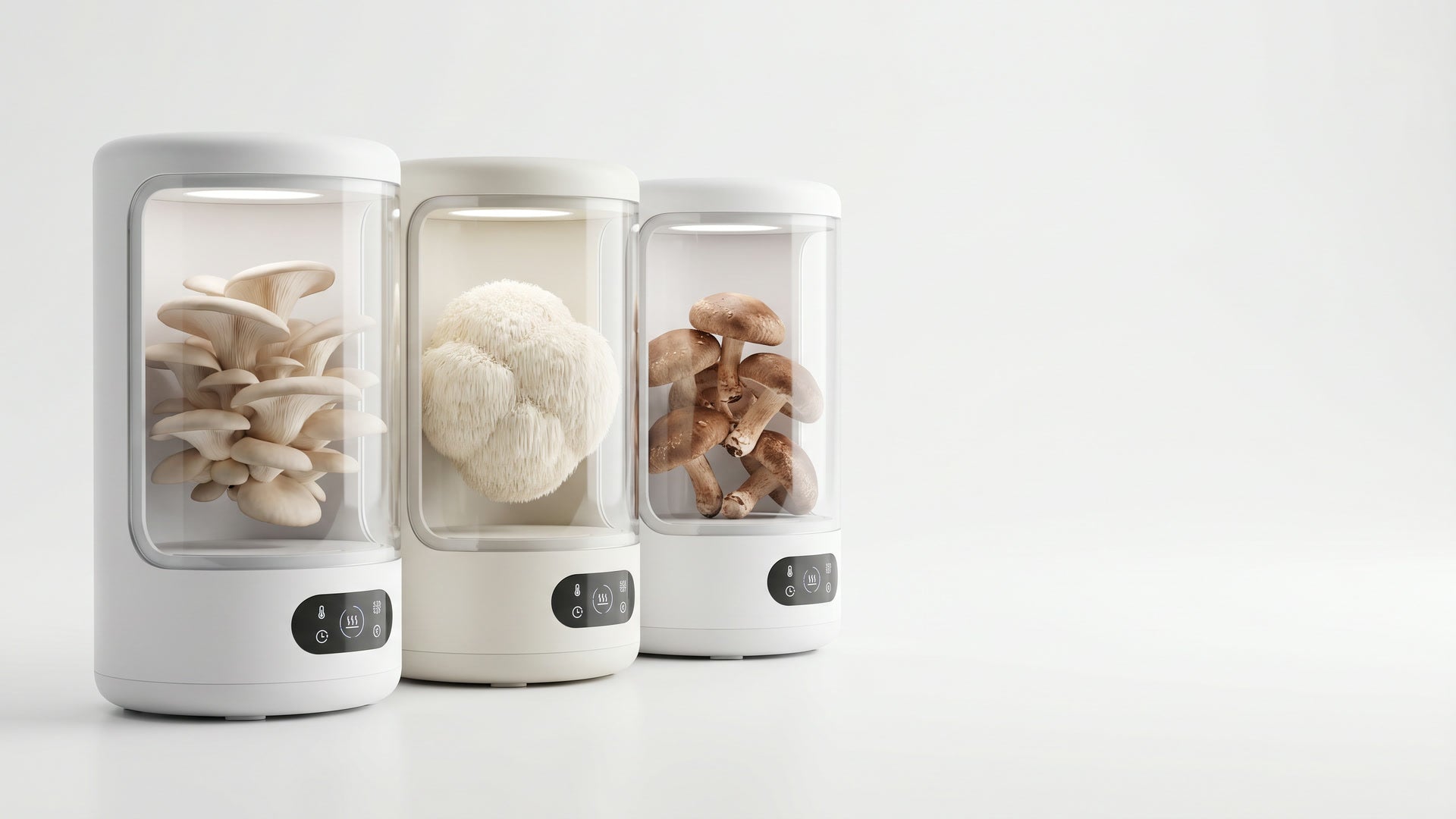
Smart Chamber. Bone White Single
- 2.8L tank, 90% humidity automatic
- App-controlled, plug-and-play
- 6 lb block ceiling, in stock

Smart Chamber. Obsidian Black Single
- Same hardware as Bone White
- Matte black premium finish
- Pairs with any kitchen palette

It's a fair question. With mushrooms everywhere in wellness conversations right now, from functional coffee blends to Reishi Mushroom Tinctures gaining mainstream popularity, the line between "mushrooms" can feel blurry.
So let's clear this up once and for all.
Understanding the Difference: Culinary Mushrooms vs. Psilocybin Mushrooms
What Are Culinary and Medicinal Mushrooms?
These are the mushrooms you eat, grow, and use for health benefits. We're talking about:
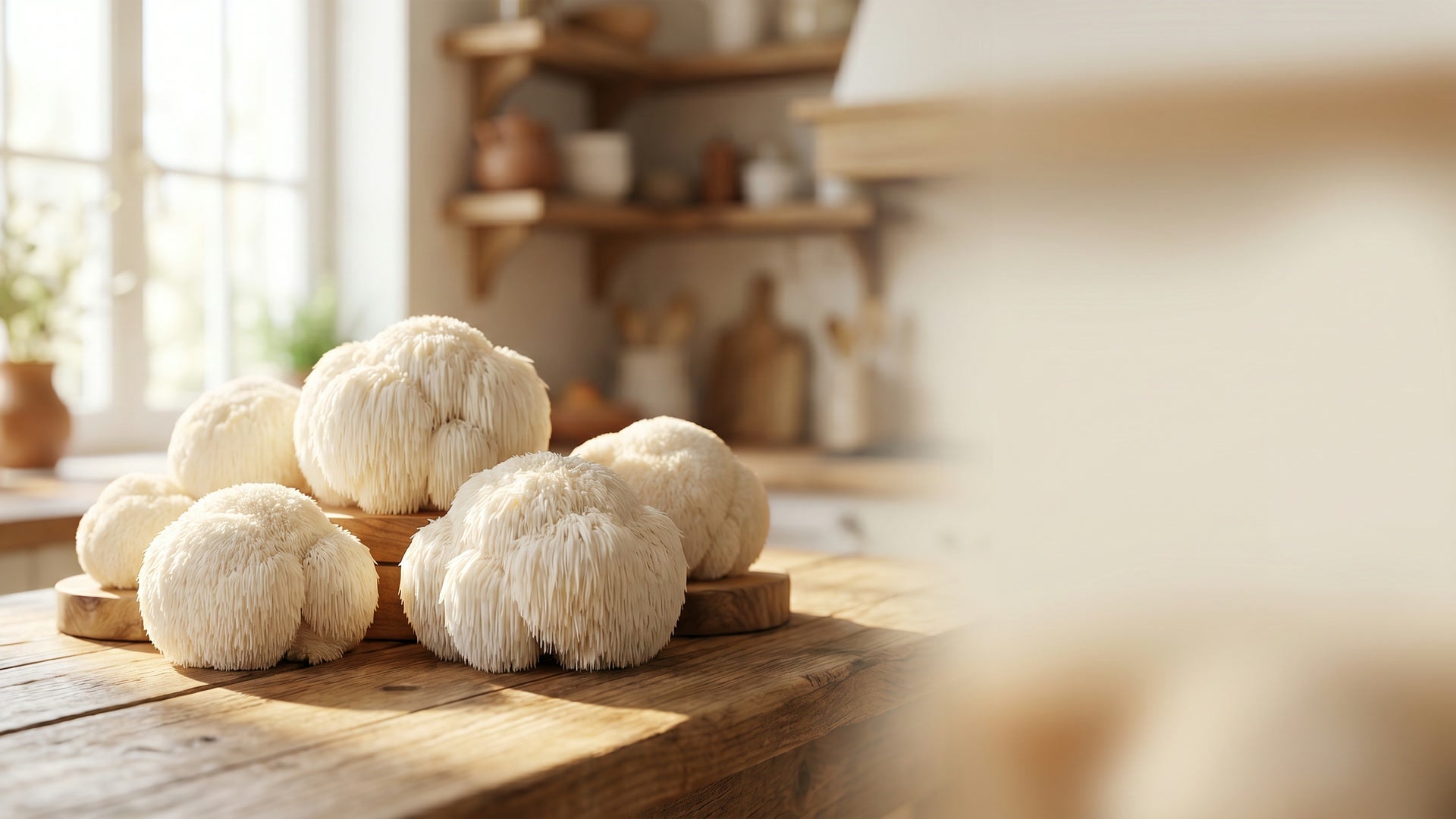
- Lion's Mane (Hericium erinaceus). Known for cognitive support
- Shiitake (Lentinula edodes). Popular culinary mushroom with immune benefits
- Reishi (Ganoderma lucidum). Adaptogenic properties, stress support
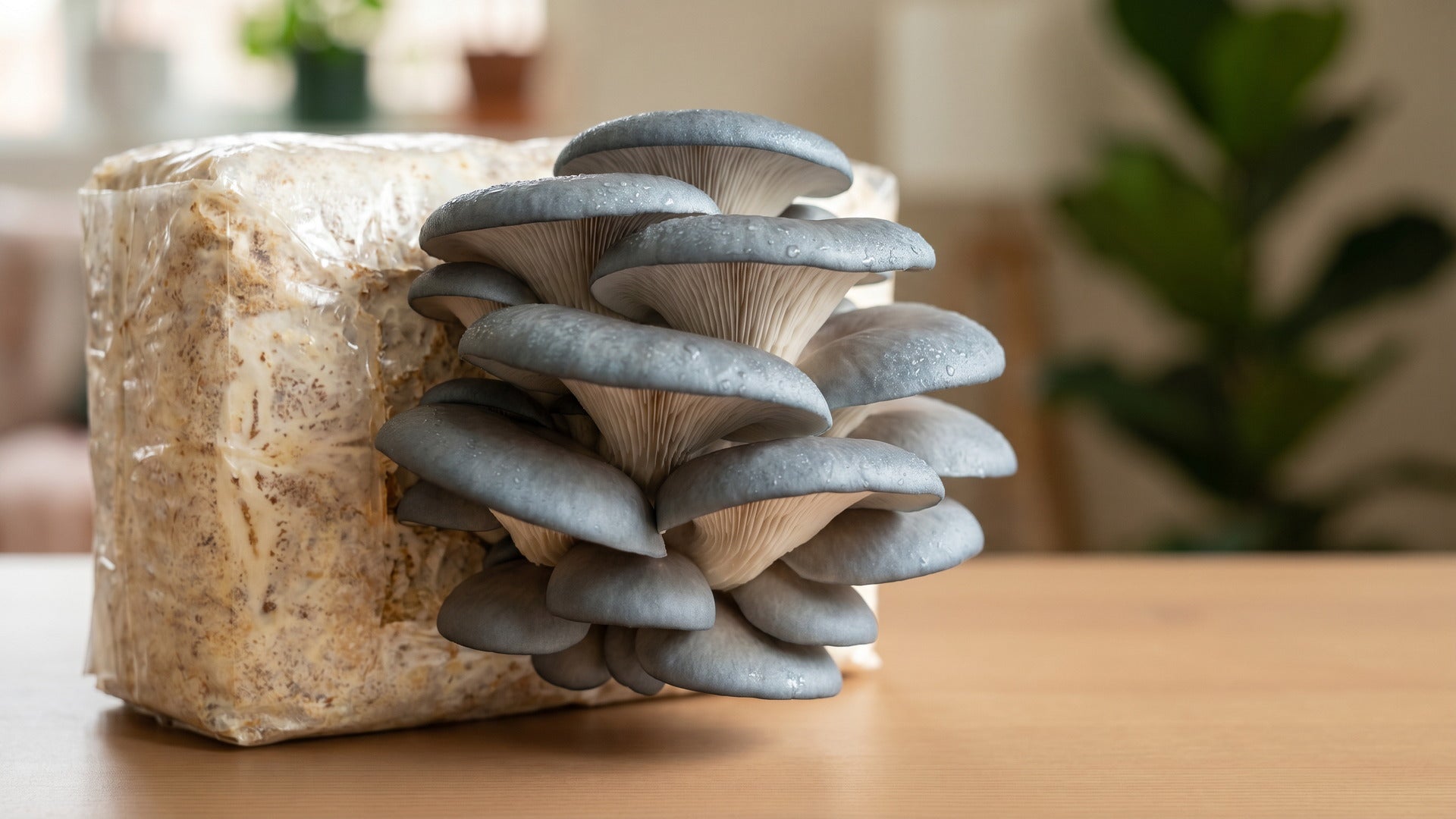
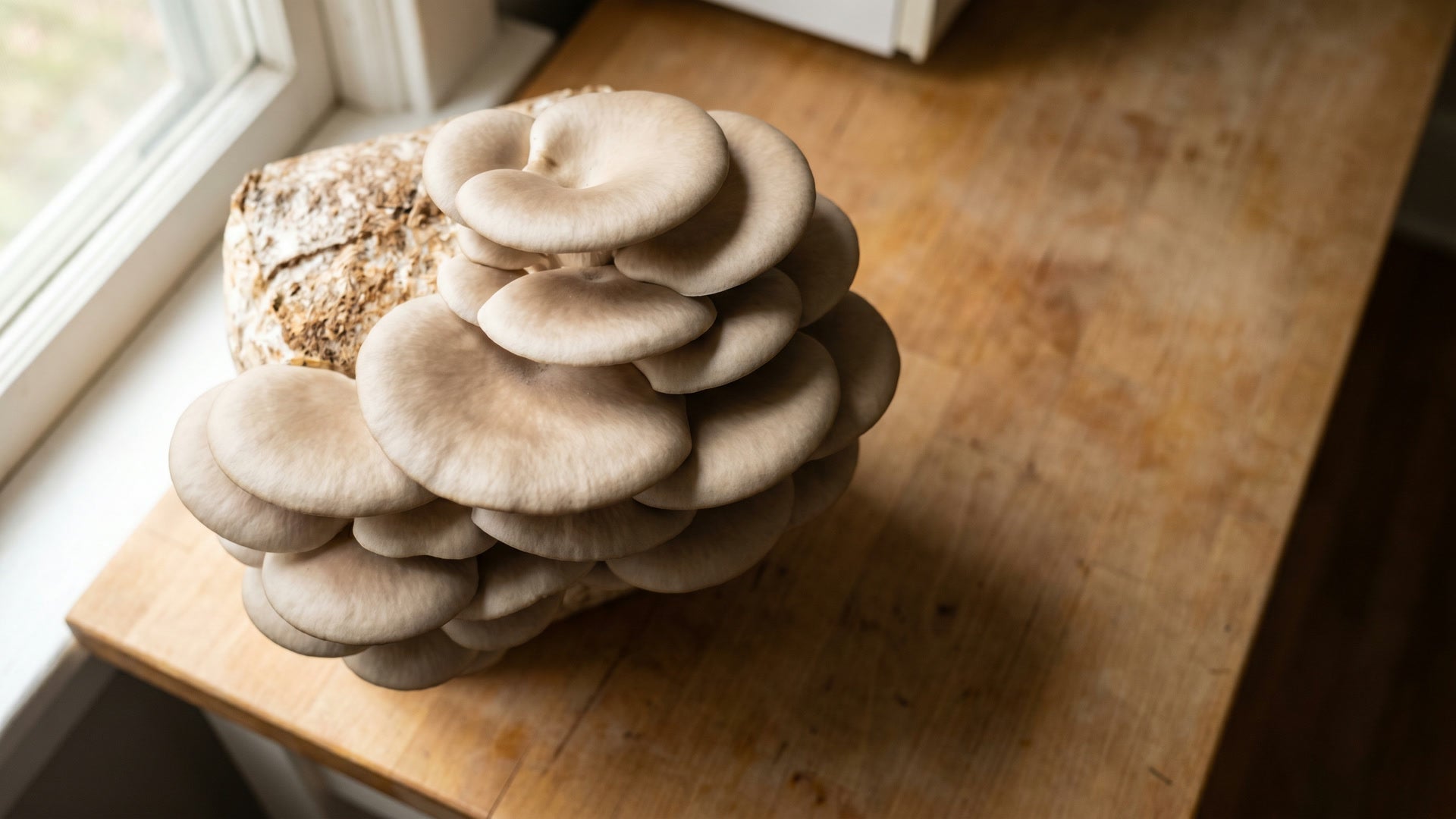
- Oyster mushrooms (Pleurotus ostreatus). Delicious and nutritious
- Cinnamon Cap (Hypholoma capnoides). Gourmet variety gaining popularity
These mushrooms are 100% legal everywhere in the United States. They contain zero controlled substances. They will not show up on any drug test, period.
What Are Psilocybin Mushrooms?
Psilocybin mushrooms, often called "magic mushrooms," contain the psychoactive compounds psilocybin and psilocin. These are Schedule I controlled substances under federal law, though some states and cities have decriminalized or legalized them for therapeutic use as of 2026.
Here's the key distinction: The compounds are entirely different. It's like asking if drinking coffee will make you test positive for cocaine, they're both plants, but the chemistry is worlds apart.

Which Drug Tests Screen for Mushrooms?
Standard Employment Drug Tests
The most common workplace drug screenings are 5-panel tests. According to the Substance Abuse and Mental Health Services Administration (SAMHSA) 2026 guidelines, these test for:
| Panel | Substances Detected |
|---|---|
| 1 | Marijuana (THC) |
| 2 | Cocaine |
| 3 | Opiates |
| 4 | Amphetamines |
| 5 | Phencyclidine (PCP) |
Notice what's missing? Psilocybin. And definitely not lion's mane or reishi.
Even expanded 10-panel and 12-panel tests don't include psilocybin. These add benzodiazepines, barbiturates, methadone, and similar substances, but still no mushroom compounds.
Specialized Psilocybin Testing
Testing specifically for psilocybin requires:
- Extended panel screens (rare, expensive)
- Specific request from the testing party
- Specialized laboratory analysis
Most employers simply don't pay for this. A 2025 Quest Diagnostics workforce drug testing analysis found that less than 0.3% of employment screens included psilocybin panels.
How Long Does Psilocybin Stay Detectable?
If you're concerned about psilocybin specifically (not culinary mushrooms), here are the detection windows based on current clinical research:
| Test Type | Detection Window |
|---|---|
| Urine | 24-48 hours |
| Blood | 6-24 hours |
| Hair | Up to 90 days (rare testing) |
| Saliva | 24 hours |
Psilocybin metabolizes quickly. The body converts it to psilocin, which clears from urine within 1-3 days for most people.
Why Your Lion's Mane Grow Kit Won't Cause Issues
I've been growing mushrooms at home for years. Every time I check on my Lion's Mane Mushroom Fruiting Block, I'm working with completely legal, beneficial fungi.
Here's the science: Lion's mane contains hericenones and erinacines, compounds studied for neuroprotective properties. These are not psychoactive. They don't interact with serotonin receptors like psilocybin does. They're closer to eating broccoli than anything a drug test would flag.
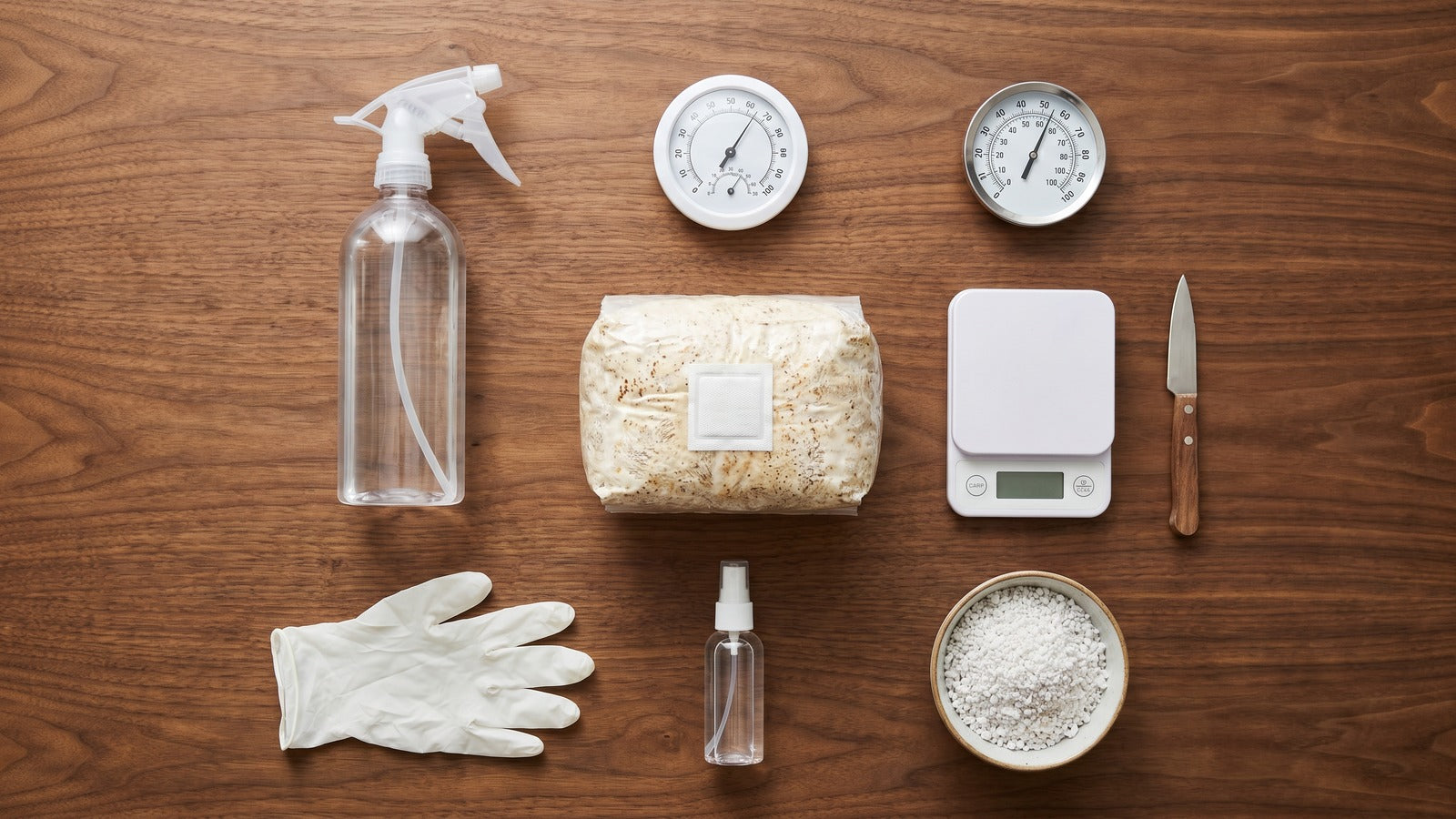
The same applies to every culinary mushroom variety. Whether you're using a Smart Mushroom Grow Kit for oyster mushrooms or cultivating Cinnamon Cap Mushroom Fruiting Blocks, you're in completely safe territory.

What About Mushroom Supplements and Extracts?
Powders, Tinctures, and Capsules
Products like Reishi Mushroom Powder contain concentrated mushroom compounds, but again, none that trigger drug tests. These supplements go through extraction processes that isolate beneficial beta-glucans, triterpenes, and other health-supporting compounds.

Fuel Your Mushroom Journey
Smart Mushroom Grow Chamber
Plug-and-play smart chamber with humidity, light, and airflow dialed in for every species. Beginners harvest their first flush in days, not months.
Add to cart $299Reputable brands test for:
- Heavy metals
- Microbial contamination
- Accurate compound concentrations
What they don't contain: anything remotely close to controlled substances.
Could Contamination Be an Issue?
In theory, poorly manufactured supplements could contain contaminants. But this would never include psilocybin, it's not something that accidentally ends up in lion's mane extract.
The bigger concern with any supplement is quality and purity. Always choose products from transparent brands that provide third-party testing results. If you're curious about what quality testing looks like, the article on Shiitake Mushroom Side Effects discusses how proper testing protocols work.
Real Talk: When Should You Actually Be Concerned?
Let me be direct here.
You should NOT worry if you're:
- Growing culinary mushrooms at home
- Taking lion's mane supplements for cognitive support
- Adding shiitake to your stir-fry
- Using reishi tinctures for stress management
- Drinking mushroom coffee blends
You might need more information if you're:
- Living somewhere with psilocybin therapy programs
- Participating in clinical trials
- Subject to extremely specialized testing (very rare)
For 99.9% of people reading this who grow and enjoy culinary mushrooms, drug testing is simply not a relevant concern.

Frequently Asked Questions
Do lion's mane mushrooms show up on a drug test?
No, lion's mane mushrooms will never appear on any drug test. They contain hericenones and erinacines for cognitive support, not controlled substances. You can safely enjoy lion's mane supplements, grow lion's mane at home, or add it to meals without any testing concerns.
Will reishi mushroom supplements cause a positive drug test?
Reishi mushrooms and reishi supplements will not cause a positive drug test result. Reishi contains triterpenes and beta-glucans that support immune function and stress response. These compounds are completely different from anything screened in standard or extended drug panels.
Do standard 5-panel drug tests detect psilocybin?
No, standard 5-panel drug tests do not screen for psilocybin. These tests only detect marijuana, cocaine, opiates, amphetamines, and PCP. Psilocybin detection requires specialized testing that most employers don't request due to additional cost.
How long do mushrooms stay in your system?
Culinary mushrooms like shiitake and lion's mane metabolize like any food, typically within 24-48 hours. Psilocybin, if that's your concern, leaves urine within 1-3 days and blood within 24 hours. Hair tests can theoretically detect psilocybin for 90 days, but these are extremely rare.
Can growing mushrooms at home get me in legal trouble?
Growing culinary and medicinal mushrooms at home is completely legal throughout the United States. Species like lion's mane, oyster, shiitake, and reishi are sold openly in grocery stores. The only mushrooms with legal restrictions are those containing psilocybin or psilocin.
Do employers ever test specifically for psilocybin?
Very rarely. Psilocybin-specific testing costs more and isn't part of standard protocols. Less than 0.3% of employment drug screens include psilocybin panels according to 2025 industry data. Unless you're in a specialized field with explicit psilocybin testing policies, it's unlikely.
Are functional mushroom coffees and drinks safe before a drug test?
Absolutely. Functional mushroom beverages containing lion's mane, chaga, reishi, or cordyceps are safe before any drug test. These products use legal mushroom extracts for wellness benefits. They don't contain substances that any drug test screens for.
Conclusion: Grow and Enjoy Your Mushrooms Without Worry
Here's the bottom line: if you're enjoying culinary or medicinal mushrooms, drug tests are not your concern.
The confusion comes from the word "mushrooms" being used for both completely legal fungi like lion's mane and controlled substances like psilocybin. These are different species with different compounds and different legal statuses.
Key takeaways:
- Standard drug tests (5, 10, 12-panel) don't screen for any mushroom compounds
- Culinary mushrooms contain zero controlled substances
- Psilocybin testing is rare, expensive, and specifically requested
- Growing mushrooms at home is a legal, rewarding hobby
- Quality supplements from reputable brands are completely safe
So go ahead, check on your lion's mane blocks, brew that reishi tea, add shiitake to dinner. Your drug test doesn't care, and neither should you.
Ready to Start Growing?
If you've been holding back on home mushroom cultivation because of testing concerns, consider this your green light.
Start your mushroom growing journey today with our beginner-friendly Smart Mushroom Grow Kit, everything you need to harvest fresh, legal, delicious mushrooms at home within weeks.
Have more questions about mushroom cultivation or wellness? Drop us a line. We're always happy to talk fungi.
Share:
How to Identify the Destroying Angel Mushroom (And Why It Matters in 2026)
Your Complete Guide to Everyday Dose Mushroom Coffee in 2026