


Mushroom sauce is a creamy, umami-rich condiment made by sautéing fresh mushrooms with aromatics, then simmering in cream or stock. The best varieties for sauce include shiitake, oyster, and porcini mushrooms. Cook mushrooms on high heat first to caramelize, then build your sauce base for maximum depth of flavor.
Why Mushrooms Make the Ultimate Sauce Base
Here's the thing about mushrooms and sauce, they're basically made for each other. Mushrooms contain naturally occurring glutamates, the same compounds that make parmesan cheese and soy sauce taste so darn good. When you cook them down into a sauce, you're essentially concentrating liquid umami.

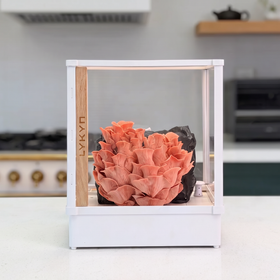
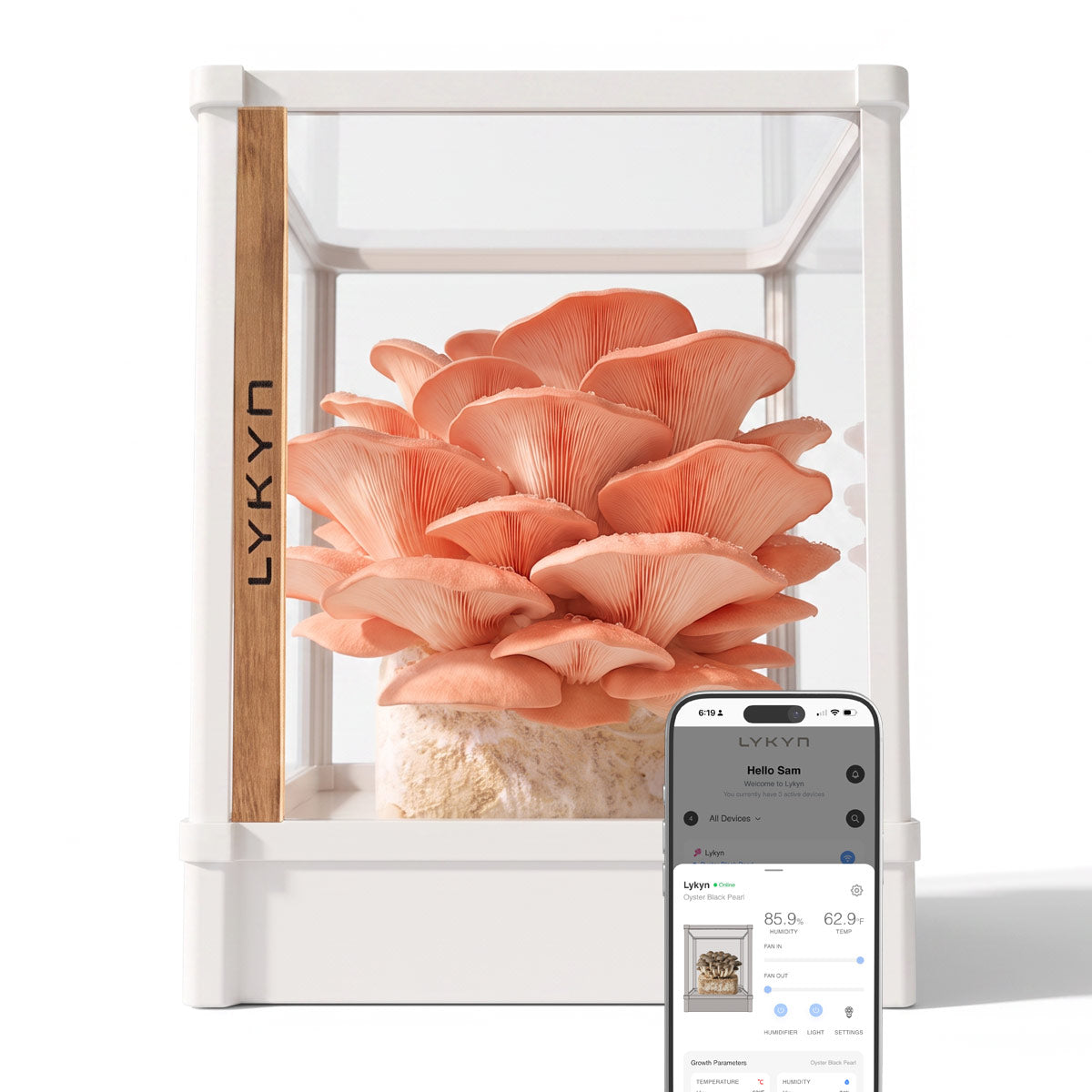
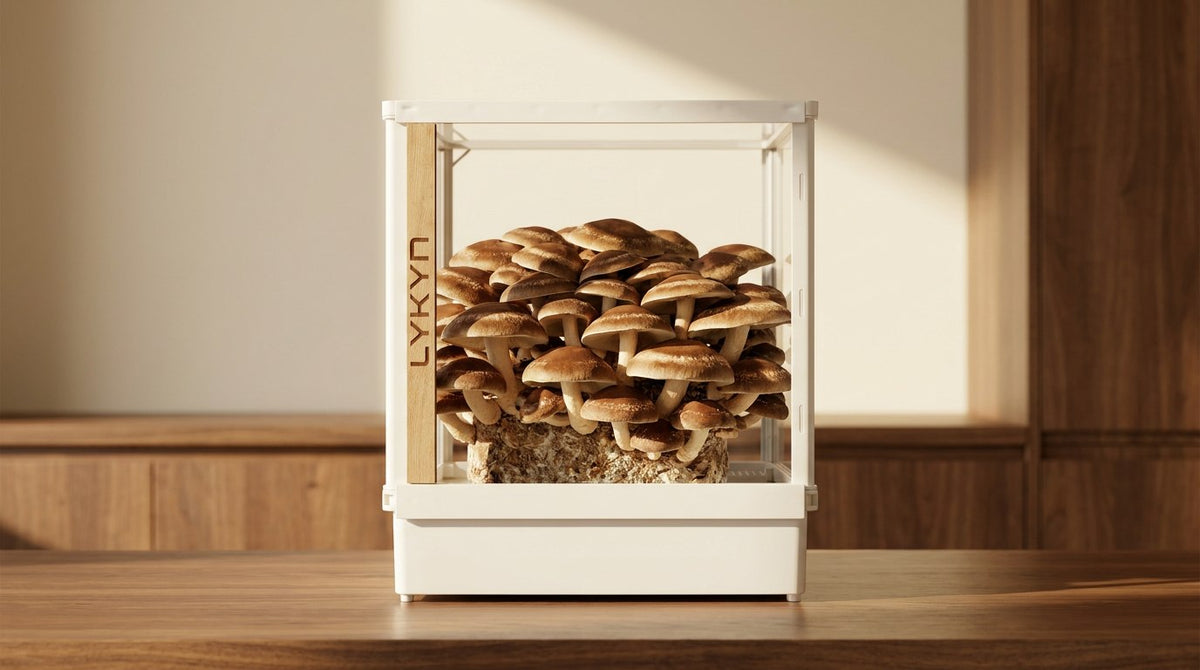
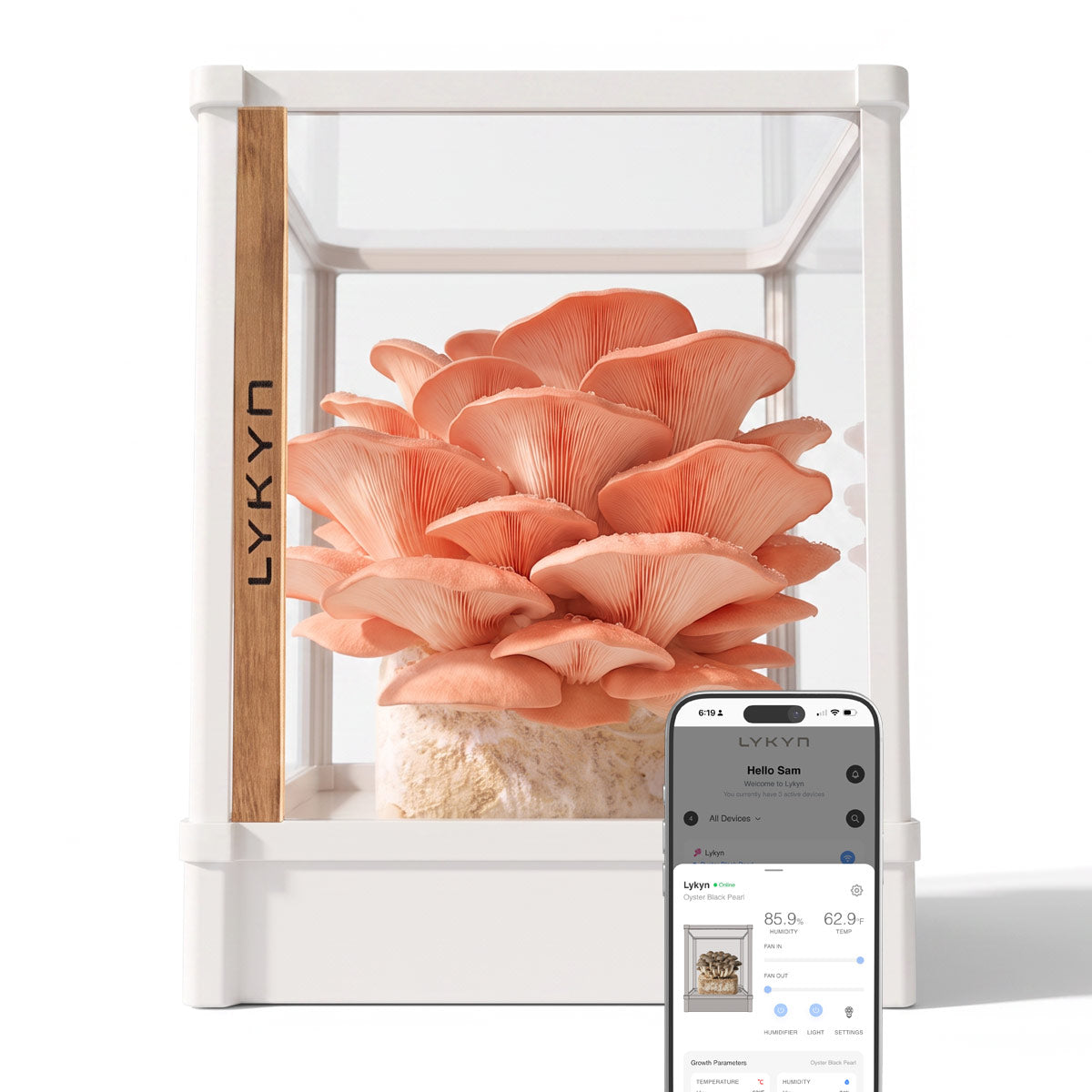
Smart Chamber. Bone White Single
- 2.8L tank, 90% humidity automatic
- App-controlled, plug-and-play
- 6 lb block ceiling, in stock

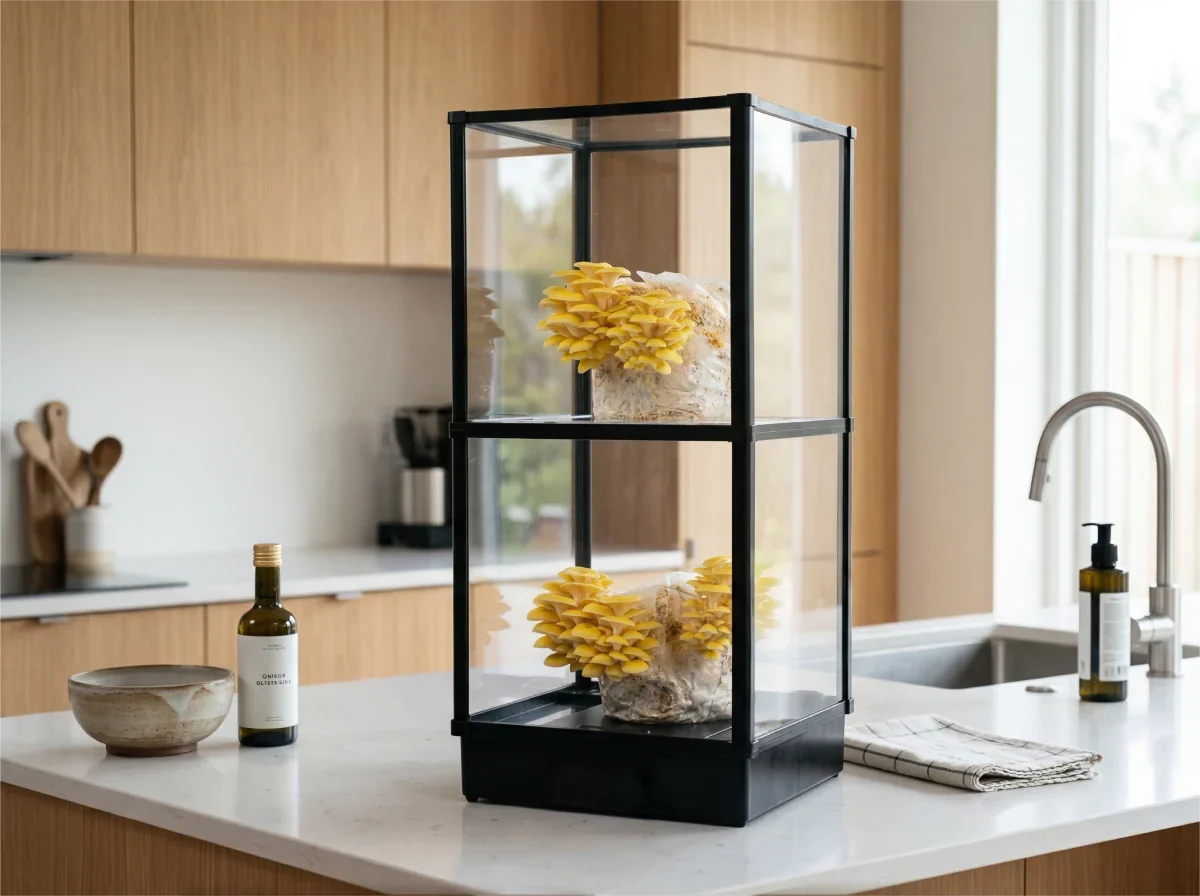
Smart Chamber. Obsidian Black Single
- Same hardware as Bone White
- Matte black premium finish
- Pairs with any kitchen palette

I've been growing and cooking with mushrooms for years now, and the difference between store-bought and fresh-from-the-block mushrooms in a sauce is honestly night and day. Those pre-packaged white buttons? They work. But mushrooms you've harvested yourself that morning? That's a whole different experience.
What makes mushrooms perfect for sauces:
- High water content (80-90%) that releases during cooking, creating natural sauce liquid
- Glutamic acid levels ranging from 50-180mg per 100g depending on variety
- Meaty texture that holds up in cream-based and stock-based sauces
- Neutral color that takes on the hue of your chosen sauce base
According to food science research from 2025, mushrooms release their moisture most effectively when cooked at temperatures above 300°F (149°C). This is why we don't crowd the pan, more on that technique below.

Best Mushroom Varieties for Sauce (Ranked by Flavor Depth)
Not all mushrooms are created equal when it comes to sauce-making. After testing dozens of varieties, here's my honest breakdown:
Shiitake Mushrooms: The Umami King
Shiitake mushrooms contain the highest natural glutamate levels of commonly available varieties, about 1,060mg per 100g when dried. Fresh shiitakes bring an earthy, slightly smoky flavor that deepens any sauce. The Shiitake Mushroom Fruiting Block from Lykyn gives you multiple harvests, meaning fresh shiitakes whenever you want them.
Remove the stems (they're tough) and slice the caps thin for quick-cooking sauces or thick for chunky textures.
Oyster Mushrooms: Versatility Champions
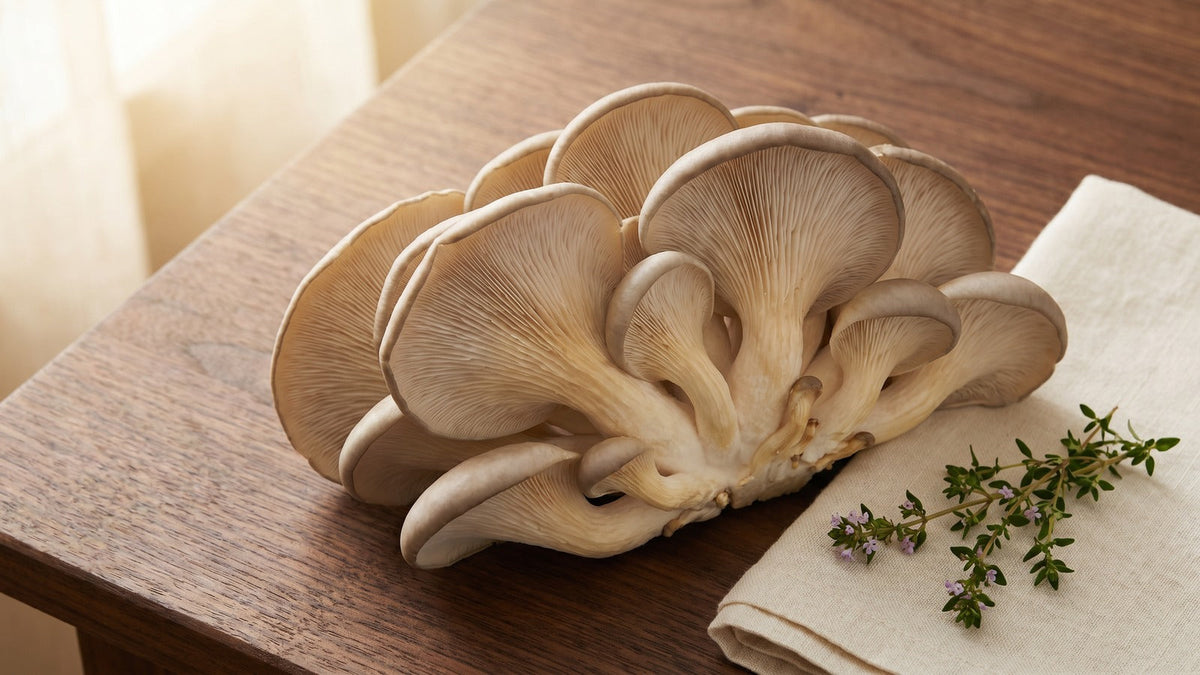
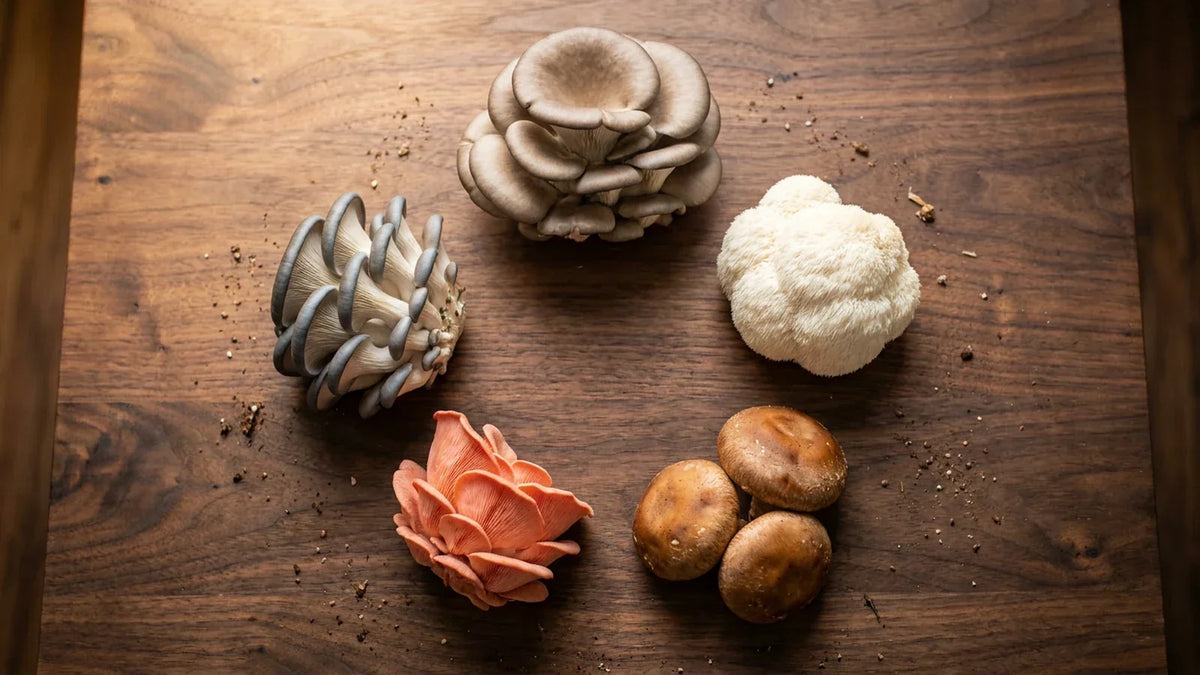
Oyster varieties, pink, black, golden, each bring something different. Pink oysters have a subtle bacon-like flavor when crisped. Black oysters offer a more robust, slightly anise note. The Black Oyster Mushroom Fruiting Block is my go-to for ramen broths and rich pasta sauces.
For something more delicate, the Pink Oyster Mushroom Fruiting Block pairs beautifully with lighter cream sauces and grain bowls.
Porcini Mushrooms: The Gourmet Option
Dried porcini are sauce-making secret weapons. A small handful adds incredible depth to any mushroom sauce. For more on using these prized fungi, check out our deep dive on Porcini Mushrooms and their culinary uses.

Step-by-Step: How to Make Basic Mushroom Sauce
This is the foundational technique. Master this, and you can riff in any direction.
Step 1: Prep Your Mushrooms Properly
Clean mushrooms with a dry brush or damp paper towel, never soak them. Slice to uniform thickness (about ¼ inch) for even cooking. For smaller varieties like maitake, tear into bite-sized clusters instead. Our guide on How to Cook Maitake Mushrooms covers the tearing technique in detail.
Step 2: Master the Sear
Heat a wide pan over high heat. Add oil with a high smoke point (avocado or grapeseed). Don't crowd, mushrooms should be in a single layer. Let them sit untouched for 2-3 minutes until deeply golden.
This step is non-negotiable. Stirring too early = steamed, rubbery mushrooms.
Step 3: Build the Aromatics
Push mushrooms aside. Add butter, minced shallots, and garlic. Cook 1 minute until fragrant. Add fresh thyme or rosemary.
Step 4: Deglaze and Simmer
Pour in ½ cup dry white wine or stock. Scrape up browned bits, that's flavor gold. Reduce by half, about 2 minutes.
Step 5: Finish with Cream or Stock
For cream sauce: Add 1 cup heavy cream, simmer 5 minutes until thickened.
For lighter sauce: Use 1 cup mushroom or vegetable stock with 2 tablespoons butter whisked in.

Fuel Your Mushroom Journey
Smart Mushroom Grow Chamber
Plug-and-play smart chamber with humidity, light, and airflow dialed in for every species. Beginners harvest their first flush in days, not months.
Add to cart $299Season with salt, pepper, and a splash of soy sauce for extra umami.

Creative Mushroom Sauce Variations
Asian-Inspired Mushroom Sauce
Skip the cream. Use soy sauce, sesame oil, rice vinegar, and a touch of maple syrup. Add grated ginger and finish with toasted sesame seeds. Perfect over rice bowls or noodles.
Wine-Based Mushroom Sauce (Sauce Forestière)
Classic French technique. Deglaze with red wine instead of white. Add demi-glace or concentrated beef stock. Finish with a tablespoon of Dijon mustard. Ideal for steaks.
Vegan Mushroom Cream Sauce
Replace dairy cream with full-fat coconut cream or cashew cream. The mushroom flavor still shines through. Add nutritional yeast for extra savory depth.
For more recipe inspiration, our complete Mushroom Sauce guide covers additional variations and pairings.
Common Mushroom Sauce Mistakes (And How to Fix Them)
Watery, Bland Sauce
The problem: Mushrooms weren't properly seared first.
The fix: Cook mushrooms alone on high heat until all moisture evaporates and edges are golden. Only then add other ingredients.
Grainy Cream Sauce
The problem: Cream was added to too-hot pan or boiled too vigorously.
The fix: Reduce heat before adding cream. Simmer gently, never boil.
Rubbery Mushroom Texture
The problem: Overcrowded pan caused steaming instead of searing.
The fix: Cook in batches. Each mushroom piece needs contact with the pan surface.
Frequently Asked Questions About Mushroom and Sauce
Q: What is the best mushroom for making sauce?
A: Shiitake mushrooms are widely considered the best for sauce due to their high glutamate content (1,060mg per 100g dried) which creates intense umami flavor. For cream-based sauces, oyster mushrooms work exceptionally well because of their delicate texture and ability to absorb flavors.
Q: How do you keep mushroom sauce from getting watery?
A: Sear mushrooms on high heat in a single layer without stirring for 2-3 minutes. This allows moisture to evaporate and edges to caramelize. Only add liquid ingredients after mushrooms are golden brown and dry.
Q: Can you make mushroom sauce ahead of time?
A: Yes, mushroom sauce stores well in the refrigerator for up to 5 days. Reheat gently over low heat, adding a splash of cream or stock if it has thickened too much. For best texture, add fresh herbs after reheating.
Q: What goes well with mushroom sauce?
A: Mushroom sauce pairs excellently with pasta (especially fettuccine and pappardelle), grilled steaks, roasted chicken, mashed potatoes, polenta, and grain bowls. It also works as a pizza sauce base or a dip for crusty bread.
Q: How do you make mushroom sauce thicker?
A: For cream-based sauces, simply simmer longer to reduce and thicken. For stock-based sauces, whisk in a slurry of 1 tablespoon cornstarch mixed with 2 tablespoons cold water, then simmer for 1 minute until thickened.
Q: Is mushroom sauce healthy?
A: Mushroom sauce can be nutritious. Mushrooms provide B vitamins, selenium, and potassium with minimal calories (about 22 calories per cup raw). Using olive oil instead of butter and reducing cream content creates a lighter version while maintaining flavor.
Q: What wine pairs best with mushroom sauce?
A: For cooking, use dry white wine like Sauvignon Blanc or Pinot Grigio for lighter sauces. For red wine-based sauces, choose Pinot Noir or Merlot. For drinking alongside mushroom dishes, earthy Pinot Noirs complement the umami flavors perfectly.
Conclusion: Your Mushroom Sauce Journey Starts Here
Making exceptional mushroom sauce comes down to a few key principles. First, choose quality mushrooms, fresh, homegrown varieties from fruiting blocks offer flavor that supermarket mushrooms simply can't match. Second, nail the searing technique by cooking mushrooms on high heat without crowding. Third, build layers of flavor through proper aromatics, deglazing, and finishing with the right cream or stock.
The difference between a forgettable sauce and one that makes people ask for your recipe is honestly just technique and ingredients. You don't need fancy equipment or culinary school training. You need good mushrooms and a little patience.
Ready to grow your own sauce-worthy mushrooms? Explore Lykyn's fruiting blocks and start harvesting fresh shiitake, oyster, and more varieties at home. Your pasta (and your dinner guests) will thank you.
🍄 Start Growing Restaurant-Quality Mushrooms Today
Stop settling for sad supermarket mushrooms. Shop Lykyn's Mushroom Fruiting Blocks and harvest fresh, flavorful mushrooms right from your kitchen. First harvest in as little as 7-10 days, just in time for this weekend's dinner.



Share:
How Long Do Your Mushrooms Actually Last? The Real Fridge Storage Guide for 2026
Mushroom Compost: The Complete 2026 Guide to Garden Gold