


What Is Mushroom Compost and Why Does Your Garden Need It?
Featured Snippet Box:
Mushroom compost is a nutrient-rich organic material left over after commercial mushroom farming. It contains decomposed straw, manure, gypsum, and beneficial mycelium. Gardeners use it to improve soil structure, boost water retention, and feed plants slow-release nutrients. It's particularly effective for vegetables, flowers, and lawns.
Look, I've been elbow-deep in garden beds for years, and mushroom compost is one of those "why didn't anyone tell me sooner" discoveries. It's not actually made from mushrooms, it's what's left after mushrooms grow. And honestly? It's garden gold.

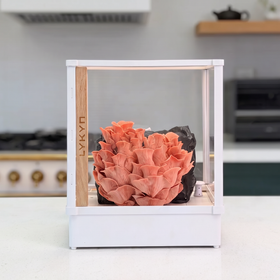
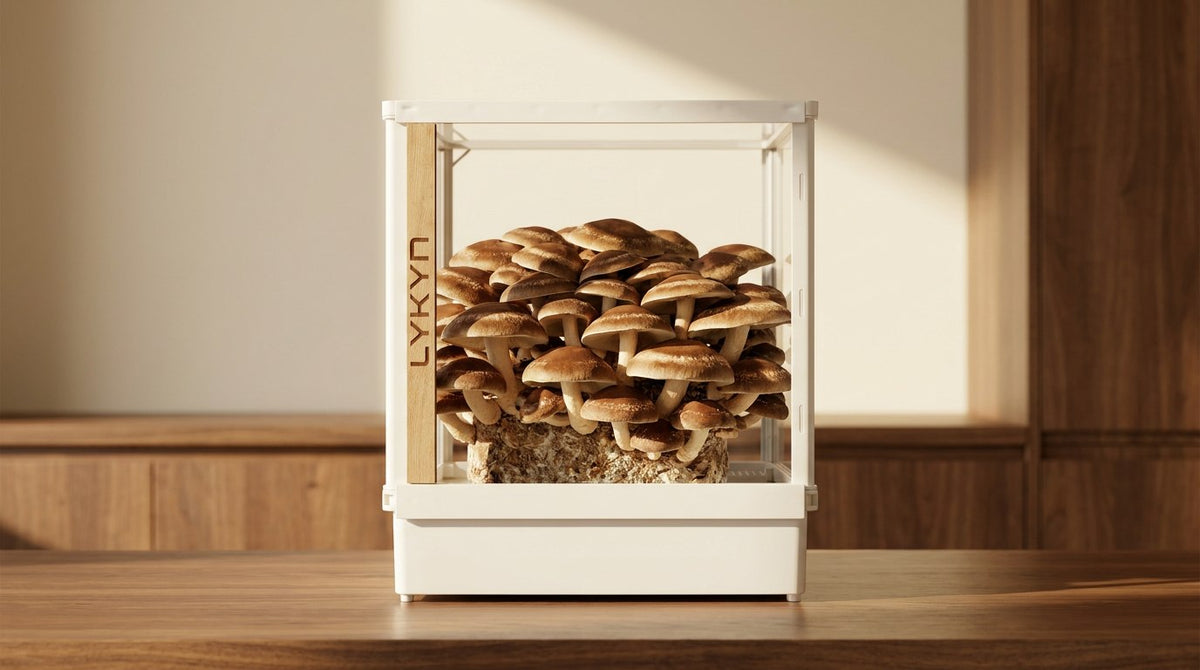
Smart Chamber. Bone White Single
- 2.8L tank, 90% humidity automatic
- App-controlled, plug-and-play
- 6 lb block ceiling, in stock

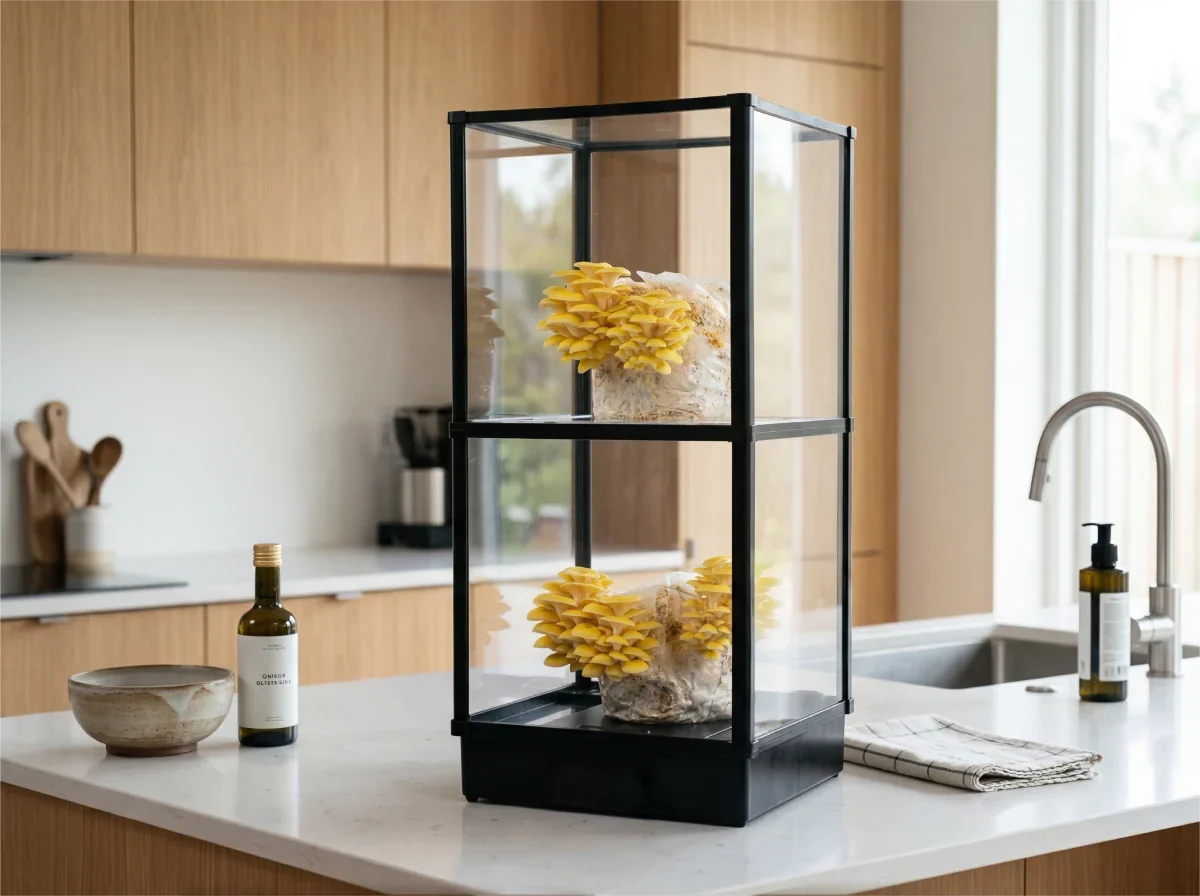
Smart Chamber. Obsidian Black Single
- Same hardware as Bone White
- Matte black premium finish
- Pairs with any kitchen palette

Let me break down everything you need to know about this stuff in 2026, including some things I learned the hard way so you don't have to.
What Exactly Is Mushroom Compost?
Mushroom compost, sometimes called spent mushroom substrate (SMS) or mushroom soil, is the growing medium left behind after commercial mushroom cultivation cycles end.
The Ingredients Inside
Here's what typically goes into mushroom compost before it reaches your garden:
- Wheat/rye straw: Carbon source, structure (40-50%)
- Horse or poultry manure: Nitrogen source (25-30%)
- Gypsum: pH balance, calcium (5-10%)
- Peat moss: Moisture retention (5-10%)
- Soybean/cottonseed meal: Additional nitrogen (5-10%)
After mushrooms are harvested (usually 2-3 flushes over 6-8 weeks), the substrate gets composted again. This "aging" process breaks down any remaining ammonia and makes it plant-safe.
Definition: Spent mushroom substrate (SMS) refers to the organic material that remains after mushroom crops have been harvested. It contains residual mycelium, the vegetative part of the fungus, which continues providing benefits to soil.
If you're curious about how mushrooms actually break down organic matter, our article on whether mushrooms are producers explains their unique role as decomposers in ecosystems. Spoiler: mushroom cultivation is basically controlled composting.

Benefits of Mushroom Compost for Your Garden
I'm not going to oversell this, mushroom compost isn't magic. But the research backing it is pretty solid.
Soil Structure Improvement
A 2024 study from Penn State Extension found that gardens amended with mushroom compost showed 23% better water infiltration compared to unamended soil. The fibrous straw structure creates air pockets while holding moisture.
Your soil gets:
- Better drainage in clay soils
- Improved water retention in sandy soils
- Reduced compaction over time
- Enhanced root penetration
Nutrient Content
Mushroom compost delivers a gentle, slow-release nutrient profile:
- Nitrogen (N): 0.7-1.0%
- Phosphorus (P): 0.3-0.5%
- Potassium (K): 0.5-1.5%
- Calcium: 2-4%
- Organic matter: 50-65%
These numbers won't blow your mind compared to synthetic fertilizers. That's actually the point. You're feeding the soil, not just the plant.
Beneficial Microorganisms
Here's what gets me excited: residual mycelium. Even "spent" substrate contains living fungal networks that:
- Break down organic matter into plant-available nutrients
- Suppress certain soil-borne diseases
- Create symbiotic relationships with plant roots
This connects directly to the life cycle of a mushroom, even after fruiting ends, mycelium keeps working underground.
How to Use Mushroom Compost (Best Practices for 2026)
Real talk: mushroom compost isn't universally perfect. Knowing how to use it matters as much as using it at all.
Ideal Applications
- Vegetable gardens: Mix 2-3 inches into the top 6 inches of soil before planting. Tomatoes, peppers, and squash love it.
- Flower beds: Apply 1-2 inches as mulch or work into soil. Roses especially respond well.
- Lawn top-dressing: Spread ¼-inch layer over established grass in spring or fall.
- Potting mix amendment: Combine 25-30% mushroom compost with regular potting soil.
What NOT to Do
This is where I learned some lessons:
- Don't use on acid-loving plants, Mushroom compost has a pH of 6.5-8.0. Blueberries, azaleas, and rhododendrons will struggle.
- Don't apply fresh SMS, Uncomposted substrate contains ammonia that burns roots. Always use aged (minimum 6 months) material.
- Don't overdo it, The high salt content (from gypsum and manure) can damage seedlings. More isn't better.
- Don't use exclusively, Blend with other organic matter for balanced nutrition.

How to Make Mushroom Compost at Home
You can absolutely make this yourself. Here's the 2026 streamlined method I use.
Step 1: Gather Materials
You'll need:
- Straw (wheat or rye): 10 lbs
- Composted manure: 5 lbs
- Gypsum: 1 lb
- Water: enough to dampen thoroughly
Step 2: Create the Base Substrate
Chop straw into 2-4 inch pieces. Mix with manure and gypsum in a large container or pile. Add water until materials feel like a wrung-out sponge, moist but not dripping.
Step 3: Initial Composting (Phase I)
Let the pile heat up naturally for 7-14 days. Turn every 2-3 days. Internal temperature should reach 140-160°F (60-71°C). This kills pathogens and weed seeds.

Fuel Your Mushroom Journey
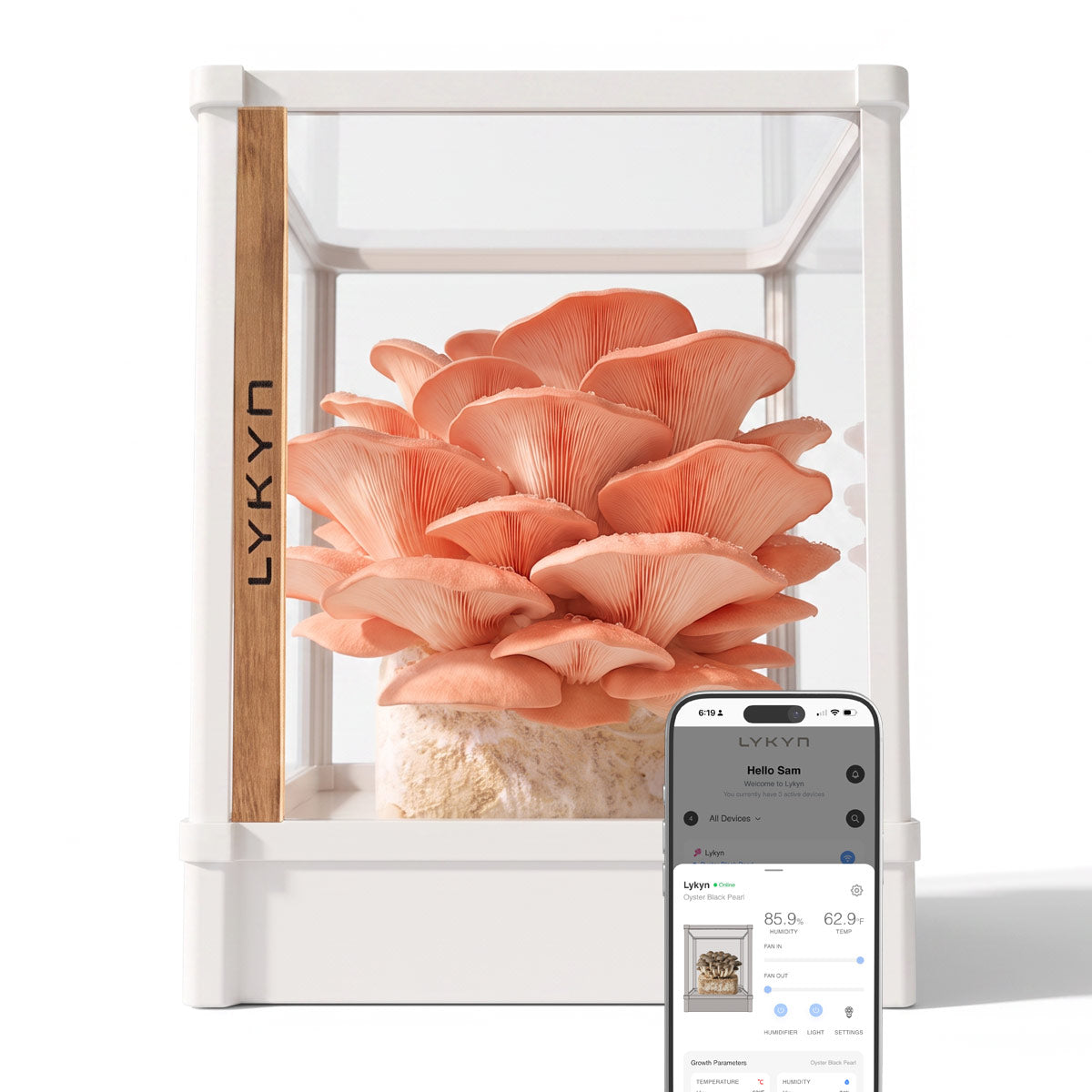
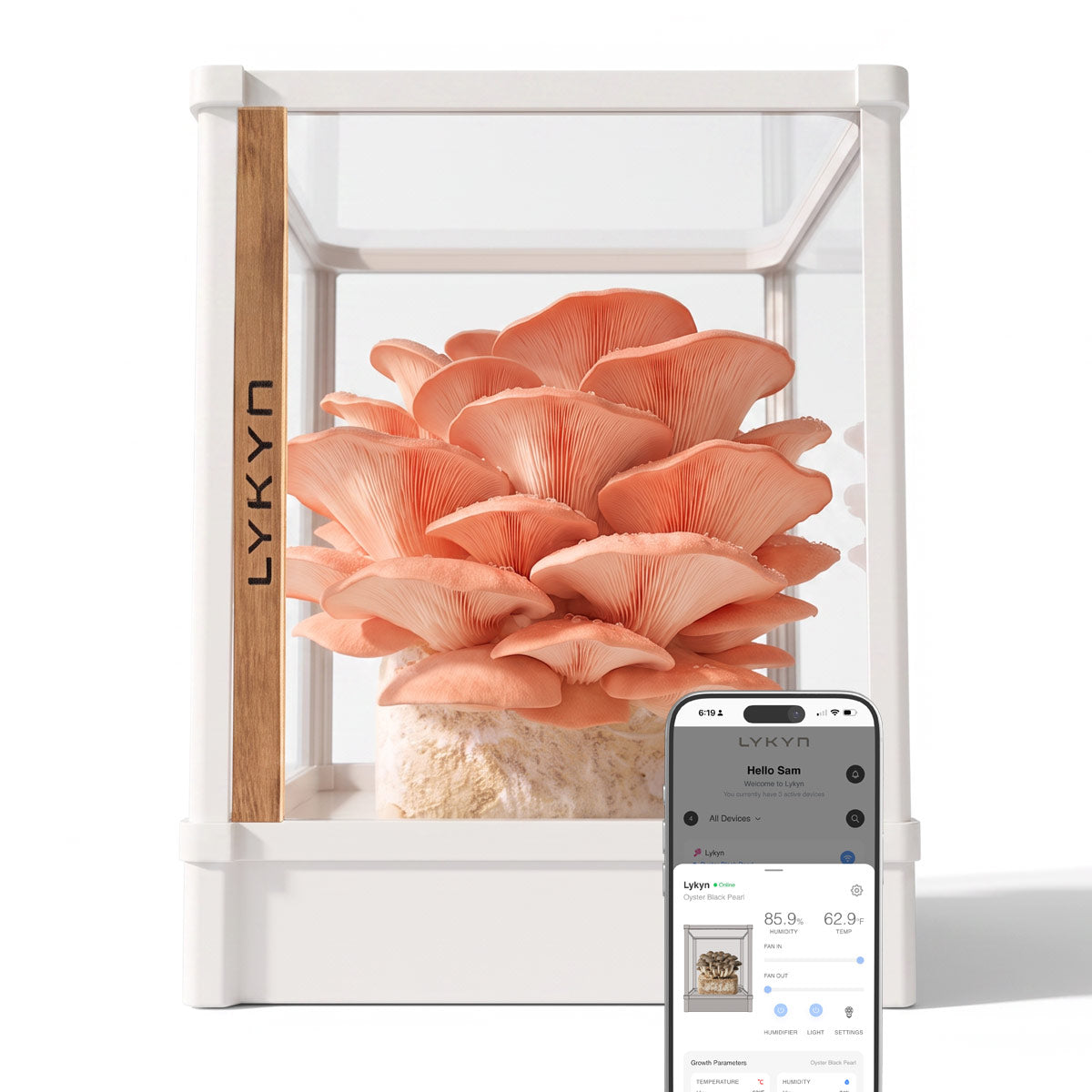
Smart Mushroom Grow Chamber
Plug-and-play smart chamber with humidity, light, and airflow dialed in for every species. Beginners harvest their first flush in days, not months.
Add to cart $299Step 4: Pasteurization (Phase II)
Maintain 130-140°F (54-60°C) for 4-6 days. This creates ideal conditions for beneficial microbes while eliminating ammonia.
Step 5: Growing Mushrooms (Optional but Recommended)
Here's where it gets fun. Inoculate your prepared substrate with mushroom spawn. I personally use Lykyn's Pink Oyster Mushroom Liquid Culture because pink oysters are forgiving and fast, you'll see first pins in 7-10 days.
After 2-3 harvests, your "spent" substrate becomes ready-to-use mushroom compost.
Step 6: Final Aging
Let spent substrate cure for 3-6 months outdoors, turning monthly. This reduces salt content and stabilizes nutrients.
Pro tip: If you want to skip straight to growing mushrooms first (then composting the spent blocks), the Smart Mushroom Grow Kit automates humidity and airflow. It's genuinely useful if you're new to cultivation.
Mushroom Compost vs. Other Organic Amendments
Let's compare honestly:
Mushroom compost wins on calcium content and soil structure improvement. It loses on nitrogen and pH flexibility.

The Circular Gardening Connection
Here's something I genuinely love about this whole system.
You can grow mushrooms at home using something like the Black Oyster Mushroom Fruiting Block. After harvesting delicious mushrooms, that spent block becomes compost for your garden. Your garden grows vegetables. Vegetable scraps can feed your next compost pile.
It's a closed loop. Our guide on easy home mushroom growing for beginners specifically mentions that spent substrate makes excellent garden amendment, this is exactly what we're talking about.
Frequently Asked Questions About Mushroom Compost
What is mushroom compost made of?
Mushroom compost consists primarily of straw, animal manure (horse or poultry), gypsum, peat moss, and residual fungal mycelium. These ingredients are composted twice, once before mushroom cultivation and again after harvest. The final product is dark, crumbly, and rich in organic matter.
Is mushroom compost good for vegetable gardens?
Yes, mushroom compost is excellent for most vegetable gardens. It improves soil structure, adds slow-release nutrients, and enhances water retention. However, avoid using it for acid-loving crops like potatoes or for direct-seeding, as its alkaline pH and salt content can affect germination.
How much mushroom compost should I add to my garden?
Apply 2-3 inches of aged mushroom compost and work it into the top 6 inches of soil for new beds. For established gardens, add 1-2 inches annually as a top dressing. Never exceed 25% of your total soil volume to avoid salt buildup.
Can mushroom compost burn plants?
Fresh or "green" mushroom compost can burn plants due to high ammonia and salt content. Always use mushroom compost that has been aged for at least 3-6 months. Properly cured mushroom compost poses minimal burn risk for established plants.
Is mushroom compost the same as regular compost?
No, mushroom compost differs from regular compost in composition and properties. It has higher pH (more alkaline), more calcium, and contains residual beneficial mycelium. Regular compost typically has a more neutral pH and varied nutrient profile depending on input materials.
How long does mushroom compost last in soil?
Mushroom compost provides benefits for 1-2 growing seasons. The organic matter continues decomposing, releasing nutrients gradually. Annual applications maintain soil improvement over time. Sandy soils may require more frequent additions than clay soils.
Where can I buy mushroom compost?
Mushroom compost is available at garden centers, nurseries, landscaping supply companies, and directly from mushroom farms. In 2026, many farms offer bulk delivery. You can also create your own by growing mushrooms at home and composting the spent substrate afterward.
Conclusion: Your Next Steps with Mushroom Compost
Mushroom compost is one of the most underrated soil amendments available to home gardeners in 2026. Here's what matters:
- Understand what it is, Spent mushroom substrate containing straw, manure, gypsum, and beneficial mycelium
- Use it correctly, 2-3 inches worked into soil, avoiding acid-loving plants and fresh applications
- Consider making your own, Growing mushrooms at home gives you food AND future compost
- Think circular, Spent mushroom blocks become garden soil becomes healthier plants
The easiest entry point? Start growing mushrooms at home with a pre-colonized block or grow kit. You'll harvest fresh mushrooms within weeks, and the spent substrate becomes your first batch of homemade mushroom compost.
Explore Lykyn's Mushroom Growing Kits →
Grow gourmet mushrooms at home, then turn spent blocks into nutrient-rich compost for your garden. It's the ultimate closed-loop system, and your tomatoes will thank you.
Questions about mushroom cultivation or composting? Drop them in the comments below.




Share:
How to Make the Perfect Mushroom and Sauce Combination Every Time
How to Make the Best Mushroom Pizza with Fresh, Homegrown Fungi