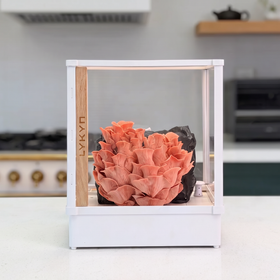



Have you ever wondered how mushrooms appear seemingly overnight in your yard or how the mushrooms in your kitchen began their journey? The life cycle of a mushroom is one of nature's most remarkable processes, involving hidden networks of fungal threads and rapid growth that can happen in just hours. Understanding this cycle is essential whether you're a curious nature enthusiast or planning to grow your own mushrooms at home.
Unlike plants that grow from seeds, mushrooms follow a unique biological pathway that begins with microscopic spores and culminates in the fruiting bodies we recognize as mushrooms. This comprehensive guide explores each stage of the mushroom life cycle, from spore germination to mature fruiting, giving you the knowledge to appreciate these fascinating fungi and successfully cultivate them yourself.

Understanding the Six Stages of the Mushroom Life Cycle

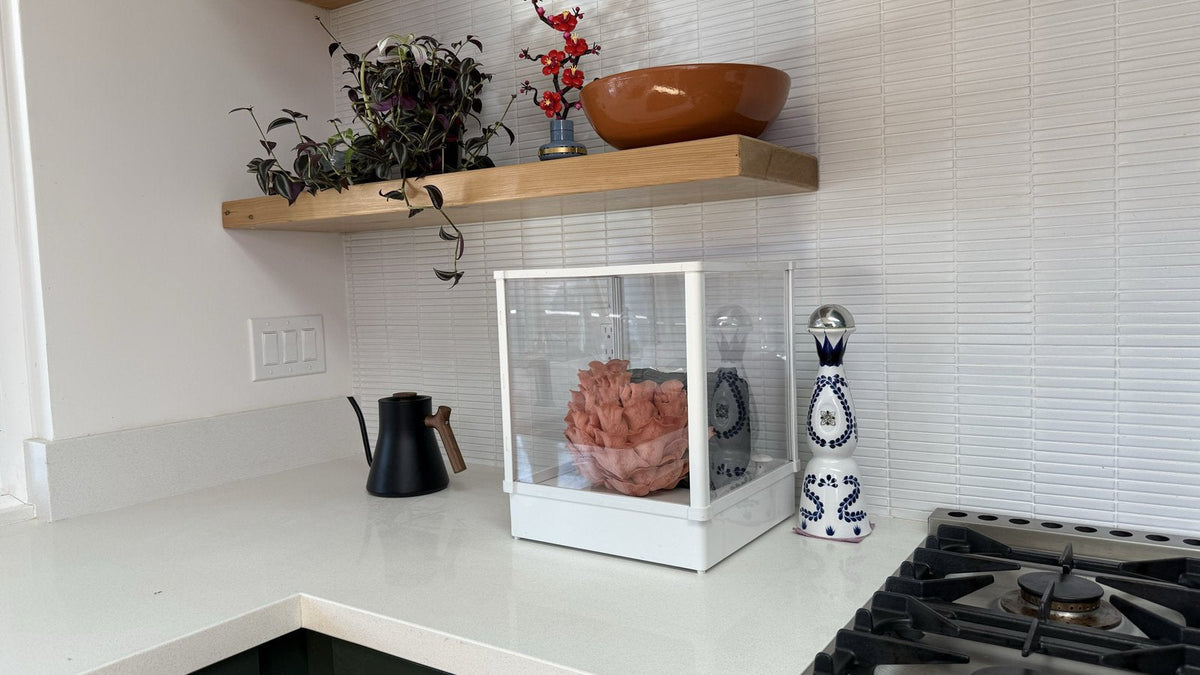
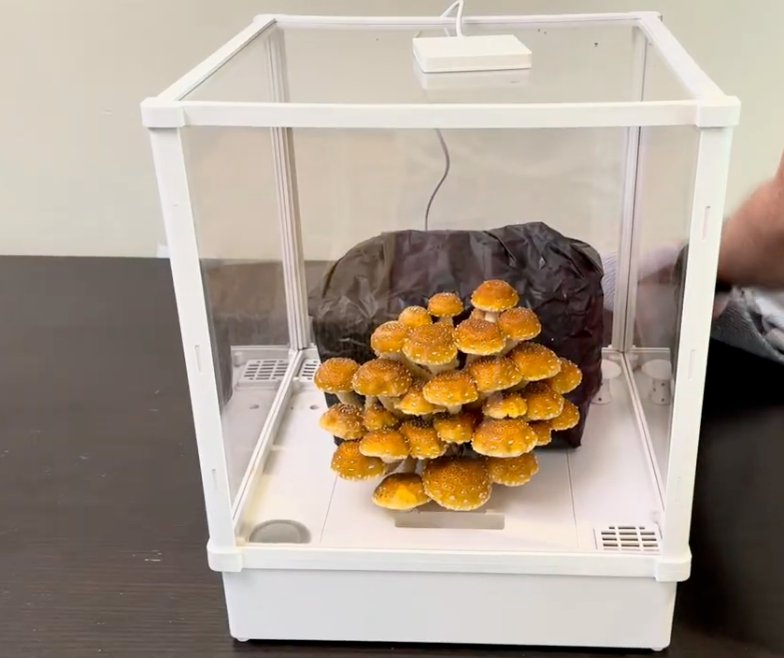
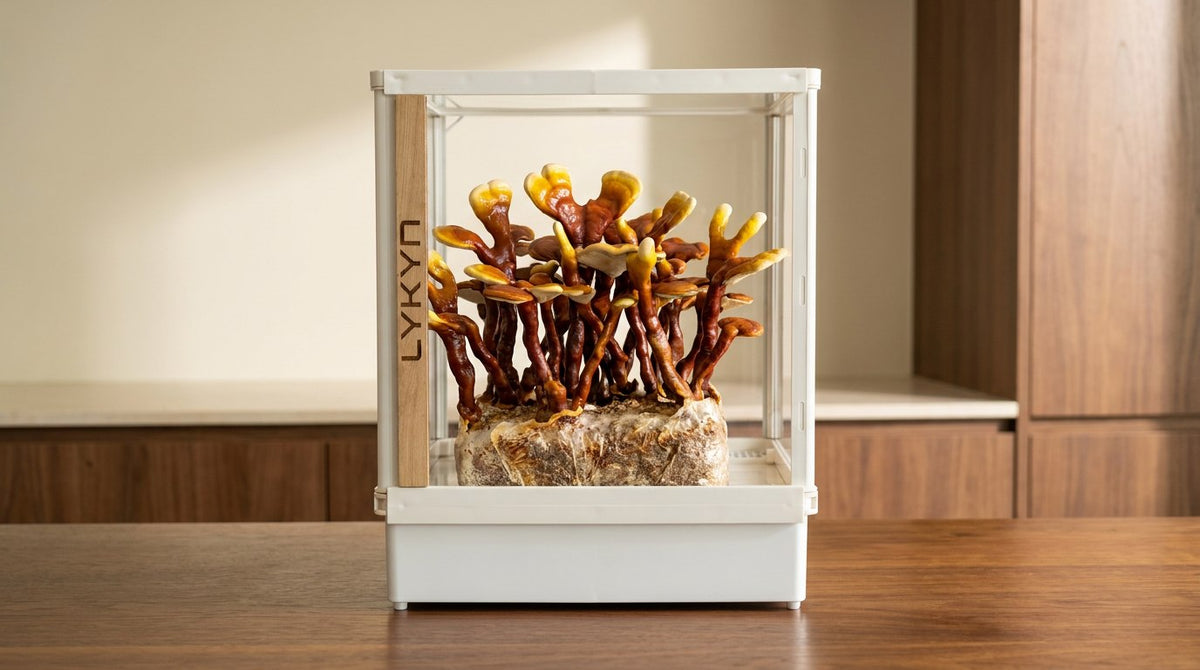
Smart Chamber. Bone White Single
- 2.8L tank, 90% humidity automatic
- App-controlled, plug-and-play
- 6 lb block ceiling, in stock

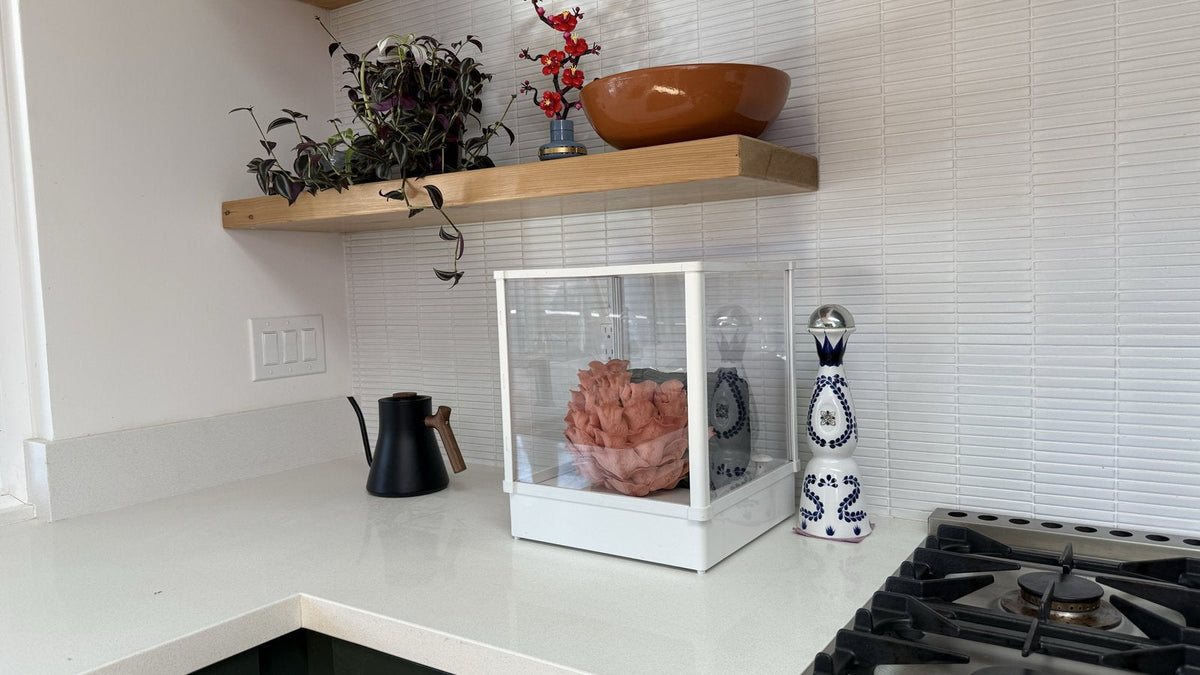
Smart Chamber. Obsidian Black Single
- Same hardware as Bone White
- Matte black premium finish
- Pairs with any kitchen palette

The life cycle of a mushroom consists of six distinct stages that work together to perpetuate the species. Each stage plays a critical role in the survival and reproduction of fungi.
Stage 1: Spore Release and Dispersal
The mushroom life cycle begins when mature fruiting bodies release millions of microscopic spores into the environment. These tiny reproductive units, measuring just 5-20 micrometers, are carried by wind, water, or animals to new locations where they can potentially germinate.
A single mushroom can produce billions of spores throughout its lifetime. This massive production ensures that at least some spores will land in suitable conditions for growth. Different mushroom species release spores in various colors, white, brown, purple, or black, which helps mycologists identify different varieties.
When you learn how to get mushroom spores for cultivation, you're essentially capturing this first stage of the life cycle. Spore prints, created by placing a mature mushroom cap on paper overnight, collect these reproductive cells for home growing projects.
Stage 2: Spore Germination
When spores land in an environment with adequate moisture, nutrients, and appropriate temperature, they begin to germinate. This process typically takes 3-14 days, depending on the species and environmental conditions.
During germination, the spore absorbs water and swells, eventually producing a thin tube called a germ tube. This tiny projection represents the beginning of new fungal life. The germ tube grows outward, searching for nutrients and establishing the foundation for mycelial development.
Temperature and humidity play crucial roles during this stage. Most edible mushroom spores germinate best between 65-75°F (18-24°C) with humidity levels above 90%. These conditions mirror the moist, temperate environments where many mushrooms naturally thrive.
Stage 3: Mycelium Development and Colonization
The germ tube continues growing and branching, forming an intricate network of thread-like structures called hyphae. Together, these hyphae create the mycelium, the vegetative body of the fungus. This stage is often called colonization because the mycelium spreads throughout the substrate, breaking down organic matter and absorbing nutrients.
Mycelium appears as white, fluffy growth that resembles cobwebs or cotton. This network is remarkably efficient at extracting nutrients from its environment. A single cubic inch of substrate can contain up to 8 miles of mycelial threads, demonstrating the extensive nature of fungal colonization.
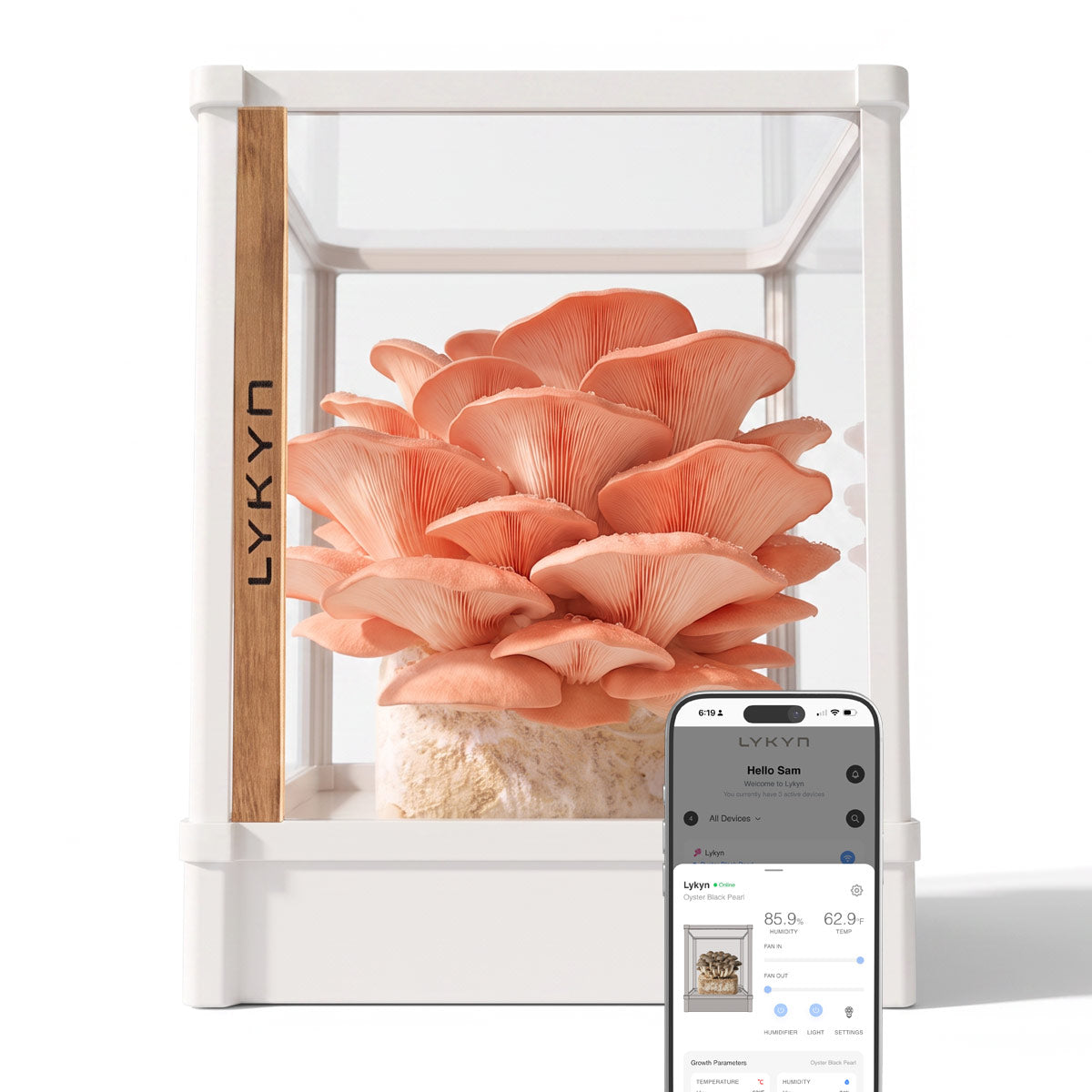
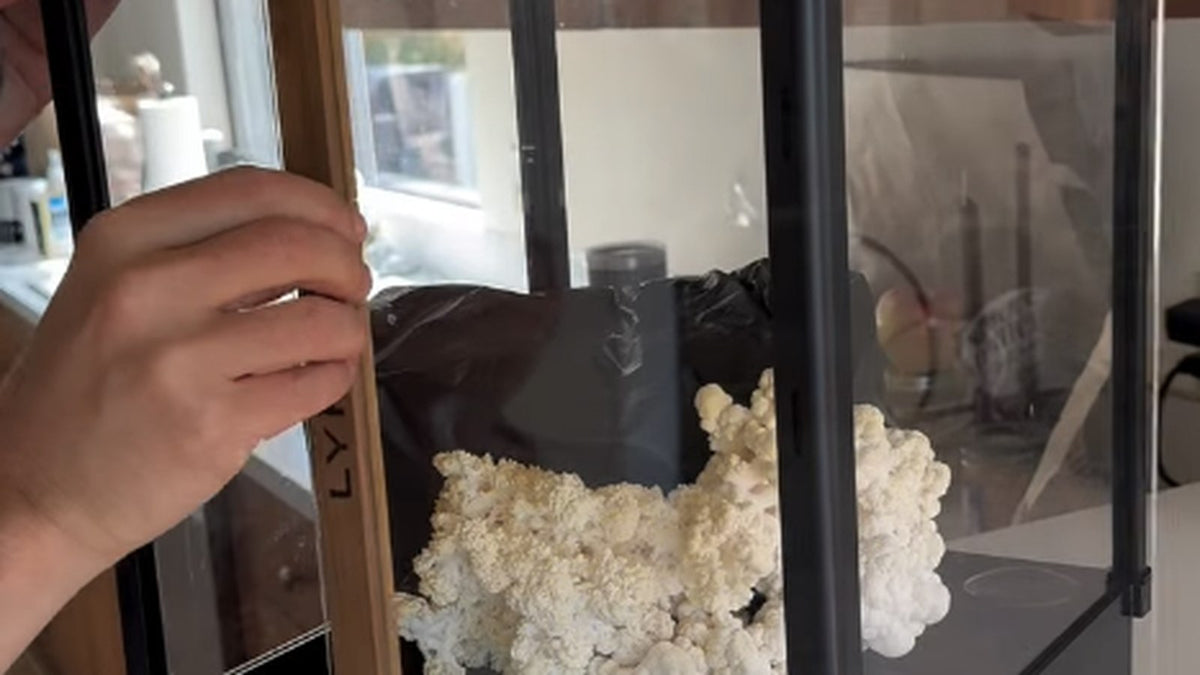
The colonization period varies significantly by species. Oyster mushrooms may fully colonize a substrate in just 7-14 days, while shiitake can take 6-8 weeks. During this phase, the mycelium must be protected from contamination by competing bacteria and molds. The Lykyn Smart Mushroom Grow Kit provides ideal conditions for this critical stage with its sealed and app-controlled airflow that prevents contaminants while maintaining perfect humidity.
Understanding how mushrooms grow so fast once they reach the fruiting stage begins with recognizing the extensive preparation that happens during mycelial development. The mycelium builds up energy reserves that will later fuel rapid mushroom formation.
Stage 4: Primordia Formation (Pinning)
Once the mycelium has fully colonized its substrate and environmental conditions become favorable, the fungus enters the reproductive phase. Small pin-like structures called primordia (or "pins") begin to form on the mycelial surface. This stage is often called pinning and marks the transition from vegetative growth to fruiting.
Primordia formation is triggered by specific environmental changes. For most mushrooms, these triggers include fresh air exchange, a temperature drop, increased humidity, and exposure to indirect light. These conditions signal to the mycelium that it's time to produce fruiting bodies for spore dispersal.
The pins look like tiny bumps or dots on the substrate surface initially. Within days, they develop recognizable mushroom shapes with miniature caps and stems. This is one of the most exciting moments for home cultivators, as it confirms successful cultivation and indicates that harvest is just days away.
Different mushroom species have varying pinning requirements. Oyster mushrooms pin readily with simple environmental changes, making them ideal for beginners. More temperamental species like morel mushrooms require precise conditions that can be challenging to replicate indoors.
Stage 5: Fruiting Body Development and Growth
After pinning, mushrooms enter their most dramatic growth phase. The fruiting body rapidly expands as cells absorb water and inflate pre-formed structures. This is when mushrooms can grow several inches in just 24 hours.
Unlike plants that must synthesize new cellular material as they grow, mushrooms have a remarkable advantage. The mycelium pre-builds tiny cellular structures within the developing mushroom, which then expand rapidly through water absorption. This unique growth mechanism explains why mushrooms can seemingly appear overnight.
During this stage, mushrooms develop their characteristic features. Caps expand and flatten, gills or pores become visible underneath, and stems elongate. The mushroom continues growing until it reaches maturity, at which point growth slows and the focus shifts to spore production.
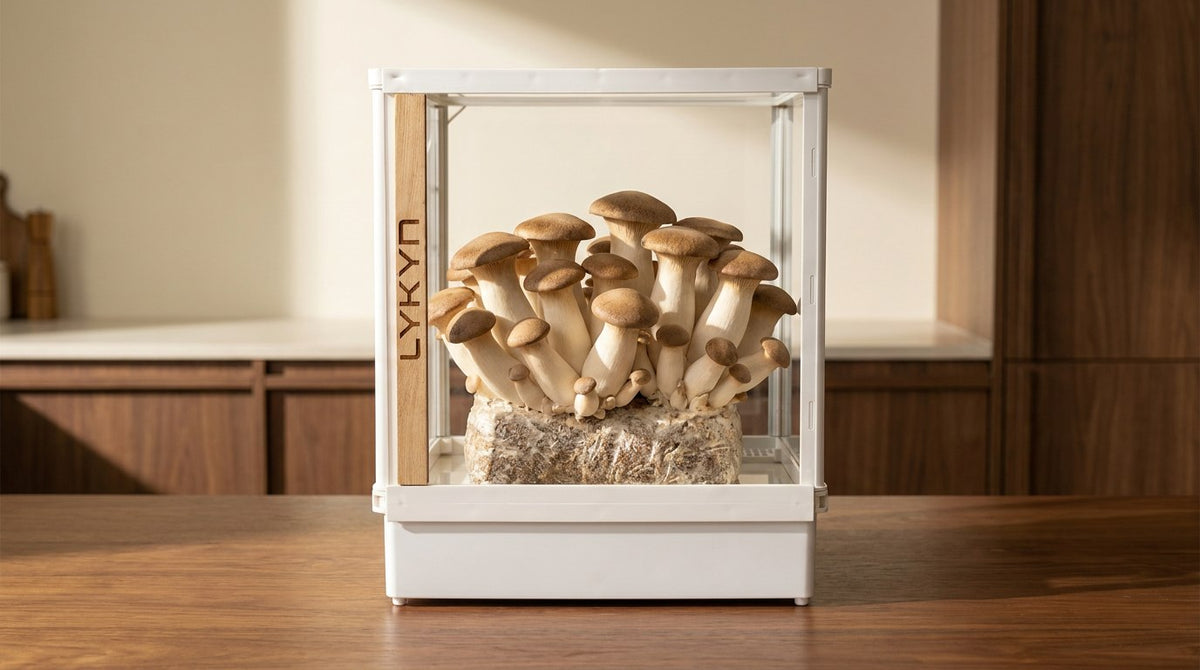
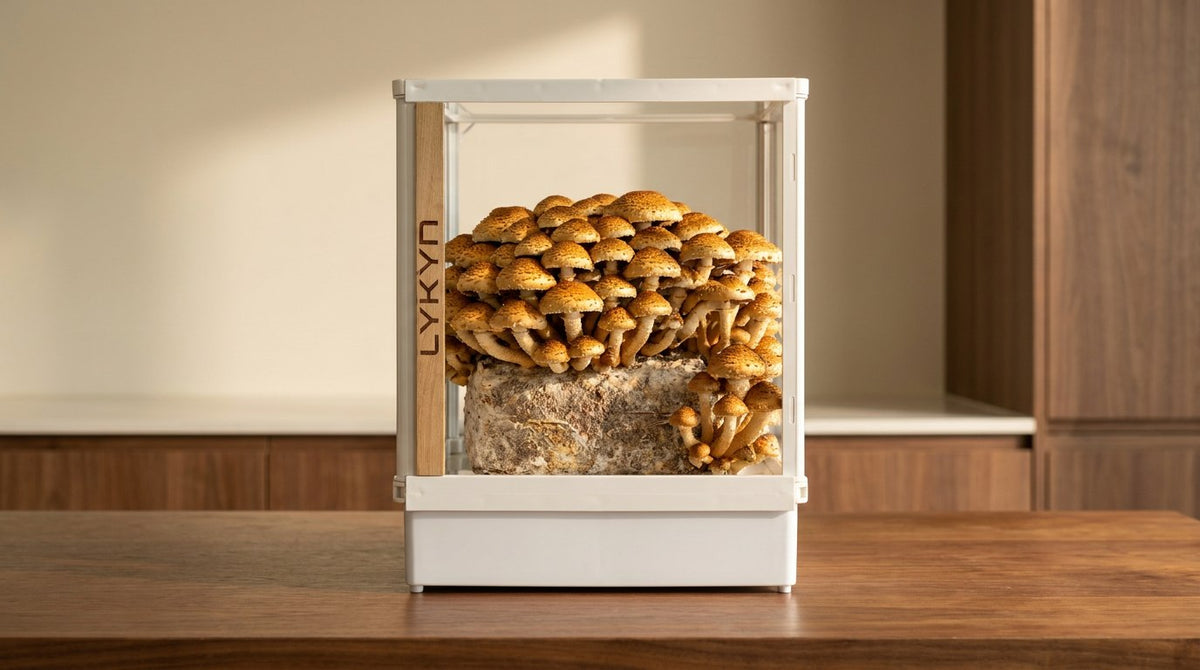
Environmental factors significantly impact fruiting body quality. Proper humidity (85-95% for most species), adequate fresh air exchange, and appropriate temperatures determine whether your mushrooms develop thick, meaty fruiting bodies or thin, elongated stems. Automated systems like the Lykyn Smart Mushroom Grow Chamber maintain these precise conditions effortlessly, ensuring consistently high-quality harvests.
The benefits of using a mushroom growing kit become especially apparent during this stage, as proper environmental control makes the difference between abundant harvests and disappointing results.
Stage 6: Maturity, Spore Production, and the Cycle Continues
As the mushroom reaches full maturity, it shifts its energy toward reproduction. The gills or pores underneath the cap produce and release millions of spores, completing the life cycle and beginning it anew.
Mature mushrooms display several identifying characteristics. The cap fully opens and flattens, the veil (if present) tears away from the stem, and spores become visible on the gills or pores. The mushroom may begin to deteriorate shortly after spore release, as it has fulfilled its biological purpose.
For home cultivators, identifying the optimal harvest time is crucial. Most gourmet mushrooms taste best when harvested just before or shortly after the veil breaks but before heavy spore release. Harvesting at this stage maximizes flavor and texture while preventing spore deposits that can create respiratory irritation and mess in your growing space.
After harvest, the mycelium often produces additional flushes of mushrooms. With proper care and favorable conditions, a single colonized substrate can yield 2-4 harvests over several weeks or months. This productivity makes mushroom cultivation one of the most rewarding home growing projects.
How Different Mushroom Species Vary in Their Life Cycles
While the basic six-stage pattern applies to all mushrooms, individual species show fascinating variations in their life cycle timing and requirements.
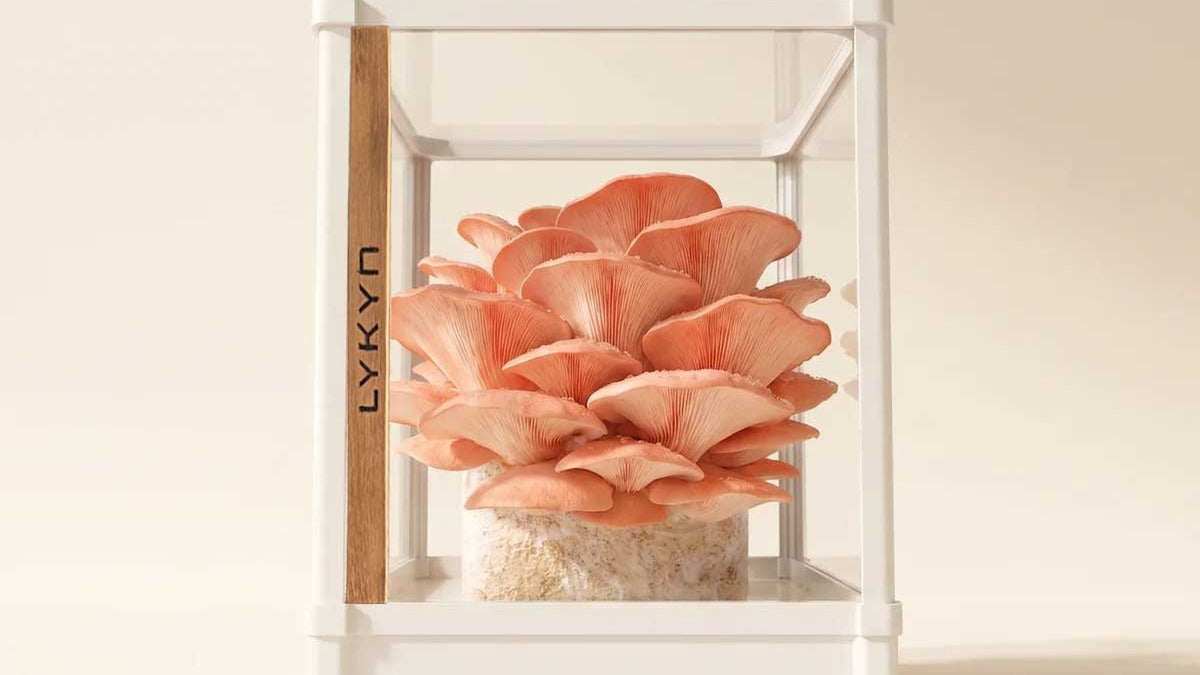
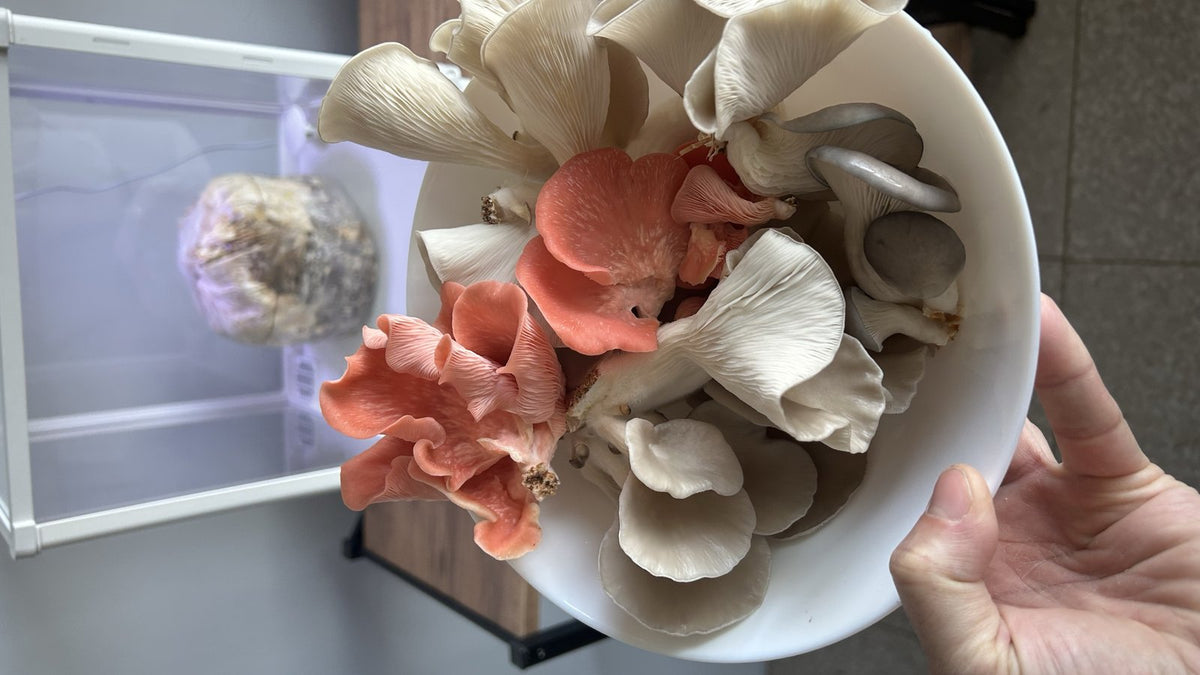
Oyster Mushrooms complete their entire life cycle remarkably quickly. From spore to harvest can take as little as 3-4 weeks under ideal conditions. Their rapid colonization and fruiting make them the most popular choice for beginners.
Fuel Your Mushroom Journey
Smart Mushroom Grow Chamber
Plug-and-play smart chamber with humidity, light, and airflow dialed in for every species. Beginners harvest their first flush in days, not months.
Add to cart $299Shiitake Mushrooms require a longer colonization period of 6-12 weeks but produce dense, flavorful fruiting bodies. Their life cycle includes a unique "shocking" process where colonized logs or blocks receive temperature or impact stress to trigger fruiting.
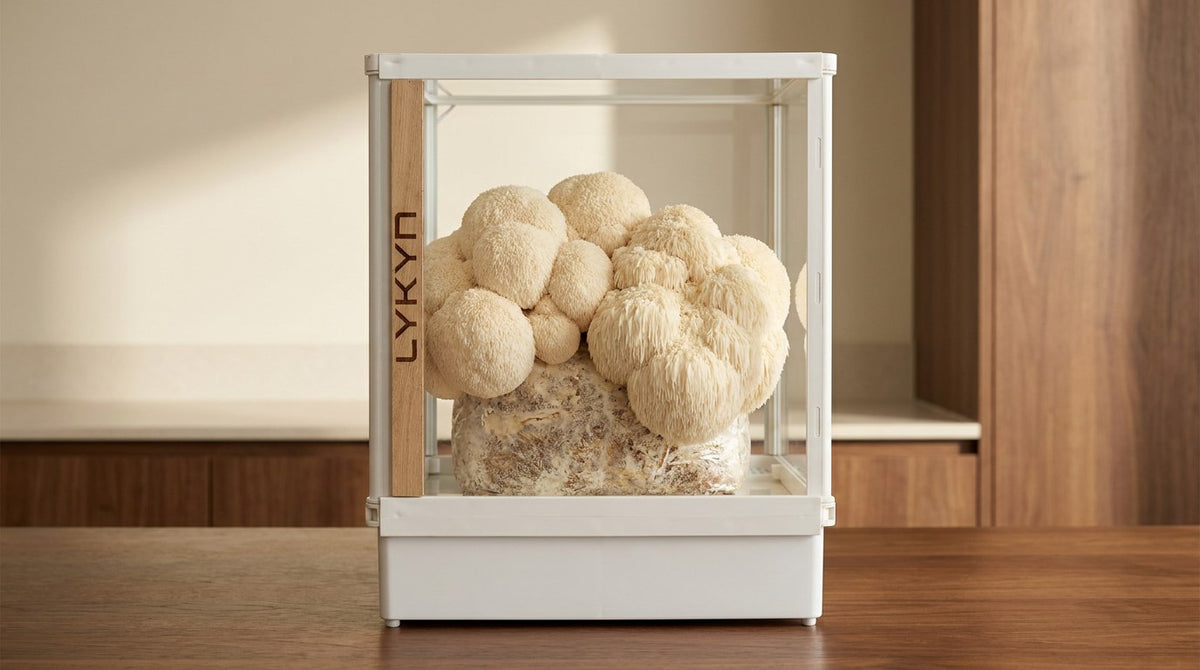
Lion's Mane Mushrooms develop distinctive cascading spines instead of traditional caps and gills. Their fruiting bodies can double in size daily once they begin forming, creating dramatic growth displays.
Morel Mushrooms present special cultivation challenges. Their complex symbiotic relationships with tree roots mean growing morel mushrooms requires patience and specific techniques that mimic forest floor conditions.
Understanding these species-specific differences helps you choose appropriate mushrooms for your experience level and available resources.
Environmental Factors That Influence the Mushroom Life Cycle
Several environmental conditions profoundly impact every stage of mushroom development.
Temperature affects metabolic rates throughout the life cycle. Most gourmet mushrooms prefer temperatures between 55-75°F (13-24°C) during colonization and slightly cooler conditions for fruiting. Temperature fluctuations can trigger pinning in many species.
Humidity is critical, especially during fruiting. Most mushrooms require 85-95% relative humidity to prevent drying and ensure proper development. Too little humidity causes mushrooms to dry out and stop growing, while excessive moisture can promote bacterial contamination.
Fresh Air Exchange provides oxygen while removing carbon dioxide produced by fungal respiration. Adequate airflow prevents elongated stems and promotes proper cap formation. Poor air exchange results in malformed mushrooms with small caps and long, thin stems.
Light plays a surprising role despite mushrooms not being photosynthetic. Indirect light provides directional cues that influence where primordia form and how mushrooms develop. Most species need 12 hours of indirect light daily during fruiting.
Substrate Nutrition determines how much energy the mycelium has available for growth and fruiting. Nutrient-rich substrates produce larger, more abundant mushrooms but require proper sterilization to prevent contamination.
Managing these factors manually can be challenging, which is why many growers turn to automated solutions. When you choose the right mushroom growing kit, you're investing in technology that maintains optimal conditions throughout the entire life cycle.
Practical Applications: Using Life Cycle Knowledge for Home Cultivation
Understanding the mushroom life cycle transforms you from a passive observer to an active cultivator who can troubleshoot problems and optimize growth.
Timing Your Interventions: Knowing which stage your mushrooms are in helps you provide appropriate care. During colonization, minimize disturbance and maintain consistent temperature. During pinning and fruiting, increase fresh air exchange and monitor humidity closely.
Troubleshooting Common Issues: If pins abort (stop growing and dry up), you likely have humidity problems. If mycelium colonizes slowly, temperature may be too low. If mushrooms develop long stems with tiny caps, increase fresh air exchange.
Maximizing Yields: By understanding that mycelium needs time to fully colonize before fruiting, you'll avoid the temptation to rush the process. Patience during colonization results in more abundant flushes later.
Planning Multiple Flushes: After your first harvest, understanding the life cycle helps you prepare the substrate for additional fruiting. Soaking colonized blocks in cold water for 12-24 hours can trigger a second flush by simulating rainfall in nature.
The health benefits of mushrooms you cultivate at home are maximized when you harvest at the optimal point in their life cycle, making this knowledge valuable beyond just successful growing.
Featured Snippet Summary
The life cycle of a mushroom involves six stages: spore release, germination (3-14 days), mycelium colonization (1-8 weeks depending on species), primordia formation, rapid fruiting body growth (24-48 hours), and mature spore production. Understanding these stages helps home growers optimize conditions and successfully cultivate fresh mushrooms.
Frequently Asked Questions About the Mushroom Life Cycle
How long does the complete mushroom life cycle take?
The complete mushroom life cycle from spore to mature fruiting body varies by species. Fast-growing oyster mushrooms can complete the cycle in 3-4 weeks under ideal conditions, while slower species like shiitake may require 2-4 months. The colonization stage typically takes the longest, while the actual mushroom growth happens remarkably quickly over just a few days.
Can you grow mushrooms without spores?
Yes, most home cultivators bypass spores entirely by using mushroom spawn (pre-grown mycelium on grain) or ready-to-fruit substrate blocks. These methods skip the spore germination stage, making cultivation faster and more reliable. However, growing mushrooms from spores offers advantages for those interested in strain selection and genetics.
What stage of the life cycle takes the longest?
The mycelium colonization stage typically takes the longest time, ranging from one week to several months depending on the species, substrate, and environmental conditions. This vegetative growth phase is essential because it builds the extensive network needed to support multiple flushes of mushrooms later.
Can you reuse substrate after mushrooms finish their life cycle?
Once a substrate stops producing mushrooms (after 2-4 flushes typically), the mycelium has depleted most available nutrients. While you can't get more mushrooms, the spent substrate makes excellent compost or garden amendment. The mycelial breakdown creates nutrient-rich material perfect for vegetable gardens and houseplants.
Do all mushrooms follow the same life cycle pattern?
All mushrooms follow the basic six-stage pattern, but timing, environmental triggers, and specific requirements vary significantly between species. Some mushrooms form symbiotic relationships with tree roots, others decompose wood, and some thrive on agricultural waste. Understanding these differences helps you choose species appropriate for your cultivation setup.
Start Your Mushroom Growing Journey Today
Now that you understand the fascinating life cycle of mushrooms, you're ready to experience this remarkable process firsthand. Whether you're interested in gourmet varieties for your kitchen, medicinal mushrooms for wellness, or simply want to explore the biology of fungi, home cultivation offers endless opportunities for learning and harvesting.
The Lykyn Smart Mushroom Grow Kit makes it easy to provide optimal conditions at every stage of the mushroom life cycle. With automated humidity control, sealed and app-controlled fresh air exchange, and precision sensors, this innovative system eliminates the guesswork and ensures successful harvests from your first attempt.
Transform your understanding of mushroom biology into delicious, fresh harvests. Explore the complete range of mushroom growing solutions and start your cultivation journey today. Your first flush of home-grown mushrooms is just weeks away!
Share:
How Many Types of Mushrooms Are There? Exploring the Incredible Diversity of Fungi
Are Mushrooms Really Good for Your Health? The Complete 2025 Guide