



Have you ever wondered just how many different types of mushrooms exist on our planet? If you think the answer is simply the varieties you see at your local grocery store, prepare to have your mind blown. The world of mushrooms is far more diverse, mysterious, and fascinating than most people realize, with scientists estimating there could be millions of species waiting to be discovered.
The short answer: Scientists have formally described approximately 14,000 to 22,000 mushroom species so far, but research suggests there may be 2.2 to 6.28 million fungal species in total worldwide. Most mushrooms remain undiscovered, hidden in soils, forests, and ecosystems across the globe. This makes fungi the second most diverse kingdom of life after insects, yet we've barely scratched the surface of understanding them.
Whether you're a curious nature enthusiast, an aspiring mycologist, or someone interested in growing mushrooms at home, understanding mushroom diversity reveals just how remarkable these organisms truly are. Let's explore the fascinating numbers behind fungal biodiversity and what they mean for science, conservation, and even your kitchen.

The Staggering Numbers: How Many Mushroom Species Actually Exist?

Smart Chamber. Bone White Single
- 2.8L tank, 90% humidity automatic
- App-controlled, plug-and-play
- 6 lb block ceiling, in stock

Smart Chamber. Obsidian Black Single
- Same hardware as Bone White
- Matte black premium finish
- Pairs with any kitchen palette

Understanding mushroom diversity requires distinguishing between what we know and what scientists estimate exists.
Currently Described Mushroom Species
Mycologists have formally identified and described approximately 14,000 to 22,000 species of mushrooms that produce visible fruiting bodies. This number represents only the mushroom-forming fungi that have been thoroughly studied, classified, and given scientific names.
These described species come from two main fungal phyla: Basidiomycota (which includes most recognizable mushrooms like button mushrooms, oysters, and porcini) and Ascomycota (which includes morels, truffles, and various cup fungi). Together, these phyla contain the mushrooms most people encounter in forests, fields, and markets.
However, this relatively modest number tells only a fraction of the story. New mushroom species are discovered and described every year, with the rate of discovery actually accelerating in recent decades thanks to DNA sequencing technologies and molecular identification methods.
Total Estimated Fungal Species Worldwide
The complete picture of fungal diversity is much more impressive. Recent comprehensive studies using various scientific approaches estimate there are between 2.2 million and 6.28 million total fungal species on Earth.
A groundbreaking 2020 study by researchers at the Czech Republic's Institute of Microbiology analyzed the GlobalFungi database, the largest collection of fungal observations worldwide, and calculated that at least 6.28 million fungal species likely exist. Another major analysis published in Microbiology Spectrum concluded there are approximately 2.2 to 3.8 million fungal species globally.
This massive discrepancy between estimated species and described species reveals a stunning truth: we've formally identified only about 2-7% of all fungi on Earth. This makes fungi one of the most understudied kingdoms of life, with over 90% of species remaining completely unknown to science.
Why Such Huge Variation in Estimates?
Scientists use several methods to estimate total fungal diversity, each producing different results:
Fungus-to-Plant Ratios: Studies comparing the number of fungal species to plant species in specific locations suggest ratios ranging from 7:1 to 19:1. Since there are approximately 400,000 known plant species, these ratios suggest 2.8 to 7.6 million fungal species exist.
Cryptic Species Recognition: Many species that appear identical actually represent multiple distinct genetic species. Research shows that detailed molecular analysis reveals an average of 11 actual species for every one morphologically-identified species, suggesting our current counts dramatically underestimate diversity.
DNA Sequencing Studies: Modern environmental DNA studies can identify fungi that never produce visible mushrooms. These microscopic fungi hidden in soil, water, and living organisms add millions to the total count.
Habitat-Based Extrapolations: When scientists comprehensively survey single locations for years, they continue finding new species with no signs of reaching a plateau. Extrapolating these patterns globally produces estimates in the millions.
The truth is, we may never know the exact number of mushroom types. What's certain is that fungal diversity far exceeds what we can currently see and identify.
Breaking Down Mushroom Diversity: Categories and Classifications
Mushrooms can be categorized in multiple ways depending on whether you're focusing on their genetic relationships, physical characteristics, culinary uses, or ecological roles.
Taxonomic Classification of Mushrooms
From a scientific perspective, mushrooms belong to the Kingdom Fungi and are organized into hierarchical groups:
Phylum Level: Most mushrooms fall into two major phyla. Basidiomycota contains over 30,000 known species including familiar gilled mushrooms, boletes, and bracket fungi. Ascomycota, the largest fungal phylum, contains over 64,000 species including morels, truffles, and cup fungi. Not all Ascomycota produce large mushrooms, but those that do are highly prized.
Order and Family Level: Within these phyla, mushrooms are organized into orders and families based on shared characteristics. For example, the order Agaricales contains most gilled mushrooms, while Boletales includes the pored mushrooms like porcini.
Genus and Species Level: These most specific classifications identify individual mushroom types. For instance, all button mushroom varieties belong to the species Agaricus bisporus, while oyster mushrooms belong to various species within the Pleurotus genus.
Interestingly, understanding button mushroom varieties reveals that white buttons, cremini, and portobello mushrooms are actually the same species at different maturity stages, a surprising example of how classification can be counterintuitive.
Mushrooms by Physical Characteristics
Mushrooms display incredible morphological diversity:
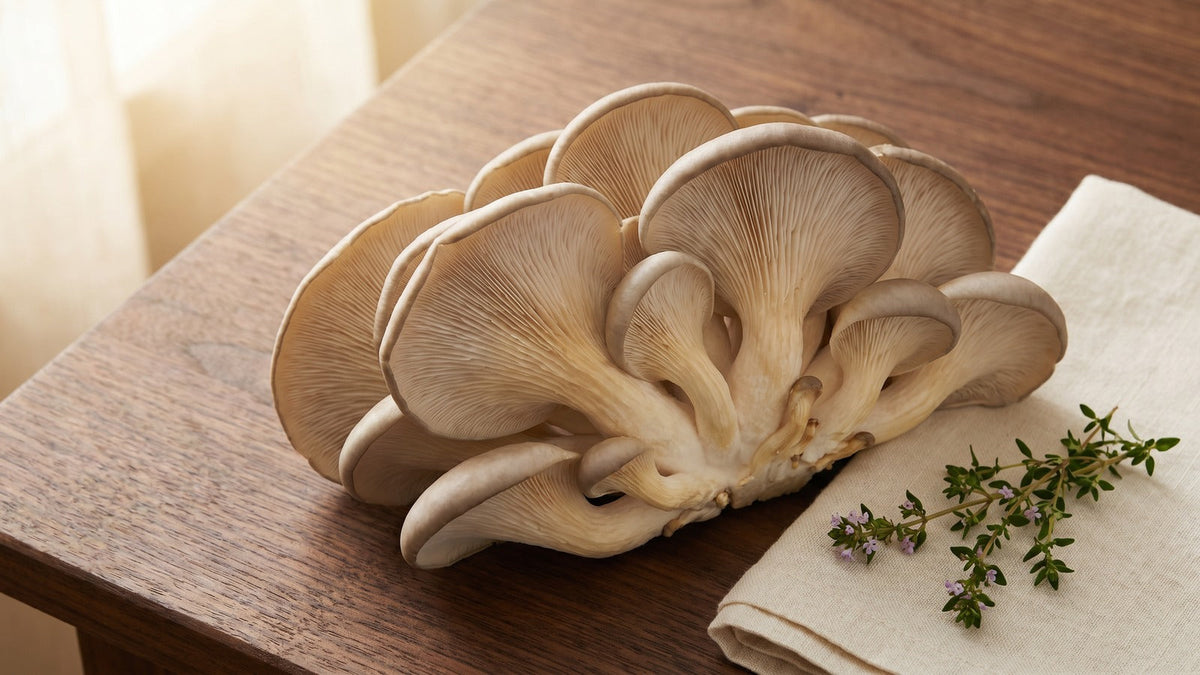
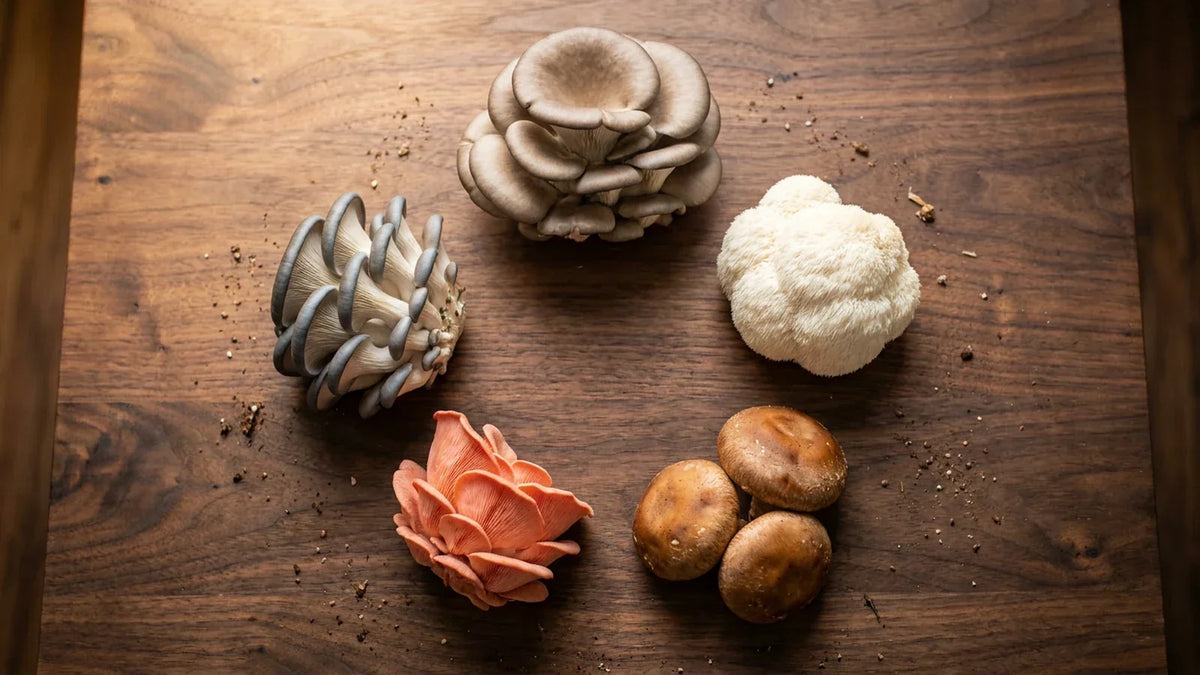
Gilled Mushrooms (Agarics): These classic mushroom shapes feature radiating gills underneath their caps where spores develop. This category includes button mushrooms, oyster mushrooms, shiitake, and chanterelles.
Pored Mushrooms (Boletes and Polypores): Instead of gills, these mushrooms have tubes with pores underneath their caps. Porcini mushrooms and chicken of the woods fall into this category.
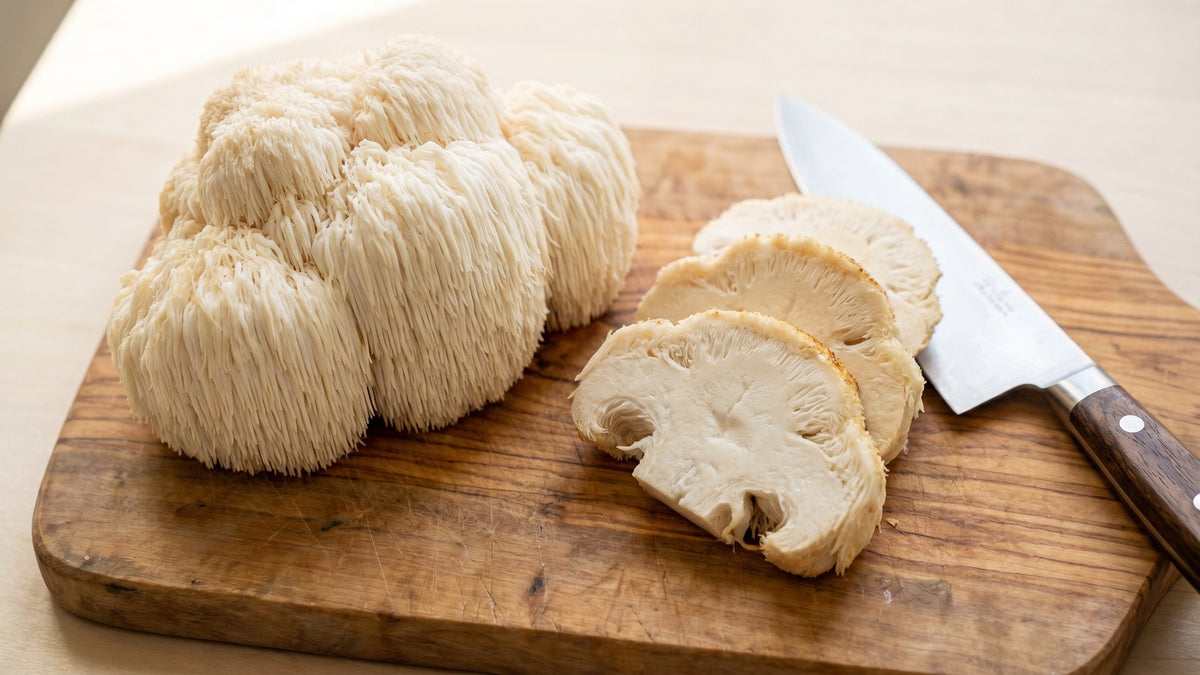
Toothed Mushrooms: These unusual varieties feature hanging spines or teeth instead of gills or pores. Lion's mane mushrooms are the most famous edible example.
Cup and Flask Fungi: These mushrooms form cup-shaped or flask-shaped fruiting bodies. Many members of Ascomycota fall into this category.
Club and Coral Fungi: These mushrooms grow as upright clubs or branching coral-like structures rather than traditional caps and stems.
Puffballs and Earth Stars: These round mushrooms release spores through openings when mature, often creating visible spore clouds when disturbed.
The sheer variety in mushroom forms reflects millions of years of evolutionary adaptation to different ecological niches and spore dispersal strategies.
Edible Mushrooms: How Many Can We Actually Eat?
Of the millions of fungal species worldwide, researchers have identified approximately 2,100 species as edible. However, only about 1% of these, roughly 20-25 species, are commercially cultivated or commonly foraged as gourmet or "choice" mushrooms.
Commercially Cultivated Varieties
The most widely grown mushrooms represent a tiny fraction of edible diversity:
Button Mushrooms (Agaricus bisporus): Including white buttons, cremini, and portobello, these account for approximately 90% of mushroom consumption in North America.
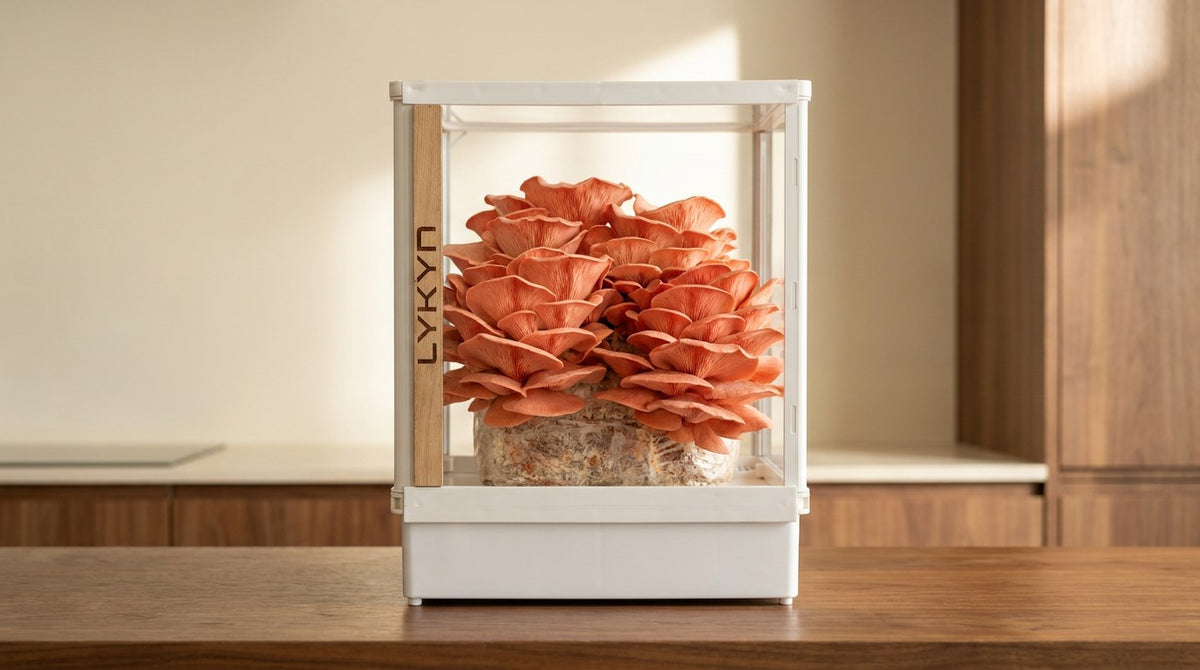
Oyster Mushrooms: Multiple species within the Pleurotus genus are cultivated, including pearl oyster, golden oyster, pink oyster, blue oyster, and king oyster. Oyster mushroom identification helps distinguish these varieties.
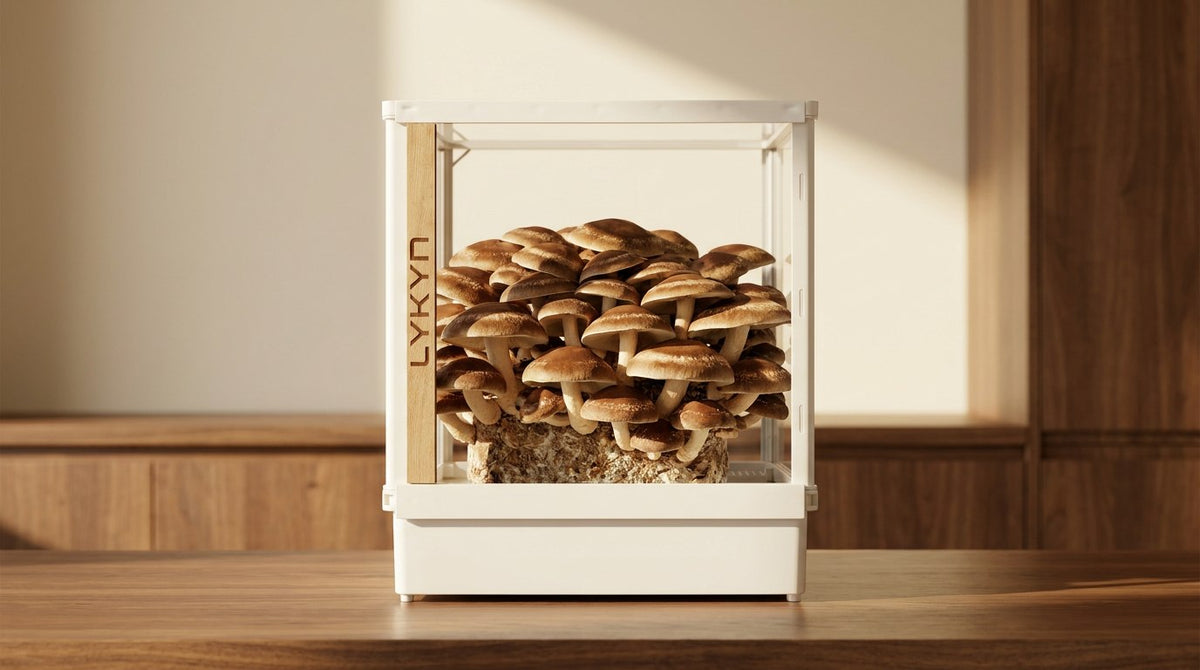
Shiitake (Lentinula edodes): This Asian variety is the second most cultivated mushroom globally and highly prized for its rich umami flavor.
Lion's Mane (Hericium erinaceus): Increasingly popular for both culinary and cognitive health benefits.
Enoki, Maitake, and Other Specialty Varieties: These round out the selection at specialty markets.
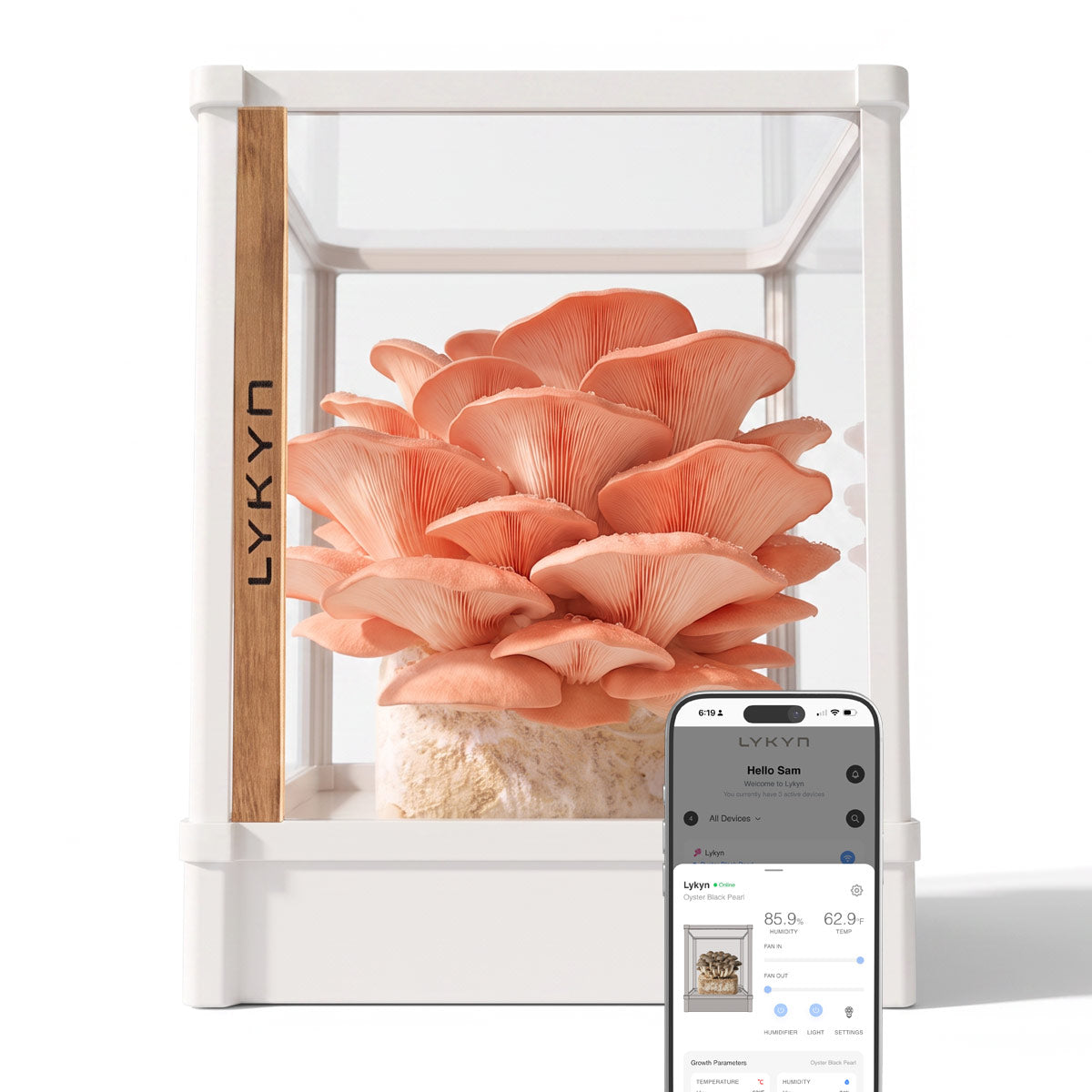
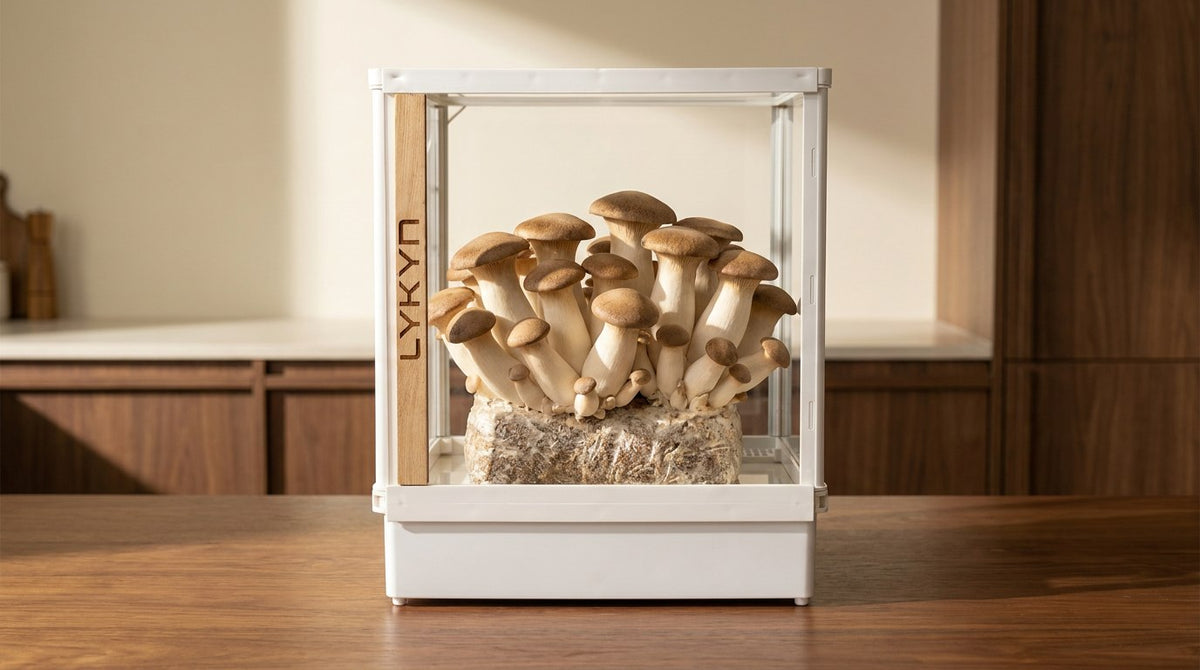
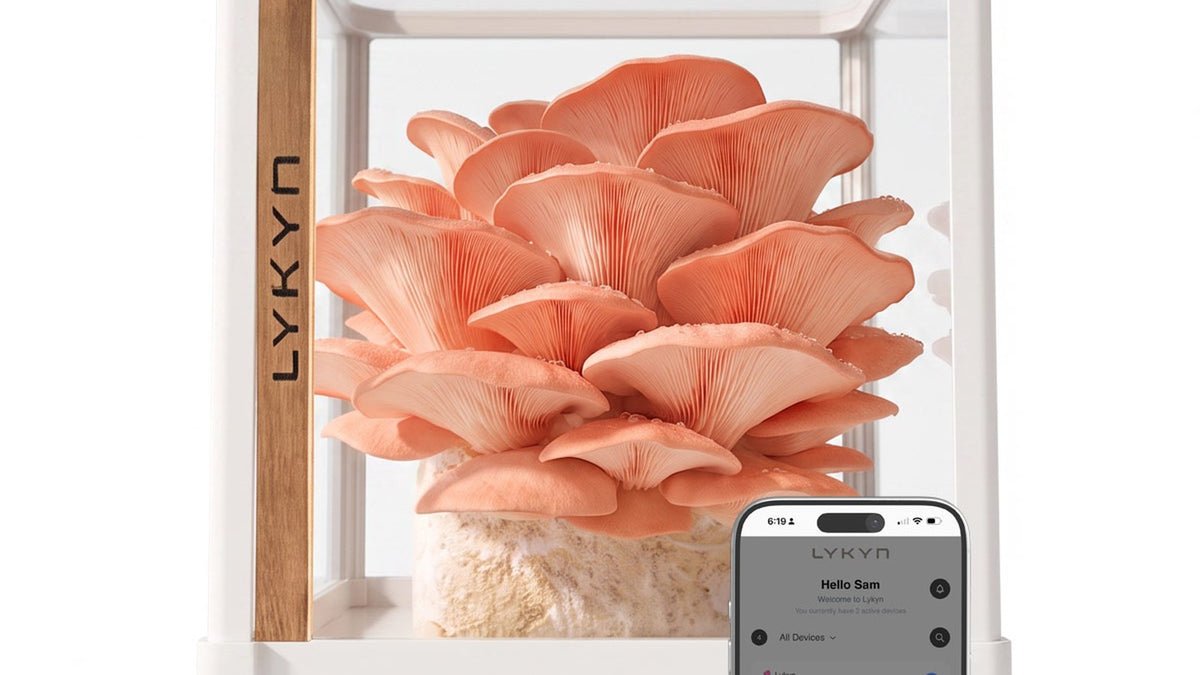
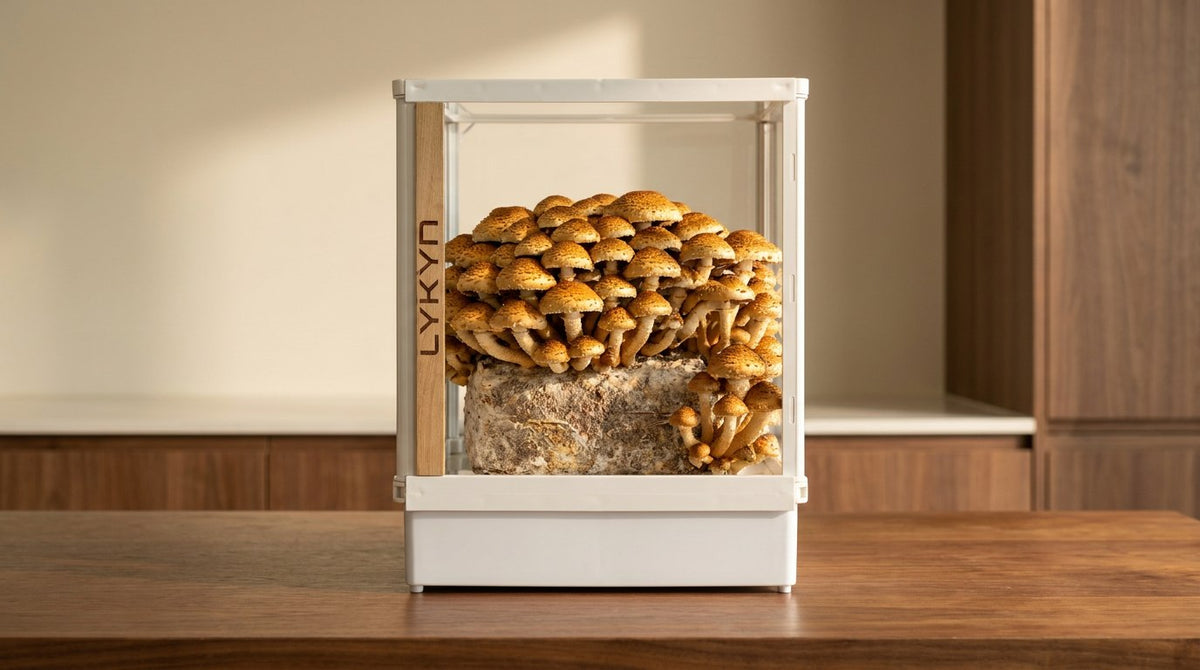
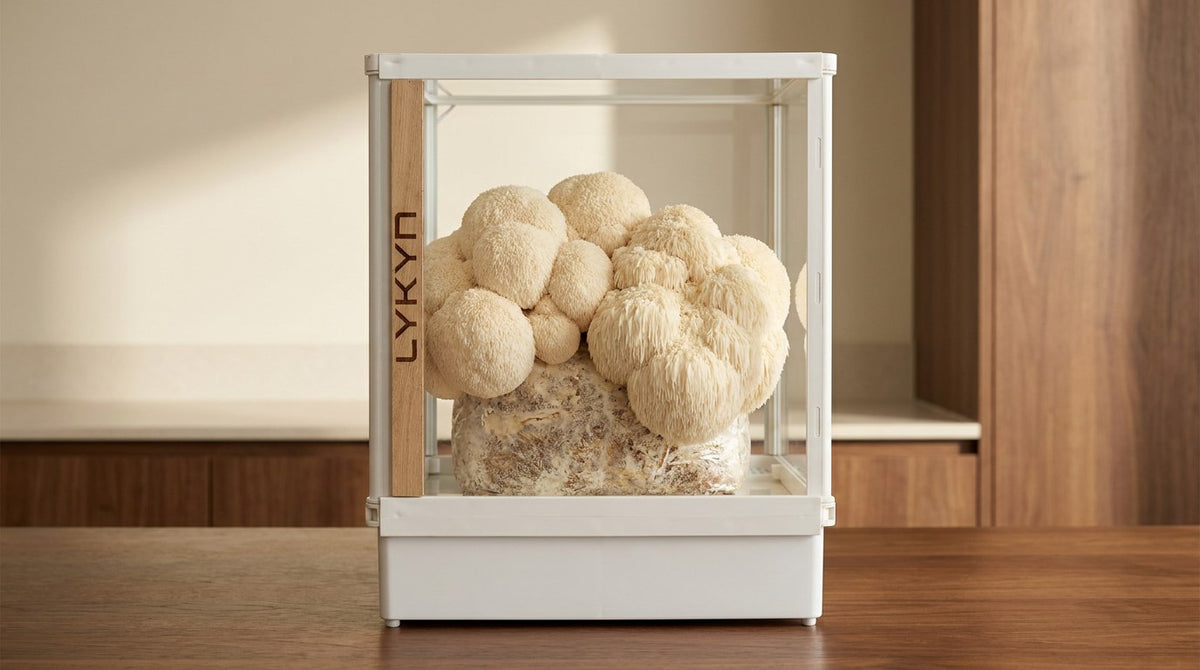
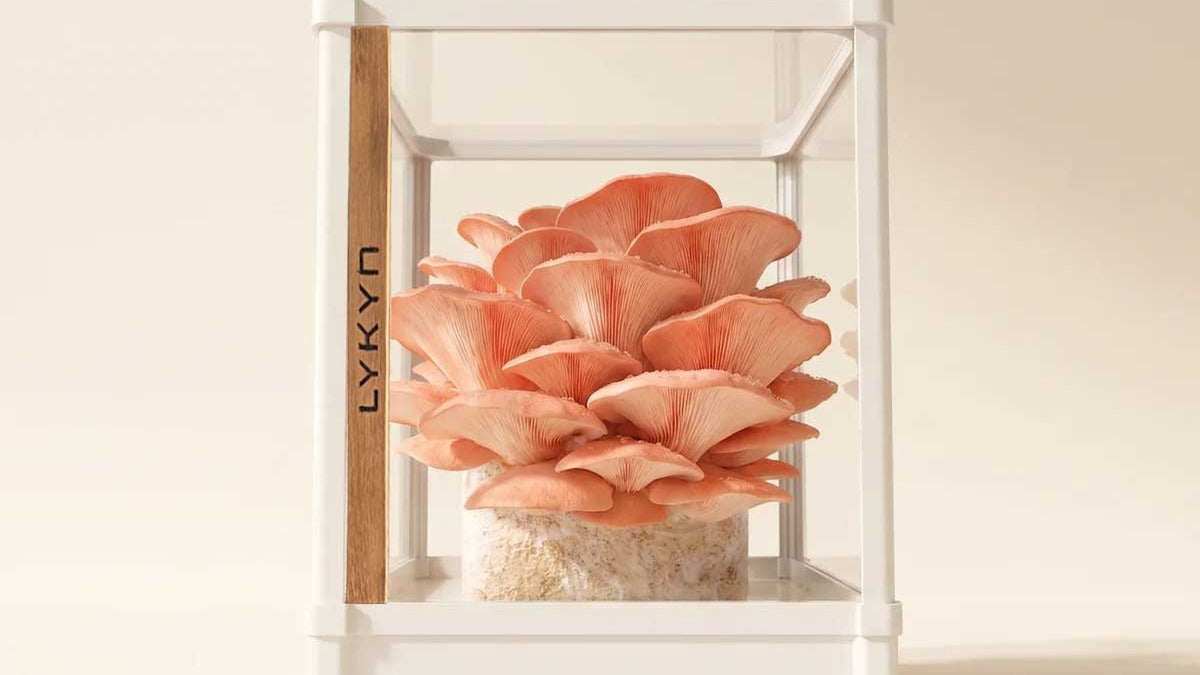
The Lykyn Smart Mushroom Grow Kit makes it easy to cultivate these popular varieties at home with automated humidity and airflow control, ensuring perfect growing conditions for consistent harvests.
Wild-Foraged Gourmet Mushrooms
Beyond cultivated varieties, certain wild mushrooms command premium prices for their exceptional flavors and inability to be commercially grown:
Chanterelles: These golden, funnel-shaped mushrooms grow in symbiotic relationships with tree roots and cannot be cultivated. They're among the most sought-after edible mushrooms in California and worldwide.
Porcini (King Boletes): Prized in Italian and Colorado mushroom foraging, these meaty mushrooms grow in forests at high elevations.
Morels: These spring mushrooms with distinctive honeycomb caps are legendary among foragers. Understanding the different types of morel mushrooms helps identify the various species.
Truffles: These underground mushrooms represent some of the most expensive foods in the world, with certain varieties selling for thousands of dollars per pound.
Black Trumpets, Hedgehogs, and Matsutake: These represent just a few of dozens of choice wild edible species.
For those interested in the rarest varieties, our guide to rare mushrooms explores exotic and valuable fungi from around the world.
Regional Diversity in Edible Mushrooms
Edible mushroom diversity varies dramatically by geography. Colorado's edible mushrooms differ from those found in California's coastal forests, which in turn differ from mushrooms in tropical regions or European woodlands.
This regional variation means that learning about local species is essential for safe foraging. What's edible in one region may have toxic look-alikes in another, making proper identification absolutely critical.
Medicinal Mushrooms: Nature's Pharmacy
While approximately 1,000 mushroom species have been identified with medicinal properties, this number continues growing as research expands. Many of these medicinal varieties can be cultivated at home, offering year-round access to their health benefits.
Well-Researched Medicinal Species
Reishi (Ganoderma lucidum): Known as the "mushroom of immortality," reishi has been used in traditional medicine for thousands of years for immune support.
Turkey Tail (Trametes versicolor): One of the most extensively studied medicinal mushrooms, containing powerful immune-supporting compounds. Our guide on how to grow turkey tail mushrooms provides cultivation instructions.
Chaga (Inonotus obliquus): This parasitic fungus grows on birch trees and is harvested for its antioxidant properties.
Cordyceps: Various species within this genus have been studied for energy and athletic performance.
Fuel Your Mushroom Journey
Smart Mushroom Grow Chamber
Plug-and-play smart chamber with humidity, light, and airflow dialed in for every species. Beginners harvest their first flush in days, not months.
Add to cart $299Maitake (Grifola frondosa): Also known as "hen of the woods," this mushroom has immune-modulating properties.
The health benefits of mushrooms extend across numerous species, with research revealing compounds that support immunity, brain health, cardiovascular function, and more.
Lesser-Known Medicinal Varieties
Beyond the famous medicinal mushrooms, hundreds of lesser-known species show therapeutic potential. From various Trametes species to lesser-studied polypores, the medicinal mushroom world contains immense untapped potential.
As scientific research expands and more species are studied, the list of mushrooms with documented health benefits continues growing. Many traditional medicines around the world have used local mushroom species for centuries, knowledge that modern science is only beginning to validate and understand.
Toxic and Poisonous Mushrooms: The Dangerous Minority
While the exact number isn't known, an estimated 100-200 mushroom species worldwide are seriously toxic or deadly to humans. This represents less than 1% of all mushroom species, but the consequences of misidentification can be severe.
The Deadliest Species
Death Cap (Amanita phalloides): Responsible for approximately 90% of fatal mushroom poisonings worldwide, this species can be mistaken for edible varieties by inexperienced foragers.
Destroying Angels (Amanita species): Several white Amanita species are deadly toxic and can resemble edible mushrooms to untrained eyes.
Deadly Galerina (Galerina marginata): These small brown mushrooms often grow on wood and can be confused with edible species.
False Morels (Gyromitra species): These toxic look-alikes have caused fatalities when mistaken for true morels.
Understanding mushroom identification is absolutely critical before consuming any wild mushrooms. Resources like our Colorado mushroom guide emphasize proper identification techniques and safety protocols.
Why Toxic Mushrooms Exist
From an evolutionary perspective, toxicity protects mushrooms from being eaten by animals before they can release spores. Different mushroom species have evolved various chemical defense compounds, some of which happen to be extremely toxic to humans.
Interestingly, what's toxic to humans may be perfectly edible to other animals, and vice versa. This adds another layer of complexity to mushroom identification and safety.
Why So Many Mushrooms Remain Undiscovered
If millions of mushroom species exist, why have we identified so few? Several factors explain this massive gap in our knowledge:
Hidden Lifestyles
Most fungi spend their lives underground as microscopic networks of mycelium threads. Many species never produce visible mushrooms, or do so only rarely under specific conditions. Understanding the complete life cycle of a mushroom reveals how much of fungal life remains hidden from view.
Ephemeral Fruiting Bodies
Mushrooms often appear only briefly, sometimes just for days or even hours, making them difficult to observe and study. A mushroom that fruits once every few years in remote locations may never be discovered or documented.
Microscopic Species
Millions of fungal species exist only as microscopic organisms. These include yeasts, molds, and endophytic fungi living inside plant tissues. While not mushrooms in the traditional sense, they're still members of the fungal kingdom contributing to diversity estimates.
Cryptic Species Complexes
Many "species" are actually groups of multiple genetically distinct species that look identical to the naked eye. Only DNA analysis can distinguish them. This means a single named mushroom species might actually represent 5, 10, or even more separate biological species.
Geographic Bias in Research
Most mycological research has focused on temperate regions in North America and Europe. Tropical regions, which may harbor the greatest fungal diversity, remain dramatically understudied. Every major survey of tropical forests discovers dozens of previously unknown mushroom species.
Funding and Expertise Shortages
Mycology receives far less research funding compared to botany or zoology. There's also a global shortage of trained mycologists, particularly in biodiversity-rich developing nations. This lack of resources slows the pace of fungal discovery significantly.
Specialized Habitats and Associations
Many fungi grow only in highly specific habitats or in association with particular plants, animals, or other organisms. A mushroom that grows only on one species of tree in one mountain range is unlikely to be discovered unless researchers specifically study that location.
The Importance of Mushroom Diversity
Understanding how many types of mushrooms exist isn't just a matter of scientific curiosity, it has real-world implications for ecology, medicine, and human survival.
Ecological Roles
Fungi play absolutely critical roles in nearly every ecosystem on Earth:
Decomposition: Mushrooms and other fungi are nature's primary decomposers, breaking down dead organic matter and recycling nutrients. Without fungi, forests would be buried under accumulating dead plant material.
Mycorrhizal Partnerships: An estimated 90% of plant species form symbiotic relationships with fungi. These partnerships allow plants to access water and nutrients while providing fungi with sugars from photosynthesis.
Food Web Foundations: Mushrooms feed countless animals, from insects and slugs to deer and bears. Many species depend on specific mushrooms for survival.
Soil Formation: Fungal mycelium helps create and maintain healthy soil structure, preventing erosion and supporting plant growth.
Medicinal and Biotechnological Potential
Many modern medicines originated from fungi, including antibiotics like penicillin. With millions of unstudied species, fungi represent an enormous untapped resource for drug discovery.
Beyond medicine, fungi produce enzymes used in industry, bioremediation compounds that clean up pollution, and sustainable materials that could replace plastics and building materials. Each undiscovered species might hold solutions to pressing human challenges.
Food Security and Sustainability
Mushroom cultivation represents one of the most sustainable forms of food production. Growing mushrooms produces high-quality protein using agricultural waste products with minimal water, land, and energy inputs. The benefits of using a mushroom growing kit extend beyond personal harvests to supporting more sustainable food systems.
As climate change and population growth challenge conventional agriculture, diverse mushroom species offer alternative protein sources and agricultural approaches that could help feed humanity sustainably.
Conservation Concerns
Many mushroom species face extinction before we even discover them. Habitat loss, climate change, pollution, and other human impacts threaten fungal diversity worldwide. Some species like matsutake mushrooms have declined by 95% in parts of their range.
Protecting mushroom diversity requires preserving diverse habitats, from old-growth forests to grasslands. Conservation efforts must consider not just plants and animals but the fungal species that support entire ecosystems.
Growing Your Own: Accessing Mushroom Diversity at Home
While we can't cultivate all mushroom species, home growing opens access to varieties you'll never find in grocery stores. Beyond common button mushrooms, enthusiasts can grow dozens of gourmet and medicinal species in their own homes.
Easy-to-Grow Varieties for Beginners
Best Mushroom Grow Kits for Beginners: The Ultimate 2026 GuideMushroom growing kits for beginners make it simple to start with species like:
- Oyster mushrooms (multiple color varieties)
- Shiitake mushrooms
- Lion's mane mushrooms
- Wine cap mushrooms
- Pioppino mushrooms
These species tolerate a range of conditions and produce reliably, making them ideal for first-time growers.
Expanding Your Growing Repertoire
Once you've mastered basics, you can explore more challenging varieties:
- Turkey Tail Mushroom Cultivation Made EasyTurkey tail mushroom cultivation for medicinal harvests
- Reishi mushrooms for immune support
- King trumpet mushrooms for meaty texture
- Specialty oyster varieties like golden and pink
Learning how to grow mushrooms from spores opens even more possibilities, allowing you to work with rare genetics and uncommon varieties not available as commercial spawn.
The Future of Home Cultivation
Advances in cultivation technology continue making more species accessible to home growers. The Lykyn Smart Mushroom Grow Kit represents the cutting edge of home cultivation, with automated environmental controls that maintain perfect conditions for diverse species.
As cultivation techniques improve, mushrooms once considered impossible to grow may become accessible. This democratization of mushroom cultivation allows more people to experience fungal diversity firsthand.
Featured Snippet Summary
Scientists estimate 2.2 to 6.28 million fungal species exist worldwide, but only 14,000 to 22,000 mushroom species have been formally described, less than 1% of total diversity. Of these, approximately 2,100 species are edible, with only 20-25 varieties commonly cultivated or foraged. About 1,000 species have documented medicinal properties, while roughly 100-200 species are seriously toxic to humans.
Frequently Asked Questions About Mushroom Diversity
How many new mushroom species are discovered each year?
Mycologists describe approximately 1,000-2,000 new fungal species annually, with the discovery rate actually accelerating in recent years thanks to DNA sequencing technologies. Most new species are discovered in understudied tropical regions or through detailed examination of species complexes that reveal multiple cryptic species. At the current pace, it would take thousands of years to describe all estimated fungal species.
What's the most common mushroom in the world?
The button mushroom (Agaricus bisporus) is the most cultivated and consumed mushroom globally, accounting for about 35% of worldwide mushroom production. However, in terms of naturally occurring species, many bracket fungi and small decomposer mushrooms are extremely widespread and common, even if less noticed by people.
Can all edible mushrooms be cultivated?
No, many choice edible mushrooms cannot currently be cultivated because they form obligate symbiotic relationships with living tree roots (mycorrhizal relationships). This includes chanterelles, porcini, morels (with limited success), and truffles. However, cultivation techniques continue improving, and species once thought impossible to grow are now being successfully cultivated by innovative growers.
What region of the world has the most mushroom diversity?
Tropical regions, particularly tropical rainforests in Southeast Asia, Central Africa, and South America, likely harbor the greatest mushroom diversity. However, these regions remain dramatically understudied compared to temperate areas. Temperate old-growth forests in the Pacific Northwest, Europe, and parts of Asia also show exceptional diversity. Ultimately, fungal diversity correlates with overall biodiversity and habitat complexity.
Are there really millions of undiscovered mushroom species?
Yes, multiple independent scientific approaches all suggest millions of fungal species remain undiscovered. Comprehensive surveys of even well-studied locations continue finding new species after decades of research, with no signs of reaching an endpoint. Given that 70-90% of fungi produce no visible mushrooms at all, the actual number may never be fully known, but evidence strongly supports estimates in the millions rather than thousands.
Exploring the Incredible World of Mushroom Diversity
The world of mushrooms is far more diverse, mysterious, and important than most people ever realize. From the millions of species hiding in soil and forests to the handful we've learned to cultivate and eat, fungi represent one of the final frontiers in biological discovery.
Whether you're fascinated by the sheer numbers, interested in the ecological importance, or simply want to experience more varieties beyond grocery store buttons, mushrooms offer endless opportunities for exploration. Growing your own mushrooms at home provides a hands-on way to appreciate fungal diversity while producing fresh, organic food.
Ready to start your own mushroom growing adventure? The Lykyn Smart Mushroom Grow Kit makes it easy to cultivate multiple species with professional results. With automated environmental controls, built-in filtration, and precision sensors, you can explore the wonderful diversity of cultivated mushrooms right from your kitchen counter.
Browse our complete selection of mushroom growing guides and discover which species are perfect for your growing goals. From gourmet culinary varieties to medicinal mushrooms, your journey into fungal diversity starts today!

Share:
What Are the Health Benefits of Mushrooms? Your Complete Guide to Nature's Nutritional Powerhouse
The Life Cycle of a Mushroom: Understanding Nature's Most Fascinating Growth Process