


In the world of gastronomy and mycology, few things captivate enthusiasts quite like rare mushrooms. These elusive fungi command astronomical prices, inspire dedicated foragers to guard secret locations, and drive chefs to craft entire menus around their brief seasonal appearances. From white truffles fetching $5,000 per pound to the mysterious matsutake mushrooms disappearing from Japanese forests, rare mushrooms represent the intersection of culinary excellence, ecological complexity, and pure scarcity.
But what makes a mushroom truly rare? Why do some varieties command prices higher than gold? And most intriguingly, which rare mushrooms can you actually cultivate at home? This comprehensive guide explores the fascinating world of rare mushrooms, from wild-foraged treasures that require trained dogs to locate, to exotic cultivated varieties you can grow in your own space with the right knowledge and equipment.
2026 Price Ranking: Most Expensive Mushrooms Per Pound
Rare mushroom prices track scarcity, symbiosis (many cannot be farmed), harvest window, and demand from top restaurants. The 2026 wholesale-to-retail ranking of the world's most expensive edible mushrooms:
- European white truffle (Tuber magnatum) $2,500 to $6,000 per pound. Only forageable in northern Italy fall to early winter. No farming possible.
- Yartsa gunbu (Ophiocordyceps sinensis) $2,000 to $50,000 per pound depending on grade. Tibetan Plateau caterpillar-fungus, traditional medicine.
- Matsutake (Tricholoma matsutake) $600 to $2,000 per pound. Wild-harvested in Japan and Pacific Northwest. Aromatic, prized in Japanese cuisine.
- European black truffle (Tuber melanosporum) $600 to $1,000 per pound. Winter harvest in France, Italy, Spain. Some semi-cultivated on inoculated oak roots.
- Morel (Morchella spp.) $30 to $50 per pound fresh, $200+ dried. Wild only in most of the world; short spring window. See our detailed morel mushroom cost breakdown.
- Chanterelle (Cantharellus cibarius) $20 to $60 per pound fresh. Wild-foraged across Europe, North America, Asia. Symbiotic, cannot be farmed at scale.
- Porcini (Boletus edulis) $30 to $80 per pound fresh. Wild fall harvest. Dried porcini command higher per-pound because concentration.
- Lobster mushroom (Hypomyces lactifluorum) $20 to $40 per pound. A parasitized Russula or Lactarius, foraged in North American forests.
- Hedgehog mushroom (Hydnum repandum) $15 to $30 per pound. Wild-foraged, harder to find in supply chains.
- Black trumpet (Craterellus cornucopioides) $15 to $30 per pound. Wild-foraged, appearance is deceptive but flavor is one of the top-rated wild mushrooms.
Most rare mushrooms hold their prices because they cannot be commercially farmed. The species that can be farmed (shiitake, oyster, lion's mane, king trumpet) run $5 to $15 per pound because supply is elastic. If you want rare mushroom flavor without the price tag, growing your own at home with a controlled chamber closes the gap on species like lion's mane and king trumpet.
What Makes a Mushroom Rare? Understanding Scarcity in Fungi
Not all expensive mushrooms are truly rare, and not all rare mushrooms are expensive. Understanding what creates rarity in the fungal world requires examining several interconnected factors.
Mycorrhizal relationships represent the primary barrier to cultivation for many rare mushrooms. Species like truffles, matsutake, porcini, and chanterelles form symbiotic relationships with specific tree roots. These complex partnerships mean the mushrooms cannot grow without their host trees, and the precise soil chemistry, moisture levels, and microbial communities required make cultivation extraordinarily difficult or impossible with current technology.
The famous lingzhi mushroom demonstrates how rarity translates to value. Historically, only two or three trees out of 10,000 might host wild lingzhi naturally. This extreme scarcity made it one of the most prized medicines in Chinese tradition. While modern cultivation has made lingzhi more accessible, wild specimens still command premium prices due to their perceived superior potency.
Seasonal availability creates temporal rarity. Morel mushrooms only fruit for a few weeks in spring, making them unavailable fresh for the majority of the year. This short window, combined with unpredictable fruiting patterns, means even experienced foragers never know exactly when or where morels will appear.
Geographic specificity limits certain mushrooms to particular regions or microclimates. Alba white truffles only grow in specific areas of Italy's Piedmont region, while authentic matsutake traditionally come from red pine forests in Japan. Climate change is making geographic rarity even more pronounced as traditional growing regions shift or disappear entirely.
Cultivation challenges keep many species perpetually rare. Despite decades of research and substantial financial incentives, nobody has successfully domesticated white truffles, matsutake, or chanterelles at commercial scale. The complex environmental requirements and symbiotic relationships these species require defy human attempts at cultivation.

The World's Most Expensive and Rare Mushrooms
Yartsa Gunbu (Cordyceps Sinensis): $50,000 Per Pound
The undisputed champion of rare mushrooms, yartsa gunbu isn't technically a mushroom at all, it's a parasitic fungus that grows from the mummified corpse of a ghost moth caterpillar. Found only at elevations above 10,000 feet in the Himalayas and Tibetan Plateau, this bizarre organism represents the ultimate in fungal rarity.
Also called "caterpillar fungus," yartsa gunbu has been used in traditional Chinese medicine for centuries, valued for its supposed benefits for energy, vitality, and overall health. The harvesting process is labor-intensive, requiring collectors to search high-altitude terrain carefully for the small brown finger-like fruiting bodies emerging from the ground.
Prices for genuine wild cordyceps sinensis can reach $50,000 per pound at peak quality, though cultivated cordyceps militaris, a related but different species, is available at much more accessible prices. The astronomical cost of wild yartsa gunbu stems from declining wild populations, increased demand, and the extraordinary effort required to harvest these rare fungi.
European White Truffle: $4,000-$10,000 Per Pound
White truffles (Tuber magnatum) represent the pinnacle of culinary fungi, commanding prices that make them more expensive than gold by weight. Found primarily in Italy's Piedmont region, particularly around the town of Alba, these underground treasures have resisted all attempts at commercial cultivation.
The intense, complex aroma of white truffles, often described as combining garlic, earth, and honey with indescribable depth, makes them irreplaceable in haute cuisine. Their brief season (October through December) and the requirement for trained truffle dogs to locate them underground contribute to their legendary status and price.
The annual White Truffle Festival in Alba celebrates these precious fungi with auctions where single large specimens can sell for tens of thousands of dollars. While white truffles are actually quite common across Europe, they're notoriously hard to find, buried 3-12 inches underground with no above-ground indication of their presence.
Matsutake Mushroom: $1,000-$4,000 Per Pound
Matsutake mushrooms (Tricholoma matsutake) hold a treasured place in Japanese culture, where they've been enjoyed since ancient times. Clay statues depicting matsutake were found in ruins from the Jomon Period dating back 13,500 years. These mushrooms are so culturally significant that their arrival signals the beginning of autumn in Japan.
Characterized by their distinctive spicy, cinnamon-like aroma and firm texture, matsutake are traditionally gifted to express respect and appreciation. The dark brown caps and plump white stems are best enjoyed lightly cooked and simply seasoned to preserve their unique flavor.
Tragically, matsutake populations have crashed over the past 70 years. Local production in Japan has dropped by 95% due to the pinewood nematode, an invasive pest that kills the red pine trees matsutake requires for growth. This ecological disaster has made authentic Japanese matsutake increasingly rare and expensive, with prices reaching $4,000 per pound during poor harvest years.
While matsutake also grow in Korea, China, and the Pacific Northwest of North America, Japanese specimens command the highest prices due to their perceived superior quality and cultural significance.
Black Périgord Truffle: $800-$2,950 Per Pound
Black truffles (Tuber melanosporum) from France's Périgord region are slightly less expensive than white truffles but still command extraordinary prices. French epicurean Brillat-Savarin famously called them the "diamond of the kitchen," and their rich, earthy aroma and complex flavor justify the metaphor.
Unlike white truffles, black truffles have been successfully cultivated with limited success. Some American and Australian producers have established truffle orchards by inoculating oak or hazelnut trees with truffle spores, then waiting 5-10 years for the first harvest. However, cultivated truffles rarely match the intensity and quality of wild specimens.
Black truffles are harvested from late November through March using trained truffle dogs (pigs have fallen out of favor due to their tendency to eat the truffles). The patient, skilled work of truffle hunters combined with the underground growth makes harvesting labor-intensive and expensive.
Morel Mushrooms: $30-$100+ Per Pound
Morel mushrooms (Morchella species) represent a fascinating mystery in mycology. Despite extensive research, the ecology of morels remains poorly understood. Each species seems to have its own unique relationship with its environment, some prefer recently burned areas, others favor specific tree species, and timing varies by variety and location.
The distinctive honeycomb-like cap makes morels easily recognizable, but finding them requires knowledge, luck, and dedication. Experienced foragers guard their morel spots jealously, passing locations only to trusted family and friends. The fact that morels often return to the same locations year after year makes these secret spots especially valuable.
While some outdoor cultivation success has occurred in China since 2014, yields remain unpredictable and commercial cultivation hasn't reduced wild harvesting. The brief spring fruiting season (March-May in most regions) and difficulty in cultivation keep morels perpetually valuable.
Fresh morels cost $30-$60 per pound in areas where they're locally foraged, but can exceed $100 per pound when imported to areas without native populations. Dried morels are available year-round but still command $10-$40 per ounce.
Chanterelle Mushrooms: $30-$225 Per Pound (Dried)
Golden chanterelles (Cantharellus cibarius) enchant mushroom hunters with their vibrant yellow-orange color, delicate peppery flavor, and fruity aroma. Unlike many rare mushrooms, chanterelles are relatively easy to identify, their smooth caps and distinctive false gills that run down the stem make them recognizable with minimal experience.
However, chanterelles remain exclusively wild-harvested. Their mycorrhizal relationship with specific trees (varying by region, beech in Europe, Douglas fir in the Pacific Northwest) has thus far prevented cultivation. The mushrooms require very specific conditions to fruit: drenching rain followed by warm, humid weather, which explains their seasonal appearance from late spring through autumn.
Fresh chanterelles cost $30-$40 per pound during peak season, but dried chanterelles can reach $225 per pound due to the concentration involved and year-round availability. Their delicate nature means they're best enjoyed fresh, making the seasonal availability part of their appeal.
Porcini Mushrooms: $40-$100 Per Pound
Porcini mushrooms (Boletus edulis), also called king boletes, offer a meaty texture and robust, earthy flavor beloved in Italian and French cuisine. The name "porcini" means "piglets" in Italian, referring to their plump, stocky appearance with oversized caps and thick stems.
Like other expensive mushrooms, porcini form mycorrhizal relationships with hardwood trees including pine, chestnut, hemlock, and spruce. This complex environmental relationship makes cultivation extremely difficult, keeping porcini primarily wild-harvested.
Porcini are somewhat easier to find than truffles or matsutake, growing visibly on the forest floor rather than underground. However, their thick, dense flesh makes them heavy, and true porcini season is relatively brief in most regions. Fresh porcini can be difficult to find outside specialized markets, with frozen or dried options more commonly available.
Rare Cultivated Mushrooms: Exotic Species You Can Grow
Not all rare mushrooms require foraging in forests or employing truffle dogs. Several exotic and unusual varieties can be cultivated at home with the right knowledge and equipment, offering the satisfaction of growing rare fungi without the impossible cultivation challenges of truffles or matsutake.
Antler Reishi: The Rare Branching Form
Antler reishi mushrooms represent one of nature's most fascinating cultivated rarities. Unlike typical umbrella-shaped reishi, antler reishi develops striking branched formations resembling deer antlers or coral structures when grown in high-CO₂ environments.
This unique growth pattern isn't just visually spectacular, it concentrates higher levels of beneficial compounds compared to traditional reishi forms. The triterpenes and polysaccharides that give reishi its "mushroom of immortality" reputation appear in greater concentrations in antler formations.
Growing antler reishi requires specific environmental conditions: reduced fresh air exchange to maintain high CO₂ levels, similar temperature and humidity to standard reishi, and patience, 6-12 weeks from initial pins to harvest-ready mushrooms. The slow growth rewards cultivators with a premium medicinal mushroom that commands higher prices than standard reishi.
Lion's Mane: The Seafood of the Forest
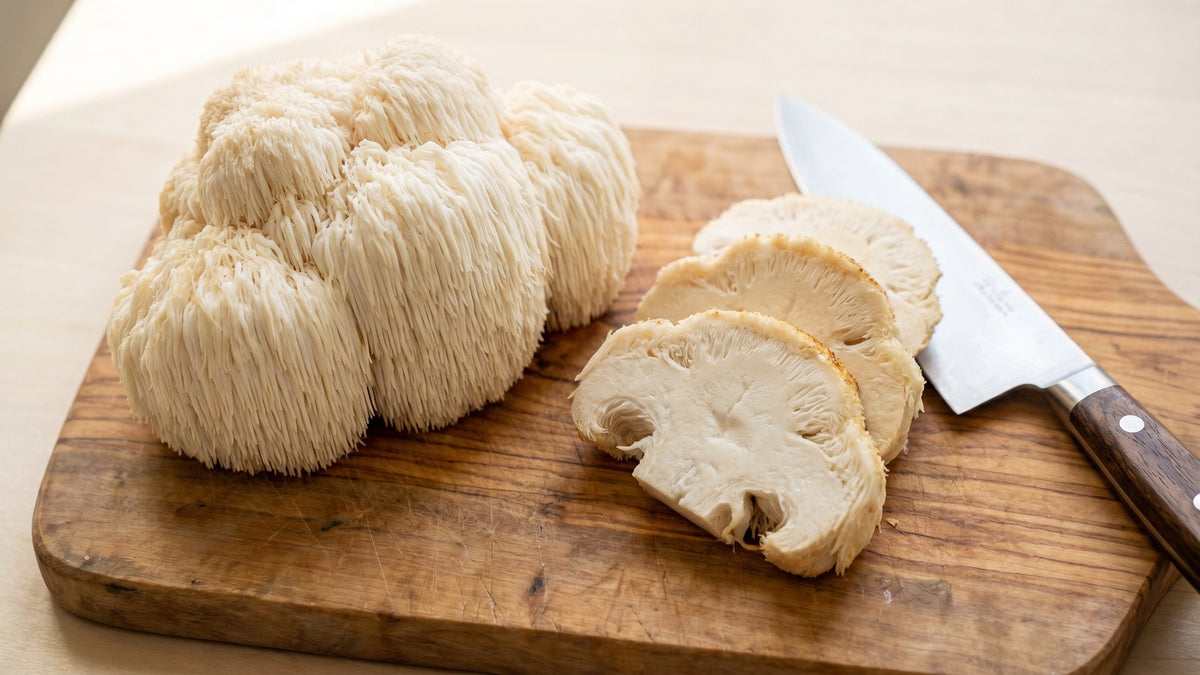
Lion's mane (Hericium erinaceus) might not match the price of white truffles, but its distinctive appearance and unique properties make it relatively rare in commercial markets. The cascading white spines resembling a lion's mane or waterfall create a mushroom unlike any other.
While lion's mane can be cultivated more easily than truly wild rare species, it's still uncommon in mainstream grocery stores. Growing lion's mane mushrooms at home provides access to this remarkable fungus known for potential cognitive benefits and distinctive seafood-like flavor.
The growing popularity of lion's mane for brain health has increased demand beyond supply, making fresh specimens relatively expensive ($15-30 per pound) and sometimes hard to find. Home cultivation offers guaranteed access to this valuable mushroom.
Black King Mushrooms: Dramatic and Delicious
Black king mushrooms represent specialty cultivars within the king oyster family, selectively bred for their dramatic dark coloration. These striking fungi combine the substantial, meaty texture of king oyster mushrooms with visual appeal that makes them standout restaurant ingredients.
While not as rare as wild-foraged species, black king mushrooms are specialty items not typically found in regular grocery stores. Their cultivation requires slightly more skill than common oyster mushrooms, and their unique appearance commands premium prices at farmers markets and specialty stores.
Yellow Oyster Mushrooms: Golden Delicacies
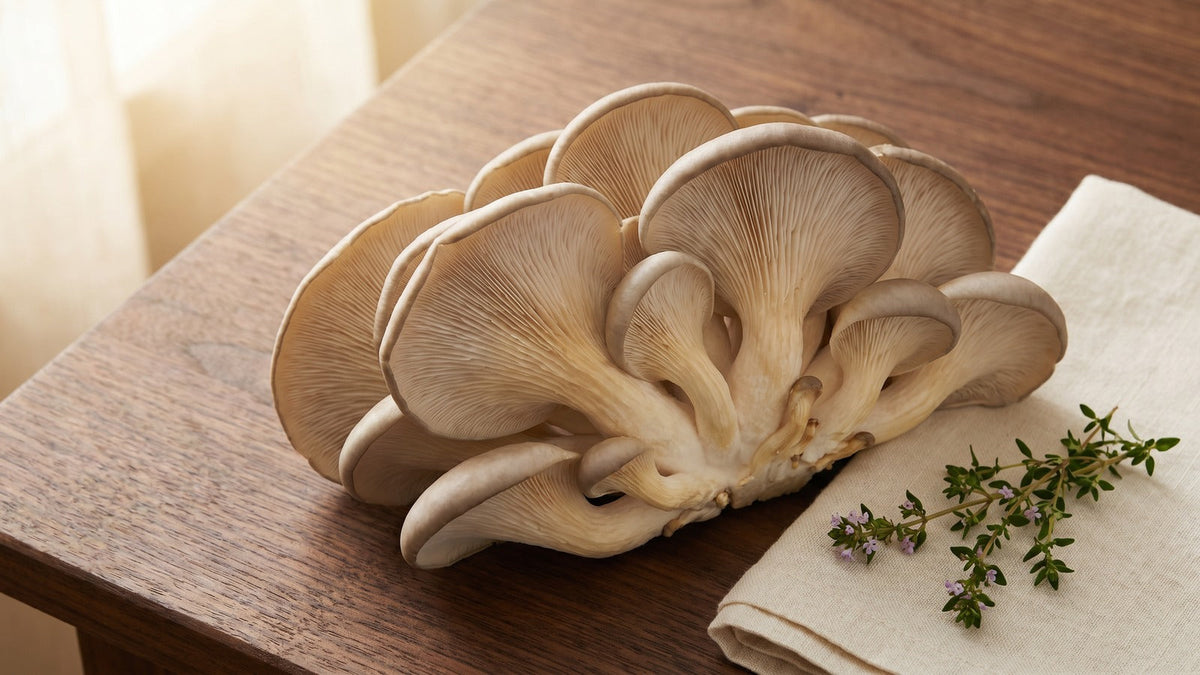
Yellow oyster mushrooms (Pleurotus citrinopileatus) stand out as some of the most visually striking cultivated varieties. Their vibrant golden caps and delicate, nutty-citrus flavor make them highly sought after by chefs despite being relatively uncommon in markets.
These mushrooms are actually quite easy to grow at home, making them an accessible entry point into cultivating "rare" specialty mushrooms. Their tropical origins mean they prefer warmer growing temperatures (75-85°F) compared to other oyster varieties, which partly explains their limited commercial availability.
Wine Cap (King Stropharia): Garden Giants
Wine cap mushrooms offer an opportunity to grow large, beautiful rare mushrooms outdoors in your own garden. Also called King Stropharia or garden giants, these burgundy-capped mushrooms can grow as large as dinner plates and produce abundant harvests for 3-5 years from a single inoculation.
While not as expensive as true wild rarities, wine caps are uncommon in markets and represent one of the easiest outdoor mushroom cultivation projects. They actively improve garden soil while growing on mulch, making them both productive and beneficial to garden ecology.
Why Rare Mushrooms Cost So Much: The Economics of Scarcity
Understanding the economic forces behind rare mushroom prices reveals why these fungi command costs that seem absurd compared to common varieties.
Supply and demand imbalances create the foundation for high prices. When a product cannot be mass-produced (like truffles) but faces strong demand from wealthy consumers and prestigious restaurants, prices naturally skyrocket. The limited supply means those willing to pay premium prices get the product, while others go without.
Labor intensity in harvesting adds significant costs. Truffle hunters spend years training dogs, then spend entire days searching forests for underground fungi that may or may not be present. Morel foragers walk miles through forests examining the ground carefully for camouflaged mushrooms. This skilled labor, combined with low success rates, must be compensated through high prices.
Seasonal concentration creates market timing pressures. When morels fruit for just 3-4 weeks, sellers must capitalize on that brief window. High seasonal prices compensate for the 11 months without income from that product. Similarly, matsutake's autumn season creates a rush where demand concentrates, driving prices upward.
Geographic limitations add transportation and importation costs. Moving delicate fresh mushrooms from remote forests to major cities or across international borders requires careful handling and speed. Many rare mushrooms have shelf lives measured in days, making logistics challenging and expensive.
Prestige and exclusivity create psychological value beyond the mushroom itself. Serving white truffles signals wealth and access to exclusive ingredients. Restaurants markup rare mushrooms substantially, knowing customers pay partly for the experience and prestige of eating something genuinely rare.
Climate change and habitat loss are making some traditionally available mushrooms increasingly rare. Matsutake's 95% population decline in Japan transformed it from somewhat accessible to genuinely endangered. As climate patterns shift and forests change, other species may follow similar trajectories.
How to Identify Rare Mushrooms Safely
If you're interested in foraging for rare mushrooms, identification skills are absolutely critical. Consuming the wrong mushroom can cause serious illness or death, making positive identification a life-or-death skill.
Never eat any mushroom without 100% positive identification. This cannot be emphasized enough. Many toxic mushrooms closely resemble edible varieties, and the consequences of mistakes are severe. When in doubt, throw it out.
Learn with experienced mentors. Join local mycological societies, attend foraging walks with experts, and build relationships with experienced foragers who can teach you in person. Photos and field guides are helpful but can't replace hands-on learning with someone knowledgeable.
Start with easily identified species. Morels and chanterelles are relatively distinctive with few dangerous look-alikes, making them good starting points for beginners. Avoid mushrooms with "little brown mushroom" (LBM) syndrome, small, brown, difficult-to-distinguish species that include deadly poisonous varieties.
Use multiple field guides and resources. Cross-reference several reliable sources before making identifications. Regional guides specific to your area are especially valuable, as mushroom species and look-alikes vary geographically.
Check spore prints. Many mushrooms can be definitively identified by their spore color. Place the cap gill-side down on white and black paper overnight, and the spores will drop, creating a print. This simple test differentiates otherwise similar species.
Understand habitat and ecology. Knowing where specific mushrooms grow helps narrow possibilities. Chanterelles grow under specific trees, morels prefer particular disturbed habitats, and recognizing these patterns improves identification confidence while reducing dangerous misidentifications.
Join foraging communities. Online forums and local groups allow you to share photos and get identification help from experienced members. However, always remember that even expert mycologists can make mistakes, so multiple confirmations are ideal for safety.
Can Rare Mushrooms Be Cultivated? The Future of Mycology
The holy grail of mushroom cultivation is domesticating currently wild-only species. Substantial research and financial incentives drive efforts to cultivate truffles, matsutake, morels, and other valuable rare mushrooms.
Partial successes offer hope. Black truffle cultivation has achieved limited commercial viability, with orchards in France, Spain, Australia, and North America producing truffles. While cultivated truffles rarely match wild specimens in quality or price, they demonstrate that some mycorrhizal species can be partially domesticated.
Morel cultivation in China has shown promise since 2014, with some commercial operations achieving reasonable yields. However, the techniques remain unreliable, and outdoor cultivation still dominates the commercial morel market.
Scientific understanding continues advancing. Researchers are mapping the complex microbiome interactions, soil chemistry requirements, and tree-fungus relationships necessary for mycorrhizal mushrooms. Each discovery brings us closer to potential cultivation breakthroughs.
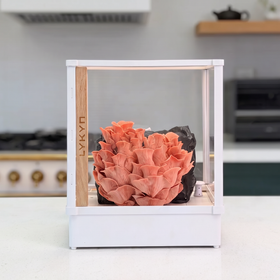
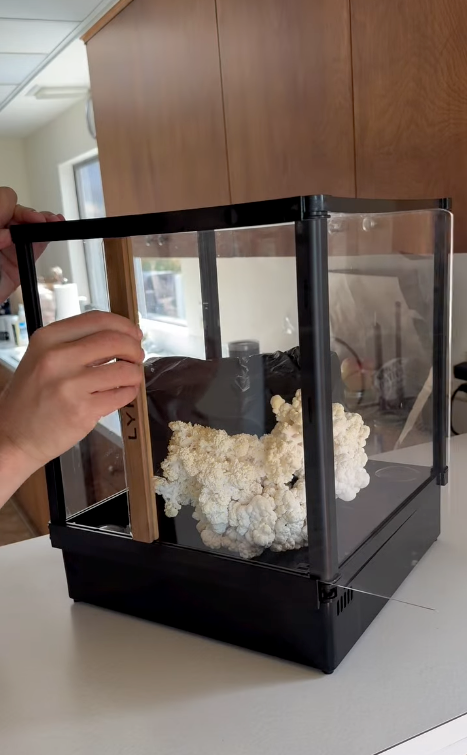
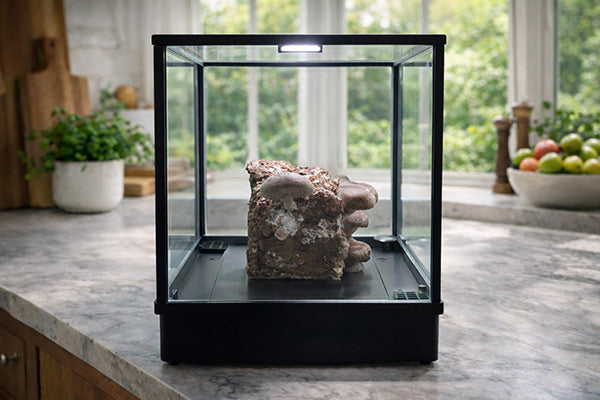
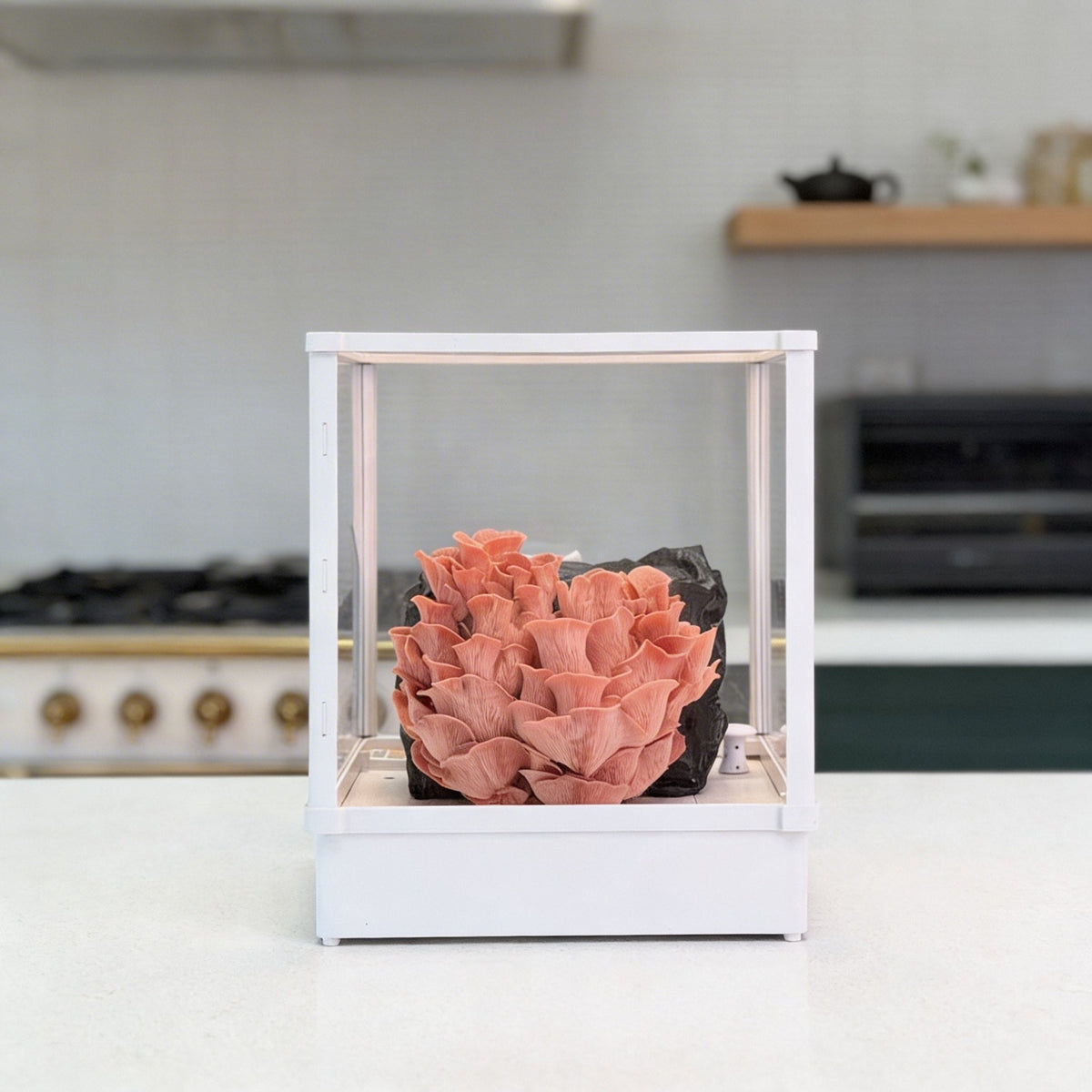
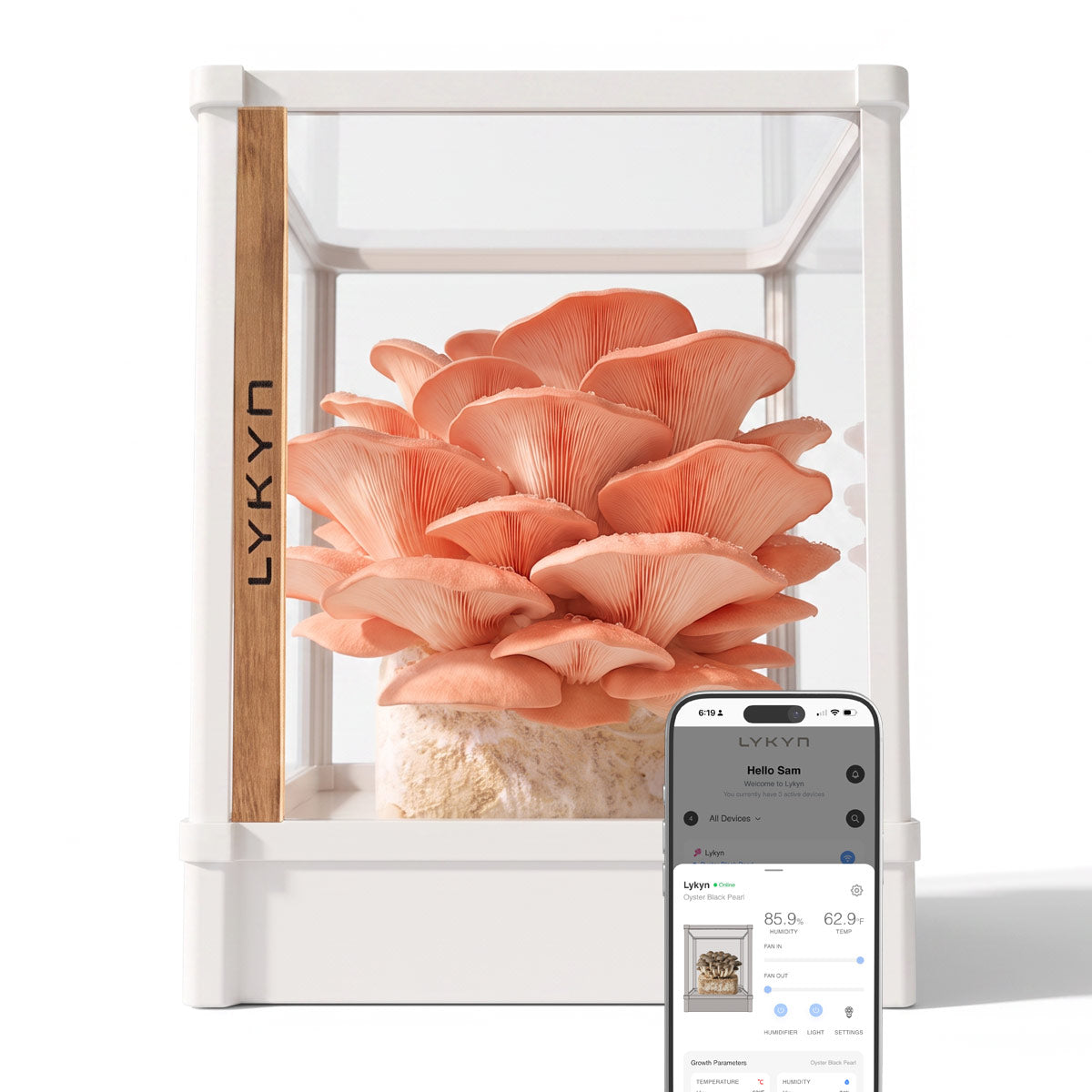
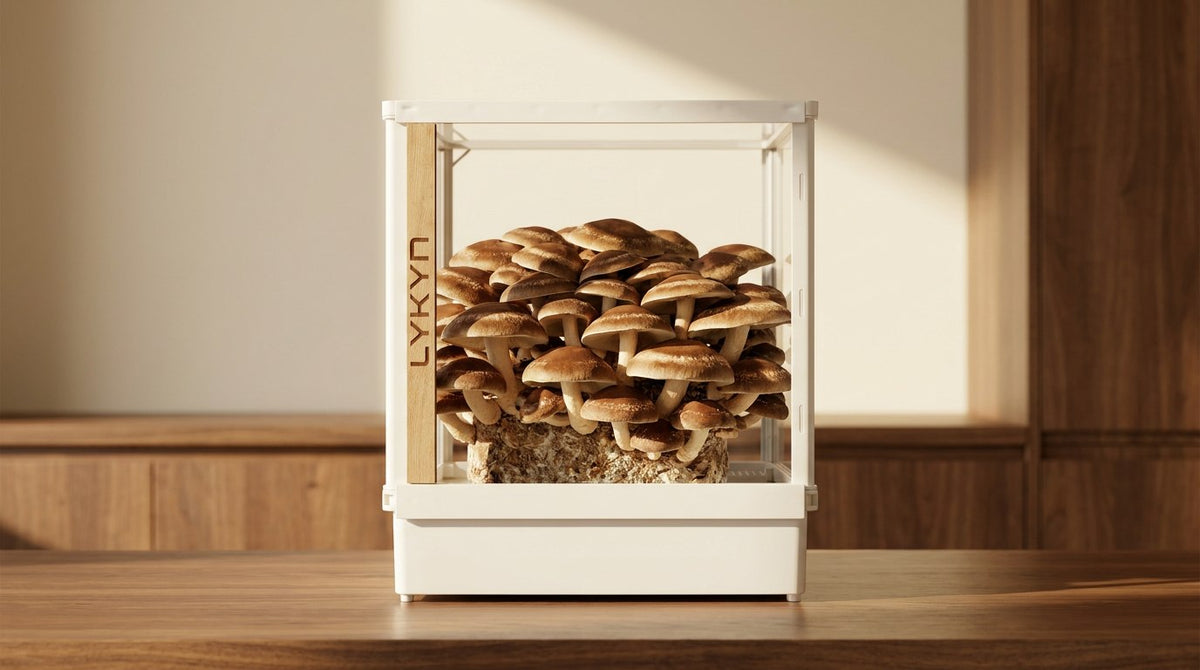
Climate-controlled indoor systems may eventually overcome some cultivation barriers. The Lykyn Smart Mushroom Grow Kit represents the kind of precise environmental control that might enable future cultivation of currently impossible species. While today it excels at species like oyster, shiitake, and lion's mane, similar technology scaled appropriately might someday support more demanding rare varieties.
Genetic approaches could create new possibilities. Understanding the genetic basis for mycorrhizal relationships might allow scientists to engineer mushrooms capable of growing without host trees, or to select tree varieties particularly well-suited to symbiotic relationships.
The cultivation timeline varies dramatically by species. Some mushrooms seem perpetually out of reach, white truffles have resisted cultivation for decades despite enormous financial incentives. Others might be domesticated within years as techniques improve. The unpredictability keeps mycologists motivated and ensures wild foraging will remain relevant for the foreseeable future.
Growing Specialty Rare Mushrooms at Home
While you can't grow white truffles or matsutake in your basement, several exotic and relatively rare mushrooms are accessible to dedicated home cultivators.
The key is choosing appropriately rare species. Focus on mushrooms that are cultivatable but uncommon in markets due to specialized growing requirements, limited commercial interest, or unique characteristics that make them valuable to niche consumers.
Start with proven specialty varieties. Edible mushrooms like lion's mane, maitake, reishi, and specialty oysters (pink, golden, or king varieties) offer the satisfaction of growing uncommon mushrooms without impossible cultivation challenges.
Invest in quality equipment. Specialty mushrooms often require more precise environmental control than button mushrooms. Automated systems that manage humidity, temperature, and airflow consistently produce better results with demanding species. The precision of modern grow chambers makes previously difficult species achievable for home cultivators.
Learn proper sterile technique. More exotic species are often more susceptible to contamination. Mastering sterile substrate preparation, working with agar cultures, and maintaining clean environments becomes crucial when working beyond beginner-level mushrooms.
Connect with the mycological community. Growing rare mushroom varieties becomes much easier when you can trade cultures, share techniques, and learn from others' experiences. Online forums, local mushroom clubs, and social media groups provide invaluable resources for specialty cultivation.
Experiment with rare edible species. Once you've mastered common varieties, try growing less common edibles like pioppino, nameko, or elm oyster mushrooms. These species offer unique flavors and textures while building your skills for increasingly demanding cultivation projects.
Frequently Asked Questions About Rare Mushrooms
What is the rarest mushroom in the world?
The rarest mushroom is arguably yartsa gunbu (Cordyceps sinensis), the Himalayan caterpillar fungus, which grows only at extreme elevations above 10,000 feet and faces declining wild populations. White truffles from Alba, Italy, also qualify as extremely rare due to their limited geographic range, resistance to cultivation, and the difficulty in locating them underground. True matsutake from Japanese red pine forests have become critically rare, with production dropping 95% over 70 years. Rarity depends partly on definition, some mushrooms are geographically restricted, others face extinction threats, and some simply cannot be cultivated despite high demand.
Why can't truffles be grown commercially like other mushrooms?
Truffles form mycorrhizal relationships with specific tree roots, requiring complex symbiotic partnerships that depend on precise soil chemistry, pH, moisture levels, beneficial bacteria, and tree health. Unlike cultivated mushrooms that grow on prepared substrate blocks, truffles need living trees with which they've formed relationships. While some limited truffle cultivation succeeds (particularly with black truffles), it requires inoculating young trees and waiting 5-10 years for first harvest with no guarantee of success. White truffles have entirely resisted cultivation attempts, maintaining their wild-only status despite enormous financial incentives to domesticate them.
Are expensive rare mushrooms actually better tasting?
Price doesn't always equal superior taste, it reflects scarcity, labor costs, and prestige more than flavor alone. However, many rare mushrooms do offer unique flavor profiles impossible to replicate with common varieties. White truffles provide complex aromas unmatched by any cultivated mushroom. Matsutake's spicy, cinnamon-like scent is distinctive and culturally significant. Fresh morels offer earthy, nutty flavors that dried versions can't fully preserve. That said, shiitake mushroom benefits and flavors are excellent despite being affordable and cultivatable. Taste preferences are subjective, and some people prefer the mild flavor of button mushrooms to exotic rarities.
Can I legally forage for rare mushrooms?
Legality varies dramatically by location, land ownership, and species. National forests in the United States generally allow personal foraging with permits for limited quantities, but commercial harvesting requires additional permits and follows stricter regulations. Private land requires owner permission. Some rare species are protected, harvesting them is illegal regardless of location. State and local regulations add further complexity. Before foraging, research specific rules for your area, obtain necessary permits, and ensure you're on land where foraging is permitted. Join local mycological societies for guidance on legal and ethical foraging practices in your region.
What's the most valuable mushroom I can realistically grow at home?
Lion's mane mushrooms offer the best combination of value, cultivation feasibility, and market demand for home growers. Fresh lion's mane costs $15-30 per pound retail and remains relatively uncommon in mainstream markets. Other valuable home cultivation options include maitake (hen of the woods), specialty oyster varieties like king or yellow oysters, and reishi for medicinal markets. Turkey tail mushroom cultivation can be valuable if you're interested in medicinal mushroom extracts and tinctures. Success depends more on cultivation skill, consistent production, and market access than choosing the single most expensive species.
Featured Snippet Summary
The world's rarest mushrooms include yartsa gunbu at $50,000/lb, European white truffles at $4,000-10,000/lb, matsutake at $1,000-4,000/lb, and black Périgord truffles at $800-2,950/lb. These mushrooms are rare due to mycorrhizal relationships preventing cultivation, limited geographic ranges, brief seasonal availability, and complex environmental requirements. While wild rare mushrooms mostly resist cultivation, specialty varieties like lion's mane, antler reishi, and exotic oyster species offer home growers access to relatively rare, valuable mushrooms.
Conclusion: Appreciating Rare Mushrooms in Context
Rare mushrooms represent one of nature's most fascinating intersections between ecology, economics, and gastronomy. These elusive fungi remind us that not everything can be mass-produced, cultivated on demand, or controlled through technology, at least not yet.
Whether you're a culinary enthusiast dreaming of tasting white truffles, a forager hoping to find your first morels, or a home cultivator interested in growing specialty varieties, rare mushrooms offer endless fascination. Each species tells a story about ecological relationships, evolutionary adaptations, and the delicate balance between fungi and their environments.
For those interested in cultivation, focus on the exciting frontier of specialty mushrooms that bridge the gap between common varieties and impossible-to-grow rarities. The Lykyn mushroom growing system provides the environmental precision needed for successfully cultivating demanding specialty varieties that would fail in basic setups.
Explore our comprehensive guides to specific rare and specialty mushrooms, from exotic oyster varieties to medicinal species. Learn advanced cultivation techniques through our complete growing guides and discover why the world of rare mushrooms continues captivating mycologists, chefs, and enthusiasts worldwide.
The rarity of these remarkable fungi makes them all the more precious, proof that nature still holds mysteries we haven't solved, delicacies we can't mass-produce, and wonders that require patience, skill, and sometimes a little luck to experience.



Share:
The Amazing Benefits of Mushrooms: Why These Superfoods Deserve a Place in Your Diet
Mushroom Packaging: The Complete Guide to Sustainable Innovation and Fresh Storage