



Have you noticed mushrooms popping up everywhere lately? From trendy coffee blends to gourmet restaurant menus, these fascinating fungi are having a major moment. But this isn't just a passing food trend, the benefits of eating mushrooms are backed by centuries of traditional use and modern scientific research. Whether you're a health enthusiast looking to boost your nutrition or simply curious about adding more variety to your meals, mushrooms offer an impressive array of advantages that might surprise you.
Let's dive into why these humble fungi deserve a permanent spot on your plate and explore how they can transform your health from the inside out.
Why Mushrooms Are Considered a Nutritional Powerhouse

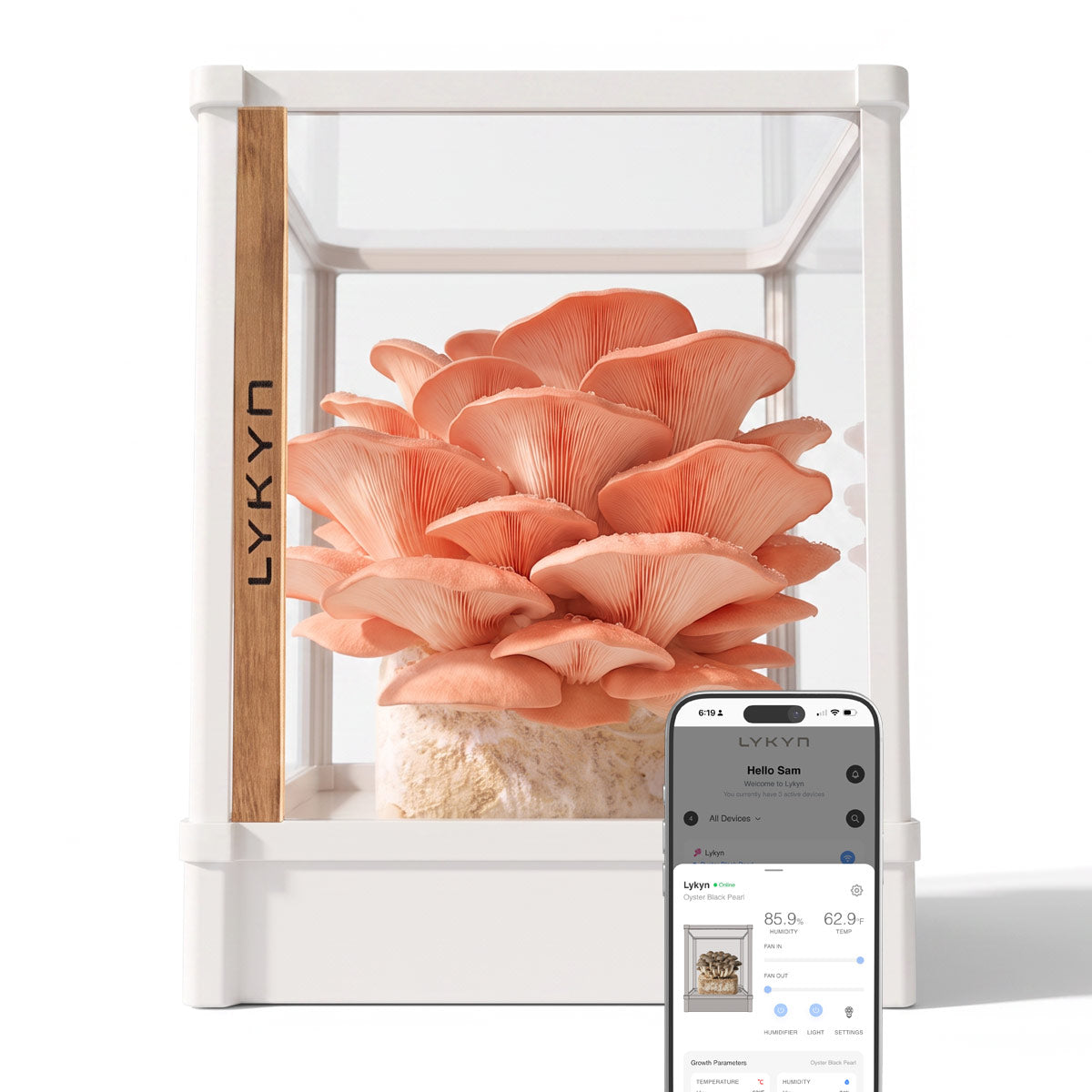
Smart Chamber. Bone White Single
- 2.8L tank, 90% humidity automatic
- App-controlled, plug-and-play
- 6 lb block ceiling, in stock

Smart Chamber. Obsidian Black Single
- Same hardware as Bone White
- Matte black premium finish
- Pairs with any kitchen palette

Before we explore specific benefits, let's understand what makes mushrooms so special. Unlike typical vegetables, mushrooms are actually fungi, and this unique biology gives them a nutritional profile that's truly one-of-a-kind.
Mushrooms are remarkably low in calories yet packed with essential nutrients. A single cup of most mushroom varieties contains fewer than 50 calories while delivering significant amounts of protein, fiber, vitamins, and minerals. This impressive nutrient density makes them perfect for anyone looking to maximize nutrition without excess calories.
What really sets mushrooms apart are their bioactive compounds, natural substances that interact with your body in beneficial ways. These include beta-glucans, polysaccharides, antioxidants, and unique compounds like ergothioneine that you won't find in many other foods.

12 Science-Backed Benefits of Eating Mushrooms
1. Powerful Immune System Support
One of the most celebrated benefits of eating mushrooms is their ability to strengthen your immune defenses. The beta-glucans found in mushrooms are powerful immunomodulators, meaning they help regulate and balance your immune response.
Research shows these compounds interact with immune cells like macrophages and neutrophils, enhancing their ability to fight off potential threats. A study published in the Journal of the American College of Nutrition found that people who consumed mushrooms daily for just four weeks showed improved immune cell function and reduced inflammation.
Varieties like shiitake and maitake are particularly potent immune supporters, making them excellent choices during cold and flu season.
2. Rich Source of Rare Vitamin D
Here's something that might surprise you: mushrooms are one of the only plant-based foods that naturally contain vitamin D. When exposed to sunlight or UV light during growth, mushrooms produce vitamin D2 (ergocalciferol), which your body can use just like the vitamin D3 from animal sources.
This makes mushrooms especially valuable for vegetarians, vegans, and anyone living in areas with limited sunlight. Vitamin D is essential for calcium absorption, bone health, immune function, and mood regulation. Just one serving of UV-exposed mushrooms can provide a significant portion of your daily vitamin D needs.
3. Heart Health and Cholesterol Management
The cardiovascular benefits of eating mushrooms are impressive and well-documented. Many mushroom varieties contain eritadenine, a unique compound that helps reduce cholesterol levels by inhibiting enzymes involved in cholesterol production.
Beta-glucans in mushrooms also work to reduce inflammation and prevent your intestines from absorbing excess cholesterol. Additionally, mushrooms are naturally low in sodium while containing potassium and magnesium, a combination that supports healthy blood pressure levels.
Studies have shown that regular mushroom consumption can help lower triglycerides, total cholesterol, and LDL (bad) cholesterol while supporting overall heart function.
4. Antioxidant Protection Against Cellular Damage
Mushrooms contain powerful antioxidants that protect your cells from oxidative stress and free radical damage. Varieties like wood ear mushrooms contain over 35 different phenolic compounds that work together to neutralize harmful free radicals.
These antioxidants include flavonoids, phenolic acids, and the unique compound ergothioneine, which scientists call a "master antioxidant." This protection helps combat aging, reduce chronic inflammation, and may lower the risk of degenerative diseases.
5. Natural Anti-Inflammatory Properties
Chronic inflammation is linked to numerous health problems, from arthritis to heart disease. The good news? The benefits of eating mushrooms include significant anti-inflammatory effects.
The polysaccharides, triterpenes, and phenolic compounds in mushrooms help modulate inflammatory responses throughout your body. This makes mushrooms potentially beneficial for people dealing with inflammatory conditions, though you should always consult with healthcare providers for specific health concerns.
6. Blood Sugar Balance and Diabetes Support
For anyone concerned about blood sugar management, mushrooms offer valuable support. Their low glycemic index means they won't cause blood sugar spikes, and their fiber content helps slow glucose absorption.
Certain varieties contain compounds that may improve insulin sensitivity and glucose metabolism. Maitake mushrooms, for example, contain a specific polysaccharide called SX-fraction that shows promise for supporting healthy blood sugar levels.
The high fiber content in mushrooms also promotes feelings of fullness, which can help with portion control and weight management, both important factors in diabetes prevention and management.
7. Cognitive Function and Brain Health
Several mushroom varieties have earned reputations as "brain foods," and for good reason. Lion's mane mushrooms, in particular, contain compounds that may stimulate the production of nerve growth factor (NGF), a protein essential for brain cell health.
The antioxidants in mushrooms also protect brain cells from oxidative damage, potentially supporting memory, focus, and overall cognitive function as you age. Some traditional medicine practitioners have used certain mushrooms to support mental clarity and concentration for centuries.
8. Digestive Health and Gut Microbiome Support
Your gut health influences everything from immunity to mood, and mushrooms are excellent prebiotics that feed beneficial gut bacteria. The fiber and polysaccharides in mushrooms nourish your microbiome, promoting the growth of helpful bacterial strains.
This prebiotic effect supports better digestion, nutrient absorption, and may even influence your immune response, since approximately 70% of your immune system resides in your gut. Regular mushroom consumption can contribute to a more balanced and diverse gut ecosystem.
9. Weight Management Support
Looking to maintain a healthy weight? The benefits of eating mushrooms include being naturally low in calories and fat while providing satisfying texture and umami flavor. Their high water content and fiber help you feel full without consuming excess calories.
Mushrooms can serve as satisfying meat substitutes in many dishes, reducing overall calorie intake while maintaining protein and important nutrients. Their savory, meaty texture makes meals feel substantial and satisfying.
10. Cancer-Fighting Potential
While more research is needed, numerous studies suggest certain mushrooms may have cancer-fighting properties. Compounds like polysaccharide-K (PSK) found in turkey tail mushrooms have been used as complementary cancer therapies in Japan since the 1970s.
The beta-glucans, antioxidants, and other bioactive compounds in mushrooms may help enhance the body's natural defense mechanisms against abnormal cell growth. However, mushrooms should never replace conventional cancer treatment, always work with qualified healthcare professionals for cancer-related concerns.
11. Bone Strength and Skeletal Health
Thanks to their vitamin D content, mushrooms support calcium absorption and bone mineralization. They also provide phosphorus, magnesium, and other minerals that contribute to skeletal health.

Fuel Your Mushroom Journey
Smart Mushroom Grow Chamber
Plug-and-play smart chamber with humidity, light, and airflow dialed in for every species. Beginners harvest their first flush in days, not months.
Add to cart $299As we age, maintaining bone density becomes increasingly important for preventing osteoporosis and fractures. The combination of vitamin D and minerals in mushrooms makes them valuable allies in your bone health strategy.
12. Stress Adaptation and Energy Support
Many mushrooms function as adaptogens, natural substances that help your body adapt to stress and restore balance. Varieties like reishi have been traditionally used to promote relaxation and improve sleep quality.
Some research suggests that polysaccharides in certain mushrooms may help reduce fatigue, particularly after physical exertion. The B vitamins in mushrooms also play crucial roles in energy metabolism, helping convert food into usable energy.
Which Mushroom Varieties Offer the Best Benefits?
While most edible mushrooms provide health advantages, certain varieties stand out for specific benefits:
Shiitake: Excellent for immune support and cholesterol management. These popular culinary mushrooms contain lentinan, a powerful beta-glucan compound.
Lion's Mane: Best known for cognitive support and potential nerve health benefits. Its unique appearance and brain-boosting reputation make it increasingly popular.
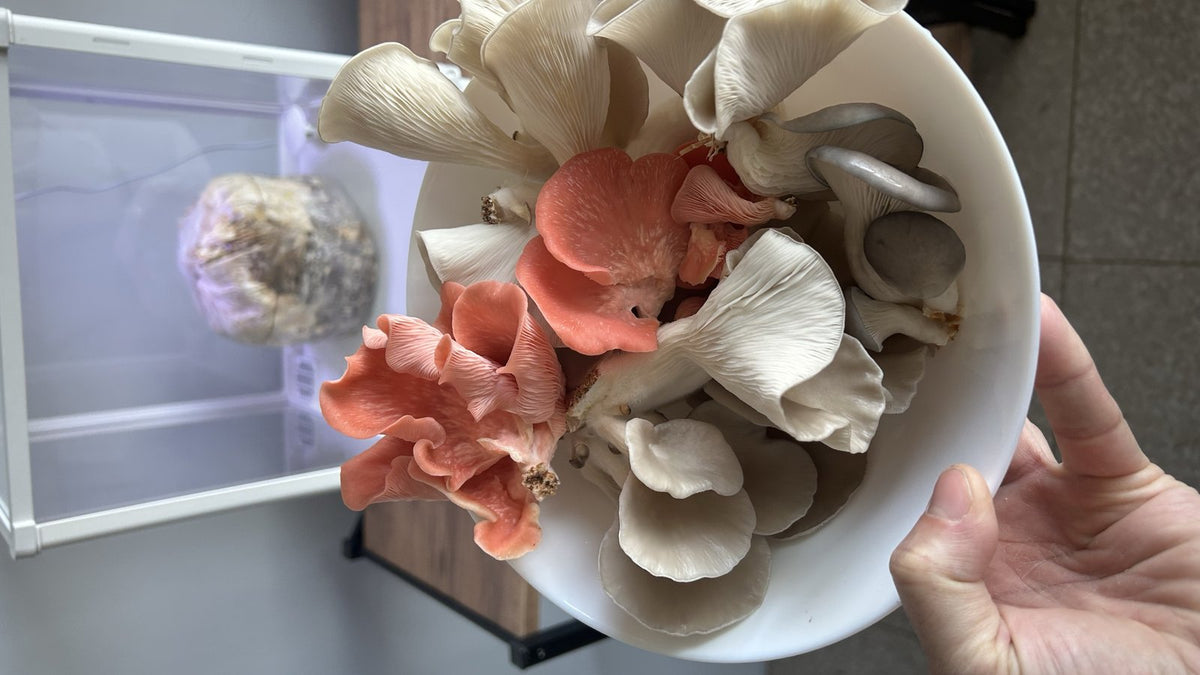
Oyster Mushrooms: Great all-around choice with immune support, antioxidants, and heart health benefits. They're also easy to grow at home.
Maitake: Exceptional for blood sugar balance and immune function. Sometimes called "hen of the woods," these mushrooms have impressive beta-glucan content.
Reishi: Known as the "mushroom of immortality," reishi excels at stress support and immune modulation.
Chestnut: Offers a rich, nutty flavor along with impressive nutritional benefits, including B vitamins and minerals.
How to Maximize the Benefits of Eating Mushrooms
To get the most from your mushrooms, keep these tips in mind:
Cook them properly: Cooking mushrooms breaks down their tough cell walls, making nutrients more bioavailable. Sautéing, roasting, or steaming are all excellent methods.
Don't skip the stems: Many people discard mushroom stems, but they contain valuable nutrients and fiber. Chop them finely and add to dishes.
Pair with healthy fats: Since some mushroom compounds are fat-soluble, cooking with olive oil or adding mushrooms to dishes with avocado enhances nutrient absorption.
Eat a variety: Different mushroom types offer different benefits, so rotate varieties to get a broader spectrum of nutrients.
Choose quality sources: Whenever possible, select organic mushrooms or grow your own to ensure purity and maximum nutritional value.
Growing Your Own Mushrooms for Maximum Freshness
One of the best ways to enjoy the benefits of eating mushrooms is to grow them yourself. Fresh mushrooms contain peak nutritional value and flavor, and home cultivation is easier than you might think.
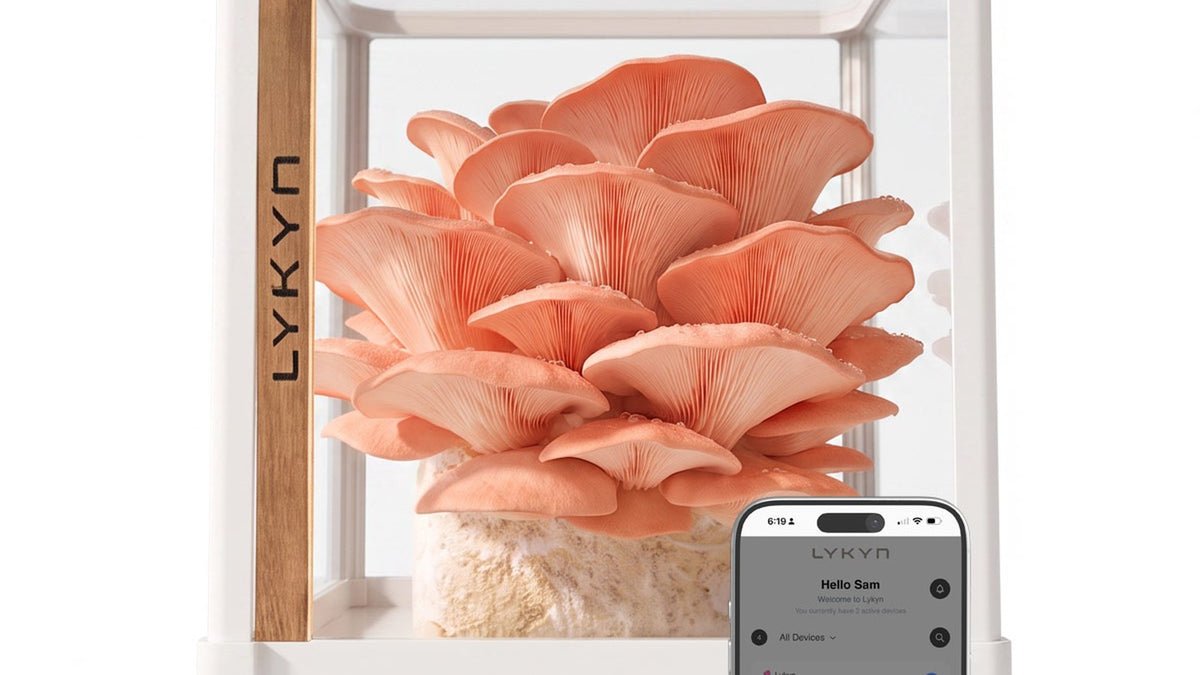
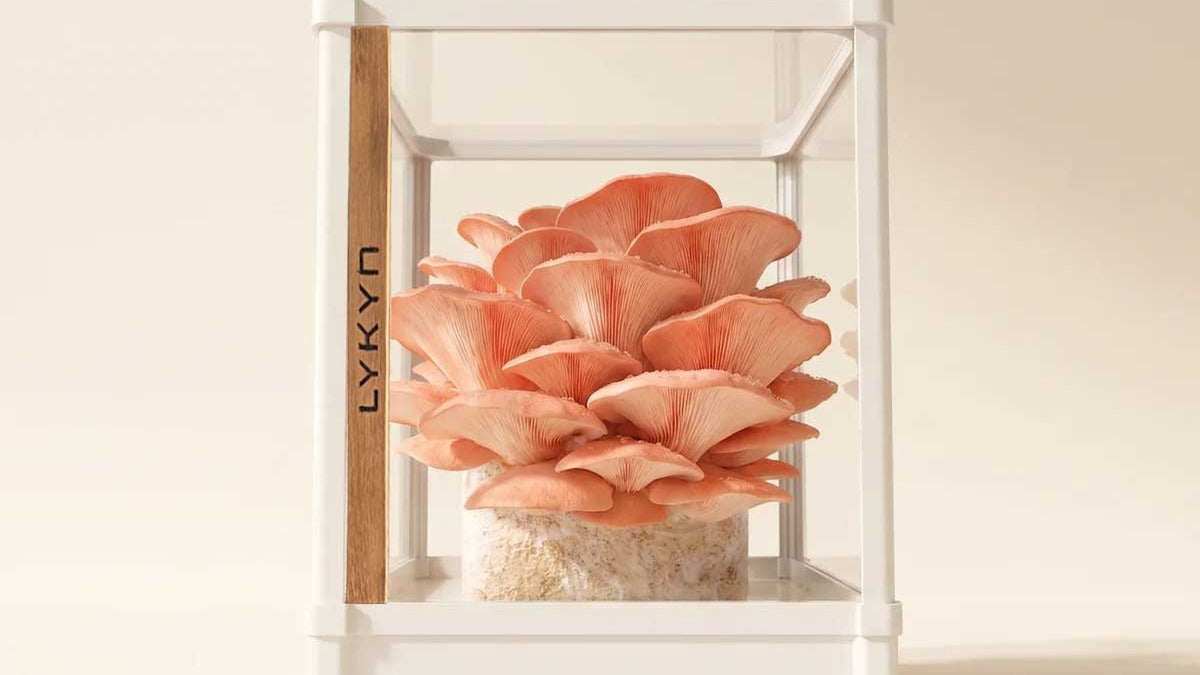
The LYKYN Smart Mushroom Grow Chamber makes home mushroom cultivation as simple as tapping your phone. This innovative system automates humidity, airflow, and lighting cycles, eliminating the guesswork that typically makes mushroom growing challenging.
Whether you want to grow functional varieties like lion's mane for cognitive support or culinary favorites like oyster mushrooms for your kitchen, the smart grow chamber handles the technical details. Simply add water, insert a mushroom fruiting block, select your variety in the app, and watch your mushrooms grow.
Growing at home means you'll have the freshest possible mushrooms with maximum nutrient content, no pesticides, and zero packaging waste. It's sustainable, educational, and deeply satisfying.
Common Questions About Mushroom Benefits
How often should I eat mushrooms to see health benefits?
Research suggests eating mushrooms 3-5 times per week provides significant health advantages. Even small amounts, about 18 grams or two button mushrooms daily, have shown positive effects in studies. Consistency matters more than quantity.
Are cooked mushrooms more nutritious than raw?
Yes, cooking mushrooms actually increases their nutritional availability. Heat breaks down chitin in mushroom cell walls, making nutrients more accessible. Cooking also neutralizes small amounts of naturally occurring compounds that can cause digestive discomfort in some people.
Can I get the same benefits from mushroom supplements?
While supplements can be convenient, whole mushrooms provide fiber, water content, and a complete nutrient package that supplements may not match. For general health, eating whole mushrooms is ideal. Supplements may be appropriate for therapeutic doses of specific compounds, consult a healthcare provider.
Are wild mushrooms more nutritious than cultivated ones?
Wild mushrooms often contain higher concentrations of certain compounds, but cultivated mushrooms are reliable, safe, and still highly nutritious. The risks of misidentification with wild mushrooms make cultivation a safer choice for most people. Learn more about different varieties in our complete mushroom growing guide.
Do mushrooms lose nutrients when dried?
Drying actually concentrates many nutrients, making dried mushrooms highly nutritious. However, some water-soluble vitamins may decrease. Dried mushrooms are excellent for long-term storage and can be rehydrated for cooking while retaining most of their beneficial compounds.
Quick Summary: Key Takeaways About Mushroom Benefits
Eating mushrooms regularly supports immune function, heart health, and cognitive performance. These nutrient-dense fungi provide rare vitamin D, powerful antioxidants, and beneficial beta-glucans while remaining low in calories. Different varieties offer specialized benefits, shiitake for immunity, lion's mane for brain health, and maitake for blood sugar balance. Cooking mushrooms maximizes nutrient absorption, and growing your own ensures peak freshness and quality.
Start Experiencing the Benefits Today
Now that you understand the remarkable benefits of eating mushrooms, it's time to make them a regular part of your diet. Whether you're adding them to your morning omelet, blending them into soups, or sautéing them as a savory side dish, there are countless delicious ways to enjoy these nutritional powerhouses.
For the freshest, most nutritious mushrooms possible, consider growing your own at home. The LYKYN Smart Mushroom Grow Chamber makes cultivation effortless, giving you access to gourmet and functional mushroom varieties year-round. Experience the satisfaction of harvesting your own organic mushrooms while maximizing their incredible health benefits.
Ready to transform your health with the power of mushrooms? Start your journey today and discover why these fascinating fungi have been treasured for centuries across cultures worldwide.








Share:
Are Mushrooms Decomposers? The Science of Fungi as Recyclers
Modern Mushroom Farms: How Technology Is Revolutionizing Mushroom Cultivation in 2025