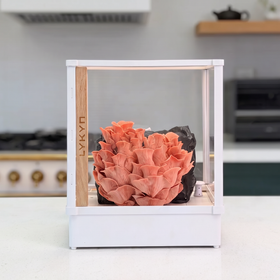



Quick Answer: Mushroom varieties span over 10,000 edible species worldwide, but the most popular types for home growing include oyster mushrooms (easiest for beginners), shiitake (best flavor-to-effort ratio), lion's mane (unique texture and brain-health benefits), and king trumpet (meaty and versatile). Each variety has distinct growing requirements, flavor profiles, and culinary uses.
Look, I get it. You're standing in the grocery store, or more likely, scrolling through growing supplies online, and suddenly realize there are way more mushroom varieties than you ever imagined. It's not just "white button or portobello" anymore.
I've been growing mushrooms at home for three years now. My first attempt was a disaster (turns out, shiitake don't appreciate being sprayed directly with tap water). But after plenty of trial and error, I've learned which varieties are worth your time and which ones will just frustrate you.
Let's break this down together.
What Are the Main Mushroom Varieties? A Complete Classification

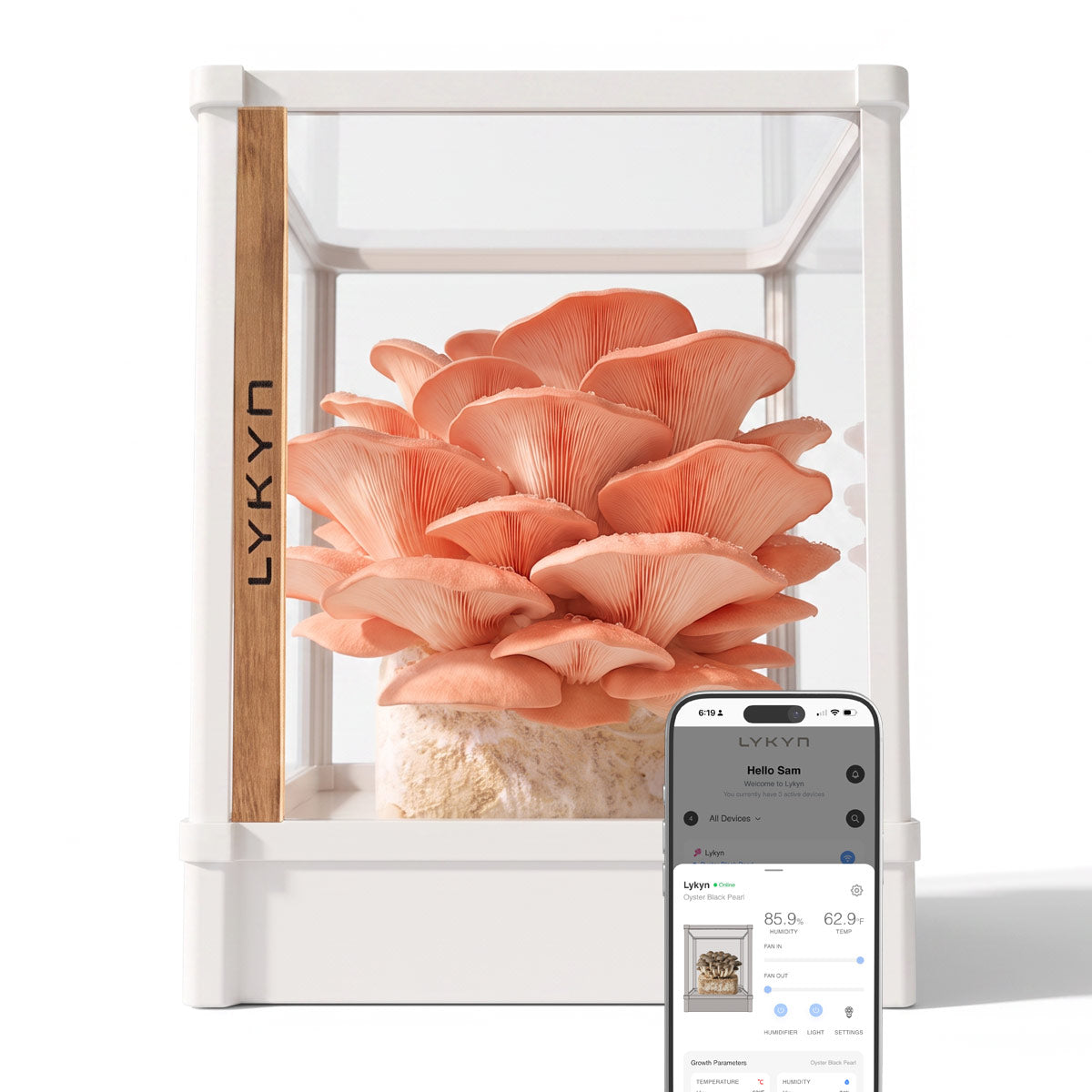
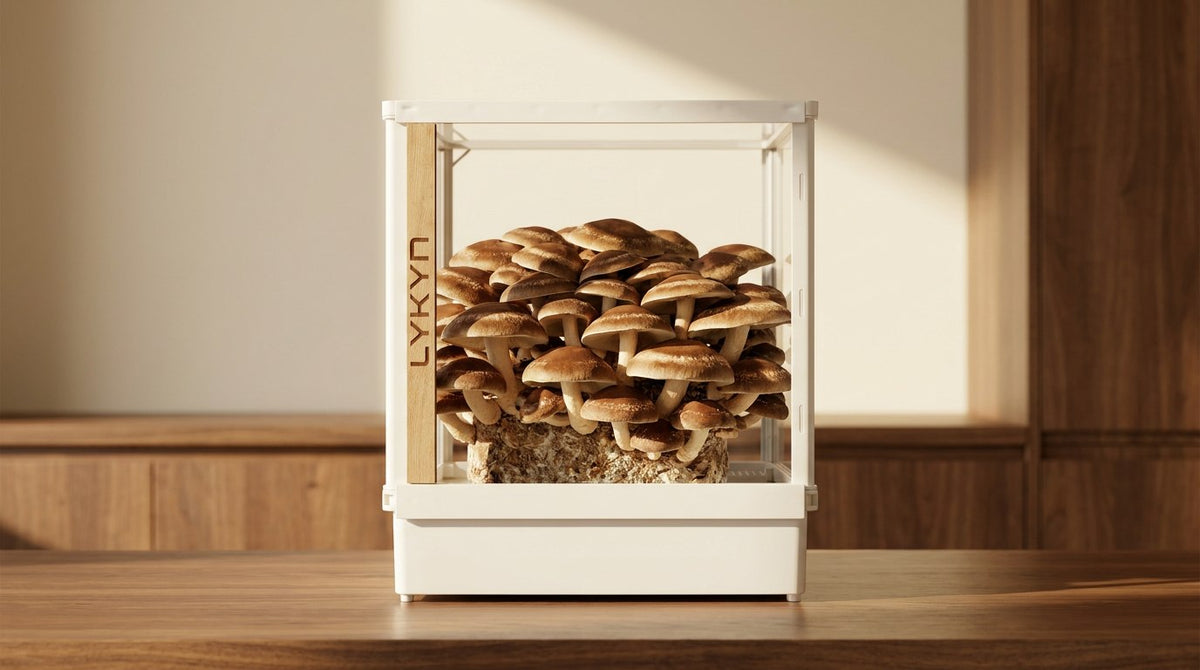
Smart Chamber. Bone White Single
- 2.8L tank, 90% humidity automatic
- App-controlled, plug-and-play
- 6 lb block ceiling, in stock

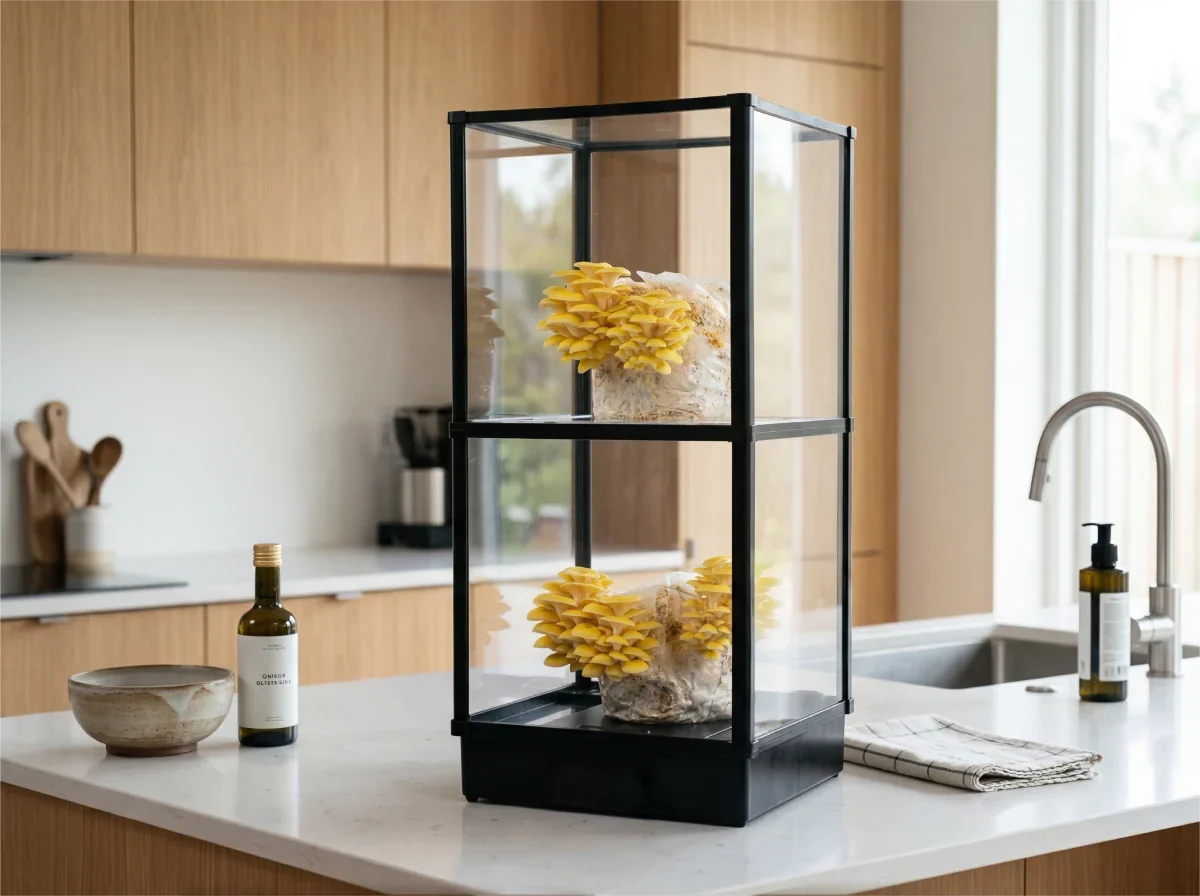
Smart Chamber. Obsidian Black Single
- Same hardware as Bone White
- Matte black premium finish
- Pairs with any kitchen palette

Before we dive into specific types, let's understand how mushroom varieties are actually organized. This isn't just academic, it'll help you make better growing and buying decisions.
Culinary Classification: How Chefs Think About Mushrooms
Chefs typically categorize mushroom varieties by their culinary properties:
| Category | Examples | Best Uses |
|---|---|---|
| Delicate/Tender | Enoki, beech, chanterelles | Raw applications, light sautés, garnishes |
| Meaty/Substantial | King trumpet, portobello, maitake | Grilling, roasting, meat substitutes |
| Umami-Rich | Shiitake, porcini, black oyster | Broths, sauces, Asian cuisine |
| Specialty/Aromatic | Truffles, morels, matsutake | Finishing dishes, luxury applications |
If you're curious about the rarer end of this spectrum, our deep dive into rare mushrooms and the world's most exotic fungi covers varieties like white truffles that can fetch over $3,000 per pound.
Growing Classification: What Home Cultivators Need to Know
For growers, mushroom varieties fall into different difficulty tiers:
Beginner-Friendly:
- Oyster mushrooms (all colors)
- Wine cap
- Pioppino
Intermediate:
- Shiitake
- Lion's mane
- Chestnut
Advanced:
- Morels
- Chanterelles (near-impossible to cultivate)
- Reishi

The 10 Best Mushroom Varieties for Home Growing
Here's where my personal experience really comes in. I've grown (or attempted to grow) each of these. Let me save you some headaches.
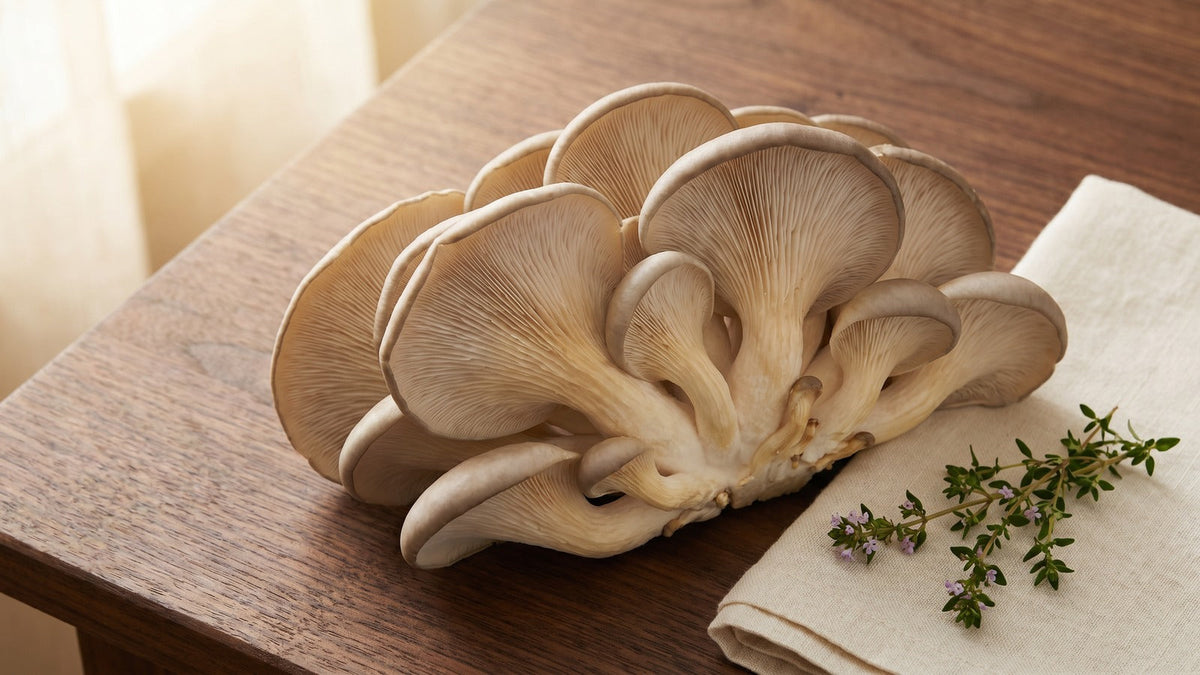
Oyster Mushrooms: The Gateway Variety
Oyster mushrooms are where 90% of home growers should start. Period.
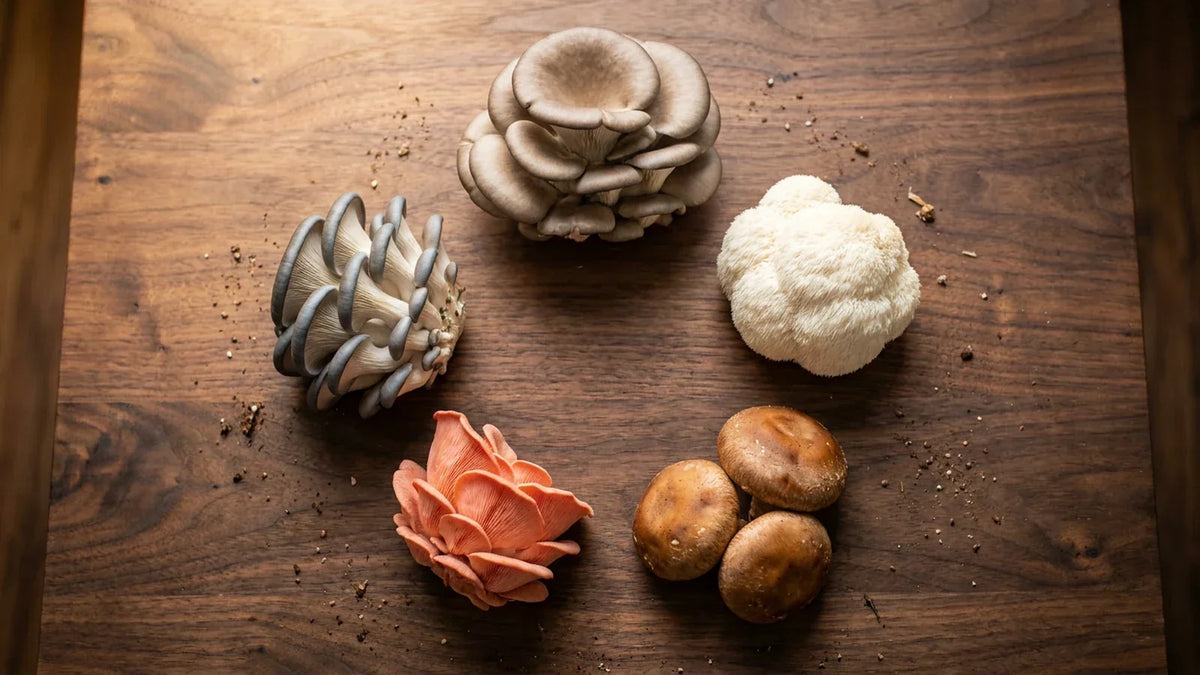
They're forgiving, fast, and come in stunning colors. A golden oyster mushroom liquid culture will colonize substrate in about two weeks and produce gorgeous, golden clusters that taste mildly sweet with a hint of cashew.
According to a 2025 study from Cornell's Department of Plant Pathology, oyster mushrooms have a 94% success rate among first-time growers, the highest of any variety tested.
Want to understand why oysters dominate the home-growing scene? Our complete guide on oyster mushrooms covers everything from nutritional profiles to advanced cultivation techniques.
Growing specs:
- Temperature: 65-75°F (18-24°C)
- Humidity: 80-95%
- Time to harvest: 2-3 weeks from pinning
- Yield: 1-2 lbs per 5 lb block
Shiitake: The Flavor King
Shiitake mushrooms have been cultivated in East Asia for over 1,000 years. There's a reason they've stuck around.
The umami depth is unmatched. When dried, shiitake develop guanylate, a compound that makes your taste buds register flavors as 15x more intense. That's not marketing; that's biochemistry.
Growing specs:
- Temperature: 55-75°F (13-24°C)
- Humidity: 80-85%
- Time to harvest: 6-12 months on logs, 2-3 months on blocks
- Yield: 1-1.5 lbs per 5 lb block
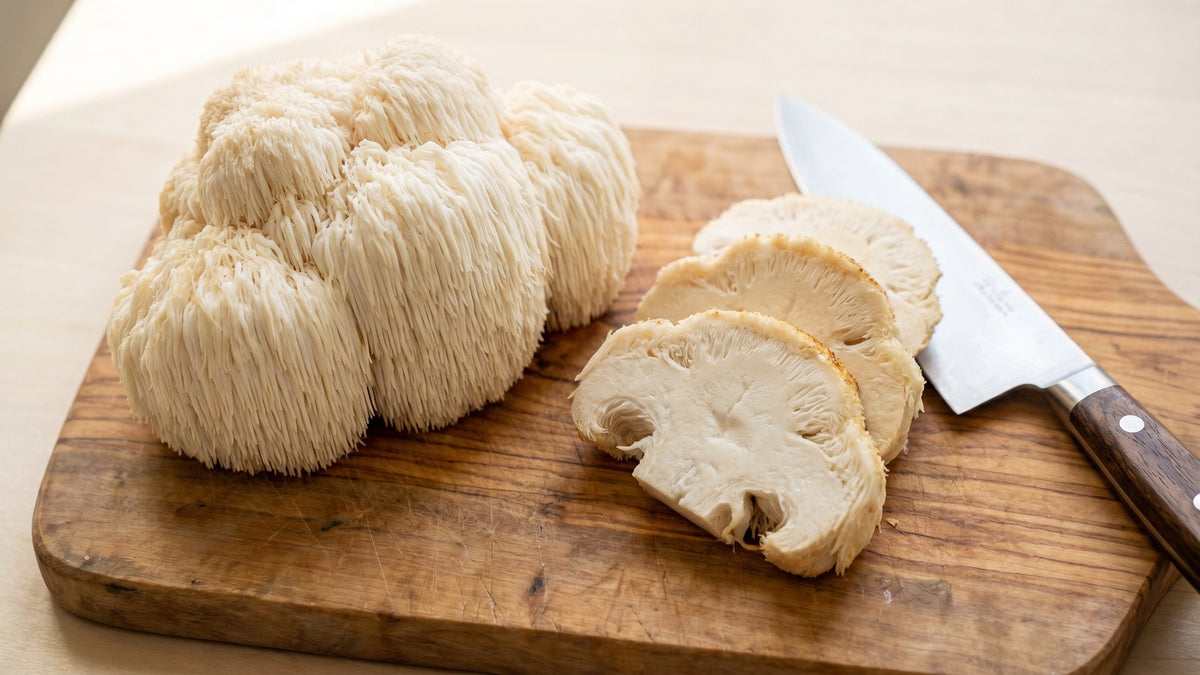
Lion's Mane: The Brain Mushroom
Lion's mane looks like something from a fantasy novel, cascading white tendrils that taste like lobster when cooked right.
But here's what makes it special: research from the National University of Singapore (2024) showed lion's mane contains compounds called hericenones that may support nerve growth factor production. The science is still emerging, but the culinary application is already proven.
Growing specs:
- Temperature: 65-75°F (18-24°C)
- Humidity: 85-95%
- Time to harvest: 2-4 weeks from pinning
- Yield: 0.5-1 lb per 5 lb block
King Trumpet: The Meaty Marvel
Also called king oyster, French horn, or eryngii mushrooms, king trumpets are my personal favorite for cooking.
The stems are where the magic happens, thick, dense, and when scored and pan-seared, they develop a texture remarkably similar to scallops. Our king trumpet mushroom guide breaks down the many names and culinary techniques for this versatile variety.


Fuel Your Mushroom Journey
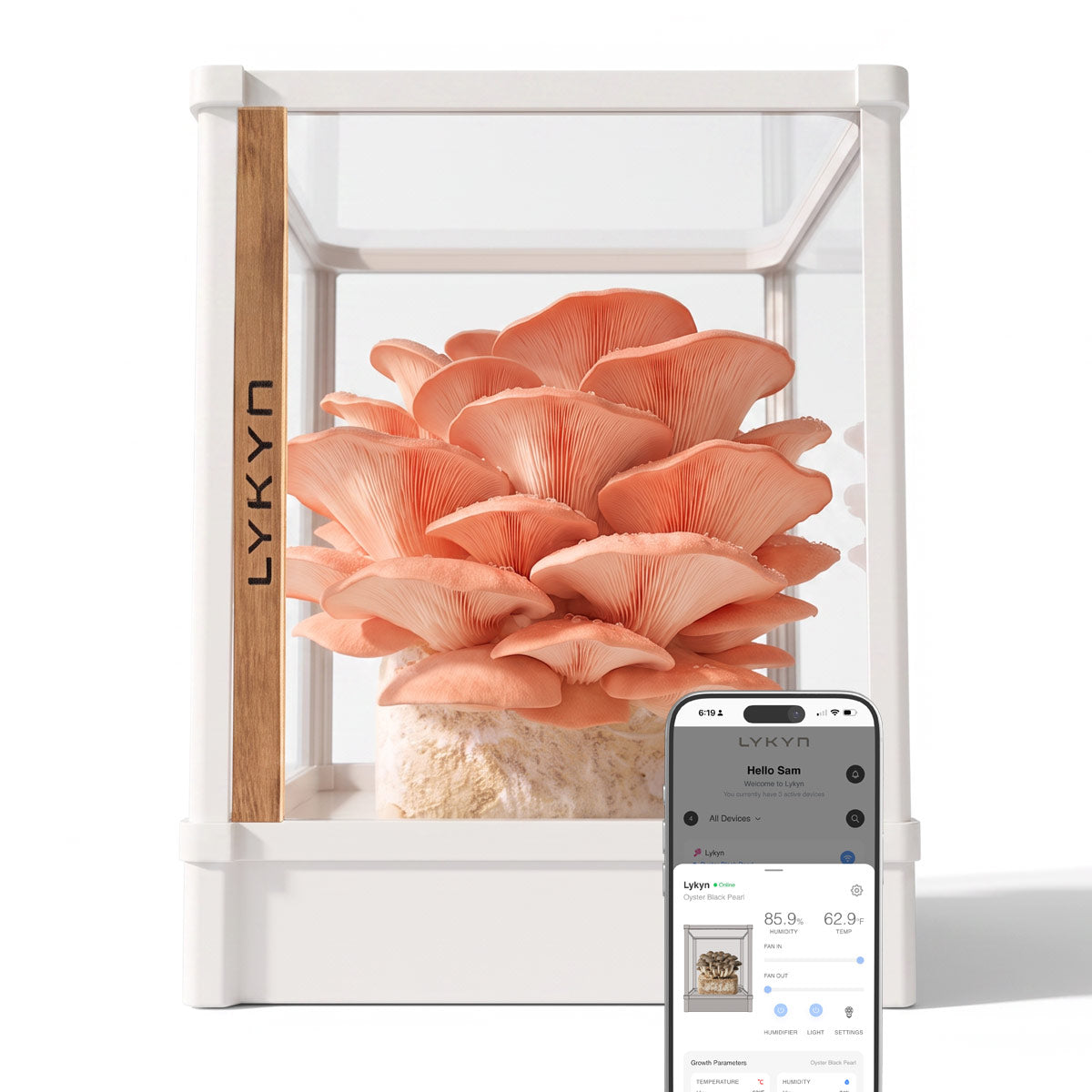
Smart Mushroom Grow Chamber
Plug-and-play smart chamber with humidity, light, and airflow dialed in for every species. Beginners harvest their first flush in days, not months.
Add to cart $299Black Oyster: Deep Umami Flavor
Black oysters are the sophisticated cousin in the oyster family. They're slightly more temperamental than their golden or blue counterparts, but the flavor payoff is worth it.
The deep, almost meaty umami makes them perfect for replacing bacon in vegetarian dishes. If you want to jump straight to growing, a black oyster mushroom fruiting block gets you harvesting in weeks, not months.
How to Choose Your First Mushroom Variety: A Step-by-Step Guide
Okay, let's get practical. Here's exactly how I'd recommend choosing your first variety.
Step 1: Assess Your Growing Environment
Check your space temperature:
- Consistently 65-75°F? Most varieties will work
- Cooler (55-65°F)? Shiitake and blue oysters thrive
- Warmer (75-85°F)? Pink oysters love the heat
Step 2: Determine Your Time Investment
Be honest about your schedule:
- 5 minutes daily: Fruiting blocks (any oyster variety)
- 15 minutes daily: Lion's mane, shiitake blocks
- Longer-term project: Log cultivation
Step 3: Match Variety to Your Cooking Style
What do you actually cook?
- Stir-fries and Asian cuisine: Shiitake, enoki, oysters
- Italian and Mediterranean: King trumpet, cremini, porcini
- Health-focused dishes: Lion's mane, maitake, reishi
- Meat substitutes: King trumpet, portobello, black oyster
Step 4: Start With a Complete Kit
I always tell beginners to start with a smart mushroom grow kit that handles humidity and airflow automatically. You'll learn the rhythms of mushroom growing without the frustration of manually misting six times a day.

Mushroom Variety Flavor Profiles: A Comprehensive Comparison
This is the chart I wish I'd had when I started. Bookmark this.
| Variety | Flavor Profile | Texture | Best Cooking Method | Pairs With |
|---|---|---|---|---|
| White Button | Mild, earthy | Firm, spongy | Sautéing, raw | Everything, very neutral |
| Cremini | Deeper, earthier | Firmer than button | Roasting, soups | Red wine, beef, thyme |
| Portobello | Rich, meaty | Dense, substantial | Grilling, stuffing | Balsamic, garlic, herbs |
| Shiitake | Smoky, umami | Chewy, velvety | Stir-fry, broths | Soy sauce, ginger, sesame |
| Oyster (Golden) | Mild, nutty, sweet | Delicate, tender | Light sauté, tempura | Butter, white wine, pasta |
| Oyster (Black) | Deep umami, earthy | Meaty, firm | Pan-searing, roasting | Heavy sauces, aged cheese |
| King Trumpet | Mild, slightly sweet | Very meaty, dense | Searing, grilling | Scallop preparations |
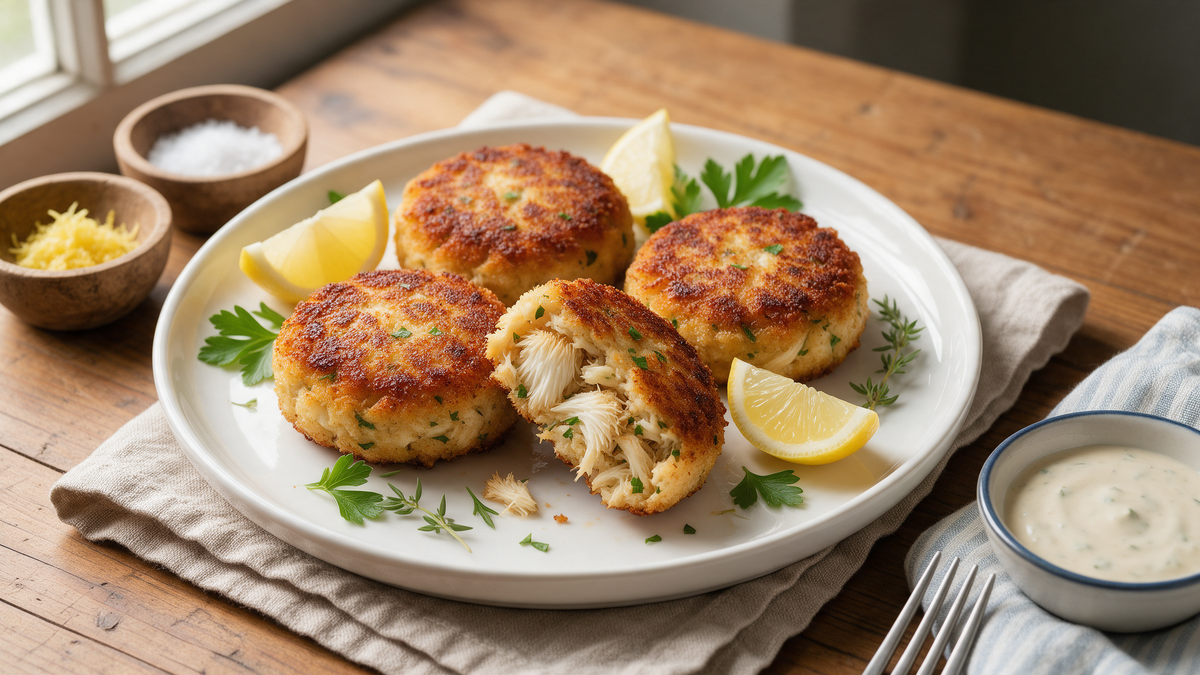
| Lion's Mane | Seafood-like, sweet | Stringy, lobster-esque | Pan-frying with butter | Crab cake recipes |
| Maitake | Earthy, peppery | Feathery, crispy edges | Roasting, frying | Japanese cuisine, tempura |
| Chanterelle | Fruity, apricot notes | Firm, meaty | Gentle sauté | Cream sauces, eggs |
Understanding Wild vs. Cultivated Mushroom Varieties
Here's something most guides won't tell you: the same species grown wild versus cultivated can taste remarkably different.
Wild chanterelles develop complex flavor compounds from their forest ecosystem, the specific trees, soil bacteria, and moisture patterns all contribute. Cultivated versions (which are extremely rare) lack this complexity.
Conversely, cultivated shiitake are often more consistent than wild-foraged specimens. You know exactly what you're getting.
Varieties that are better cultivated:
- Oysters (all types)
- Shiitake
- Lion's mane
- King trumpet
Varieties that are better wild-foraged:
- Chanterelles
- Morels
- Porcini
- Matsutake
Disclaimer: Never forage wild mushrooms without expert identification training. Approximately 50 species are dangerously toxic, and some deadly varieties closely resemble edible ones.
Frequently Asked Questions About Mushroom Varieties
What is the easiest mushroom variety to grow at home?
Oyster mushrooms are universally considered the easiest variety for home cultivation. They tolerate temperature fluctuations, colonize substrate quickly (7-14 days), and produce multiple harvests from a single block. Golden, blue, and pink oyster varieties all share this beginner-friendly nature.
Which mushroom variety has the most health benefits?
Lion's mane mushrooms have the strongest research backing for cognitive health benefits, with studies suggesting they may support nerve growth factor production. However, shiitake, maitake, and reishi each offer unique benefits including immune support and cardiovascular health properties. No single variety is "best", diversity matters.
What's the difference between white button, cremini, and portobello mushrooms?
They're actually the same species (Agaricus bisporus) at different growth stages. White button mushrooms are harvested young with closed caps. Cremini (also called baby bella) are a brown strain harvested at the same stage. Portobello are mature cremini with fully opened caps, typically 4-6 inches in diameter.
Can you grow multiple mushroom varieties together?
Generally, no. Different mushroom varieties compete for resources and can contaminate each other. The exception is sequential growing, using the same space for different varieties at different times. Always clean growing areas thoroughly between varieties to prevent cross-contamination.
How many mushroom varieties exist in the world?
Scientists estimate over 14,000 mushroom species exist worldwide, with approximately 10,000 considered edible. However, only about 20-30 varieties are commonly cultivated commercially, and fewer than 10 dominate home cultivation. New edible varieties are still being discovered and brought into cultivation each year.
What mushroom variety tastes most like meat?
King trumpet mushrooms have the most meat-like texture, especially when scored and seared at high heat. The dense stem develops a remarkable chew similar to scallops or chicken. Black oyster mushrooms offer the deepest umami flavor, making them excellent bacon substitutes when thinly sliced and crisped.
Which mushroom varieties can I grow without special equipment?
Pink and golden oyster mushrooms can fruit in a simple plastic bag or bucket setup without specialized equipment, though success rates improve dramatically with proper humidity control. For consistently reliable results without equipment hassles, ready-to-fruit blocks or automated grow kits are worth the investment.
Conclusion: Your Mushroom Variety Journey Starts Now
Here's what we've covered:
- Oyster mushrooms are the best starting point for home growers, with 94% success rates and stunning variety in colors and flavors.
- Matching variety to your cooking style matters more than following trends, choose mushrooms you'll actually use in your kitchen.
- The same species can taste dramatically different depending on whether it's wild-foraged or cultivated.
- Growing equipment makes a real difference, automated systems eliminate the guesswork that frustrates beginners.
- Diversity is your friend, each mushroom variety offers unique flavors, textures, and potential health benefits.
The mushroom world is bigger than most people realize. Start with one variety, master it, then expand. That's how every experienced grower I know built their skills.
Ready to Grow Your First Mushroom Variety?
Start growing this week. Our Smart Mushroom Grow Kit automatically adjusts humidity and airflow for any variety you choose, just select your mushroom type in the Lykyn app and watch the magic happen.



Share:
How Long Do Different Mushrooms Actually Stay in Your Body?
How to Identify the Destroying Angel Mushroom (And Why It Matters in 2026)