


The Pink Oyster Grow Kit Guide: What to Expect From Your First Flush
Pink oyster cluster on your counter by Tuesday. Tropical coral, salmon-pink gills, grown in a 5 lb block you opened on a Saturday morning.

Pink oyster is the species most grocery produce aisles will not carry. The caps bruise in a bag within hours of harvest, so the only way to taste a fresh one is to grow it, order from a small farm, or know the chef who did. The Lykyn pink oyster grow kit solves the problem on a kitchen counter.
This guide walks the first ten to fourteen days with a 5 lb block. What arrives in the box, when the first pins show, what the cluster smells and sounds like, when to pull the harvest, and whether a second flush is worth the wait. The pattern below is what we see repeat across hundreds of kits shipped from the Lykyn fulfillment lab.
What arrives on your doorstep

The box weighs about five and a half pounds. Inside sits one sealed poly bag of colonized hardwood sawdust and wheat straw substrate, pre-run with Pleurotus djamor mycelium. The bag is printed on one side so you know where to cut. A small filter patch in the top seam lets the block breathe during transit.
Open the carton within a day of delivery. Pink oyster mycelium ships warm, and the sooner it rests upright at room temperature, the sooner the block equalizes to its new environment. Four hours of counter time before you cut is enough. If the bag has already started pinning in transit, carry on with the plan. You will finish the flush a day or two sooner.
The first week: pins, mist, and the growth sprint

Day one: cut one X-shaped slit on the printed face of the block, about five centimeters across. One slit is the whole move. Resist the urge to cut multiple openings on the first flush. One concentrated fruiting site gives a tighter cluster, which is easier to harvest and photograph.
Day two to three: nothing visible happens. Mist the cut face twice a day with filtered water. The block is building a hymenium layer under the cut. In a quiet kitchen you can hear the plastic bag shift as the substrate releases carbon dioxide, a soft paper-crackle sound through the day.
Day four to six: the first pins arrive. Coral-pink pinheads, three to eight of them, clustered right at the cut. They look like beads of wet gouache paint pushed through the slit. From here the growth sprint is quick. Pink oyster pins double in size every twenty-four hours. By day seven the caps are often the size of a US quarter and the cluster has visible gills on the underside.
How pink oysters smell, feel, and sound at harvest
Three senses most grow guides skip, and all three matter here.
Smell. Fresh pink oyster caps give off a thin anise-and-sea-air note while they are growing. Nothing strong. If a block starts to smell sharp, like warm fish or ammonia, the cluster is past prime and should come off within the hour. Cooked, the species shifts register entirely. Dry-seared in a cast-iron pan the caps turn savory and smoky, close enough to bacon that the species is often marketed as a bacon substitute.
Texture. Raw caps feel like firm wet suede. Press one gently and the surface rebounds. Overripe caps go papery and start to curl at the edges. The gilled underside collects spore dust that feels like talc on your fingers.
Taste. Cooked pink oyster lands between seafood and smoked meat. The caps hold their color through a short sear. Longer cooks fade the pink toward amber. Finish with lemon and the species comes alive. Raw, the caps are chalky and tough. Cook them.
Sound. The chamber fan running at 15 percent duty cycle hums at about 28 decibels. The block itself is silent, but once the cluster is dense you can hear the caps separate when you pull them from the substrate, a wet rip no louder than tearing a letter envelope.

Harvest window: the hour you have to not miss
Pink oyster moves from peak to overripe more quickly than any other species on the Lykyn menu. The window is roughly eight to twelve hours wide. The signal is at the cap edge. While the edges stay curled downward, the cluster is still gaining weight. The moment the edges flatten and lift upward, the caps are about to release spores and the stems toughen.
In July 2026 we logged a flush where a 5 lb block sat on the counter overnight past the lift signal. The caps opened fully by morning, released a visible pink spore cloud onto the kitchen tile, and the stems came up noticeably more rubbery under the knife than a same-day pull. The cluster was still edible and still delicious. The lesson is cheap: when the edges lift, pull within the hour.
A clean pull is often quicker than a cut. Grip the base of the cluster at the substrate, rotate a quarter turn, and the whole mass releases. If any stems stay behind, scrape them off the cut face with a clean knife. Leaving dead tissue on the block invites green mold during the second flush soak.


What a full flush gives you
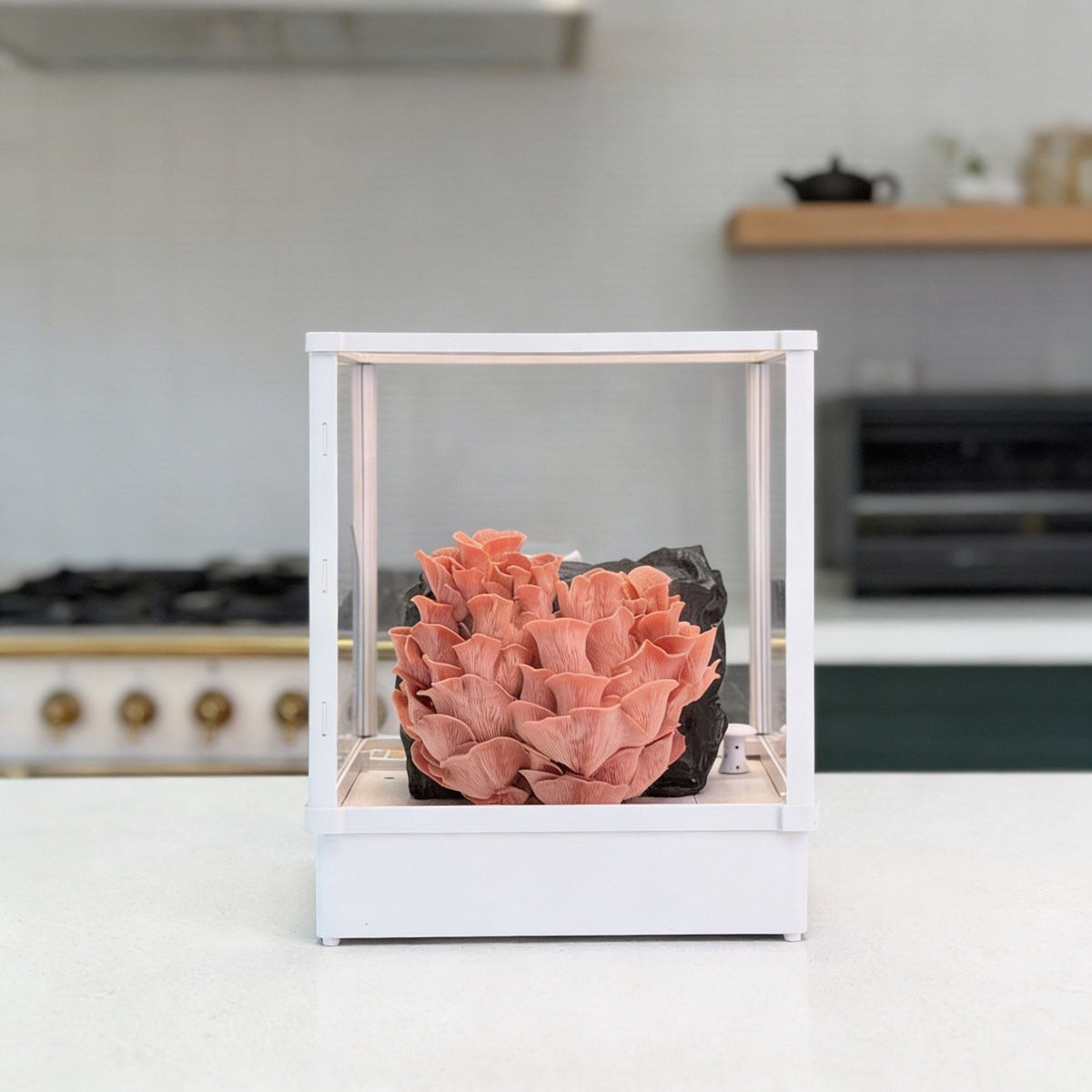
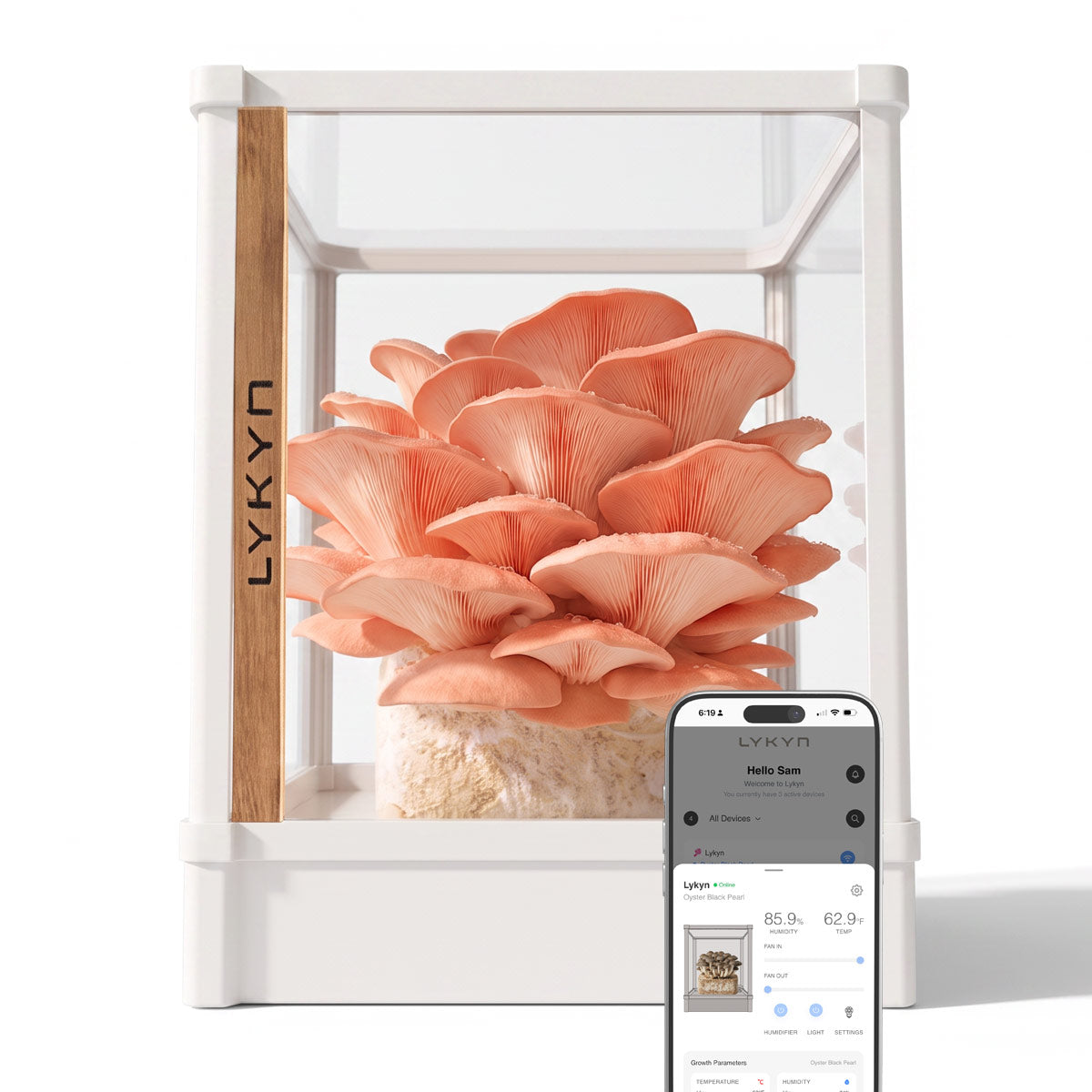
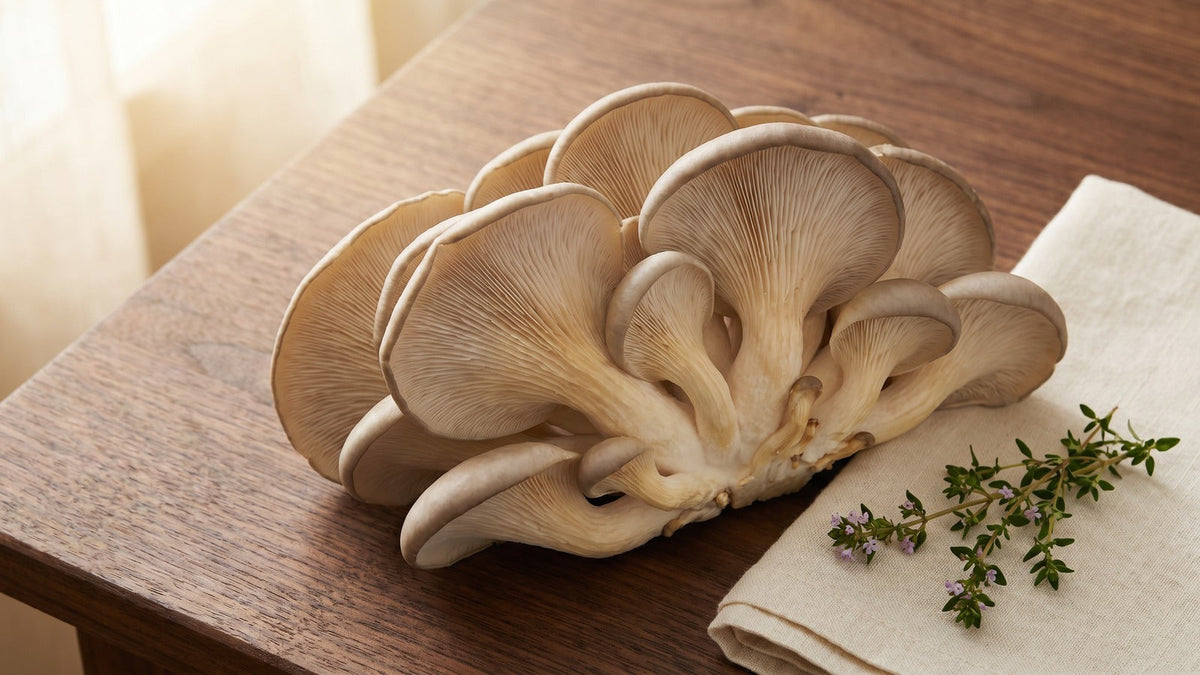
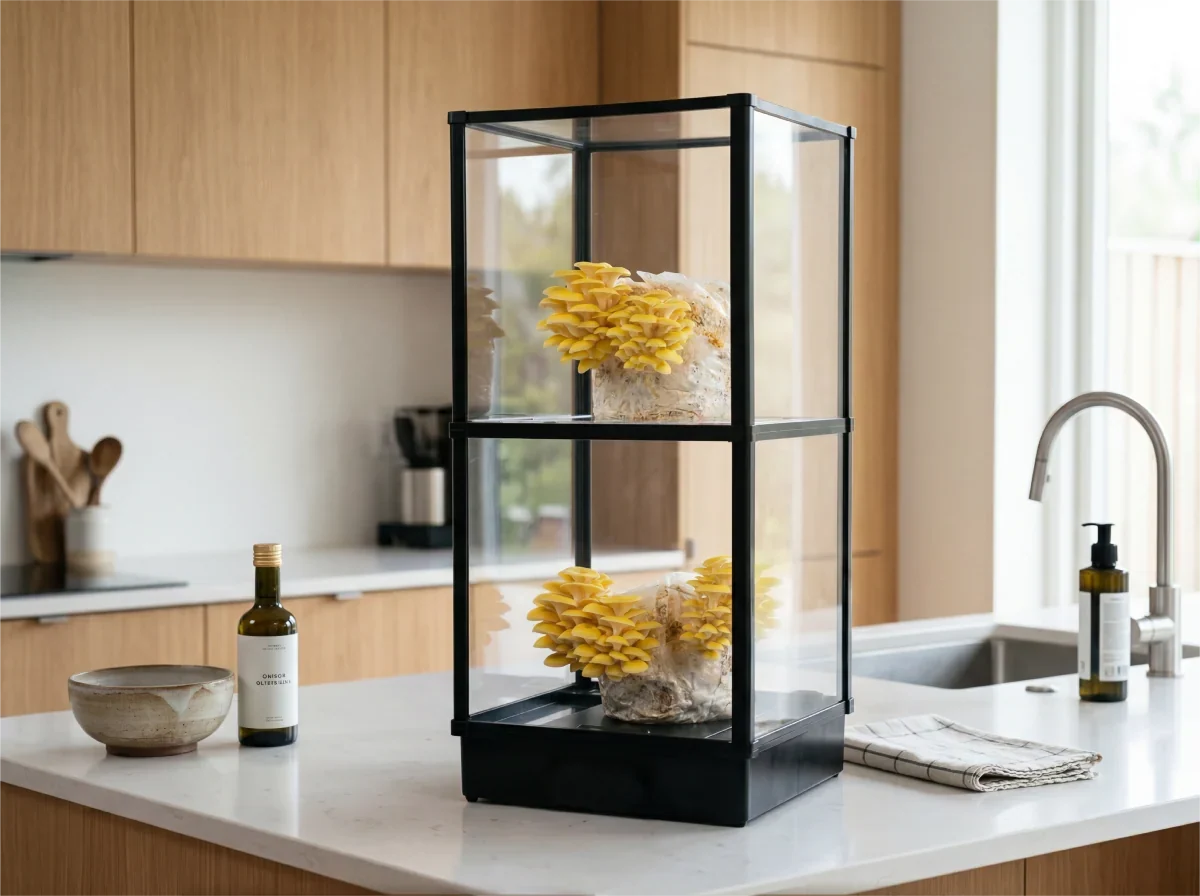
A full first flush fills the open glass face of the chamber. Expect a cluster you can carry out of the box with two hands, not one. Side by side with store-bought white button mushrooms the pink cluster looks closer to a coral reef than to anything you buy in a plastic clamshell.
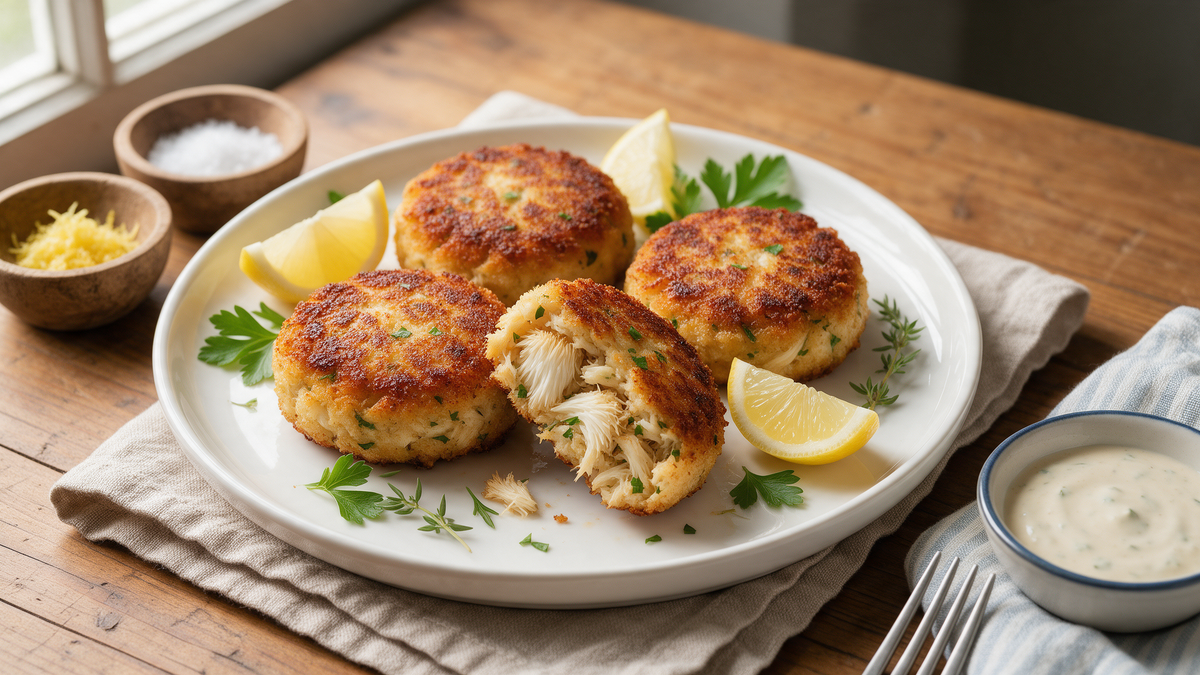
The species rewards short hot cooks. Dry sear in a cast iron pan for four minutes before you add any fat. The caps release water, then start to brown. Add olive oil at the four-minute mark, salt at six, finish with lemon and black pepper. Eight minutes end to end from the harvest counter to the plate.

Second flush: lower yield, same flavor
After harvest the block holds twelve to twenty percent of its mass as moisture. A cold-water soak restores enough weight for one more round. Submerge the block in cold filtered water for twelve hours. Drain for an hour. Place it back on the counter cut-side up.
Second-flush pins show up in seven to ten days. The cluster is noticeably smaller, often one-third to one-half the first flush. Flavor is the same, cap color is sometimes lighter, and the cluster forms sooner because the mycelium already has a hymenium at the cut face.
Pink oyster vs the grocery produce aisle
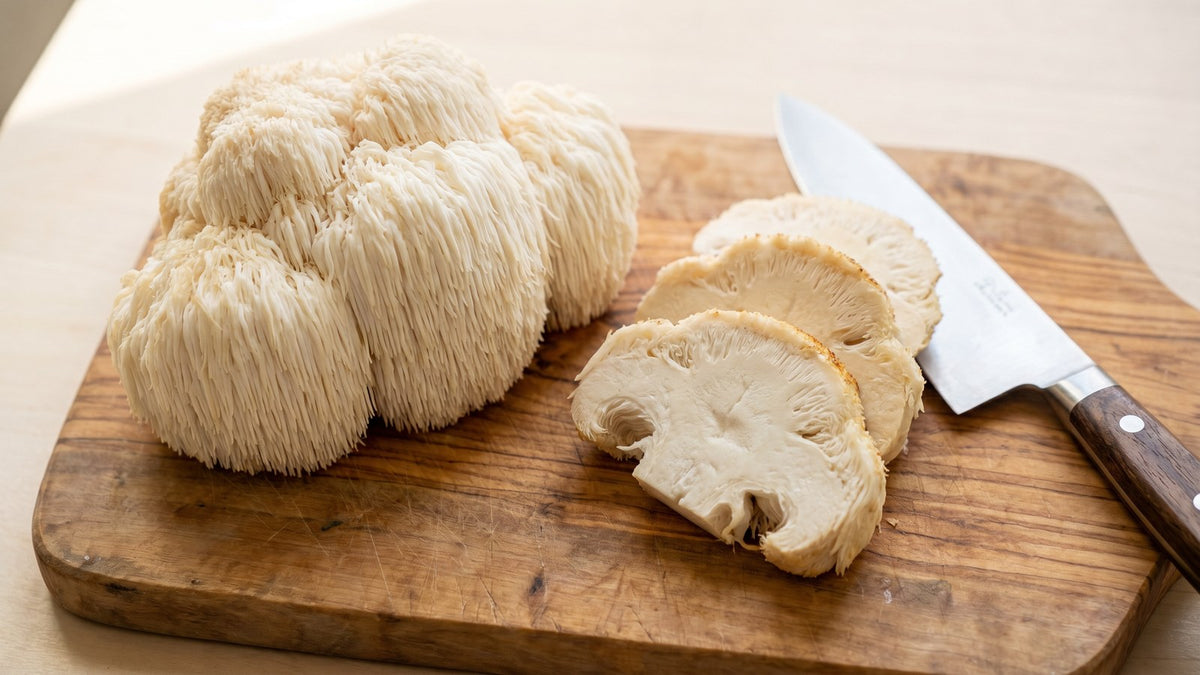
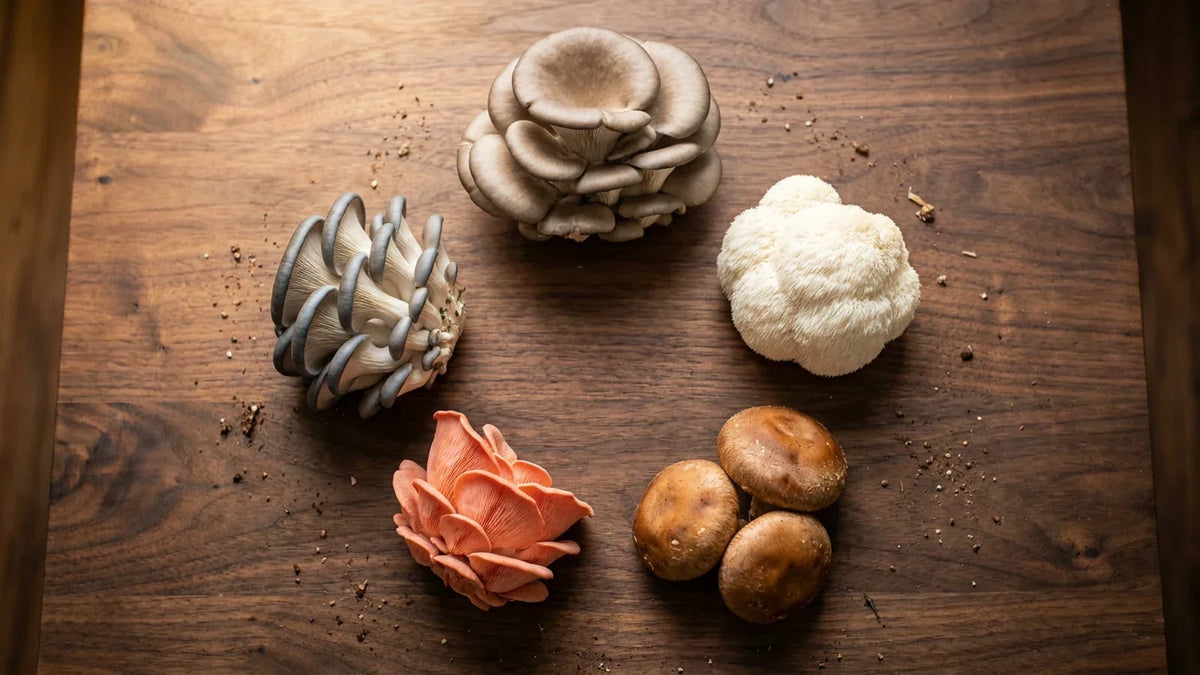
Pink oyster is on the list of gourmet species most US grocery chains and most European supermarkets do not carry. The caps bruise in transit, the shelf life is short, and the color fades off the plate within forty-eight hours of harvest. Growing one on the counter is the whole access story. A home cluster is in your pan ninety seconds after you pull it. Lion's Mane, Chestnut, and Pioppino sit in the same bucket. If you want a species the market cannot stock, you grow it.

Frequently asked questions
How long does the pink oyster grow kit take from box to harvest?
Most blocks finish inside ten to fourteen days from the first cut. The first three days are rest and pin formation, days four through eight are the vertical growth sprint, and days nine through twelve land on harvest. A warm kitchen above 72 F runs sooner. A cool pantry near 60 F runs slower.
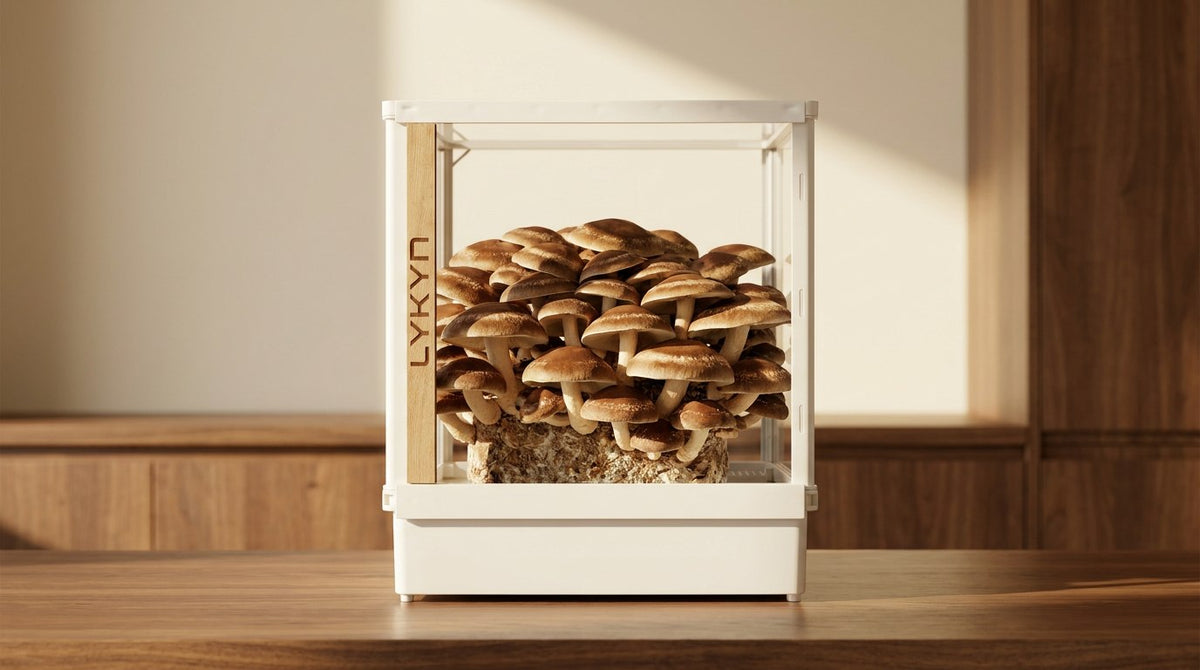
Do I need a Lykyn Smart Mushroom Grow Box to use the kit?
Any humid spot in the home will fruit the block. The chamber removes the twice-daily misting and keeps spore release contained behind glass. Kitchens with a stone floor and a kettle running will often hit chamber-equivalent humidity on their own.
What does a healthy pink oyster block smell like?
Fresh colonized substrate carries a faint sweet-bread note. During fruiting the aroma shifts toward anise and sea air. Sharp fishy or ammonia notes mean the cluster is past harvest or bacterial contamination has started at the cut face.
Why did my pink oysters release so many spores?
Heavy sporulation is a species trait for Pleurotus djamor. Mature caps release a pink cloud when the edges lift and flatten. Pull the cluster the hour the edges flatten and the kitchen stays clean.
Can I get a second flush from the same block?
Roughly nine out of ten of our test blocks produce a second flush. Cold-water soak the block for twelve hours after harvest, drain for an hour, and set it back cut-side up. Pins return in seven to ten days at one-third to one-half the first-flush size.
Are pink oyster mushrooms edible raw?
Cook them. The raw cap texture is chalky and the stems are tough. A short hot dry pan sear before any oil is the standard move. Four minutes dry, two minutes with olive oil, finish with salt and lemon.
Does the pink oyster kit ship outside the United States?
Current shipping covers the US and 21 other countries. The block holds its viability for seven days in sealed transit. Delivery routes longer than that risk early pinning inside the carton, which still fruits but reduces first-flush yield.



Share:
The Gift for an Apartment Gardener with No Yard: What Actually Fits on a Counter