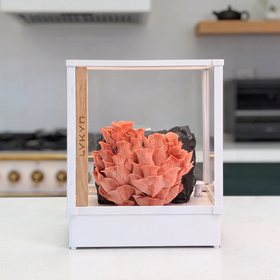



Giving a mushroom hunter a field guide is like giving a chef a cookbook. They already own the books. They already know chanterelles by sight. The gift that lands for a mushroom hunter is the one that fills a gap foraging cannot fill: species that do not grow wild in their region, a steady supply through winter, a positive-ID reference they can train their eye on between hikes. This guide covers what actually works as a gift for a mushroom hunter in 2026, what to skip, and why the Lykyn Lion's Mane and Pink Oyster kits have become the surprise pick for serious foragers across the US.

The forager's gap: what the woods do not give you
Even a skilled hunter runs into three hard walls. Winter kills most of the forage season across the northern US. Rare species like Lion's Mane, Pink Oyster, and consistent Chestnut only show up a handful of times across a decade of hiking. And positive identification between a prized find and a toxic look-alike is harder when the only reference images are twenty-year-old field guide photos. A thoughtful gift closes one of those three gaps. The Lykyn fruiting blocks and the Smart Grow Box close all three at once.
What to gift a mushroom hunter at a glance
- For the off-season (winter): Smart Grow Box plus a Lion's Mane or Pink Oyster block.
- For hard-to-find species: Pink Oyster or Lion's Mane fruiting block. Neither grows reliably in most US forests.
- For positive-ID training: Any Lykyn kit that lets the hunter inspect a known-good specimen fresh on their counter.
- Under a hundred dollars: One fruiting block plus a regional field guide for their state or province.
- Non-Lykyn pairing: Field guide, foraging basket, or dehydrator for the fall harvest.
Gift pick 1: Smart Grow Box for the off-season
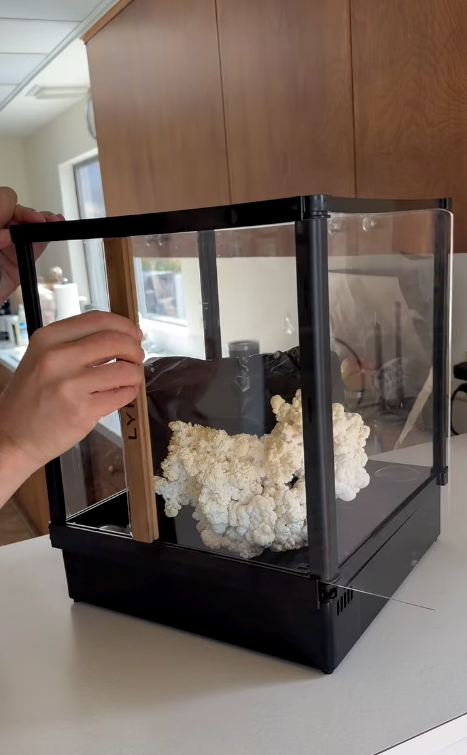
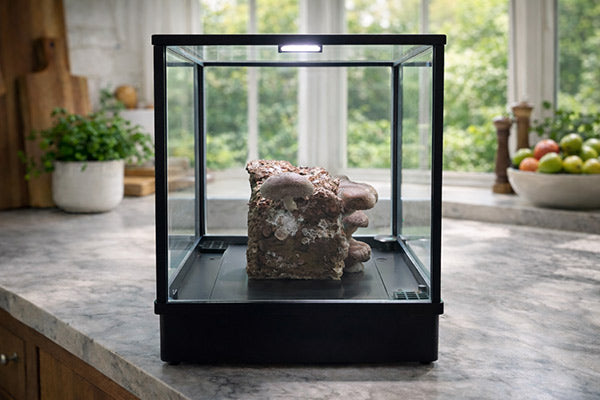
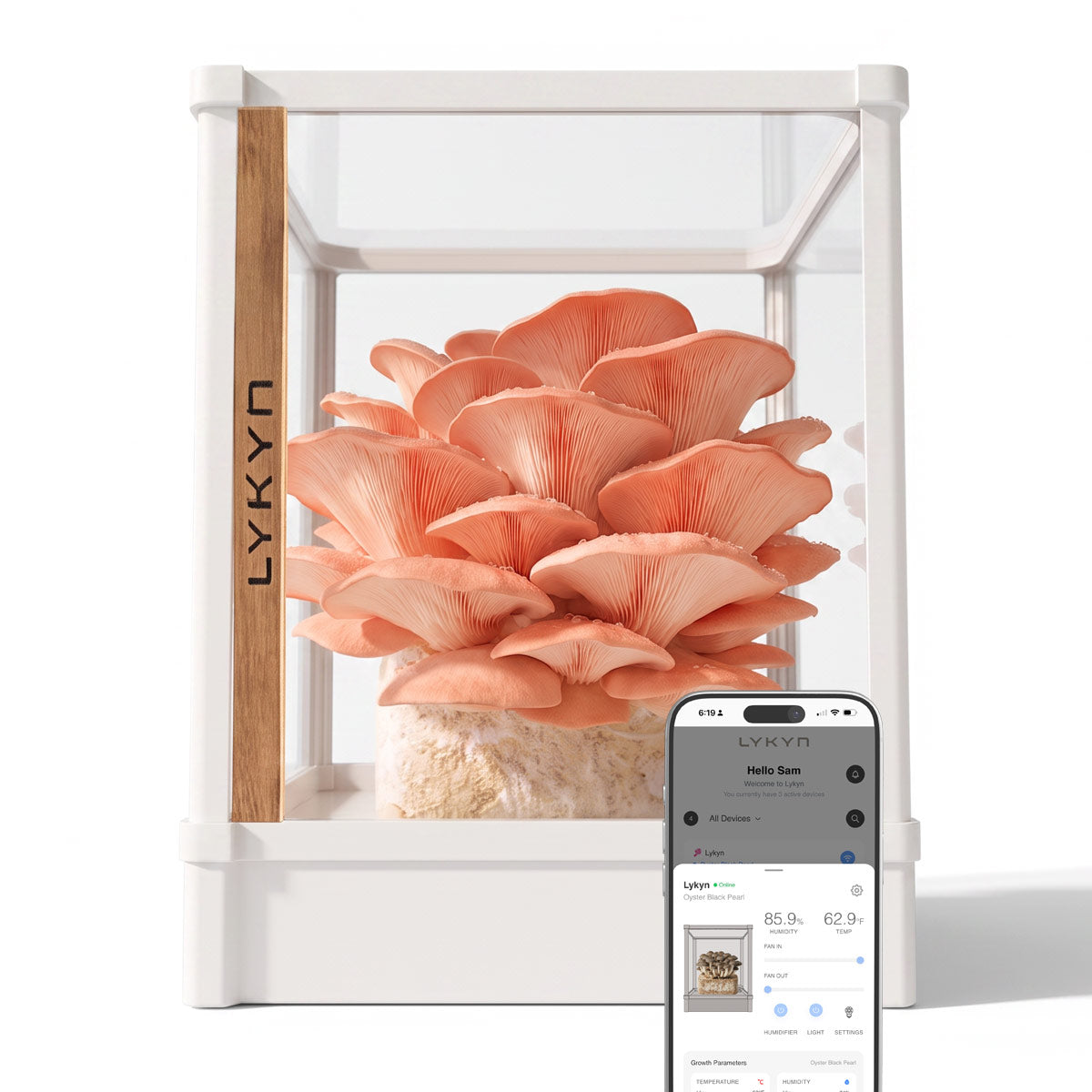
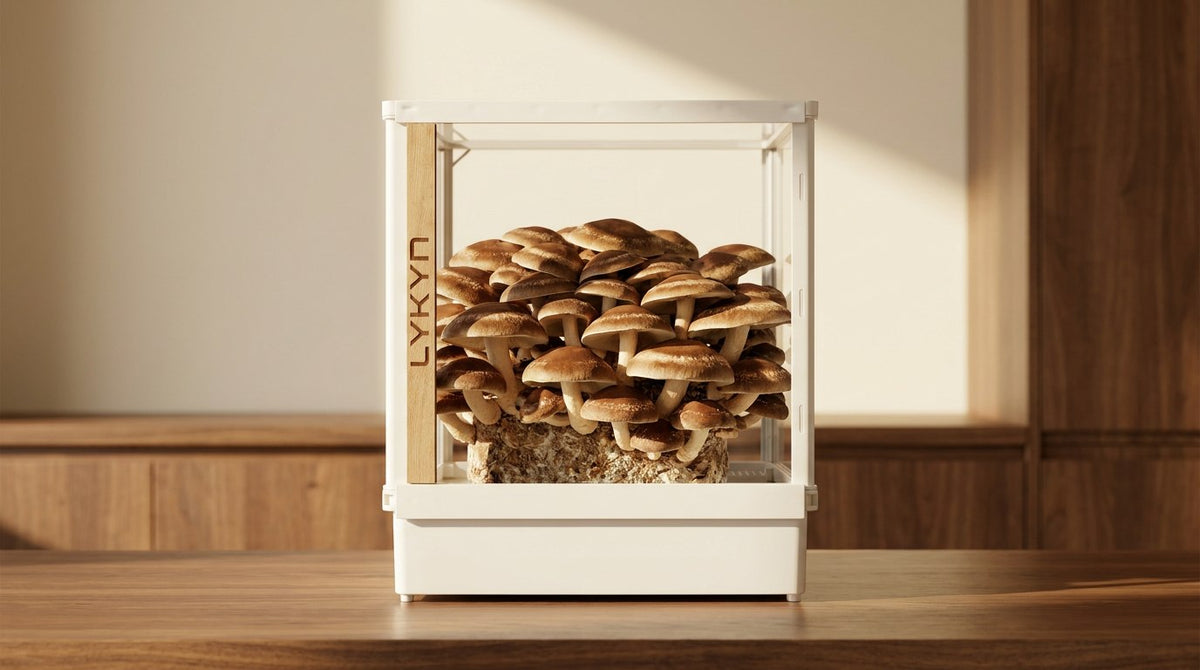
Foraging dies in November across most of the US. A Smart Grow Box turns the dead months into a running mushroom supply at the kitchen counter. Humidity, airflow, and light run on an automatic schedule. The hunter opens the box, places a 5 lb pre-colonized block inside, and harvests two to three flushes across the month. By the time spring morels come back, the chamber has produced ten to twelve flushes of species the hunter would not otherwise see until the following year.

Gift pick 2: Fruiting block for hard-to-find species
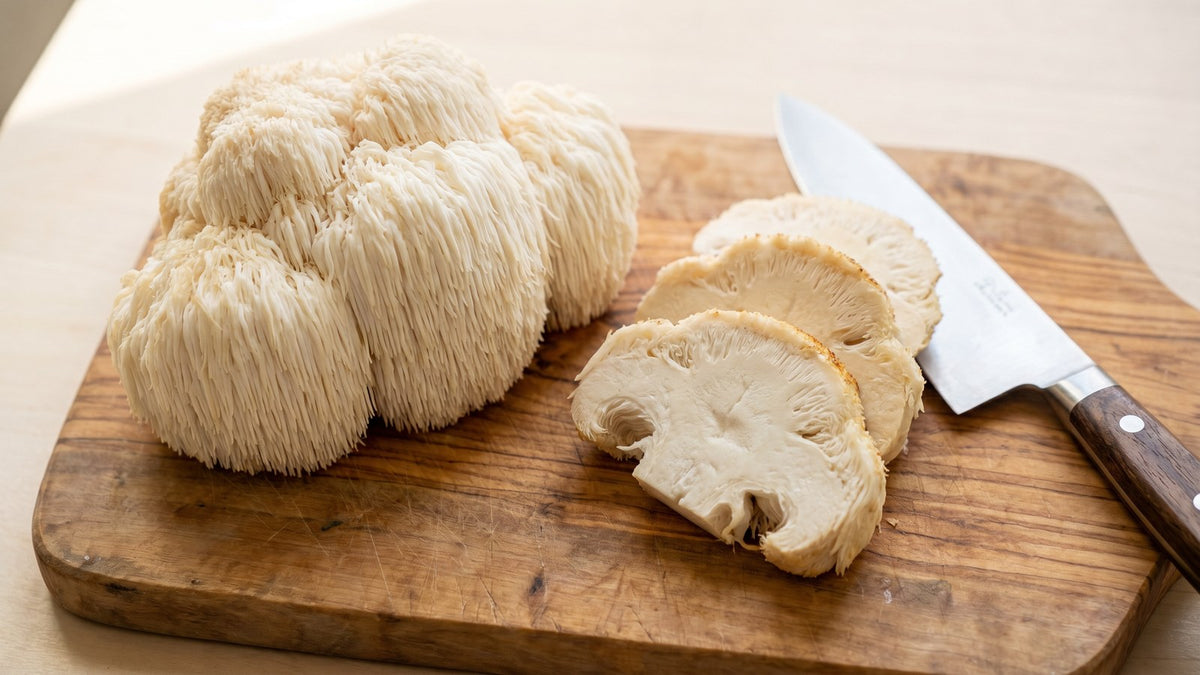
Lion's Mane rarely shows on wild trees across most of the eastern US. Pink Oyster does not grow wild in temperate North America. A fruiting block gives a hunter steady access to the species the woods never deliver on demand. The block ships pre-colonized, fruits in any closed humid container, and runs two to three flushes per cycle.


Gift pick 3: Positive-ID reference for safe foraging
The best way to train an eye for Pink Oyster or Lion's Mane in the wild is to grow the same species at home first. A hunter who has pulled apart a known-good Lion's Mane cluster on their counter spots the real thing on a dead oak at thirty feet. Lykyn fruiting blocks give the hunter a known-good, lab-verified specimen for direct comparison when they get back from a hike with a specimen in a paper bag.
What NOT to gift a mushroom hunter
- A generic field guide. They already own three. If giving a book, pick a region-specific guide for the state or province they actually forage, or a cookbook built around wild mushrooms.
- A dehydrator without the harvest to fill it. Dehydrators sit on the shelf nine months a year. Pair with fresh harvest or skip.
- Mushroom-shaped lamps, mugs, or enamel pins. Decoration without function. Hunters know the real thing.
- A foraging knife without a sheath or sharpener. Half a gift. Pair with the full kit or skip.
- Spores for an exotic species they do not have a chamber for. Sets the hunter up for failure instead of success.
Lykyn fruiting block species a hunter can grow at home
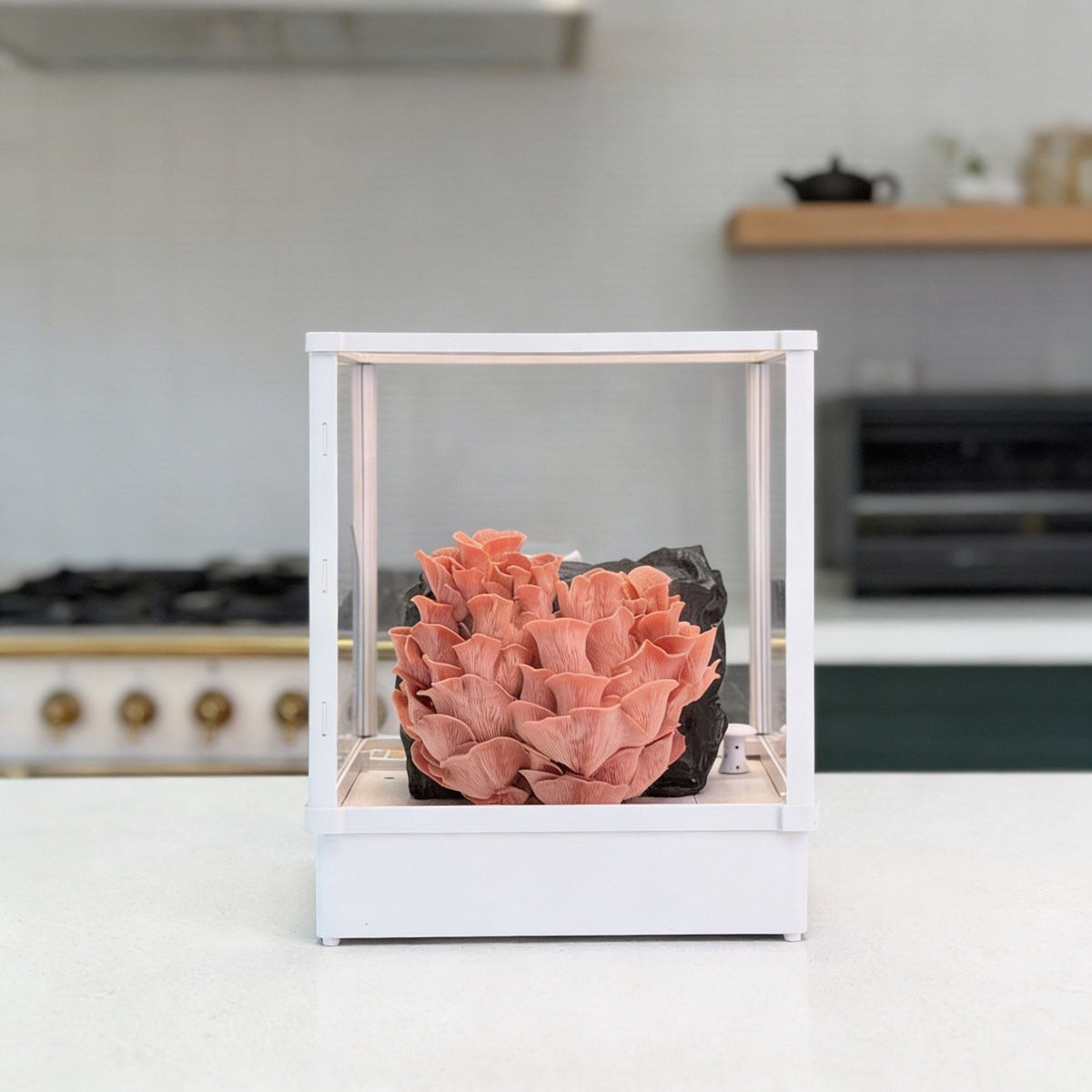
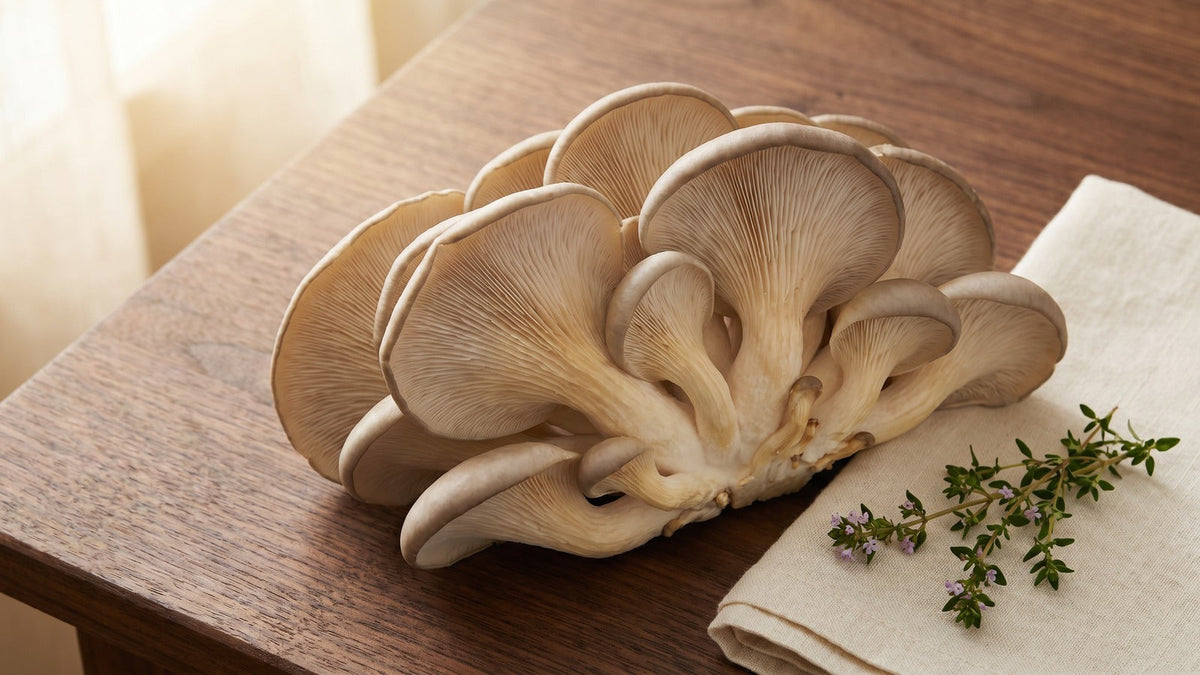
- Pink Oyster Mushroom Grow Kit: tropical, non-native to US forests, fastest first harvest.
- Lion's Mane Mushroom Grow Kit: nootropic, rare on wild trees in most eastern US regions.
- Shiitake Mushroom Grow Kit: Asian oak-log species, hard to find on US wild logs.
- Cinnamon Cap Mushroom Grow Kit: opportunistic wild occurrence, consistent on home blocks.
- Black Oyster Mushroom Grow Kit: cold-tolerant variant of Pleurotus ostreatus, rich meaty bite.
See the full Lykyn Mushroom Fruiting Blocks collection.

Pairing gifts to the hunter you know
- The morel hunter who disappears every April: Smart Grow Box for the eleven months they cannot find morels. See our morel hunting guide for context.
- The chanterelle hunter who knows every oak-hickory draw within fifty miles: Lion's Mane block for a species they rarely see on wild trees.
- The beginner who just started foraging: Pink Oyster block as the easiest positive-ID training species, plus a regional field guide.
- The hunter who already dehydrates every fall harvest: Smart Grow Box so the dehydrator earns its shelf space all twelve months.
- The lion's mane hunter specifically: See our guide to finding Lion's Mane in the wild, then gift the kit so they always have one on hand.
Why foragers quietly become grow-kit growers
A hunter who has already learned to look at a mushroom cluster carefully adjusts to home cultivation faster than almost any other audience. They already know what healthy mycelium looks like. They already have the knife skills. They already know when to leave a flush for one more day. Gifting a Lykyn block to a hunter is less teaching a new hobby and more handing them the next level of one they already run.
Related reading from the Lykyn foraging guides
- How to Find Morel Mushrooms Like a Pro
- Morel Mushroom Identification Guide
- Where to Find Lion's Mane Mushroom
- How to Identify Turkey Tail Mushrooms
- Types of Morel Mushrooms: Full Identification Guide
Frequently Asked Questions
What do you get a mushroom hunter who already picks wild?
A grow kit for a species that is hard to find in the wild solves the gap a hunter cannot solve themselves. Lion's Mane and Pink Oyster both grow on indoor blocks and give the hunter a steady supply of species that stay rare on most forest floors.
Are mushroom grow kits a good gift for an experienced forager?
Grow kits sit alongside foraging rather than replacing it. A hunter uses the home-grown specimen as a positive-ID reference, trains their eye on known-good anatomy, and skips the season gap between spring morels and fall chanterelles with a monthly chamber cycle.
What is a thoughtful gift for a forager under a hundred dollars?
Pair a Lykyn fruiting block with a quality cutting board and a copy of a regional field guide. The block gives them a species to grow, the board handles the cleaning table, the field guide stays in the car for the next trip.
Can a mushroom hunter use a smart grow box in the off-season?
Off-season cultivation is the strongest case for a Smart Grow Box in a hunter's kitchen. Winter is dead for most foraging regions. A chamber running Lion's Mane or Pink Oyster blocks keeps fresh gourmet mushrooms on the table from November through March.
Which mushroom species are hard to find wild but easy to grow at home?
Lion's Mane is rare on most forest trees east of the Mississippi. Pink Oyster never grows wild in temperate North America. Cinnamon Cap and Black Oyster are opportunistic and inconsistent. All four fruit on home blocks in one to two weeks.
What should you not gift a mushroom hunter?
Field guides for a region they do not forage, dehydrators without the harvest to fill them, and anything with mushroom-shaped kitsch. Hunters know the real thing. The gift that lands fills a gap they cannot fill themselves, not one that competes with gear they already own.



Share:
Best Shiitake Mushroom Grow Kit 2026: What Actually Works on a Kitchen Counter