


Quick Answer: The best mushroom pasta combines sautéed mushrooms (like oyster, shiitake, or cremini) with garlic, butter, pasta water, and parmesan. The secret is cooking mushrooms in a single layer until deeply golden, then building your sauce in the same pan. Total time: 25-30 minutes.
Look, I've made mushroom pasta probably 200 times over the past few years. Some batches were forgettable. Others had my family fighting over the last forkful.
The difference? It's not some fancy technique or expensive ingredients. It's understanding how mushrooms actually work.
Today I'm sharing everything I've learned, the varieties that taste best, the mistakes that ruin dishes, and five recipes that actually deliver. Whether you're growing your own mushrooms or grabbing them from the store, you'll walk away knowing how to make pasta that tastes like it came from a restaurant.
Let's get into it.
Why Mushroom Pasta Works So Well (The Science Behind It)

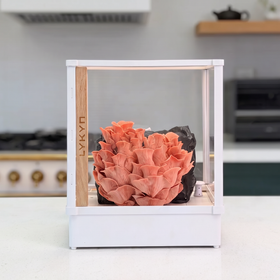
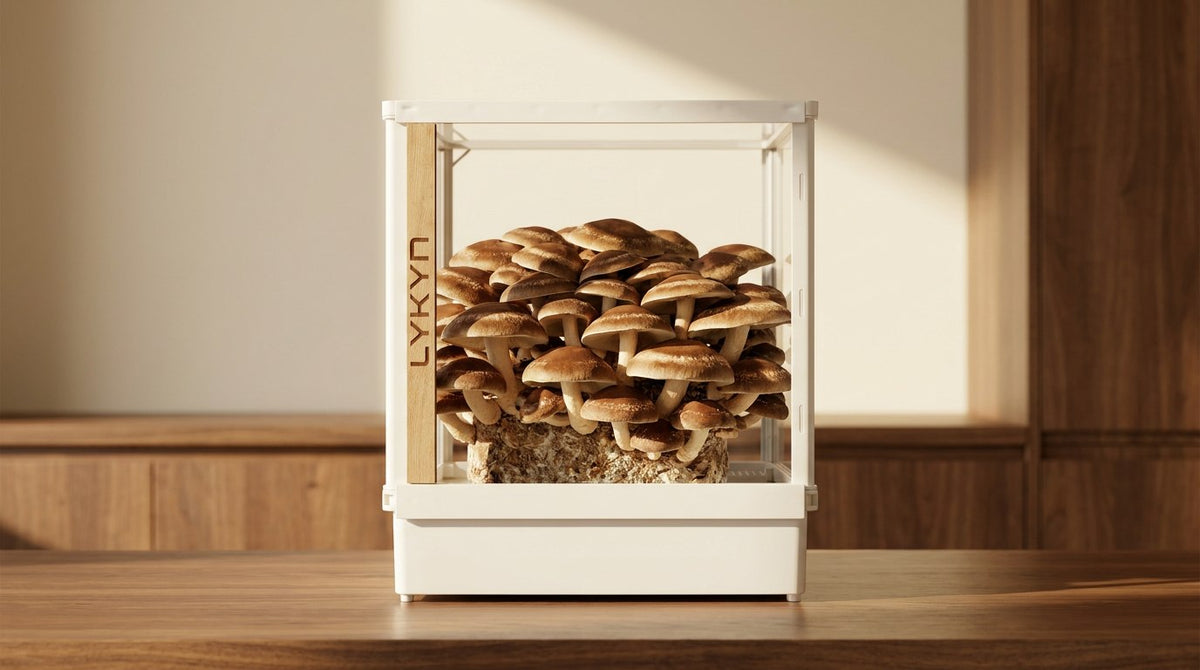
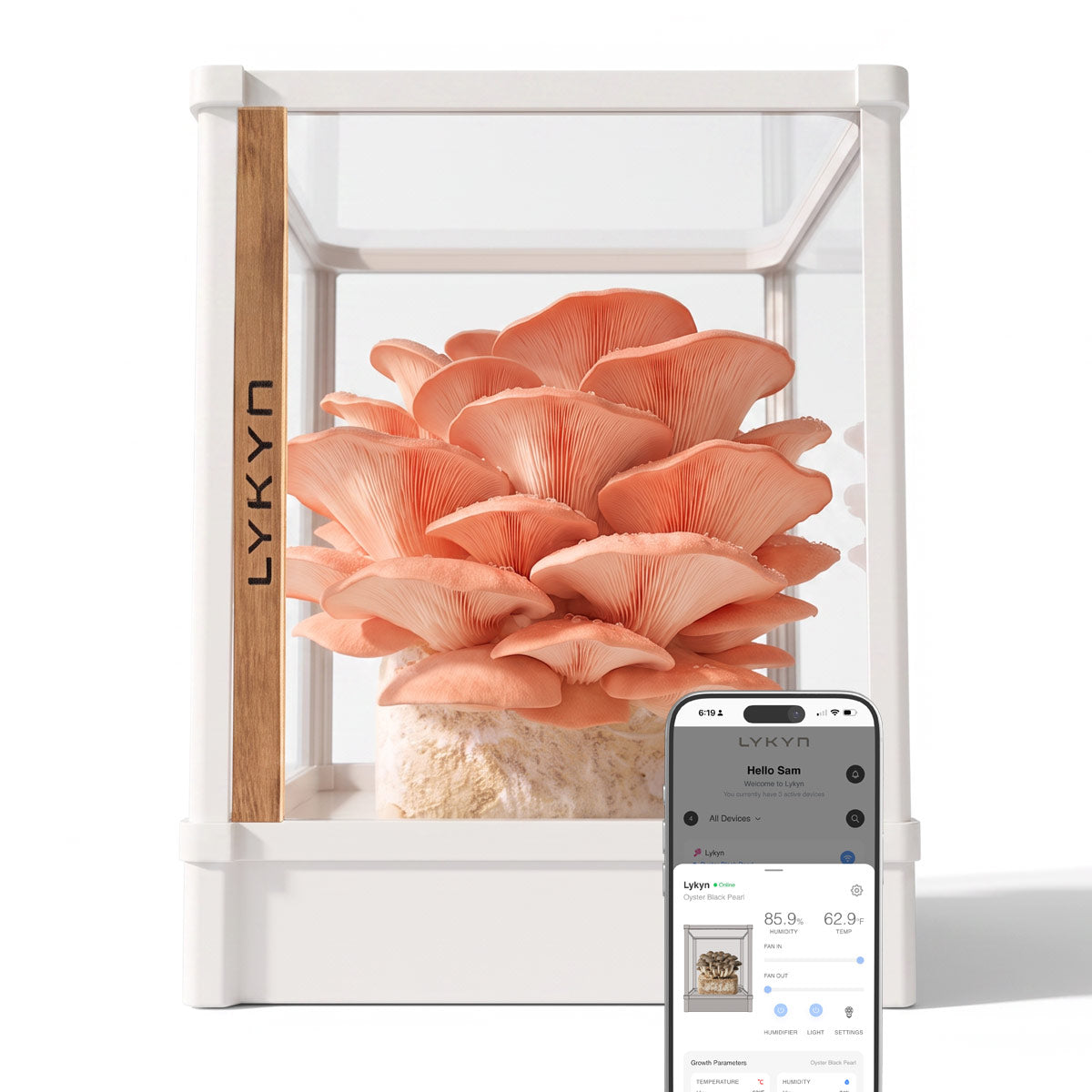
Smart Chamber. Bone White Single
- 2.8L tank, 90% humidity automatic
- App-controlled, plug-and-play
- 6 lb block ceiling, in stock

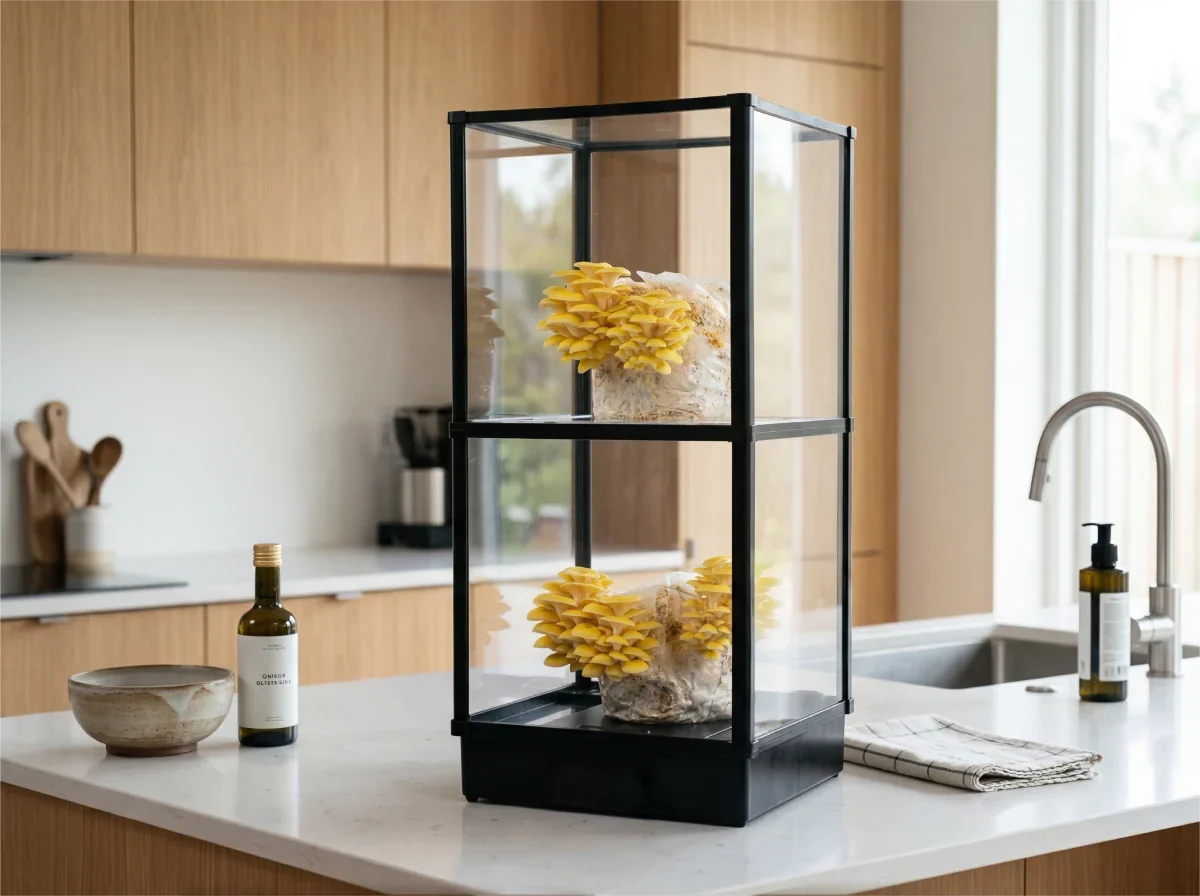
Smart Chamber. Obsidian Black Single
- Same hardware as Bone White
- Matte black premium finish
- Pairs with any kitchen palette

Mushrooms contain naturally occurring glutamates, the compounds responsible for umami flavor. When you cook them properly, you're essentially creating a savory bomb that coats every strand of pasta.
Here's what makes mushrooms perfect for pasta dishes:
- High water content (90%) releases during cooking, creating a natural sauce base
- Glutamate levels rival parmesan cheese (up to 180mg per 100g in dried shiitakes)
- Meaty texture provides satisfying bites without heavy proteins
- Neutral color palette absorbs butter, cream, and garlic beautifully
A 2024 study published in the Journal of Food Science found that combining mushrooms with aged cheese creates a synergistic umami effect, the flavors multiply rather than just add together. This explains why mushroom pasta with parmesan tastes so much richer than either ingredient alone.
The Best Mushrooms for Pasta Dishes
Not all mushrooms perform equally in pasta. After testing dozens of varieties, here's my honest ranking:
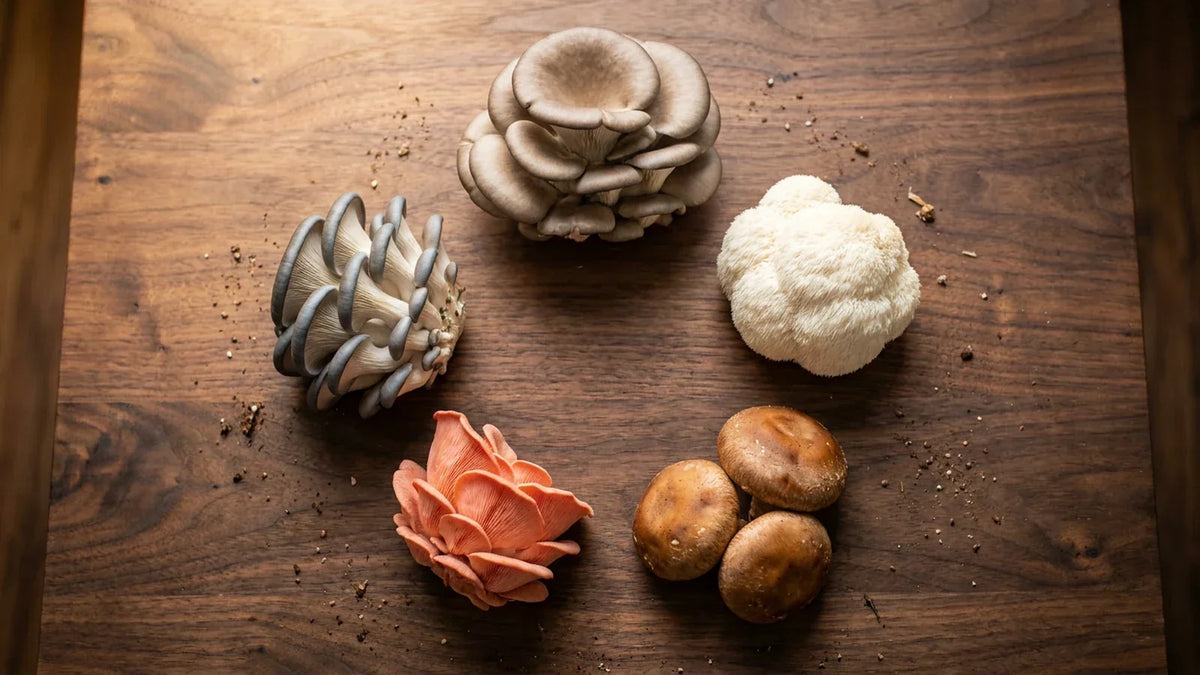
| Mushroom Type | Flavor Profile | Best Pasta Style | Cooking Time |
|---|---|---|---|
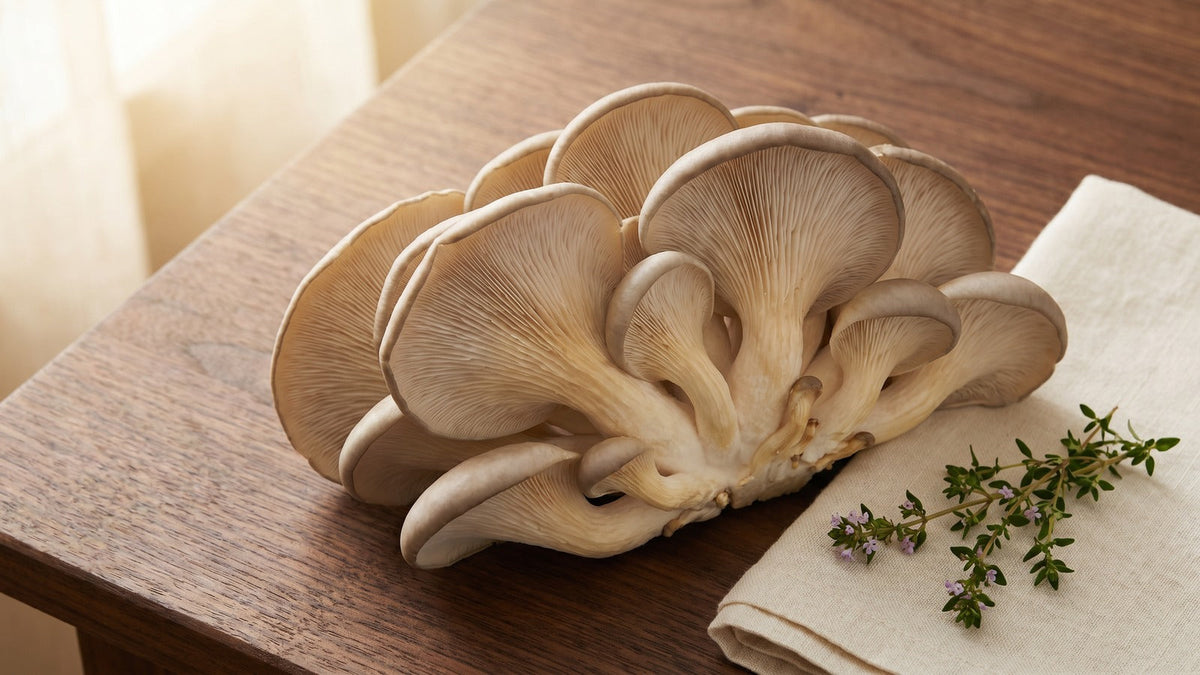
| Oyster | Mild, slightly sweet | Creamy sauces, light preparations | 4-5 minutes |
| Shiitake | Rich, smoky, earthy | Bold garlic-based sauces | 5-6 minutes |
| Cremini | Earthy, meaty | All-purpose, especially tomato-based | 6-7 minutes |
| Chanterelle | Fruity, peppery | Butter and herb sauces | 3-4 minutes |
| Porcini | Intense, nutty | Cream sauces, risotto-style pasta | 4-5 minutes |
Pro tip: Mixing 2-3 varieties creates complexity you can't get from a single type. I usually combine oyster mushrooms for texture with shiitakes for depth.
If you want to experiment with growing your own, the Black Oyster Mushroom Fruiting Block produces mushrooms perfect for ramen, stir-fries, and yes, incredible pasta dishes.

How to Cook Mushrooms for Pasta (The Right Way)
Here's where most people go wrong. They crowd the pan, add oil too early, or flip too often. The result? Steamed, rubbery mushrooms with zero flavor development.
Step 1: Prep Your Mushrooms Properly
- Wipe, don't wash. Mushrooms absorb water like sponges. Use a damp paper towel instead.
- Slice evenly. About ¼-inch thick works best for pasta applications.
- Tear larger varieties. Oyster mushrooms develop better texture when torn by hand.
Step 2: Master the Sauté Technique
This is the most important part:
- Heat your pan (stainless steel or cast iron) over medium-high heat for 2 minutes
- Add a thin layer of olive oil, just enough to coat the bottom
- Add mushrooms in a single layer (work in batches if needed)
- Don't touch them for 3-4 minutes until edges turn golden
- Flip once, cook another 2-3 minutes
- Season with salt only after they've browned
Why no salt at the start? Salt draws out moisture immediately. You'll steam your mushrooms instead of browning them. This single change transformed my pasta game.
Step 3: Build the Sauce
Once your mushrooms are golden:
- Push them to one side of the pan
- Add 3-4 tablespoons of butter to the empty space
- Toss in minced garlic (3-4 cloves) and cook 30 seconds
- Pour in ½ cup reserved pasta water
- Stir everything together as the butter emulsifies
The starchy pasta water creates a silky sauce that clings to every noodle. This technique, called mantecatura in Italian cooking, is what separates restaurant pasta from home versions.
Want to try this technique with a unique variety? Cinnamon Cap Mushrooms have a delicate flavor that's exceptional in pasta and risotto dishes.
5 Mushroom Pasta Recipes Worth Making
Recipe 1: Classic Creamy Mushroom Pasta
Time: 25 minutes | Serves: 4
This is your foundational recipe. Master this, and you can riff endlessly.
Ingredients:
- 1 lb pasta (tagliatelle or fettuccine works best)
- 12 oz mixed mushrooms, sliced
- 4 tbsp butter
- 4 garlic cloves, minced
- ½ cup heavy cream
- ½ cup pasta water
- 1 cup parmesan, freshly grated
- Fresh thyme, salt, black pepper
Method:
Sauté mushrooms following the technique above. Add butter, garlic, cream, and pasta water. Toss with cooked pasta and parmesan off heat. The residual heat melts everything into a glossy sauce.

Recipe 2: Garlic Butter Mushroom Pasta (No Cream)
For those avoiding dairy or wanting something lighter, this version relies on pasta water and good olive oil for richness.
The technique is identical, but you'll finish with extra virgin olive oil instead of cream. A squeeze of lemon at the end brightens everything.
For detailed inspiration on this style, check out our guide to Oyster Mushroom preparation and recipes, which includes an elegant pasta recipe.

Fuel Your Mushroom Journey
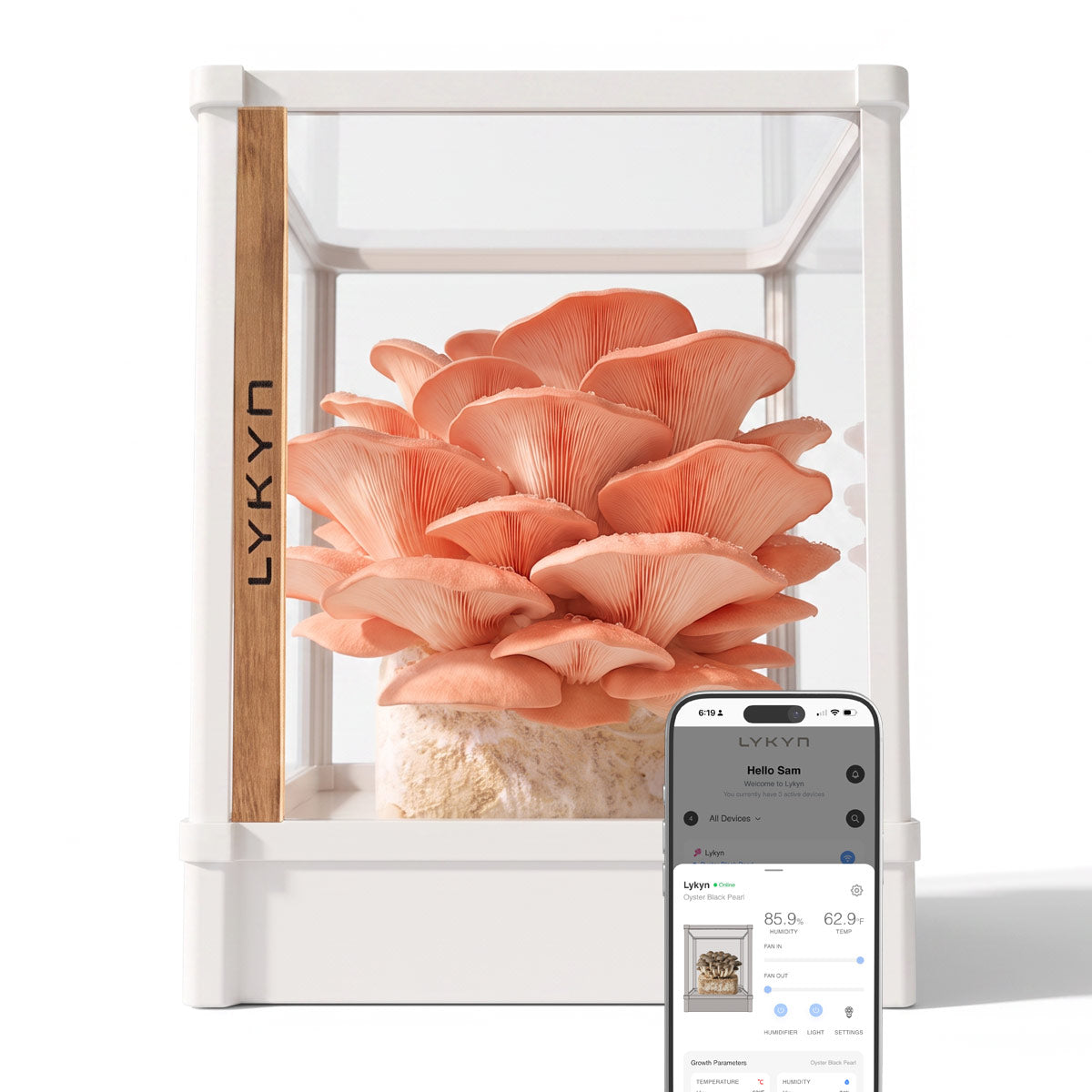
Smart Mushroom Grow Chamber
Plug-and-play smart chamber with humidity, light, and airflow dialed in for every species. Beginners harvest their first flush in days, not months.
Add to cart $299Recipe 3: Spicy Mushroom Pasta with Chili
Add ½ teaspoon red pepper flakes with your garlic. The heat balances the earthiness beautifully. Fresh basil instead of thyme completes the dish.
Recipe 4: Mushroom Pasta with White Wine
Deglaze your mushroom pan with ½ cup dry white wine before adding butter. Let it reduce by half. The acidity cuts through richness and adds sophisticated depth.
Recipe 5: Asian-Inspired Mushroom Noodles
Swap butter for sesame oil. Add soy sauce, a splash of rice vinegar, and thinly sliced scallions. Use ramen noodles or rice noodles instead of Italian pasta. Our Enoki Mushroom guide includes a delicate pasta recipe perfect for this style.
Which Pasta Shapes Work Best with Mushrooms?
Pasta shape matters more than most people realize. You want surfaces that catch sauce and crevices that trap small mushroom pieces.
Best choices:
- Tagliatelle/Fettuccine – Flat ribbons cling to creamy sauces
- Pappardelle – Wide noodles match hearty mushroom chunks
- Rigatoni – Tubes capture sauce inside and out
- Orecchiette – Little cups hold small mushroom pieces perfectly
Avoid:
- Angel hair (too delicate, overwhelmed by mushrooms)
- Lasagna sheets (wrong application entirely)

Common Mushroom Pasta Mistakes (And How to Fix Them)
I've made every one of these errors. Learn from my failures:
Mistake 1: Washing Mushrooms Under Running Water
The fix: Wipe with a damp cloth. Wet mushrooms can't brown properly.
Mistake 2: Crowding the Pan
The fix: Cook in batches. Each mushroom needs contact with the hot surface.
Mistake 3: Cooking on Medium-Low Heat
The fix: Use medium-high. You want sizzle, not silence.
Mistake 4: Skipping Pasta Water
The fix: Always reserve at least 1 cup before draining. It's liquid gold for sauce-making.
Mistake 5: Adding Cheese Over High Heat
The fix: Remove from heat before adding parmesan. Direct heat makes cheese clumpy and grainy.
Frequently Asked Questions About Mushroom Pasta
What is the best mushroom for pasta?
Oyster mushrooms and shiitakes are the best mushrooms for pasta. Oysters provide delicate texture and mild sweetness, while shiitakes add rich, smoky depth. Combining both creates the most complex flavor profile.
How do you keep mushrooms from getting soggy in pasta?
Cook mushrooms in a single layer over medium-high heat without stirring for 3-4 minutes. Don't add salt until after browning, as salt draws out moisture. This technique ensures golden, crispy edges instead of soggy results.
Should you cook mushrooms before adding to pasta sauce?
Yes, always sauté mushrooms separately before building your sauce. Pre-cooking develops the Maillard reaction (browning), which creates deeper flavor. Raw mushrooms added directly to sauce will release water and become rubbery.
What pasta shape goes best with mushroom sauce?
Tagliatelle, fettuccine, and pappardelle work best with mushroom sauce. These flat, wide noodles have more surface area to hold creamy sauces. For chunky mushroom preparations, rigatoni or orecchiette catch pieces in their curves and tubes.
Can you make mushroom pasta without cream?
Absolutely. Use pasta water combined with butter and olive oil for a lighter sauce that still coats the pasta. The starch in pasta water creates emulsification similar to cream. A splash of white wine adds richness without dairy.
How long does mushroom pasta last in the fridge?
Properly stored mushroom pasta lasts 3-4 days in the refrigerator. Keep it in an airtight container. Reheat gently with a splash of water or cream to restore the sauce's texture. The pasta absorbs liquid as it sits.
Are mushrooms healthy in pasta dishes?
Mushrooms are highly nutritious pasta additions. They're low in calories (22 per cup), high in B vitamins, and provide antioxidants like selenium. They also contain beta-glucans, which support immune function. Mushrooms add substantial nutrition without excessive calories.
Growing Your Own Mushrooms for Pasta
Here's something I've discovered over the past year: homegrown mushrooms taste noticeably different from store-bought. They're firmer, more flavorful, and you harvest them at peak freshness.
The Pink Oyster Mushroom Block is perfect for beginners. These vibrant mushrooms turn golden when cooked and pair beautifully with pasta, risotto, and eggs. Plus, watching them grow is genuinely fascinating.
For more recipe ideas using homegrown varieties, our Shiitake Mushroom Recipe guide includes an indulgent creamy pasta dish worth trying.
Conclusion: Your Mushroom Pasta Roadmap
Making restaurant-quality mushroom pasta at home is entirely achievable. Here's what matters most:
- Choose the right mushrooms – Oysters for texture, shiitakes for depth, or combine both
- Master the sauté technique – Single layer, high heat, no touching until golden
- Build sauce in the same pan – Use pasta water, butter, and garlic for emulsification
- Pick appropriate pasta shapes – Flat noodles and tubes capture sauce best
- Finish off heat – Add cheese after removing from the burner to prevent graininess
The beautiful thing about mushroom pasta is its flexibility. Start with the classic creamy version, then experiment with wine, chili, or Asian-inspired variations. Each batch teaches you something new.



Share:
How to Use a Mushroom Identifier Without Getting Yourself Into Trouble
How Road Trip Mushroom Gummies Can Transform Your Next Long Drive