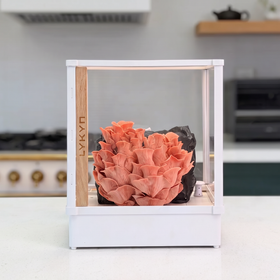



Quick Answer: Food with mushroom recipes transforms ordinary meals into umami-rich dishes. The key is matching mushroom varieties to cooking methods, sauté shiitake for stir-fries, roast lion's mane for steaks, or simmer cremini for soups. Fresh, home-grown mushrooms deliver 3x more flavor than store-bought. Cook mushrooms dry first, then add fat for the best caramelization.
Look, I'll be honest with you. I used to think mushrooms were just... fine. That rubbery texture from canned mushrooms? The bland button mushrooms on pizza? Not exactly exciting.
Then I started growing my own. And cooking them properly. Game changer.
Whether you're a mushroom skeptic or already obsessed, I'm sharing everything I've learned about making food with mushroom recipes that actually make people ask for seconds. No chef skills required. Just good ingredients and the right techniques.
Why Mushrooms Deserve a Starring Role in Your Kitchen

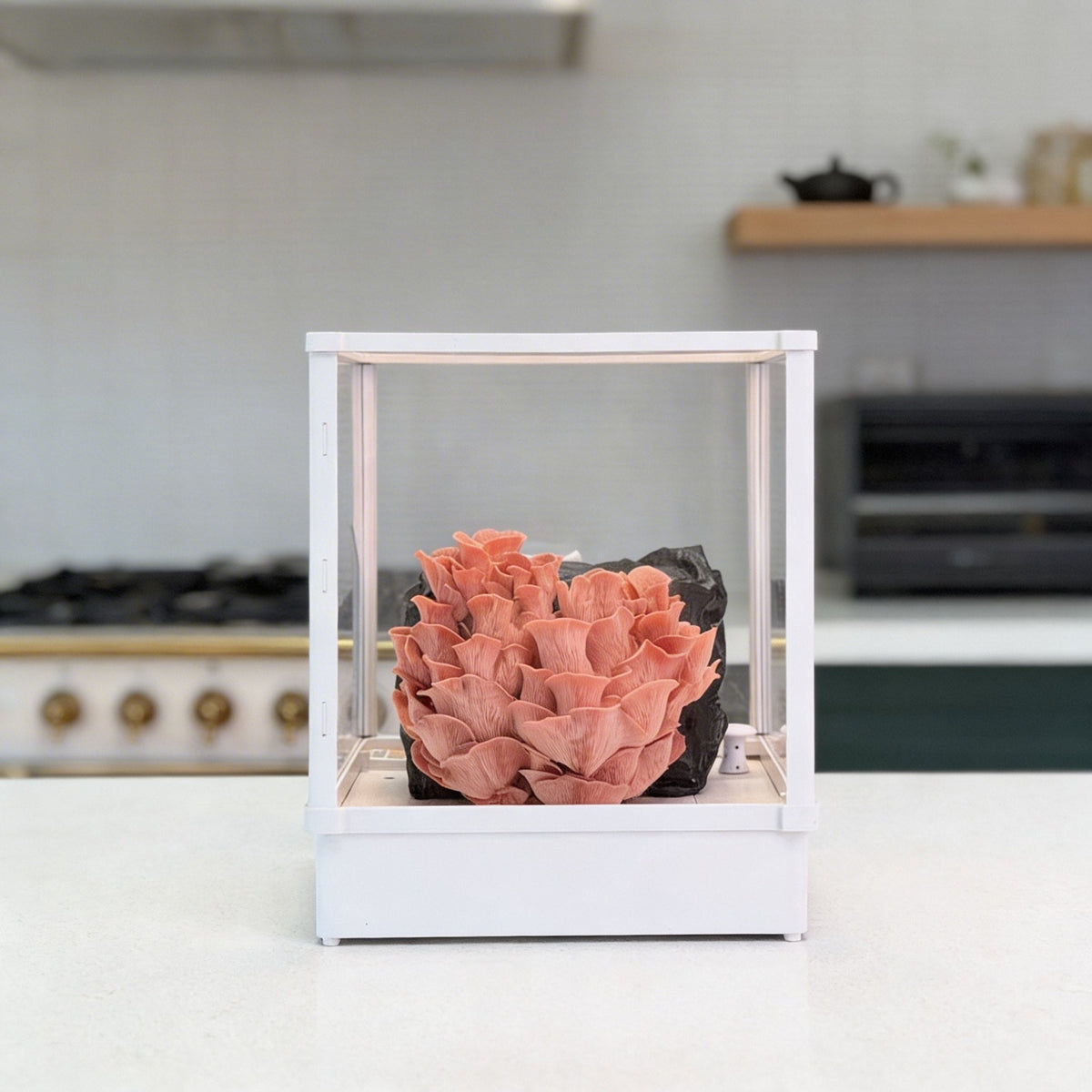
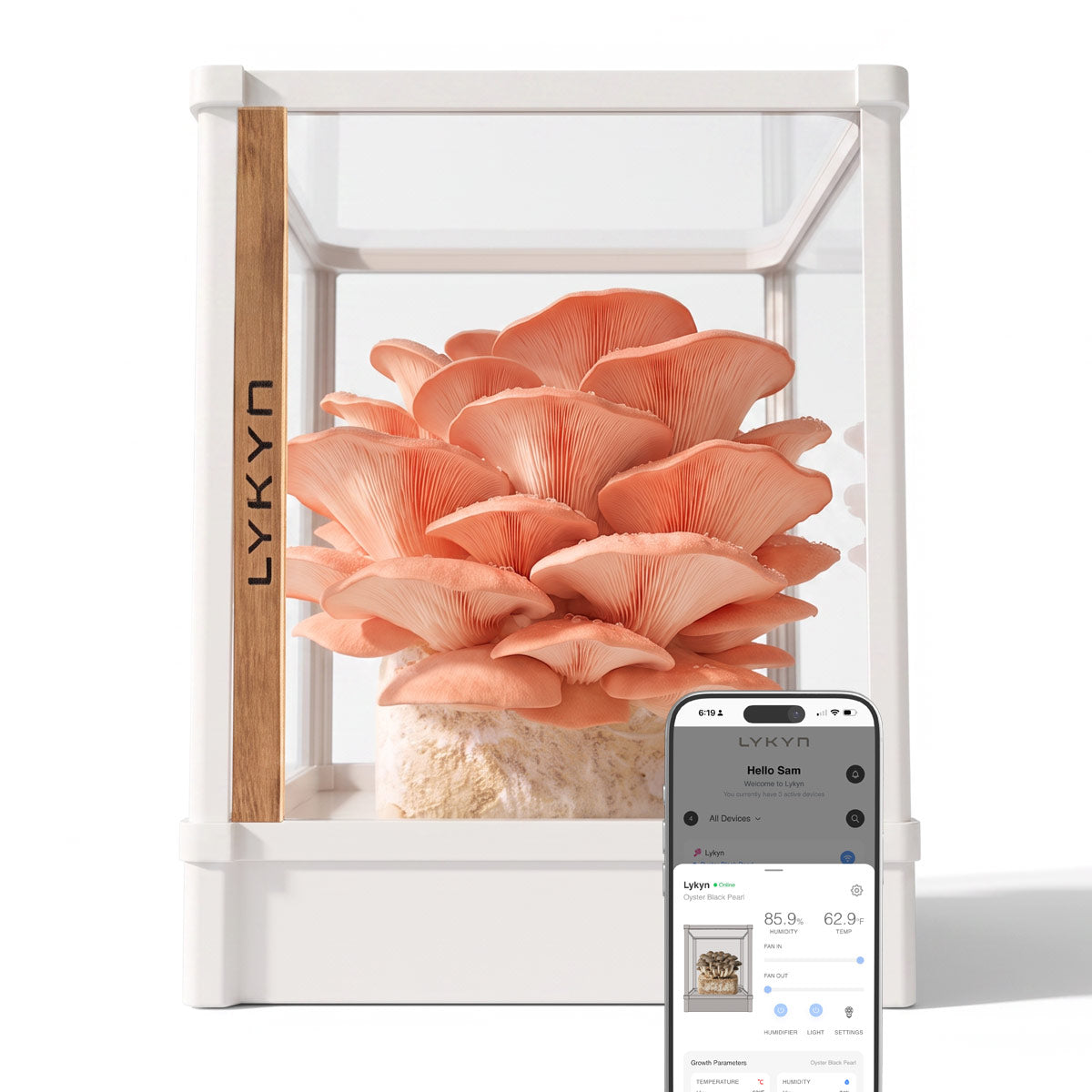
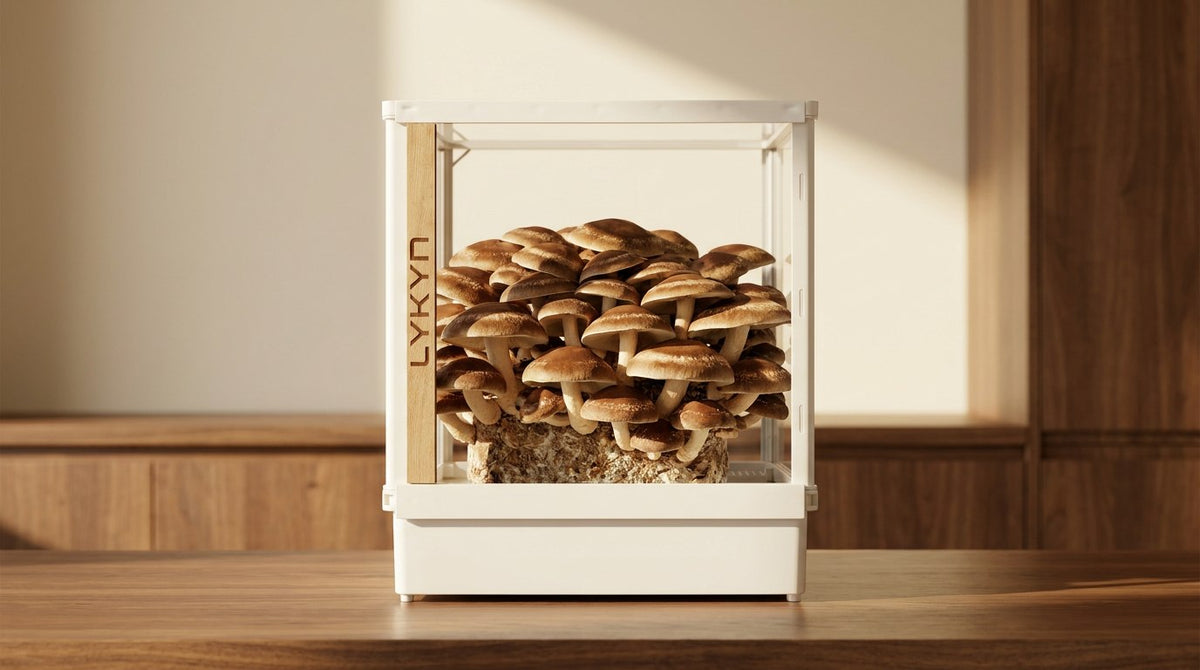
Smart Chamber. Bone White Single
- 2.8L tank, 90% humidity automatic
- App-controlled, plug-and-play
- 6 lb block ceiling, in stock

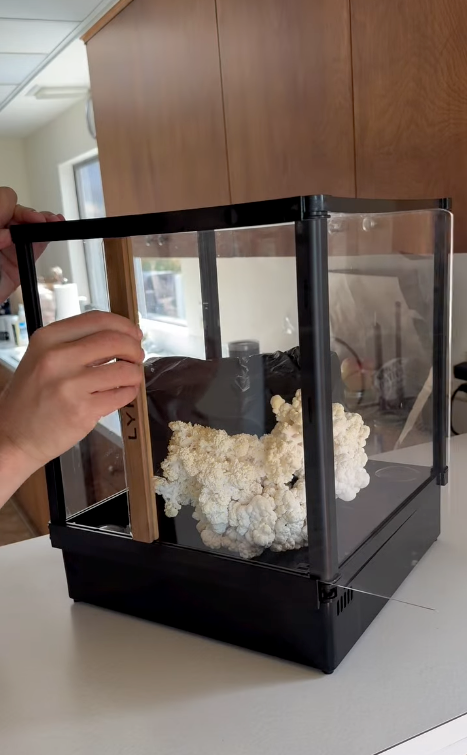
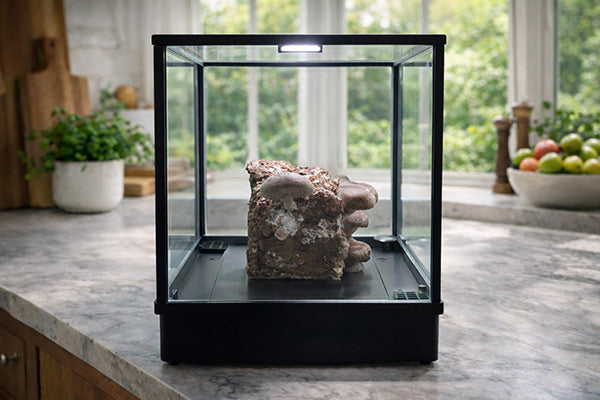
Smart Chamber. Obsidian Black Single
- Same hardware as Bone White
- Matte black premium finish
- Pairs with any kitchen palette

Mushrooms aren't just a side character anymore. They're having a moment, and for good reason.
The Nutritional Powerhouse You're Probably Ignoring
Here's what most people don't realize: mushrooms are one of the few non-animal sources of vitamin D. When exposed to UV light, they produce vitamin D2 just like your skin does. According to the USDA's 2025 nutrient database, UV-exposed mushrooms contain up to 450 IU of vitamin D per 100g serving.
They're also packed with:
- B vitamins (riboflavin, niacin, pantothenic acid)
- Selenium (powerful antioxidant)
- Potassium (more than a banana, per calorie)
- Beta-glucans (immune-supporting fiber)
And here's the kicker: mushrooms are about 90% water, so you get all this nutrition for roughly 22 calories per cup.
The Umami Factor Explained
Umami is the fifth taste, that savory, meaty depth that makes food satisfying. Mushrooms are loaded with natural glutamates, the compounds responsible for umami flavor.
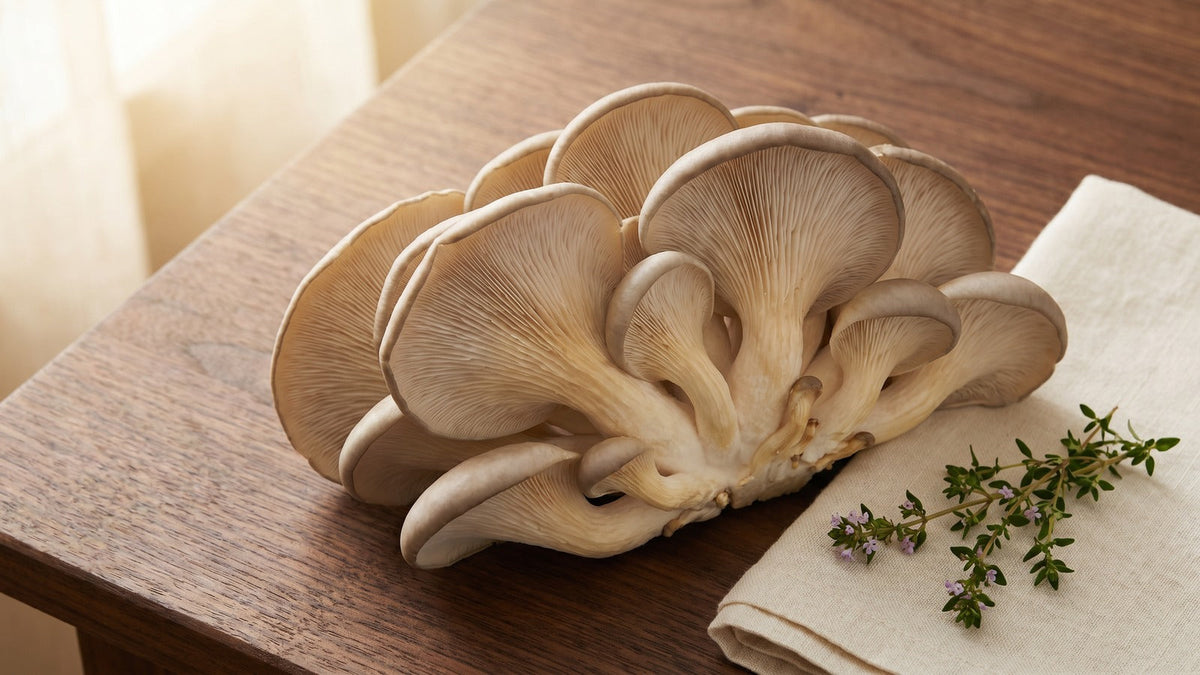
Different varieties pack different umami punches. Shiitake has very high umami levels and works perfectly in stir-fries and broths. Lion's mane offers medium-high umami and is excellent for steaks or as a crab cake substitute. Oyster mushrooms provide medium umami for tacos and pasta, while cremini and portobello work as all-purpose cooking mushrooms with medium umami levels.
The fresher your mushrooms, the more umami you get. That's why home-grown mushrooms taste dramatically better than week-old grocery store varieties. If you want to try this yourself, the Shiitake Mushroom Fruiting Block is a great starting point, shiitake has one of the highest umami concentrations of any edible mushroom.

The Foundation: How to Cook Mushrooms Properly
Before we dive into recipes, let's fix the biggest mistake people make.
The Dry-Sauté Method (This Changes Everything)
Most people add oil to a hot pan, then throw in mushrooms. Wrong approach.
Mushrooms are mostly water. When you add them to oil, they steam instead of sear. Result? Soggy, rubbery disappointment.
Here's the technique I use:
- Heat a dry pan over medium-high heat
- Add mushrooms in a single layer (don't crowd them)
- Don't touch them for 3-4 minutes
- Wait for the squeak, when mushrooms squeak against the pan, the water has evaporated
- Now add your fat (butter, olive oil, whatever you like)
- Season and finish with salt, garlic, herbs
This method creates golden, caramelized edges with meaty texture. It works for any mushroom variety.
Cleaning Without Waterlogging
Never soak mushrooms. They absorb water like sponges.
Instead:
- Use a damp paper towel to wipe off dirt
- For stubborn debris, use a soft brush
- If you must rinse, do it quickly and pat completely dry
Fresh home-grown mushrooms usually need minimal cleaning since they haven't been handled or transported.
10 Mushroom Recipe Ideas That Actually Deliver
Let me walk you through my favorites, organized by meal type.
Breakfast Mushroom Recipes
1. Mushroom and Herb Scrambled Eggs
Sauté sliced cremini or oyster mushrooms using the dry method. Add beaten eggs, fresh thyme, and a splash of cream. Fold gently. The mushrooms release their juices into the eggs, creating this incredible savory base.
2. Mushroom Toast with Soft Egg
Pile garlicky sautéed mushrooms on sourdough. Top with a soft-poached egg. Drizzle with good olive oil and flaky salt. Restaurant-level breakfast in 15 minutes.
Lunch Ideas
3. Lion's Mane "Crab" Cakes
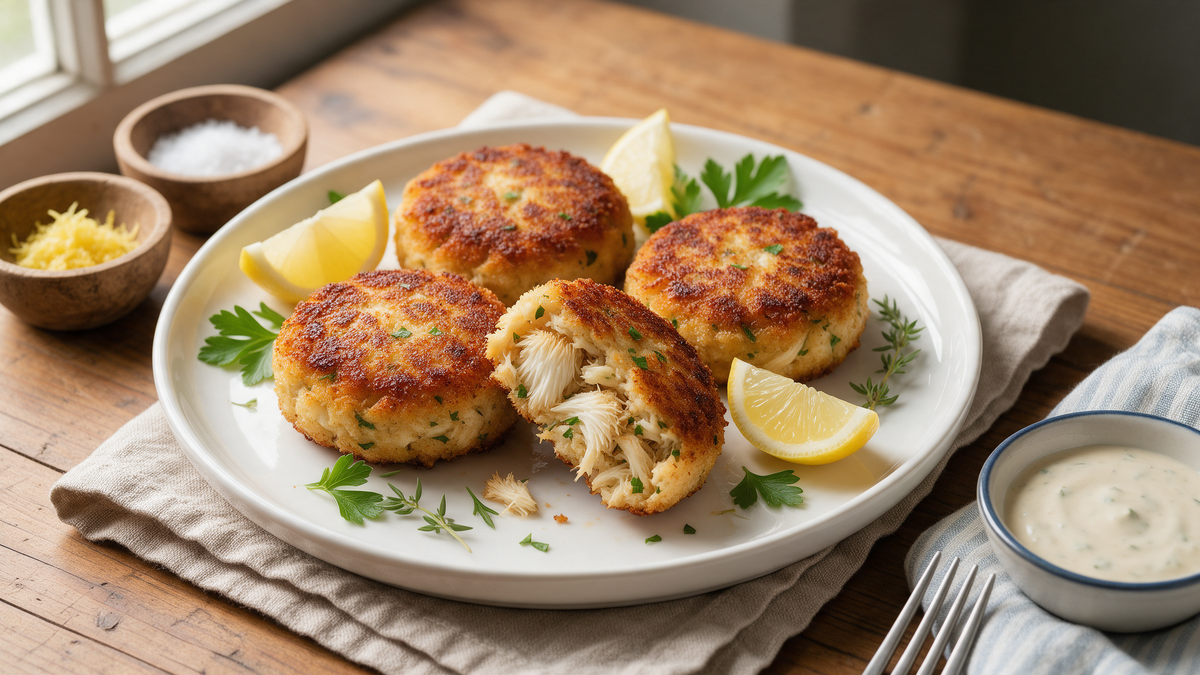
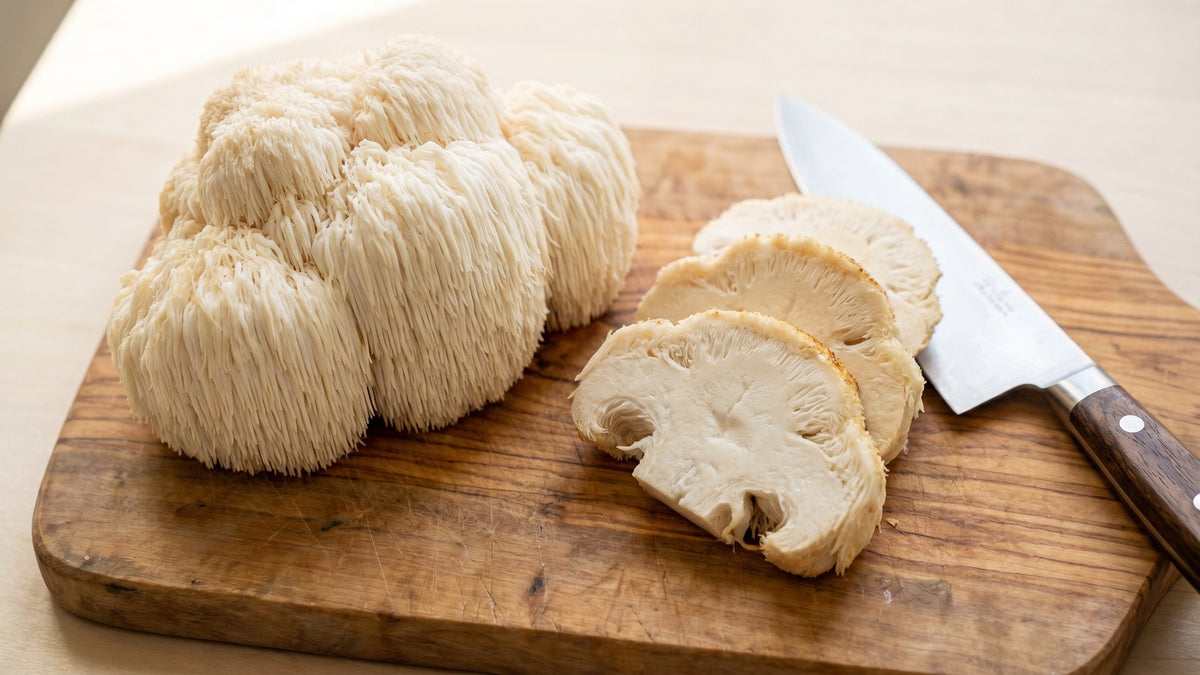
This blew my mind the first time I made it. Shredded lion's mane mushroom has a texture eerily similar to crab meat. Mix with mayo, Old Bay, breadcrumbs, and egg. Form into patties and pan-fry until golden.
Lion's mane is easy to grow at home, the Lion's Mane Mushroom Fruiting Block produces multiple harvests over several weeks. Great investment if you love this recipe.
4. Mushroom Grain Bowl
Roasted mixed mushrooms over farro or quinoa. Add pickled onions, avocado, and tahini dressing. Meal prep friendly, mushrooms reheat beautifully.

Dinner Recipes
5. Simple Mushroom Risotto
The key is mushroom stock. Simmer dried shiitake in water for 30 minutes, then use that liquid as your risotto base. Layer in fresh sautéed mushrooms at the end. Double mushroom intensity.

Fuel Your Mushroom Journey
Smart Mushroom Grow Chamber
Plug-and-play smart chamber with humidity, light, and airflow dialed in for every species. Beginners harvest their first flush in days, not months.
Add to cart $299For deeper shiitake inspiration, check out our guide to Shiitake Mushroom Recipes with more techniques for this versatile variety.
6. Crispy Mushroom Tacos
Tear oyster mushrooms into strips. Dry-sauté until crispy edges form. Season with cumin, smoked paprika, lime. Serve in charred tortillas with cabbage slaw and crema.
7. Mushroom Bourguignon
All the comfort of beef bourguignon, mushrooms instead. Use a mix of cremini and portobello for meatiness. The wine sauce clings to mushrooms beautifully.
8. Stuffed Portobello Caps
Remove the stems. Fill with a mixture of breadcrumbs, goat cheese, sun-dried tomatoes, and herbs. Bake until tender. Satisfying vegetarian main.
Side Dishes
9. Garlic Butter Mushrooms
The classic. Dry-sauté button or cremini mushrooms. Add ridiculous amounts of garlic and butter. Finish with parsley. Goes with literally everything.
10. Asian-Style Mushroom Stir-Fry
High heat, fast cooking. Soy sauce, sesame oil, ginger, scallions. Works with any mushroom variety. Serve over rice or noodles.
Advanced: Growing Your Own for Better Recipes
I'll be straight with you: the quality difference between home-grown and store-bought mushrooms is significant. It's like comparing garden tomatoes to those pale grocery store ones.
Why Fresh Matters for Cooking
Store-bought mushrooms are typically 5-10 days old by the time you buy them. They've lost moisture, flavor compounds have degraded, and texture suffers.
Home-grown mushrooms are:
- More flavorful (higher glutamate concentration)
- Better texture (firmer, less spongy)
- More nutritious (nutrients degrade during storage)
- Cheaper long-term (one block produces multiple harvests)
Getting Started Without the Hassle
If you're curious, the Smart Mushroom Grow Kit takes the guesswork out of home cultivation. It automates humidity and temperature, so you don't need mushroom-growing experience. Just add the fruiting block and wait.
I've found it produces restaurant-quality mushrooms in about 2-3 weeks from setup. Much fresher than anything at the store.

Cooking with Less Common Varieties
Want to level up beyond button mushrooms? Here are some varieties worth exploring.
Black Pearl Mushrooms
These have a slightly nutty, delicate flavor. They're gorgeous, almost too pretty to cook. But they hold up well to high heat and make any dish look gourmet. We have a full Black Pearl Mushroom Recipes guide if you want to dive deeper.
Reishi Mushrooms
Reishi is more of a wellness mushroom, bitter, woody, not something you'd sauté. But it makes incredible tea and can be simmered into broths for an earthy depth. Our Reishi Mushroom Recipe guide covers how to use this unique variety.
King Trumpet (King Oyster)
The thick stems are the star. Slice into "scallops" and sear hard. They caramelize beautifully and have a dense, meaty bite.
Frequently Asked Questions
What is the best mushroom variety for cooking beginners?
Cremini mushrooms (also called baby bella) are perfect for beginners. They're affordable, widely available, and forgiving to cook. Their mild, earthy flavor works in almost any recipe without overwhelming other ingredients.
How do you make mushrooms taste less rubbery?
The secret is high heat and patience. Use the dry-sauté method, cook mushrooms in a hot, dry pan without oil until they release their moisture. Only add butter or oil after they start to brown. Never crowd the pan.
Can you eat mushrooms raw in recipes?
Yes, some mushrooms are safe and delicious raw. White button, cremini, and fresh porcini work well in salads when thinly sliced. However, cooking mushrooms actually increases nutrient availability, particularly protein and certain vitamins.
What pairs well with mushrooms in recipes?
Mushrooms love aromatics like garlic, thyme, rosemary, and shallots. They complement earthy ingredients (lentils, potatoes, whole grains) and rich ones (cream, cheese, butter). Soy sauce and balsamic vinegar enhance their natural umami.
How long do fresh mushrooms last for cooking?
Store-bought mushrooms last 5-7 days refrigerated in a paper bag. Home-grown mushrooms stay fresh 7-10 days because they're harvested at peak freshness. Never store mushrooms in plastic, they need airflow.
Are mushroom recipes healthy for everyday eating?
Absolutely. Mushrooms are low-calorie (about 22 per cup), high in fiber, and contain no fat or cholesterol. They're rich in B vitamins, selenium, and potassium. Studies from 2024-2025 link regular mushroom consumption to improved immune function and reduced inflammation markers.
What's the fastest mushroom recipe for weeknight dinners?
Garlic butter mushrooms take under 10 minutes. Slice any mushroom variety, dry-sauté for 5 minutes, add butter and garlic for 2 minutes, season and serve. Pairs with steak, chicken, pasta, or crusty bread.
Conclusion: Your Next Steps with Mushroom Cooking
Let's recap what actually matters:
- Technique trumps recipe, master the dry-sauté method and every mushroom dish improves
- Variety matters, different mushrooms suit different dishes (shiitake for umami, lion's mane for texture, oyster for crispiness)
- Freshness is everything, home-grown mushrooms deliver noticeably better flavor and nutrition
- Start simple, garlic butter mushrooms or mushroom scrambled eggs before attempting risotto
- Experiment freely, mushrooms are forgiving and work in almost any cuisine
The best way to improve your mushroom cooking? Get your hands on the freshest mushrooms possible and practice that dry-sauté technique until it's automatic.
Ready to Taste the Difference?
Stop settling for sad grocery store mushrooms. The Smart Mushroom Grow Kit lets you harvest restaurant-quality mushrooms from your kitchen counter, no experience needed.
Fresh mushrooms in 2-3 weeks. Multiple harvests per block. Your recipes will never be the same.



Share:
Do Mushrooms Expire? Storage, Spoilage, and Shelf Life Explained
How to Make the Best Hungarian Mushroom Soup at Home