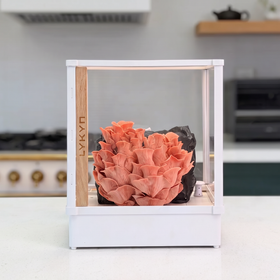



Yes, mushrooms do expire, but how fast depends on the form. Fresh mushrooms last 7 to 10 days refrigerated. Dried mushrooms keep for 6 to 12 months in a sealed jar (and often 1 to 2 years). Tinctures and powders stay potent for 1 to 3 years. Watch for sliminess, dark spots, and ammonia smell as the main spoilage signs.
Mushroom Shelf Life at a Glance
Here is the quick-reference table that answers the most common storage questions. Times below assume proper conditions: paper bag, main fridge compartment, airtight container for dried.

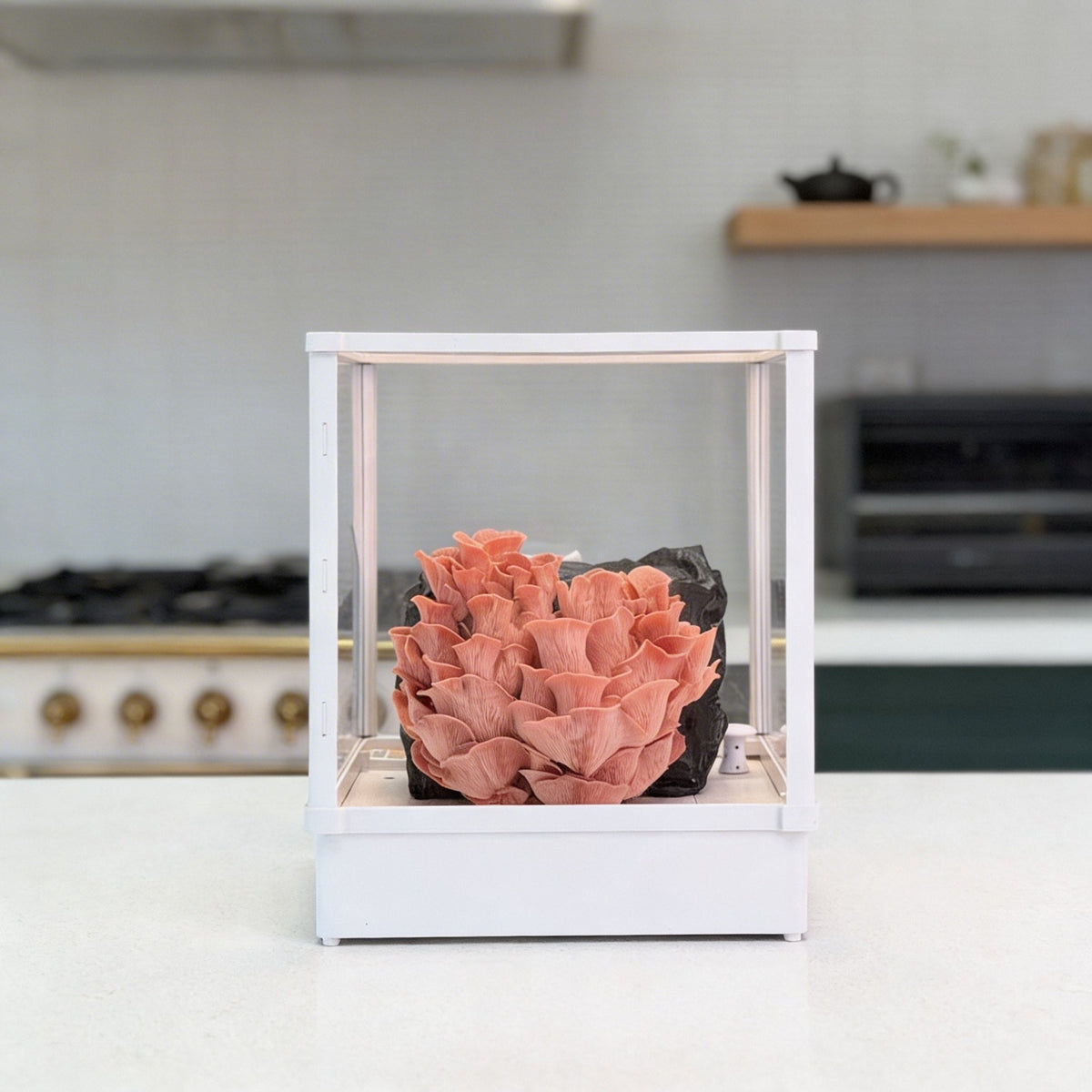
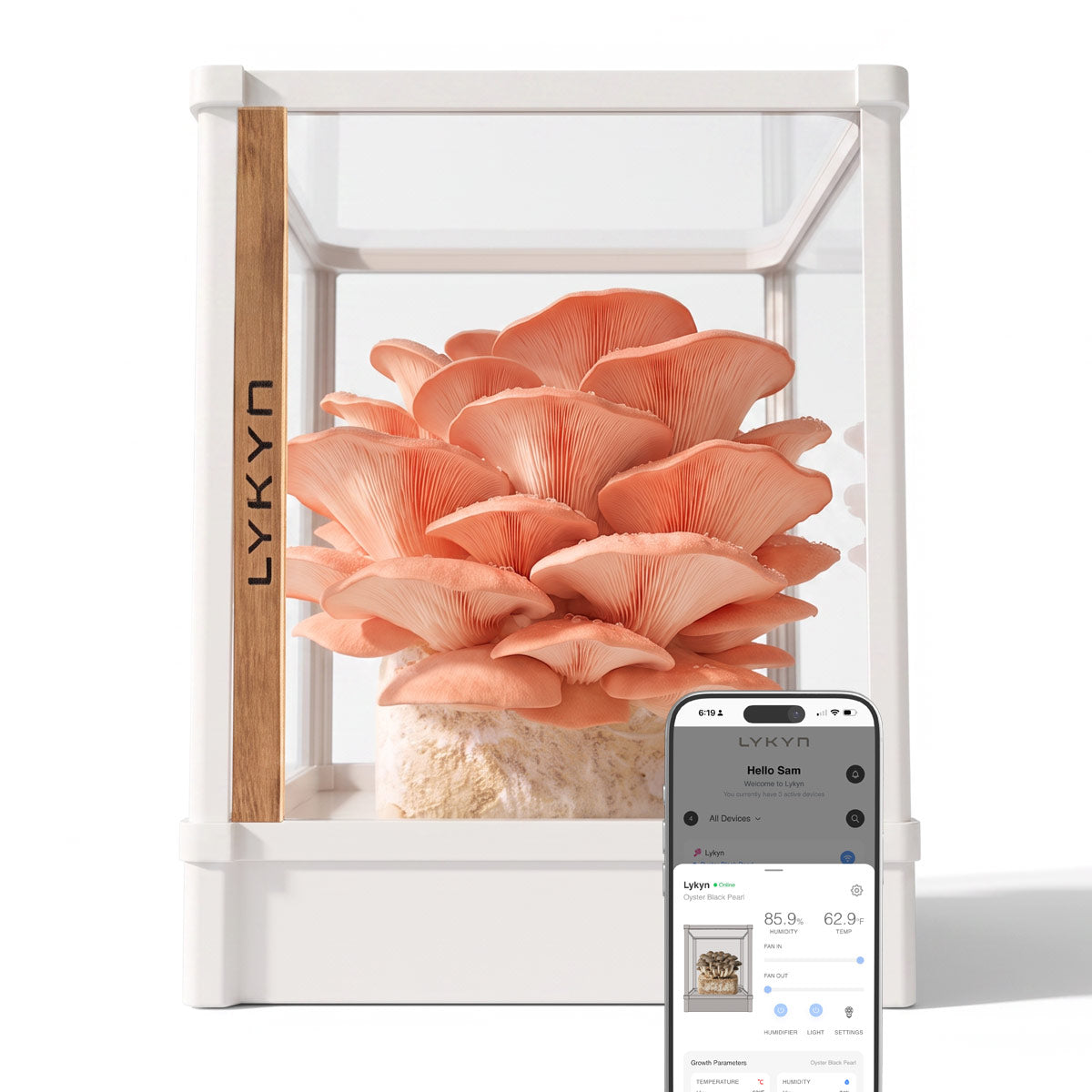
Smart Chamber. Bone White Single
- 2.8L tank, 90% humidity automatic
- App-controlled, plug-and-play
- 6 lb block ceiling, in stock

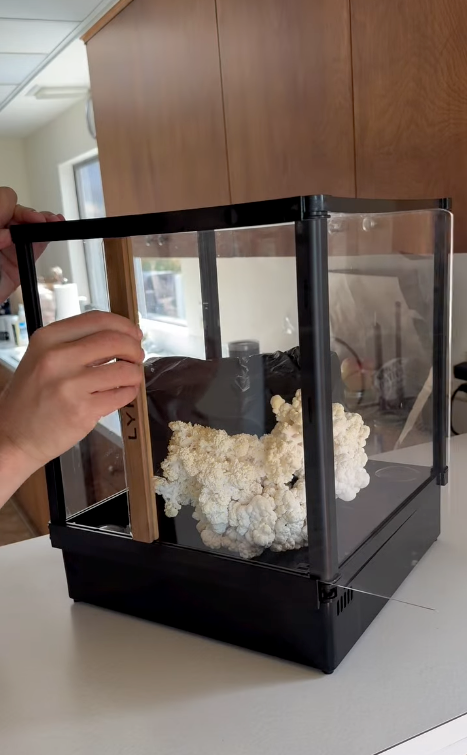
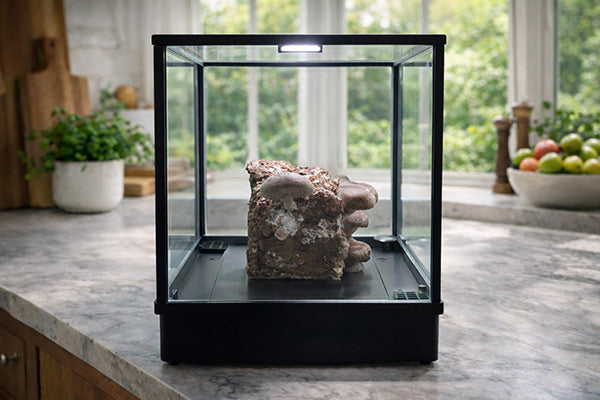
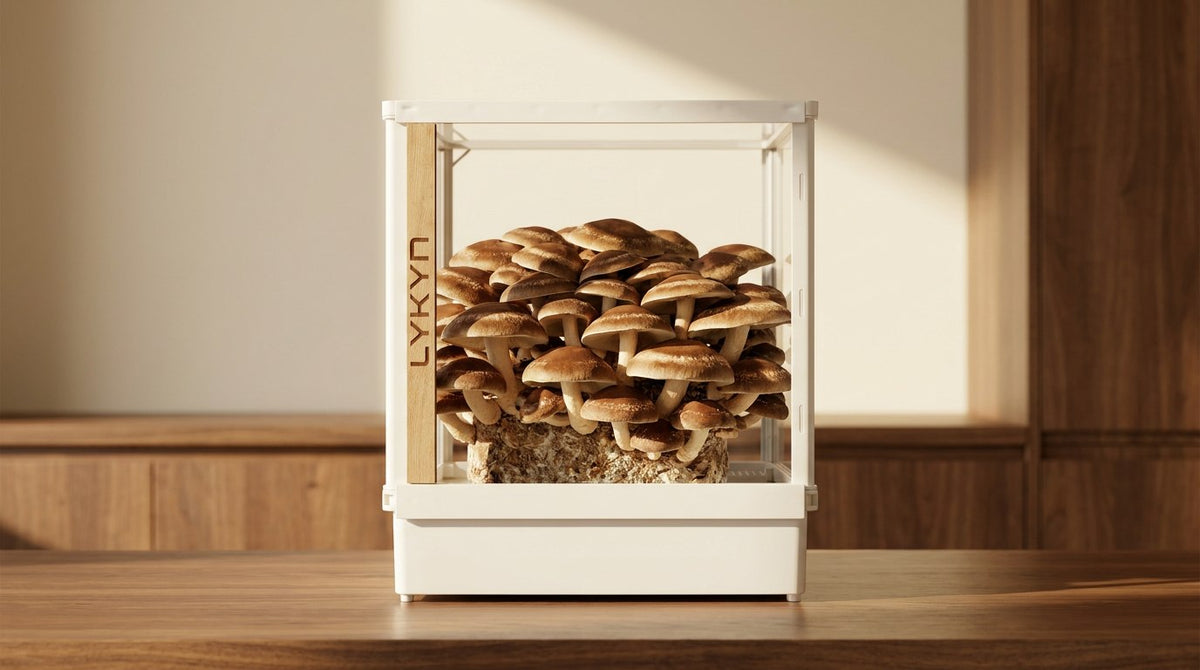
Smart Chamber. Obsidian Black Single
- Same hardware as Bone White
- Matte black premium finish
- Pairs with any kitchen palette

| Form | Refrigerated | Frozen | Room Temp |
|---|---|---|---|
| Fresh whole | 7 to 10 days | 6 to 9 months | 1 to 2 days |
| Fresh sliced | 5 to 7 days | 6 to 9 months | Less than 1 day |
| Cooked | 3 to 5 days | 8 to 12 months | Less than 2 hours |
| Dried | 1 to 2 years | Indefinite | 6 to 12 months |
| Powder | 1 to 2 years | 2 to 3 years | 1 to 2 years sealed |
| Tincture | Not required | Not required | 2 to 4 years |
If you want truly fresh mushrooms without the shelf-life clock ticking, you can grow at home and harvest only what you need that day. A countertop Smart Mushroom Grow Box delivers about 1.25 lb of fresh fruiting bodies in roughly 5 days, so spoilage stops being a question.
How to Tell if Mushrooms Have Gone Bad: 5 Signs
You do not need a lab. Your eyes, nose, and fingers will tell you what you need to know in about 10 seconds.
1. Sliminess on the Cap or Stem
Sliminess is the single biggest spoilage signal. Fresh mushrooms have a dry, slightly velvety surface. The moment the cap feels wet, slippery, or sticky, bacteria have started breaking the cell walls down. The slime layer is bacterial byproduct. No amount of rinsing or cooking makes them safe again.
2. Dark Spots, Bruising, or Black Patches
A handful of light brown spots on white button mushrooms is normal oxidation, and you can usually trim them off. Widespread darkening, black patches, or soft brown sections mean the flesh is decomposing. If more than 20 percent of the cap is discolored, discard the whole mushroom.
3. Wrinkled, Shriveled, or Leathery Texture
Mushrooms are about 92 percent water. When they lose moisture, the cap shrinks, the gills shrink back, and the surface looks crumpled. Wrinkled mushrooms are technically still safe if they pass the smell test, but the flavor is flat and the nutritional value drops. Dehydrate them deliberately or compost them.
4. Sour, Fishy, or Ammonia Smell
Fresh mushrooms smell earthy, mild, slightly sweet. A sour or vinegary note means lactic acid bacteria have moved in. A sharp ammonia smell means protein breakdown is well underway. Both are clear signals to toss the batch. The ammonia smell in particular is the breakdown of amino acids, and cooking does not neutralize it.
5. Soft, Mushy, or Liquid-Leaking Flesh
Press the cap gently. A fresh mushroom feels firm and springs back. A spoiled one feels mushy, leaves an indentation, or weeps brown liquid. Liquid leakage is bacterial slime mixed with cellular water. Done.
The full visual reference is below. If you grow at home using an indoor mushroom growing kit, you will almost never see these signs because you harvest at peak ripeness and cook within hours.
How Long Do Mushrooms Last by Variety
Different species have different baseline shelf lives. Density, water content, and gill structure all matter. Here is what to expect from each common variety stored in a paper bag in the main fridge.
| Mushroom Type | Refrigerated (35 to 38 deg F) | Room Temperature |
|---|---|---|
| Button (white) | 7 to 10 days | 1 to 2 days |
| Cremini (baby bella) | 7 to 10 days | 1 to 2 days |
| Portobello | 5 to 7 days | 1 day |
| Shiitake | 10 to 14 days | 2 to 3 days |
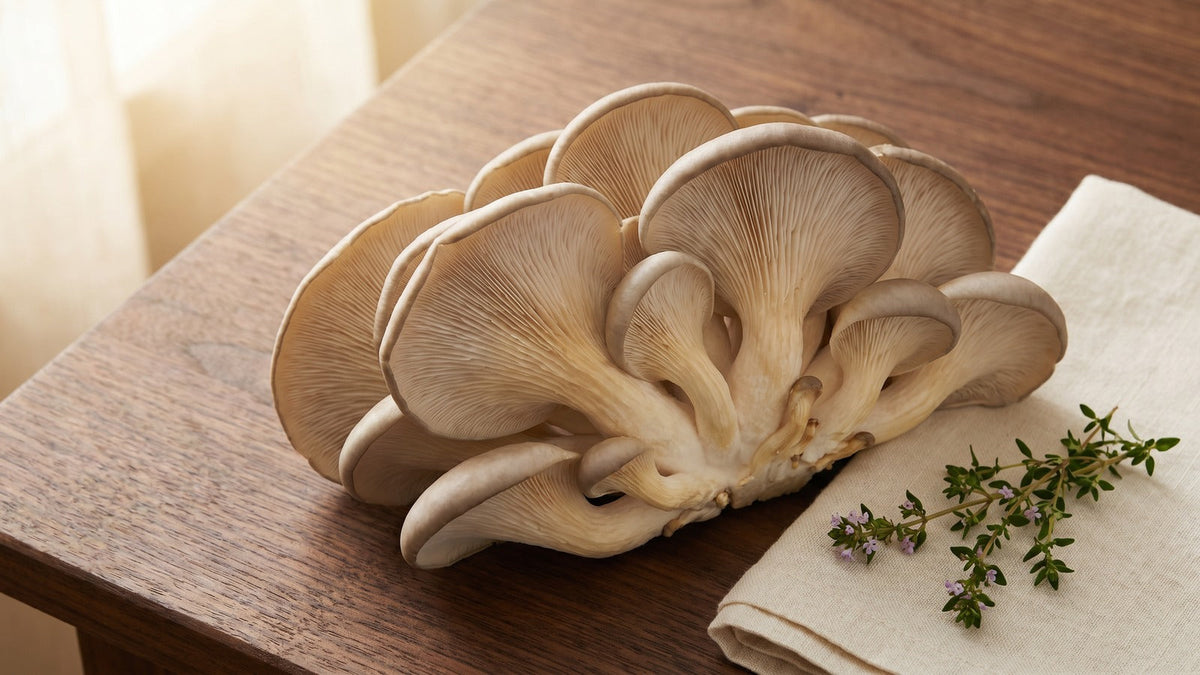
| Oyster | 5 to 7 days | 1 day |
| Pink Oyster | 3 to 5 days | Less than 1 day |
| Lion's Mane | 5 to 7 days | 1 to 2 days |
| Reishi (fresh) | 7 to 10 days | 2 to 3 days |
| Chestnut | 5 to 7 days | 1 to 2 days |
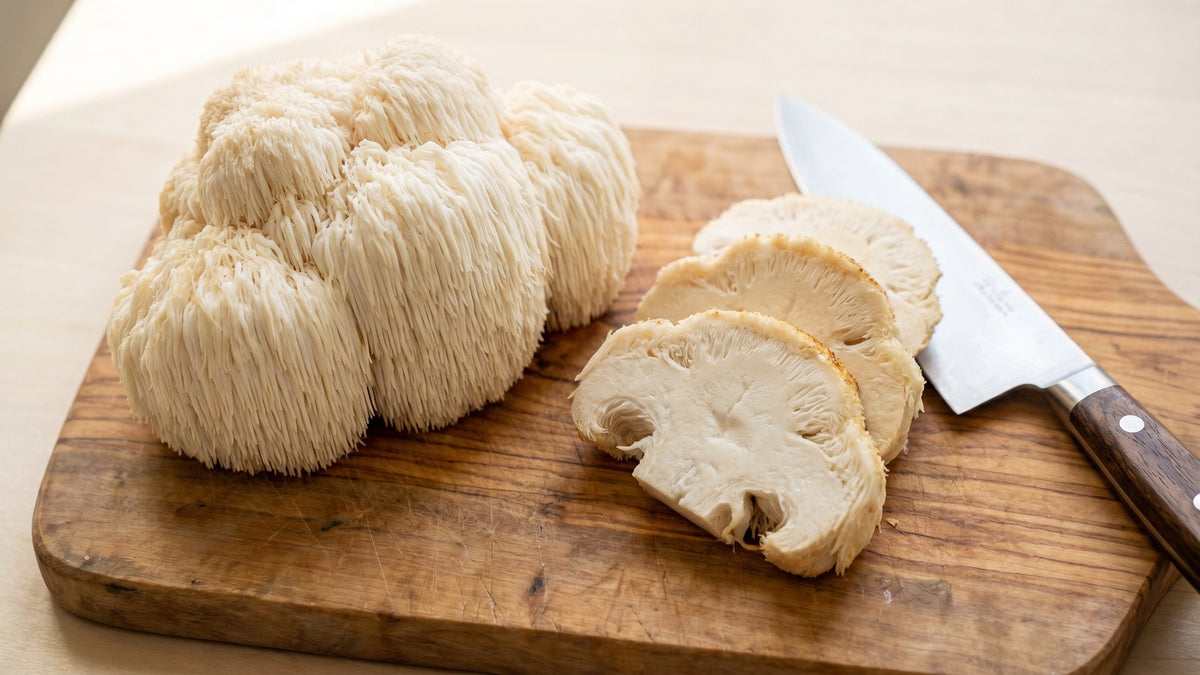
Lion's mane has one of the shortest fresh windows of any culinary mushroom because of its delicate spine structure. That is exactly why a lion's mane grow kit at home is so much more practical than buying it from a store. Harvest, eat, repeat. Tinctures and powders made from lion's mane last 1 to 3 years on the shelf, which is the other reliable route.
How to Store Mushrooms for Maximum Freshness
Proper storage doubles or triples shelf life. The biggest mistake is leaving mushrooms in plastic clamshells or sealed produce bags. Plastic traps respiration moisture, water sits on the caps, bacteria win.
The Paper Bag Method (Best, Not Plastic)
This is the gold standard for fresh mushrooms.
- Pull the mushrooms out of any plastic packaging right away. Plastic is the enemy.
- Place the mushrooms loose in a paper bag. A brown lunch bag is perfect.
- Fold the top loosely. Air needs to circulate, but not so much that the caps dehydrate.
- Store in the main fridge compartment. Not the crisper drawer. The crisper is designed to be humid, which is the opposite of what mushrooms want.
- Check every 2 to 3 days. Pull anyone that is starting to slime so the others do not catch the bacteria.
Paper absorbs excess respiration moisture while letting the mushrooms breathe. Simple, cheap, and it works every time.
The Damp Paper Towel Method
Wrap mushrooms in a barely damp paper towel and place them in an open container. This works well for 5 to 7 days if your fridge runs dry.
Freezing Mushrooms: Cook First
Raw frozen mushrooms turn mushy on thaw because ice crystals destroy the cell walls. The fix is to saute them first, then freeze.
- Slice mushrooms to your preferred thickness.
- Saute in a dry pan for 5 to 7 minutes until they release water and that water cooks off.
- Cool completely on a sheet pan.
- Pack into freezer bags, press the air out, label with the date.
- Use within 8 to 12 months for best flavor.
You can also blanch them for 2 minutes in salted water if you prefer that texture for soups and stews.
Drying Mushrooms at Home
Drying is the most reliable long-term preservation method. Properly dried mushrooms keep for 1 to 2 years and retain about 90 percent of their bioactive compounds, including beta-glucans.
- Slice evenly to about 1/4 inch (6 mm) thick.
- Arrange on a wire rack or dehydrator tray in a single layer without overlap.
- Dry at 110 to 130 deg F (43 to 54 deg C) for 6 to 12 hours, depending on the variety and humidity.
- Test for snap. A properly dried slice should snap, not bend.
- Cool, then store in airtight jars with a silica packet, away from light.
If you grow your own using a mushroom fruiting chamber, dry whatever you cannot eat in 48 hours. You will build up a year's worth of dried lion's mane, shiitake, and oyster without ever throwing one away.
Mushroom Tinctures and Powders: Shelf-Stable for Years
If you are using mushrooms for functional benefits (focus, immune support, sleep), tinctures and powders make the freshness question almost obsolete.
- Tinctures: 2 to 4 years sealed, 1 to 2 years opened. Alcohol or glycerin is the preservative.
- Powders: 1 to 2 years in a sealed pouch, less once opened. Keep in a cool dark cabinet.
- Capsules: 2 to 3 years if kept dry.
The trade-off is that potency does fade over time, even when the product is technically still safe. Beta-glucan content can drop 15 to 25 percent past the printed expiration. Use the freshest product you can, but do not stress about a few weeks over.

Fuel Your Mushroom Journey
Smart Mushroom Grow Chamber
Plug-and-play smart chamber with humidity, light, and airflow dialed in for every species. Beginners harvest their first flush in days, not months.
Add to cart $299Can Old Mushrooms Make You Sick?
Yes. Spoiled mushrooms can cause food poisoning, and the risk is real even if you cook them.
The most common culprits are Listeria monocytogenes, Salmonella, and various Pseudomonas species. These bacteria grow on the cap surface and inside the gill spaces as the mushroom breaks down. Symptoms typically appear 6 to 24 hours after eating and include:
- Nausea and vomiting
- Diarrhea (sometimes bloody in Salmonella cases)
- Stomach cramps
- Fever or chills
- Headache
Cooking kills most bacteria, but some bacterial toxins are heat-stable and will not break down at frying or boiling temperatures. That is why a high-heat saute on slimy mushrooms is not a rescue plan.
What to Do if You Ate Spoiled Mushrooms
For most healthy adults, mild food poisoning from spoiled cultivated mushrooms resolves on its own in 24 to 48 hours. Stay hydrated with water and electrolyte drinks. Eat plain food (rice, toast, bananas) once nausea passes.
Call your doctor or seek urgent care if you have:
- Fever above 102 deg F (39 deg C)
- Bloody diarrhea or vomit
- Signs of dehydration (no urine for 8+ hours, dizziness, racing heart)
- Symptoms lasting more than 48 hours
- Compromised immunity, pregnancy, or you are over 65
Note: this article is about spoiled cultivated mushrooms (the kind you buy or grow at home). Wild mushroom poisoning from Amanita, Galerina, and similar toxic species is a different emergency and requires immediate hospital care. The USDA's cold food storage chart and the FDA's general produce safety guidance are good additional references.
Fresh vs. Dried vs. Extract: Which Form Lasts Longest?
Each format has a clear use case. Pick by lifestyle, not by tradition.
| Format | Shelf Life | Best For | Considerations |
|---|---|---|---|
| Fresh | 5 to 14 days | Cooking, immediate use | Needs fridge, weekly shopping |
| Dried | 1 to 2 years | Long-term storage, cooking | Needs rehydration, denser flavor |
| Powder | 1 to 2 years | Smoothies, coffee, daily use | Easy dosing, no prep |
| Tincture | 2 to 4 years | Daily supplementation | Highest potency retention |
| Capsules | 2 to 3 years | Travel, convenience | Pre-measured, tasteless |
| Home-grown | Harvest fresh on demand | Peak flavor, zero waste | Needs a kit or chamber |
Honest take: unless you cook with mushrooms multiple times a week, buying fresh from a grocery store is the worst-value format. Half the bag goes slimy before you use it. Either commit to a countertop grow box so you harvest on demand, or switch the supplement portion of your routine to powders and tinctures so freshness never enters the equation.
If you want to push your daily routine deeper, our guide on which mushrooms are safe for animals and humans covers cross-species feeding questions that come up when you grow more than you can eat.
Frequently Asked Questions
How can I tell if mushrooms have gone bad?
Check four things: surface texture, color, smell, and firmness. Slimy or sticky caps, widespread dark spots, sour or ammonia smell, and mushy flesh all mean discard. A fresh mushroom is dry to the touch, evenly colored, smells earthy, and feels firm when pressed.
Can you eat mushrooms past their use-by date?
Yes, often. The "use-by" date is a quality guideline, not a hard safety cutoff. If the mushrooms still look firm, smell mild and earthy, and show no sliminess, they are usually safe for 2 to 3 days past the printed date. Cook them thoroughly. When any of the spoilage signs appear, throw them out regardless of the date.
Do dried mushrooms expire?
Dried mushrooms last 1 to 2 years in airtight containers, sometimes longer in the freezer. They rarely become unsafe (low water activity prevents bacterial growth) but they do lose flavor and bioactive potency over time. Discard if you see mold, smell musty, or notice insect damage.
Why do mushrooms get slimy in the fridge?
Sliminess comes from plastic packaging trapping respiration moisture. Mushrooms keep breathing after harvest. The water vapor they release condenses on the caps, bacteria grow in that water film, and you end up with slime. The fix is paper bag storage in the main fridge compartment (not the humid crisper).
Can old mushrooms make you sick?
Yes. Spoiled mushrooms can carry Listeria, Salmonella, and Pseudomonas, all of which cause food poisoning symptoms within 6 to 24 hours. Some bacterial toxins survive cooking, so a hot pan is not a rescue. When mushrooms show slime, dark patches, or sour smell, discard them rather than risk it.
Does freezing mushrooms ruin them?
Raw frozen mushrooms turn mushy on thaw because ice crystals burst the cell walls. Saute or blanch first, cool, then freeze. Cooked frozen mushrooms keep their texture and flavor for 8 to 12 months and work well in soups, stews, sauces, and casseroles.
How long do cooked mushrooms last in the fridge?
Cooked mushrooms last 3 to 5 days in an airtight container in the main fridge compartment (35 to 38 deg F). Reheat to 165 deg F (74 deg C) before serving. After 5 days, the texture suffers and the risk of bacterial regrowth climbs even if the cooked mushrooms look fine.
Are bruised or wrinkled mushrooms still safe?
Light bruising and slight wrinkling on otherwise firm, dry, earthy-smelling mushrooms is usually fine. Trim the bruised spots and use them in dishes where appearance does not matter (stocks, soups, sauces). If the wrinkling comes with sliminess or off smell, discard.
The Bottom Line on Mushroom Expiration
Here is what to walk away with.
- Fresh mushrooms expire in 7 to 10 days refrigerated, faster at room temperature, and almost overnight in plastic.
- Trust your senses. Slime, dark patches, off smell, mushy texture: any one is enough to discard.
- Paper bag in the main fridge compartment is the best storage method. Not plastic, not the crisper drawer.
- Cook first if you want to freeze. Raw frozen mushrooms turn mushy.
- Dried, powdered, and tincture forms last 1 to 4 years and are the right format for daily supplement use.
- When in doubt, throw it out. Food poisoning is not worth a few dollars saved.
If you find yourself throwing mushrooms out every week, the real fix is upstream. A smart mushroom grow box lets you grow about 1.25 lb of fresh fruiting bodies in roughly 5 days right on your countertop. You harvest only what you need that day, and the next flush is already cycling. The freshness clock never starts.
Ready to Stop Worrying About Mushroom Freshness?
You have two practical paths forward, depending on how you use mushrooms.
If you cook with mushrooms regularly, grow your own. The Lykyn Smart Mushroom Grow Box handles humidity, airflow, and lighting automatically. About 5 days from setup to first harvest, around 1.25 lb yield per block, 28+ species supported. Fresh on demand, every week, no slime.
If you use mushrooms for daily wellness, switch the supplement portion to shelf-stable formats: tinctures, powders, or capsules. The freshness clock simply does not apply.




Share:
How to Make Perfect Mushroom Risotto Every Single Time
How to Make Amazing Food with Mushroom Recipes (That Actually Taste Good)