


There's something magical about stumbling upon a cluster of golden chanterelle mushrooms peeking through the forest floor. These vibrant, trumpet-shaped fungi have captivated foragers, chefs, and mushroom enthusiasts for centuries with their delicate peppery flavor, distinctive fruity aroma, and stunning golden color. Unlike common grocery store varieties, chanterelles remain exclusively wild-harvested, a characteristic that makes each discovery feel like finding edible gold.
Whether you're a beginner forager curious about identifying your first chanterelle or an experienced mushroom hunter looking to deepen your knowledge, this comprehensive guide covers everything you need to know. From proper identification techniques and optimal foraging locations to cooking methods that highlight their unique flavor profile, you'll gain expert insights backed by mycological research and real-world foraging experience. By the end of this guide, you'll understand why chanterelles command premium prices ($30-40 per pound fresh) and why they're considered one of nature's most rewarding wild foods.

What Are Chanterelle Mushrooms? Understanding This Prized Wild Fungus

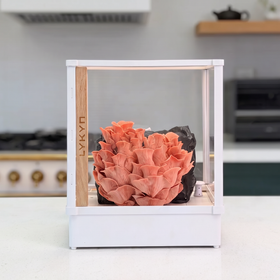
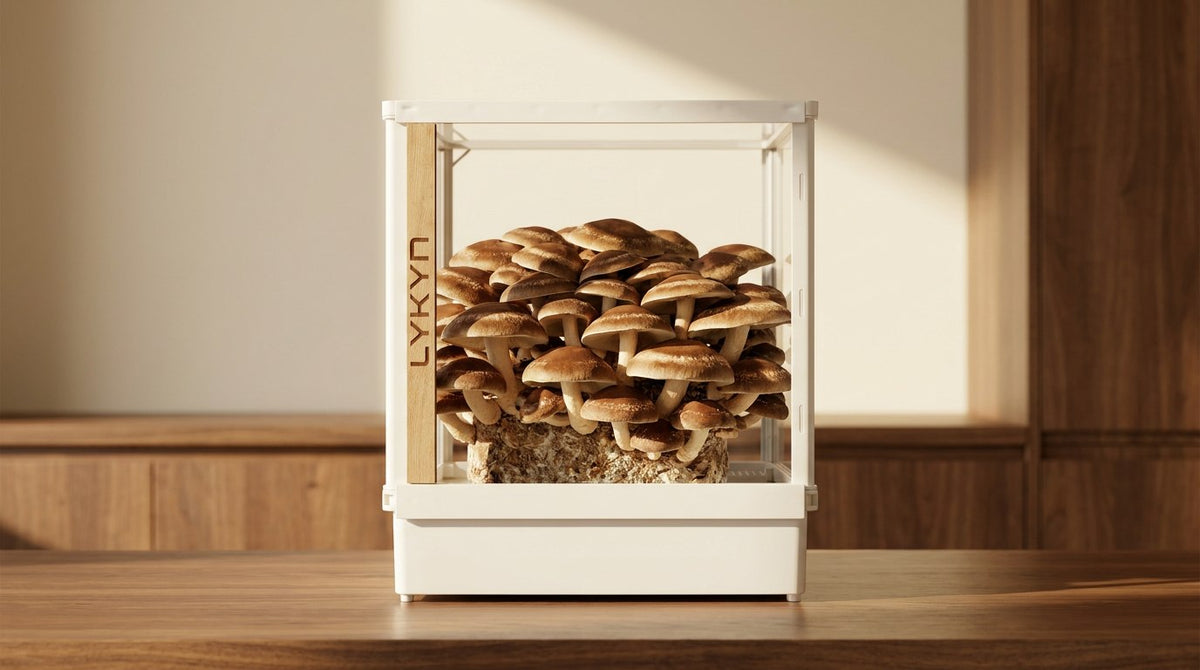
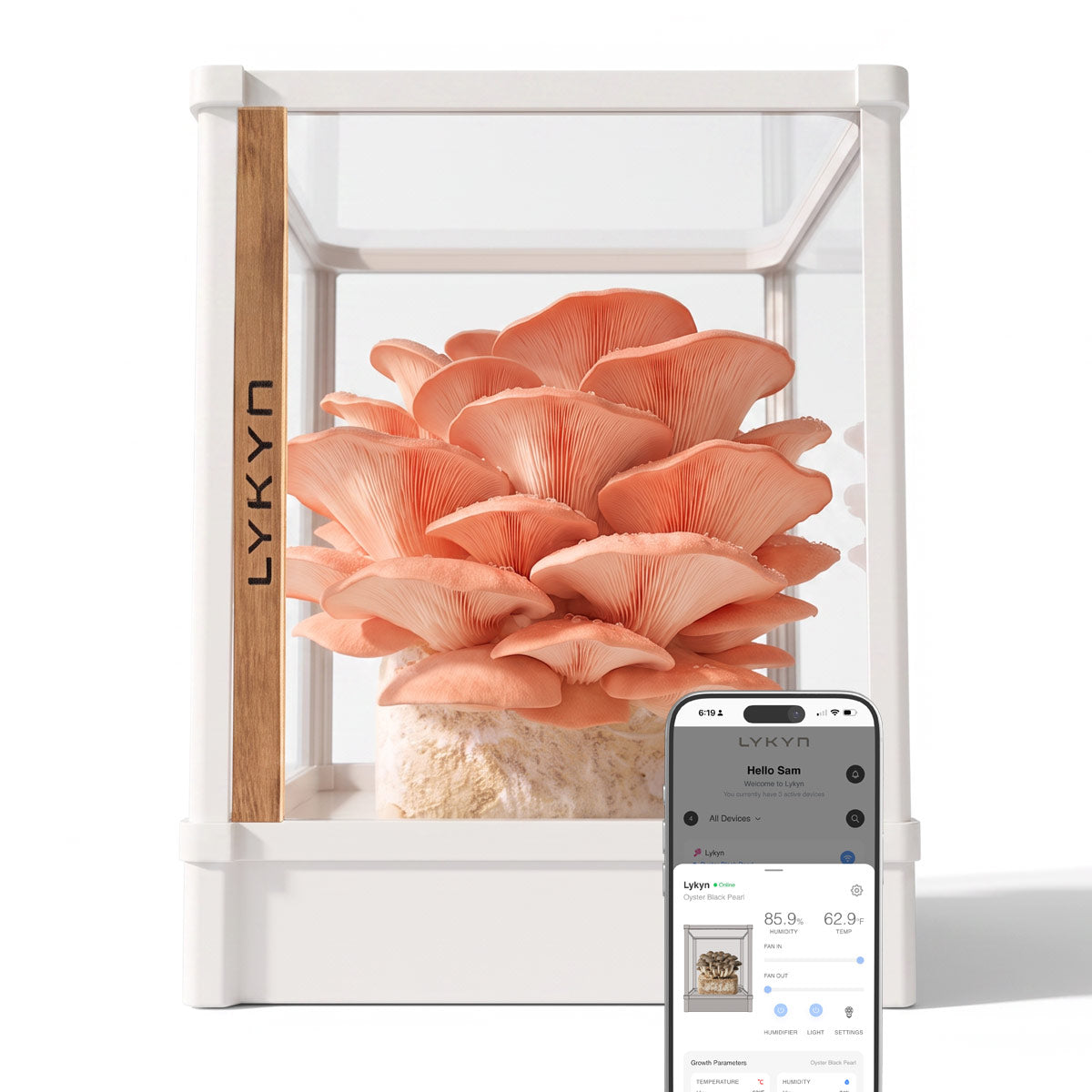
Smart Chamber. Bone White Single
- 2.8L tank, 90% humidity automatic
- App-controlled, plug-and-play
- 6 lb block ceiling, in stock

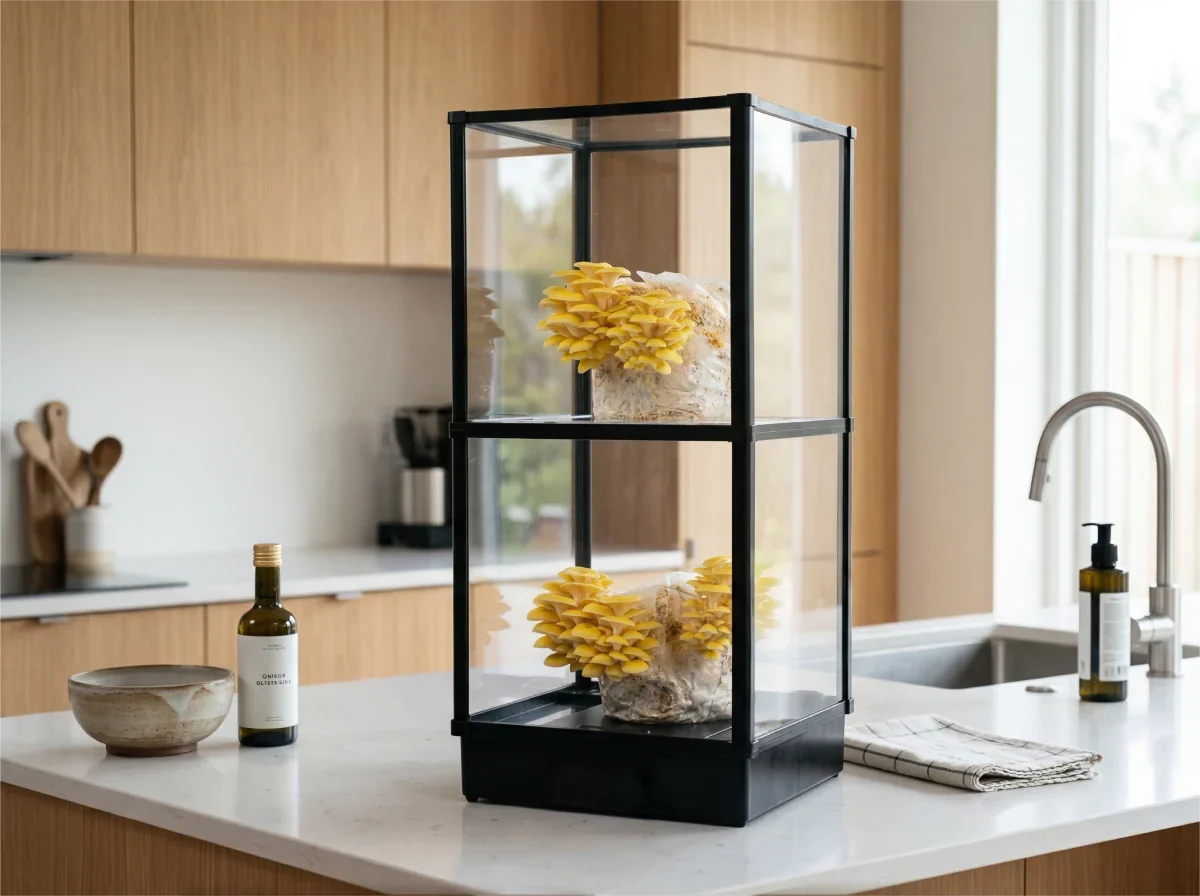
Smart Chamber. Obsidian Black Single
- Same hardware as Bone White
- Matte black premium finish
- Pairs with any kitchen palette

Scientific Classification and Characteristics
Chanterelle mushrooms belong to the genus Cantharellus, with the most common species being Cantharellus cibarius, the golden chanterelle. These ectomycorrhizal fungi form symbiotic relationships with tree roots, meaning they cannot be cultivated commercially like oyster mushrooms or shiitakes you might grow with a mushroom growing kit. This mycorrhizal dependence is what keeps chanterelles wild and relatively rare.
The golden chanterelle earned its scientific name from the Greek word "kantharos," meaning tankard or cup, referring to its distinctive funnel or vase-like shape. These mushrooms typically measure 2-5 inches in diameter, though specimens can occasionally reach up to 8 inches across in optimal conditions.
Physical Identification Features
Proper identification is crucial for safe foraging. Chanterelles display several distinctive characteristics that set them apart from both edible varieties and potentially toxic look-alikes:
Cap Appearance: The cap ranges from pale yellow to deep golden-orange or even apricot-colored. It starts convex in young specimens but develops a wavy, irregular margin as it matures, eventually forming a funnel or trumpet shape with age.
Gill Structure (Critical Feature): Unlike true mushrooms with blade-like gills, chanterelles have "false gills" or "veins" that are thick, blunt, forked ridges running down the stem. These folds look waxy and feel rounded rather than sharp when you run your finger along them. This is your most important identification feature for distinguishing chanterelles from dangerous look-alikes.
Stem Characteristics: The stem is solid (not hollow), firm, and continuous with the cap, there's no clear separation point. It tapers downward and matches the cap color, often being slightly paler.
Aroma: Fresh chanterelles emit a distinctive fruity scent often compared to apricots or peaches. This aromatic quality is so pronounced that experienced foragers can often smell patches of chanterelles before seeing them.
Flesh Texture: When cut, the flesh is white to pale yellow, firm, and solid throughout. The texture is meaty rather than delicate, and the flesh doesn't change color when bruised or cut.
Nutritional Profile and Health Benefits
Chanterelles aren't just culinary treasures, they're nutritional powerhouses. A 100-gram serving of raw chanterelles provides approximately:
- Calories: 38 kcal (extremely low-calorie)
- Protein: 1.5g
- Fiber: 3.8g (15% daily value)
- Vitamin D: 212 IU (53% daily value)
- Potassium: 506mg (14% daily value)
- Copper: 0.4mg (18% daily value)
Research published in the Journal of Agricultural and Food Chemistry (2024) identified significant levels of ergosterol in chanterelles, a compound that converts to vitamin D2 when exposed to UV light. This makes them particularly valuable for those seeking plant-based vitamin D sources.
Chanterelles also contain polysaccharides with potential immune-modulating properties, though they're not as extensively studied for medicinal benefits as species like reishi or turkey tail. For those interested in the medicinal aspects of fungi, our guide on edible mushrooms explores the broader therapeutic potential of various species.
Where and When to Find Chanterelle Mushrooms: Optimal Foraging Locations
Ideal Habitat and Geographic Distribution
Chanterelle mushrooms have specific habitat preferences that directly relate to their mycorrhizal partnerships with trees. Understanding these preferences dramatically increases your foraging success rate.
Tree Associations: Different chanterelle species associate with different tree types depending on the region:
- Eastern North America: Oak, beech, birch, and occasionally hemlock
- Pacific Northwest: Douglas fir, western hemlock, sitka spruce
- California: Oak and tanoak forests in coastal ranges
- Europe: Beech, oak, chestnut, and pine
Similar to how porcini mushrooms require specific tree partnerships, chanterelles won't appear in areas lacking their host species. Focus your search in mature forests with established tree systems rather than young plantations.
Soil and Environmental Conditions: Chanterelles prefer well-drained, slightly acidic soils with good moisture retention. Look for areas with mossy ground cover, which often indicates the right moisture and pH levels. They frequently appear on slopes where water drains naturally, preventing waterlogging while maintaining consistent moisture.
Regional Foraging Guides
The United States offers exceptional chanterelle foraging opportunities across multiple regions. Each area has its own peak season and specific considerations:
Pacific Northwest (Oregon, Washington, Northern California):
- Season: August through November, with peak in September-October
- Species: Golden chanterelle (C. cibarius), white chanterelle (C. subalbidus), winter chanterelle (Craterellus tubaeformis)
- Best Locations: Coast Range, Cascade Mountains, Olympic Peninsula
- This region produces the highest commercial chanterelle yields in North America
California:
- Season: November through March (winter rains trigger fruiting)
- Notable Areas: Coastal ranges, Sierra Nevada foothills
- For detailed California foraging information, check our comprehensive guide on edible mushrooms in California
Rocky Mountain Region:
- Season: June through September
- Species: Rocky Mountain chanterelle varieties
- Elevation: 9,000-11,000 feet in mixed conifer forests
- Our Colorado mushroom guide provides specific high-altitude foraging tips
Eastern United States:
- Season: June through September
- Preferred Habitats: Hardwood forests, particularly oak-dominated stands
- Regional guides: Wisconsin and Massachusetts offer excellent chanterelle hunting
Seasonal Timing and Weather Conditions
Timing is everything in chanterelle foraging. These mushrooms have specific fruiting triggers:
Weather Pattern Requirements:
- Initial Soaking Rains: 1-2 inches of rainfall over several days to penetrate deep into the soil
- Temperature Window: Consistent temperatures between 60-70°F (15-21°C)
- Subsequent Moisture: Light rains or heavy dew to maintain humidity
- Timing Delay: Fruiting bodies typically appear 7-14 days after ideal weather conditions
According to mycological surveys conducted by the Pacific Northwest Mycological Society (2025), chanterelle fruiting correlates strongly with cumulative rainfall patterns. Areas receiving 3-4 inches of rain over a two-week period followed by moderate temperatures see the most abundant flushes.
Peak Foraging Windows by Month:
- June-July: Early season in Rockies, late season in Eastern states
- August-September: Prime time Pacific Northwest, peak season Rockies
- September-October: Peak everywhere except California
- November-March: California winter chanterelles
Pro tip from experienced foragers: Return to successful spots annually. Chanterelles often fruit in the same locations year after year due to established mycelial networks with specific trees.
Critical Safety: Chanterelle Look-Alikes and How to Avoid Them
Never consume any wild mushroom without 100% positive identification. While chanterelles are relatively easy to identify, several look-alike species require your attention.
Dangerous Look-Alikes
Jack-O-Lantern Mushrooms (Omphalotus olearius/illudens):
- TOXIC. DO NOT EAT
- Similarity: Orange color, grows in forests
-
Key Differences:
- True blade-like gills (not false gills/ridges)
- Grows in dense clusters on wood/stumps (chanterelles grow individually from soil)
- Gills glow faintly in the dark (bioluminescence)
- Lacks fruity aroma (smells mushroomy)
- Toxicity: Causes severe gastrointestinal distress lasting 24-48 hours
False Chanterelle (Hygrophoropsis aurantiaca):
- Questionable Edibility. AVOID
- Similarity: Orange color, forest habitat
-
Key Differences:
- True gills that are thinner and more gill-like than chanterelle ridges
- Darker orange color, more uniform cap shape
- Hollow stem (chanterelles are solid)
- Grows on rotting wood (chanterelles from soil)
- Status: Causes digestive upset in some people; best avoided
Safe Identification Checklist
Before harvesting any chanterelle, verify ALL these characteristics:
✓ False gills that are thick, blunt, forked, and run down the stem
✓ Fruity apricot aroma (distinctive smell test)
✓ Solid stem that tapers downward and connects seamlessly to cap
✓ Growing from soil near specific tree types, not on wood
✓ Individual or scattered growth pattern, not dense clusters
✓ White to pale yellow flesh that doesn't change color when cut
✓ Waxy, smooth texture on gill ridges when touched
If even ONE characteristic doesn't match, don't harvest it. When starting out, forage with experienced guides or join mycological societies that offer identification workshops. The North American Mycological Association maintains certified foray leaders who can provide hands-on training.
For comprehensive safety protocols across multiple species, reference our detailed guide on rare mushrooms, which covers identification techniques for valuable wild fungi.
Harvesting Techniques and Sustainable Foraging Practices
Proper Harvesting Methods
Cut vs. Pull Debate:
The mycological community has reached consensus based on recent research from Oregon State University (2024): Both cutting and pulling chanterelles are acceptable and don't harm future yields. The key is minimizing soil disturbance.
Best Practice Harvesting Steps:
- Use a small knife to cut the mushroom at soil level, or gently twist and pull
- Brush off dirt and debris immediately to prevent contamination
- Place in a mesh bag (allows spores to disperse as you walk)
- Leave some mature specimens to release spores for future generations
- Cover exposed mycelium with leaf litter to prevent drying
Sustainable Foraging Ethics
Responsible foraging ensures chanterelle populations remain viable for future years:
Harvest Guidelines:
Fuel Your Mushroom Journey
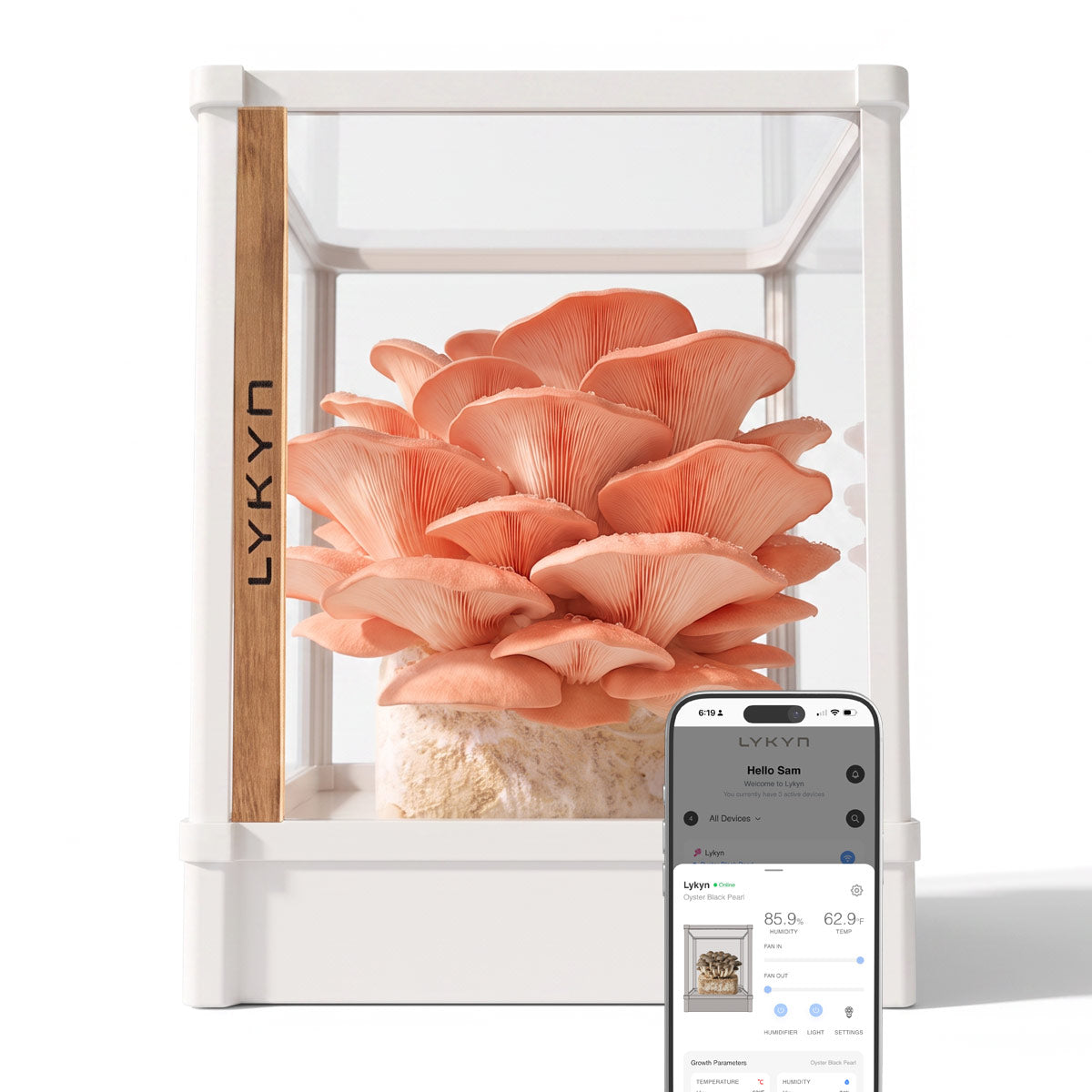
Smart Mushroom Grow Chamber
Plug-and-play smart chamber with humidity, light, and airflow dialed in for every species. Beginners harvest their first flush in days, not months.
Add to cart $299- Take only 25-30% of what you find in any given patch
- Avoid overharvesting small, immature buttons (let them mature)
- Don't rake or disturb forest floor extensively
- Leave specimens that are past prime (they're still releasing spores)
- Respect private property and obtain permission
- Follow local regulations (permits required in many national forests)
Legal Considerations:
Many public lands require permits for mushroom collection. For example:
- National Forests: Often allow personal use (1-2 gallons) without permits; commercial harvesting requires special use permits
- State Parks: Regulations vary dramatically; many prohibit all foraging
- BLM Lands: Generally allow personal collection in reasonable amounts
- Private Land: Always obtain explicit permission
The boom in chanterelle foraging has led to increased regulation. Check current rules before foraging, as regulations can change annually based on harvest pressures.
How to Cook Chanterelle Mushrooms: Recipes and Preparation Tips
Cleaning and Preparation
Chanterelles require gentle cleaning to preserve their delicate texture:
Cleaning Method:
- Use a soft brush or dry cloth to remove dirt (avoid washing if possible)
- If very dirty, quickly rinse under cool water and pat dry immediately
- Never soak chanterelles, they're highly porous and absorb water like sponges
- Trim the very bottom of stems if they're dry or dirty
- Cut larger specimens into uniform pieces for even cooking
Optimal Cooking Techniques
Sautéing (Best Method for Highlighting Flavor):
Chanterelles contain high water content (90%), so proper sautéing technique is crucial:
- Heat a dry pan to medium-high (no fat yet)
- Add chanterelles and cook 5-7 minutes, stirring occasionally
- As water releases, continue cooking until liquid evaporates
- Add butter or olive oil once mushrooms are dry
- Sauté additional 3-5 minutes until golden-brown
- Season with salt, pepper, and fresh herbs (thyme pairs beautifully)
This two-step method prevents steaming and allows for proper caramelization, concentrating the mushrooms' peppery flavor.
Recipe Inspirations:
Classic French Chanterelle Sauté:
- Ingredients: Chanterelles, butter, shallots, white wine, cream, thyme
- Perfect for: Topping steaks, mixing into pasta, serving over toast
- Key: Reduce cream until it coats mushrooms with silky texture
Chanterelle Risotto:
- Technique: Add sautéed chanterelles in final minutes of cooking
- Enhancement: Use mushroom soaking liquid (if dried) in stock
- Finish: Fresh parsley, parmesan, black pepper
Preserved Chanterelles:
- Pickling: Quick pickle in vinegar with garlic and bay leaves (lasts months)
- Drying: Dehydrate at 125°F for 6-8 hours; rehydrate for 20 minutes before use
- Freezing: Sauté first, then freeze (better texture than freezing raw)
For those exploring other mushroom types for food, cooking techniques often transfer between varieties, though each species has unique characteristics.
Flavor Pairings
Chanterelles' peppery, fruity notes pair exceptionally with:
- Proteins: Chicken, pork, duck, white fish, scallops
- Herbs: Thyme, tarragon, parsley, chives
- Aromatics: Shallots, garlic (use sparingly, don't overpower delicate flavor)
- Dairy: Butter, cream, gruyère cheese
- Acids: White wine, sherry, light vinegar
- Carbs: Egg pasta, polenta, crusty bread, potatoes
Why Chanterelles Can't Be Cultivated: The Mycorrhizal Challenge
Unlike species you can grow with mushroom fruiting blocks
at home, chanterelles remain stubbornly wild. Understanding why reveals the complexity of forest ecosystems.
The Mycorrhizal Relationship
Chanterelles are obligate ectomycorrhizal fungi, meaning they must form symbiotic relationships with specific tree roots to survive. This relationship is mutualistic:
What the Tree Provides:
- Photosynthetically-derived sugars and carbohydrates
- Root exudates that feed the fungal network
- Stable growing environment
What the Chanterelle Provides:
- Expanded surface area for water and nutrient absorption
- Access to phosphorus and nitrogen from decomposing organic matter
- Protection against certain root pathogens
This intricate relationship requires:
- Specific soil microbiome composition
- Precise pH and mineral balance
- Appropriate moisture levels
- Established tree root systems (typically 15+ years old)
- Complex chemical signaling between organisms
Commercial Cultivation Attempts
Despite decades of research and substantial financial incentives (fresh chanterelles command $30-40 per pound retail), no one has successfully cultivated chanterelles at commercial scale.
Research Challenges:
- Must simultaneously cultivate trees and establish mycorrhizal networks
- Fruiting triggers remain poorly understood
- Time to first harvest would be 5-10 years minimum
- Soil ecosystem complexity difficult to replicate
Some experimental plots have produced limited fruiting, but nothing approaching commercial viability. This biological barrier is what keeps chanterelles special, and expensive.
For immediate gratification, growers often turn to cultivatable gourmet species. The Lykyn Smart Mushroom Grow Kit offers an accessible way to grow oyster mushrooms, shiitake, and lion's mane with consistent results, providing fresh gourmet mushrooms while you wait for chanterelle season.
Frequently Asked Questions About Chanterelle Mushrooms
How can I tell if chanterelles are still good to eat?
Fresh chanterelles should feel firm, not slimy or mushy, and maintain their characteristic fruity aroma. Avoid specimens with dark spots, excessive moisture, or an off-smell. Fresh chanterelles last 7-10 days refrigerated in a paper bag. If they develop a strong fermented or unpleasant odor, discard them immediately.
Can you eat chanterelle mushrooms raw?
While not toxic, chanterelles should always be cooked before eating. Raw chanterelles contain chitin that's difficult for humans to digest and can cause mild stomach upset. Cooking breaks down cell walls, improves digestibility, and enhances flavor. Always sauté or cook thoroughly before consumption.
What's the best way to store fresh chanterelle mushrooms?
Store unwashed chanterelles in a paper bag (never plastic) in the refrigerator crisper drawer. The paper absorbs excess moisture while preventing drying. Don't wash until ready to cook. Properly stored, they'll last 7-10 days. For longer storage, sauté and freeze, or dry them completely.
How much do chanterelle mushrooms cost per pound?
Fresh chanterelles typically cost $30-40 per pound at farmers markets or specialty stores during peak season. Prices can reach $50-60 per pound early or late season when availability is limited. Dried chanterelles command premium prices of $150-225 per pound due to concentration and year-round availability.
Are there any poisonous mushrooms that look like chanterelles?
Yes, jack-o-lantern mushrooms are the primary toxic look-alike. However, they're distinguishable by their true blade-like gills, dense cluster growth pattern, and lack of fruity aroma. False chanterelles also resemble golden chanterelles but have thinner gills. Always verify false gill ridges, fruity smell, and solid stem before harvesting.
What time of day is best for foraging chanterelles?
Early morning foraging offers several advantages: mushrooms are freshest after overnight moisture, forest temperatures are cooler, fewer foragers competing for spots, and better lighting for photography. However, chanterelles can be successfully foraged any time of day during their season. The key is visiting shortly after appropriate rainfall.
Can I freeze fresh chanterelle mushrooms?
Yes, but sauté them first for best results. Freezing raw chanterelles creates a mushy texture when thawed due to their high water content. Sauté until moisture evaporates, cool completely, then freeze in airtight containers for up to 6 months. This method preserves flavor and texture much better than raw freezing.
Conclusion: Embracing the Hunt for Golden Treasures
Chanterelle mushrooms represent more than just a culinary delicacy, they're a connection to wild places, seasonal rhythms, and the intricate relationships that sustain forest ecosystems. From their distinctive false gills and fruity apricot aroma to their refusal to be cultivated, every aspect of chanterelles reinforces their special status among wild edibles.
Key Takeaways:
- Identification is paramount: Master the false gill structure, fruity aroma, and solid stem before harvesting
- Location matters: Focus on mature forests with appropriate tree species and well-drained, mossy soils
- Timing is crucial: Visit 7-14 days after significant rainfall during your region's chanterelle season
- Cook properly: Always sauté to release moisture first, then brown in butter for optimal flavor
- Forage responsibly: Harvest sustainably, respect regulations, and preserve habitat for future generations
Whether you're planning your first chanterelle hunt or refining your foraging skills, remember that successful mushroom hunting combines knowledge, patience, and respect for nature. While you're waiting for the perfect weather conditions to trigger your local chanterelle flush, consider expanding your mushroom expertise through home cultivation of other gourmet varieties.
Ready to Deepen Your Mushroom Knowledge?
While chanterelles remain beautifully wild and uncultivatable, you can develop your mushroom expertise by growing gourmet varieties at home. The Lykyn Smart Mushroom Grow Kit provides hands-on experience with mushroom biology, fruiting conditions, and cultivation techniques, skills that translate directly to better foraging success.
Start Your Mushroom Journey Today: ✓ Grow fresh oyster mushrooms in just 7-10 days
✓ Learn the humidity and temperature requirements that apply to wild foraging
✓ Develop identification skills through hands-on mushroom cultivation
✓ Enjoy year-round fresh gourmet mushrooms while awaiting chanterelle season
AllShop Mushroom Growing Equipment Now and transform your kitchen into a year-round mushroom lab. Limited-time offer: Save 15% on your first grow kit with code CHANTERELLE2026 at checkout.
Plus, join our foraging community by subscribing to the Lykyn newsletter, get seasonal foraging guides, exclusive recipes, and notifications when wild mushroom content drops. Don't miss another chanterelle season!



Share:
How to Grow Mushrooms Using Block Mushroom Kits: Your Complete Guide
How to Make Perfect Mushroom Risotto Every Single Time