


There's something magical about wandering through a forest with a basket in hand, scanning the ground for that first glimpse of a wild mushroom emerging through the moss. Mushroom foraging connects you with nature in a profound way while rewarding you with fresh, gourmet fungi that money often can't buy. Whether you're searching for prized morel mushrooms in spring or hunting golden chanterelles in summer, this comprehensive mushroom foraging guide will teach you everything you need to know for safe, successful, and sustainable wild mushroom hunting.
Foraging wild mushrooms may seem intimidating at first, but with proper knowledge, careful identification skills, and respect for nature, anyone can learn this rewarding hobby. This guide covers essential safety protocols, identification techniques, best foraging locations, seasonal timing, legal considerations, and the equipment you'll need to start your mushroom hunting journey today.
Why Forage for Wild Mushrooms?

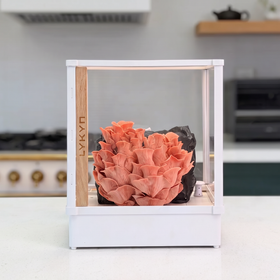
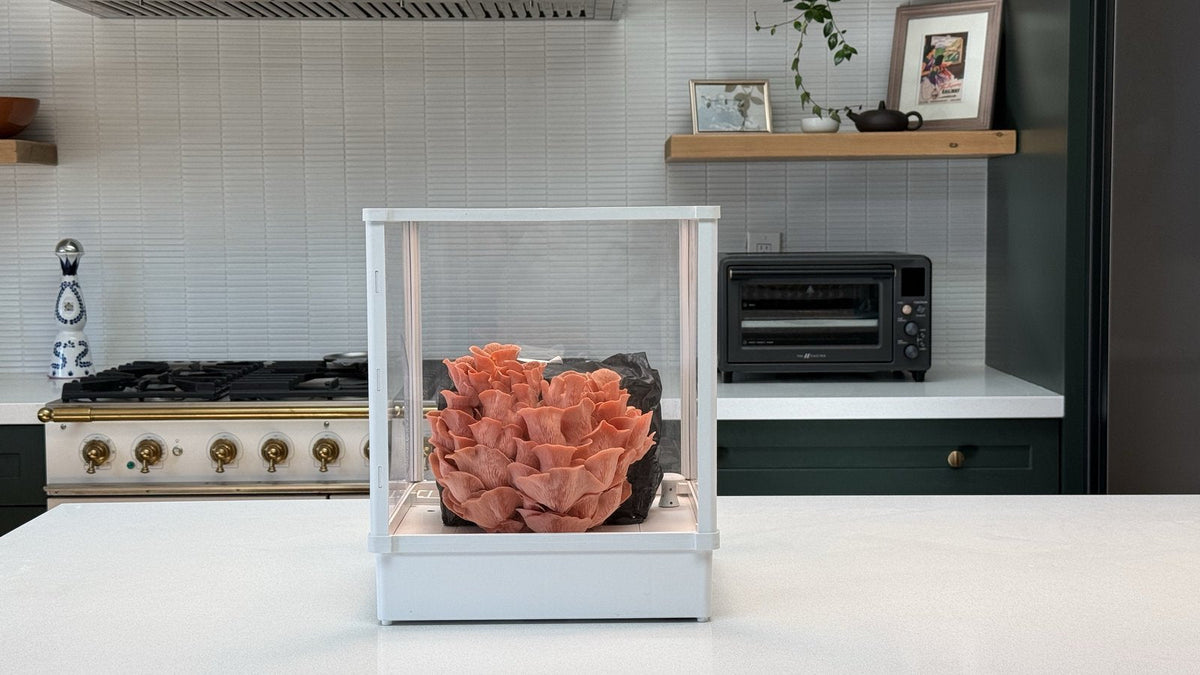
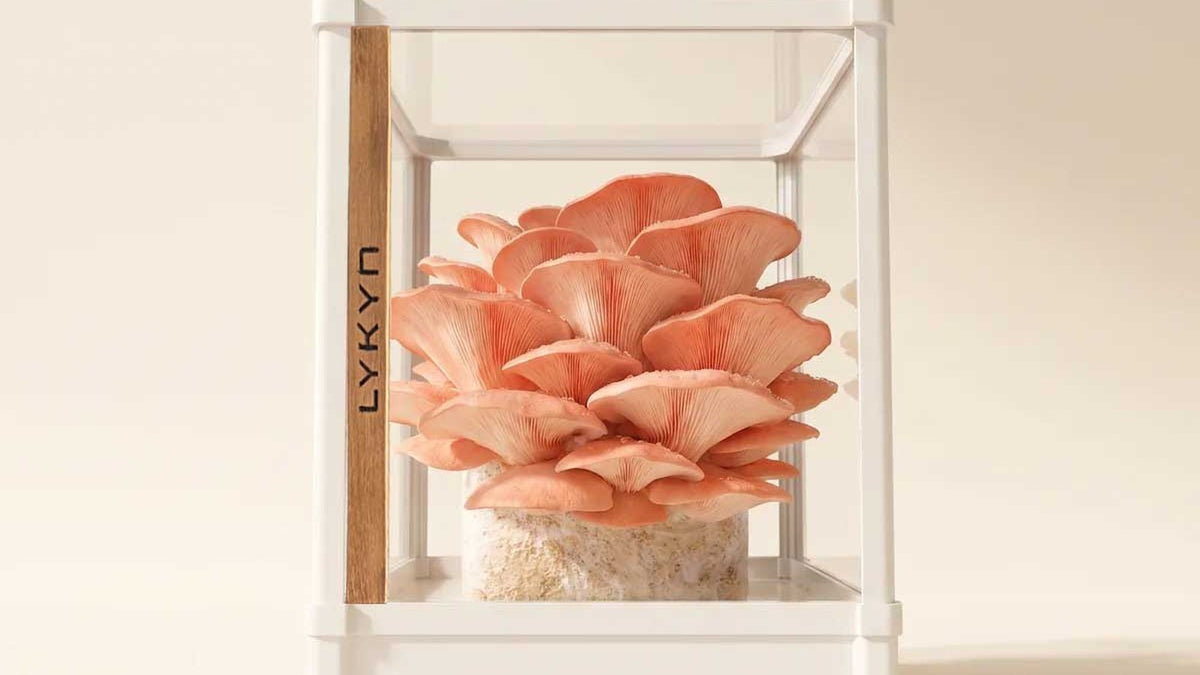
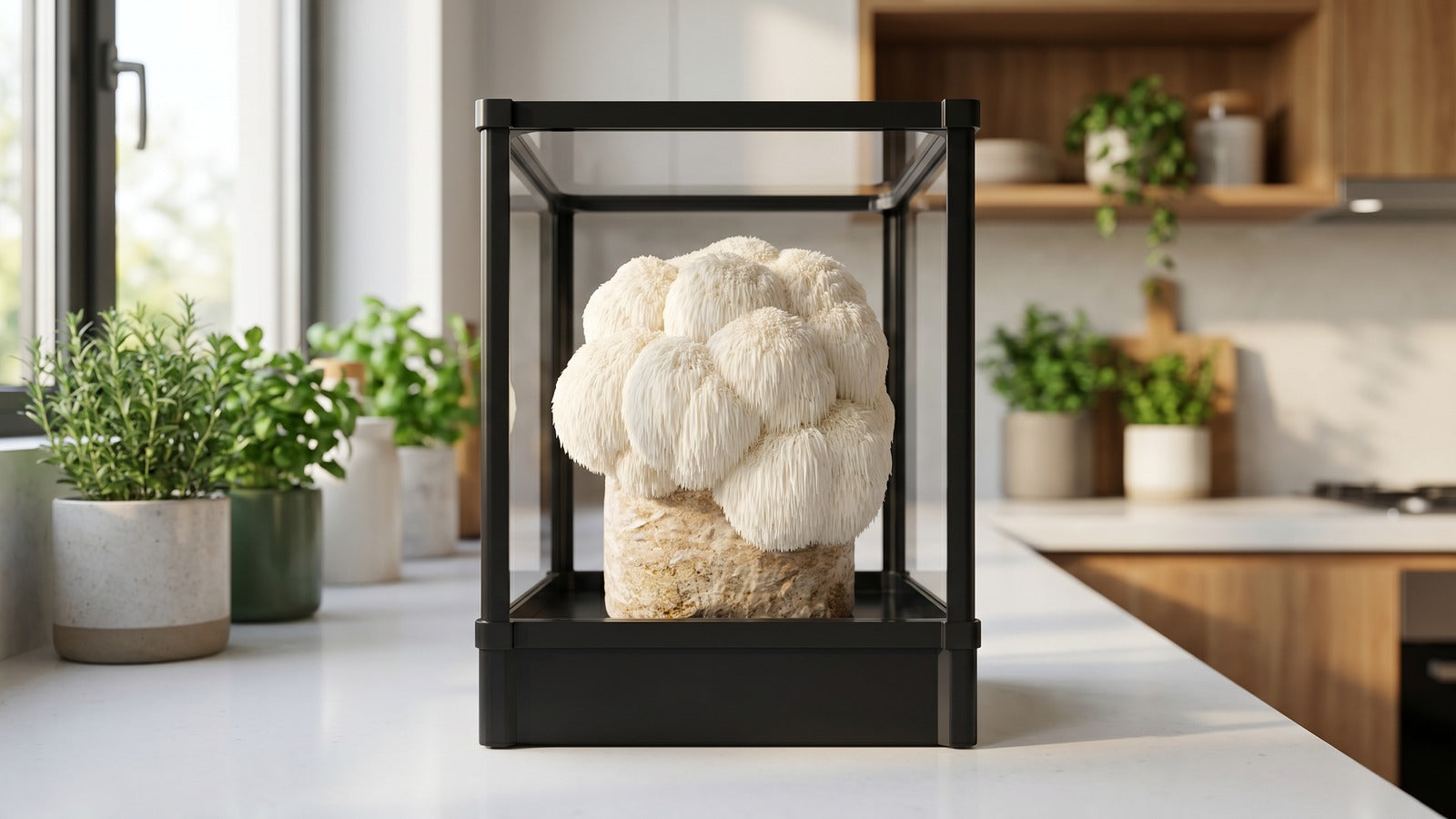
Smart Chamber. Bone White Single
- 2.8L tank, 90% humidity automatic
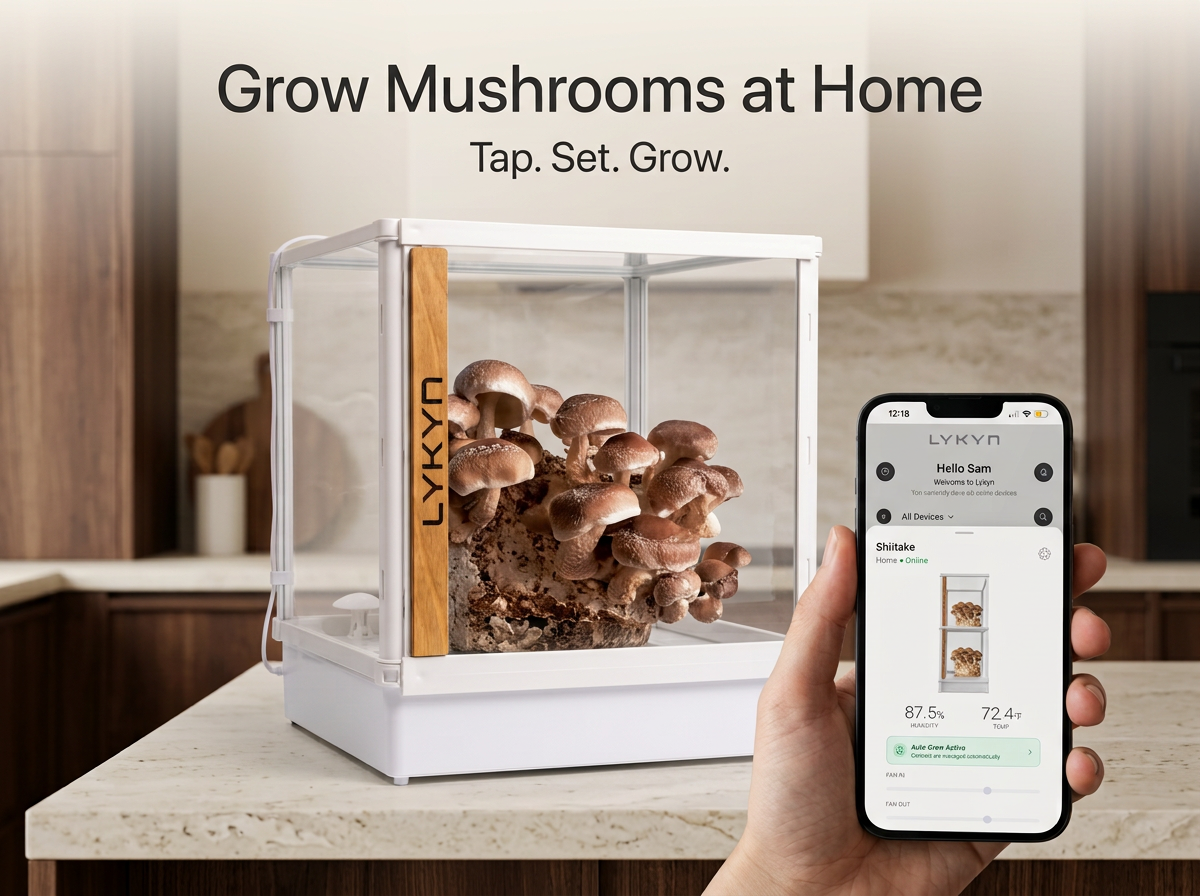
- App-controlled, plug-and-play
- 6 lb block ceiling, in stock

Smart Chamber. Obsidian Black Single
- Same hardware as Bone White
- Matte black premium finish
- Pairs with any kitchen palette

Before diving into the practical details, let's explore what makes mushroom foraging such a compelling activity that draws thousands of enthusiasts into the woods each year.
Connection with nature: Foraging creates a direct relationship with the natural world. You'll develop intimate knowledge of forest ecosystems, seasonal patterns, and the intricate relationships between fungi, trees, and soil.
Culinary treasures: Wild mushrooms offer flavors and textures impossible to replicate with cultivated varieties. Chanterelles, morels, porcini, and hen of the woods command premium prices at restaurants for good reason, their taste is extraordinary.
Health benefits: Wild mushrooms are packed with nutrients, antioxidants, and bioactive compounds. Many foraged varieties offer superior nutritional profiles compared to store-bought options. Learn more about mushroom health benefits in our comprehensive guide.
Cost savings: Premium wild mushrooms cost $15-60 per pound at specialty markets. Foraging lets you harvest these gourmet ingredients for free while enjoying time outdoors.
Sustainable harvest: When done responsibly, mushroom foraging is incredibly sustainable. You're harvesting the fruit of an underground organism without harming the mycelial network that will produce more mushrooms next season.
Community and tradition: Mushroom hunting connects you to centuries of foraging tradition. Joining local mycological societies introduces you to passionate communities eager to share knowledge.
Critical Safety Rules Every Forager Must Follow
Before you take a single step into the forest, understand this: mushroom foraging can be dangerous if done carelessly. Several deadly poisonous mushrooms exist in North America, and some closely resemble edible varieties. Following these safety rules without exception is absolutely essential.
Rule #1: Never Consume a Mushroom Unless You're 100% Certain of Its Identity
This is the golden rule of mushroom foraging. "Pretty sure" or "mostly confident" is NOT good enough. Deadly mushrooms like destroying angels (Amanita species) and death caps (Amanita phalloides) can cause fatal liver failure, and no effective treatment exists once symptoms appear.
Many toxic mushrooms closely resemble edible varieties. For example, deadly death caps can be mistaken for edible paddy straw mushrooms or Caesar's mushrooms by inexperienced foragers.
Rule #2: Use Multiple Identification Sources
Never rely on a single source for identification. Cross-reference findings with:
- Multiple field guides specific to your region
- Online resources and forums
- Experienced foragers or mycologists
- Local mushroom clubs and identification workshops
Even with multiple sources, remember the forager's motto: "When in doubt, throw it out."
Rule #3: Never Rely Solely on Apps or Photos
Mushroom identification apps can be helpful tools, but they're NOT sufficient for safe identification on their own. Many apps misidentify deadly mushrooms as edible varieties. Photos can't capture important features like odor, texture, or how the mushroom bruises when handled.
Rule #4: Learn the Deadly Mushrooms in Your Area
Before learning edible mushrooms, learn the deadly ones in your region:
Destroying Angels (Amanita virosa, A. bisporigera): Pure white mushrooms with white gills, a ring on the stem, and a cup-like volva at the base. Extremely toxic, responsible for most mushroom fatalities in North America.
Death Cap (Amanita phalloides): Greenish to yellowish caps with white gills, ring, and volva. Originally from Europe but now established in North America, particularly California and the Pacific Northwest.
Deadly Galerina (Galerina marginata): Small brown mushrooms that can be confused with edible mushrooms like honey mushrooms. Contains the same toxins as Amanitas.
False Morels (Gyromitra species): Can resemble true morels to beginners. Contain toxins that affect some people severely. Always verify morel identification carefully.
For detailed identification of safe varieties, check our meadow mushroom foraging guide which covers lookalikes extensively.
Rule #5: Start with a Mentor
The best way to learn mushroom foraging safely is from an experienced teacher. Join local mycological societies, attend guided forays, and learn from experts before attempting independent collection. Many nature centers and mushroom clubs offer beginner identification courses.

Essential Equipment for Mushroom Foraging
Proper equipment makes foraging safer, more successful, and more sustainable. Here's what you need to start:
The Basics
Basket or mesh bag: Use breathable containers that allow spores to disperse as you walk, helping sustain future mushroom populations. Plastic bags trap moisture and cause mushrooms to deteriorate quickly.
Sharp knife or scissors: For clean cutting rather than pulling mushrooms, which can damage the mycelium network underground.
Field guide: Carry a comprehensive guide specific to your geographic region. Digital guides on your phone are convenient backups but bring a physical copy too.
Brush: A soft brush removes dirt and debris without damaging delicate mushrooms.
Wax paper or paper bags: Separate different species to prevent cross-contamination and make identification easier when you get home.
Notebook and pen: Document location, habitat, tree associations, and identification features for future reference.
Compass or GPS device: Forests can be disorienting. Navigation tools help you find productive spots again and prevent getting lost.
Safety Equipment
First aid kit: Basic supplies for cuts, scratches, insect bites, and minor injuries.
Water and snacks: Foraging is more strenuous than it appears. Stay hydrated and energized.
Appropriate clothing: Long pants, closed-toe shoes, and layers. Forests can be buggy, thorny, and cooler than expected.
Tick check tools: Depending on your region, tick-borne diseases are a real concern. Perform thorough tick checks after foraging.
Optional Advanced Gear
Hand lens/magnifier: For examining spore prints, gill attachment, and microscopic features.
Camera: Document finds for later identification or sharing with experts.
GPS mushroom app: Some foragers use apps specifically for marking productive locations (keep your best spots secret though!).
Spore print cards: For confirming spore color, an essential identification feature for many species.
Best Mushroom Foraging Locations
Where you look is just as important as knowing what to look for. Different mushroom species prefer specific habitats, and understanding these associations dramatically improves foraging success.
Forest Types and Their Mushrooms
Mixed hardwood forests: Home to morels, chanterelles, hen of the woods, lion's mane, and honey mushrooms. Look near oak, maple, beech, and elm trees.
Coniferous forests: Prime habitat for porcini (king boletes), matsutake, chanterelles, and various boletes. Search near pine, spruce, and fir trees.
Dead and decaying wood: Excellent for oyster mushrooms, lion's mane, chicken of the woods, and reishi. Check fallen logs, stumps, and dying trees.
Meadows and pastures: Meadow mushrooms, field mushrooms, and puffballs appear in grassy areas, particularly after rain.
Near streams and wetlands: Moisture-loving species thrive near water sources. These areas maintain higher humidity that many mushrooms require.
Regional Foraging Hotspots
Different regions offer unique foraging opportunities:
Pacific Northwest: World-renowned for chanterelles, morels, matsutake, and oyster mushrooms. The temperate rainforest climate creates ideal conditions.
Rocky Mountains: Exceptional habitat for porcini mushrooms, especially in high-elevation conifer forests. Colorado mushroom foraging offers comprehensive regional guidance.
Midwest: Famous for morel mushrooms, particularly in Wisconsin, which many consider the morel capital of America.
Northeast: Excellent variety including chanterelles, hen of the woods, and oyster mushrooms. Check our guides for Massachusetts and New York.
California: Exceptional diversity from coastal areas to mountain forests. Our California foraging guide covers the state's best species and locations.
Understanding Tree Associations
Many prized edible mushrooms form mycorrhizal relationships with specific trees. Learning these associations helps you target your search:
Morel mushrooms: Associate with elm, ash, apple, and poplar trees. Dead and dying trees are particularly productive. Read our detailed morel mushroom trees guide.
Chanterelles: Found near oak, beech, pine, and Douglas fir. They fruit in the same spots year after year.
Porcini (king boletes): Prefer conifer forests, particularly near spruce, pine, and hemlock at higher elevations.
Hen of the woods (maitake): Grows at the base of oak trees, often returning to the same tree annually.
Oyster mushrooms: Decompose dead hardwoods, particularly beech, maple, and aspen.
Seasonal Mushroom Foraging Calendar
Timing is everything in mushroom foraging. Most mushrooms fruit in response to specific temperature and moisture conditions, creating predictable seasonal patterns.
Spring (March. May)
Star attractions: Morel mushrooms are the crown jewel of spring foraging. These honeycomb-capped delicacies emerge when soil temperatures reach 60-65°F, typically after a week of 50-degree nights with adequate rainfall.
Other spring species:
- Dryad's saddle (Pheasant back)
- Wood ear mushrooms
- Oyster mushrooms
- Early chanterelles (in warmer regions)
Foraging tips: Search south-facing slopes and areas with elm, ash, and apple trees for morels. After finding one, search the immediate area carefully, morels often fruit in groups.
Summer (June. August)
Star attractions: Chanterelles begin fruiting in early summer and continue through fall. Their golden color and distinctive false gills make them relatively easy to identify.
Other summer species:
- Chicken of the woods
- Porcini (king boletes) at high elevations
- Lobster mushrooms
- Various boletes
- Summer oyster mushrooms
Foraging tips: Focus on shaded, moist areas. Summer mushrooms require consistent rainfall to fruit well. Mountain regions often produce better yields than hot lowlands.
Fall (September. November)
Star attractions: Fall is peak mushroom season with the greatest diversity. Cooler temperatures and autumn rains trigger massive fruiting events.
Prime fall species:
- Hen of the woods (maitake)
- Lion's mane
- Honey mushrooms
- Oyster mushrooms
- Puffballs
- Wine cap mushrooms
- Black trumpet mushrooms
- Candy cap mushrooms (Pacific Northwest)
Foraging tips: Check productive spots multiple times weekly, mushrooms appear quickly and deteriorate fast. Cool nights and warm days with intermittent rain create ideal conditions.
Winter (December. February)
Star attractions: Oyster mushrooms are the winter foraging champion, fruiting actively during cold months when most other mushrooms are dormant.
Other winter species:
- Wood ear mushrooms
- Velvet foot mushrooms (Enokitake)
- Late-season oysters
- Turkey tail (for medicinal use)
Foraging tips: Focus on hardwood logs and stumps. Winter mushrooms are remarkably cold-tolerant and often fruit after cold snaps.
Beginner-Friendly Mushrooms to Start With
Not all edible mushrooms are equally suitable for beginners. Start your foraging journey with these relatively easy-to-identify species that have few dangerous lookalikes.
Oyster Mushrooms (Pleurotus ostreatus)
Why they're beginner-friendly: Distinctive fan-shaped clusters growing on wood, white spore print, pleasant odor, and decurrent gills make them relatively easy to identify correctly.
When and where: Year-round on dead hardwood logs and stumps. Peak in fall and winter.
Lookalikes: The main concern is the toxic angel wing mushroom, which grows on conifers (oysters grow on hardwoods) and has a different gill structure.
Fuel Your Mushroom Journey
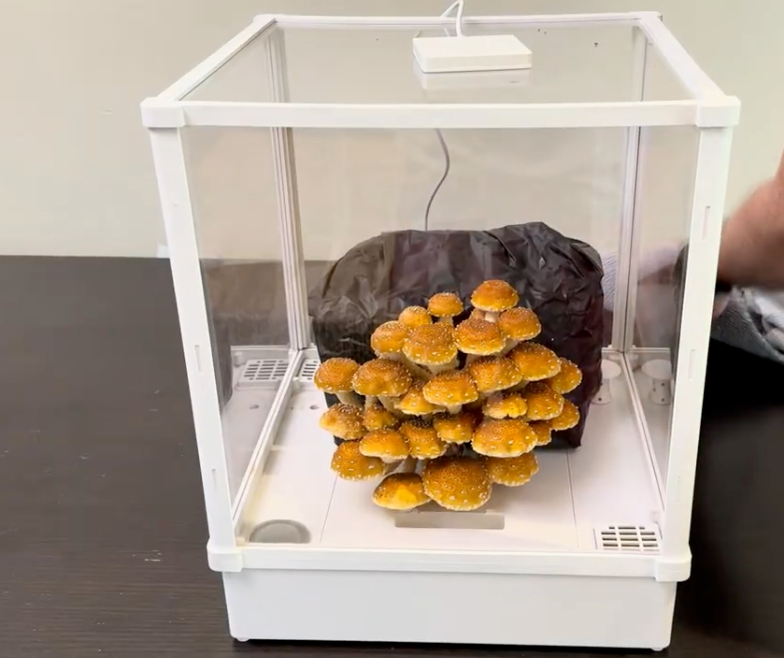
Smart Mushroom Grow Chamber
Plug-and-play smart chamber with humidity, light, and airflow dialed in for every species. Beginners harvest their first flush in days, not months.
Add to cart $299Taste and use: Delicate, mild flavor. Excellent sautéed, in soups, or stir-fried.
Chicken of the Woods (Laetiporus sulphureus)
Why they're beginner-friendly: Bright orange and yellow shelf mushroom with no dangerous lookalikes. Hard to misidentify when fresh.
When and where: Spring through fall on dead or dying hardwood trees and at the base of oaks.
Important note: Always harvest young, tender specimens from hardwoods (not conifers or eucalyptus). Some people experience digestive upset, so try a small amount first.
Taste and use: Texture and flavor remarkably similar to chicken. Substitute in any chicken recipe.
Puffballs (Calvatia, Lycoperdon species)
Why they're beginner-friendly: When cut open, edible puffballs show pure white, marshmallow-like interior throughout. No gills, no structures inside.
When and where: Late summer through fall in meadows, lawns, and forest edges.
Critical safety check: ALWAYS cut puffballs in half vertically. If you see any gills, outline of a cap, or dark interior, discard it, it could be a button stage deadly Amanita.
Taste and use: Mild flavor, tofu-like texture. Best breaded and fried or added to soups.
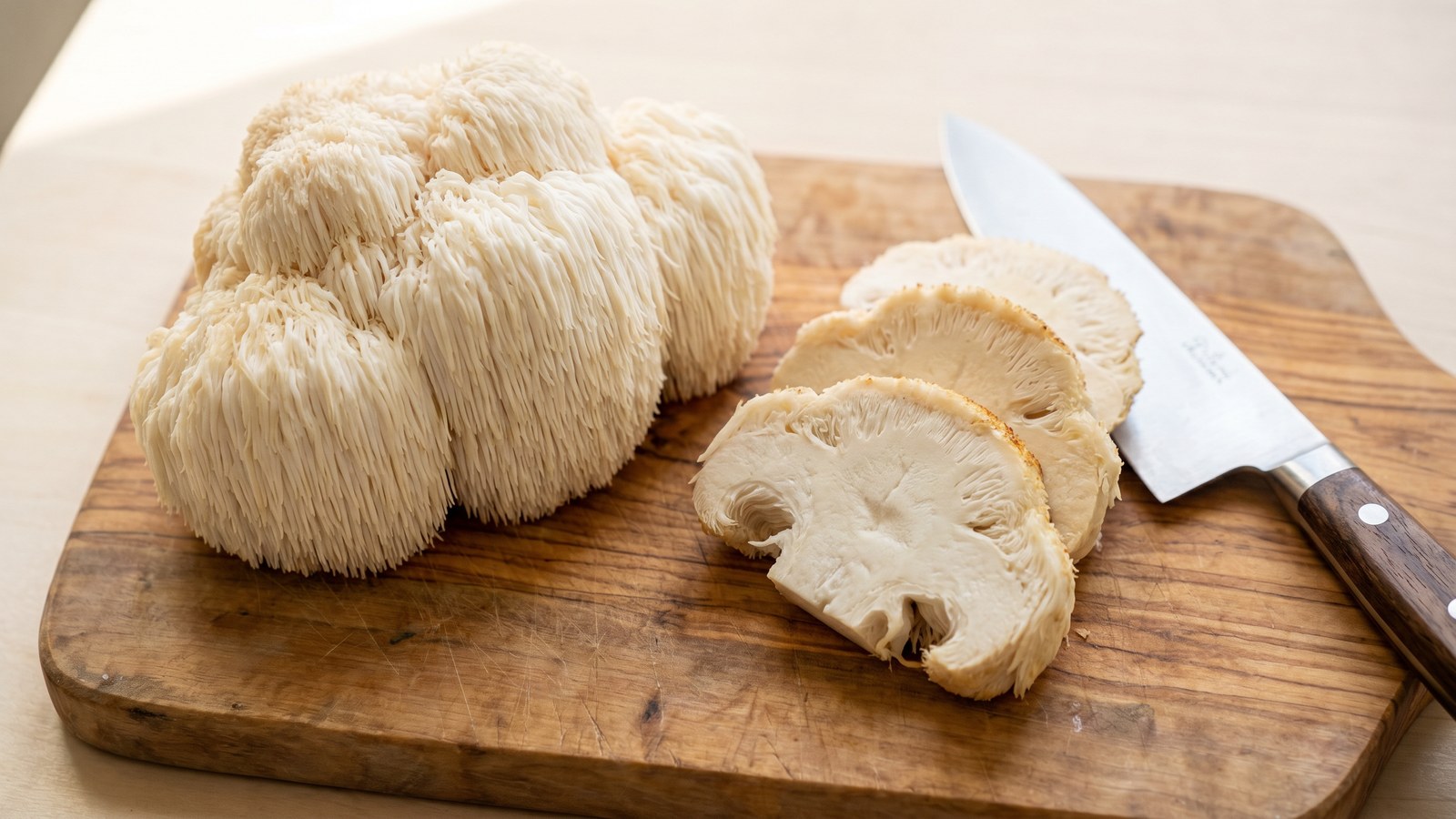
Lion's Mane (Hericium erinaceus)
Why they're beginner-friendly: Looks like a white pom-pom or waterfall of icicles. Unmistakable appearance with no poisonous lookalikes.
When and where: Late summer and fall on hardwood logs and dying trees, particularly oak and beech.
Taste and use: Delicate seafood-like flavor, often compared to lobster or crab. Sauté in butter or use in seafood-style dishes.
Hen of the Woods/Maitake (Grifola frondosa)
Why they're beginner-friendly: Large (1-2 feet across), frilly clusters at the base of oak trees. Distinctive appearance.
When and where: Fall, always at the base of living or dead oak trees. Returns to the same spots annually.
Taste and use: Rich, earthy flavor with firm texture. Excellent roasted, in stir-fries, or as a meat substitute.

Identification Techniques: Beyond Field Guides
Proper mushroom identification requires examining multiple characteristics. Here are the key features to observe:
Physical Characteristics
Cap shape and size: Note whether the cap is convex, flat, funnel-shaped, or conical. Measure diameter.
Cap surface: Is it smooth, scaly, wrinkled, or sticky? Does it change when wet?
Cap color: Describe the dominant color and any variations. Note if it changes with age or moisture.
Gills vs. pores vs. teeth: Examine the underside. Are there gills (thin plates), pores (sponge-like), teeth (hanging spikes), or something else?
Gill attachment: Do gills attach to the stem (adnate), run down the stem (decurrent), or are they free from the stem?
Stem characteristics: Note length, thickness, color, texture, and whether there's a ring or bulb at the base.
Spore print: Place the cap (gills/pores down) on white and black paper overnight. Spore color is crucial for identification.
Environmental Observations
Substrate: What is it growing on? Soil, wood, dung, or another mushroom?
Tree associations: If near trees, which species? This is critical for mycorrhizal mushrooms.
Habitat type: Forest type, elevation, moisture level, light exposure.
Season and weather: Recent temperature, rainfall, and time of year.
Chemical and Sensory Tests
Odor: Many mushrooms have distinctive smells (anise, almond, fish, flour, bleach, etc.). Odor is a key identification feature.
Bruising reactions: Does it change color when cut, bruised, or exposed to air?
Taste test (only for experienced foragers): Some identification requires tasting a tiny piece and spitting it out. NEVER swallow without positive ID.
Flesh texture: Is the interior solid, hollow, spongy, or layered?
Legal Considerations and Ethical Foraging
Mushroom foraging is subject to various regulations depending on location and land ownership. Understanding these rules keeps you legal and helps preserve mushroom populations.
Public Land Regulations
National Forests: Most allow personal-use mushroom collection (typically 2-5 gallons per day) without permits. Commercial collection requires permits.
State Parks: Regulations vary widely. Some states (like Wisconsin) explicitly allow foraging, while others (like New York) prohibit or restrict it. Always check specific park regulations.
Nature Preserves and Wildlife Areas: Often have stricter rules. Many prohibit all foraging to protect ecosystems.
Bureau of Land Management (BLM) lands: Generally permissive for personal use collection.
Private Property
Always obtain explicit permission before foraging on private land. Many landowners are happy to grant access to respectful foragers who ask first.
Commercial Collection
Selling foraged mushrooms requires proper licensing and adherence to food safety regulations. Requirements include:
- Business licenses
- Food handler certifications
- Health department inspections
- Documentation of foraging locations
- Adherence to local commercial foraging regulations
Ethical and Sustainable Harvesting
Take only what you need: Leave plenty of mushrooms to release spores for future generations.
Cut, don't pull: Use a knife to cut mushrooms at the base, minimizing disturbance to mycelium.
Spread spores: Carry mushrooms in mesh baskets that disperse spores as you walk.
Rotate locations: Don't over-harvest the same spot repeatedly.
Leave old specimens: Even deteriorating mushrooms serve ecological purposes.
Respect the ecosystem: Stay on trails when possible, don't disturb plants, and pack out all trash.
Share knowledge carefully: It's okay to introduce people to foraging, but consider protecting your most productive locations.
Common Foraging Mistakes to Avoid
Learning from others' mistakes saves time and prevents potentially dangerous situations.
Relying solely on one identification feature: Deadly mushrooms can share individual characteristics with edible ones. Always use multiple features for confirmation.
Trusting identification apps completely: Apps are tools, not definitive authorities. They frequently misidentify mushrooms.
Harvesting in contaminated areas: Mushrooms absorb toxins from their environment. Avoid foraging near roads (heavy metals), industrial sites, or chemically treated areas.
Overharvesting immature specimens: Let mushrooms mature and release spores before harvesting. This ensures future populations.
Ignoring "gut feelings": If something feels off about an identification, trust your instinct and discard it.
Mixing unidentified mushrooms: Keep different finds separated until positively identified. Cross-contamination makes identification harder.
Forgetting location details: The specific trees, soil, and habitat where you found a mushroom are crucial for identification and finding more.
Preserving and Storing Your Foraged Mushrooms
Successfully foraged mushrooms need proper handling to maintain quality and safety.
Cleaning
In the field: Brush off major dirt and debris with a soft brush. Trim dirty stem bases.
At home: Wipe with damp cloth or quick rinse if necessary. Minimize water exposure, mushrooms absorb moisture and deteriorate faster.
Storage
Fresh storage: Keep unwashed in paper bags (not plastic) in the refrigerator. Most mushrooms stay fresh 5-10 days.
Drying: The best preservation method for most species. Use a dehydrator at 95-115°F or air-dry in a well-ventilated area. Properly dried mushrooms store for years.
Freezing: Sauté first, then freeze. Raw frozen mushrooms become mushy when thawed.
Powder: Grind dried mushrooms into powder for adding umami flavor to dishes or making extracts. Our guide on mushroom powders covers this in detail.
When Foraging Isn't Enough: Growing Your Own
While wild foraging offers unique rewards, it has limitations: seasonal availability, unpredictable yields, time requirements, and identification risks. Many foragers complement their wild harvesting with home cultivation.
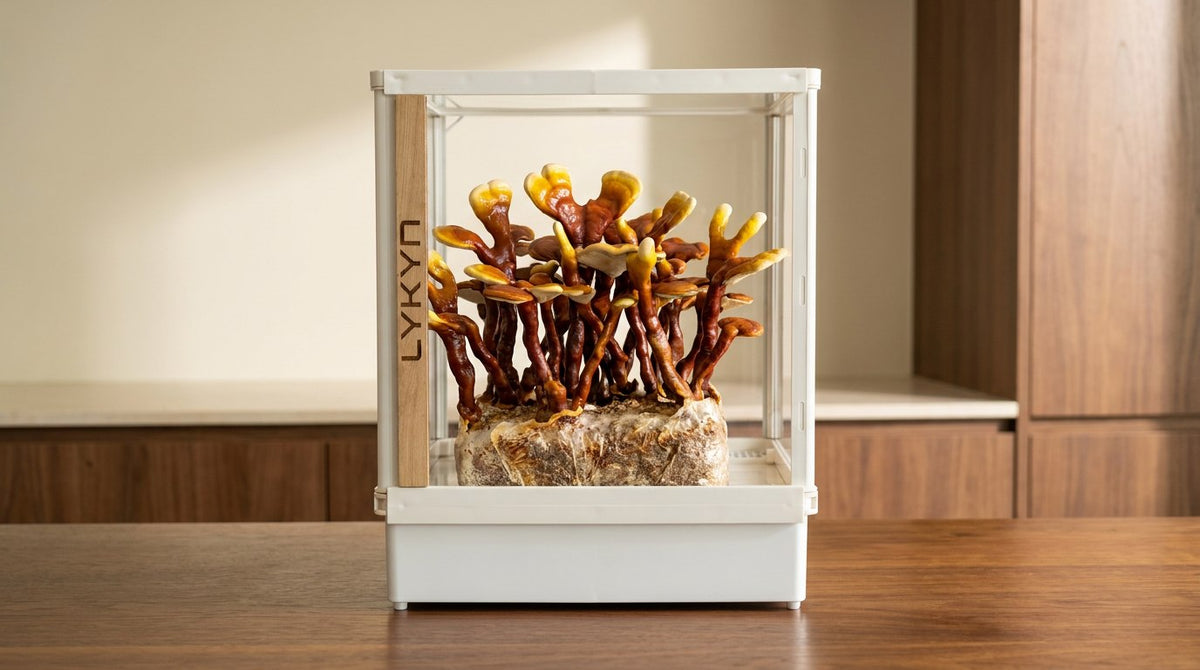
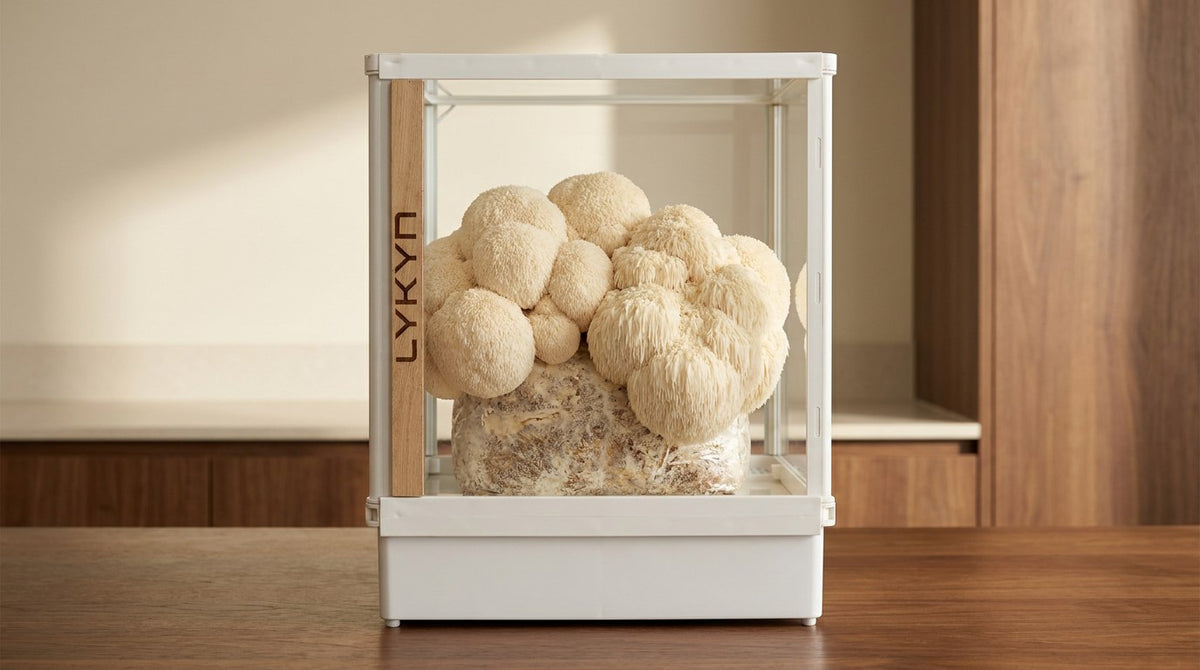
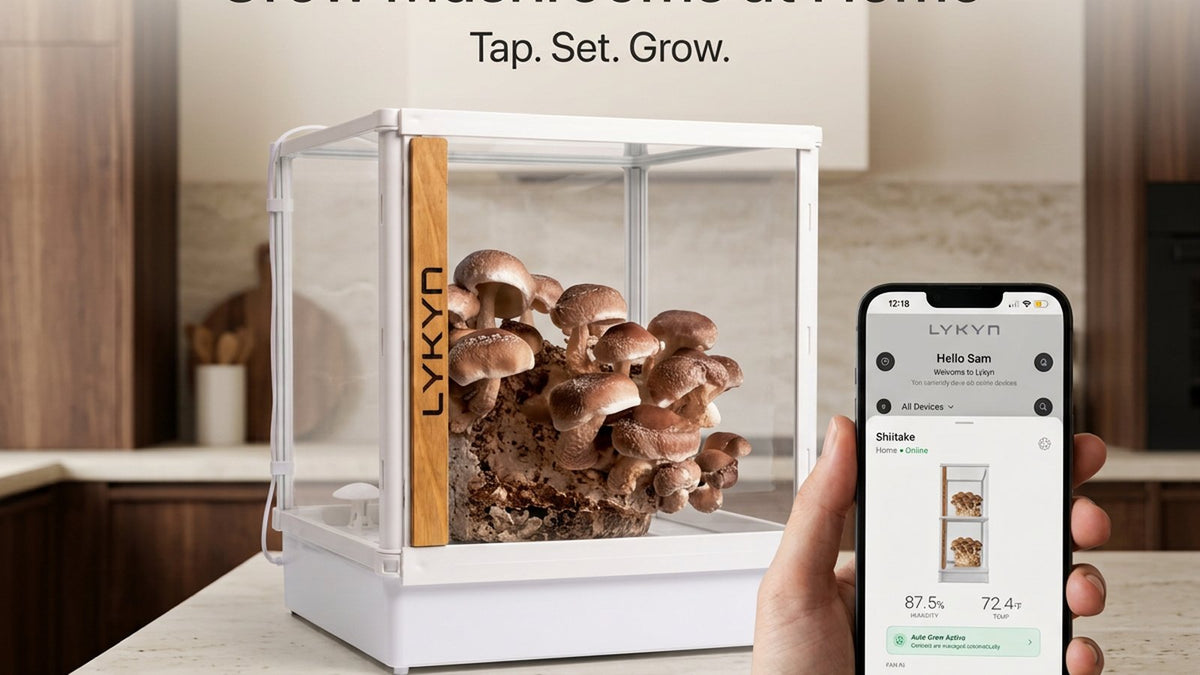
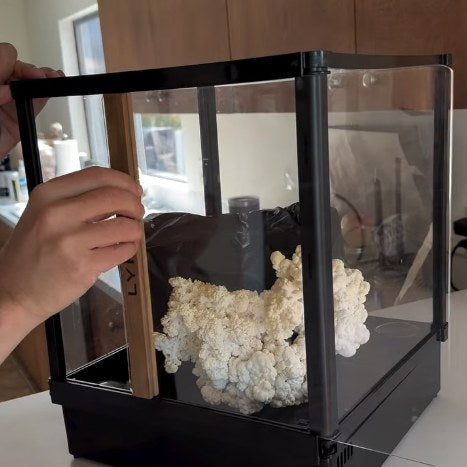
The LYKYN Smart Mushroom Grow Kit provides a safe, reliable way to grow identifiable mushroom varieties year-round. This automated system handles humidity, airflow, and environmental control, producing consistent harvests of gourmet mushrooms like oyster, shiitake, and lion's mane.
Growing your own offers several advantages:
- Absolute safety, no identification concerns
- Year-round availability regardless of season
- Consistent, predictable yields
- Fresh mushrooms at peak nutritional value
- Perfect for species that are difficult to find wild
- Ideal way to learn mushroom biology before foraging
Many experienced foragers maintain both practices, enjoying the adventure of wild hunting while ensuring a steady supply through home cultivation. Check our mushroom growing resources to explore cultivation options.
Frequently Asked Questions
Is mushroom foraging dangerous?
Mushroom foraging carries inherent risks if done carelessly, as some wild mushrooms are deadly poisonous. However, with proper education, careful identification skills, and adherence to safety protocols, foraging can be safe. Never consume any mushroom unless you're 100% certain of its identification through multiple sources. Start by learning from experienced foragers and join local mycological societies for guided forays before attempting independent collection.
What are the easiest mushrooms for beginners to forage?
The best beginner mushrooms have distinctive features and few dangerous lookalikes. Oyster mushrooms, lion's mane, hen of the woods, giant puffballs, and chicken of the woods are excellent choices for beginners. These species have unique appearances that make misidentification less likely when you know what to look for. Always start by learning these species with an experienced mentor before attempting to identify them independently.
Do I need a permit to forage mushrooms?
Permit requirements vary significantly by location. Most National Forests allow personal-use mushroom collection (typically 2-5 gallons per day) without permits, while commercial collection requires permits. State park regulations differ widely, some states explicitly allow foraging while others prohibit it. Always research regulations for your specific location before foraging, and obtain explicit permission for private property access.
When is mushroom foraging season?
Mushroom foraging season varies by region and species, but generally runs from spring through fall with peak diversity in autumn. Spring (March-May) brings morels, summer (June-August) offers chanterelles and boletes, fall (September-November) provides the greatest variety including hen of the woods and oyster mushrooms, while winter (December-February) features oyster mushrooms and wood ears. Local climate, rainfall patterns, and elevation significantly affect seasonal timing.
How do I identify poisonous mushrooms vs. edible ones?
There is no single test or rule to identify poisonous mushrooms, you must learn each species individually through multiple identification features. Examine cap shape/color, gill structure and attachment, spore print color, stem characteristics, habitat, tree associations, odor, and bruising reactions. Deadly mushrooms can appear similar to edible ones, so never rely on a single characteristic. Use multiple field guides, consult experts, and when in doubt, throw it out. The saying "there are old mushroom foragers and bold mushroom foragers, but no old, bold mushroom foragers" reflects this reality.
Featured Snippet Summary
Mushroom foraging requires proper identification skills, safety knowledge, and the right equipment. Begin with easily identifiable species like oyster mushrooms, lion's mane, and hen of the woods. Essential gear includes breathable baskets, field guides, and a knife. Never consume any mushroom unless 100% certain of its identity, deadly species like destroying angels resemble edible varieties. Join local mycological societies for guided instruction, follow seasonal patterns, and practice sustainable harvesting by cutting mushrooms cleanly and leaving some to sporulate.
Start Your Mushroom Foraging Journey Today
Mushroom foraging offers a unique connection with nature, access to incredible flavors, and the satisfaction of harvesting your own food. While the learning curve requires patience and dedication, the rewards are immeasurable.
Start by joining your local mycological society for guided forays and expert instruction. Invest in quality field guides specific to your region. Begin with easily identifiable species and build your knowledge gradually. Most importantly, never compromise on safety, when in doubt, leave it out.
For those days when foraging conditions aren't ideal or you want a reliable mushroom supply, consider complementing your wild harvesting with home cultivation using the LYKYN Smart Mushroom Grow Kit. This approach gives you the best of both worlds, the adventure of wild foraging and the consistency of home growing.
Ready to explore specific species and regional guides? Check out our comprehensive resources on Colorado mushroom foraging, rare mushroom varieties, and regional foraging guides to deepen your knowledge. Your mushroom foraging adventure starts now, happy hunting! 🍄
Share:
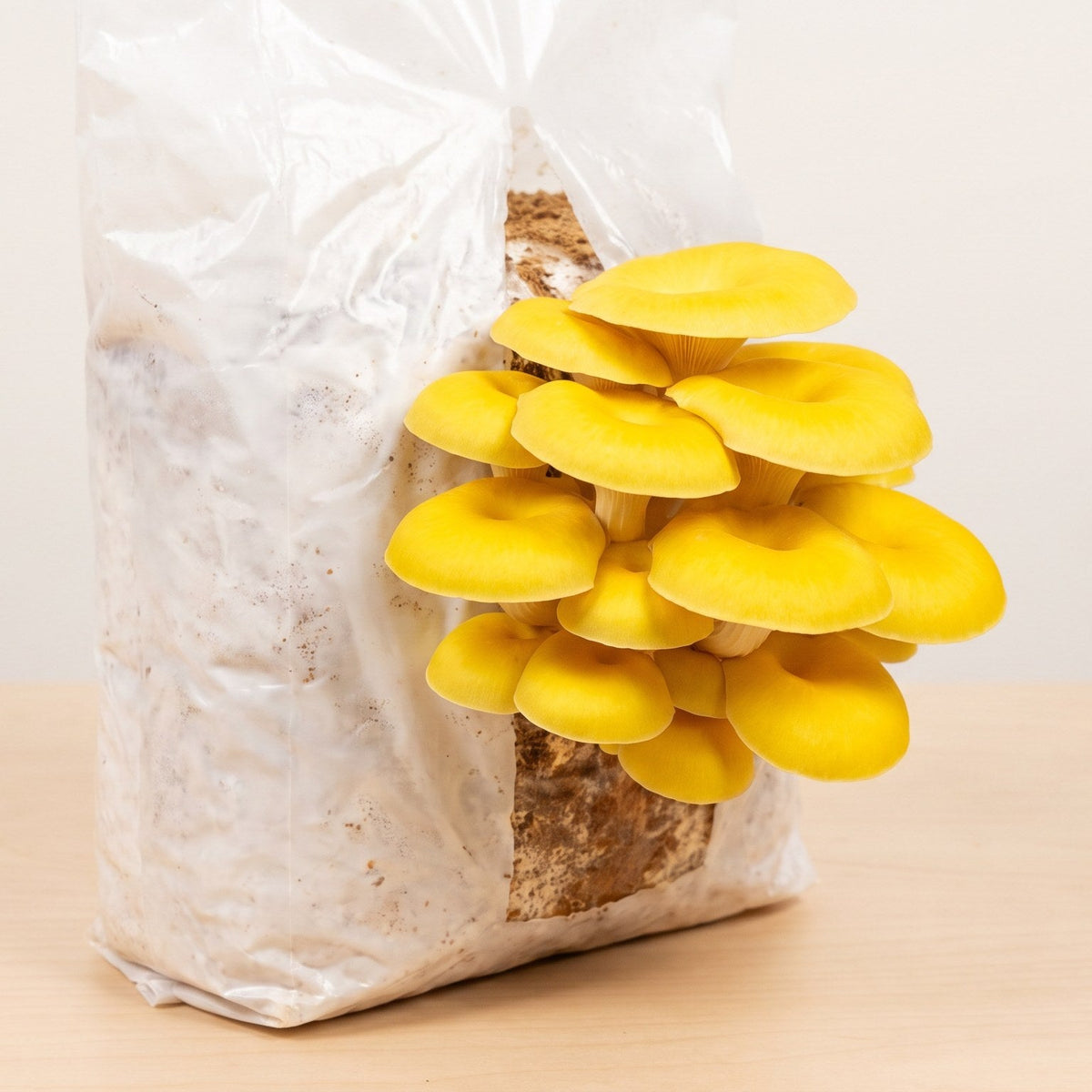
The Ultimate Shroom Growing Kit Guide: Everything You Need to Grow Fresh Mushrooms at Home in 2025
The Complete Guide to Mushroom Bags: Everything You Need to Know About Growing Mushrooms in Bags