


Quick Answer: The pheasant back mushroom (Cerioporus squamosus) is an edible spring fungus found on dead or dying hardwood trees, especially elm and maple. Identified by its brown, feather-patterned cap and white pore surface underneath, it's best harvested young (under 4 inches) and tastes like a mix of cucumber and watermelon rind. Peak foraging season runs from April through June in North America.
What Is a Pheasant Back Mushroom?
The pheasant back mushroom gets its common name from the beautiful brown and tan scales on its cap that look exactly like pheasant feathers. Seriously, once you see it, you can't unsee it.

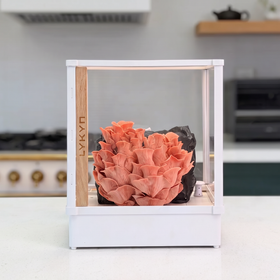
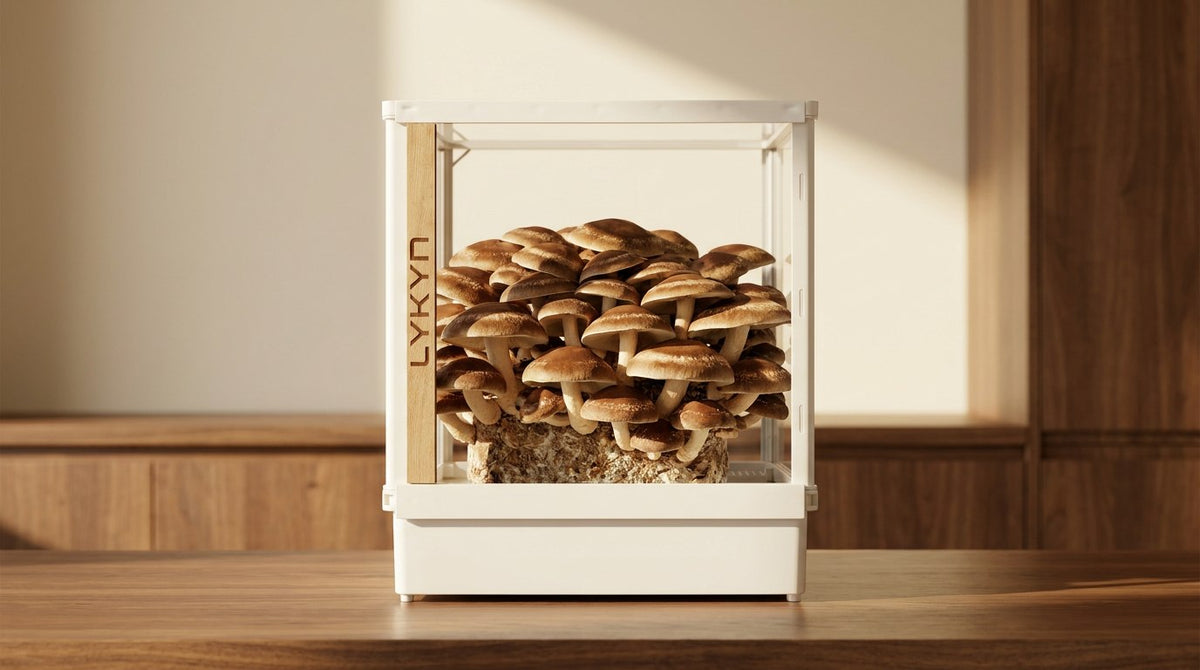
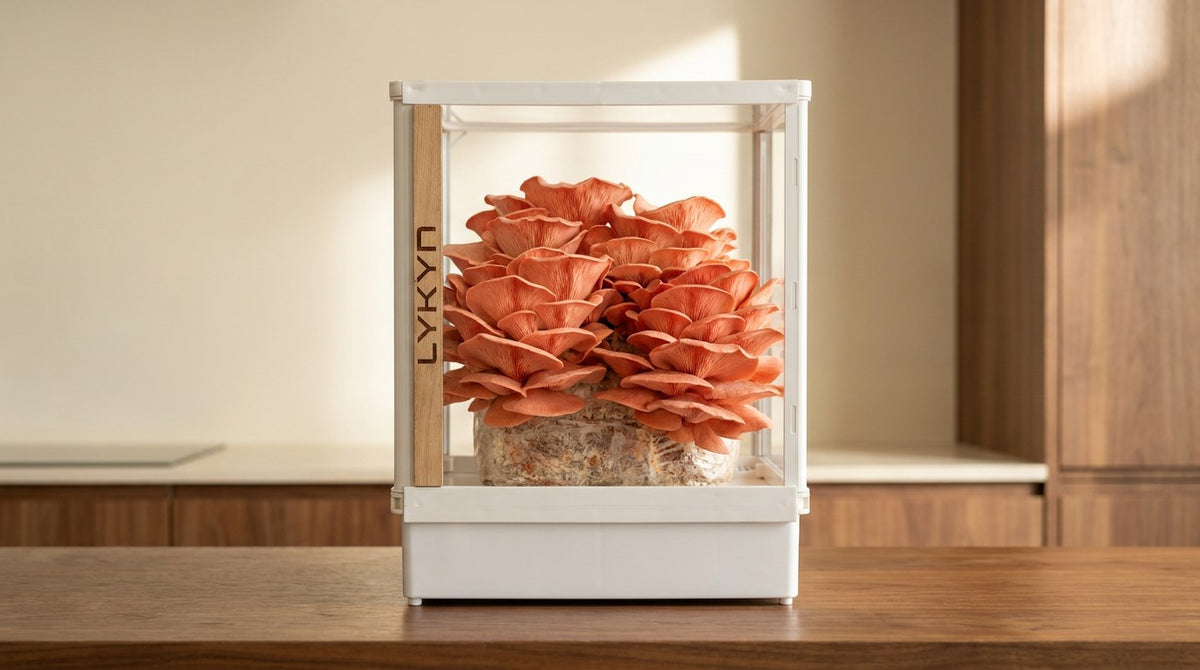
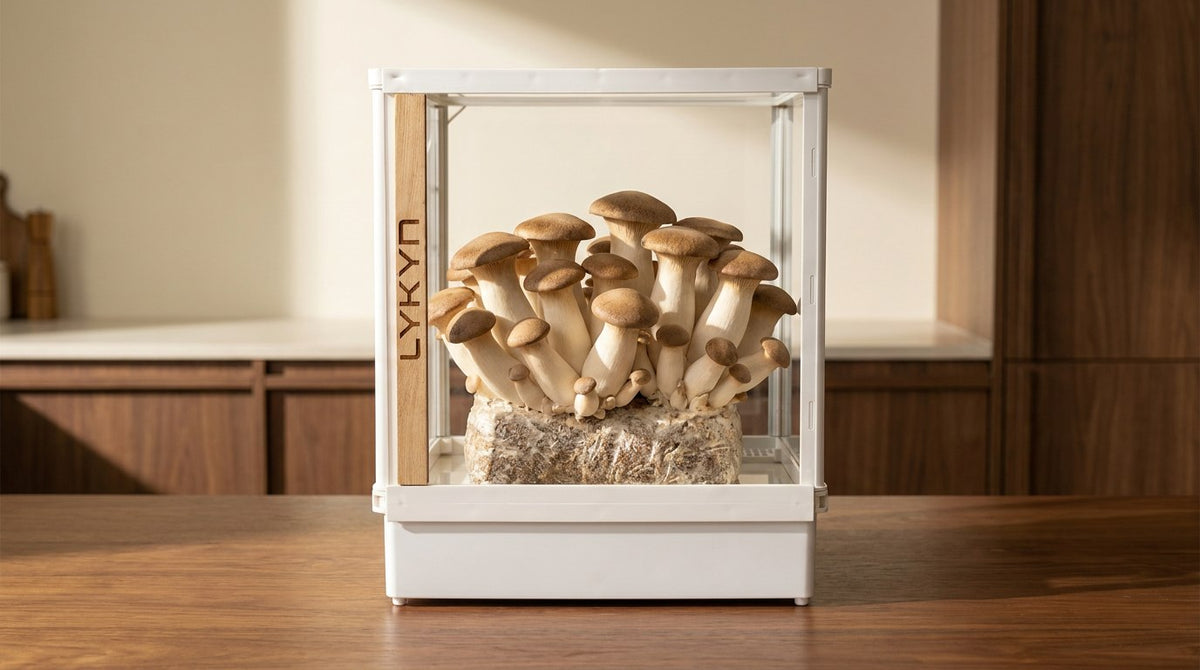
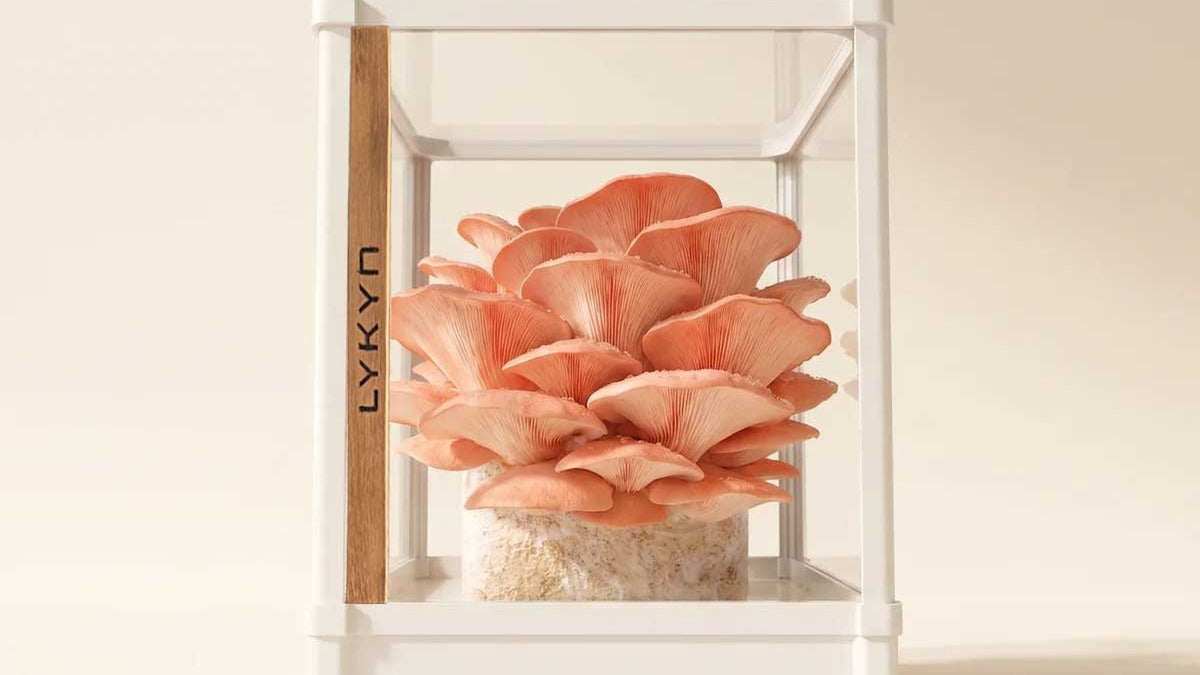
Smart Chamber. Bone White Single
- 2.8L tank, 90% humidity automatic
- App-controlled, plug-and-play
- 6 lb block ceiling, in stock

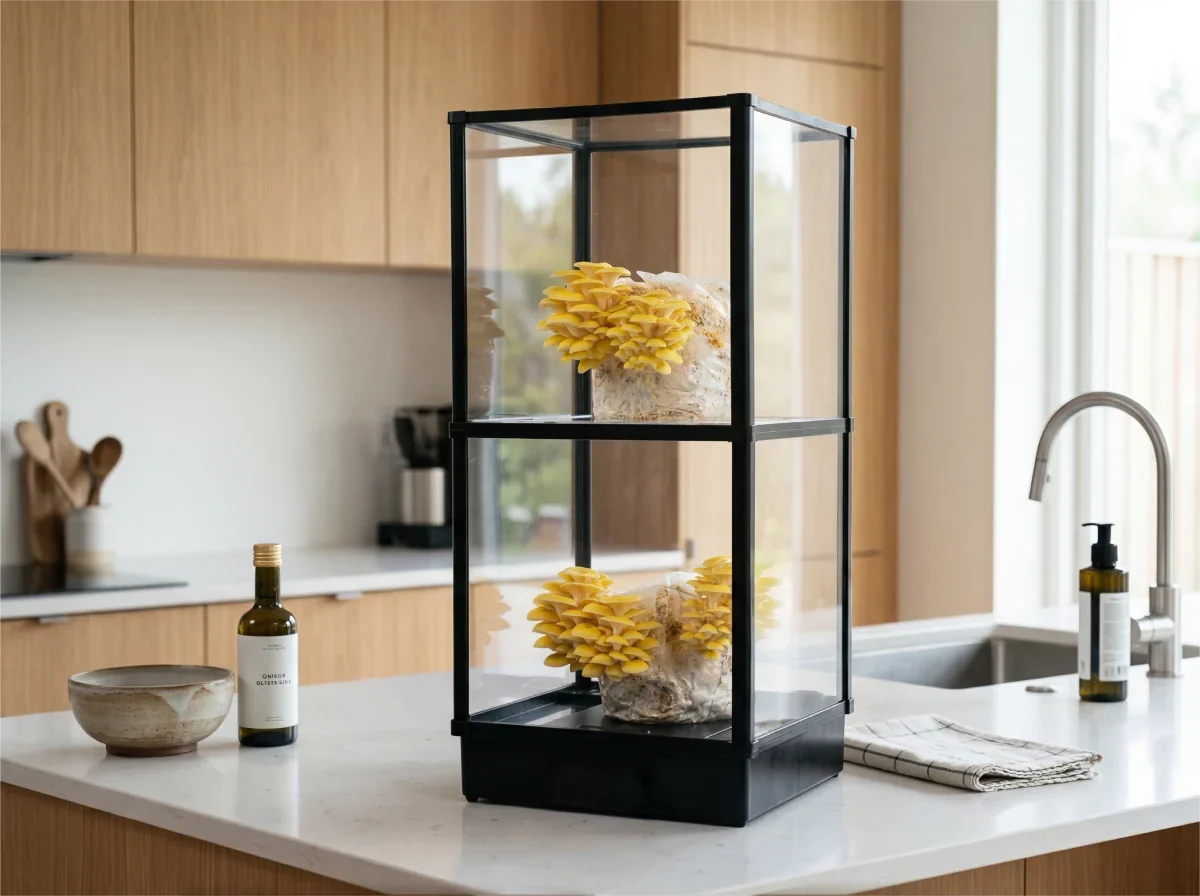
Smart Chamber. Obsidian Black Single
- Same hardware as Bone White
- Matte black premium finish
- Pairs with any kitchen palette

Scientifically known as Cerioporus squamosus (formerly Polyporus squamosus), this bracket fungus is also called dryad's saddle. The name "dryad's saddle" comes from Greek mythology, apparently, it's shaped like a perfect little seat for tree nymphs. I personally think "pheasant back" is more useful since the feather pattern is your best identification feature.
Key Identification Features
Here's what to look for when you're out in the woods:
| Feature | Description |
|---|---|
| Cap Size | 2-12 inches across (harvest under 4 inches) |
| Cap Pattern | Brown/tan scales in concentric rings |
| Underside | White to cream pores (not gills!) |
| Stem | Short, thick, off-center, black at base |
| Smell | Distinctive watermelon rind or cucumber |
| Spore Print | White |
The smell test is actually my favorite identification trick. Fresh pheasant backs have this unmistakable cucumber-watermelon aroma. If you don't get that scent, double-check your identification.

Where and When to Find Pheasant Back Mushrooms
Prime Foraging Season
Pheasant back mushrooms fruit primarily from April through June in most of North America. They're one of the first edible mushrooms to appear in spring, making them perfect for beginners eager to start the foraging season.
In the southern United States, they can appear as early as March. Northern regions might see them into July. They occasionally produce a second flush in fall if conditions are right, plenty of rain followed by warm days.
Best Locations to Search
- Dead or dying hardwood trees (especially elm, maple, and box elder)
- Fallen logs in wooded areas
- Standing dead trees (snags) in forests and parks
- Urban areas with old trees, parking lots, parks, even street trees
- Along riverbanks and in flood plains
I've found some of my best specimens in city parks, honestly. Elm trees hit by Dutch elm disease are pheasant back magnets. Don't overlook your local green spaces.
For more comprehensive guidance on seasonal timing and location scouting, check out our Mushroom Foraging Guide 2025 which covers prime foraging locations across North America.

How to Harvest Pheasant Back Mushrooms Properly
The Golden Rule: Harvest Young
Here's the thing nobody tells beginners: size matters more than anything with pheasant backs.
Young specimens (under 4 inches across) are tender and delicious. Larger ones become tough and woody faster than you'd expect. I've seen gorgeous dinner-plate-sized specimens that looked amazing but chewed like shoe leather.
Step-by-Step Harvesting Process
- Confirm identification using the cap pattern, pores, smell test, and habitat
- Check the edges, they should be soft and pliable, not dried or curled
- Press the cap, young ones feel slightly springy, old ones feel hard
- Cut at the base using a sharp knife (don't rip them off)
- Inspect for bugs, older specimens often have larvae tunnels
- Transport in a mesh bag to allow spore dispersal as you walk
If you're serious about foraging, working in a sterile environment matters when you bring your harvest home. A Still Air Box isn't just for cultivation, it's incredibly useful for clean processing and even saving spore prints from wild specimens.
Safe Identification: Avoiding Look-Alikes
Good news: pheasant back mushrooms have no dangerous look-alikes. This is why they're considered excellent beginner mushrooms.
Similar Species Comparison
| Species | Key Difference |
|---|---|
| Black-staining polypore | Stains black when bruised |
| Berkeley's polypore | Larger, grows in rosettes, no scales |
| Hen of the woods | Different texture, fall season, no scales |
The feather-like scale pattern is truly unique. If you see those distinctive brown marks arranged in concentric circles on a cream background, you've got a pheasant back.
Triple-Check Method
Always verify these three features together:
- ✓ Scaled cap with pheasant feather pattern
- ✓ White/cream pores underneath (never gills)
- ✓ Cucumber or watermelon rind smell
No single feature is enough. Use all three, every time.
How to Cook Pheasant Back Mushrooms
Flavor Profile and Texture
Fresh pheasant backs taste mildly earthy with notes of cucumber and watermelon rind. The texture varies dramatically based on age and cooking method.
- Young caps: tender, slightly lemony
- Edge trimmings from larger specimens: still usable, but need longer cooking
- Older specimens: best dried and powdered for seasoning
Best Cooking Methods
Sautéing (My Go-To Method)
Slice young caps into 1/4-inch strips. Cook in butter over medium-high heat for 6-8 minutes until edges crisp slightly. Season with salt, pepper, and a squeeze of lemon. Done.
Breading and Frying
The firm texture holds up beautifully to breading. Slice, dip in egg wash, coat in seasoned flour or breadcrumbs, and pan-fry until golden. These are legitimately good, think mushroom schnitzel.

Fuel Your Mushroom Journey
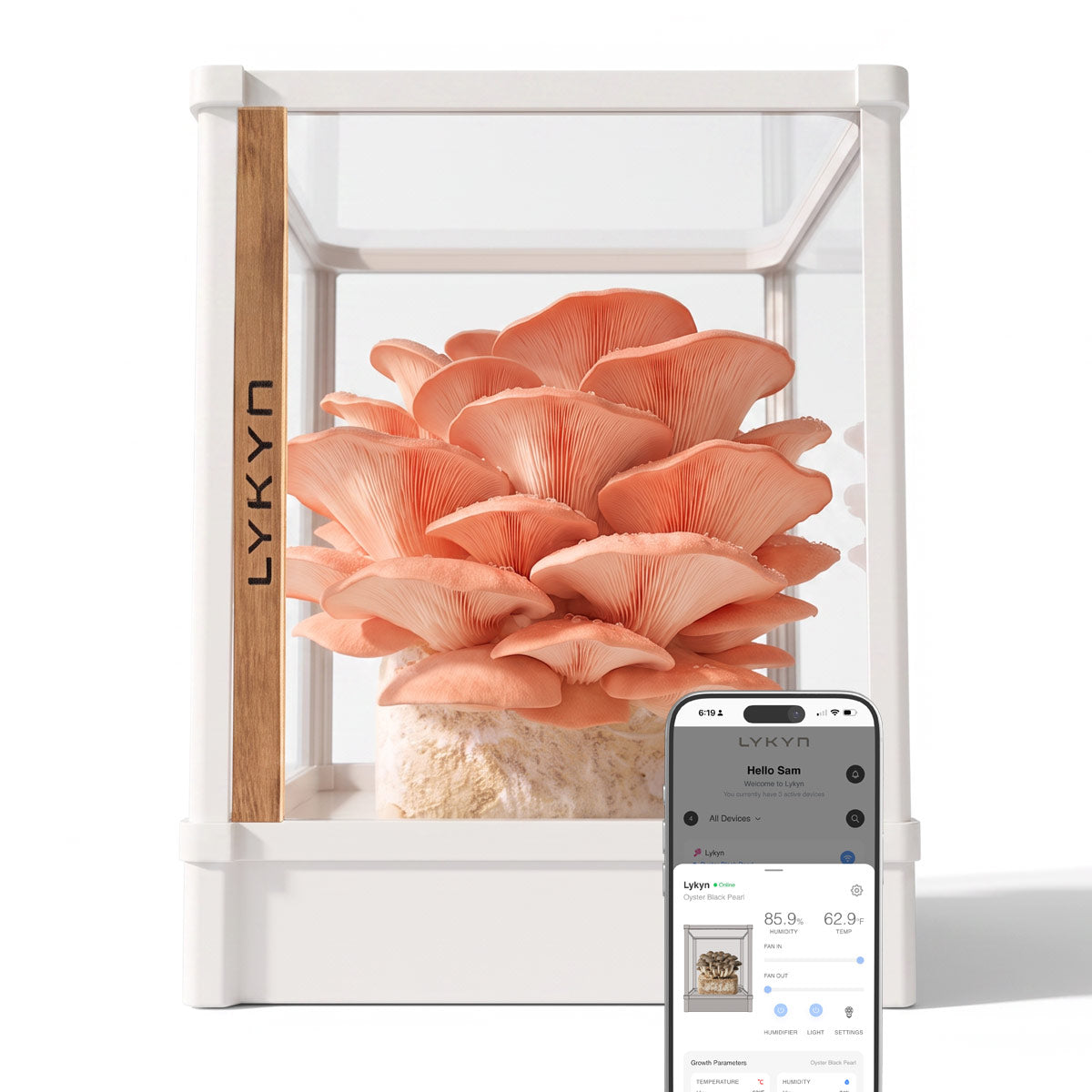
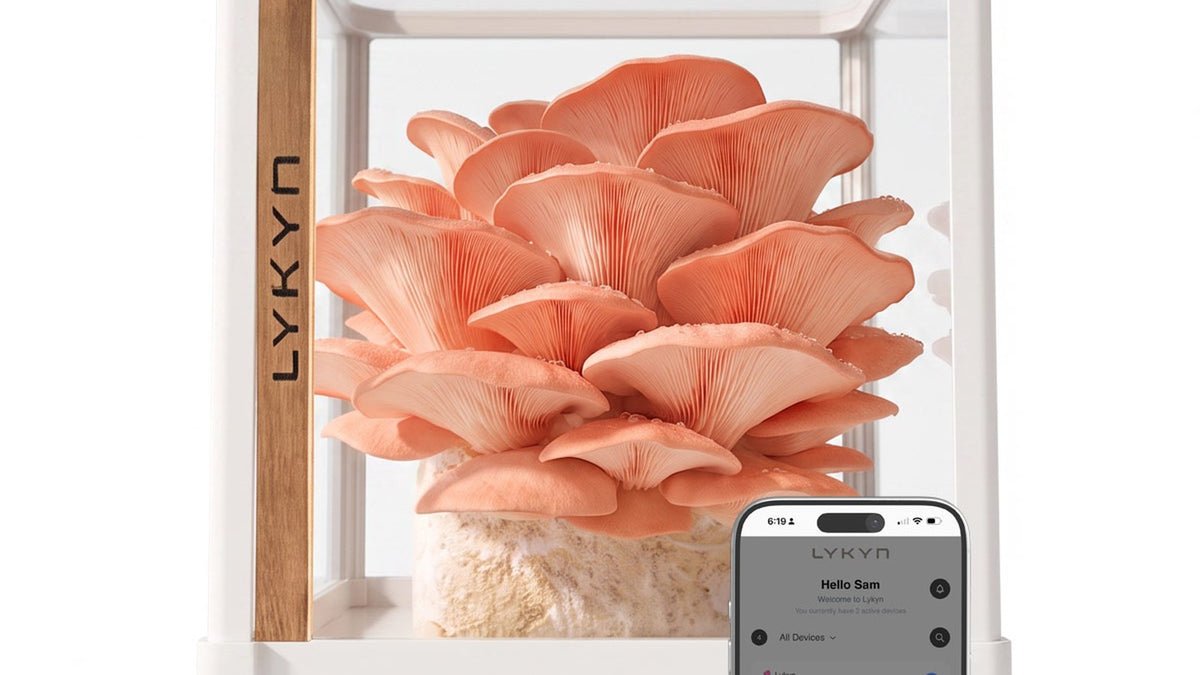
Smart Mushroom Grow Chamber
Plug-and-play smart chamber with humidity, light, and airflow dialed in for every species. Beginners harvest their first flush in days, not months.
Add to cart $299Dehydrating for Later
Slice thin (1/8 inch) and dehydrate at 125°F for 8-10 hours. Rehydrate in warm water for 30 minutes before cooking, or grind into powder for soups and sauces.

Growing Pheasant Back Mushrooms at Home
While pheasant backs are traditionally foraged, cultivation is absolutely possible, though it requires patience.
Cultivation Basics
Pheasant back mushrooms are saprotrophic, meaning they decompose dead wood. Home cultivation typically uses:
- Hardwood logs (elm, maple, oak)
- Dowel spawn or sawdust spawn
- Outdoor shade locations
- 1-2 year colonization period before fruiting
If you're interested in mushroom cultivation, starting with faster-growing species helps you learn the fundamentals. Our Smart Mushroom Grow Kit provides hands-on experience with cultivation techniques that apply across species.
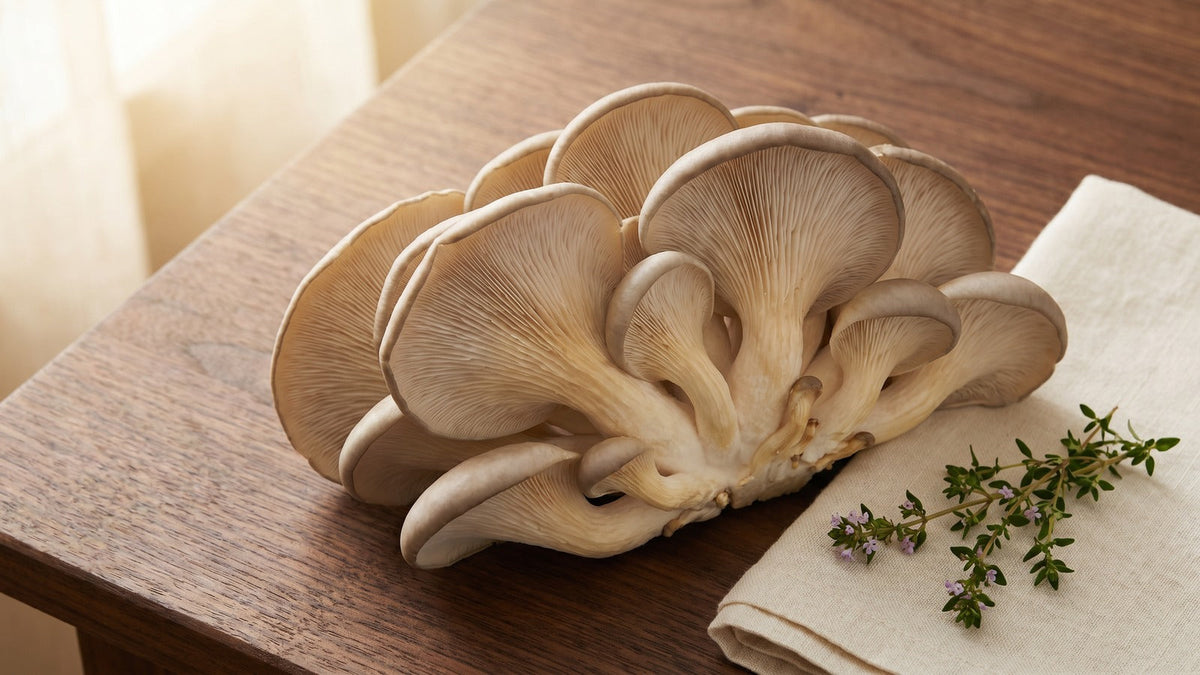
For liquid culture inoculation practice, many growers start with reliable producers like Blue Oyster Mushroom Liquid Culture before attempting more challenging species.
Nutritional Benefits and Research
Pheasant back mushrooms contain notable nutritional compounds:
- Protein: 2.5g per 100g fresh weight
- Fiber: Significant chitin content supporting gut health
- Minerals: Potassium, phosphorus, selenium
- Vitamins: B-complex vitamins, particularly niacin and riboflavin
Research published in the International Journal of Medicinal Mushrooms (2024) suggests Cerioporus squamosus contains antioxidant compounds, though more human studies are needed. This mushroom has been used in traditional Eastern European folk medicine for digestive support.
Disclaimer: Nutritional claims are based on current research as of 2026. Mushrooms should complement, not replace, medical treatment. Always consult healthcare providers for medical advice.
Frequently Asked Questions
Are pheasant back mushrooms safe to eat?
Yes, pheasant back mushrooms are considered safe and edible when properly identified. They have no toxic look-alikes and have been consumed for centuries in Europe and North America. Always cook them thoroughly before eating, never consume any wild mushroom raw.
What does pheasant back mushroom taste like?
Fresh pheasant back mushrooms have a mild, earthy flavor with distinct notes of cucumber and watermelon rind. Young specimens are tender with a slightly lemony finish. The taste intensifies when sautéed in butter, developing savory, umami qualities similar to other gourmet mushrooms.
When is the best time to find pheasant back mushrooms?
Peak pheasant back mushroom season runs from April through June in most of North America. They're among the first edible mushrooms to fruit in spring. Southern regions may see them as early as March, while northern areas can find them into July. Occasionally, a fall flush occurs in October.
How can you tell if a pheasant back mushroom is too old to eat?
Check the cap edges first, they should be soft and pliable, not dried or curled upward. Press the cap surface; young specimens feel slightly springy while old ones feel hard and woody. Look for insect holes or tunnels, which indicate the mushroom has been colonized by larvae. If it's larger than 4-5 inches, only the tender outer edge may be usable.
Can you grow pheasant back mushrooms at home?
Yes, pheasant back mushrooms can be cultivated on hardwood logs using dowel spawn or sawdust spawn. However, they're slower to colonize than species like oyster mushrooms, typically requiring 1-2 years before first fruiting. Most foragers prefer harvesting wild specimens during spring rather than cultivating.
Where do pheasant back mushrooms grow?
Pheasant back mushrooms grow on dead or dying hardwood trees, particularly elm, maple, and box elder. They're found throughout North America, Europe, and parts of Asia. Check fallen logs in forests, standing dead trees, urban parks, and areas with old hardwood trees, especially those affected by Dutch elm disease.
How do you store pheasant back mushrooms?
Store fresh pheasant back mushrooms in a paper bag in the refrigerator for 5-7 days. For longer storage, slice thin and dehydrate at 125°F for 8-10 hours. Dried pheasant backs keep for 6-12 months in airtight containers away from light. You can also freeze cooked specimens for up to 3 months.
Conclusion: Your Pheasant Back Foraging Action Plan
Pheasant back mushrooms are one of the most rewarding species for spring foragers. Here's what to remember:
Key takeaways:
- Look for the distinctive brown feather-scale pattern and white pore surface
- Harvest young specimens (under 4 inches) for best texture and flavor
- Always use the triple-check method: pattern, pores, and cucumber smell
- Peak season is April through June on dead hardwoods, especially elm
- Young caps sauté beautifully; older specimens work best dried and powdered
This spring, get out there and start looking at every dead tree differently. Pheasant backs are waiting in parks, forests, and even urban areas all across North America.
Ready to Expand Your Mushroom Journey?
Whether you're foraging wild specimens or growing your own, having the right equipment makes all the difference.
👉 Browse Our Mushroom Cultivation Tools and take your mushroom hobby from casual interest to serious skill. Our Smart Mushroom Grow Kit ships this week, start growing before pheasant back season ends!
Share:
Orange Mushroom Identification: How to Tell What You Found
How to Make Perfectly Crispy Air Fryer Mushrooms Every Single Time