


So you've spotted some weird mushrooms in your yard that look like they're literally melting into black goo. Yeah, that's probably an inky cap mushroom, and honestly? They're fascinating once you understand what's happening.
I've been growing and foraging mushrooms for over a decade now, and inky caps remain one of my favorite species to observe. There's something almost magical about watching a perfectly formed cap dissolve itself into ink over just a few hours. But here's the thing, there's a lot of conflicting information out there about whether these are safe to eat, how to identify them correctly, and whether you can actually grow them at home.
Let's clear all that up.
Understanding Inky Cap Mushroom Species and Identification

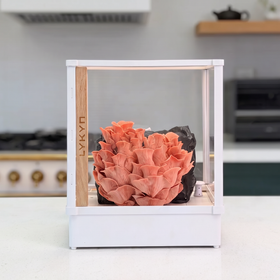
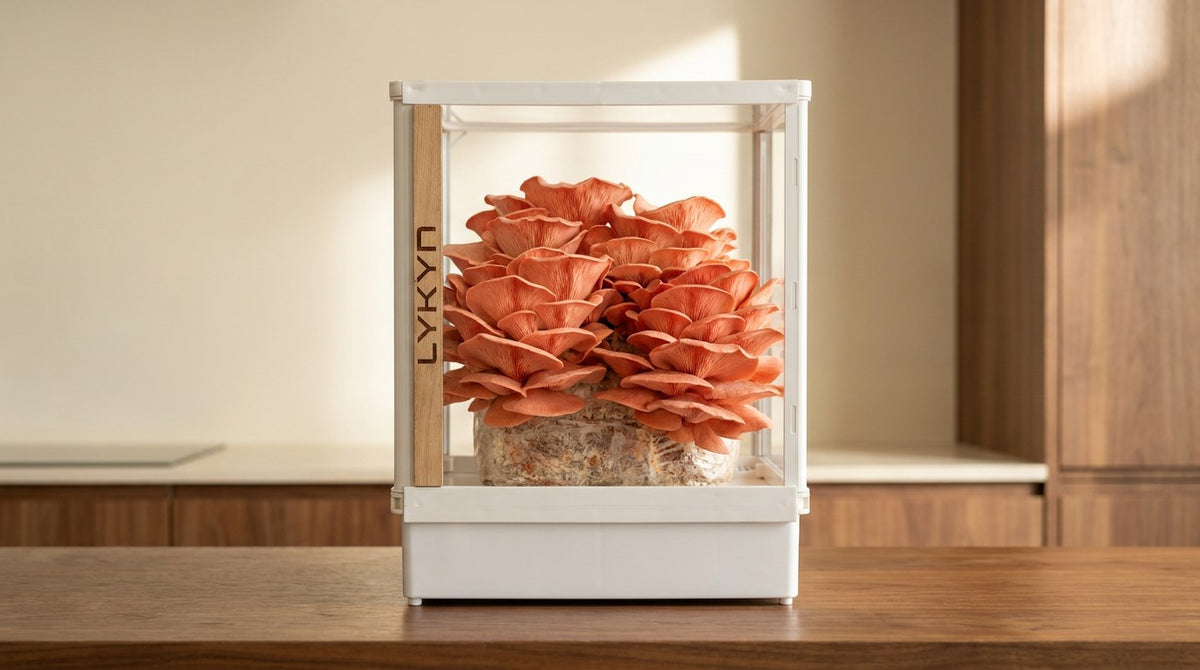
Smart Chamber. Bone White Single
- 2.8L tank, 90% humidity automatic
- App-controlled, plug-and-play
- 6 lb block ceiling, in stock

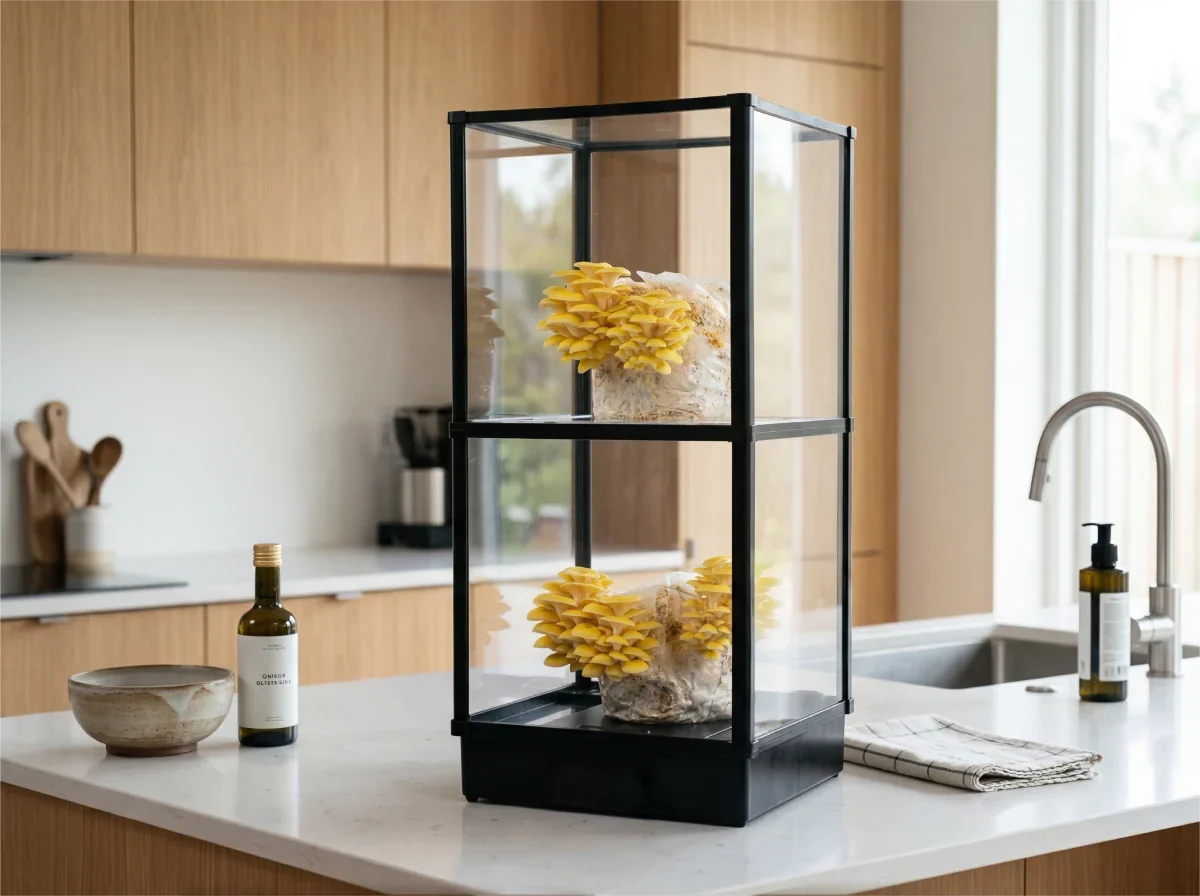
Smart Chamber. Obsidian Black Single
- Same hardware as Bone White
- Matte black premium finish
- Pairs with any kitchen palette

The term "inky cap" actually covers several related mushroom species. Getting your identification right matters, because while some are choice edibles, others can make you seriously ill if you don't follow specific rules.
The Main Inky Cap Species You'll Encounter
- Common Inky Cap (Coprinopsis atramentaria): This is the one most people find in their gardens. Gray-brown caps, grows in clusters near buried wood, and contains coprine. Edible, but absolutely no alcohol for 72 hours before or after eating.
- Shaggy Mane (Coprinus comatus): The "lawyer's wig" mushroom with distinctive shaggy white scales. This one's considered a choice edible and doesn't contain coprine. You can enjoy it with wine, though I'd still recommend moderation.
- Mica Cap (Coprinellus micaceus): Tiny, amber-colored caps with glistening particles that look like mica dust. Grows in large clusters, usually near old stumps.

The Coprine-Alcohol Interaction: What You Must Know
Here's where things get serious. I've seen too many people brush this off, and it's not something to mess around with.
How Coprine Works in Your Body
Coprine is a naturally occurring compound in common inky caps that interferes with your body's ability to metabolize alcohol. Specifically, it blocks aldehyde dehydrogenase, the enzyme that breaks down acetaldehyde, a toxic byproduct of alcohol metabolism.
The result? If you drink alcohol within approximately 72 hours of eating common inky caps, you can experience:
- Severe facial flushing
- Rapid heartbeat (tachycardia)
- Nausea and vomiting
- Tingling in your limbs
- In rare cases, cardiac arrhythmias
This reaction is sometimes called "Coprinus syndrome" or "Antabuse effect" (named after the medication that works similarly). It's the same principle used to treat alcohol dependency, making drinking extremely unpleasant.
How to Grow Inky Cap Mushrooms at Home
I'll be honest, inky caps aren't the easiest mushrooms to cultivate deliberately. They're opportunistic decomposers, which means they often show up uninvited rather than when you want them. But with the right setup, you can definitely encourage them.

Fuel Your Mushroom Journey
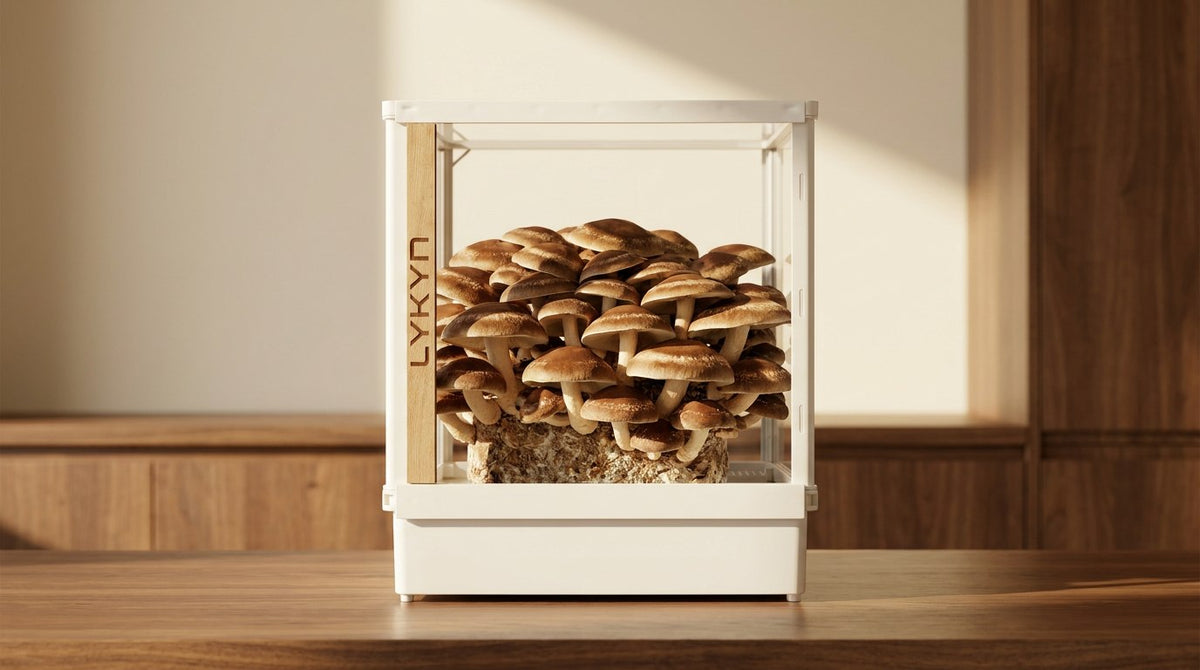
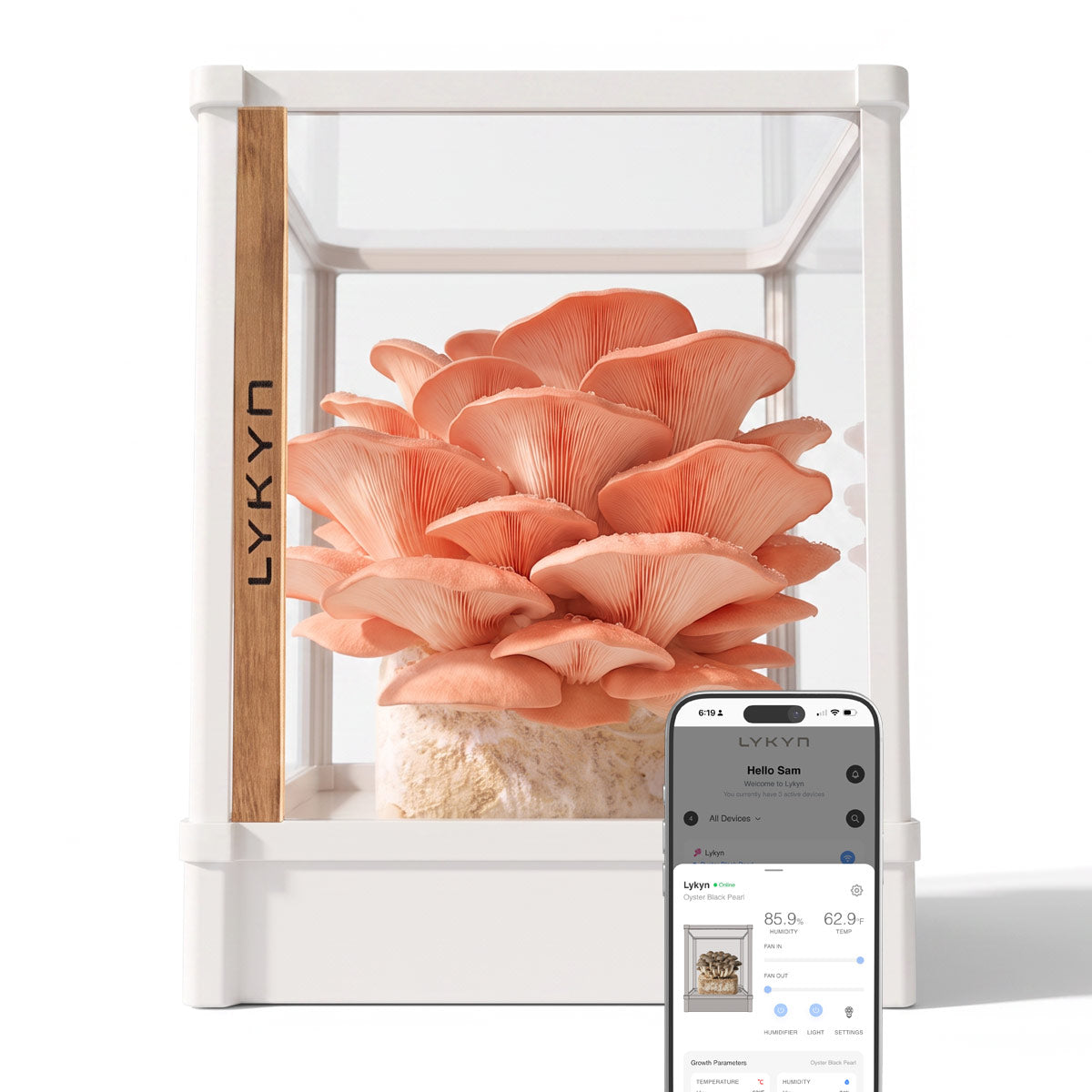
Smart Mushroom Grow Chamber
Plug-and-play smart chamber with humidity, light, and airflow dialed in for every species. Beginners harvest their first flush in days, not months.
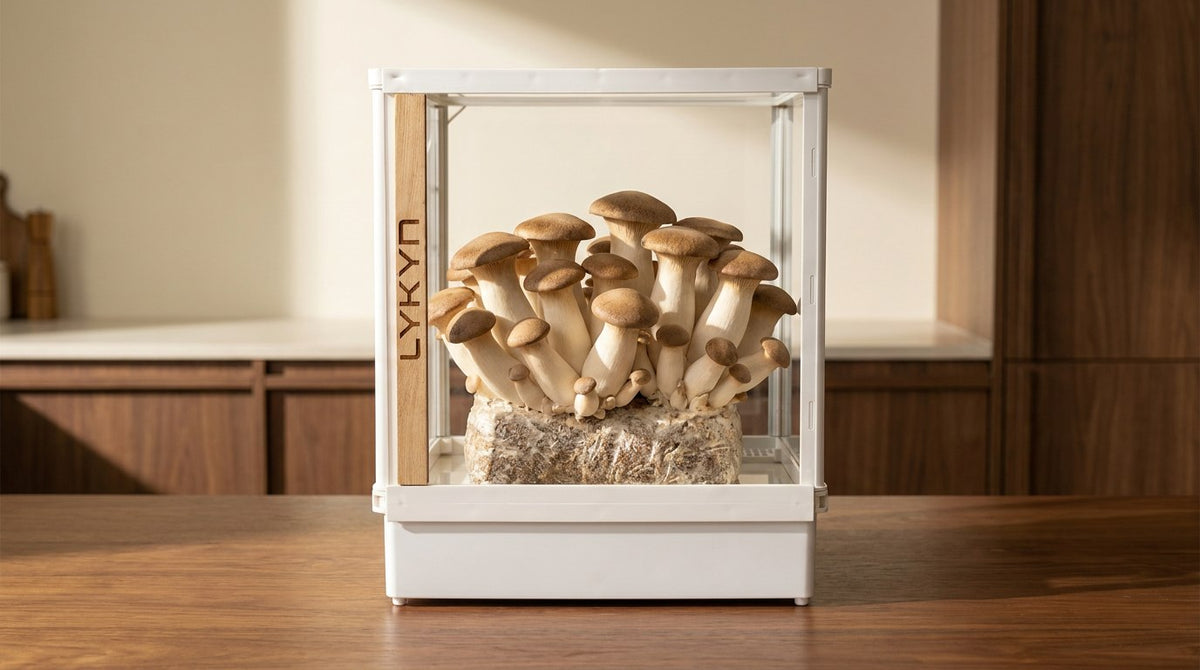
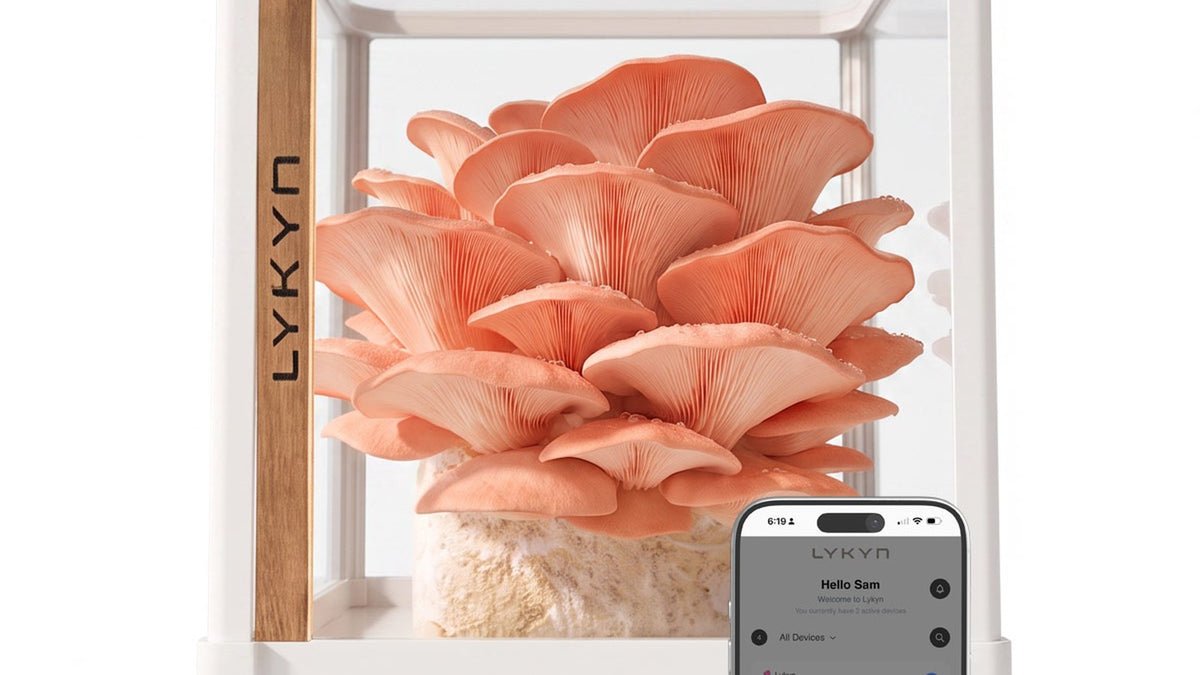
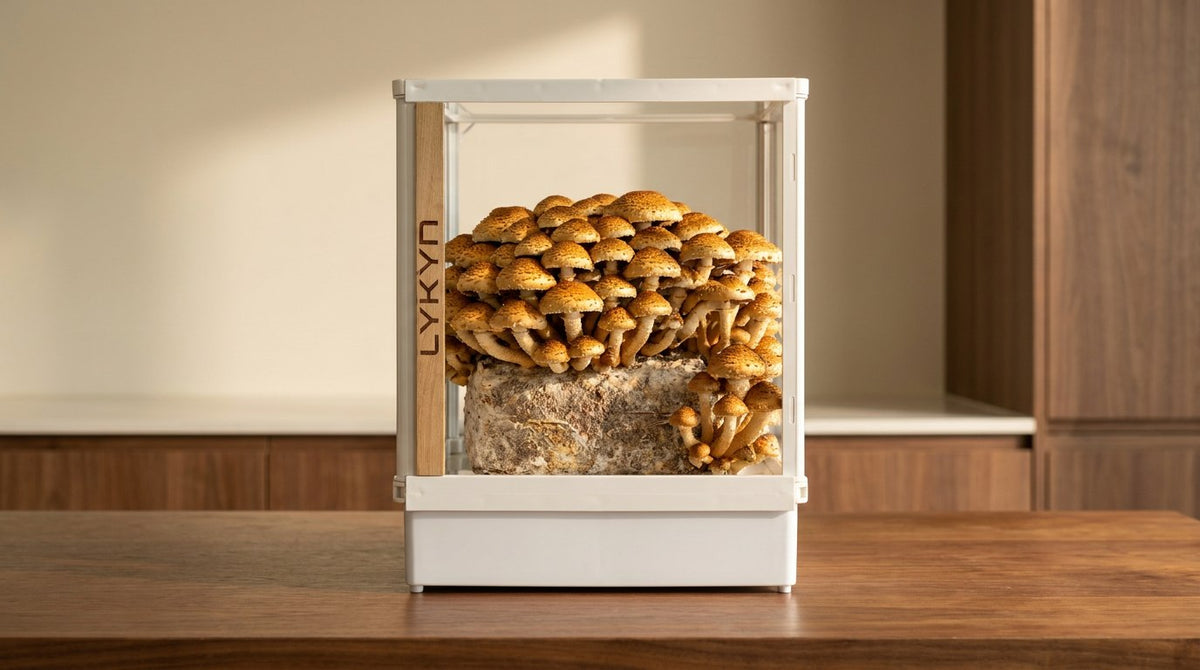
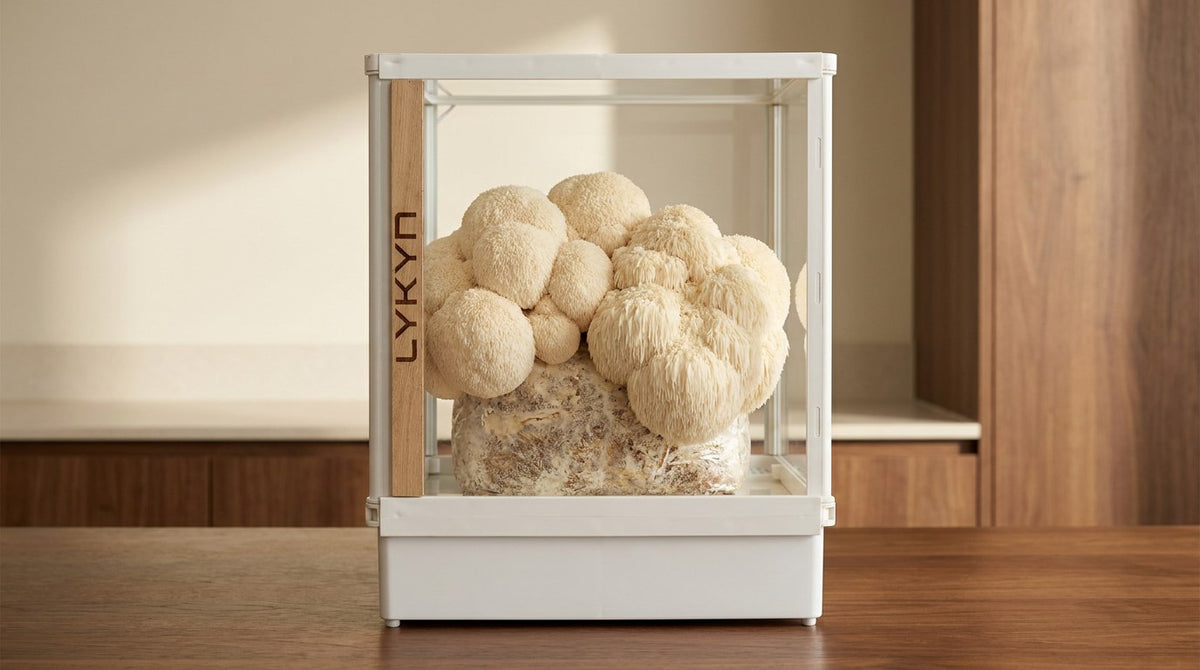
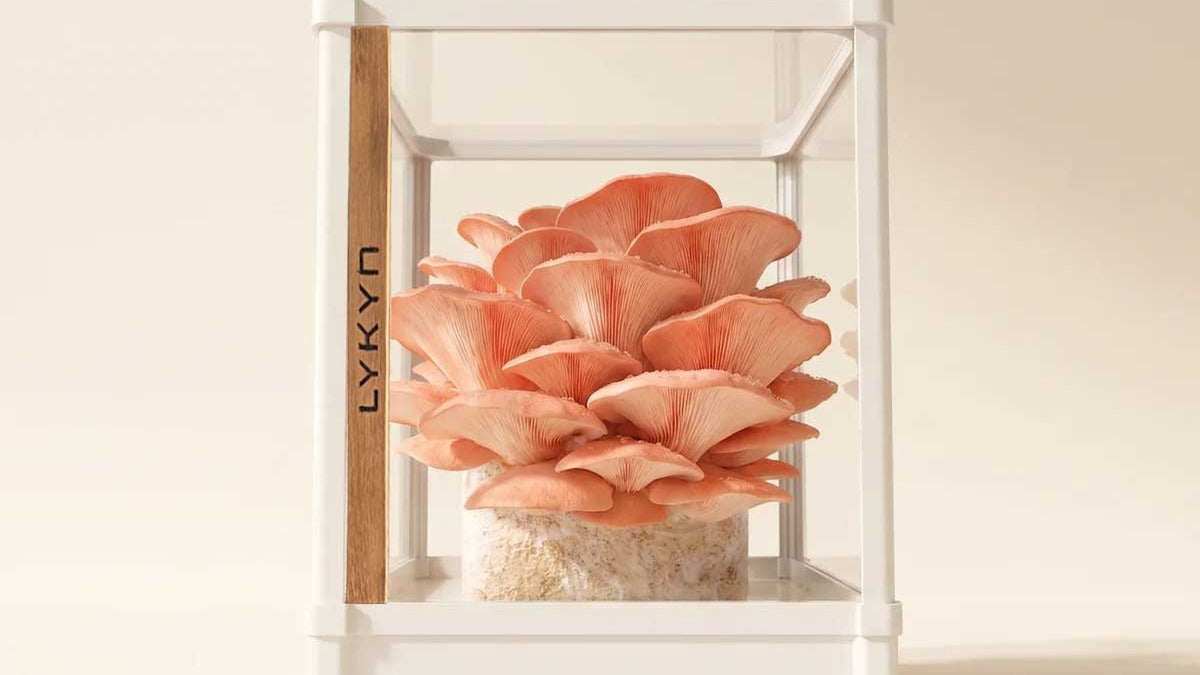
Add to cart $299The key to growing inky caps is replicating their natural habitat: decaying hardwood in a consistently humid environment. If you're serious about mushroom cultivation, investing in proper equipment makes a huge difference. The Smart Mushroom Grow Kit. Automated Mushroom Fruiting Chamber from Lykyn provides the consistent humidity and air exchange that inky caps need during their fruiting phase.

Foraging and Harvesting Wild Inky Caps
Finding inky caps in the wild is actually pretty easy once you know where to look. They're not shy. Harvest when caps are still egg-shaped or just beginning to open. Once deliquescence starts, you have only 4-6 hours before they dissolve completely.
Preserving and Cooking Inky Cap Mushrooms
Fresh inky caps have an incredibly short shelf life. We're talking hours, not days. But there are ways to extend their usability. The best method is to sauté and then freeze them. This simple recipe for Sautéed Inky Caps on Toast is a great way to enjoy their delicate flavor.

Frequently Asked Questions About Inky Cap Mushrooms
Can you eat inky cap mushrooms?
Yes, inky cap mushrooms are edible when harvested young, before deliquescence begins. However, common inky caps (Coprinopsis atramentaria) contain coprine, which causes severe reactions when combined with alcohol. Always identify your species correctly and follow the 72-hour alcohol avoidance rule for common inky caps.
Why do inky cap mushrooms turn to black liquid?
Inky caps undergo autodigestion, a process called deliquescence, where the cap tissue self-digests using enzymes to release spores. This evolutionary adaptation allows spores to be carried away by water or insects rather than relying solely on wind dispersal. The black liquid contains millions of mature spores.
How long after eating inky caps can you drink alcohol?
Wait at least 72 hours after eating common inky caps before consuming any alcohol. Some sources suggest even longer for sensitive individuals. This applies to all alcohol sources, including cooking wine, vanilla extract, and alcohol-containing medications. Shaggy manes don't require this restriction.
Are inky cap mushrooms poisonous to dogs?
Most inky cap species are not considered toxic to dogs, but they can cause gastrointestinal upset. The bigger concern is that dogs often eat mushrooms without discrimination, potentially consuming actually toxic species growing nearby. If your dog eats any wild mushroom, contact your veterinarian immediately.
How can you tell the difference between shaggy mane and common inky cap?
Shaggy manes have distinctive white, shaggy scales covering the entire cap, making them look like a "lawyer's wig." Common inky caps have smooth, gray-brown caps without scales. Shaggy manes also grow taller (up to 6 inches) and are typically more cylindrical, while common inky caps are more oval and shorter.
Can you grow inky cap mushrooms indoors?
Yes, though it requires careful environmental control. Inky caps need consistent humidity (85-95%), temperatures between 55-75°F depending on growth stage, and a wood-based substrate. Using an automated fruiting chamber significantly improves success rates by maintaining these conditions automatically.
What does inky cap mushroom taste like?
Fresh, young inky caps have a mild, slightly sweet flavor with earthy undertones. Many foragers describe them as more delicate than button mushrooms but with better depth. The texture when properly cooked is tender but not slimy. Shaggy manes are generally considered to have superior flavor to common inky caps.
Share:
What Is a Clam Mushroom? Your Complete Guide to Growing This Delicious Oyster Variety
Orange Mushroom Identification: How to Tell What You Found