


Featured Snippet Answer:
The best mushroom pizza combines 2-3 mushroom varieties (like oyster, cremini, and shiitake), properly sautéed before topping to remove excess moisture. For peak flavor, grow your own gourmet mushrooms at home, they're ready in 7-14 days and deliver superior taste compared to store-bought options.
Why Homegrown Mushrooms Transform Your Pizza Game
Here's something I learned after years of making mediocre mushroom pizza: store-bought mushrooms are often picked days or even weeks before they hit shelves. They lose moisture, flavor compounds degrade, and that incredible umami punch? Gone.

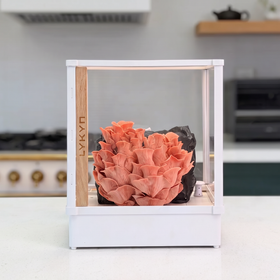
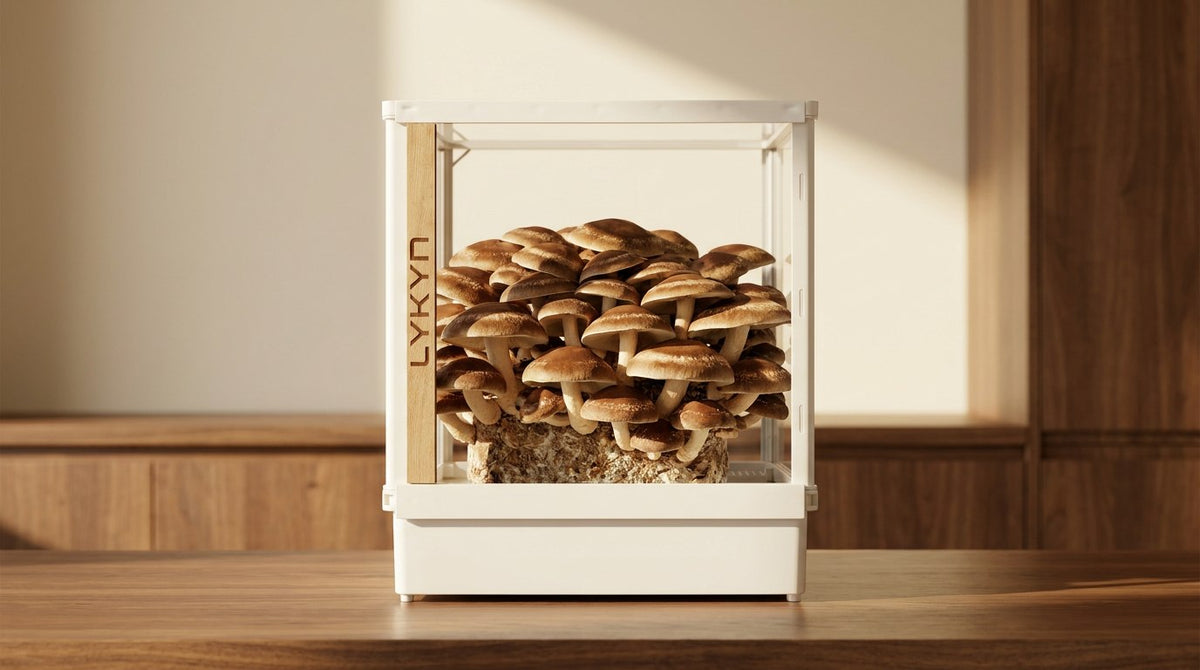
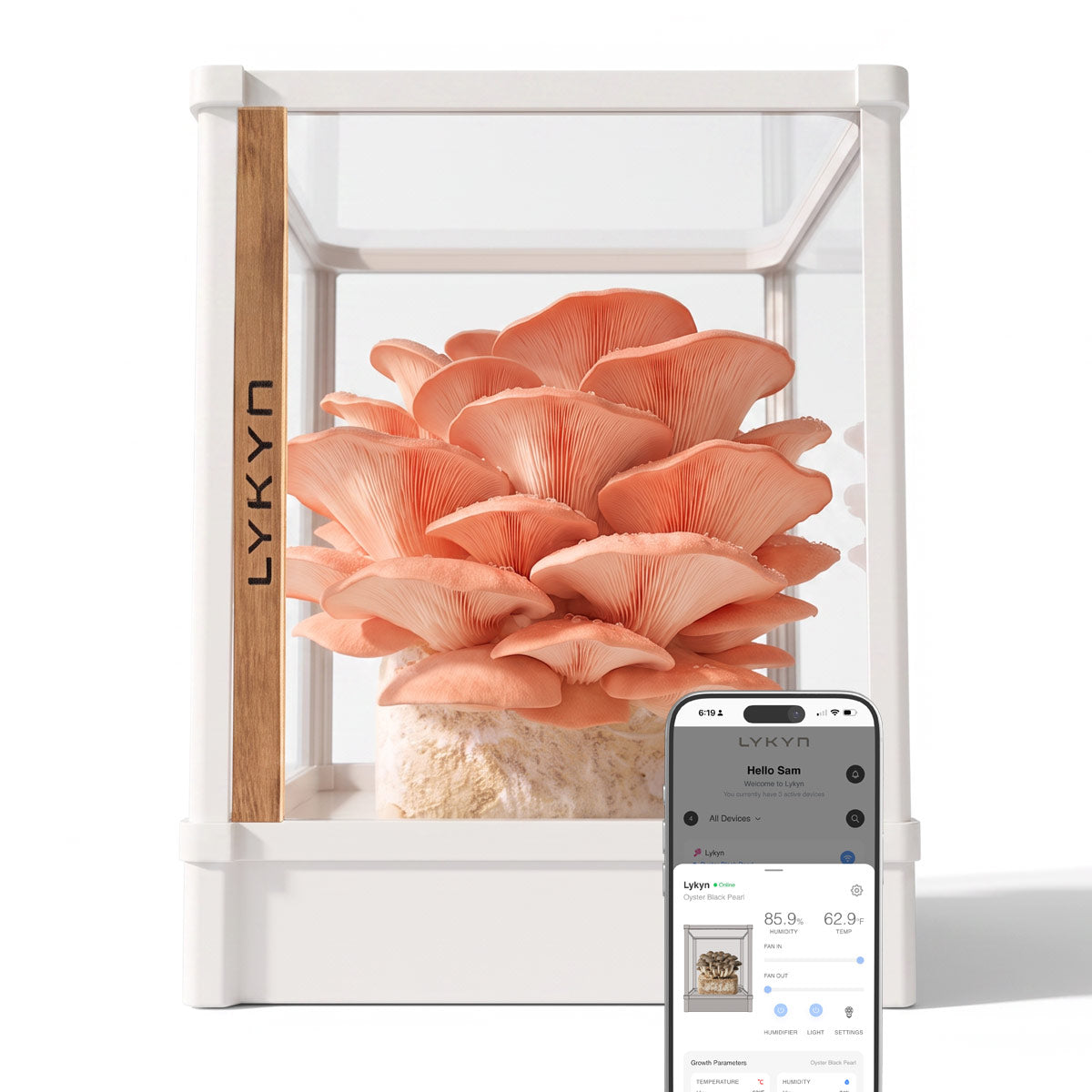
Smart Chamber. Bone White Single
- 2.8L tank, 90% humidity automatic
- App-controlled, plug-and-play
- 6 lb block ceiling, in stock

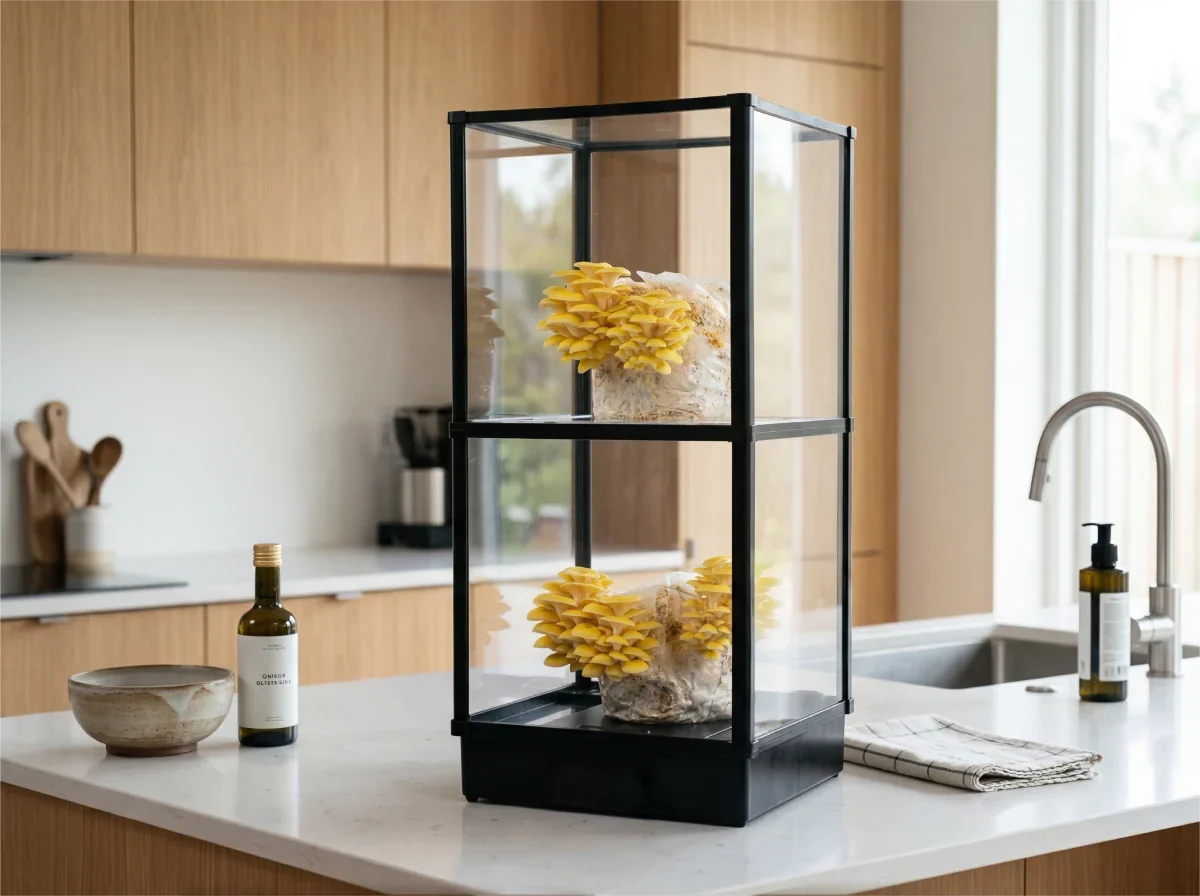
Smart Chamber. Obsidian Black Single
- Same hardware as Bone White
- Matte black premium finish
- Pairs with any kitchen palette

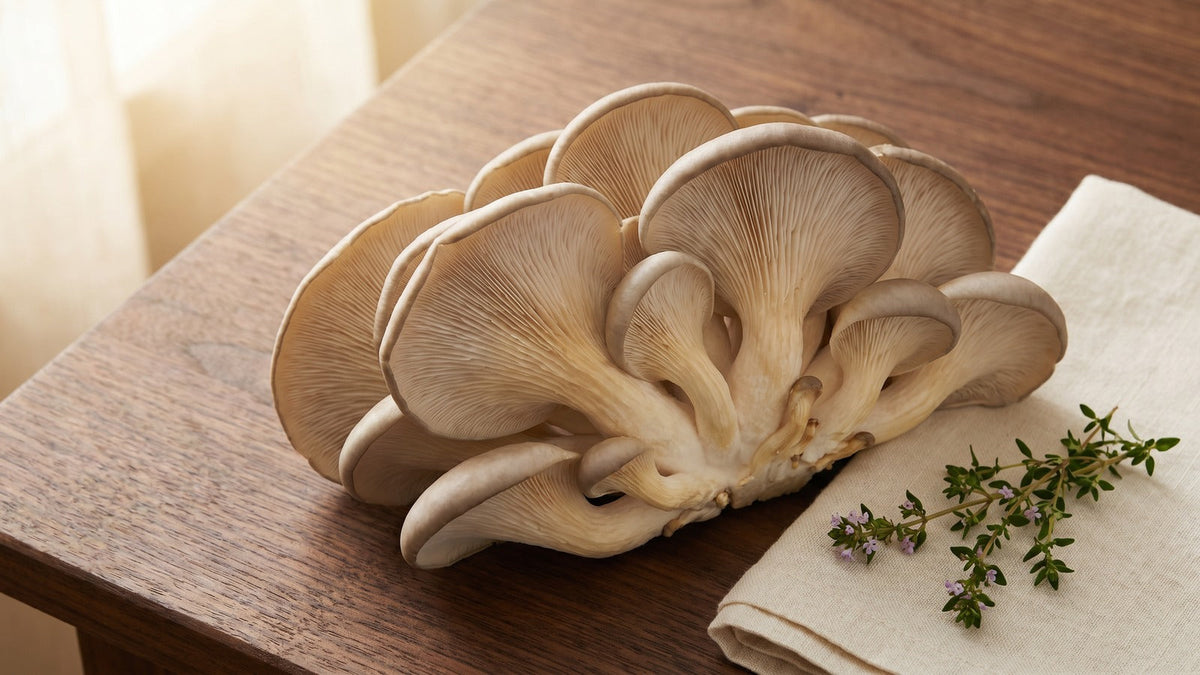
When I started growing my own mushrooms at home, everything changed. Fresh-harvested oyster mushrooms have this delicate, almost seafood-like quality that disappears within 48 hours of picking. Pink oysters especially, they're buttery and mild when fresh, but turn slightly bitter if they've been sitting around.
According to a 2024 study published in the Journal of Food Science, fresh mushrooms contain up to 40% more glutamate (the compound responsible for umami flavor) compared to mushrooms stored for 5+ days. That's the difference between "okay" pizza and the kind that makes people ask what your secret is.
The good news? Growing gourmet mushrooms at home is surprisingly simple. A Smart Mushroom Grow Kit gets you from setup to harvest in about 10-14 days with zero prior experience needed.
Best Mushrooms for Pizza: A Complete Breakdown
Not all mushrooms are created equal when it comes to pizza. Some turn watery and sad in high heat. Others become rubbery. Here's what actually works:
Oyster Mushrooms: The Pizza MVP
Oyster mushrooms are my go-to for homemade pizza. They have a naturally meaty texture that holds up to oven temperatures, and their mild, slightly anise-like flavor complements rather than overwhelms other toppings.
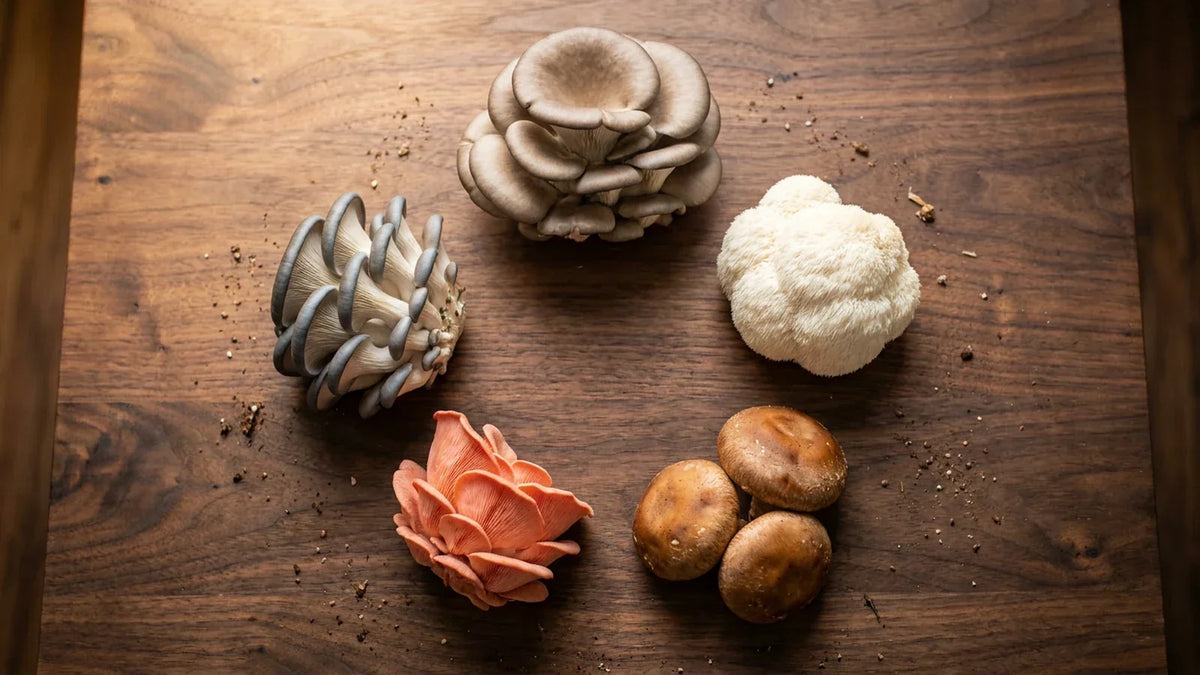
Blue oyster mushrooms are particularly excellent for pizza. They're heartier than their pink cousins and develop beautiful caramelized edges when roasted. If you want to grow your own supply, Blue Oyster Mushroom Liquid Culture is a cost-effective way to produce multiple harvests.
Pink oyster mushrooms bring something special to the table, literally. Their rose-colored caps add visual appeal, and they cook faster than other varieties due to their delicate structure. A Pink Oyster Mushroom Liquid Culture kit lets you grow these beauties continuously once you get the hang of it.

The Classic Trio: Cremini, Shiitake, and White Button
For detailed preparation techniques for the most common variety, check out our guide on White Button Mushrooms: Complete Guide to Benefits & Cooking. It covers everything from cleaning methods to optimal sautéing temperatures.
Specialty Options for Adventurous Cooks
Want to really impress? Enoki mushrooms add a completely different texture, crispy when placed on pizza after baking, or pleasantly chewy when cooked briefly. They're unconventional but work beautifully on white pizzas with garlic oil and fresh herbs.
The Right Way to Prepare Mushrooms for Pizza
Here's where most home cooks go wrong: they slice raw mushrooms and throw them directly on the pizza. The result? A soggy mess.
Mushrooms are roughly 90% water. When that water releases directly onto your pizza dough, you get a wet, undercooked center that no amount of oven time can fix.
Step-by-Step Mushroom Prep Method
- Slice evenly. Aim for ¼-inch thickness. Thinner pieces will crisp up; thicker pieces stay meatier.
- Dry sauté first. Heat a large pan over medium-high heat. Add mushrooms in a single layer, no oil yet. Let them release their moisture (about 2-3 minutes). You'll hear sizzling as the water evaporates.
- Add fat and flavor. Once the pan looks dry, add butter or olive oil, a pinch of salt, and minced garlic. Sauté another 2 minutes until edges turn golden.
- Season and cool. A splash of soy sauce or a pinch of thyme works wonders. Let mushrooms cool slightly before topping your pizza, this prevents them from steaming the cheese.

Pro Tips from Experience
- Mix at least two varieties. Different textures and flavors create complexity. Try blue oysters with cremini for a balanced combination.
- Don't skip the garlic. Mushrooms and garlic are best friends. Always.
- Add some after baking. A few fresh mushroom slices added post-oven (especially delicate varieties like enoki) provide textural contrast.
- Consider mushroom powder. Adding it to your dough creates an umami foundation that amplifies everything. Learn more in our Mushroom Powders: Ultimate Guide to Benefits, Uses, and DIY article.
Perfect Mushroom Pizza Recipe (2026 Edition)
This recipe has been my reliable go-to. It makes one 12-inch pizza and works in a standard home oven.
Ingredients
For the dough (or use store-bought):

Fuel Your Mushroom Journey
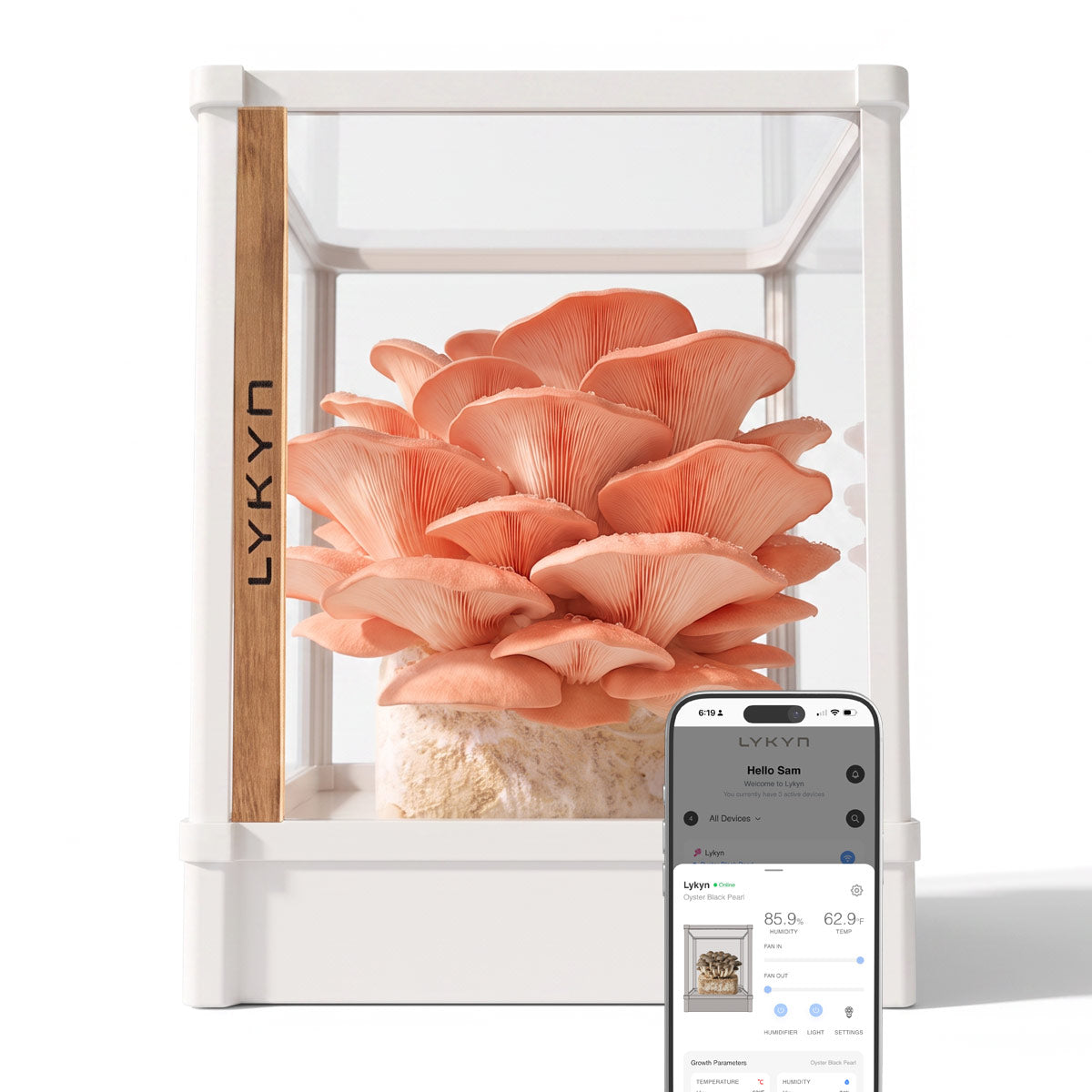
Smart Mushroom Grow Chamber
Plug-and-play smart chamber with humidity, light, and airflow dialed in for every species. Beginners harvest their first flush in days, not months.
Add to cart $299- 250g bread flour
- 160ml warm water
- 5g salt
- 3g instant yeast
- 1 tablespoon olive oil
For the toppings:
- 200g mixed mushrooms (oyster + cremini recommended)
- 2 tablespoons butter
- 3 cloves garlic, minced
- 150g low-moisture mozzarella, shredded
- 50g fontina cheese, cubed
- Fresh thyme leaves
- Truffle oil (optional, for finishing)
- Salt and black pepper to taste
Instructions
- Make dough (if not using pre-made): Combine ingredients, knead 8 minutes, let rise 1-2 hours until doubled.
- Preheat oven to 500°F (260°C) with a pizza stone or inverted baking sheet inside. Heat for at least 30 minutes.
- Prepare mushrooms using the sauté method described above. Season with thyme, salt, and pepper.
- Shape dough into a 12-inch round. Transfer to a floured pizza peel or parchment paper.
- Assemble: Brush dough with olive oil (no tomato sauce, let mushrooms shine). Add mozzarella, then fontina cubes, then mushrooms.
- Bake 8-10 minutes until crust is golden and cheese bubbles.
- Finish with fresh thyme, a drizzle of truffle oil if using, and a crack of black pepper.

Growing Your Own Pizza Mushrooms: Quick Start Guide
The freshest mushrooms you'll ever put on pizza are the ones you harvest yourself, 10 minutes before cooking. It sounds fancy, but it's genuinely simple.
What You Need to Start
A basic Smart Mushroom Grow Kit includes everything: pre-colonized substrate, humidity tent, and instructions. You'll get your first harvest in 10-14 days.
For ongoing production, liquid cultures are more economical. One 10ml syringe of Blue Oyster Liquid Culture can inoculate multiple bags of substrate, giving you harvests for months.
Frequently Asked Questions About Mushroom Pizza
What are the best mushrooms to put on pizza?
The best mushrooms for pizza are oyster varieties (blue and pink), cremini, and shiitake. These hold their texture during high-heat baking and offer rich, earthy flavors. For optimal results, use a combination of 2-3 varieties to create depth and visual appeal.
Should you cook mushrooms before putting them on pizza?
Yes, always sauté mushrooms before adding them to pizza. Raw mushrooms release water during baking, making your crust soggy. Dry-sautéing for 3-5 minutes removes excess moisture and concentrates flavor, resulting in properly caramelized toppings.
How do you keep mushrooms from getting soggy on pizza?
Prevent soggy mushrooms by slicing them evenly (¼-inch thick), dry-sautéing until moisture evaporates, then adding oil and seasonings. Also, don't overcrowd your pizza, space mushrooms so heat circulates around each piece during baking.
Can you grow pizza mushrooms at home?
Absolutely. Oyster mushrooms are the easiest gourmet variety to grow at home and take just 10-14 days from setup to harvest. Ready-to-grow kits require no special equipment or experience, just consistent humidity and indirect light.
What cheese goes best with mushroom pizza?
Low-moisture mozzarella provides the ideal base for mushroom pizza. Adding fontina or gruyère creates a nuttier flavor profile that complements earthy mushrooms. Fresh mozzarella contains too much moisture and can make the pizza wet.
How long do you bake mushroom pizza?
At 500°F (260°C), mushroom pizza bakes in 8-10 minutes. The crust should be golden-brown and the cheese bubbling with slight browning. Using a preheated pizza stone or steel reduces baking time and creates a crispier bottom crust.
Is mushroom pizza healthier than other pizzas?
Mushroom pizza offers more nutrients per calorie than most meat-topped pizzas. Mushrooms provide B vitamins, selenium, potassium, and unique compounds like ergothioneine (an antioxidant). They're also low in calories, about 22 calories per cup of sliced cremini.
Conclusion: Your Mushroom Pizza Action Plan
Making exceptional mushroom pizza comes down to three core principles: use fresh mushrooms (ideally homegrown), always sauté before topping, and combine multiple varieties for complex flavor.
The difference between forgettable and fantastic mushroom pizza isn't technique or expensive ingredients, it's freshness. Mushrooms harvested the same day you cook have flavor profiles that simply can't be replicated with week-old supermarket options.
Here's your next step: Start a grow kit this weekend. In two weeks, you'll have fresh oyster mushrooms ready for your best pizza ever. It's genuinely that straightforward.
Ready to Grow Your Own Gourmet Pizza Mushrooms?
Stop settling for sad, store-bought mushrooms. Your next mushroom pizza deserves better.
→ Get Your Smart Mushroom Grow Kit Now and harvest fresh, gourmet mushrooms in just 10-14 days.
Limited growing season tip: Start your kit now to have fresh mushrooms ready for peak pizza-making weather. Most kits sell out during spring and fall months.



Share:
Mushroom Compost: The Complete 2026 Guide to Garden Gold
How to Make the Perfect Mushroom Sauce for Steak Every Time