


Featured Snippet Box:
Mushroom sauce for steak combines sautéed mushrooms, butter, garlic, beef stock, and cream into a rich, umami-packed topping. Cook mushrooms until golden (5-7 minutes), add aromatics, deglaze with stock, finish with cream. Total time: 15 minutes. Best mushrooms: shiitake, oyster, cremini, or a mix.
Look, I'll be honest with you. I spent years ordering steaks at fancy restaurants just for that mushroom sauce. Then I realized something kind of embarrassing, this stuff takes fifteen minutes to make at home.
And here's the real secret those restaurants won't tell you: the mushrooms matter way more than the technique.
I've made this sauce with sad grocery store mushrooms. I've made it with fresh shiitake I grew myself. The difference isn't subtle. It's like comparing instant coffee to a proper pour-over.
Let me walk you through everything I've learned about making restaurant-quality mushroom sauce for steak, including which mushrooms actually deserve to be on your plate.
Why Mushroom Sauce and Steak Are the Perfect Pairing

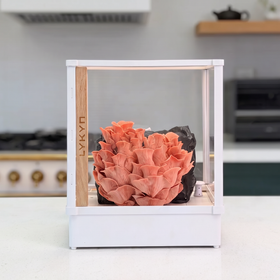
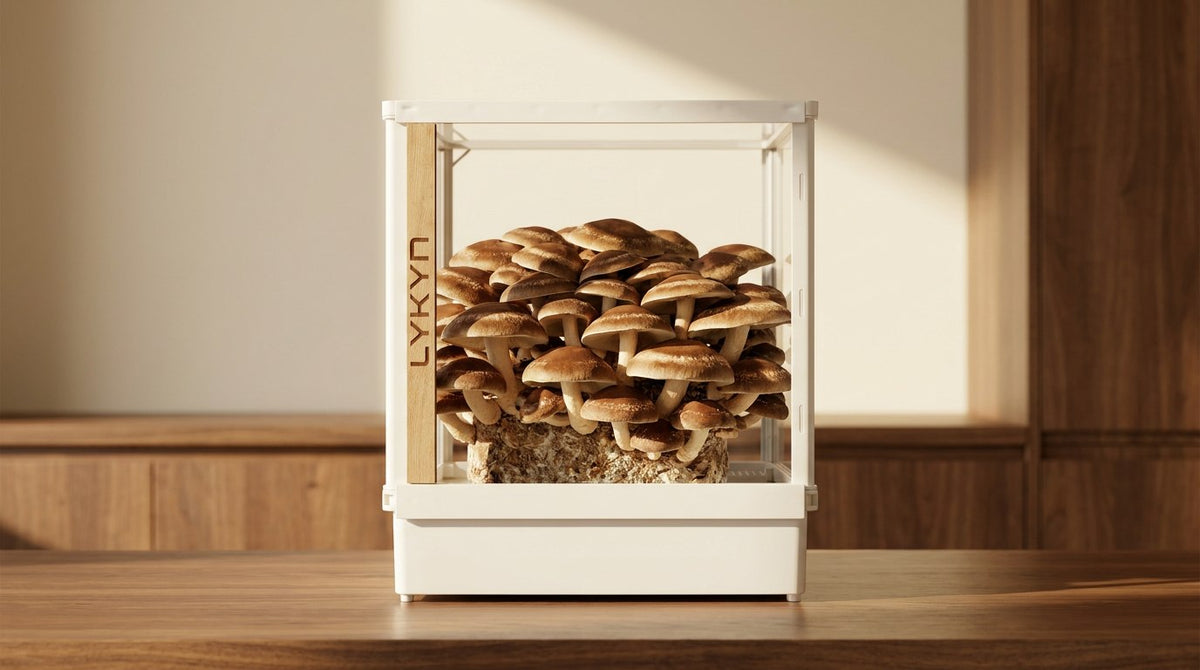
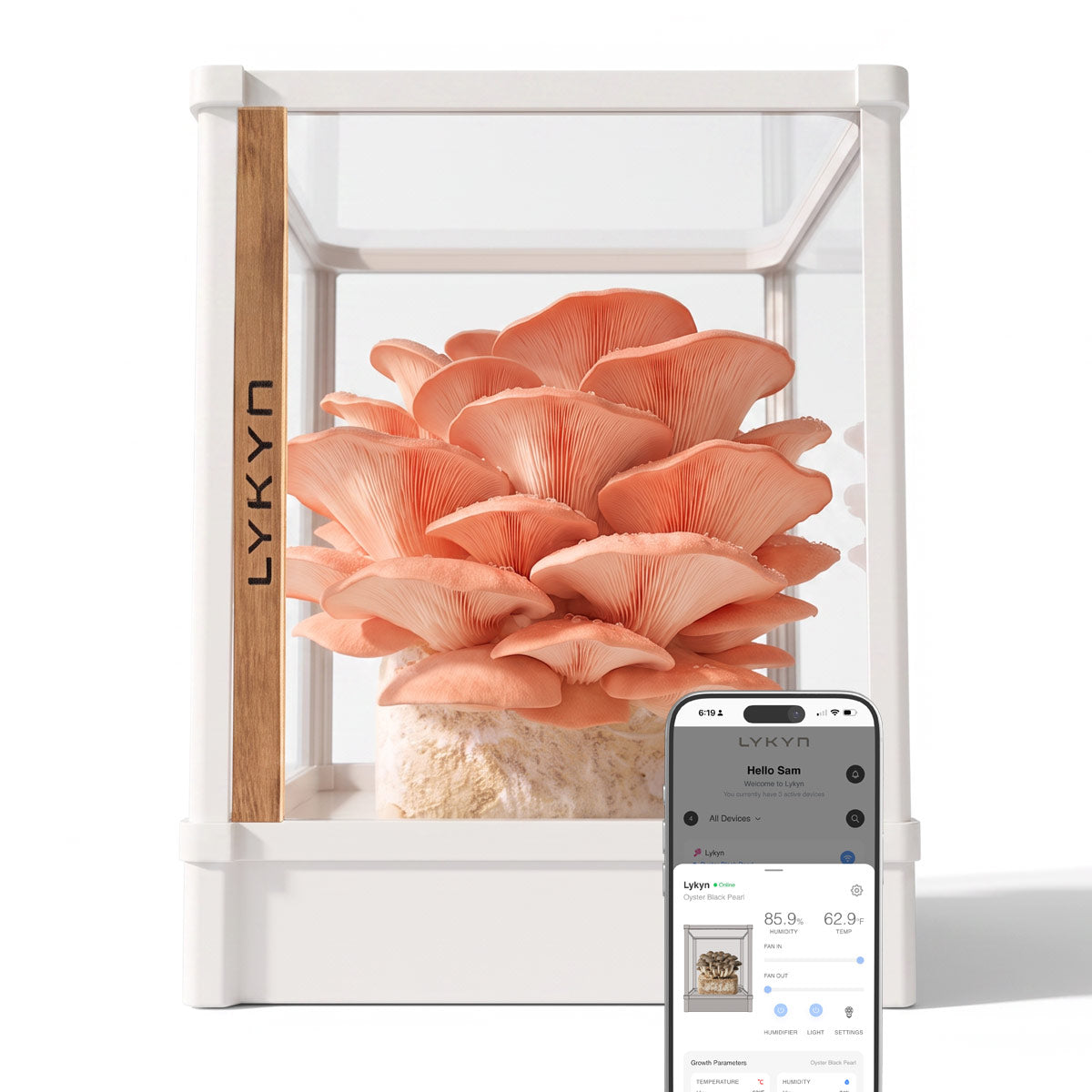
Smart Chamber. Bone White Single
- 2.8L tank, 90% humidity automatic
- App-controlled, plug-and-play
- 6 lb block ceiling, in stock

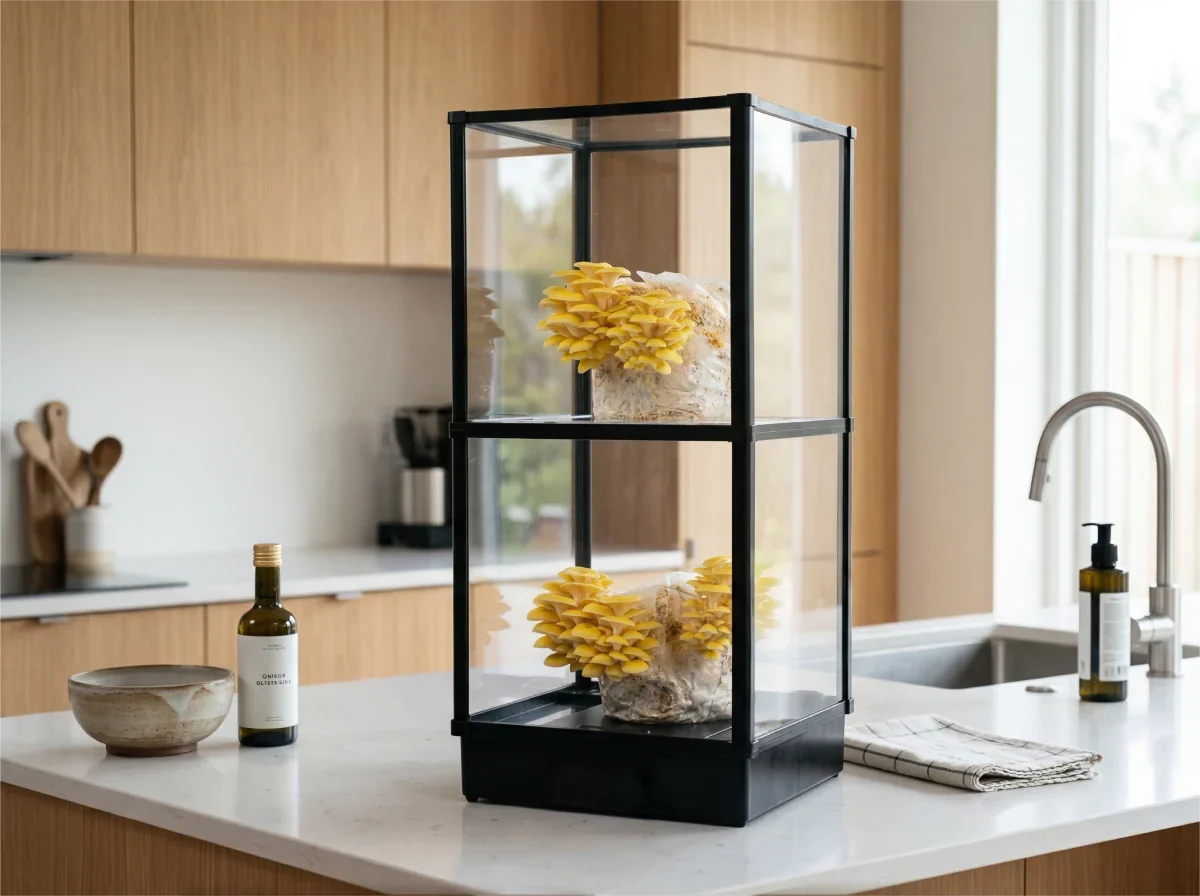
Smart Chamber. Obsidian Black Single
- Same hardware as Bone White
- Matte black premium finish
- Pairs with any kitchen palette

There's actual science behind why this combination works so well.
Mushrooms are one of the few plant-based foods naturally high in glutamate, the compound responsible for umami flavor. When you combine that with the glutamate already present in a well-seared steak, you get what food scientists call umami synergy.
Translation? The flavors don't just add together. They multiply.
The Maillard Reaction Connection
Both seared steak and properly cooked mushrooms undergo the Maillard reaction, a chemical process that creates hundreds of flavor compounds. This shared chemistry is why the pairing feels so natural.
A 2024 study from the Culinary Institute of America found that mushroom-based sauces increased perceived "meatiness" in dishes by up to 40%, even when meat portions were reduced.
Pretty cool, right?

Best Mushrooms for Steak Sauce (And Why It Matters)
Not all mushrooms are created equal. Here's what I've learned from testing basically every variety I could get my hands on:
Shiitake Mushrooms
These are my personal favorite for steak sauce. Shiitake mushrooms have an intense, almost smoky umami flavor that stands up to a ribeye without getting lost.
The texture holds up beautifully during cooking, no soggy mushroom situation. If you want to take your sauce to the next level, try growing your own with a Shiitake Mushroom Fruiting Block. Fresh-harvested shiitake have a depth of flavor that store-bought simply can't match.
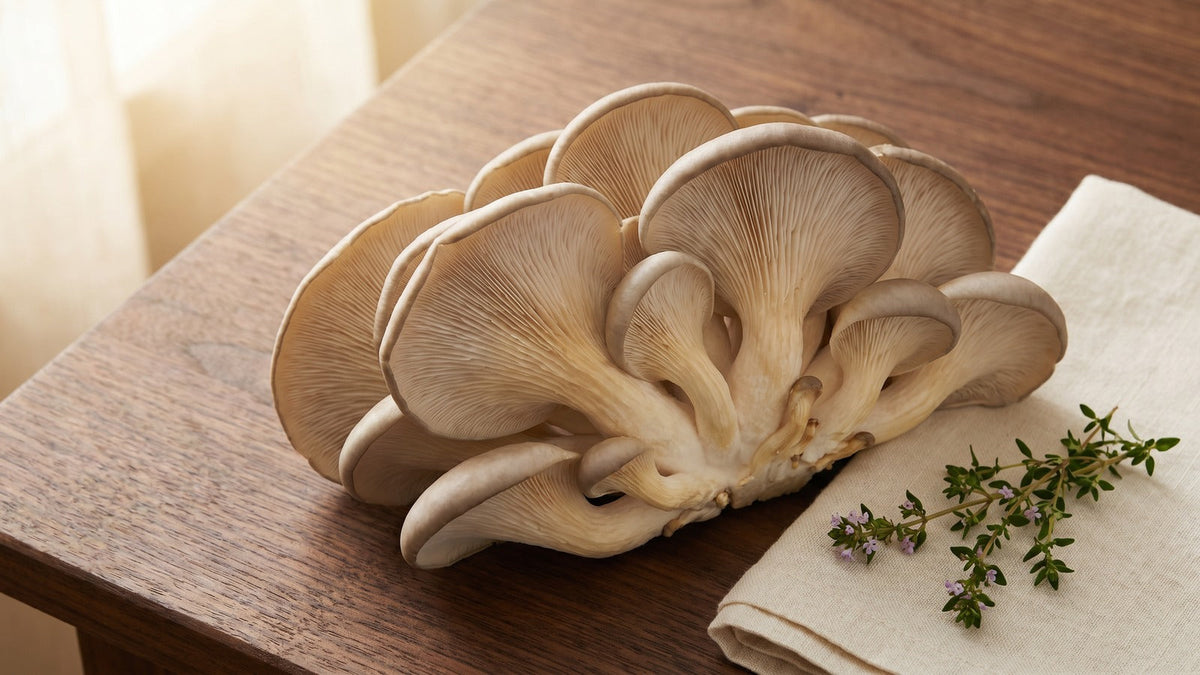
Oyster Mushrooms
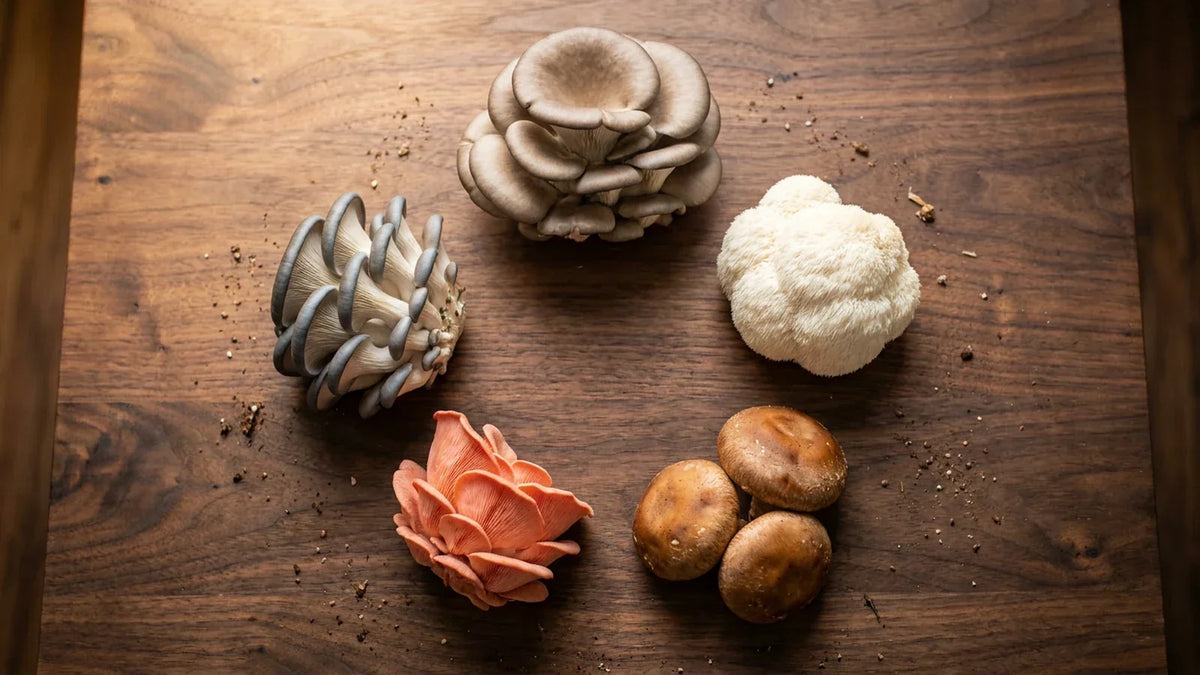
Here's where things get interesting. Different oyster varieties bring completely different vibes:
| Mushroom Type | Flavor Profile | Best For |
|---|---|---|
| Black Oyster | Deep, earthy, savory | Rich cream sauces, red wine reductions |
| Pink Oyster | Mild, slightly sweet, bacon-like when cooked | Lighter sauces, compound butters |
| King Oyster | Meaty, mild, excellent texture | Sliced thick as a steak topper |
I've been experimenting with Black Oyster Mushroom Blocks lately, and honestly? The flavor intensity from fresh-grown black oysters makes grocery store cremini taste like cardboard.
For something different, Pink Oyster Mushrooms add a beautiful pop of color and a surprisingly bacon-like flavor when sautéed until crispy.
Cremini and Button Mushrooms
These are the workhorses. They won't blow your mind, but they're reliable and accessible. My tip: mix them with one premium variety for the best balance of cost and flavor.
Wild Cards Worth Trying
If you can get your hands on maitake (hen of the woods) or morels, use them. Check out this guide on how to prepare maitake mushrooms if you're new to working with them, they require slightly different handling but deliver incredible results.
For a truly special occasion, black morel mushrooms create an absolutely unforgettable sauce. That blog even includes a recipe for "Seared Steak with Black Morel Sauce" that's become my go-to for celebrations.
Classic Mushroom Sauce for Steak: Step-by-Step Recipe
Alright, let's get cooking. This is the base recipe I use every time, with notes on variations.
Ingredients
- 8 oz mixed mushrooms, sliced (about 3 cups)
- 3 tablespoons butter, divided
- 2 cloves garlic, minced
- 1 small shallot, finely diced
- ½ cup beef stock (or mushroom stock for richer flavor)
- ½ cup heavy cream
- 1 tablespoon fresh thyme leaves
- Salt and black pepper to taste
- Optional: 2 tablespoons cognac or brandy
Step 1: Prep Your Mushrooms Properly
This is where most people mess up.
Don't wash your mushrooms under running water. They're like little sponges. Instead, wipe them with a damp paper towel or use a soft brush.
Slice them about ¼-inch thick. Uniform thickness = even cooking.
Step 2: Get Your Pan Screaming Hot
Use a large skillet, stainless steel or cast iron works best. Add 2 tablespoons of butter over high heat.
Wait until the butter stops foaming. That's your signal.
Step 3: Sauté Without Crowding
Here's the critical technique: spread your mushrooms in a single layer and don't touch them for 2-3 minutes.
I know it's tempting to stir. Don't.
You want golden-brown caramelization, not steamed sad mushrooms. If your pan isn't big enough, work in batches.
Flip and cook another 2-3 minutes until golden on both sides.

Fuel Your Mushroom Journey
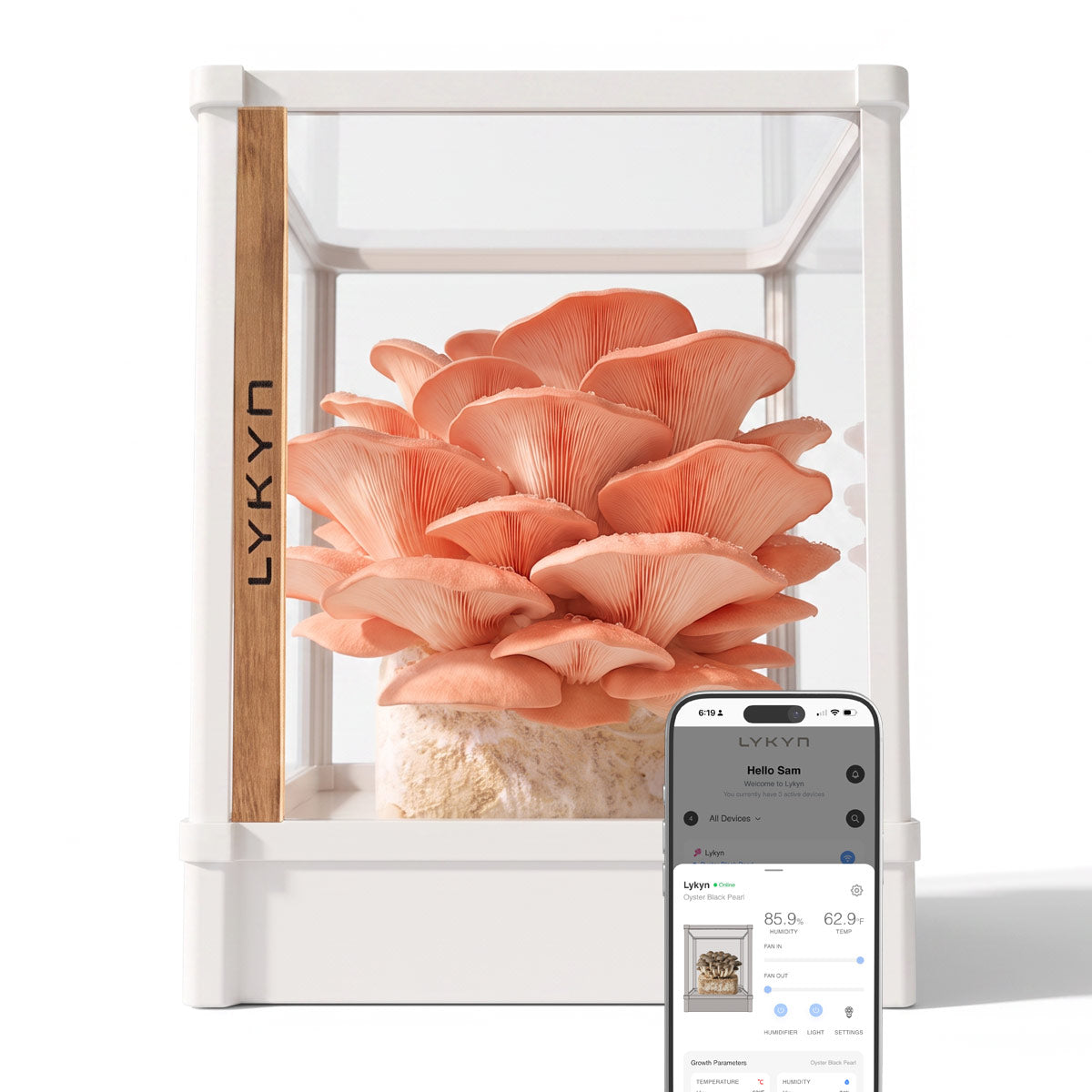
Smart Mushroom Grow Chamber
Plug-and-play smart chamber with humidity, light, and airflow dialed in for every species. Beginners harvest their first flush in days, not months.
Add to cart $299
Step 4: Build the Aromatics
Reduce heat to medium. Add the remaining tablespoon of butter, garlic, and shallot.
Cook for about 1 minute, until fragrant but not browned.
If you're using cognac, add it now and let it reduce for 30 seconds. (Keep your face away from the pan if you're cooking over gas, it might flame up briefly.)
Step 5: Deglaze and Simmer
Pour in the beef stock. Use your spoon to scrape up all those delicious brown bits stuck to the pan. That's called fond, and it's pure flavor gold.
Let this simmer until reduced by half, about 3-4 minutes.
Step 6: Finish with Cream
Add the heavy cream and thyme. Simmer for another 2-3 minutes until the sauce coats the back of a spoon.
Season with salt and pepper. Taste it. Adjust.
That's it. Fifteen minutes, restaurant-quality sauce.
Pro Tips I Learned the Hard Way
Temperature Control Is Everything
- High heat = caramelization and flavor
- Medium heat = aromatics without burning
- Low simmer = cream reduction without breaking
The Salt Timing Secret
Don't salt your mushrooms until they're almost done cooking. Salt draws out moisture early, which prevents browning.
Make It Ahead (Sort Of)
You can prep the mushrooms and make the sauce up to 2 hours before serving. Just stop before adding the cream. Reheat gently and add cream at the last minute.
Stock Matters
Homemade beef stock makes a noticeable difference. If you're using store-bought, choose low-sodium so you control the seasoning.

Mushroom Sauce Variations to Try
Red Wine Mushroom Sauce
Replace beef stock with ½ cup dry red wine. Let it reduce completely before adding a smaller amount of stock (¼ cup). Skip the cream for a lighter, more elegant sauce.
Creamy Peppercorn Mushroom Sauce
Add 1 tablespoon crushed green peppercorns with the cream. The slight heat complements the earthy mushrooms beautifully.
Mushroom Compound Butter
For an even simpler approach, sauté finely diced mushrooms with garlic, let cool, then mix into softened butter with herbs. Roll in plastic wrap, refrigerate, and slice coins onto hot steak.
Dairy-Free Option
Replace butter with olive oil and cream with full-fat coconut cream. Add a splash of soy sauce for extra umami.
Frequently Asked Questions About Mushroom Sauce for Steak
What is the best mushroom for steak sauce?
Shiitake mushrooms offer the most intense umami flavor and hold their texture well during cooking. For a more complex sauce, mix shiitake with oyster mushrooms or cremini. Fresh, high-quality mushrooms always outperform older grocery store options.
How do you make mushroom sauce creamy without cream?
You can achieve a creamy texture using coconut cream, cashew cream, or even a small amount of cream cheese. Another technique is blending a portion of the cooked mushrooms and stirring them back into the sauce for body without dairy.
Can you make mushroom sauce ahead of time?
Yes, you can prepare mushroom sauce up to 2 days in advance. Store it refrigerated and reheat gently over low heat. If the sauce thickens too much, add a splash of stock or cream while reheating to restore the proper consistency.
Why do my mushrooms turn soggy in the pan?
Soggy mushrooms usually result from overcrowding the pan or cooking over insufficient heat. Mushrooms release moisture when heated, if there's no room for that steam to escape, they'll steam instead of sear. Cook in batches and use high heat initially.
How long does homemade mushroom sauce last?
Properly stored in an airtight container, mushroom sauce keeps for 3-4 days in the refrigerator. It doesn't freeze well because the cream can separate when thawed. Make fresh batches for the best flavor and texture.
What cut of steak is best with mushroom sauce?
Rich, fatty cuts like ribeye and New York strip pair exceptionally well because their bold flavor stands up to the sauce. Filet mignon also works beautifully, the milder beef lets the mushroom flavors shine. Even a good flat iron or hanger steak becomes restaurant-worthy with this sauce.
Is mushroom sauce healthy?
Mushrooms themselves are low in calories and packed with B vitamins, selenium, and antioxidants. A traditional cream-based sauce adds richness, but you can make healthier versions using stock-based reductions or dairy-free alternatives. The sauce is also naturally gluten-free.
Understanding Mushroom Varieties for Cooking
If you want to go deeper on mushroom selection, the Black King Mushrooms Guide covers one of the most striking dark oyster varieties available. These bring a bold umami punch that works incredibly well in steak applications.
Learning about different mushroom varieties isn't just for sauce-making, it opens up a whole world of culinary possibilities.
Conclusion: Your Next Steak Night, Elevated
Here's what we covered:
- The science is real, mushrooms and steak create umami synergy that amplifies both flavors
- Mushroom quality matters more than technique, fresh shiitake and oyster varieties dramatically outperform standard button mushrooms
- The basic technique is simple, high heat for browning, don't crowd the pan, build layers of flavor
- Fifteen minutes is all you need, this isn't complicated, it just requires attention to a few key details
- Variations are endless, once you master the base recipe, experiment with wines, herbs, and different mushroom combinations
The next time you're planning a steak dinner, skip the bottled sauce. Make this instead.
Your future self will thank you.
Ready to Grow Restaurant-Quality Mushrooms at Home?
Here's the truth: the biggest upgrade you can make to your mushroom sauce isn't a better recipe, it's better mushrooms.
Browse Lykyn's mushroom growing kits and harvest your own shiitake, oyster, or specialty varieties at home. Fresh-picked mushrooms have flavor intensity that store-bought simply can't match.
Your next dinner party deserves mushrooms picked that same day. Start growing today →



Share:
How to Make the Best Mushroom Pizza with Fresh, Homegrown Fungi
How to Make the Best Mushroom Swiss Burger You've Ever Tasted