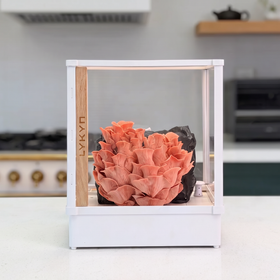



Are you wondering how mushroom bags work and whether they're the right choice for your home mushroom growing project? Mushroom bags have revolutionized home cultivation, making it easier than ever to grow fresh, organic mushrooms right from your kitchen counter. Whether you're a complete beginner or looking to optimize your growing technique, understanding mushroom bags is essential for successful cultivation.
This comprehensive guide will walk you through everything you need to know about mushroom bags, from understanding different types and maximizing yields to troubleshooting common problems. By the end, you'll have the knowledge to choose the perfect mushroom bag setup and start harvesting delicious gourmet mushrooms in just weeks.
What Are Mushroom Bags and How Do They Work?

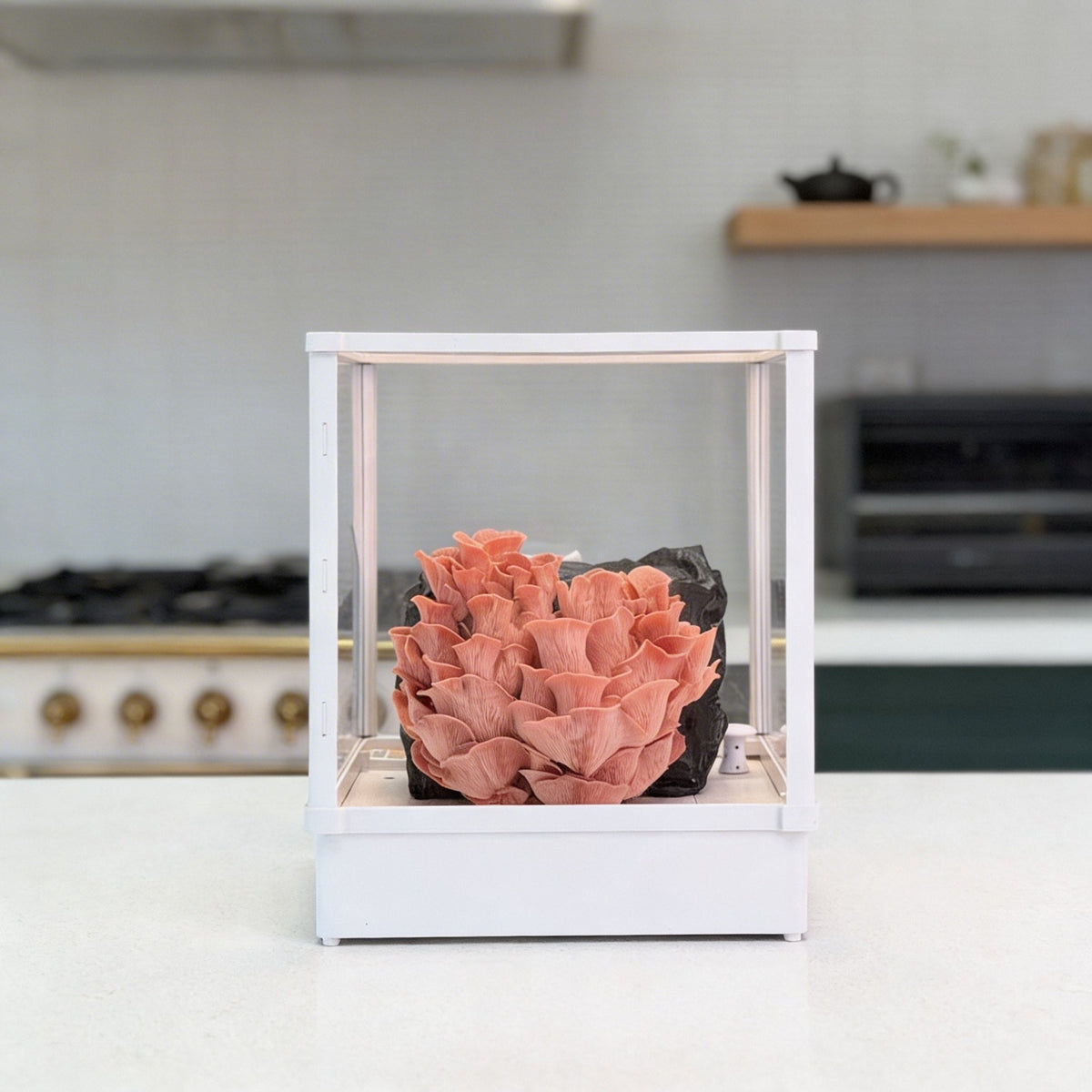
Smart Chamber. Bone White Single
- 2.8L tank, 90% humidity automatic
- App-controlled, plug-and-play
- 6 lb block ceiling, in stock

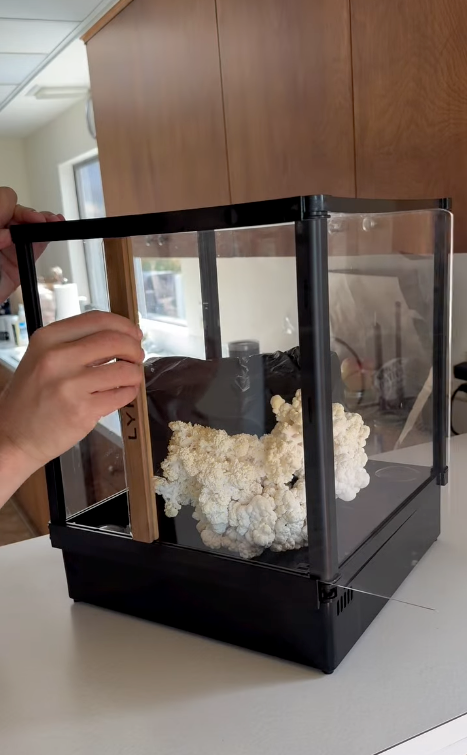
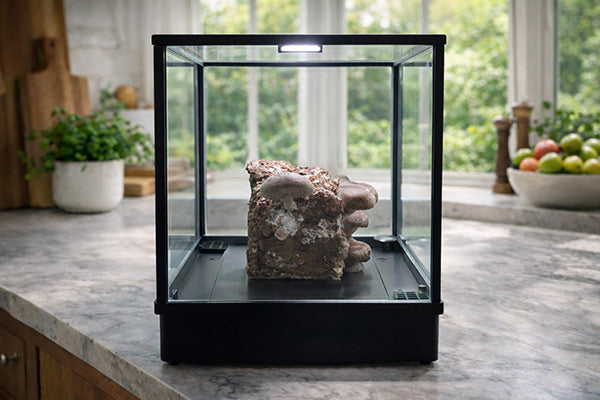
Smart Chamber. Obsidian Black Single
- Same hardware as Bone White
- Matte black premium finish
- Pairs with any kitchen palette

Mushroom bags are specialized growing containers designed specifically for cultivating mushrooms at home or commercially. These bags create the ideal microenvironment for mushroom development while protecting the growing substrate from contamination. Understanding how they work helps you make better decisions throughout your cultivation journey.

At their core, mushroom bags contain sterilized substrate material that provides nutrition for mushroom growth. The substrate typically consists of hardwood sawdust, supplemented grain, straw, or combinations of these materials depending on the mushroom species. The bags themselves feature micropore filter patches that allow essential gas exchange while preventing airborne contaminants from entering.
The filter patches represent one of the most important features of quality mushroom bags. These specialized membranes allow carbon dioxide produced by growing mycelium to escape while letting fresh oxygen enter. This gas exchange is critical for healthy mushroom development. Without proper filtration, CO₂ buildup would stunt growth, while unfiltered openings would invite contamination from mold spores and bacteria.
Modern mushroom bags come in various configurations designed for different growing stages. All-in-one bags combine grain spawn and bulk substrate in a single package, ideal for inoculation and colonization. Fruiting blocks arrive fully colonized and ready to produce mushrooms immediately. Understanding these differences helps you choose the right bag type for your experience level and cultivation goals.
The sealed environment inside mushroom bags maintains consistent moisture levels while the mycelium colonizes the substrate. This controlled atmosphere dramatically improves success rates compared to open-container growing methods. For beginners, pre-inoculated mushroom fruiting blocks eliminate the most technical aspects of cultivation while delivering reliable results.
Types of Mushroom Bags: Choosing the Right Option for Your Needs
Not all mushroom bags serve the same purpose. Understanding the different types available helps you select the best option for your specific growing situation and experience level.
Ready-to-Fruit Mushroom Blocks
Ready-to-fruit blocks represent the most beginner-friendly option available. These bags arrive fully colonized with white mycelium visible throughout the substrate, ready to produce mushrooms within days of setup. Simply remove the block from shipping materials, cut openings to expose the substrate to air, and maintain humidity while mushrooms form.
These blocks work exceptionally well for culinary varieties like Pink Oyster and Lion's Mane mushroom fruiting blocks, producing first flushes within 7-14 days. Most quality blocks yield 2-4 harvests over several months, making them excellent value for home growers. The pre-colonized nature eliminates concerns about sterile technique and inoculation procedures that intimidate many beginners.
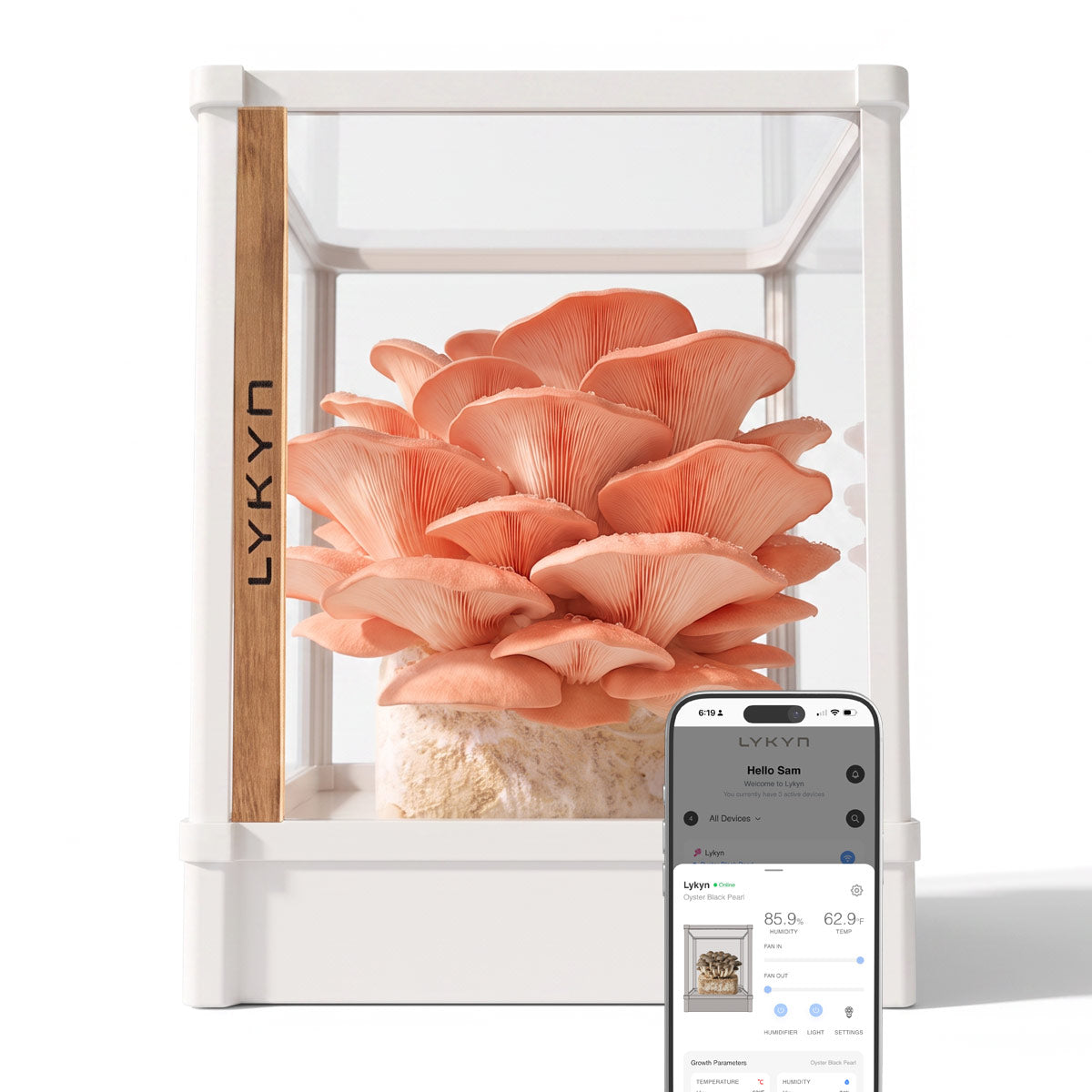
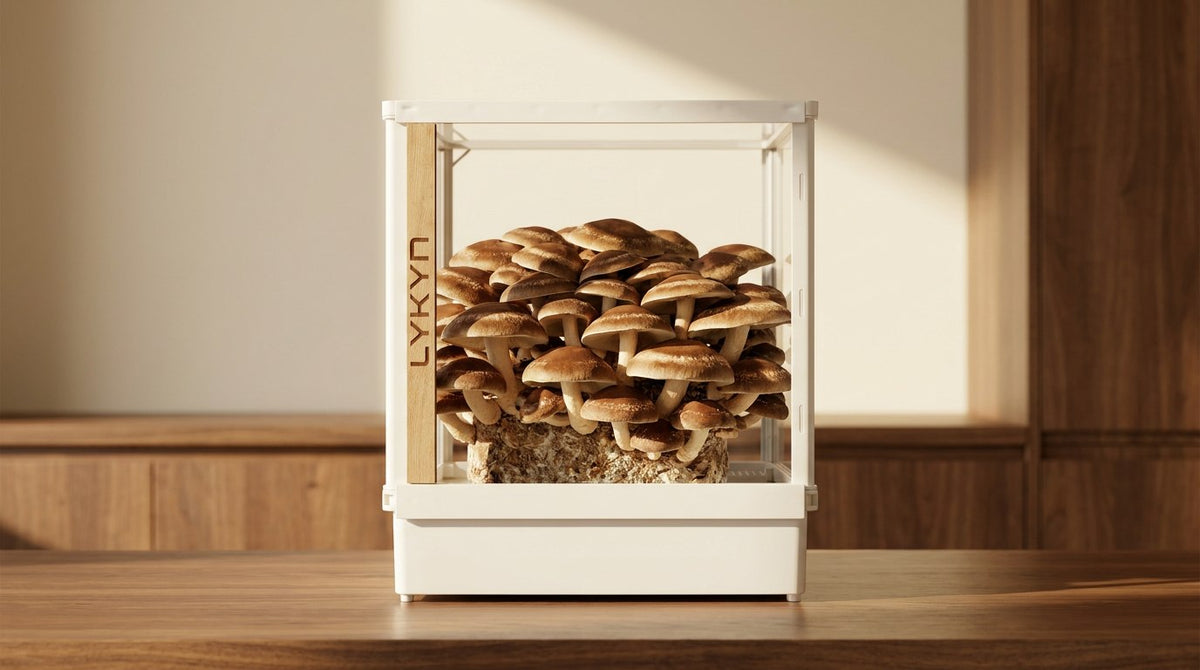
For those seeking maximum convenience, the Lykyn Smart Mushroom Grow Kit works perfectly with ready-to-fruit blocks. Simply place your block inside the chamber, select your mushroom species in the app, and the system automatically maintains perfect humidity and airflow conditions without any daily misting or monitoring.
All-in-One Grow Bags
All-in-one bags contain pre-sterilized substrate mixed with grain but arrive without mycelium. These bags include self-healing injection ports that allow you to add your own spore syringe or liquid culture. Once inoculated, the mycelium colonizes the substrate inside the sealed, sterile environment over several weeks before you're ready to initiate fruiting.
This approach appeals to growers wanting more control over genetics and strain selection while still avoiding the complexity of preparing substrate from scratch. The sealed environment protects against contamination during the critical colonization phase when the substrate remains most vulnerable. Success rates remain high as long as proper sterile technique is used during inoculation.
All-in-one bags typically take 3-6 weeks for complete colonization depending on mushroom species and environmental conditions. Oyster mushrooms colonize fastest, often completing within 2-3 weeks, while slower-growing varieties like shiitake may require 4-6 weeks. This patience pays off with substantial harvests once fruiting begins.
Grain Spawn Bags
Grain spawn bags contain sterilized grain (typically rye, millet, or popcorn) that's been inoculated with mushroom mycelium. These bags don't produce mushrooms directly but instead serve as intermediate steps in the cultivation process. Colonized grain spawn gets mixed with bulk substrate materials to create larger growing volumes.
Experienced growers use grain spawn bags to expand cultures economically. A single small liquid culture syringe can inoculate multiple grain bags, which then provide enough spawn to inoculate dozens of pounds of bulk substrate. This scalability makes grain spawn bags essential for anyone moving beyond basic kits into more advanced cultivation.
The grain-based substrate provides excellent nutrition that promotes vigorous mycelium growth. Healthy grain spawn exhibits strong white mycelium coverage with no discoloration or unusual odors. Once fully colonized, grain spawn can be stored in refrigeration for several weeks, providing flexibility in cultivation scheduling.
Understanding Mushroom Bag Yield: What to Expect from Your Harvest
One of the most common questions from new growers concerns mushroom grow bag yield expectations. Understanding realistic yield potential helps set appropriate goals while identifying whether your growing conditions need optimization.
Mushroom bag yields vary significantly based on several interconnected factors. Substrate quality forms the foundation of productive harvests, higher-quality growing mediums with proper nutrition and moisture content produce substantially better yields. Most beginner-friendly mushroom bags produce between 1-2 pounds of fresh mushrooms per growing cycle, though optimal conditions can push yields even higher.
Species selection dramatically impacts expected yields. Oyster mushrooms rank as the most productive option for home growers, typically yielding 1-1.5 pounds per 5-pound grow bag and producing multiple flushes. Their aggressive growth and tolerance for environmental fluctuations make them forgiving for beginners while delivering impressive harvests.
Shiitake mushrooms offer exceptional flavor and nutritional benefits while producing moderate yields of 0.75-1.25 pounds per growing cycle. These mushrooms take longer to fruit than oysters but their rich umami flavor and dense texture make the wait worthwhile. Lion's mane mushrooms typically yield 0.5-1 pound per bag, with their unique appearance and seafood-like texture creating premium culinary value despite slightly lower total weight.
Environmental conditions critically influence final yields. Maintaining consistent temperature within each species' preferred range, providing adequate humidity during fruiting (typically 80-95%), and ensuring proper fresh air exchange all contribute to maximizing harvests. The Lykyn Smart Mushroom Grow Kit eliminates environmental guesswork by automatically maintaining optimal conditions, often resulting in 20-30% higher yields compared to manual growing methods.
Multiple flushes from single mushroom bags multiply total yield substantially. Most quality bags produce 2-4 distinct fruiting cycles over 8-12 weeks. While first flushes typically produce the largest individual mushrooms, subsequent flushes can collectively match or exceed initial harvest weights. Proper post-harvest care including rest periods and optional substrate soaking encourages robust additional flushes.
How to Use Mushroom Bags: Step-by-Step Growing Instructions
Successfully growing mushrooms in bags requires understanding the complete process from initial setup through harvest. Following these proven steps ensures optimal results whether you're working with ready-to-fruit blocks or inoculating your own bags.
Initial Inspection and Preparation
When your mushroom bag arrives, carefully remove it from shipping materials and thoroughly inspect the contents. Healthy bags should show complete white mycelium coverage or the characteristic coloring of your chosen species. Pink oyster blocks often develop orange tones, while chestnut mushroom blocks show distinctive orange coloration indicating readiness for fruiting.
Any green, black, gray, or unusual colored spots indicate contamination issues. Foul odors, excessive moisture pooling, or incomplete colonization suggest problems that should be reported to your supplier immediately. Quality suppliers stand behind their products and will replace contaminated bags without hassle.
If your bag has been refrigerated for storage or shipping, allow it to reach room temperature before proceeding with fruiting initiation. This acclimatization typically takes 4-6 hours. Cold substrate won't fruit properly and remains more vulnerable to environmental shock. Patience during this warming period prevents common problems that frustrate beginners.
Creating Fruiting Conditions
For most ready-to-fruit bags, initiation involves creating openings where mushrooms can emerge. The specific method varies by bag type and mushroom species, but several approaches work reliably. Cutting an X-shaped opening 4-6 inches across exposes substrate to fresh air while the plastic collar provides structural support and maintains moisture.
Alternatively, you can cut diagonal slits across the top of the bag, completely remove the top portion, or turn the block on its side and cut a window in the side for side-fruiting. Some species like shiitake perform better when completely removed from their bags, while others like reishi actually fruit inside unopened bags. Species-specific guidance ensures you use the optimal approach.
Place your prepared bag in a location with indirect natural light or supplement with LED lighting if growing in darker spaces. Avoid direct sunlight which overheats and dries substrate too quickly. Most gourmet mushrooms prefer temperatures between 60-75°F, though specific ranges vary by species. Pink oyster mushrooms thrive in warmer conditions (70-80°F) while blue oyster varieties prefer cooler temperatures (55-65°F).
Maintaining Humidity and Fresh Air Exchange
Mushrooms consist of approximately 90% water, requiring consistently high humidity (80-95%) throughout fruiting. Without adequate moisture, developing pins abort, mushrooms become dry and cracked, or fruiting fails entirely. Traditional growing methods require manual misting 2-4 times daily using fine-mist spray bottles, never streams which damage delicate developing mushrooms.
Creating a simple humidity tent provides passive moisture retention for manual growing. Place a clear plastic bag loosely over the fruiting block, ensuring some air gaps for gas exchange. Remove the tent 2-3 times daily to mist and fan fresh air across the substrate. This hands-on approach works well for engaged growers who enjoy the daily cultivation ritual.
For those preferring automated solutions, the Lykyn Smart Mushroom Grow Chamber revolutionizes the humidity maintenance challenge. Its integrated ultrasonic humidifier and automated control system maintain perfect humidity continuously without any daily effort. Simply place your block inside, select your mushroom type in the companion app, and the system handles all environmental management automatically.
Fuel Your Mushroom Journey
Smart Mushroom Grow Chamber
Plug-and-play smart chamber with humidity, light, and airflow dialed in for every species. Beginners harvest their first flush in days, not months.
Add to cart $299Fresh air exchange proves equally critical to humidity. Mushrooms release carbon dioxide during growth and require fresh oxygen for healthy development. Static air leads to elongated stems, small caps, and poor overall formation. Variable-speed fans with built-in filtration provide contamination-free air exchange in advanced systems, while manual growers achieve similar results through regular fanning sessions combined with strategic opening placement.
Harvesting Your Mushrooms
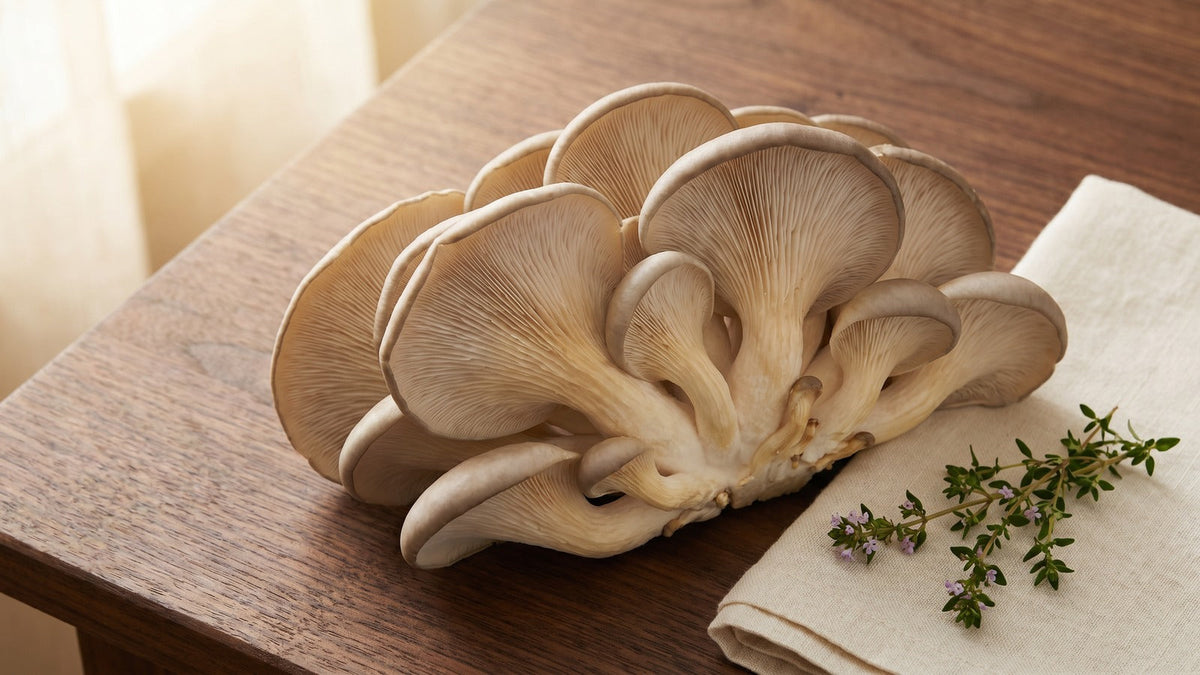
Most mushroom varieties fruit within 7-14 days after initiating fruiting conditions, with oyster mushrooms often appearing even faster. Harvest timing depends on species and intended use, but general principles apply across varieties. Oyster mushrooms reach prime harvest when caps fully open but before edges begin curling upward, indicating over-maturity.
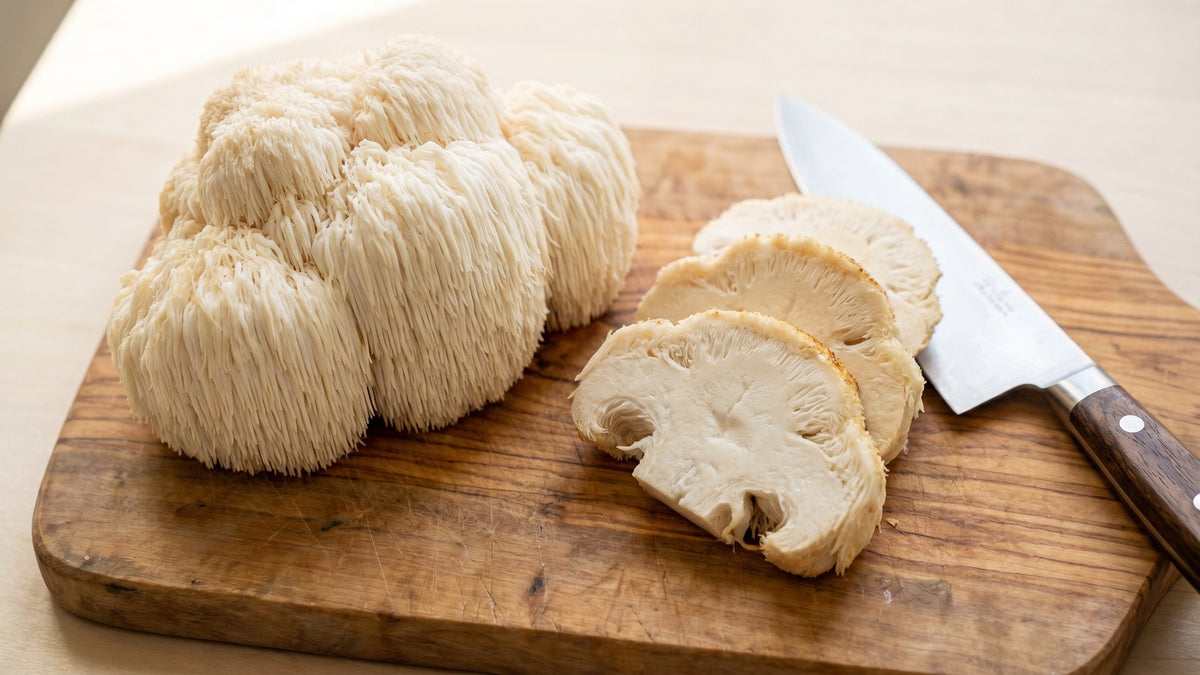
Lion's mane mushrooms should be harvested when the cascading spines reach 2-4 inches in length and the overall mushroom develops a full, pom-pom appearance. Shiitake mushrooms reach optimal quality when caps fully expand but the veil underneath remains largely intact. Waiting too long results in spore release that creates mess and slightly diminishes flavor.
Use a sharp knife to cut mushroom clusters at the base rather than pulling or twisting. This technique minimizes substrate disturbance and reduces contamination risk for subsequent flushes. Harvest entire clusters rather than individual mushrooms when possible, as this promotes cleaner regrowth and simplifies post-harvest substrate management.
After harvesting, remove any remaining mushroom material from the substrate surface using clean hands or sterilized tools. Debris left on blocks can decay and invite contamination that compromises future flushes. Many growers gently scrape the fruiting surface to refresh it between harvests, exposing clean mycelium for the next cycle.
Maximizing Multiple Flushes from Mushroom Bags
Quality mushroom bags produce multiple harvests from single substrates, dramatically improving cost-effectiveness and sustainability. Understanding proper techniques for encouraging subsequent flushes transforms one-time harvests into extended production cycles that provide fresh mushrooms for months.
After your first harvest, the mycelium needs time to rest and accumulate energy for another fruiting cycle. Maintain the block in slightly drier conditions (60-70% humidity) for 7-14 days while the mycelium recovers. This rest period allows the organism to break down remaining substrate nutrients and prepare for renewed fruiting.
Some growers achieve excellent results with substrate soaking between flushes, particularly after second or third harvests when substrate moisture has depleted. Submerge the entire block in clean, room-temperature water for 12-24 hours, allowing it to rehydrate thoroughly. Weight the block if necessary to keep it fully submerged. After soaking, allow excess water to drain for several hours before returning to fruiting conditions.
Temperature shock can stimiate new pinning in some species. After a rest period, temporarily drop temperatures by 10-15°F for 24-48 hours before returning to normal fruiting range. This technique mimics natural weather patterns that trigger fruiting in wild mushrooms, often producing robust flushes from seemingly exhausted substrates.
Second and third flushes typically produce smaller individual mushrooms but can collectively match or exceed first flush weights. Some growers report that later flushes develop more intense flavors, though this varies by species and growing conditions. Continue cycling through harvest and rest periods until the substrate shows obvious depletion, usually evidenced by significantly reduced pinning or prolonged time between flushes.
For additional insights on optimizing your growing technique, explore our comprehensive guide on how to grow your own mushrooms which covers advanced strategies for extending productive cycles and improving overall yields.
Troubleshooting Common Mushroom Bag Problems
Even experienced growers encounter occasional challenges with mushroom bags. Recognizing common problems early and understanding appropriate solutions prevents minor issues from ruining entire growing cycles.
Contamination Issues
Contamination represents the most common frustration for mushroom growers. Green mold (Trichoderma) appears as fuzzy green patches that spread rapidly through substrate. Small contaminated areas (less than 20% of the bag) can sometimes be salvaged by carefully cutting away affected sections with sterilized tools, though success rates vary.
For bags showing extensive contamination, moving them outdoors into garden beds sometimes allows mushrooms to fruit before contamination completely overtakes the substrate. The outdoor environment often favors mushrooms over some contaminants. However, heavily contaminated bags should generally be composted rather than risking spread to other growing areas.
Black or gray mold indicates different contamination types, each requiring similar responses. Prevention proves more effective than treatment, maintaining proper humidity without excessive condensation, ensuring adequate fresh air exchange, and working with clean hands and tools all significantly reduce contamination risks. The sealed, filtered environment of automated growing chambers like the Lykyn system provides superior contamination protection compared to open growing methods.
Slow or Absent Pinning
When mushroom bags fail to initiate pinning despite weeks of proper fruiting conditions, environmental factors usually explain the delay. Temperature represents the most common culprit, verify that your growing area maintains temperatures within your species' preferred range using an accurate thermometer. Even 5-10 degree deviations can prevent or significantly delay pinning.
Insufficient light exposure prevents many species from initiating fruiting. While mushrooms don't require intense lighting like plants, most species need light signals to begin fruiting body development. Provide 12 hours of indirect natural light or LED lighting daily. Some growers report success triggering stubborn blocks by temporarily increasing light exposure.
Inadequate fresh air exchange creates high CO₂ concentrations that inhibit pinning even when all other conditions are optimal. If you're growing manually, increase fanning frequency and consider creating larger openings in bag material to improve air circulation. Stagnant air manifests as elongated, pale mushrooms with underdeveloped caps when fruiting finally occurs.
Sometimes substrate simply needs more time. Patience proves difficult but necessary, some blocks take 2-3 weeks longer than expected before showing first pins, particularly with slower species like shiitake. As long as the block maintains healthy white mycelium without contamination signs, continue proper fruiting conditions and wait for development.
Poor Mushroom Formation
Mushrooms that develop with elongated stems, tiny caps, or irregular shapes indicate suboptimal growing conditions rather than contamination or substrate problems. This challenge most commonly results from insufficient fresh air exchange during fruiting. Increase ventilation, fan more frequently, or enlarge bag openings to improve air circulation.
Excessive heat during fruiting produces stretched, pale mushrooms with poor texture. Many species develop best mushroom characteristics at the cooler end of their temperature tolerance range. If your growing area runs warm, seek cooler locations or consider cultivating during cooler seasons for species like blue oyster that prefer lower temperatures.
Inconsistent humidity creates erratic development patterns with some pins aborting while others continue growing. Automated humidity systems maintain more consistent conditions than manual misting, explaining why growers using smart chambers typically report more uniform, well-formed mushrooms. For manual growers, check humidity levels with a hygrometer and adjust misting frequency to maintain steady conditions.
Storing and Preserving Mushrooms from Your Bags
Successful harvests require proper storage techniques to maintain freshness and quality. Fresh mushrooms harvested from home growing bags taste significantly better than grocery store varieties, and proper handling preserves this superior quality.
Fresh mushrooms should be stored in paper bags or breathable containers in the refrigerator, never sealed plastic bags. The paper absorbs excess moisture while allowing air circulation, preventing the sliminess that develops in sealed plastic. Most mushroom varieties last 5-7 days when properly refrigerated, with firmer species like shiitake sometimes extending to 10 days.
For longer-term storage, dehydrating mushrooms creates shelf-stable products that last 6-12 months when stored in airtight containers away from light and moisture. A food dehydrator set to 125-135°F produces excellent results, though oven-drying at the lowest setting works for those without dedicated equipment. Learn detailed preservation techniques in our guide on how to store lion's mane mushrooms.
Freezing extends storage life to 6-12 months while maintaining most culinary qualities. Blanching mushrooms briefly before freezing (2-3 minutes in boiling water, then immediate ice bath) helps preserve texture better than raw freezing. Slice larger mushrooms before freezing to make them easier to use directly from frozen state in cooking.
FAQ: Common Questions About Mushroom Bags
What's the difference between mushroom fruiting blocks and grow bags?
Mushroom fruiting blocks are fully colonized substrates ready to produce mushrooms immediately with minimal setup. Grow bags typically refer to all-in-one bags that you inoculate yourself, requiring 3-6 weeks of colonization before fruiting begins. Fruiting blocks offer faster results (harvesting within 10-14 days) while grow bags provide more control over genetics and strain selection. Beginners should choose fruiting blocks for quicker gratification and lower contamination risks, while experienced growers often prefer grow bags for economical scaling and variety experimentation.
How many times can I harvest mushrooms from a single bag?
Quality mushroom bags typically produce 2-4 distinct flushes over 8-12 weeks under proper conditions. First flushes usually produce the largest individual mushrooms, while subsequent harvests may have smaller specimens but can collectively match initial yields. Oyster mushroom varieties often deliver 3-4 productive flushes, shiitake typically provides 2-3 harvests, and lion's mane usually produces 2 strong flushes. Proper post-harvest care including rest periods, substrate soaking, and consistent environmental conditions significantly improves multi-flush success rates.
Can I grow mushroom bags without special equipment?
Yes! Basic mushroom bag cultivation requires only a spray bottle for misting, indirect light source, and room-temperature space. Many growers succeed with simple humidity tents made from plastic grocery bags with holes. However, automated systems like the Lykyn Smart Mushroom Grow Kit dramatically improve success rates and yields by maintaining perfect conditions automatically. Manual growing works well for engaged hobbyists willing to mist 2-4 times daily, while automated chambers suit busy individuals or those wanting consistently optimal results without daily attention.
Why is my mushroom bag not fruiting even after proper setup?
Several factors commonly prevent fruiting. Temperature outside the species' preferred range is the most frequent culprit, verify conditions with an accurate thermometer. Insufficient light exposure prevents many species from initiating fruiting, while inadequate fresh air exchange creates high CO₂ that inhibits pinning. Some substrates simply need more time, patience is difficult but necessary as some blocks take 2-3 weeks longer than expected. As long as white mycelium remains healthy without contamination signs, maintain proper conditions and wait for development. If problems persist beyond 4 weeks, contact your supplier about possible substrate issues.
How do I know if my mushroom bag is contaminated?
Healthy mushroom bags show solid white mycelium coverage or species-specific coloration like orange tones in chestnut mushroom blocks. Contamination appears as green (Trichoderma mold), black (bacterial or fungal contamination), gray, or other unusual colors. Foul odors, slimy textures, or excessive liquid pooling also indicate problems. Small contaminated areas (under 20% of substrate) can sometimes be cut away with sterilized tools, but extensively contaminated bags should be composted. Prevention through proper humidity management, adequate air exchange, and clean handling techniques proves more effective than treating contamination after it appears.
Summary: Mastering Mushroom Bag Cultivation
Mushroom bags have revolutionized home cultivation by providing controlled, contamination-resistant environments that produce reliable harvests. Ready-to-fruit mushroom fruiting blocks offer the fastest path to fresh mushrooms for beginners, while all-in-one bags provide experienced growers with economical scaling potential. Understanding proper humidity maintenance, fresh air exchange, and multi-flush techniques maximizes yields from single bags, with quality substrates producing 2-4 harvests over several months. For optimal results with minimal effort, the Lykyn Smart Mushroom Grow Kit automates environmental control and typically increases yields by 20-30% compared to manual methods.
Start Your Mushroom Bag Growing Journey Today
Ready to experience the satisfaction of harvesting fresh, gourmet mushrooms from your own kitchen counter? Mushroom bags make cultivation accessible to everyone, regardless of experience level or available space. Whether you choose beginner-friendly fruiting blocks or prefer hands-on all-in-one bags, success is just weeks away.
Visit Lykyn's complete collection to explore premium mushroom fruiting blocks, automated growing chambers, and cultivation accessories designed for consistent results. Join thousands of home growers who've discovered that growing mushrooms in bags is easier, more productive, and more delicious than they ever imagined.
For additional growing guidance, check out our comprehensive mushroom grow kit guide and beginner's growing tutorial. Your fresh mushroom harvest begins with choosing the right bag, start growing today!



Share:
The Ultimate Mushroom Foraging Guide: Everything You Need to Know for Safe and Successful Wild Mushroom Hunting
Mushroom Anatomy: Complete Guide to Parts and Functions