



Walk into a modern mushroom farm today, and you might feel like you've stepped into a high-tech laboratory rather than a traditional agricultural facility. Gone are the days of dark, damp cellars and unpredictable yields. Today's mushroom farms are sophisticated operations that combine cutting-edge technology, data analytics, and automation to produce millions of pounds of premium fungi with unprecedented efficiency and consistency.
Whether you're an aspiring mushroom entrepreneur, a sustainability enthusiast, or simply curious about where your food comes from, understanding modern mushroom farming reveals a fascinating glimpse into the future of agriculture. Let's explore how innovation is transforming this ancient practice into one of the most technologically advanced sectors of food production.
The Evolution of Mushroom Farming: From Caves to Smart Systems

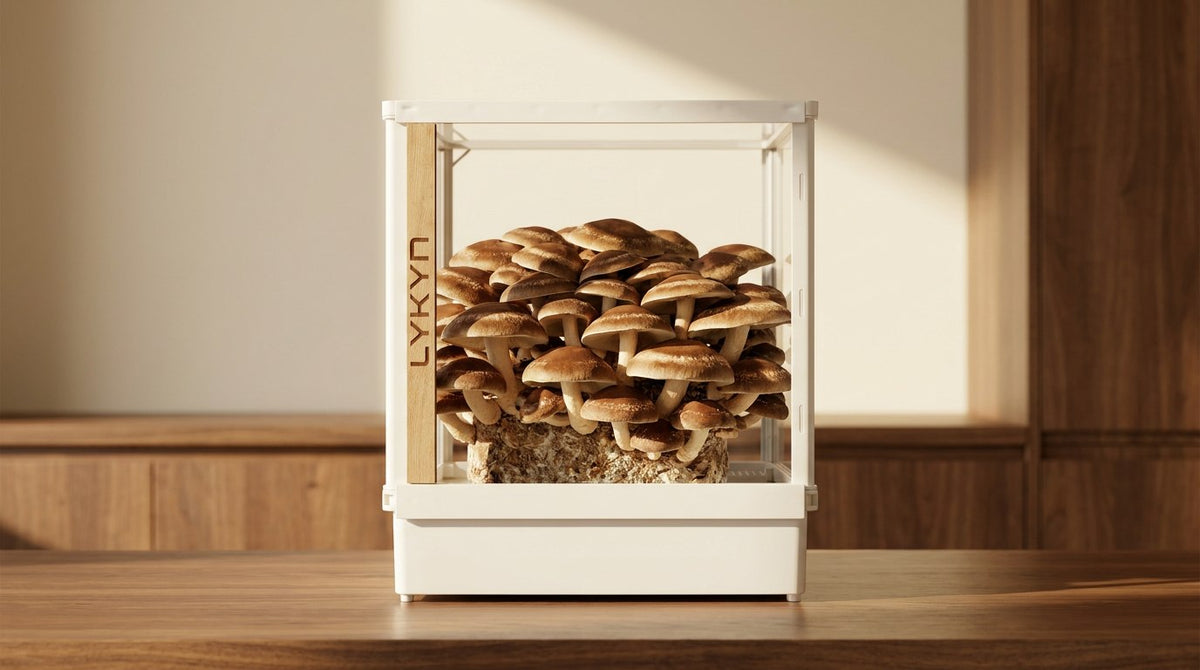
Smart Chamber. Bone White Single
- 2.8L tank, 90% humidity automatic
- App-controlled, plug-and-play
- 6 lb block ceiling, in stock

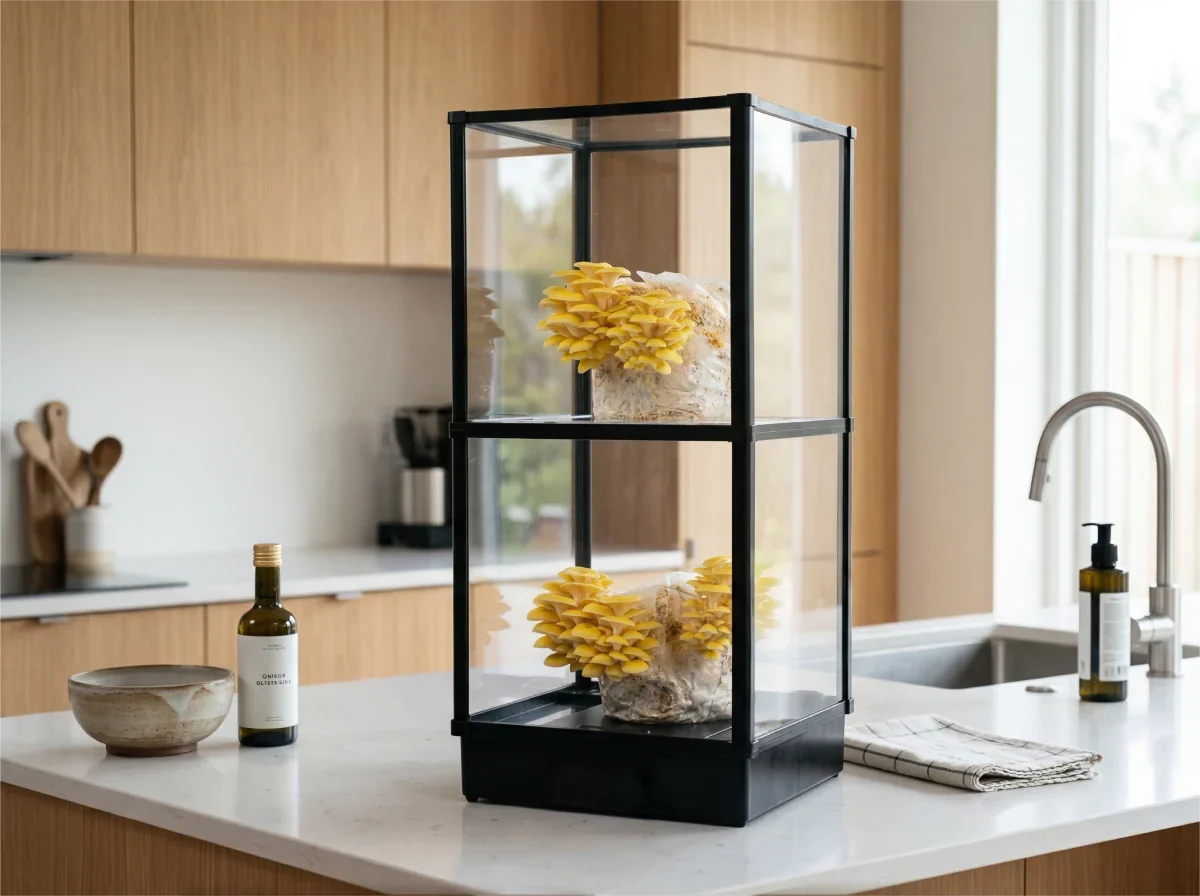
Smart Chamber. Obsidian Black Single
- Same hardware as Bone White
- Matte black premium finish
- Pairs with any kitchen palette

Mushroom cultivation has come a long way from its humble beginnings. Traditional methods relied heavily on intuition, manual labor, and favorable natural conditions. Farmers would spend hours misting crops by hand, adjusting ventilation manually, and hoping environmental conditions stayed within acceptable ranges.
Modern mushroom farms, by contrast, leverage precision agriculture to maintain optimal growing conditions around the clock. Sensors continuously monitor temperature, humidity, carbon dioxide levels, and air circulation. Automated systems make real-time adjustments, ensuring mushrooms receive exactly what they need for maximum growth and quality.
This technological transformation hasn't just made farming easier, it's made it more profitable, sustainable, and accessible to newcomers who might have been intimidated by traditional methods. The result is a booming industry that's attracting investment, innovation, and talented growers from diverse backgrounds.
Vertical Farming: Maximizing Space and Efficiency
One of the most significant innovations in modern mushroom farming is vertical cultivation. Unlike traditional horizontal growing methods, vertical farms stack growing substrates in multiple layers, dramatically increasing production capacity without expanding the physical footprint.
This approach offers remarkable advantages for mushroom cultivation specifically. Since mushrooms don't require photosynthesis like plants, they thrive in controlled environments with minimal lighting. This makes them ideal candidates for vertical farming systems that would be less practical for light-hungry crops like tomatoes or lettuce.
Vertical mushroom farms can produce yields that are 10 to 20 times higher per square foot compared to traditional methods. In urban areas where land is scarce and expensive, this space efficiency makes mushroom farming economically viable in locations that would otherwise be impractical for agriculture.
Modern vertical systems utilize stacked shelving units that optimize air circulation and make monitoring easier. Climate control systems create optimal conditions throughout the entire vertical space, ensuring consistent quality from top to bottom. The result is year-round production that's completely independent of outdoor weather conditions.

Smart Farming Technology: The Digital Revolution in Mushroom Cultivation
The integration of smart farming technologies represents perhaps the most transformative development in modern mushroom cultivation. Today's advanced farms employ sophisticated sensor networks and monitoring systems that track environmental conditions with precision that would have been unimaginable just a decade ago.
These smart systems continuously measure critical parameters including temperature, humidity, CO2 concentrations, and air movement patterns. Data flows to centralized control systems that can make automatic adjustments or alert farm managers to conditions requiring attention.
The benefits extend far beyond convenience. Automated climate control ensures consistent growing conditions that translate directly to improved yields and quality. Mushrooms that might have struggled with temperature fluctuations or humidity variations now grow in perfectly optimized environments.
For home growers looking to experience this technology firsthand, the LYKYN Smart Mushroom Grow Chamber brings commercial-grade automation to your kitchen counter. This innovative system uses integrated sensors and app connectivity to maintain ideal conditions for various mushroom species, eliminating the guesswork that traditionally made mushroom cultivation challenging for beginners.
Automation and Robotics: Streamlining Labor-Intensive Tasks
Labor represents one of the largest expenses in traditional mushroom farming. From inoculation and substrate preparation to harvesting and packing, mushroom cultivation has historically required significant manual effort. Modern farms are increasingly turning to automation and robotics to streamline these processes.
Automated inoculation systems can prepare thousands of substrate blocks with consistent precision, reducing contamination risks while increasing throughput. Robotic harvesting systems, though still emerging, show promise for reducing the physical strain on workers while maintaining harvest quality.
Automated watering and misting systems respond to real-time humidity data, applying exactly the right amount of moisture at optimal times. This precision reduces water waste while ensuring mushrooms never experience the stress of under or over-watering that can compromise yield and quality.
The automation revolution doesn't just benefit large commercial operations. Even small-scale growers now have access to automated systems that would have been prohibitively expensive just years ago. This democratization of technology is lowering barriers to entry and enabling more people to pursue mushroom farming successfully.
Container Farms: Portable, Scalable Mushroom Production
Shipping container farms represent an innovative approach that's gaining traction in the modern mushroom industry. These retrofitted containers transform standard shipping units into fully functional mushroom farms, complete with climate control, lighting, and automated growing systems.
Container farms offer remarkable flexibility. They can be placed virtually anywhere, urban parking lots, suburban backyards, or rural properties, bringing fresh mushroom production directly to local communities. This reduces food miles dramatically and ensures consumers receive mushrooms at peak freshness.
The modular nature of container farms makes scaling straightforward. Entrepreneurs can start with a single container to test markets and refine processes, then add additional units as demand grows. This lower-risk approach makes mushroom farming more accessible to newcomers who might not have capital for traditional large-scale facilities.
Environmental resilience is another key advantage. Protected from weather extremes, container farms maintain consistent production regardless of droughts, floods, or temperature swings outside. In an era of increasing climate instability, this reliability is increasingly valuable.
Data Analytics and Precision Farming
Modern mushroom farms generate enormous amounts of data, and the smartest operations are learning to harness this information for continuous improvement. Data analytics and artificial intelligence are being applied to optimize every aspect of the cultivation process.
By analyzing data from multiple growing cycles, farmers can identify patterns that lead to better outcomes. They can predict optimal harvest timing, forecast potential contamination issues before they become visible problems, and fine-tune environmental parameters for maximum efficiency.
Precision farming with data analytics enables farmers to make evidence-based decisions rather than relying solely on intuition. When a particular substrate formulation produces better yields, the data proves it. When slight temperature adjustments improve fruiting time, the numbers tell the story.
This data-driven approach accelerates innovation. Instead of waiting years to understand what works best, modern farmers can rapidly test variables and implement improvements based on solid evidence. The result is continuous refinement that pushes yields higher and costs lower.

Sustainable Practices in Modern Mushroom Farming
Sustainability isn't just a marketing buzzword for modern mushroom farms, it's a core operational principle that makes economic sense. Mushrooms are inherently sustainable crops, but contemporary farming practices are taking this even further.
Many modern farms utilize waste streams from other industries as growing substrates. Agricultural byproducts like straw, wood chips, and coffee grounds that might otherwise go to landfills become valuable inputs for mushroom cultivation. This circular economy approach reduces waste while creating valuable food products.
After harvest, spent mushroom substrate doesn't go to waste either. It becomes nutrient-rich compost that farmers and gardeners eagerly seek for soil amendment. Some innovative operations are exploring even more advanced uses, from building materials to biodegradable packaging.
Energy efficiency is another focus area. LED lighting requires far less energy than traditional lighting systems, while precise climate control prevents wasteful heating or cooling. Some farms are integrating renewable energy sources like solar panels to further reduce their environmental footprint.
Water conservation receives serious attention in modern operations. Closed-loop water systems recycle and reuse moisture, dramatically reducing overall water consumption compared to many other crops. This efficiency is particularly valuable in water-scarce regions.
Advanced Substrate Formulations
The growing medium, or substrate, plays a crucial role in mushroom yields and quality. Modern mushroom farms are moving beyond traditional formulations to develop advanced substrate recipes optimized for specific species and growing conditions.
Research into substrate composition considers factors like carbon-to-nitrogen ratios, mineral content, pH levels, and physical structure. Small adjustments can produce significant improvements in colonization speed, contamination resistance, and ultimate yield.
Some farms are experimenting with novel substrate materials that were previously overlooked. Industrial hemp waste, for example, shows promise as a mushroom substrate, creating synergies between two growing industries while utilizing waste products productively.
The mushroom fruiting blocks available for home growers benefit from this research. Commercial-quality substrates optimized for specific species ensure reliable results even for beginners exploring how to grow your own mushrooms at home.
Controlled Environment Agriculture (CEA)
Controlled environment agriculture represents the pinnacle of modern mushroom farming sophistication. CEA facilities maintain precise control over every environmental variable, creating perfectly optimized conditions for mushroom growth regardless of what's happening outside.
In CEA systems, temperature remains stable within narrow ranges ideal for each growth stage. Humidity stays consistently at optimal levels without the fluctuations that stress mushrooms and reduce yields. Fresh air exchange removes CO2 buildup while preventing excessive drying.
Lighting in CEA facilities serves specific purposes. While mushrooms don't photosynthesize, they use light as directional signals and for proper pigment development. LED systems provide the exact spectrum and intensity needed without wasting energy on unnecessary wavelengths.
The payoff for this level of control is remarkable. CEA mushroom farms can achieve consistent harvests year-round with minimal variation in quality. Contamination rates drop dramatically when every environmental factor is precisely managed. Production becomes predictable and reliable in ways that were impossible with traditional methods.
The Rise of Urban Mushroom Farms
Urban agriculture is booming, and mushrooms are leading the charge. Modern mushroom farms are increasingly locating in cities, bringing fresh food production directly to where consumers live.
Urban mushroom farms address multiple challenges simultaneously. They reduce food transportation distances dramatically, cutting both costs and carbon emissions. Consumers receive fresher products harvested at peak quality rather than mushrooms that have spent days in transit.
Fuel Your Mushroom Journey
Smart Mushroom Grow Chamber
Plug-and-play smart chamber with humidity, light, and airflow dialed in for every species. Beginners harvest their first flush in days, not months.
Add to cart $299Unused urban spaces transform into productive facilities. Warehouses, basements, parking garages, and even former industrial sites become high-tech growing operations. This repurposing of existing structures is more sustainable than building new facilities on agricultural land.
Local production creates jobs in urban communities while building food security. Cities become less dependent on distant suppliers and complex supply chains that can be disrupted by weather, logistics challenges, or other unforeseen circumstances.
Educational opportunities abound when farms exist within cities. School groups, culinary students, and interested consumers can visit operations to learn where their food comes from and understand modern agricultural technology.
Hybrid Cultivation Systems
Innovation often comes from combining different approaches, and hybrid cultivation systems represent this principle in action. Modern farms are increasingly blending traditional outdoor methods with controlled indoor techniques to capture the benefits of both.
Some operations maintain outdoor beds or logs for certain species while using indoor facilities for varieties requiring more precise control. This flexibility allows farms to diversify their product offerings while optimizing resources.
Hybrid systems also provide resilience. When weather impacts outdoor production, indoor capacity maintains steady supply. Conversely, outdoor production reduces energy costs for species that tolerate environmental variation.
The approach works particularly well for educational farms and agritourism operations. Visitors can experience both traditional cultivation methods that connect to mushroom farming's history while seeing cutting-edge technology representing its future.
Commercial-Scale Production Insights
Large-scale modern mushroom farms are impressive operations. Some facilities produce over 10 million pounds of mushrooms annually from compact footprints, demonstrating the remarkable efficiency of contemporary cultivation methods.
Pennsylvania's Kennett Square region, often called the "mushroom capital of the world," hosts some of the oldest continuously operating vertical farms globally. These windowless buildings have been growing mushrooms in stacked beds since the 1920s, though modern technology has transformed their operations dramatically.
The infrastructure supporting these operations extends beyond the farms themselves. Specialized builders understand vertical farm construction requirements. HVAC suppliers provide climate control systems designed for mushroom cultivation's specific needs. Storage and logistics companies handle fresh produce distribution with expertise.
This ecosystem of supporting businesses represents a valuable lesson for the broader indoor farming industry. Success at scale requires not just good growing practices but also robust networks of suppliers, service providers, and distribution partners.
Small-Scale and Home Cultivation Innovation
While commercial farms grab headlines, innovation in small-scale and home cultivation is equally exciting. The same technologies revolutionizing large operations are becoming accessible to hobbyists and small entrepreneurs.
Modern home growing systems incorporate automated humidity control, air circulation management, and even app-based monitoring. These features, once exclusive to commercial operations, now fit on kitchen counters, making mushroom cultivation approachable for absolute beginners.
The LYKYN Smart Mushroom Grow Chamber exemplifies this trend, offering professional-grade environmental control in a compact, user-friendly package. By automating complex aspects of cultivation, such systems eliminate common beginner mistakes related to misting frequency, air exchange, and temperature management.
Small-scale growers benefit from detailed resources available today. Comprehensive guides on topics like growing mushrooms from spores or growing oyster mushrooms in buckets provide knowledge that once required years of apprenticeship to acquire.
Specialized Growing Systems for Different Species
Modern farms recognize that different mushroom species have distinct requirements. Rather than using one-size-fits-all approaches, sophisticated operations employ specialized systems optimized for particular varieties.
Oyster mushrooms, for instance, require high fresh air exchange and tolerate relatively wide temperature ranges. Lion's mane needs more consistent conditions with moderate air flow. Shiitake prefers cooler temperatures during fruiting. Modern systems accommodate these variations through programmable controls and modular growing areas.
Some farms dedicate entire rooms to single species, dialing in conditions precisely. Others use flexible systems that can quickly transition between species, maximizing facility utilization while maintaining quality.
Advanced growers experiment with challenging varieties like morel mushrooms, which historically resisted cultivation. Modern controlled environment techniques are making previously "impossible" species commercially viable, expanding the range of mushrooms available year-round.
The Economics of Modern Mushroom Farming
Understanding the economics helps explain why mushroom farming is attracting serious investment and entrepreneurial interest. Modern operations can achieve profit margins that make mushroom cultivation highly attractive compared to many other crops.
Gourmet and specialty mushrooms command premium prices, often $12-20 per pound wholesale and much more at retail. When combined with the high yields possible in modern systems, revenue potential per square foot exceeds most other crops significantly.
Container farms and small-scale operations can generate steady income for entrepreneurs. With relatively modest investment, especially compared to traditional farming, new growers can begin generating revenue within weeks rather than waiting seasons for first harvests.
The growing consumer demand for both culinary and functional mushrooms creates strong markets. Health-conscious consumers seek varieties like lion's mane for cognitive support or shiitake for immune benefits. Restaurants increasingly feature diverse mushroom varieties, creating reliable commercial channels.
Direct-to-consumer sales through farmers markets, CSA subscriptions, and online platforms allow growers to capture retail margins while building customer relationships. This marketing flexibility gives small operations advantages over larger competitors.
Quality Control and Food Safety
Modern mushroom farms prioritize food safety through systematic quality control measures. Automated systems reduce human handling during growth, minimizing contamination risks while maintaining consistent standards.
Climate control systems prevent conditions that favor competing molds or bacteria. Filtration systems, like filters on intake air, keep growing environments clean. Proper ventilation ensures spores don't accumulate to problematic levels.
Traceability has become standard practice. Modern farms can trace any batch back through every stage of production, identifying exactly which substrate batch, growing room, and harvest date produced it. This capability is crucial for addressing any quality concerns quickly.
Sanitation protocols rival those in medical facilities. Between growing cycles, rooms undergo thorough cleaning and sometimes pasteurization to eliminate any potential contamination. These practices ensure each new crop starts in pristine conditions.
The Future of Mushroom Farming Technology
Looking ahead, mushroom farming will likely see continued rapid innovation. Artificial intelligence and machine learning will enable even more precise optimization of growing conditions based on vast datasets from thousands of farms.
Genetic research may produce mushroom strains with enhanced nutritional profiles, faster growth rates, or better disease resistance. These improvements would benefit both commercial growers and home cultivators.
Automation will advance further, potentially reaching the point where entire facilities operate with minimal human intervention. While this raises questions about employment, it could also make mushroom farming viable in locations or circumstances where it's currently impractical.
Integration with other agricultural systems will expand. Mushroom cultivation pairs beautifully with other crops in symbiotic relationships, mushrooms growing on waste from plant cultivation, their spent substrate enriching soils for vegetables.
Common Questions About Modern Mushroom Farms
How much space do you need to start a modern mushroom farm?
Modern mushroom farms can operate in remarkably small spaces. Vertical farming techniques allow commercial-scale production in facilities as small as 1,000 square feet. Container farms fit mushroom operations into standard 40-foot shipping containers. For home production, systems like the LYKYN chamber require less space than a microwave oven.
What's the typical startup cost for a modern mushroom farm?
Costs vary dramatically based on scale. A home growing system starts under $300, while small commercial container farms begin around $50,000-$100,000. Mid-sized warehouse operations might require $250,000-$500,000. Large commercial facilities can exceed several million dollars. The modular nature of modern systems allows starting small and scaling based on success.
How long does it take to harvest mushrooms in modern farms?
Modern systems can produce harvestable mushrooms in 3-6 weeks from inoculation, depending on species. Oyster mushrooms are among the fastest at 3-4 weeks, while varieties like shiitake take 6-8 weeks. The controlled environments in modern farms ensure consistent timing that traditional outdoor methods can't match.
Are modern mushroom farms profitable?
Yes, modern mushroom operations can be highly profitable. Specialty and gourmet mushrooms often achieve 50-70% profit margins. The high yield per square foot combined with premium pricing makes mushroom farming attractive compared to many crops. Automation and efficient systems reduce labor costs, improving profitability further.
Do modern farms produce better quality mushrooms than traditional methods?
Modern farms consistently produce high-quality mushrooms by maintaining optimal conditions throughout growth. This consistency means fewer rejects and more premium-grade product. Controlled environments also allow harvesting at peak quality rather than waiting for weather-dependent outdoor conditions. The result is mushrooms with better texture, flavor, and shelf life.
Quick Summary: The Modern Mushroom Farming Revolution
Modern mushroom farms utilize vertical growing systems, smart automation, and precision environmental control to maximize efficiency and yields. These high-tech operations produce consistent, high-quality mushrooms year-round using data analytics, IoT sensors, and sustainable practices. From massive commercial facilities to compact home systems, modern technology is making mushroom cultivation more accessible, profitable, and environmentally friendly than ever before.
Join the Modern Mushroom Farming Movement
The revolution in mushroom cultivation represents more than just technological advancement, it's a fundamental shift in how we produce food. Modern farms demonstrate that agriculture can be sustainable, profitable, and accessible simultaneously. The efficiency gains, quality improvements, and environmental benefits make mushroom farming a model for future food production.
Whether you're considering commercial mushroom farming or simply want to grow gourmet varieties at home, modern technology makes success more achievable than ever. The LYKYN Smart Mushroom Grow Chamber brings commercial-grade technology to your kitchen, letting you experience the future of farming firsthand.
Start your mushroom growing journey today and discover why this ancient practice, enhanced by modern innovation, is capturing imaginations and transforming agriculture worldwide. The future of food is growing, one mushroom at a time.








Share:
The Incredible Benefits of Eating Mushrooms: Your Complete Guide to Nature's Superfood
What Are the Health Benefits of Mushrooms? Your Complete Guide to Nature's Nutritional Powerhouse