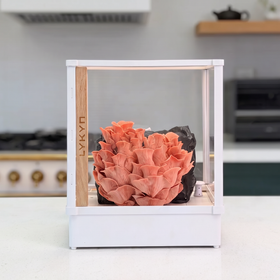



Imagine never buying mushroom spawn again. Picture taking a single perfect oyster mushroom from your kitchen counter and turning it into unlimited harvests for years to come. Sound too good to be true?
It's not. Growing mushrooms from mushrooms, a technique called cloning or tissue culture, is one of the most powerful secrets in mushroom cultivation. This method lets you preserve the exact genetics of your best performers, eliminate the lottery of spore genetics, and propagate your favorite mushrooms indefinitely without spending another dollar on spawn.
Whether you just harvested an incredible lion's mane from your grow kit, found an amazing oyster mushroom at the farmers market, or want to replicate that perfect shiitake forever, this guide will teach you everything you need to know about mushroom cloning. We'll walk you through the process step-by-step, explain why it works, and show you how to avoid the common mistakes that trip up beginners.
Why Grow Mushrooms from Mushrooms Instead of Spores?

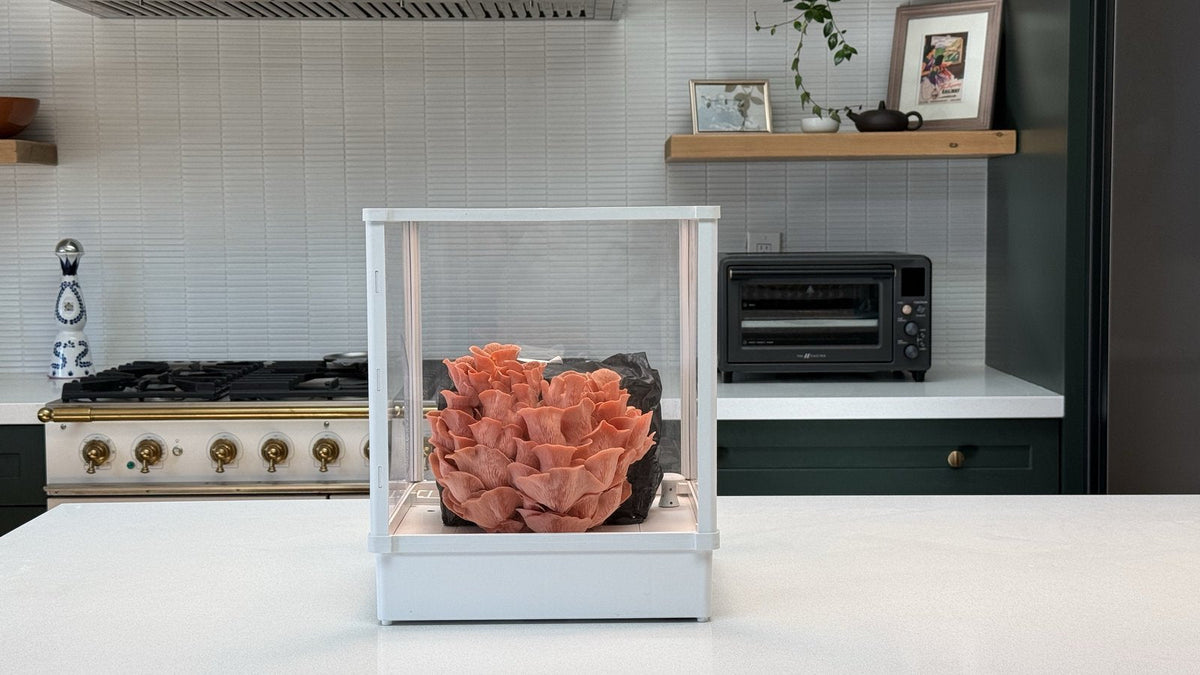
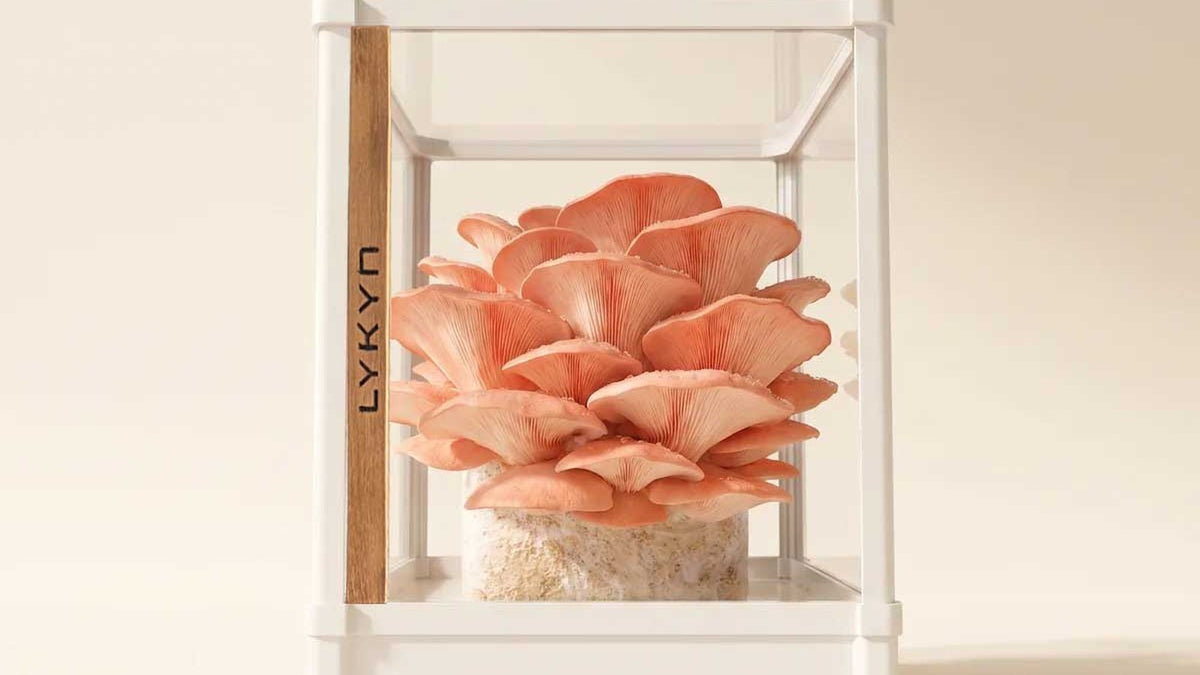
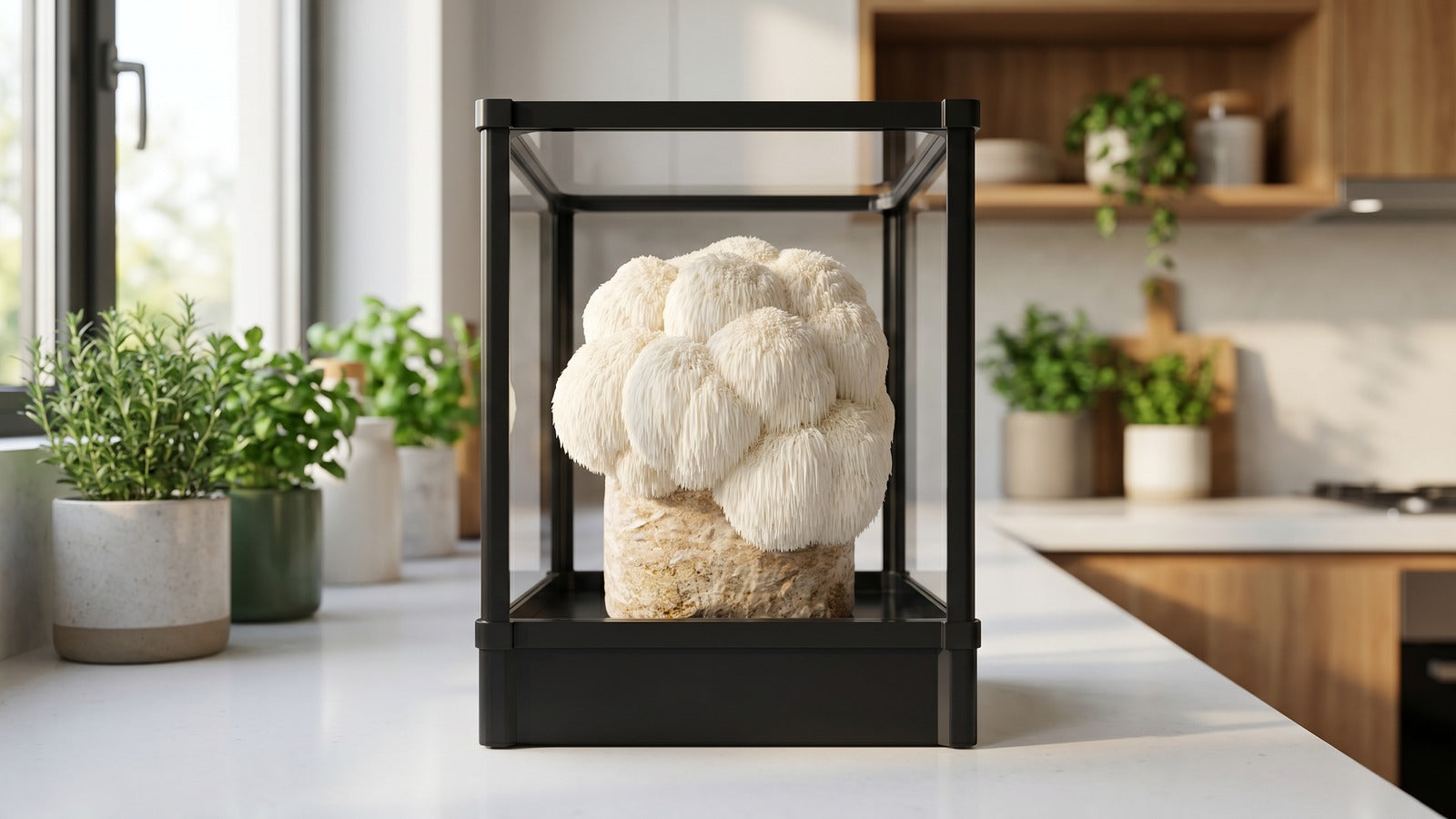
Smart Chamber. Bone White Single
- 2.8L tank, 90% humidity automatic
- App-controlled, plug-and-play
- 6 lb block ceiling, in stock

Smart Chamber. Obsidian Black Single
- Same hardware as Bone White
- Matte black premium finish
- Pairs with any kitchen palette

Before diving into technique, let's understand why cloning mushrooms beats other propagation methods for most home growers.
Preserve Perfect Genetics Every Time
When you grow mushrooms from spores, you're rolling genetic dice. Each spore represents a new genetic combination, like children from two parents, sometimes you get winners, sometimes disappointments. One flush might produce huge, beautiful mushrooms while the next gives you small, oddly shaped fruits from the same spore syringe.
Cloning eliminates this unpredictability. When you take tissue from a specific mushroom, you're creating a genetic copy, like cloning a prized racehorse instead of breeding and hoping for the best. That massive oyster mushroom with perfect form? Clone it, and every future harvest will produce mushrooms with identical genetics and characteristics.
Skip the Waiting Game
Growing mushrooms from spores requires patience. Spores must first germinate on agar (3-7 days), develop into mycelium (7-14 days), get transferred to grain spawn (14-28 days), then finally inoculate your substrate (14-21 days). You're looking at 6-10 weeks minimum before fruiting even begins.
Mushroom cloning cuts weeks off this timeline. Fresh mushroom tissue already contains fully developed mycelium, you're not starting from scratch. This head start means faster turnaround from clone to harvest, especially valuable when you want to preserve exceptional genetics before they're lost.
Save Serious Money Long-Term
Quality mushroom spawn costs $15-30 per bag. If you're running multiple grows annually, those costs add up fast, $100-300 yearly for moderate hobbyists, more for serious growers.
One successful mushroom clone provides unlimited propagation material for years. After investing in basic cloning supplies once ($50-100 for beginners), you can maintain cultures indefinitely through periodic transfers. The savings become substantial for anyone planning long-term cultivation. For more information on different growing approaches, check out this guide on growing your own mushrooms at home.
Clone Any Mushroom You Love
Found an incredible mushroom at the farmers market? Want to preserve that wild find from your hiking trip? Curious about replicating store-bought varieties? Cloning lets you capture and cultivate any mushroom specimen you encounter, as long as it's fresh and healthy.
This opens doors to endless experimentation and variety collection that would be impossible or prohibitively expensive through spawn purchases alone.

Understanding the Science: How Mushroom Cloning Actually Works
The science behind growing mushrooms from mushrooms is surprisingly straightforward once you grasp the basics.
Inside Every Mushroom Lives Immortal Mycelium
The mushroom you see and eat is just the fruiting body, think of it as the "apple" of the fungal organism. The actual living organism is mycelium, a network of microscopic threads (called hyphae) that live inside the substrate and inside the mushroom itself.
Here's the magical part: mushroom tissue contains living mycelium cells that remain viable as long as the mushroom is fresh. When you place this sterile internal tissue on nutrient-rich agar or in liquid culture, the mycelium recognizes favorable conditions and starts growing outward, recreating the entire organism.
The Sterility Challenge
The biggest obstacle to successful mushroom cloning isn't complexity, it's contamination. While a mushroom's interior tissue is naturally sterile (protected by the outer surface), the moment you expose it to air, you're in a race against millions of invisible competitors.
Every cubic meter of room air contains thousands of mold spores, bacteria, and other microorganisms. These contaminants grow faster than mushroom mycelium in most cases. Without proper sterile technique, contamination colonizes your agar plates before mushroom mycelium can establish itself.
This explains why successful cloners use tools like Still Air Boxes, alcohol sterilization, and rapid work methods, they're all designed to give mushroom tissue a head start before contaminants can take hold.
Why Fresh Mushrooms Clone Better
Mushroom freshness directly impacts cloning success rates. Fresh mushrooms contain vigorous, actively growing mycelium that responds quickly when transferred to agar. As mushrooms age, their internal tissue weakens, cells begin dying, and contamination risk increases as protective barriers break down.
Store-bought mushrooms present extra challenges because they're often 3-7 days old, have been handled repeatedly, and may contain preservatives. Success rates with store-bought specimens run around 30-50% even with good technique. Fresh-harvested mushrooms from your own grows typically succeed 70-90% of the time.
Essential Equipment for Growing Mushrooms from Mushrooms
You don't need a professional laboratory to clone mushrooms, but certain tools dramatically improve your success rates.
Basic Setup for Beginners
Petri dishes with agar form the foundation of mushroom cloning. Pre-poured agar plates eliminate the need for pressure cooking and media preparation. Purchase MEA (malt extract agar) or PDA (potato dextrose agar) plates, both work excellently for most culinary species. Budget $1-2 per plate; beginners should start with 10-20 plates to account for learning curves.
Scalpel or X-Acto knife provides the precision needed for extracting small tissue samples. Single-use sterile scalpel blades work best as they arrive pre-sterilized. Multi-use knives require flame sterilization between uses.
Isopropyl alcohol (70%) serves as your primary disinfectant for tools, work surfaces, and your hands. The 70% concentration actually works better than 90% because the water content helps penetrate bacterial cells. Don't skimp here, proper disinfection prevents most contamination issues.
Alcohol lamp or torch allows flame sterilization of metal tools. A simple alcohol lamp runs $10-15 and works perfectly. Alternatively, use a torch lighter from any convenience store.
Parafilm or micropore tape seals petri dishes after inoculation while allowing necessary gas exchange. Parafilm offers reusability but costs more; micropore tape works fine for single-use applications.
Upgraded Equipment for Better Results
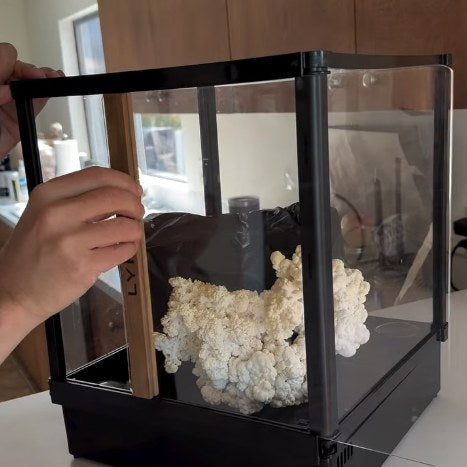
Still Air Box (SAB) represents the single most important upgrade for anyone serious about cloning. This simple enclosed workspace dramatically reduces airborne contamination by creating a protected environment where you can work without room air currents carrying in mold spores and bacteria.
The Lykyn Still Air Box provides generous working space specifically designed for mushroom cultivation tasks. Working in a still air environment easily doubles success rates for beginners while making even experienced cultivators more consistent.
Laminar flow hood offers the ultimate sterile workspace for serious cultivators. These units provide a continuous stream of sealed and app-controlled air, creating a nearly contamination-free zone. However, at $500-2,000, flow hoods make sense only for dedicated hobbyists or those planning commercial production.
Step-by-Step Guide: Cloning Your First Mushroom
Let's walk through the complete process of cloning a mushroom from start to finish. This method works for oyster mushrooms, shiitake, lion's mane, and most other culinary varieties.
Step 1: Select the Perfect Specimen
Choose the best mushroom from your harvest, the one with ideal size, perfect form, and vigorous growth. This matters because you're preserving those exact characteristics forever.
Look for mushrooms that are:
- Fully developed but not yet sporulating
- Free from any discoloration or damage
- Recently harvested (within 24 hours is ideal)
- From a flush that showed no contamination issues
- Representative of the traits you want to preserve
Avoid mushrooms with wrinkled caps, dark spots, or that feel slimy, these signs indicate age or potential contamination issues.
Step 2: Prepare Your Workspace
Sterile technique begins before you touch any tools. Follow these preparation steps religiously:
Clean your work area thoroughly with disinfectant, removing all unnecessary items. Set up your Still Air Box if using one, wiping down the interior with 70% isopropyl alcohol. Arrange all needed items within reach: petri dishes, scalpel, alcohol lamp, and the mushroom.
Let your workspace settle for 5-10 minutes after cleaning. This allows any airborne particles disturbed during setup to settle out of the air. Don't open windows or use fans, moving air carries contamination.
Step 3: Sterilize the Mushroom's Exterior
This critical step protects against surface contamination that would ruin your clone:
Tear the mushroom in half with clean hands (don't cut it yet). This internal tear exposes sterile tissue without contaminating your scalpel. You want to work with tissue from deep inside the mushroom, particularly from the stem near the cap junction, this area contains the most vigorous mycelium.
Alternatively, you can use the tissue transfer method: cut the mushroom cleanly through the middle, let it sit cut-side-up for 30 seconds (allowing surface contaminants to settle away from the interior), then work quickly with the internal tissue.
Step 4: Transfer Tissue to Agar
Working rapidly minimizes exposure time and reduces contamination risk:
Flame-sterilize your scalpel until it glows red, then let it cool for 5-10 seconds (hot metal kills mycelium). Extract a small piece of internal tissue, about the size of a rice grain is perfect. Too large and it's wasted; too small and it may not contain enough viable cells.
Open your petri dish just enough to insert tissue, then immediately close it. Place 2-3 tissue samples per plate in different locations, this increases success chances if one sample gets contaminated. Work quickly but carefully; speed matters more than perfection.
Step 5: Incubate and Monitor
Place inoculated petri dishes in a dark or low-light location at room temperature (68-75°F). Higher temperatures accelerate growth but also favor contaminants, stick with room temperature for best results.
Check plates daily. Healthy mushroom mycelium appears as white, fluffy growth spreading outward from tissue samples. You should see initial growth within 3-7 days for fast-growing species like oysters, while slower varieties like shiitake take 5-10 days.
Watch for contamination signs: any green, blue, black, pink, or orange colors indicate mold or bacterial growth. If contamination appears, isolate affected plates immediately to prevent spores from spreading to clean cultures. For detailed contamination identification, reference this comprehensive mycelium contamination guide.
Step 6: Isolate Clean Growth (If Needed)
Even with perfect technique, your first cloning attempts may show both mushroom mycelium and some contamination growing together. Don't panic, this is where you learn sectoring skills.
Fuel Your Mushroom Journey
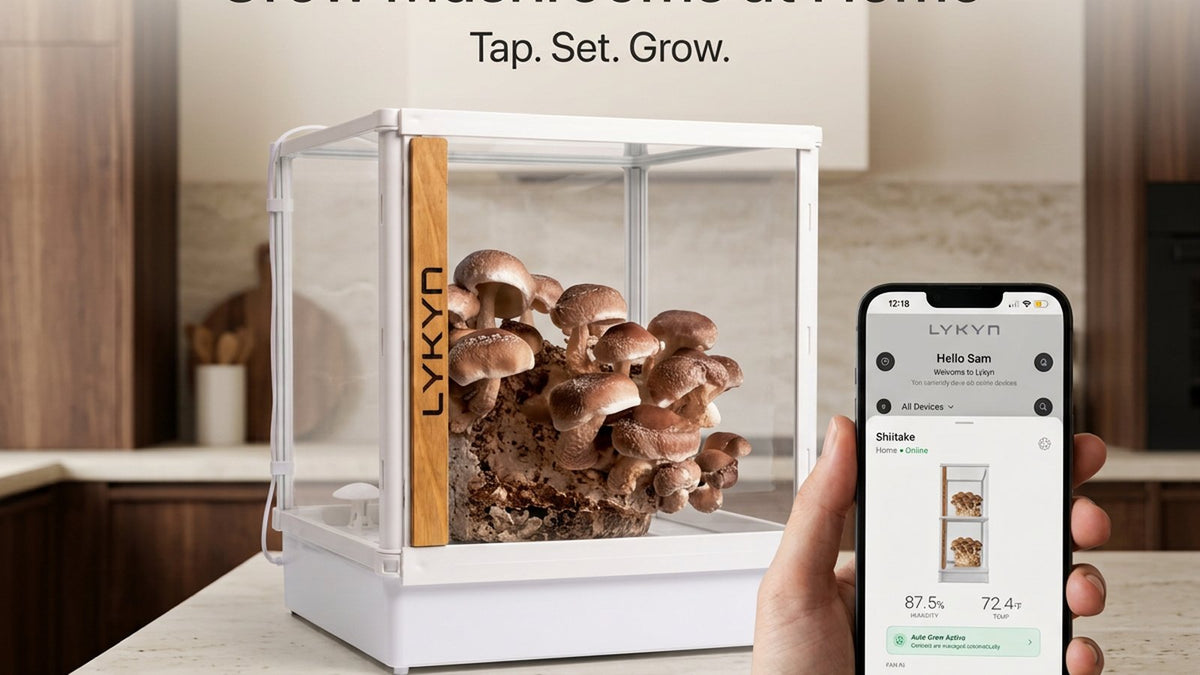
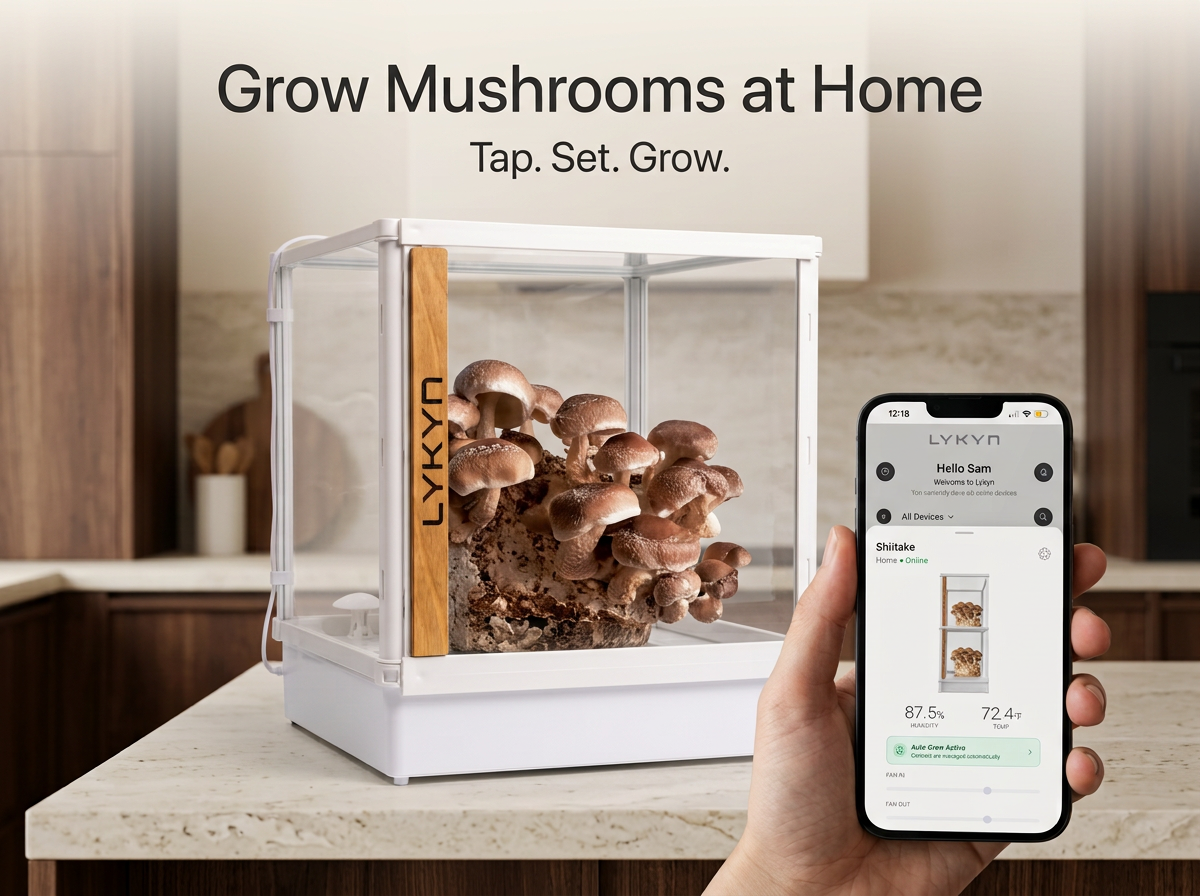
Smart Mushroom Grow Chamber
Plug-and-play smart chamber with humidity, light, and airflow dialed in for every species. Beginners harvest their first flush in days, not months.
Add to cart $299Once mushroom mycelium has spread 1-2 inches away from contamination, carefully cut out a small piece of clean growth and transfer it to a fresh agar plate. This "sector transfer" isolates healthy mycelium away from competing organisms. You may need to repeat this process 2-3 times to achieve completely clean cultures.
Expanding Your Clone: From Agar to Production
Once you've established clean mycelium on agar, you need to scale it up for actual mushroom production.
Creating Liquid Culture
Liquid cultureMushroom Liquid Culture offers the fastest path from agar clone to substrate inoculation. This technique grows mycelium suspended in nutrient-rich liquid, creating a versatile inoculum that colonizes substrates rapidly.
Transfer small pieces of clean agar culture to sterilized liquid culture jars containing sugar water or malt extract solution. Within 7-14 days, you'll have cloudy liquid packed with mycelium fragments, each one capable of colonizing new substrate.
The beauty of liquid culture is multiplication: one agar culture creates enough liquid culture to inoculate 10-20 substrate bags. For detailed instructions specific to popular varieties, see this guide on Lion's Mane mushroom liquid culture.
Grain Spawn Production
Alternatively, transfer agar cultures directly to sterilized grain (typically rye, wheat, or millet). Grain spawn provides solid inoculum that colonizes bulk substrates efficiently.
Cut small wedges of colonized agar and drop them onto cooled, sterilized grain in jars or bags. The grain provides both nutrition and physical structure that mycelium colonizes rapidly. After 2-4 weeks, you'll have fully colonized grain spawn ready to inoculate your fruiting substrate.
From Clone to Harvest
Your cloned culture, whether as liquid culture or grain spawn, inoculates bulk substrate exactly like purchased spawn. Mix it into pasteurized straw, supplemented sawdust, or whatever substrate your species prefers.
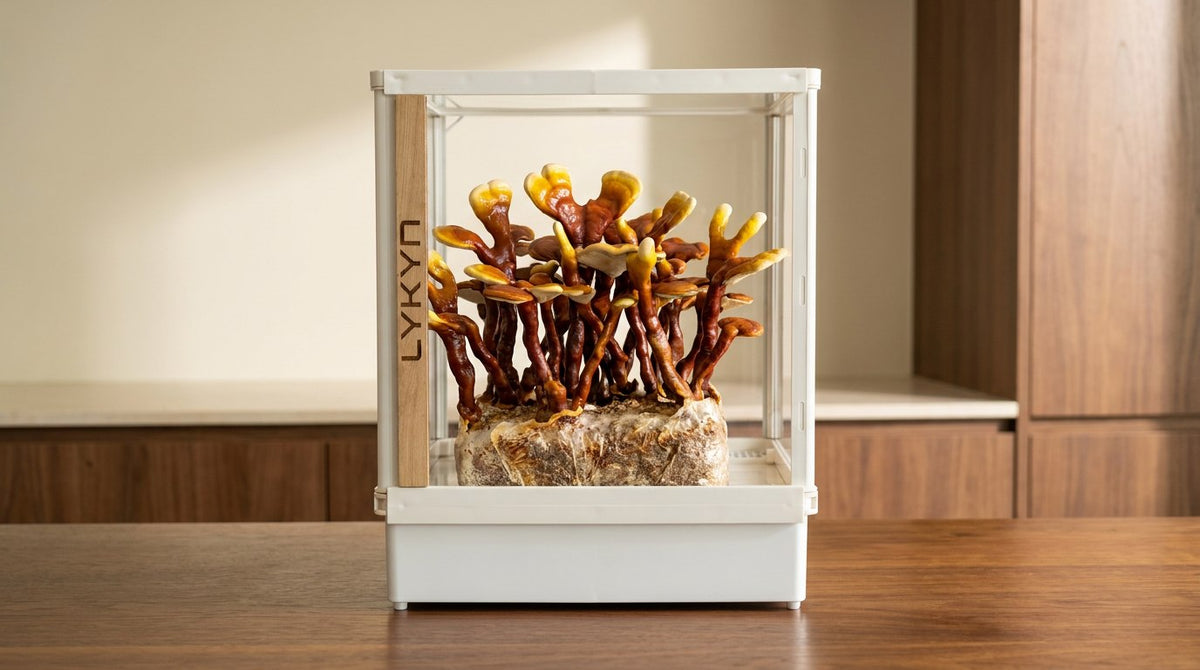
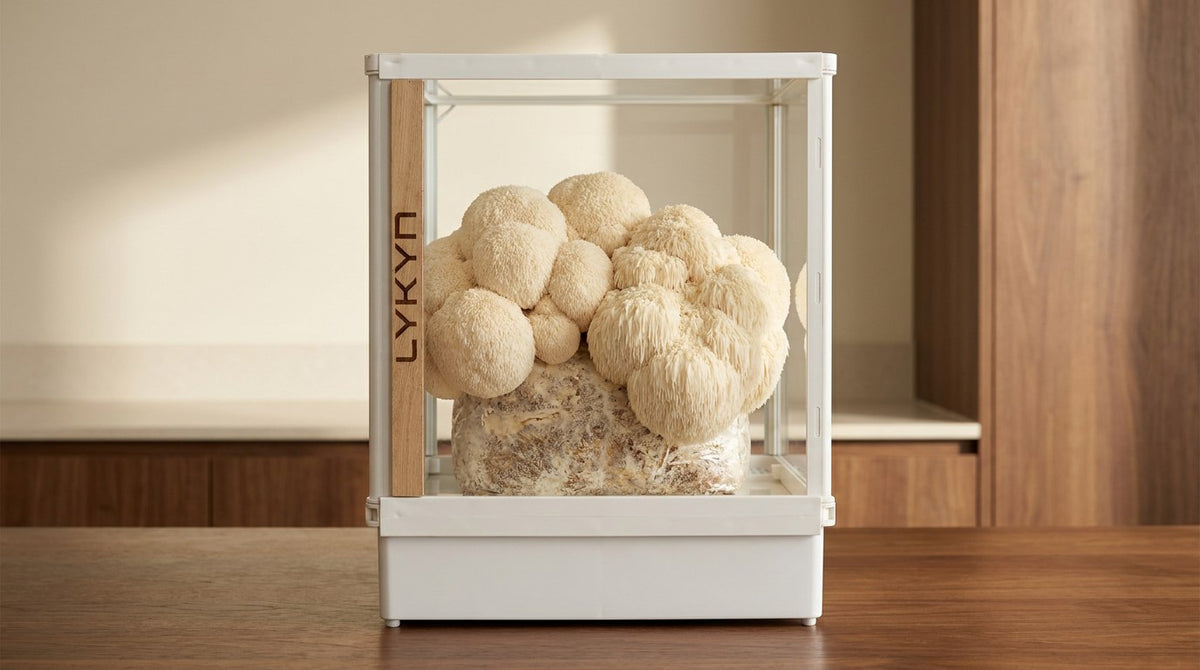
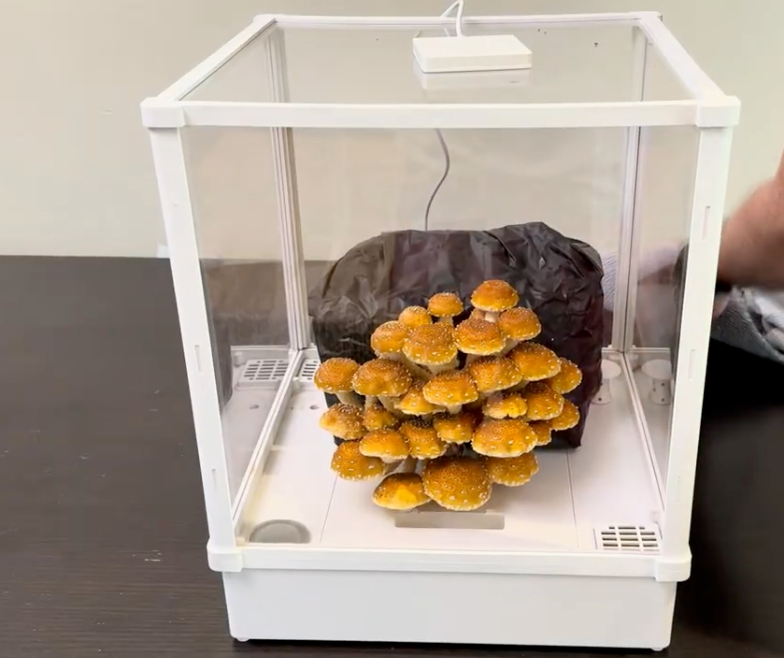
After substrate colonization (typically 2-4 weeks depending on species), initiate fruiting conditions. This is where automated systems shine. The Lykyn Smart Mushroom Grow Kit automatically maintains the precise humidity, fresh air exchange, and lighting that your cloned mushrooms need to fruit abundantly.
With species-specific presets for 28+ varieties, built-in filtration preventing contamination, and an ultrasonic humidifier maintaining perfect moisture levels, the system lets you focus on cloning while automation handles the fruiting environment.
Common Mistakes and How to Avoid Them
Even experienced cultivators encounter challenges when cloning mushrooms. Here's how to troubleshoot the most common issues.
Using Old or Damaged Mushrooms
Problem: Low success rates, slow growth, or complete failure to establish cultures.
Solution: Only clone from the freshest possible mushrooms, ideally within 12-24 hours of harvest. Choose specimens at peak maturity but before they begin releasing spores. Avoid any mushrooms showing discoloration, sliminess, or damage.
Contamination from Poor Sterile Technique
Problem: Green, blue, or black mold overgrows your agar plates before mushroom mycelium can establish.
Solution: Slow down and focus on sterile technique. Use a Still Air Box to create a protected workspace. Flame-sterilize all tools between uses. Work quickly once petri dishes are open. Keep your workspace scrupulously clean.
Taking Tissue from the Wrong Location
Problem: Slow or weak mycelial growth from tissue samples.
Solution: Extract tissue from the junction between stem and cap, where mycelium is most concentrated and vigorous. Avoid tissue from the very top of the cap or extreme bottom of the stem, these areas contain less viable mycelium.
Giving Up Too Soon
Problem: Disposing of plates before mycelium has had adequate time to show growth.
Solution: Different species have different growth rates. Oyster mushrooms may show visible growth in 3-5 days, while shiitake or lion's mane may take 7-10 days. As long as you don't see contamination, wait at least 2 weeks before declaring failure.
Not Understanding Genetic Variation
Problem: Clones don't produce identical mushrooms to the original specimen.
Solution: While clones preserve genetics, environmental factors still affect mushroom appearance. Temperature, humidity, CO2 levels, and substrate quality all influence final mushroom characteristics. What you're preserving is genetic potential, realizing it still requires optimal growing conditions.
Advanced Cloning Techniques
Once you've mastered basic cloning, these advanced methods take your skills to the next level.
Cloning Store-Bought Mushrooms
Store-bought mushrooms present extra challenges due to age and handling, but successful cloning is possible with patience.
Purchase the freshest mushrooms available, often found at farmers markets rather than grocery stores. Extract tissue from multiple mushrooms, transferring samples to several agar plates. Expect lower success rates (30-50%), but the genetic diversity makes experimentation worthwhile.
Some cultivators achieve better results by first growing out store-bought mushroom stems in damp conditions for 24-48 hours, then taking tissue from any new mycelial growth that appears. This refreshed tissue often shows better vigor than tissue from the original mushroom. For more details on working with various mushroom sources, see this article on growing mushrooms from dried mushrooms.
Maintaining Culture Libraries
Serious cultivators maintain extensive culture collections, preserving dozens or even hundreds of unique strains. This requires systematic culture management:
Label everything clearly with species name, source, and date. Refresh cultures every 2-3 months by transferring to fresh agar, this prevents cultures from weakening or "senescing" over time. Store backup cultures in refrigeration (35-40°F) for long-term preservation; cold temperatures slow metabolism while keeping mycelium viable for 6-12 months.
Selecting for Desired Traits
Cloning lets you act as a mushroom breeder, selecting and preserving specific characteristics across generations:
Clone your fastest-colonizing specimens to build speed into your cultivation cycle. Preserve mushrooms with superior flavor, texture, or size. Select for contamination resistance by cloning from grows that thrived despite challenging conditions.
Over time, this selective cloning creates custom strains optimized for your specific growing conditions and preferences.
Cloning vs. Growing from Spores: Which Is Better?
Both methods have their place in mushroom cultivation. Understanding when to use each approach optimizes your growing success.
Use cloning when you want to:
- Preserve specific mushroom genetics indefinitely
- Eliminate variability between grows
- Propagate exceptional specimens forever
- Save money on long-term spawn costs
- Skip the unpredictability of spore genetics
Use spores when you want to:
- Introduce genetic diversity into your collection
- Explore new varieties without sourcing fresh mushrooms
- Work with species where fresh specimens are hard to find
- Experiment with genetic combinations
- Follow legal regulations that apply in your area
For most home cultivators growing common species like oysters, shiitake, or lion's mane, cloning offers better results and greater economy. The consistency and cost savings outweigh any advantages of spore work. However, having skills in both methods makes you a versatile, capable cultivator. Learn more about spore-based cultivation in this comprehensive guide on how to grow mushrooms from spores.
FAQ: Growing Mushrooms from Mushrooms
Q: Can I clone any mushroom I find at the grocery store or farmers market?
A: Technically yes, but success rates vary significantly. Fresh mushrooms from farmers markets typically clone better (30-50% success) than grocery store specimens because they're fresher and less handled. The key is selecting the freshest possible mushrooms, look for firm texture, no sliminess, and vibrant color. Species like oyster mushrooms, shiitake, and lion's mane clone relatively easily while more delicate species prove challenging. Note that some commercial varieties may be proprietary strains with unique characteristics bred for large-scale production rather than home growing.
Q: How long can I keep agar cultures before they die?
A: At room temperature, actively growing agar cultures remain viable for 2-3 months, though vigor gradually declines. Refrigeration at 35-40°F extends storage to 6-12 months while slowing metabolism. However, mushroom cultures don't truly "die" easily, they weaken or become contaminated. The best practice involves refreshing cultures every 2-3 months by transferring clean growth to fresh agar plates. This maintenance keeps your genetics strong and contamination-free indefinitely. Think of it like caring for a houseplant: regular attention (transferring) keeps it thriving while neglect eventually causes problems.
Q: Do I need expensive equipment to clone mushrooms successfully?
A: Not at all. Many beginners start with just $50-75 in supplies: pre-poured agar plates ($20-30 for 10-20 plates), a scalpel or X-Acto knife ($5-10), 70% isopropyl alcohol ($5), and parafilm or micropore tape ($5-10). You can clone mushrooms on your kitchen counter using careful technique, though success rates improve dramatically with a Still Air Box (adding ~$30-50 to your setup). The expensive equipment like laminar flow hoods and pressure cookers only becomes necessary when scaling up to spawn production or working with more demanding species. Most home cultivators never need anything beyond the basic setup.
Q: Why did my tissue sample grow white at first but then turn green?
A: What you're seeing is a race between mushroom mycelium and contaminant mold (likely trichoderma, which appears green). Initially, mushroom mycelium emerged first from your tissue sample, producing healthy white growth. However, contamination was also present, either from the original tissue or introduced during transfer, and it eventually outcompeted the mushroom mycelium. This is common and doesn't mean you failed. The solution is sectoring: once mushroom mycelium has grown 1-2 inches away from contamination, transfer a small piece of clean white growth to fresh agar plates. You may need to repeat this 2-3 times, but eventually you'll isolate contamination-free cultures. For more detailed contamination identification and management, see this comprehensive contamination guide.
Q: How do I know when my agar culture is ready to transfer to grain spawn or liquid culture?
A: Your agar culture is ready for transfer when mycelium has colonized 50-75% of the plate (usually 7-21 days depending on species) and shows vigorous, healthy growth characteristics. Look for: (1) Pure white coloration with no signs of contamination; (2) Dense, fuzzy growth rather than thin, whispy strands; (3) Strong "rhizomorphic" growth patterns (rope-like mycelial strands) rather than fluffy aerial mycelium; and (4) Pleasant, earthy mushroom smell rather than any sour or off odors. Fast-growing species like oyster mushrooms may be ready in 7-10 days while slower species like lion's mane may require 14-21 days. Don't rush, fully colonized cultures transfer more successfully than young, sparse cultures.
Summary
Growing mushrooms from mushrooms through tissue cloning lets you preserve perfect genetics, eliminate the unpredictability of spore cultivation, and propagate your favorite specimens indefinitely without buying spawn again. The process involves extracting sterile tissue from fresh mushrooms, transferring it to nutrient agar in sterile conditions, allowing mycelium to colonize the plate, then scaling up through liquid culture or grain spawn before fruiting. While proper sterile technique is crucial for success, the basic equipment costs less than $100 and the skills are learnable for any motivated beginner.
Start Your Cloning Journey Today
Ready to take control of your mushroom genetics and never buy spawn again? The skills you learn from cloning mushrooms open up a world of possibilities, from preserving exceptional specimens forever to building a personal culture library worth thousands of dollars.
Begin with the right equipment. The Lykyn Still Air Box provides the sterile workspace that dramatically improves your cloning success rates, especially while you're learning. Once you've established clean cultures and scaled them to colonized substrate, the Lykyn Smart Mushroom Grow Kit automates the fruiting environment, maintaining perfect humidity, fresh air exchange, and lighting so your carefully cloned genetics produce their absolute best.
Want to dive deeper into mushroom cultivation techniques? Explore our complete guide on how to get mushroom spores to learn about alternative propagation methods, or discover the possibilities in turkey tail mushroom cultivation for medicinal mushroom growing. Your journey to mushroom cultivation mastery starts with a single clone!
Share:
Moldy Mushrooms: How to Spot Mold, What's Safe, and What to Throw Out
Do Mushrooms Really Have an Expiration Date? Everything You Need to Know