



You've probably seen mushrooms popping up everywhere lately, in your coffee, wellness supplements, and even skincare products. But here's the real question: is mushroom good for health, or is this just another wellness trend?
The short answer? Yes, mushrooms are incredibly good for your health. These fascinating fungi pack an impressive nutritional punch with immune-boosting compounds, essential vitamins, and powerful antioxidants. Whether you're munching on oyster mushrooms in a stir-fry or sipping lion's mane tea, you're giving your body some serious nutritional benefits.
In this comprehensive guide, we'll dive deep into the science-backed health benefits of mushrooms, explore different varieties, and show you how you can grow your own nutrient-packed fungi at home.
Why Mushrooms Are Nutritional Superstars

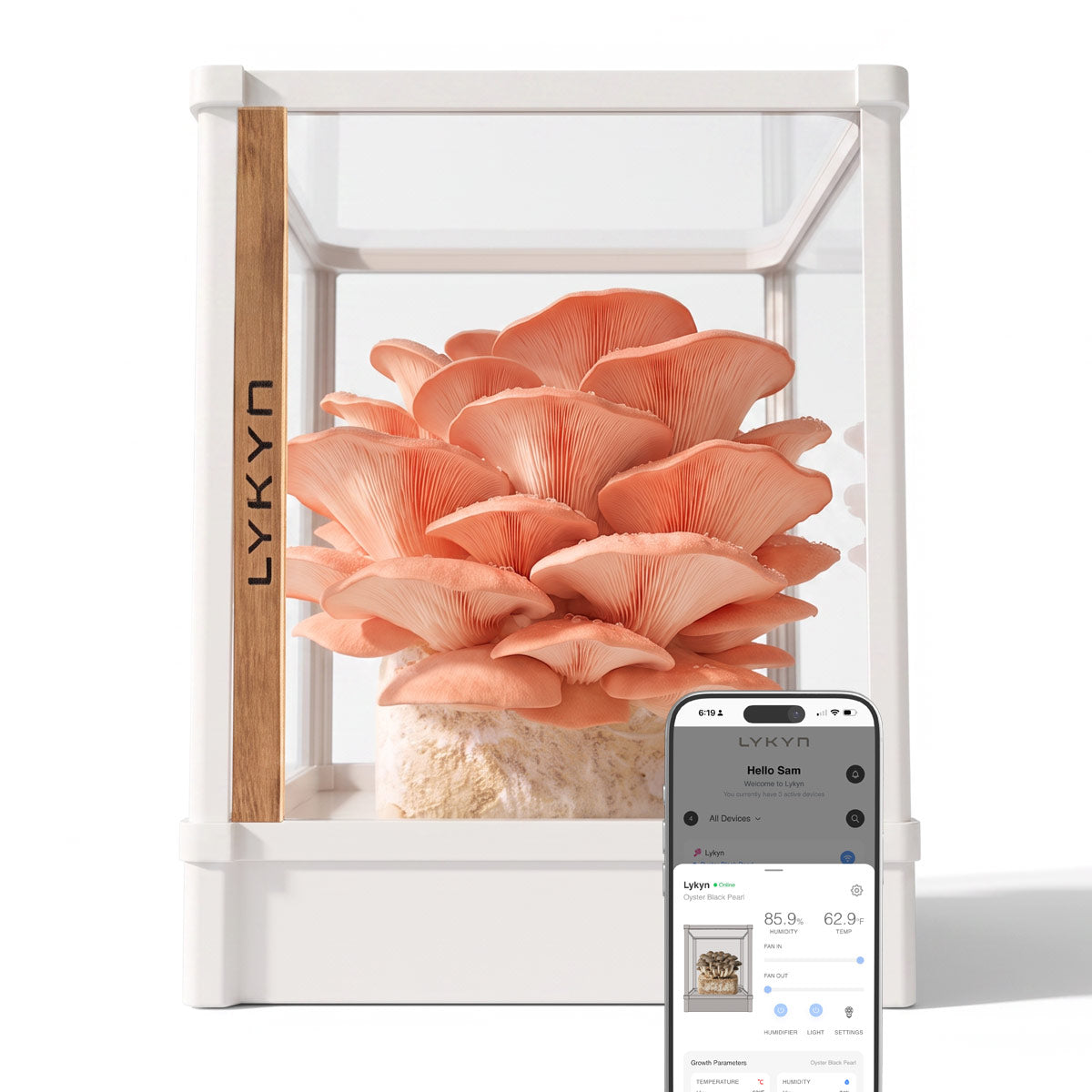
Smart Chamber. Bone White Single
- 2.8L tank, 90% humidity automatic
- App-controlled, plug-and-play
- 6 lb block ceiling, in stock

Smart Chamber. Obsidian Black Single
- Same hardware as Bone White
- Matte black premium finish
- Pairs with any kitchen palette

Before we explore specific health benefits, let's understand what makes mushrooms so special. Unlike plants, mushrooms are fungi with a unique biology that creates remarkable nutritional properties.
Mushrooms are incredibly nutrient-dense while remaining extremely low in calories. A cup of most mushroom varieties contains fewer than 50 calories yet delivers significant amounts of protein, fiber, vitamins, and minerals. This exceptional nutrient-to-calorie ratio makes them perfect for anyone seeking maximum nutrition without excess calories.
Key nutrients found in mushrooms include:
- B vitamins (riboflavin, niacin, pantothenic acid)
- Essential minerals (selenium, copper, potassium, phosphorus)
- Antioxidants (ergothioneine, selenium)
- Dietary fiber
- Plant-based protein
- Vitamin D (especially when exposed to sunlight)
What truly distinguishes mushrooms are their bioactive compounds, natural substances that interact with your body in beneficial ways. These include beta-glucans, polysaccharides, and triterpenes that you won't find in many other foods.

7 Proven Health Benefits of Mushrooms
1. Powerful Immune System Support
One of the most celebrated benefits of mushrooms is their remarkable ability to strengthen immune function. The beta-glucans found abundantly in mushrooms are powerful immunomodulators that help regulate and balance your immune response.
A University of Florida study found that consuming just 5 grams of dried shiitake mushrooms daily significantly boosted immunity. The research showed impressive results: certain immune cell proliferation increased by 60-370%, demonstrating the powerful immune-enhancing effects of regular mushroom consumption.
Different mushroom varieties contain unique compounds that support immunity:
- Shiitake mushrooms contain lentinan, which stimulates immune-regulating proteins
- Turkey tail mushrooms have PSK and PSP compounds studied for immune support
- Maitake mushrooms contain beta-glucan compounds that activate immune cells
Learn more about specific varieties in our comprehensive guide on shiitake mushroom benefits.
2. Heart Health and Cholesterol Management
Mushrooms offer significant cardiovascular benefits through multiple mechanisms. They contain compounds that can help reduce cholesterol levels, manage blood pressure, and support overall heart health.
Shiitake mushrooms contain eritadenine, a compound known to reduce cholesterol levels in the blood. Studies show that regular consumption may help lower LDL (bad) cholesterol while supporting healthy HDL (good) cholesterol levels.
The potassium content in mushrooms also supports blood pressure regulation. Since potassium helps balance sodium levels in your body, it contributes to maintaining healthy blood pressure, a critical factor in cardiovascular health.
3. Antioxidant Protection Against Cellular Damage
Mushrooms are loaded with powerful antioxidants that combat oxidative stress and protect your cells from damage. Two standout antioxidants found in mushrooms are ergothioneine and selenium, both difficult to obtain from other food sources.
Ergothioneine is a unique amino acid that concentrates in organs undergoing oxidative stress, providing targeted cellular protection. Mushrooms are one of the few dietary sources of this beneficial compound, making them uniquely valuable for antioxidant support.
The selenium in mushrooms acts as a powerful antioxidant that helps prevent cell damage, supports thyroid function, and may play a role in cancer prevention. Just a handful of mushrooms can provide a significant portion of your daily selenium needs.
4. Brain Function and Cognitive Health
Several mushroom varieties have earned reputations as "brain foods," and scientific research increasingly validates these traditional uses.
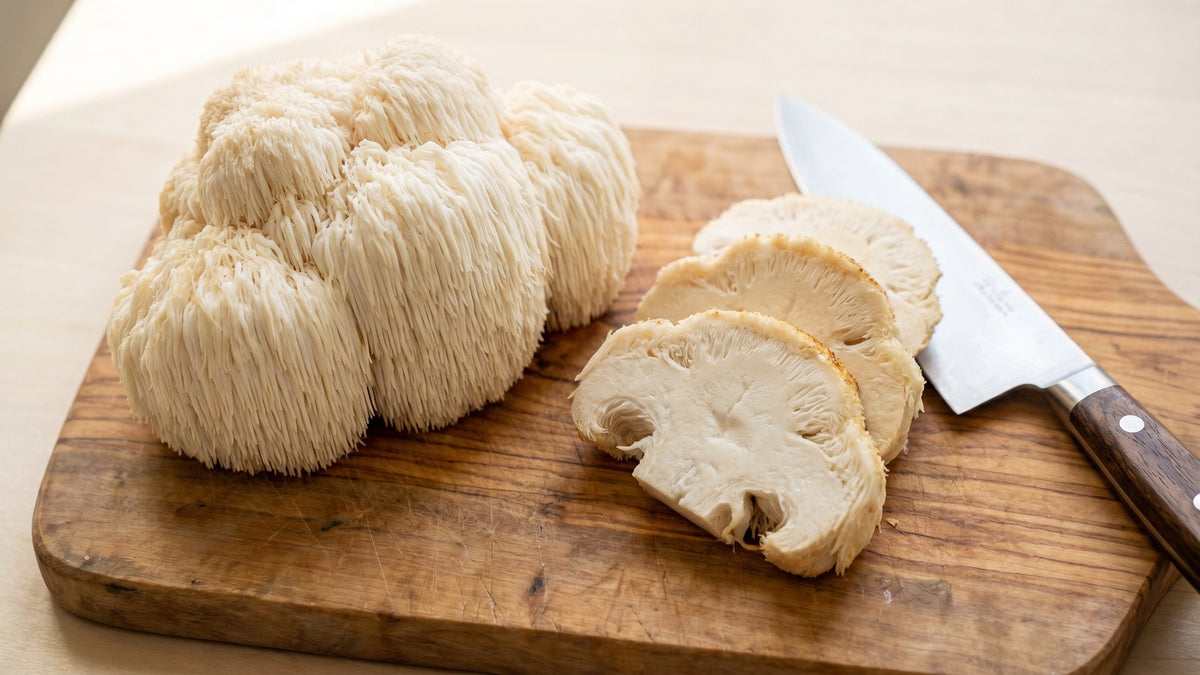
Lion's mane mushrooms, in particular, contain compounds that may stimulate the production of nerve growth factor (NGF), a protein essential for brain cell health and neuroplasticity. Research suggests that lion's mane may support:
- Memory and cognitive function
- Focus and concentration
- Potential neuroprotective effects
- Mood support
The B vitamins found in mushrooms, particularly niacin (B3), also play crucial roles in brain function and mental clarity. For those interested in cognitive health benefits, exploring king trumpet mushroom benefits provides additional insights.
5. Blood Sugar Regulation and Diabetes Management
Mushrooms can be valuable allies in maintaining healthy blood sugar levels. The high fiber content and low glycemic index make them an excellent food choice for blood sugar management.
Maitake mushrooms contain a specific polysaccharide called SX-fraction that has shown particular promise for supporting healthy glucose metabolism. Research suggests this compound may improve insulin sensitivity and help maintain balanced blood sugar levels.
The minimal impact on blood sugar combined with their nutritional benefits makes mushrooms an excellent choice for anyone watching their glucose levels or managing diabetes.
6. Weight Management and Digestive Health
Looking to manage your weight naturally? Mushrooms might be your secret weapon. They're incredibly low in calories but high in protein and fiber, creating a satisfying, filling food that supports weight management goals.
The fiber in mushrooms promotes feelings of fullness, which can assist with portion control. Unlike many low-calorie foods, mushrooms provide substantial texture and umami flavor that makes meals more satisfying.
For digestive health, mushrooms act as prebiotics, feeding the beneficial bacteria in your gut. This supports overall digestive wellness, regular bowel movements, and a healthy gut microbiome. Our article on oyster mushroom nutrition explores these digestive benefits in greater depth.
7. Vitamin D for Bone Health
Here's something remarkable: mushrooms are one of the only plant-based sources of vitamin D. When exposed to UV light (either sunlight or during controlled cultivation), mushrooms produce vitamin D2, making them invaluable for people following plant-based diets.
Vitamin D is essential for calcium absorption and bone health, immune system regulation, and mood stabilization. With vitamin D deficiency becoming increasingly common worldwide, incorporating mushrooms into your diet provides a natural boost.
Morel mushrooms, in particular, contain remarkably high levels of vitamin D compared to most other foods. Check out our detailed guide on morel mushroom nutrition to learn more.
Different Mushroom Varieties and Their Unique Benefits
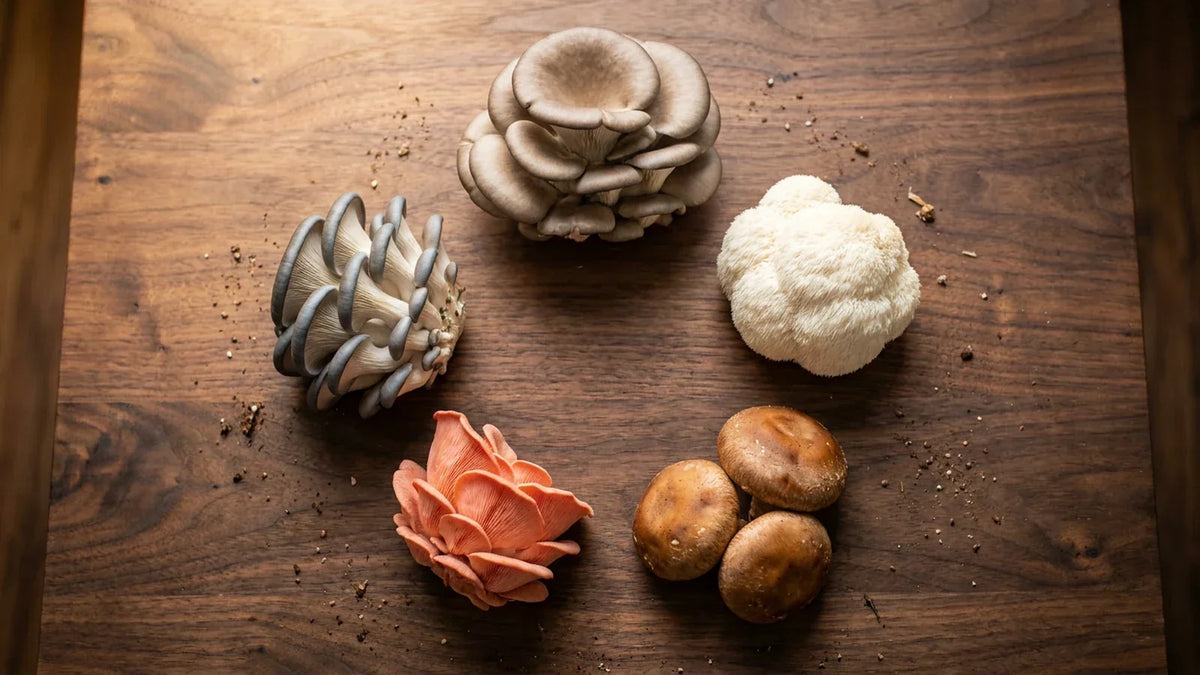
Not all mushrooms are created equal. Different varieties offer unique nutritional profiles and health benefits:
Fuel Your Mushroom Journey
Smart Mushroom Grow Chamber
Plug-and-play smart chamber with humidity, light, and airflow dialed in for every species. Beginners harvest their first flush in days, not months.
Add to cart $299Shiitake Mushrooms: Known for immune support, heart health, and rich umami flavor. These contain lentinan and eritadenine compounds studied for their health properties.
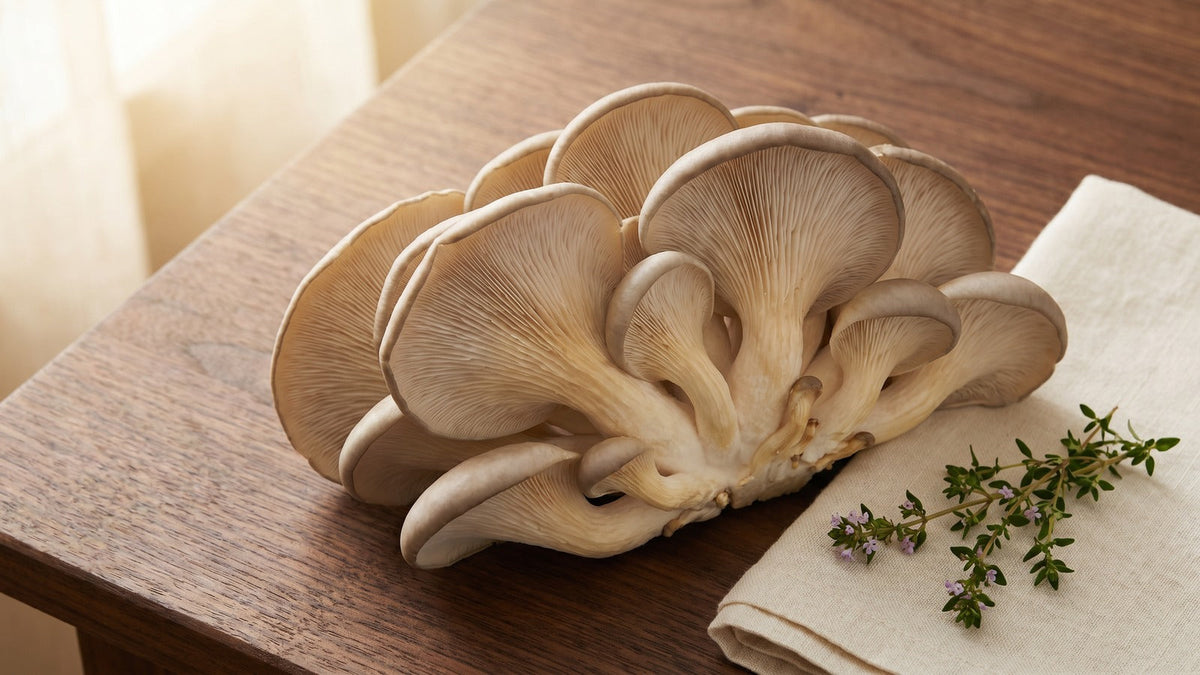
Oyster Mushrooms: High in protein, low in calories, with cardiovascular and immune benefits. They're also incredibly easy to grow at home.
Lion's Mane: The brain-boosting superstar with potential cognitive and neurological benefits. Research suggests it may support nerve health.
King Trumpet (King Oyster): Rich in ergothioneine antioxidants, protein, and minerals. Their meaty texture makes them perfect for plant-based cooking.
Maitake: Also called "hen of the woods," these contain compounds that support blood sugar regulation and immune function.
Reishi: A medicinal mushroom used in traditional medicine for stress reduction and immune support (typically consumed as tea or extract).
For a comprehensive comparison of different varieties, explore what are the health benefits of mushrooms on our blog.
How to Incorporate Mushrooms Into Your Diet
Getting more mushrooms into your meals is easier than you think. Here are practical ways to enjoy their health benefits:
Quick Cooking Methods:
- Sauté mushrooms with garlic and olive oil for a simple side dish
- Add sliced mushrooms to morning omelets or scrambles
- Toss mushrooms into pasta dishes, risottos, or stir-fries
- Grill portobello caps as burger substitutes
- Blend mushrooms into soups and stews for umami depth
Creative Applications:
- Make mushroom powder from dried varieties to add to smoothies
- Create mushroom tea from medicinal varieties like reishi or chaga
- Use mushrooms as pizza toppings or in quesadillas
- Mix finely chopped mushrooms into ground meat for extra nutrition
- Pickle mushrooms for tangy, probiotic-rich snacks
Studies suggest eating around 1-2 cups of mushrooms per week provides significant health benefits. The key is consistency, make mushrooms a regular part of your weekly meal rotation.
Growing Your Own Mushrooms at Home
Want to maximize freshness and ensure you always have healthy mushrooms on hand? Growing your own is easier than you might think. Home cultivation lets you harvest mushrooms at peak freshness when their nutritional content is highest.
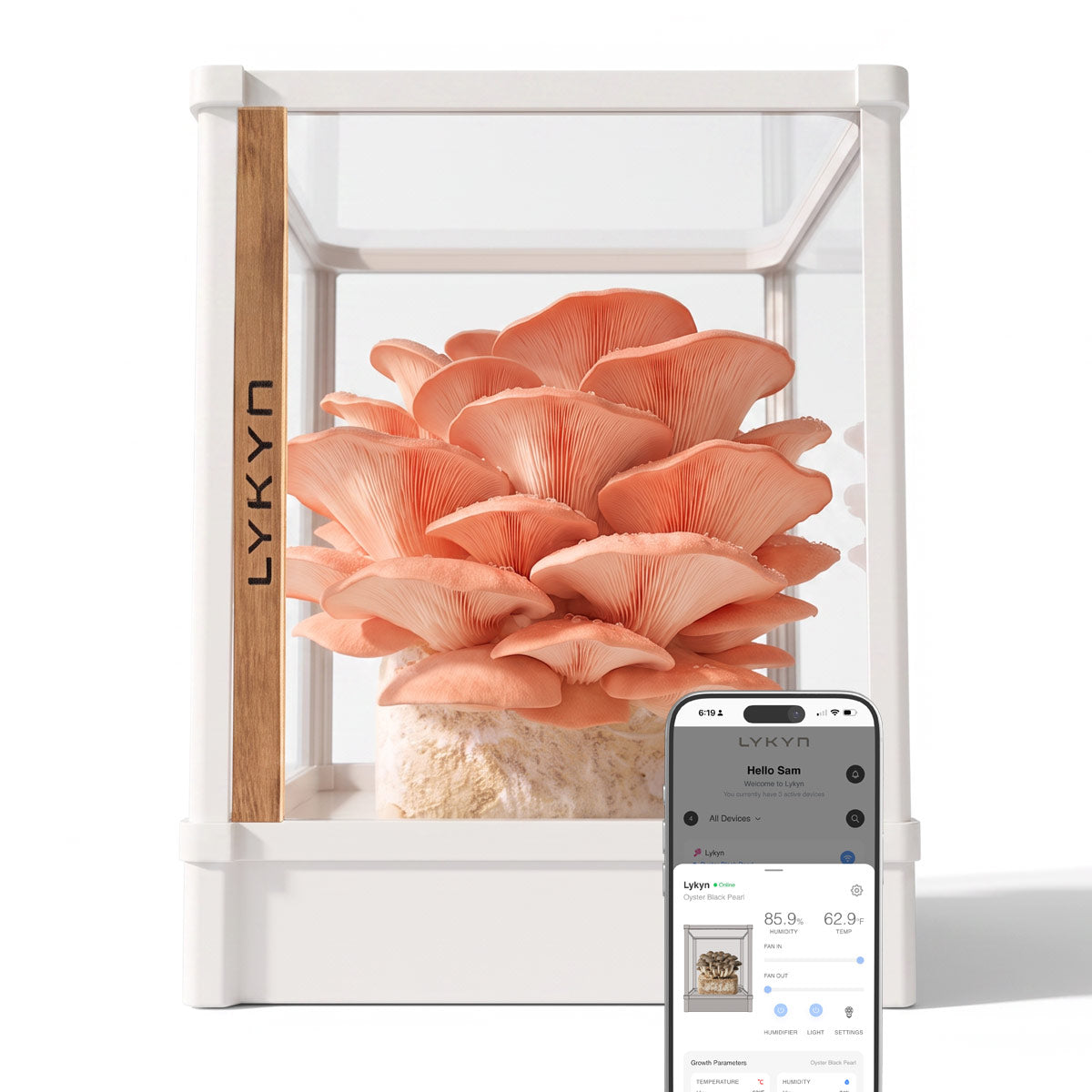
The LYKYN Smart Mushroom Grow Kit makes home mushroom cultivation incredibly simple, even for complete beginners. This innovative system automates the entire growing process:
- App-controlled precision: Simply select your mushroom variety and let the system maintain perfect humidity and airflow
- Automated environment: Integrated fans, sensors, and humidifier create ideal conditions without daily misting
- Multiple harvests: Produce fresh mushrooms for weeks with minimal effort
- Kitchen-friendly design: Elegant, quiet operation suitable for any living space
Growing your own mushrooms ensures you're getting the freshest possible nutrition while eliminating concerns about pesticides or long transportation times. Plus, it's incredibly rewarding to harvest mushrooms you grew yourself.
For beginners interested in starting their cultivation journey, check out our best mushroom grow kit for beginners guide. You can also learn about benefits of using a mushroom growing kit to understand why home cultivation is becoming so popular.
Safety Considerations and Precautions
While mushrooms offer incredible health benefits, it's important to follow these safety guidelines:
Never forage wild mushrooms unless you're an expert. Many poisonous mushrooms closely resemble edible varieties. Stick to store-bought or home-grown mushrooms from trusted sources.
Cook mushrooms before eating. Raw mushrooms contain small amounts of potentially harmful substances that cooking neutralizes. Cooking also improves digestibility and nutrient absorption.
Start slowly if you're new to mushrooms. Some people may experience mild digestive discomfort when first adding mushrooms to their diet. Begin with small portions and gradually increase.
Consider allergies. While rare, mushroom allergies do exist. If you have allergies to other fungi or molds, consult your healthcare provider before consuming mushrooms regularly.
Check medication interactions. Some mushroom compounds may interact with blood-thinning medications or immunosuppressants. If you're on medication, discuss mushroom consumption with your doctor.
Frequently Asked Questions
Are mushrooms good for you every day?
Yes, eating mushrooms daily is safe and beneficial for most people. Studies show that consuming mushrooms regularly, about 1-2 cups per week or small amounts daily, provides significant health benefits including immune support, heart health, and improved nutrition. The key is variety and moderation.
Which mushroom is the healthiest?
There's no single "healthiest" mushroom since different varieties offer unique benefits. Shiitake mushrooms excel in immune support, lion's mane supports brain health, oyster mushrooms are high in protein, and maitake helps with blood sugar regulation. The healthiest approach is eating a variety of mushroom types to get diverse nutritional benefits.
Do cooked mushrooms lose their health benefits?
Cooking mushrooms actually enhances certain health benefits. While some heat-sensitive nutrients may decrease slightly, cooking makes mushrooms more digestible and increases the bioavailability of many beneficial compounds. Cooking also neutralizes potentially harmful substances found in raw mushrooms. Light sautéing or steaming preserves the most nutrients.
Can mushrooms help you lose weight?
Yes, mushrooms can support weight loss efforts. They're very low in calories (about 20-50 calories per cup) but high in protein and fiber, which create feelings of fullness. Their satisfying umami flavor and meaty texture make meals more satisfying without adding significant calories. Replacing some meat with mushrooms in meals is an effective weight management strategy.
Are mushrooms safe for everyone to eat?
Mushrooms are safe for most people when cooked properly. However, some individuals should exercise caution: those with mushroom allergies, people with autoimmune conditions (consult your doctor), individuals on blood-thinning medications, and anyone with severe compromised immune systems should discuss mushroom consumption with healthcare providers. Pregnant women can safely eat cooked culinary mushrooms but should avoid medicinal mushroom supplements without medical guidance.
Featured Snippet Summary
Is mushroom good for health? Yes, mushrooms are exceptionally healthy, offering immune-boosting beta-glucans, powerful antioxidants like ergothioneine, essential B vitamins, and rare plant-based vitamin D. Regular consumption supports heart health, brain function, weight management, and blood sugar regulation with minimal calories. Different varieties provide unique benefits, shiitake for immunity, lion's mane for cognitive health, and oyster mushrooms for protein and cardiovascular support.
Start Your Mushroom Health Journey Today
The evidence is clear: mushrooms are incredibly good for your health. From strengthening your immune system to supporting heart health, brain function, and weight management, these nutritional powerhouses deserve a regular spot in your diet.
Whether you're buying fresh mushrooms from your local market or taking the exciting step of growing your own with the LYKYN Smart Mushroom Grow Kit, you're making a smart choice for your health and wellbeing.
Ready to experience the full benefits of fresh, home-grown mushrooms? Explore our collection of mushroom growing resources and discover how easy it is to cultivate your own nutritional powerhouses. Your body will thank you for adding these incredible fungi to your daily routine.
For more insights on specific varieties and cultivation techniques, browse through our comprehensive guides on mushroom powders for supplementation options and nutritional value of shiitake mushrooms for detailed nutritional information.






Share:
The Life Cycle of a Mushroom: Understanding Nature's Most Fascinating Growth Process
The Ultimate Shroom Growing Kit Guide: Everything You Need to Grow Fresh Mushrooms at Home in 2025