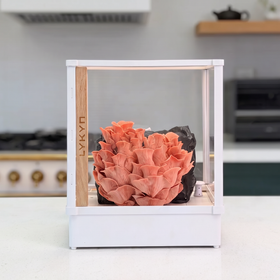



Tired of spending $30+ per month on commercial mushroom coffee? Or maybe you're curious about caffeine-free alternatives that still deliver the functional benefits of medicinal mushrooms? You're in the right place.
Mushroom coffee has exploded in popularity, promising sustained energy without jitters, improved focus, and immune support. But what many people don't realize is that you can easily create your own mushroom coffee substitute at home, often with better quality and at a fraction of the cost.
This comprehensive guide covers everything from DIY mushroom coffee recipes using fresh home-grown mushrooms to the best commercial alternatives, caffeine-free options, and creative preparation methods. Whether you're looking to replace expensive store-bought blends or explore caffeine-free mushroom beverages, we've got you covered.
Why Consider a Mushroom Coffee Substitute?

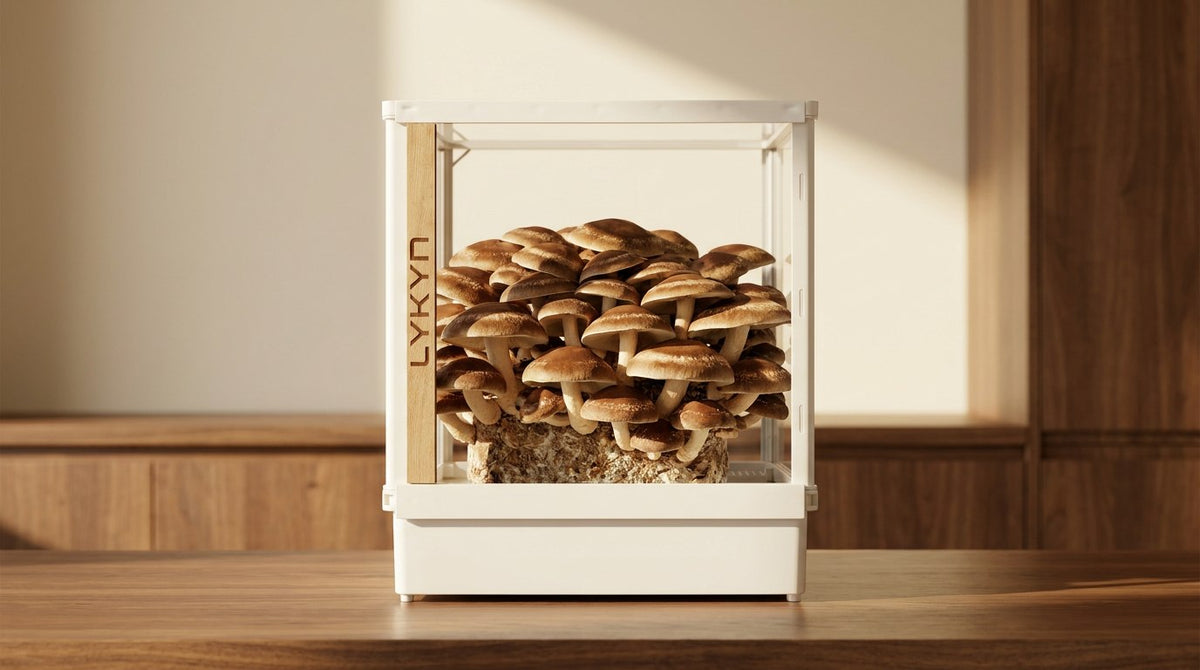
Smart Chamber. Bone White Single
- 2.8L tank, 90% humidity automatic
- App-controlled, plug-and-play
- 6 lb block ceiling, in stock

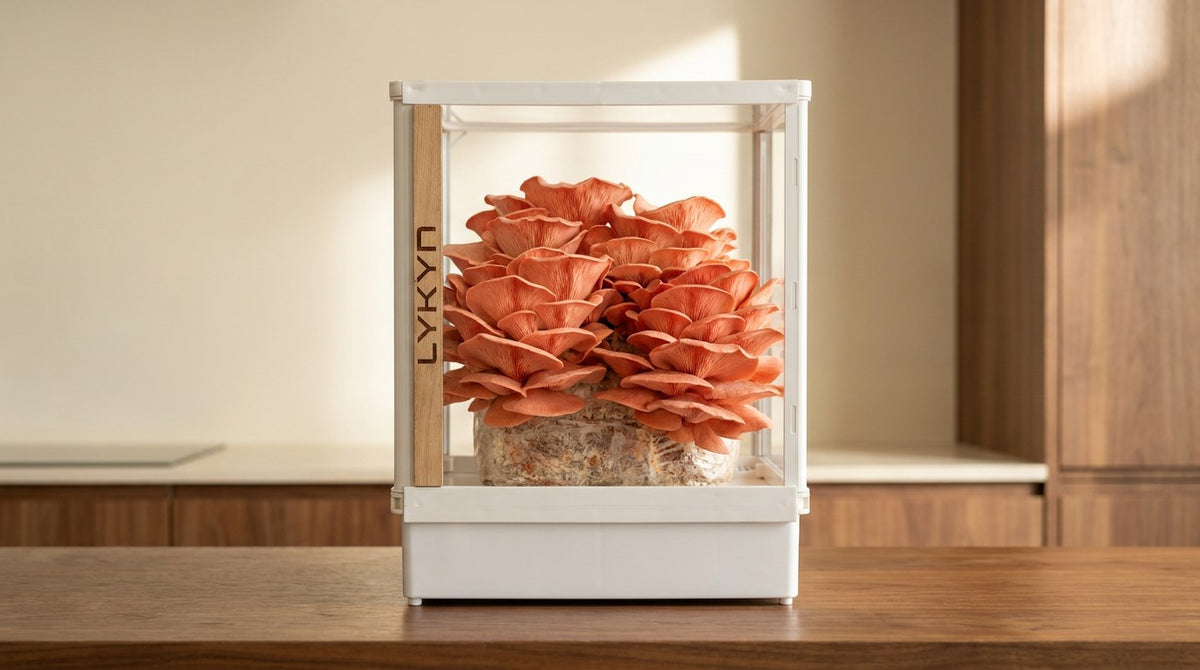
Smart Chamber. Obsidian Black Single
- Same hardware as Bone White
- Matte black premium finish
- Pairs with any kitchen palette

Before diving into recipes and alternatives, let's explore why you might want a mushroom coffee substitute in the first place.
Cost savings are significant. Commercial mushroom coffee brands typically charge between $1-2 per serving, adding up to $30-60 monthly. Making your own costs pennies per cup, especially when you grow your own medicinal mushrooms.
Caffeine sensitivity matters. Many people experience jitters, anxiety, or sleep disruption from regular coffee. Mushroom coffee substitutes offer functional benefits without high caffeine content, or any caffeine at all.
Quality control is crucial. When you make your own, you know exactly what's in your cup. No fillers, no mystery ingredients, just pure mushroom goodness. Growing your own mushrooms with the LYKYN Smart Mushroom Grow Kit ensures maximum freshness and potency.
Customization allows personalization. Store-bought blends use fixed ratios. Making your own lets you adjust mushroom types and concentrations based on your specific wellness goals, more lion's mane for focus, extra reishi for calm, or turkey tail for immune support.
Understanding Mushroom Coffee: What Makes It Special?
Mushroom coffee typically combines regular coffee with extracts from medicinal mushrooms. The most common varieties include lion's mane for cognitive function, chaga for antioxidants, cordyceps for energy, and reishi for stress management.

Traditional mushroom coffee contains both coffee and mushroom extracts, usually reducing caffeine content by about 40-60% compared to regular coffee. Most commercial brands deliver 40-50mg of caffeine per serving versus 95-200mg in standard coffee.
The functional mushrooms don't contribute much flavor, when done right, mushroom coffee tastes primarily like coffee with perhaps an earthier undertone. The magic happens at the cellular level, where bioactive compounds like beta-glucans, triterpenes, and hericenones provide the health benefits.
DIY Mushroom Coffee Substitute: Making Your Own at Home
Creating your own mushroom coffee substitute is remarkably simple and gives you complete control over ingredients and potency. Here's how to make it using fresh mushrooms you've grown yourself.
Method 1: Simple Mushroom Powder Coffee Blend
This is the easiest approach for beginners and closely mimics commercial mushroom coffee.
What you'll need:
- High-quality coffee beans or grounds
- Dried medicinal mushrooms (lion's mane, chaga, reishi, or turkey tail)
- Coffee grinder
- Airtight storage container
Instructions:
Start by drying your fresh mushrooms completely. If you're growing mushrooms with your LYKYN Smart Mushroom Grow Kit, harvest when mature and dehydrate at 115-125°F until crispy. This typically takes 6-12 hours depending on mushroom type and thickness.
Grind dried mushrooms into a fine powder using a coffee grinder or food processor. Store mushroom powder separately in an airtight container away from light and moisture. It will keep for 6-12 months when properly stored.
For each cup of coffee, combine 1 tablespoon regular coffee grounds with 1/4 to 1/2 teaspoon mushroom powder. Start with less and adjust to taste. Brew using your preferred method, drip, French press, pour-over, or espresso all work well.
The resulting beverage has less caffeine than pure coffee (since you're using less coffee per cup) while delivering functional mushroom benefits. Experiment with ratios until you find your perfect blend.
Learn more about creating mushroom powders in our comprehensive guide on mushroom powdersMushroom Powders: Ultimate Guide to Benefits, Uses, and DIY Methods 2025 which covers proper dehydration techniques and storage methods.
Method 2: Mushroom Extract Coffee
For maximum potency, mushroom extracts concentrate beneficial compounds more effectively than simple powders.
Making mushroom extracts at home allows you to create professional-quality tinctures that rival commercial products. The process takes time but produces incredibly potent results.
Dual extraction method:
Create an alcohol tincture by grinding dried mushrooms and combining with high-proof alcohol (vodka or grain alcohol) at a 1:5 ratio. Seal in a glass jar and store in a cool, dark place for 4-6 weeks, shaking daily.
After alcohol extraction, strain the mushrooms and simmer them in water for 4-6 hours. This water extraction captures polysaccharides and beta-glucans that alcohol doesn't extract.
Combine both extracts in equal parts for a complete dual-extraction tincture. Add 1-2 dropperfuls to your morning coffee for powerful functional benefits without altering the taste significantly.
For detailed instructions, check out our guides on how to make mushroom extract and how to make mushroom tincture.
Method 3: Mushroom Tea Base
For a completely caffeine-free alternative, skip the coffee entirely and create a rich, flavorful mushroom tea that mimics coffee's depth.
Simmer dried chaga chunks in water for 30-60 minutes to create a dark, rich base. Chaga develops a naturally coffee-like color and slightly bitter, earthy flavor. Add lion's mane powder or reishi extract for additional benefits.
Enhance the flavor with cacao powder, cinnamon, vanilla extract, or maca powder. These additions create complexity and make the beverage more coffee-like without adding caffeine.
For a creamier texture reminiscent of a latte, blend your mushroom tea with coconut oil, MCT oil, or your favorite milk. This creates a frothy, satisfying drink that rivals any coffee shop creation.

Best Commercial Mushroom Coffee Alternatives
If making your own isn't appealing, several excellent commercial alternatives exist. Here are the top options for 2025.
Caffeine-Free Mushroom Blends
For those eliminating caffeine entirely, several brands offer mushroom-based coffee alternatives with zero caffeine.
MUD\WTR pioneered the caffeine-free mushroom beverage category. Their blend combines lion's mane, chaga, reishi, cordyceps, turmeric, cinnamon, and cacao for a spiced, earthy drink with just 35mg of caffeine from chai, significantly less than coffee. Users report sustained energy without crashes.
The flavor profile leans heavily toward cinnamon and chai spices, which some love and others find overpowering. It requires getting accustomed to if you're expecting coffee flavor.
Farmhouse Teas Mushroom NOT Coffee offers a completely caffeine-free option based on roasted chicory root and dandelion root with added reishi, chaga, and lion's mane. This herbal blend delivers a remarkably coffee-like flavor profile without any coffee beans or caffeine.
The roasted roots provide bitterness and depth similar to coffee, making it an excellent choice for those who miss coffee's flavor but need to avoid caffeine completely. It works wonderfully in lattes with steamed milk.
Low-Caffeine Mushroom Coffee Options
If you want some caffeine but less than regular coffee provides, these blends hit the sweet spot.
Four Sigmatic Focus remains one of the most popular mushroom coffee brands. It combines organic coffee with 500mg each of lion's mane and chaga per serving. The caffeine content sits around 50mg per cup, about half of regular coffee.
The flavor is remarkably close to regular coffee with only a subtle earthiness. Most people can't distinguish it from their usual brew, making it an easy transition for coffee lovers.
DIRTEA Coffee uses premium Arabica beans with lion's mane extract and delivers up to 80% less caffeine than regular coffee. It's enriched with B vitamins for additional energy support and features a rich, nutty flavor profile that coffee enthusiasts appreciate.
Specialty Mushroom Beverages
Beyond coffee replacements, innovative mushroom drinks serve different purposes throughout the day.
DIRTEA Matcha combines ceremonial-grade Japanese matcha with lion's mane and cordyceps. The L-theanine in matcha creates calm, focused energy that pairs beautifully with mushrooms' cognitive benefits. It contains moderate caffeine (around 55mg per serving) with less risk of jitters than coffee.
DIRTEA Cacao blends raw cacao with reishi and chaga for a chocolatey, comforting evening drink. Completely caffeine-free, it's perfect for winding down while still supporting immune function and stress management.
DIRTEA Chai offers another caffeine-free option with reishi, chaga, and traditional chai spices like cinnamon and ginger. This blend promotes relaxation and gut health, making it ideal for evening rituals.
Creative Mushroom Coffee Substitute Recipes
Let's explore some delicious recipes that showcase mushroom beverages beyond basic brewed coffee.
Creamy Mushroom Latte
This recipe creates a coffee-shop-quality latte using your homemade mushroom blend or extract.
Ingredients:
- 1 cup brewed mushroom coffee or strong mushroom tea
- 1/2 cup milk of choice (dairy, oat, almond, or coconut work well)
- 1-2 teaspoons sweetener (maple syrup, honey, or monk fruit)
- 1/4 teaspoon vanilla extract
- Optional: cinnamon, cacao powder, or adaptogen powders
Instructions:
Brew your mushroom coffee or tea base strong, use double your normal amount of grounds or mushroom powder. Heat milk in a small saucepan until steaming but not boiling, or use a milk frother. Blend hot milk with sweetener and vanilla until frothy.
Pour mushroom base into a large mug and top with frothed milk. Dust with cinnamon or cacao powder for finishing touches. The result rivals any specialty coffee shop latte.
Fuel Your Mushroom Journey
Smart Mushroom Grow Chamber
Plug-and-play smart chamber with humidity, light, and airflow dialed in for every species. Beginners harvest their first flush in days, not months.
Add to cart $299Iced Mushroom Mocha
Perfect for warm weather, this cold beverage delivers functional benefits in a refreshing format.
Brew double-strength mushroom coffee or chaga tea and let it cool completely. In a blender, combine 1 cup chilled mushroom base, 1 cup ice, 2 tablespoons cacao powder, 1-2 tablespoons sweetener, and 1/4 cup milk.
Blend until smooth and frothy. The cacao provides natural mood-boosting compounds while masking any earthiness from the mushrooms. Add a splash of vanilla for extra indulgence.
Mushroom Protein Shake
Combine mushroom benefits with post-workout nutrition in this satisfying shake.
Blend 1 cup mushroom tea or water, 1 scoop vanilla protein powder, 1 banana, 1 tablespoon lion's mane powder, 1 tablespoon almond butter, handful of spinach, and ice. The lion's mane supports focus and recovery while the protein aids muscle repair.
This works especially well for morning workouts when you want energy without traditional coffee's potential digestive issues during exercise.
Which Mushrooms Work Best for Coffee Substitutes?
Different medicinal mushrooms provide distinct benefits, allowing you to customize your blend based on your wellness goals.
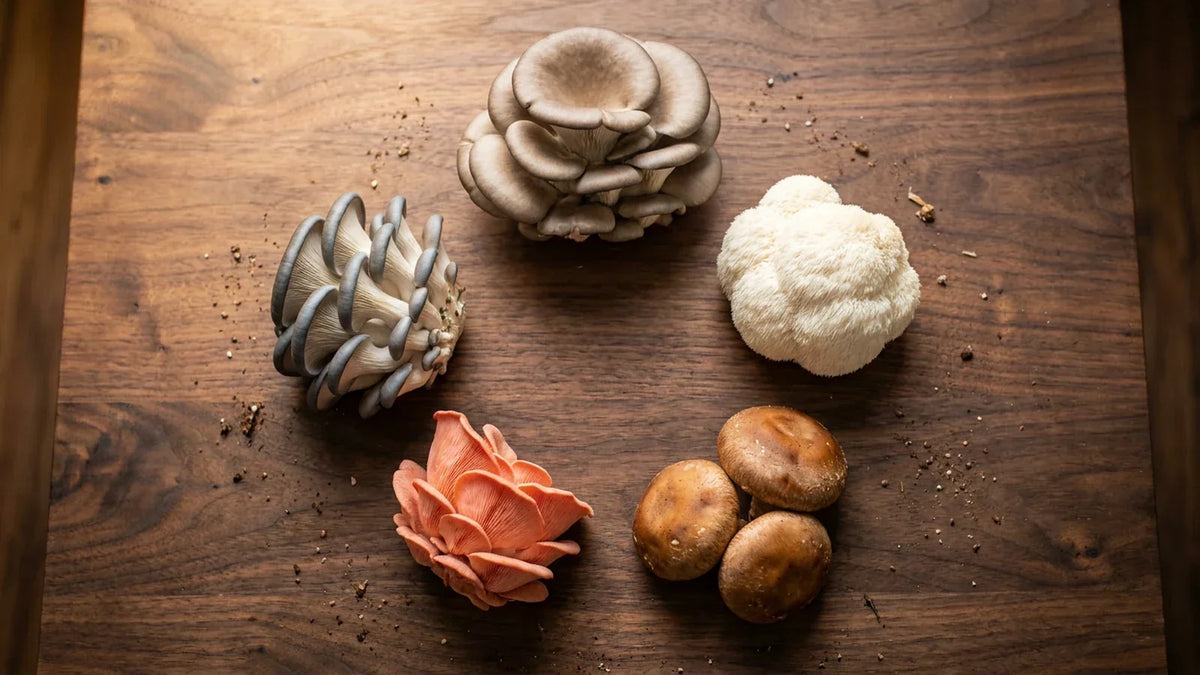
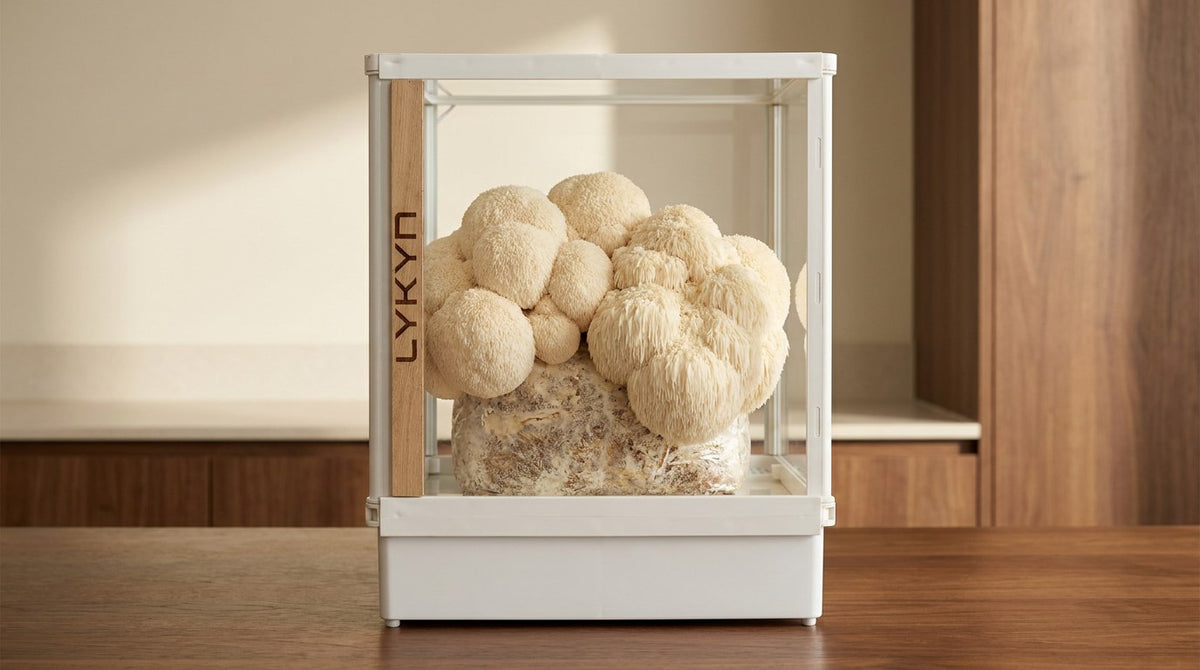
Lion's Mane is the top choice for cognitive function and focus. It contains hericenones and erinacines that may stimulate nerve growth factor production. This makes it perfect for morning beverages when you need mental clarity.
Studies suggest lion's mane supports memory, concentration, and overall brain health. It has a mild, slightly seafood-like flavor when fresh but becomes nearly tasteless in powdered form.
Growing lion's mane at home is relatively straightforward. Learn more in our comprehensive Lion's Mane mushroom cultivation guide.
Chaga provides incredible antioxidant content, among the highest of any food. This makes it excellent for combating oxidative stress and supporting overall health.
Chaga naturally develops a dark, coffee-like color when brewed and has a mild, slightly bitter, vanilla-tinged flavor. Many people find it the most "coffee-like" of the medicinal mushrooms, making it ideal for caffeine-free coffee substitutes.
Reishi is the "mushroom of immortality" prized for stress reduction and immune support. It works best in evening beverages or when you want calm, balanced energy rather than stimulation.
Reishi has a bitter, woody taste that benefits from pairing with sweeteners and spices. It's particularly effective in hot chocolate or chai-style drinks. Discover more in our guide on reishi mushrooms.
Cordyceps is associated with physical energy and endurance. Athletes often use cordyceps for improved oxygen utilization and stamina. It pairs well with morning beverages but differs from lion's mane by supporting physical rather than mental energy.
Turkey Tail is heavily researched for immune system support. While it doesn't provide the cognitive or energy benefits of lion's mane and cordyceps, it's excellent for overall wellness. Learn about its benefits in how to use turkey tail mushroom.
Growing Your Own Mushrooms for Coffee Substitutes
The most cost-effective and quality-controlled approach involves growing your own medicinal mushrooms at home. Modern cultivation has become remarkably accessible, even for complete beginners.
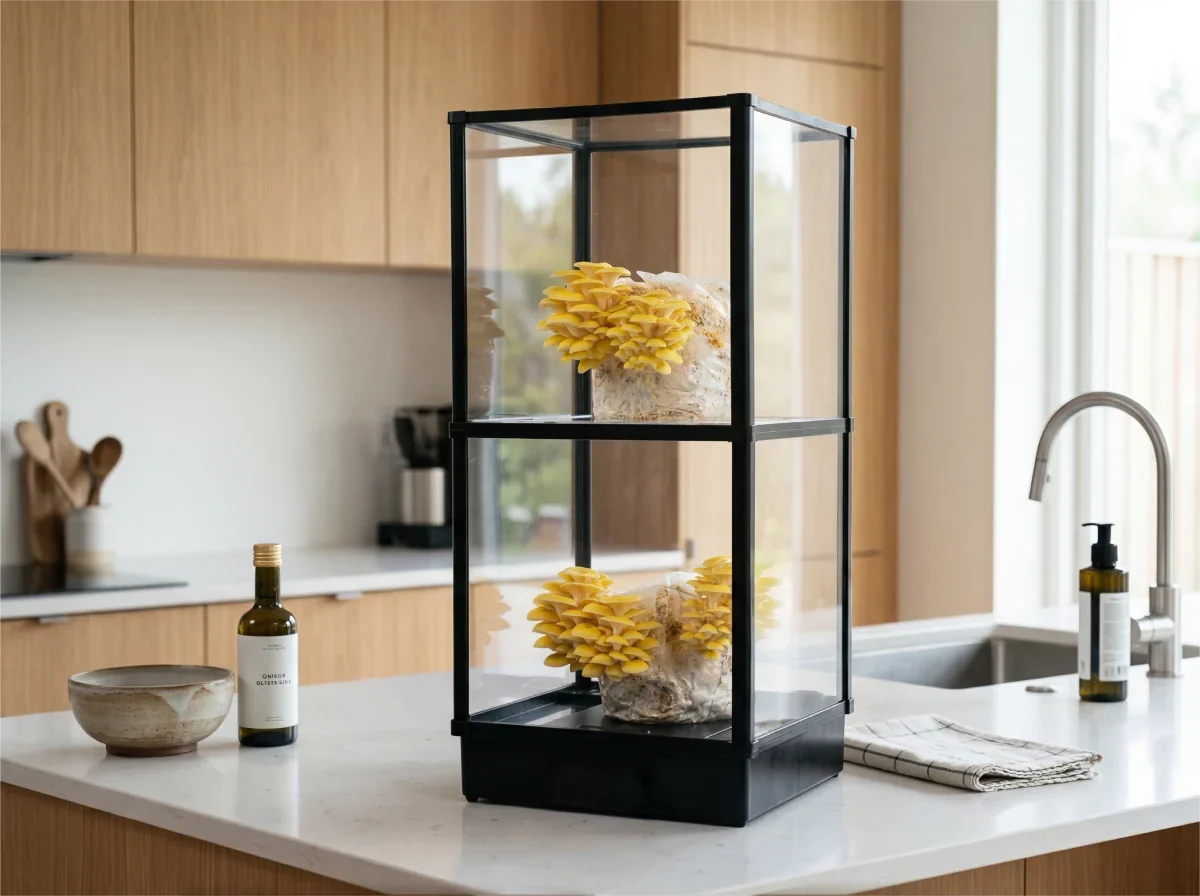
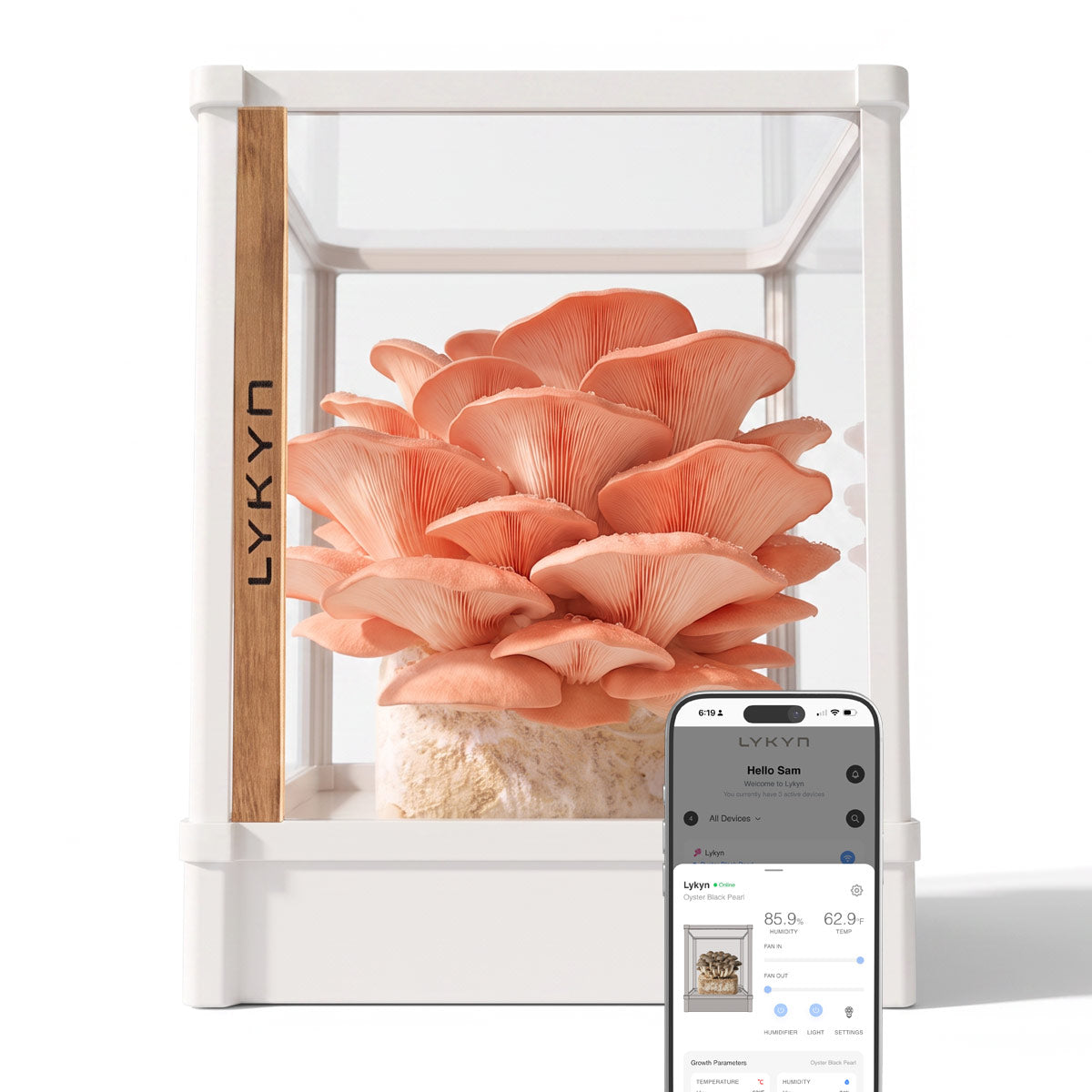
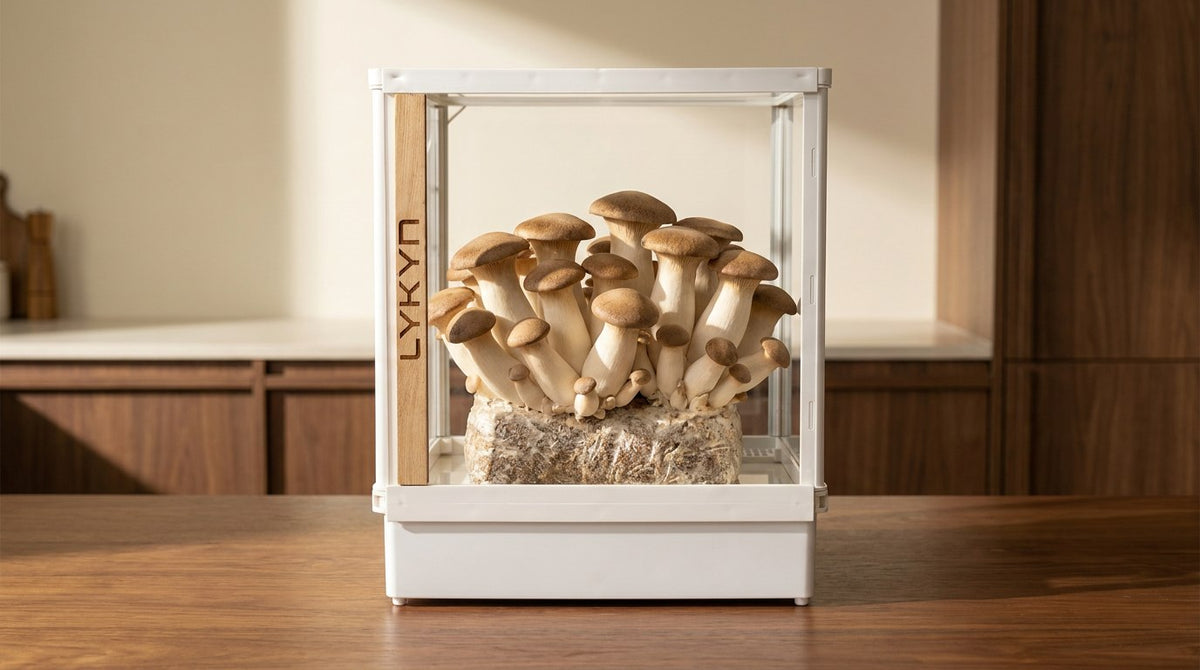
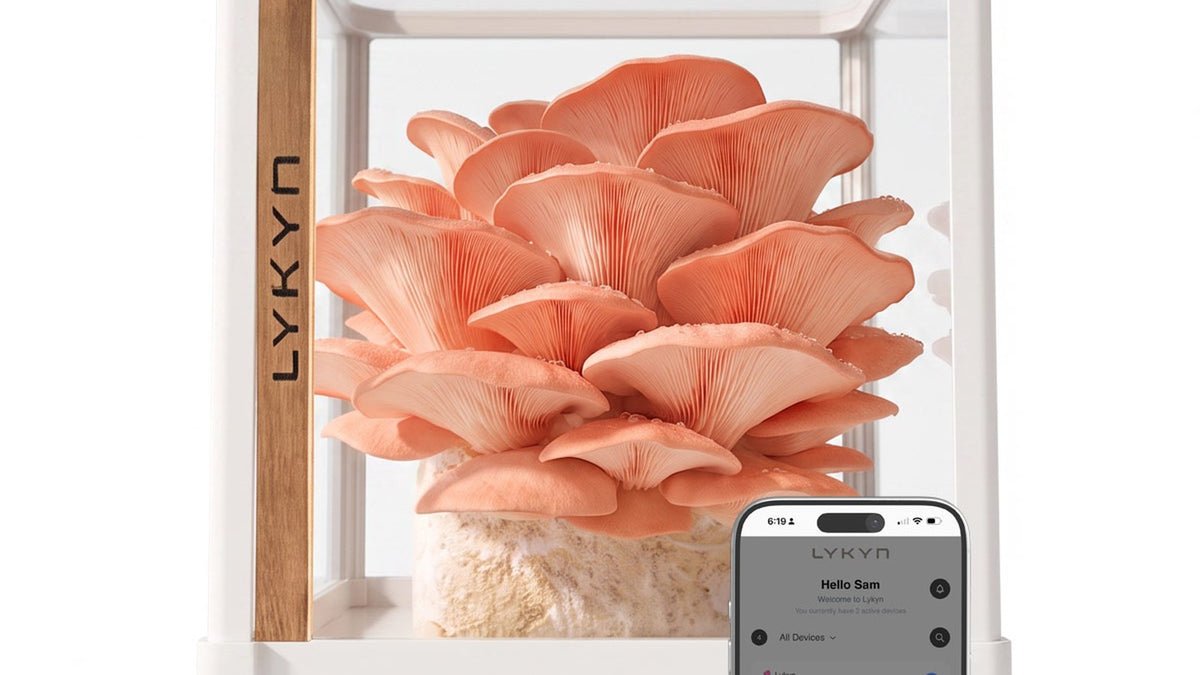
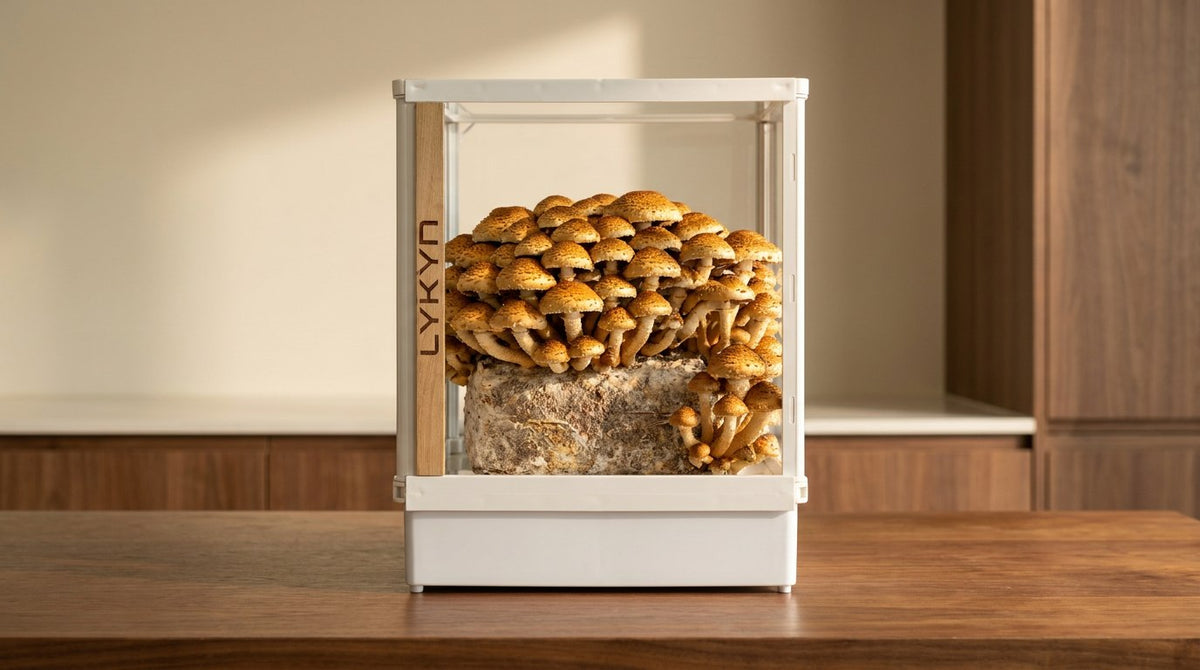
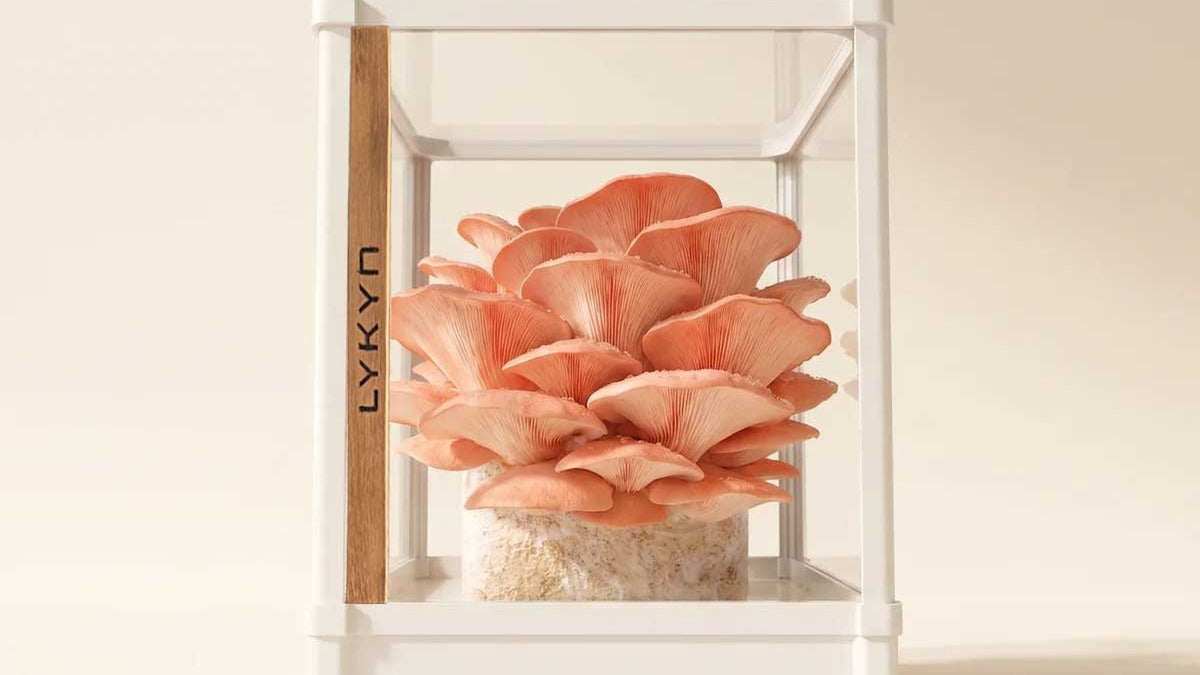
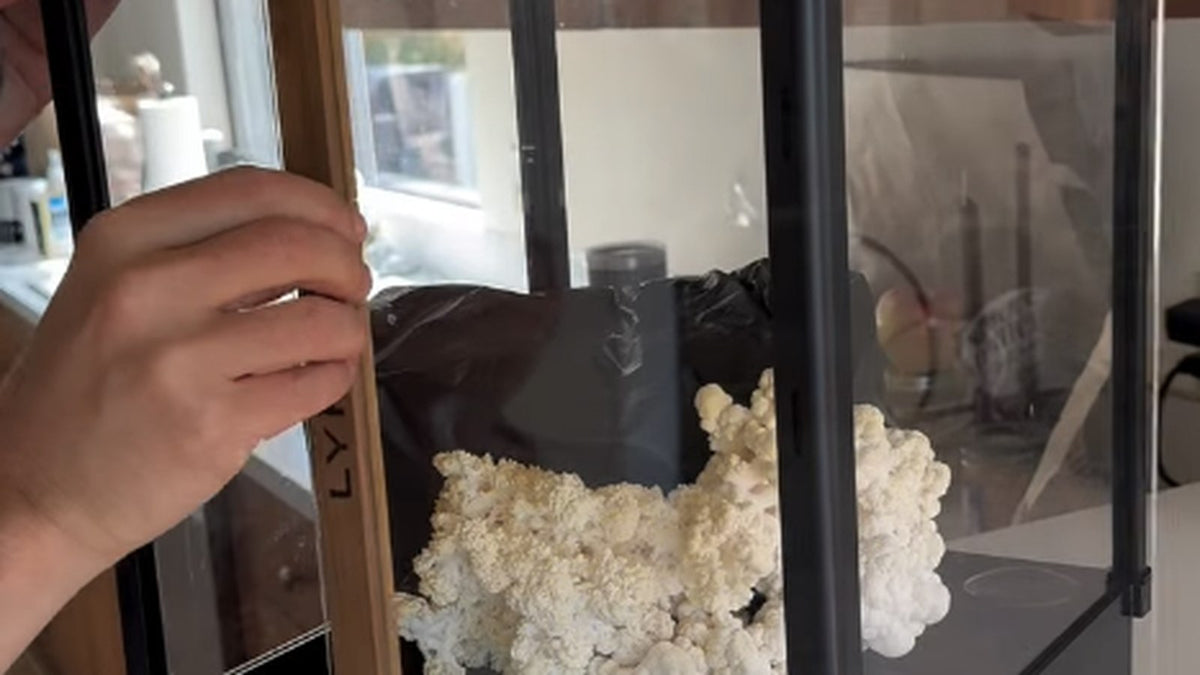
The LYKYN Smart Mushroom Grow Kit revolutionizes home mushroom cultivation with automated humidity control and smartphone monitoring. Simply place your mushroom growing block inside, select your mushroom type in the app, and the system maintains perfect conditions automatically.
No more daily misting or guessing about environmental factors. The chamber's sealed and app-controlled fans, ultrasonic humidifier with a massive 2.8L tank, and precision sensors create optimal conditions for lion's mane, reishi, and other medicinal varieties.
A single 5-pound mushroom block can produce 1-3 pounds of fresh mushrooms across multiple flushes. At typical mushroom supplement prices, this translates to hundreds of dollars in value from a $30-40 growing block.
Fresh mushrooms retain maximum bioactive compounds compared to dried commercial products that may have sat in warehouses for months. When you harvest and immediately dry your own mushrooms, you preserve the full spectrum of beneficial compounds.
For beginners, start with our mushroom grow kit for beginners guide. Check out our selection of mushroom fruiting blocks to get started.
How to Prepare Home-Grown Mushrooms for Beverages
Once you've harvested your mushrooms, proper preparation ensures you extract maximum benefits.
Drying is essential. Fresh mushrooms contain 80-90% water and will spoil quickly. Dehydrate them at 115-125°F until completely crispy, they should snap rather than bend. This typically takes 6-12 hours depending on mushroom type and thickness.
Grinding creates powder. Use a coffee grinder or high-powered blender to pulverize dried mushrooms into fine powder. Store in airtight containers away from light and moisture. Properly dried and stored mushroom powder lasts 6-12 months.
Extraction maximizes potency. For the most bioavailable forms, create tinctures or extracts using dual-extraction methods. These concentrate beneficial compounds far beyond what simple powder provides.
Our detailed guide on how to prepare turkey tail mushroom covers these techniques extensively, with principles that apply to all medicinal mushrooms.
Cost Comparison: DIY vs. Commercial
Let's break down the real costs to see where the value lies.
Commercial mushroom coffee typically costs $30-60 per month depending on consumption. At $1.50 per serving and one serving daily, you're spending $45 monthly. Premium brands charge even more.
Store-bought mushroom powder for mixing yourself costs $20-40 for a month's supply. This saves money compared to pre-mixed coffee but still adds up.
Growing your own requires initial investment but pays off dramatically. The LYKYN Smart Mushroom Grow Kit costs more upfront but lasts for years. Mushroom growing blocks cost $30-40 and produce enough fresh mushrooms to make several months' worth of powder.
Total cost per serving when growing your own: approximately $0.10-0.30. That's 80-90% savings compared to commercial options while delivering superior freshness and quality.
Tips for Transitioning to Mushroom Coffee Substitutes
Switching from regular coffee to mushroom alternatives requires some adjustment. Here's how to make it smooth.
Start gradually. Don't quit coffee cold turkey if you're a heavy caffeine user. Begin by replacing your afternoon coffee with a mushroom alternative, keeping your morning coffee routine. After a week, replace half your morning coffee with a mushroom blend.
Expect an adjustment period. Your taste buds need time to appreciate earthier, less bitter flavors. Give it at least a week before deciding if a particular blend works for you. Many people report that mushroom coffee "grows on them" after initial hesitation.
Manage caffeine withdrawal. If going caffeine-free, expect headaches, fatigue, and irritability for 2-5 days. Stay hydrated, get adequate sleep, and consider keeping emergency ibuprofen handy. The symptoms pass, and most people report feeling better than ever afterward.
Enhance the flavor. Don't be afraid to add creamers, sweeteners, cinnamon, vanilla, or cacao to make your mushroom beverage more enjoyable. As you adjust, you can gradually reduce these additions if desired.
Track your benefits. Keep a simple journal noting energy levels, focus, sleep quality, and overall wellbeing. Many mushroom coffee benefits are subtle and become apparent only when you look back over weeks.
Frequently Asked Questions
Does mushroom coffee substitute really work?
Yes, but it depends on your goals. Medicinal mushrooms like lion's mane and cordyceps contain bioactive compounds that research suggests may support cognitive function, energy, and immune health. However, they work differently than caffeine. Instead of stimulation, they provide what users describe as calm, sustained energy and mental clarity. Results vary by individual, mushroom type, and consistency of use.
Can I make mushroom coffee substitute without a grow kit?
Absolutely. You can purchase dried medicinal mushrooms from reputable suppliers and create your own blends. However, growing your own with a system like the LYKYN Smart Mushroom Grow Kit ensures maximum freshness, quality control, and cost-effectiveness. You also know exactly how your mushrooms were grown without pesticides or contaminants.
How much mushroom powder should I add to coffee?
Start with 1/4 to 1/2 teaspoon of mushroom powder per cup of coffee. Most commercial blends use 500-1000mg of mushroom extract per serving, equivalent to roughly 1/4 to 1/2 teaspoon of quality powder. You can gradually increase based on tolerance and desired effects. More isn't necessarily better, consistency matters more than quantity.
Are mushroom coffee substitutes safe for everyone?
Medicinal mushrooms are generally safe for healthy adults when consumed in reasonable amounts. However, pregnant or breastfeeding women should consult healthcare providers before use. Those with mushroom allergies should obviously avoid them. If you're on medications or have health conditions, especially immune-related ones, discuss mushroom supplements with your doctor as they may interact with certain drugs.
What's the best caffeine-free mushroom coffee alternative?
For complete caffeine elimination, roasted chicory and dandelion root blends with added medicinal mushrooms provide the most coffee-like experience without any caffeine. Chaga-based brews also work well, offering dark color and earthy flavor reminiscent of coffee. For commercial options, MUD\WTR Original or Farmhouse Teas Mushroom NOT Coffee receive excellent reviews for flavor and effectiveness.
Summary: Key Takeaways
Mushroom coffee substitutes offer a healthier, more affordable alternative to commercial mushroom coffee blends while providing functional benefits from medicinal fungi. You can easily create your own by combining coffee with powdered mushrooms like lion's mane, chaga, or reishi, or opt for completely caffeine-free alternatives using mushroom teas with chicory and cacao. Growing your own medicinal mushrooms at home provides maximum freshness and cost savings, with simple cultivation systems making the process accessible to beginners.
Start Your Mushroom Coffee Journey Today
Ready to save money, improve your health, and enjoy better-tasting mushroom beverages? Growing your own medicinal mushrooms is the smartest first step.
The LYKYN Smart Mushroom Grow Kit makes cultivation effortless with automated environmental controls, smartphone monitoring, and foolproof operation. Whether you're interested in lion's mane for focus, reishi for calm, or chaga for antioxidants, this system grows them all with minimal effort.
Stop overpaying for commercial mushroom coffee and start growing your own premium ingredients. Explore our complete selection of mushroom growing resources and discover why thousands of health-conscious individuals are making the switch to home cultivation.
Your mornings (and your wallet) will thank you.
Share:
Mushrooms and Cancer: What Science Reveals About These Medicinal Fungi
Foraging Mushrooms: Your Complete Beginner's Guide to Safe and Successful Mushroom Hunting