


There's something magical about wandering through a forest with a basket in hand, scanning the ground for that first glimpse of a wild mushroom emerging through the moss. Foraging mushrooms connects you with nature in a profound way while rewarding you with some of the finest culinary ingredients on Earth.
But let's be honest, when it comes to wild mushrooms, safety is absolutely everything. The difference between a delicious meal and a dangerous mistake comes down to proper identification and knowledge. That's why this comprehensive guide covers everything you need to know about foraging mushrooms safely, from identifying your first species to understanding toxic look-alikes that could cause serious harm.
Whether you're completely new to mushroom foraging or looking to expand your knowledge, this guide will help you build the confidence and skills needed to harvest wild mushrooms successfully while staying safe every step of the way.
Why Forage for Wild Mushrooms?

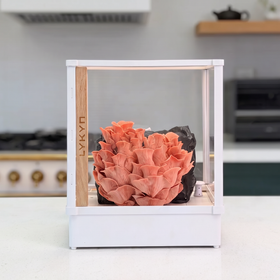
Smart Chamber. Bone White Single
- 2.8L tank, 90% humidity automatic
- App-controlled, plug-and-play
- 6 lb block ceiling, in stock

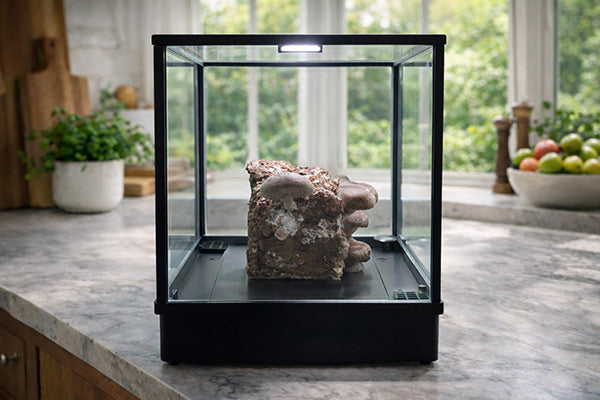
Smart Chamber. Obsidian Black Single
- Same hardware as Bone White
- Matte black premium finish
- Pairs with any kitchen palette

Before diving into the how-to, let's explore what makes mushroom foraging such a rewarding pursuit. According to the USDA Forest Service, recreational mushroom foraging has grown by over 300% in the past decade, and the reasons are compelling.
Free, nutritious food tops the list for many foragers. Wild mushrooms are packed with protein, fiber, vitamins D and B, selenium, and essential minerals. Species like morels, chanterelles, and porcini command premium prices at farmers markets, sometimes $20-40 per pound, yet you can harvest them for free in the right locations.
Connection with nature draws people outdoors in meaningful ways. Mushroom foraging takes you off beaten trails into hidden corners of forests. You develop intimate knowledge of local ecosystems, learning which trees host specific mushrooms, how rainfall patterns affect fruiting, and when to time your excursions for optimal harvests.
Physical and mental health benefits come naturally with the activity. Foraging provides genuine exercise as you navigate varied terrain, climb hillsides, and scramble over logs. The focused attention required for mushroom hunting creates a meditative state, reducing stress while sharpening observation skills.
Culinary adventures await successful foragers. Wild mushrooms offer flavors and textures impossible to replicate with cultivated varieties. The rich, nutty depth of fresh porcini, the delicate apricot aroma of chanterelles, or the meaty texture of lion's mane transform ordinary dishes into extraordinary meals.

The Golden Rules of Safe Mushroom Foraging
Safety must come before everything else when foraging mushrooms. According to the North American Mycological Association and USDA safety guidelines, these non-negotiable rules have prevented countless poisonings and saved lives.
Rule #1: 100% Certain Identification or Don't Eat It
Never, ever consume a wild mushroom unless you are absolutely certain of its identification. "Pretty sure" or "I think it's..." is not good enough. Some deadly mushrooms look remarkably similar to edible ones, and a single death cap mushroom contains enough amatoxins to kill an adult human.
There is no reliable shortcut test to determine if a mushroom is safe. Folklore about silver spoons turning black, cooking eliminating toxins, or animals eating mushrooms proving they're safe are all dangerously false. Only proper identification through multiple verified characteristics keeps you safe.
If you have even 1% doubt about a mushroom's identification, do not eat it. Experienced foragers regularly discard mushrooms they cannot positively identify. Missing out on a meal is infinitely better than risking liver failure, kidney damage, or death.
Rule #2: Start with Easy-to-Identify Species
Don't try to learn all edible mushrooms at once. Focus on mastering 2-3 beginner-friendly species first, then gradually expand your knowledge over seasons and years.
The best beginner mushrooms have few or no dangerous look-alikes. Excellent starter species include oyster mushrooms (grow on dead wood in clusters), chicken of the woods (bright orange shelves on trees), lion's mane (distinctive white cascading tendrils), giant puffballs (when pure white inside), and morels (distinctive honeycomb appearance).
Learn these species thoroughly, their key identifying features, habitat preferences, seasonal timing, and potential look-alikes. Master identification in multiple conditions: young specimens, mature examples, and everything in between.
For detailed identification help, explore our comprehensive guides on oyster mushroom identification and regional foraging resources for specific locations.
Rule #3: Never Mix Species and Always Try One at a Time
If you get sick after eating mixed mushrooms, doctors won't know which species caused the poisoning, delaying potentially life-saving treatment. Keep different mushroom species separate throughout the entire process, harvesting, transporting, storing, and cooking.
Even with properly identified edible species, individuals can have allergic reactions or sensitivities. When trying a new mushroom species for the first time, follow these critical steps:
Cook it thoroughly (most mushrooms contain compounds that are toxic when raw). Eat only a small amount, about 2 cooked tablespoons maximum. Wait 24 hours before eating more of that species or trying another new variety. Monitor for any adverse reactions like nausea, cramping, or unusual symptoms.
This conservative approach protects you from discovering the hard way that you're sensitive to a particular species.
Rule #4: Join Experienced Foragers or Mycological Societies
Your first real foraging trip should ideally be with someone who already knows several local edible species and their toxic look-alikes. There's no substitute for hands-on learning with an expert who can point out subtle identification features that photos in books miss.
Many areas have mycological societies offering guided forays, identification workshops, and educational programs. These organizations provide invaluable learning opportunities and connect you with experienced foragers willing to share knowledge.
The Pioneer Valley Mycological Association, New York Mycological Society, and similar groups across the country regularly host beginner-friendly events. Rachel Goclawski, a certified foraging guide in Massachusetts, represents many educators conducting mushrooming classes throughout regions.
Essential Gear for Mushroom Foraging
Having the right equipment enhances both safety and success. Here's what experienced foragers recommend bringing on every trip.
Mesh bag or wicker basket is crucial for transporting mushrooms. Never use plastic bags, mushrooms will sweat and deteriorate rapidly. Mesh or wicker allows spores to disperse as you walk, ensuring future mushroom crops while keeping your harvest fresh and breathing.
Mushroom knife with brush makes a huge difference. A curved blade helps cut stems cleanly while the brush removes dirt and debris during harvesting. This saves cleaning time later and helps you examine specimens in the field. Many foragers swear by specialty mushroom knives once they try them.
Field guide or identification resources are non-negotiable. Carry a trusted regional field guide with clear photos showing mushrooms at different life stages. Take sharp photos of each mushroom showing the cap, gills or pores, stem, base (including any volva), and surrounding habitat. These photos help with later identification if you're uncertain.
Navigation and emergency supplies keep you safe in the woods. Bring a charged phone with offline maps downloaded, compass, whistle, power bank, water, snacks, and basic first-aid supplies. Every year people get turned around in forests while focusing on mushrooms. A whistle can help rescuers locate you if needed.
Weather-appropriate clothing prevents miserable experiences. Wear waterproof hiking boots with good ankle support and non-slip soles. Long pants tucked into boots protect against ticks, thorny plants, and insects. Long sleeves prevent scratches even on warm days. A hat keeps ticks and debris off your scalp.
Small paper bags or containers allow you to separate "definitely edible" mushrooms from "needs verification" specimens. This prevents cross-contamination if one turns out to be toxic.
Best Mushrooms for Beginner Foragers
Starting with the right species makes learning mushroom foraging safer and more rewarding. These varieties have distinctive features that make identification more straightforward.
Oyster Mushrooms (Pleurotus Species)
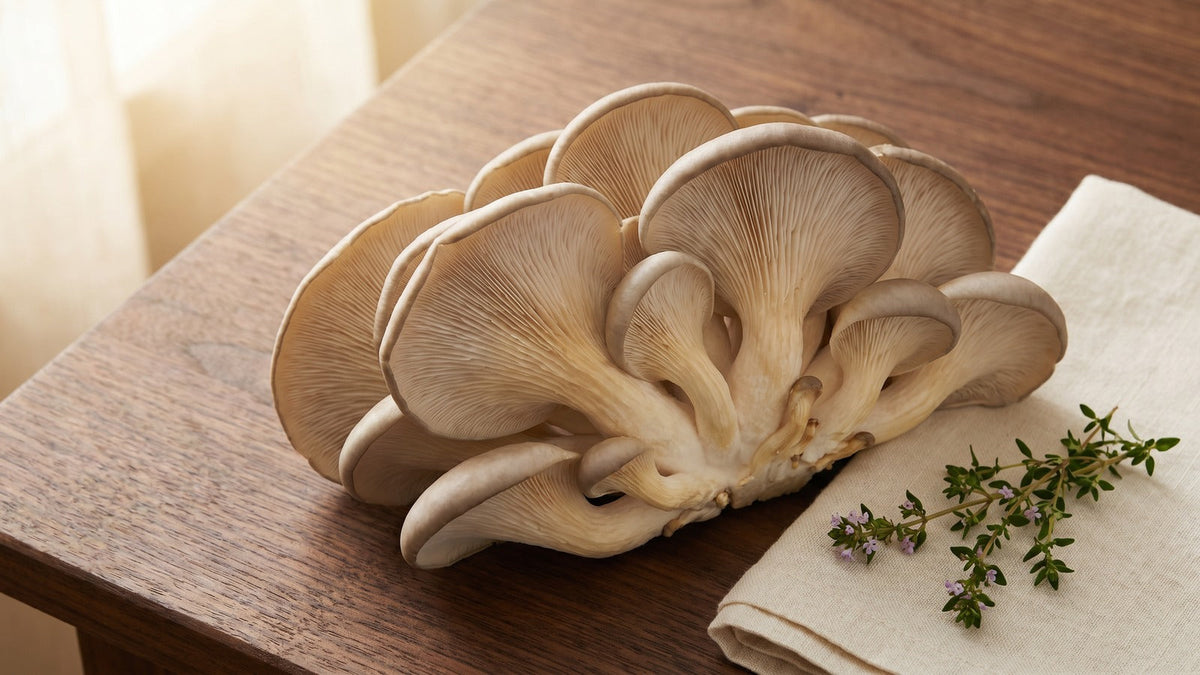
Oyster mushrooms rank among the best starter mushrooms for several reasons. They're abundant, available year-round (peaking in fall and winter), and have relatively few dangerous look-alikes when you know what to check.
These fan-shaped fungi grow in overlapping clusters on dead and dying hardwood trees, particularly oak, maple, and beech. They're saprobic, meaning they decompose dead wood rather than forming relationships with living tree roots.
Key identification features include shelf-like caps growing directly from wood, white to cream gills running down a short or absent stem, and a mild anise-like smell. The caps range from white to gray to tan, sometimes with hints of blue or pink depending on species.
Our comprehensive oyster mushroom identification guide covers multiple species with detailed photos and safety information.
Morel Mushrooms (Morchella Species)
Morels are legendary among foragers and considered one of the safest species for beginners to learn. Their distinctive honeycomb or sponge-like appearance is nearly impossible to confuse with deadly mushrooms when you know what to look for.
These springtime treasures emerge when soil temperatures reach 60-65°F, typically April through May in most regions. Wisconsin is often called the "Morel Mushroom Capital of America," with peak season around May 15th depending on weather patterns.
Morels favor specific habitats: near dying or recently dead elm, ash, and apple trees; in burn sites from the previous year; and in disturbed soils. True morels are hollow from top to bottom when cut lengthwise, this distinguishes them from false morels which have cottony stuffing inside.
Chanterelles (Cantharellus Species)
Chanterelles are among the most prized edible mushrooms and relatively beginner-friendly once you learn their identifying features. These golden treasures appear from late summer through fall in conifer and hardwood forests.
The bright orange to yellow funnel-shaped mushrooms develop a distinctive false gills, these are ridges rather than true gills, looking like they're melted or wrinkled into the mushroom rather than separate blade-like structures. They emit a fruity aroma often described as apricot-like.
Chanterelles grow directly from soil in mycorrhizal relationships with tree roots, never on wood. They're particularly abundant in oak and mixed conifer forests with well-drained soils and moss-covered areas.
The main concern is the jack o'lantern mushroom, which is poisonous and orange but grows on wood in clusters and has true gills. Learning to distinguish false gills from true gills is essential. For detailed location-specific guidance, see our guides on edible mushrooms in California and Colorado mushroom guide.
Lion's Mane (Hericium Erinaceus)
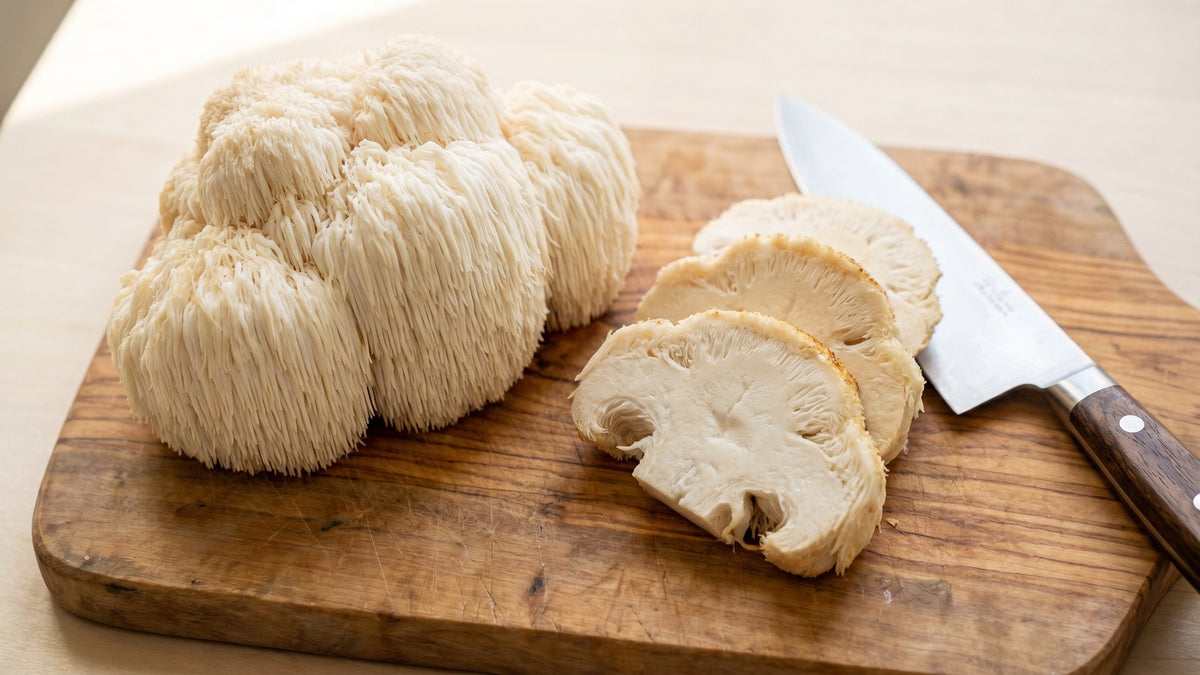
Lion's mane is one of the safest mushrooms for beginners because it has no toxic look-alikes and is instantly recognizable. This distinctive mushroom features cascading white tendrils resembling a lion's mane, pom-pom, or icicles hanging from tree trunks.
Growing on dead or dying hardwood trees (particularly oak and beech), lion's mane appears as a single large mass rather than clusters of individual mushrooms. When fresh, it's pure white; older specimens develop yellowish or brownish tints.
Beyond safety and easy identification, lion's mane offers exceptional culinary qualities and potential cognitive health benefits. The texture when cooked resembles crab or lobster, making it popular in seafood-substitute recipes.
While foraging provides wild lion's mane, you can also grow your own year-round. Check out our Lion's Mane mushroom cultivation guide for home growing techniques.
Hen of the Woods / Maitake (Grifola Frondosa)
Hen of the woods creates massive frilly clusters at the base of oak trees, sometimes reaching 1-2 feet across. These prized edibles appear in late summer and fall, offering exceptional flavor and medicinal properties.
The mushroom consists of multiple overlapping fan-shaped caps arising from a single base, resembling hen feathers, hence the name. Caps are gray-brown on top with white pores underneath. The entire cluster grows from a central point at the tree base.
One of the favored mushrooms among experienced foragers, maitake is relatively safe for beginners because its unique growth pattern is hard to confuse with dangerous species. When you find one, you often find several pounds worth in a single harvest.
Dangerous Mushrooms Every Forager Must Know
Understanding toxic look-alikes is just as important as knowing edible species. These deadly mushrooms cause most serious poisonings in North America.
Death Cap (Amanita Phalloides)
The death cap is responsible for over 90% of mushroom poisoning deaths worldwide. Originally from Europe, it has spread to North America, particularly California, where it grows near oak trees.
This extremely toxic mushroom contains amatoxins that cause liver and kidney failure. A single mushroom cap contains enough toxin to kill an adult. Worse, symptoms don't appear until 6-24 hours after consumption, by which time severe organ damage has occurred.
Death caps can resemble several edible mushrooms, particularly meadow mushrooms and paddy straw mushrooms. Key identifying features include a prominent cup or volva at the stem base (often buried in soil), white gills that stay white (never pink or brown), and a ring on the stem.
Our guide on meadow mushrooms includes detailed information about distinguishing them from death caps.
Destroying Angels (Amanita Bisporigera and Relatives)
Destroying angels are pure white mushrooms in the Amanita genus that are equally deadly as death caps. They contain the same amatoxins causing liver and kidney failure with delayed symptoms.
These all-white mushrooms can be mistaken for edible puffballs, meadow mushrooms, or young parasol mushrooms. Critical identification features include white gills (puffballs have no gills), a prominent volva at the base, and a ring on the stem.
Never eat any all-white mushroom found growing from the ground unless you're absolutely certain it's an edible species. When in doubt, leave it out.
Jack O'Lantern (Omphalotus Species)
While not deadly, jack o'lanterns cause severe gastrointestinal distress including vomiting, cramping, and diarrhea lasting several hours. They're commonly mistaken for chanterelles by beginners.
These poisonous mushrooms are bright orange and grow in dense clusters on dead wood or buried roots. Unlike chanterelles which have false gills, jack o'lanterns have true blade-like gills. The mushrooms also exhibit bioluminescence, their gills glow faintly green in complete darkness, though this is difficult to observe in the field.
Remember: chanterelles have wrinkled ridges (false gills) and grow from soil in mycorrhizal relationships, never on wood in tight clusters.
Fuel Your Mushroom Journey
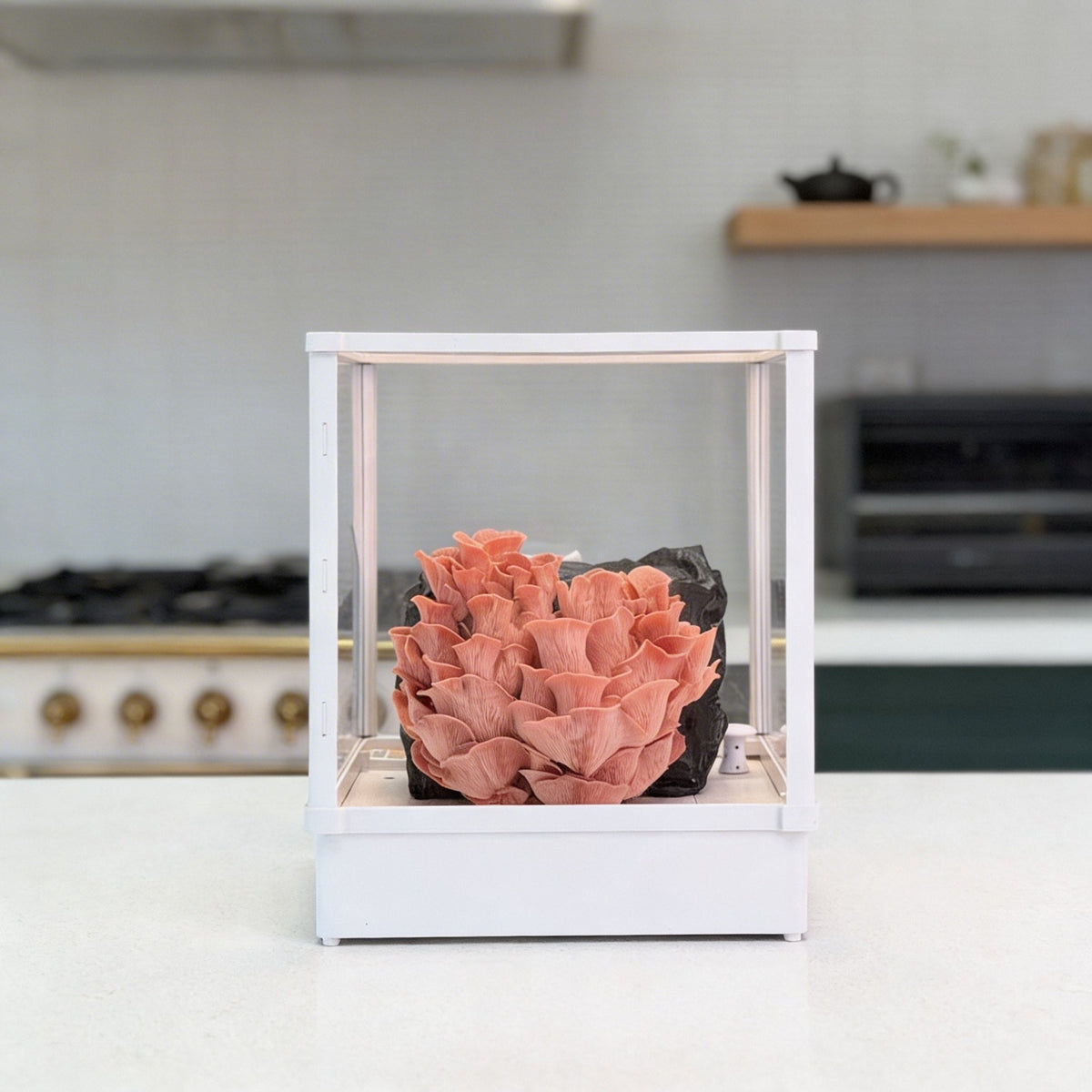
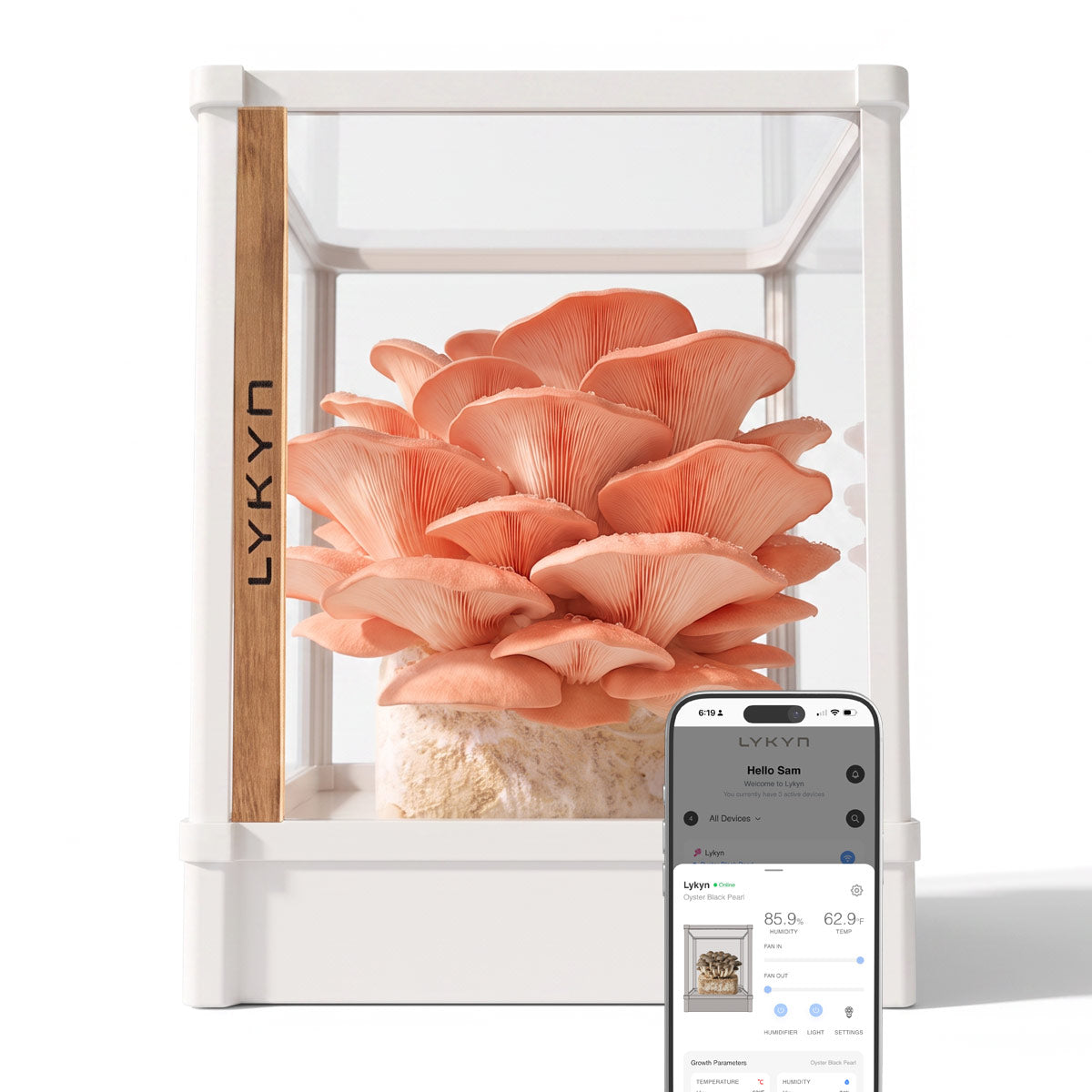
Smart Mushroom Grow Chamber
Plug-and-play smart chamber with humidity, light, and airflow dialed in for every species. Beginners harvest their first flush in days, not months.
Add to cart $299Yellow Stainer (Agaricus Xanthodermus)
This toxic mushroom closely resembles edible meadow mushrooms and horse mushrooms. When the base of the stem is cut or bruised, it turns bright chrome yellow instantly. It also emits an unpleasant phenolic or chemical smell, particularly when cooking.
Eating yellow stainers causes gastrointestinal upset in most people, though severity varies. Always check the stem base of any Agaricus mushroom (the genus that includes button mushrooms) before consuming.
Best Locations for Mushroom Foraging
Different mushrooms thrive in specific habitats. Understanding these preferences dramatically increases your foraging success.
Deciduous and Mixed Forests
Hardwood forests with oak, maple, beech, and ash trees host many prized edibles. Look for oyster mushrooms on dead standing trees or fallen logs. Hen of the woods grows at the base of oak trees. Chanterelles fruit in moss-covered areas under oak canopies.
Fall season in these forests can be spectacular for mushroom diversity. The combination of adequate rainfall and moderate temperatures triggers simultaneous fruiting of multiple species.
Coniferous Forests
Pine, spruce, and fir forests at higher elevations produce different mushrooms. In Colorado, most edibles grow above 9,000 feet in mixed conifer forests. Porcini mushrooms (Boletus edulis) are particularly abundant in these areas, growing in mycorrhizal relationships with conifers.
Chanterelles also thrive in coniferous habitats, particularly in Pacific Northwest forests. For region-specific guidance, check our Colorado mushroom foraging guide.
Grasslands and Meadows
Open fields, pastures, and meadows host different mushroom species adapted to these habitats. Meadow mushrooms emerge in grassy areas following rainfall, particularly in cattle pastures where the soil is enriched.
Giant puffballs also favor grasslands and field edges. These basketball-sized mushrooms are unmistakable when fully grown and delicious when harvested young with pure white interiors.
Burn Sites and Disturbed Areas
Some of the most prized mushrooms fruit prolifically in burn sites the spring following forest fires. Morels are legendary for appearing in abundance one year after burns. The exact mechanism isn't fully understood, but it's related to the mycelium's response to environmental stress.
Disturbed areas around construction sites, logging operations, or landscaped woodchips sometimes produce surprising mushroom flushes as well.
Public Land Access
Understanding foraging regulations prevents legal problems. Many states differ significantly in their rules about wild mushroom collection.
Wisconsin is particularly forager-friendly, allowing hand collection of wild mushrooms in state parks for personal consumption without permits. California, New York, Massachusetts, and Colorado each have specific regulations that vary by land management agency.
Most state parks require checking specific regulations before visiting. Some allow small amounts for personal consumption while others ban all foraging. National forests often permit mushroom collection, but quantity limits and permit requirements vary by forest.
Always obtain explicit permission before foraging on private property. Many landowners are happy to grant access to respectful foragers who ask properly.
For state-specific details, explore our guides on edible mushrooms in NY, edible mushrooms in Wisconsin, and edible mushrooms in Massachusetts.
Sustainable and Ethical Foraging Practices
Responsible harvesting ensures mushrooms remain abundant for future generations and maintains forest ecosystem health.
Harvest Methods
Cut mushrooms with a knife rather than pulling them entirely from the substrate. This leaves some mycelium intact, though recent research suggests either method is acceptable if done gently. More important is avoiding excessive disturbance of the surrounding area.
Take only what you need for personal consumption. Commercial harvest quantities should only be taken where explicitly permitted and appropriate.
Leave some mushrooms to mature and release spores. This ensures future fruiting and helps establish new colonies in the area.
Spore Dispersal
Using a mesh bag or wicker basket allows spores to fall as you walk, naturally reseeding the forest. This traditional practice supports mushroom population sustainability.
Some foragers deliberately shake mature mushroom caps while walking to spread spores more widely. This is particularly helpful for species you'd like to see expand in your foraging areas.
Habitat Protection
Stay on established trails when possible and avoid creating new paths through sensitive areas. Trampling vegetation and compacting soil damages ecosystems that support mushroom growth.
Don't disturb the forest floor unnecessarily while searching. Rake away minimal leaf litter and always replace it after checking underneath for mushrooms.
Respect wildlife and other forest users. Mushroom hunting season often overlaps with hunting seasons, wear bright colors if necessary and be aware of your surroundings.
How to Properly Identify Mushrooms
Accurate identification requires systematic observation of multiple characteristics. Never rely on a single feature.
Physical Characteristics to Document
Cap features: Size, shape (convex, flat, funnel-shaped), color, texture (smooth, scaly, fuzzy), and any changes with age or handling.
Gills or pores: Attachment to stem (free, attached, running down), spacing, color, and whether they're true gills or false ridges.
Stem characteristics: Length, thickness, texture, color, presence of rings or veils, and what's at the base (bulb, volva, or neither).
Spore print: Place the cap gill-side down on white and black paper for several hours. The spore color helps narrow identification significantly. Spores may be white, cream, pink, brown, purple-black, or other colors.
Smell and taste (without swallowing): Some mushrooms have distinctive odors, anise, bleach, radish, or fruity scents. Never swallow when tasting for identification, and only taste when you've narrowed options to non-deadly species.
Habitat and ecology: What trees are nearby? Growing on wood, soil, or something else? Season and weather conditions? All these factors aid identification.
Modern Identification Tools
Smartphone apps can assist identification but should never be your only resource. Apps like iNaturalist, Mushroom ID, and Picture Mushroom use AI to suggest possibilities but regularly make mistakes, sometimes dangerous ones.
Use apps as a starting point to narrow possibilities, then verify through multiple field guides and expert consultation. The technology supplements rather than replaces traditional identification knowledge.
Complementing Foraging with Home Cultivation
While foraging provides adventure and connection with nature, growing your own mushrooms offers year-round access to fresh fungi with zero identification concerns.
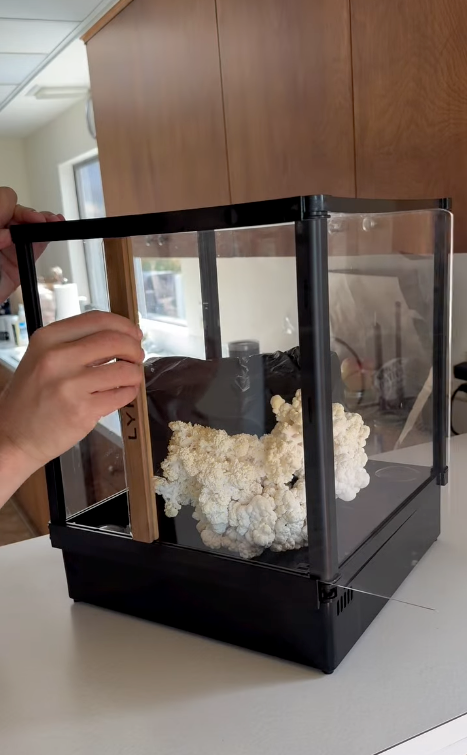
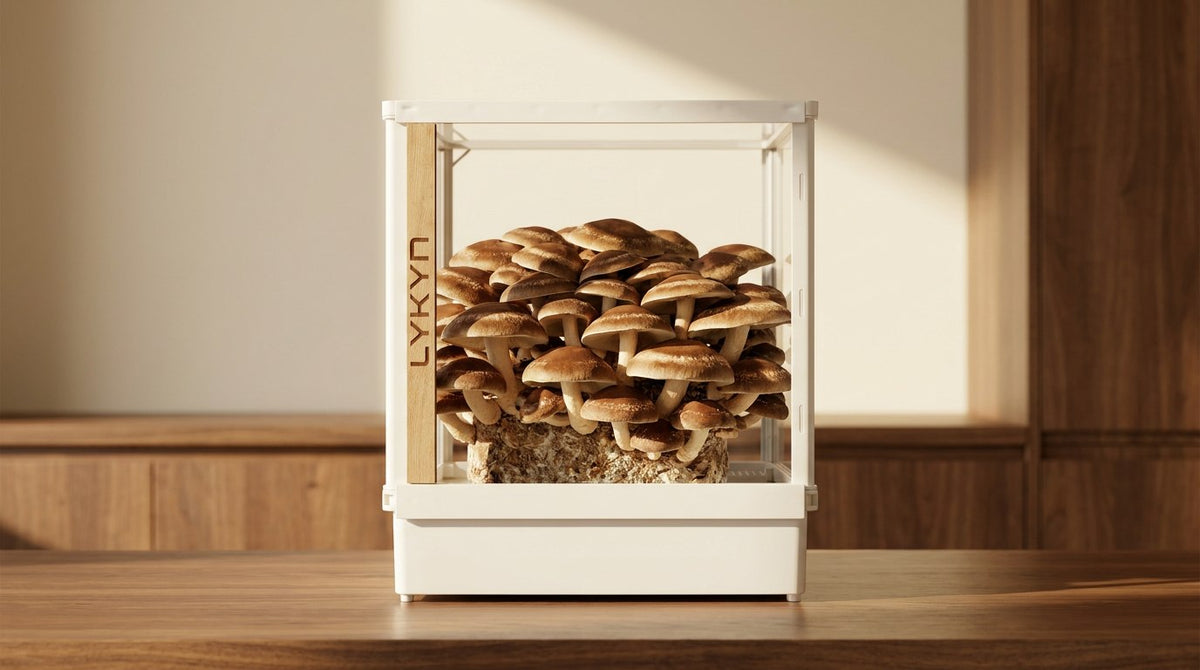
The LYKYN Smart Mushroom Grow Kit makes home cultivation remarkably simple. This automated system maintains perfect humidity and airflow through smartphone control, eliminating the daily misting routine that traditional growing requires.
You can grow oyster mushrooms, lion's mane, shiitake, and other varieties identified with 100% certainty. There's no risk of toxic look-alikes, and you harvest at peak freshness. A single growing block produces 1-3 pounds of mushrooms across multiple flushes.
Many serious foragers maintain home cultivation alongside their wild harvesting. This provides:
- Fresh mushrooms during off-season when wild mushrooms aren't fruiting
- Practice with mushroom biology and lifecycle understanding
- Backup supply when weather conditions prevent wild mushrooms from fruiting
- Experiential learning that helps recognize wild specimens
Explore our guides on benefits of using a mushroom growing kit and mushroom grow kit for beginners to get started.
Storing and Preserving Your Foraged Harvest
Proper handling after the hunt maximizes your mushrooms' quality and shelf life.
Immediate Post-Harvest Care
Clean mushrooms gently in the field using the brush on your mushroom knife. Remove major debris, insects, and dirt before packing. This reduces work at home and helps you spot damage or decay.
Never wash mushrooms with water in the field or immediately after harvesting. Excess moisture causes rapid deterioration. If mushrooms are muddy, wait until just before cooking to rinse briefly.
Refrigerate mushrooms as soon as possible in paper bags or breathable containers. Most wild mushrooms keep 3-7 days when refrigerated properly. Oyster mushrooms and delicate species should be used within 2-3 days.
Long-Term Preservation
Drying is the traditional preservation method and works excellently for most species. Dehydrate at 115-125°F until completely crispy. Properly dried mushrooms keep for 6-12 months in airtight containers.
Dried mushrooms rehydrate beautifully in warm water or broth before cooking. The soaking liquid becomes flavorful mushroom stock, never discard it.
Freezing works for some varieties, particularly hearty types like hen of the woods. Sauté mushrooms first, then freeze in portions. This preserves texture better than freezing raw.
Powdering dried mushrooms creates versatile seasonings and can be added to any dish. Grind completely dehydrated mushrooms in a coffee grinder. Learn more in our guide on mushroom powders.
Frequently Asked Questions
Can I forage mushrooms in city parks?
Regulations vary by city and park. Many urban parks prohibit foraging to protect limited natural resources and prevent conflicts with other park users. Always check specific park rules before foraging. Some cities explicitly allow mushroom collection in designated areas, while others ban it entirely. When in doubt, contact park management directly.
What time of year is best for mushroom foraging?
Mushroom seasons vary by species and region. Generally, spring (April-May) is prime for morels and some early species. Summer offers chanterelles and boletes in many areas. Fall (September-November) typically provides the greatest diversity with multiple species fruiting simultaneously. Some species like oyster mushrooms fruit year-round, though they peak in fall and winter. Local conditions matter more than general guidelines, adequate rainfall is essential for any species.
Do I need a permit to forage mushrooms?
Permit requirements depend entirely on where you're foraging. Wisconsin allows hand collection in state parks without permits. Many national forests permit personal-use collection without permits up to certain limits (often 2-5 gallons per day). Some state parks require permits even for small amounts. Commercial harvesting always requires permits and is often restricted to specific areas. Always research regulations for your specific location before foraging.
How do I join a mushroom foraging group?
Search for mycological societies in your area, most regions have them. Organizations like the Pioneer Valley Mycological Association, New York Mycological Society, and similar groups across the country regularly host forays, workshops, and identification sessions. Check local nature centers, botanic gardens, and university extension programs for mushroom walks. Many regions also have foraging classes taught by certified educators. Social media groups and online forums can connect you with local foragers as well.
Can I learn mushroom identification from books alone?
While field guides are essential references, learning solely from books is challenging and potentially dangerous. Photos can't capture every variation in mushroom appearance, and critical features are sometimes subtle. Hands-on learning with experienced foragers provides invaluable experience recognizing characteristics that books can't fully convey. Use field guides extensively but supplement them with expert guidance, especially when starting. The combination of book learning and practical experience creates the safest path to confident identification.
Summary: Key Takeaways
Mushroom foraging offers rewarding connection with nature and access to premium wild ingredients, but safety must always come first. Start with easy-to-identify species like oyster mushrooms, lion's mane, and morels while learning from experienced foragers or mycological societies. Never eat any wild mushroom unless you're 100% certain of its identification, as toxic look-alikes can cause severe illness or death. Complement wild foraging with home cultivation using systems like the LYKYN Smart Mushroom Grow Kit for year-round access to fresh, safely identified mushrooms.
Begin Your Mushroom Foraging Journey Today
Ready to explore the fascinating world of wild mushrooms? Start safely by learning a few beginner-friendly species, joining local mycological societies, and practicing with cultivated varieties you can identify with certainty.
The LYKYN Smart Mushroom Grow Kit provides the perfect complement to your foraging adventures. Grow oyster mushrooms, lion's mane, and other varieties at home while you build wild identification skills. This gives you fresh mushrooms year-round while developing the hands-on experience that makes you a better forager.
Browse our complete collection of mushroom growing resources and regional foraging guides to start your journey. Whether you're foraging wild treasures or growing your own, the world of fungi offers endless discovery.
Happy hunting, and remember, when in doubt, throw it out!
When Cultivation Beats Foraging
Foraging teaches you the natural range of a species, but for eating on a schedule, home cultivation wins on every dimension: known safety, consistent yield, no travel, no ID risk, no seasonal wait. If your goal is fresh gourmet mushrooms on the dinner plate, growing beats foraging most of the time.
The exceptions are species that cannot be cultivated (morels, chanterelles, matsutake) or species that arrive incidentally on your property (chicken of the woods on a nearby oak, wine caps in mulched beds). For everything else, a home cultivation kit is more reliable.
Cultivated Alternatives to Popular Foraged Species
- Want the seafood-like texture of foraged lion's mane? Cultivate it at home. Our lion's mane growing guide covers the full 14 to 21 day cycle with 74% first-flush success on beginner chambers.
- Interested in wild oysters? Cultivated oyster mushrooms deliver 2.5 to 3.5 lb per block across three flushes. See the growing guides for pink, blue, and golden oyster.
Frequently Asked Questions
Is foraging wild mushrooms safe for beginners?
Only with a mentor or a species-specific guide you have studied. Several deadly mushrooms in North America (including the destroying angel and the death cap) look nearly identical to safe edible species. Never eat a wild mushroom you cannot identify with 100% confidence. Photographs are not enough; you need spore prints, habitat context, and ideally a field-experienced guide.
What are the easiest wild mushrooms to identify?
Chicken of the woods (Laetiporus sulphureus) is one of the safest for beginners because it has no toxic look-alikes and a distinctive bright orange-yellow shelf appearance on oak, cherry, and other hardwoods. Chanterelles are also relatively safe once you learn the false chanterelle differences. Morels are safe but have a "false morel" (Gyromitra) look-alike that is toxic.



Share:
Mushroom Coffee Substitute: How to Make Your Own Plus Best Alternatives
Are Mushrooms Decomposers? The Science of Fungi as Recyclers