



Mushrooms are having a moment, and it's about time. From trendy coffee blends to premium supplements, functional mushrooms are everywhere. But this isn't just a passing health fad. The benefits of mushrooms are backed by thousands of years of traditional medicine and increasingly supported by modern scientific research.
Whether you're interested in culinary varieties like shiitake and oyster for their incredible flavor or medicinal species like reishi and lion's mane for their health-boosting compounds, mushrooms offer a unique combination of nutritional value, therapeutic properties, and environmental sustainability. This comprehensive guide explores the remarkable benefits of mushrooms and why these fascinating fungi deserve recognition as one of nature's true superfoods.
Nutritional Benefits of Mushrooms: Nature's Low-Calorie Powerhouse
Before diving into specific health benefits, let's appreciate what makes mushrooms nutritionally exceptional. Unlike most plant foods, mushrooms are actually fungi, which means they have a completely unique nutritional profile that sets them apart.
Mushrooms are extraordinarily low in calories while being nutrient-dense. A cup of raw white button mushrooms contains just 15-20 calories but provides significant amounts of B vitamins, selenium, copper, and potassium. This impressive nutrient-to-calorie ratio makes mushrooms ideal for anyone focused on weight management without sacrificing nutrition.
The protein content in mushrooms is noteworthy, especially for plant-based eaters. While not as high as animal sources, mushrooms provide all essential amino acids, making them a complete protein source. Shiitake mushroom benefits include particularly high protein levels, ranging from 20-40% of dry weight depending on variety.

Mushrooms are one of the few non-animal sources of vitamin D. When exposed to UV light (either sunlight or artificial UV during cultivation), mushrooms produce vitamin D2, making them invaluable for vegans, vegetarians, or anyone with limited sun exposure. Some commercially grown mushrooms are now UV-treated specifically to boost vitamin D content.
The fiber content in mushrooms supports digestive health and provides food for beneficial gut bacteria. Beta-glucans, a special type of fiber found abundantly in mushrooms, offer unique health benefits beyond typical dietary fiber, including immune system modulation and cholesterol management.
Immune System Support: The Beta-Glucan Advantage
Perhaps the most well-documented benefit of mushrooms is their profound effect on immune function. The secret lies in bioactive polysaccharides, particularly beta-glucans, that act as biological response modifiers.
Beta-glucans work by priming immune cells without causing the overactivation that leads to chronic inflammation. They interact with specific receptors on immune cells, enhancing the body's natural surveillance and response systems. This balanced immune modulation is quite different from simple immune "boosting", mushrooms help the immune system work more intelligently rather than just more aggressively.
Research on turkey tail mushroom benefits has been particularly compelling. Turkey tail contains polysaccharide-K (PSK) and polysaccharide peptide (PSP), compounds so promising they've been approved as adjunct cancer therapies in Japan and China. Studies show these compounds can enhance the effectiveness of conventional treatments while reducing side effects.
Reishi mushrooms have earned their reputation as the "mushroom of immortality" partly through their immune-supporting properties. Research indicates reishi's triterpenes and polysaccharides can increase the activity of natural killer cells, enhance antibody production, and help regulate immune responses. The benefits of reishi extend to both preventing illness and supporting recovery.
Multiple mushroom varieties work synergistically for immune support. Combining lion's mane, turkey tail, and reishi provides complementary compounds that support different aspects of immune function, one reason why many premium supplements blend multiple species.
Brain Health and Cognitive Function: The Lion's Mane Effect
The cognitive benefits of mushrooms, particularly lion's mane, represent some of the most exciting areas of current research. Lion's mane (Hericium erinaceus) contains unique compounds called hericenones and erinacines that can cross the blood-brain barrier and stimulate the production of nerve growth factor (NGF).
NGF is crucial for the growth, maintenance, and survival of neurons. As we age, NGF production declines, contributing to cognitive decline and increased risk of neurodegenerative diseases. Lion's mane's ability to stimulate NGF production suggests profound implications for maintaining brain health throughout life.
Human studies on lion's mane show promising results. A 2020 study found that participants with mild cognitive impairment who consumed lion's mane extract daily for several weeks showed significant improvements on cognitive tests compared to placebo groups. While more research is needed, these results align with lion's mane's traditional use for memory and focus.
Beyond direct cognitive enhancement, lion's mane may help protect against neurodegenerative diseases. Animal studies show it can reduce amyloid-beta plaques associated with Alzheimer's disease and protect neurons from oxidative stress damage. Growing lion's mane mushrooms at home ensures you have access to the freshest possible source of these neuroprotective compounds.
The mood-supporting benefits of mushrooms shouldn't be overlooked. Studies indicate lion's mane can reduce symptoms of anxiety and depression, likely through its effects on hippocampus function and inflammation reduction. One study on menopausal women found that consuming lion's mane-containing cookies for a month significantly reduced feelings of irritation and anxiety.
Cardiovascular Health: Supporting Your Heart Naturally
The benefits of mushrooms for heart health span multiple mechanisms, from cholesterol management to blood pressure regulation and anti-inflammatory effects.
Shiitake mushrooms contain eritadenine, a unique compound that helps maintain healthy cholesterol levels. Research shows regular shiitake consumption can reduce total cholesterol and LDL (bad cholesterol) while supporting HDL (good cholesterol). The fiber and beta-glucans in shiitake also bind to cholesterol in the digestive tract, preventing its absorption.
Mushrooms support healthy blood pressure through their high potassium and low sodium content. This mineral balance is crucial for cardiovascular health, helping counteract the blood pressure-raising effects of excess sodium in modern diets. Wood ear mushroom benefits include particular promise for circulation support, as they've been used traditionally to improve blood flow.
The antioxidant compounds in medicinal mushrooms protect cardiovascular tissue from oxidative damage. Chronic oxidative stress contributes to atherosclerosis and other cardiovascular diseases. Mushrooms like reishi, chaga, and turkey tail provide phenolic compounds, flavonoids, and other antioxidants that neutralize free radicals and reduce inflammation throughout the cardiovascular system.
Animal studies show lion's mane extract improves fat metabolism and reduces triglyceride levels, both important factors in cardiovascular health. While human studies are still limited, these preliminary findings suggest mushrooms could play a valuable role in comprehensive heart health strategies.
Anti-Inflammatory and Antioxidant Properties
Chronic inflammation underlies countless health conditions, from arthritis to cardiovascular disease to neurodegenerative disorders. One of the most significant benefits of mushrooms is their potent anti-inflammatory action.
Mushrooms contain numerous compounds with anti-inflammatory properties. Ergothioneine, found abundantly in mushrooms, is a powerful antioxidant that concentrates in tissues experiencing high oxidative stress. Unlike many antioxidants, ergothioneine is actively transported into cells and maintained at high concentrations, providing sustained protection.
The triterpenes in reishi mushrooms have demonstrated anti-inflammatory effects in numerous studies. These compounds help modulate inflammatory pathways, reducing the production of pro-inflammatory cytokines while supporting the body's natural anti-inflammatory mechanisms. This balanced approach to inflammation management makes reishi valuable for both acute and chronic inflammatory conditions.
Polyphenolic compounds in mushrooms act as antioxidants, protecting cells from free radical damage. Turkey tail mushroom benefits for skin include antioxidant protection that may help reduce signs of aging and protect against UV damage. The same protective mechanisms work throughout the body, shielding tissues from oxidative stress.
Research comparing antioxidant capacity across different foods consistently ranks certain mushrooms among the top sources. A 2019 study found turkey tail extract exhibited stronger antioxidant activity than several other medicinal mushrooms, highlighting its particular promise for anti-aging applications.
Gut Health and Digestive Benefits
The connection between mushrooms and digestive health goes beyond simple fiber content. Mushrooms contain prebiotic compounds that nourish beneficial gut bacteria, potentially reshaping the microbiome in health-promoting ways.
Beta-glucans and other polysaccharides in mushrooms act as prebiotics, serving as food for probiotics like Lactobacillus and Bifidobacterium. When these beneficial bacteria ferment mushroom fibers, they produce short-chain fatty acids (SCFAs) that support intestinal health, reduce inflammation, and even influence brain function through the gut-brain axis.
Turkey tail mushroom specifically has demonstrated impressive effects on gut microbiota composition. Studies show it can increase populations of beneficial bacteria while crowding out potentially harmful species. This microbiome-modulating effect may explain some of turkey tail's broader health benefits, as gut health influences immunity, mood, metabolism, and more.
Lion's mane supports digestive health through multiple mechanisms. Beyond its prebiotic effects, research suggests it may help protect the gastric mucosa and support healing of gastric ulcers. Traditional medicine has long used lion's mane for digestive complaints, and modern research increasingly validates these traditional applications.
The anti-inflammatory properties of medicinal mushrooms benefit the digestive tract directly. A study on ulcerative colitis patients found that taking a mushroom supplement containing lion's mane extract significantly reduced symptoms and improved quality of life after just three weeks.
Adaptogenic and Stress-Management Benefits
Many medicinal mushrooms function as adaptogens, substances that help the body adapt to stress and maintain homeostasis. This adaptogenic quality makes mushrooms particularly valuable in our high-stress modern world.
Reishi stands out as one of the most studied adaptogenic mushrooms. It appears to help modulate the hypothalamic-pituitary-adrenal (HPA) axis, which governs the body's stress response. By supporting healthy cortisol rhythms and reducing excessive stress responses, reishi may help prevent the negative health effects of chronic stress.
The stress-reducing benefits of mushrooms extend to sleep quality. Many people report improved sleep when taking reishi regularly, and research supports this traditional use. Reishi's triterpenes appear to have mild sedative effects without the side effects of pharmaceutical sleep aids. The lingzhi mushroom benefits include this sleep-supporting property, making it popular for those seeking natural sleep solutions.
Cordyceps mushrooms support energy and vitality, particularly during times of physical or mental stress. Traditionally used by Tibetan herders who noticed increased stamina in livestock that consumed cordyceps, these mushrooms may enhance oxygen utilization and ATP production, the cellular energy currency.
The adaptogenic benefits of mushrooms appear to accumulate with consistent use. Rather than providing an immediate stimulant effect, adaptogens help build resilience over time, making the body more capable of handling whatever stressors arise.
Blood Sugar and Metabolic Health
Emerging research suggests mushrooms may support healthy blood sugar levels and metabolic function, important benefits in an era of rising diabetes and metabolic syndrome.
Several mushroom species contain compounds that may help regulate glucose metabolism. Polysaccharides in mushrooms appear to influence insulin sensitivity and glucose uptake by cells. While more human studies are needed, animal research shows promising effects on blood sugar control.
Maitake mushrooms have been particularly studied for their potential metabolic benefits. Research indicates maitake may help regulate insulin and glucose metabolism, which could benefit conditions like polycystic ovary syndrome (PCOS) where insulin resistance plays a central role.
The fiber content in mushrooms contributes to blood sugar management by slowing the absorption of carbohydrates and preventing rapid glucose spikes. This moderate glycemic response is beneficial for everyone but especially important for those managing diabetes or prediabetes.
Some evidence suggests mushrooms may support healthy weight management through multiple mechanisms: low calorie density, high satiety from fiber and protein, beneficial effects on gut microbiota, and potential metabolic benefits. While mushrooms alone aren't a weight loss solution, they make excellent additions to health-focused eating patterns.
Environmental and Sustainability Benefits
Beyond personal health, one of the often-overlooked benefits of mushrooms is their minimal environmental impact. Mushrooms are among the most sustainable foods you can eat or grow.
Mushroom cultivation requires far less water, land, and energy than most protein sources. While beef production uses thousands of gallons of water per pound, mushroom cultivation uses a fraction of that. Mushrooms can be grown on agricultural waste products like straw, wood chips, and coffee grounds, literally turning trash into nutritious food.
The carbon footprint of mushrooms is remarkably low. Growing mushrooms actually sequesters carbon rather than releasing it, as the mycelium stores carbon from substrate materials. Commercial mushroom farming generates minimal greenhouse gas emissions compared to other agricultural practices.
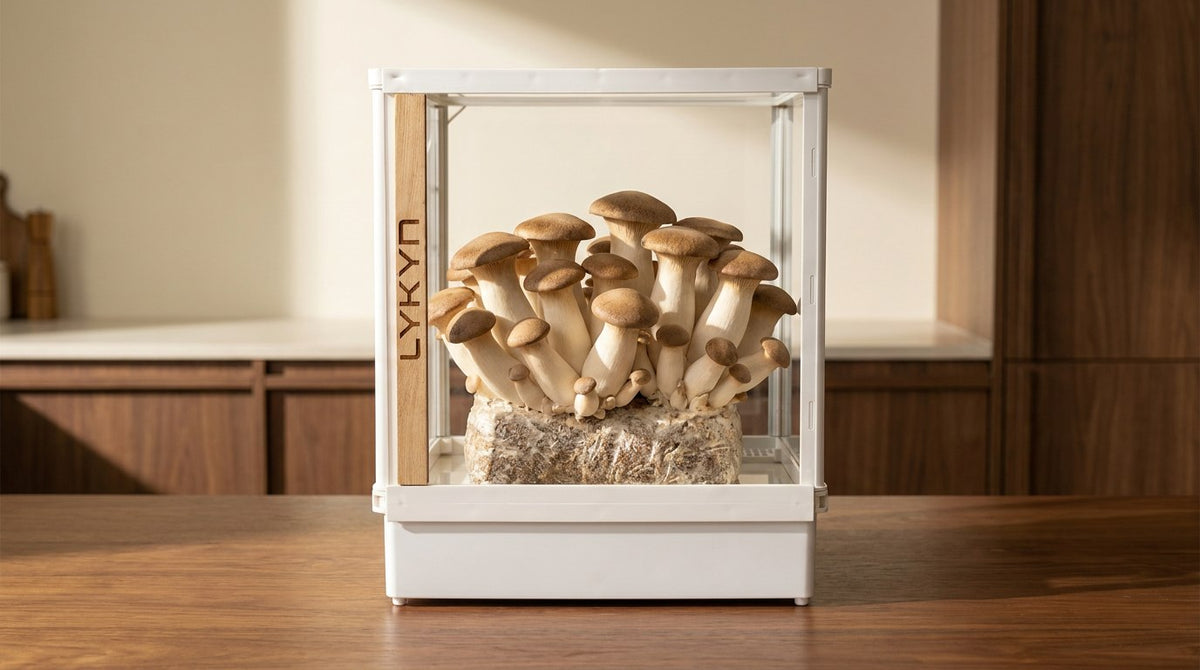
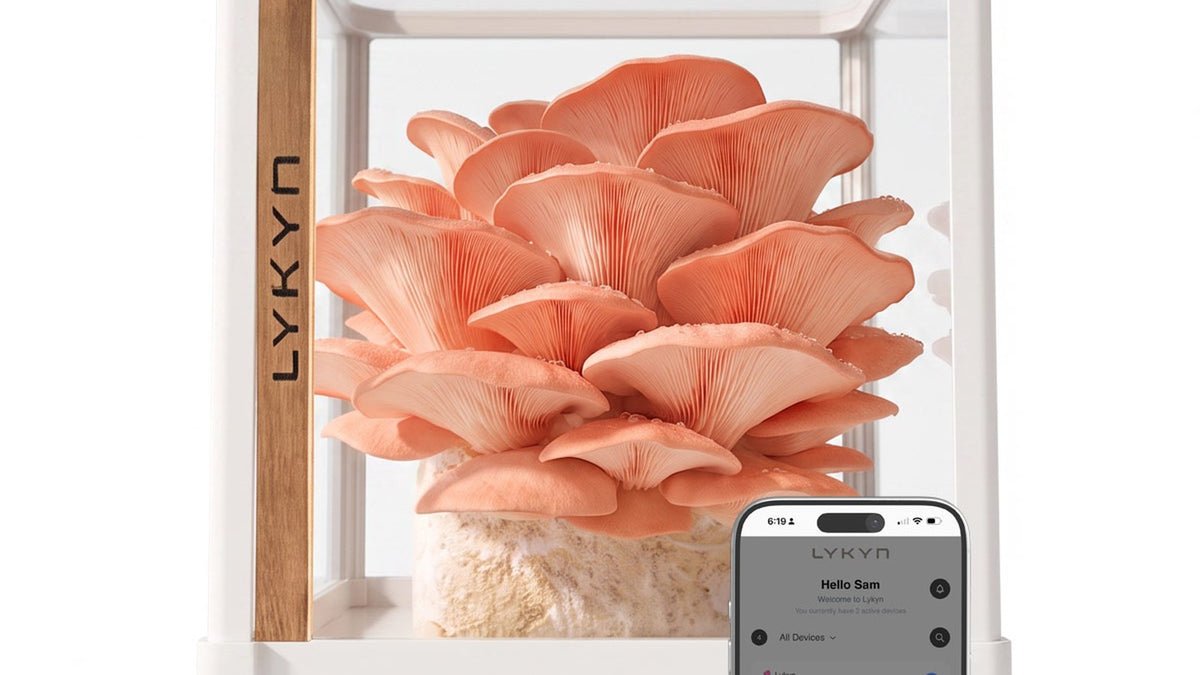
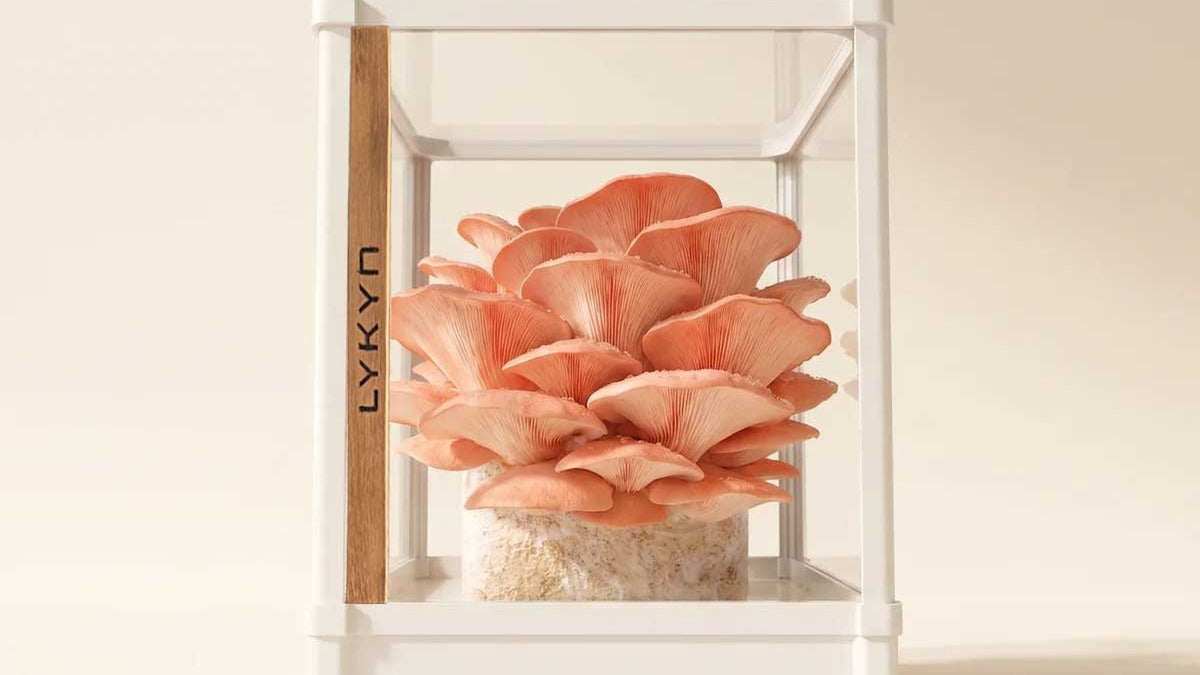
When you grow your own mushrooms at home, sustainability benefits multiply. You eliminate packaging waste, transportation emissions, and support local food production. The Lykyn Smart Mushroom Grow Kit makes home cultivation easy and efficient, allowing anyone to produce fresh, organic mushrooms with minimal environmental impact.
Spent mushroom substrate makes excellent compost, closing the nutrient loop and enriching garden soil. This circular approach to food production aligns with sustainable agriculture principles and regenerative practices.
How to Maximize the Benefits of Mushrooms
Understanding mushroom benefits is one thing, accessing them effectively is another. Here's how to maximize the benefits of mushrooms in your diet and wellness routine.
Eating Culinary Mushrooms
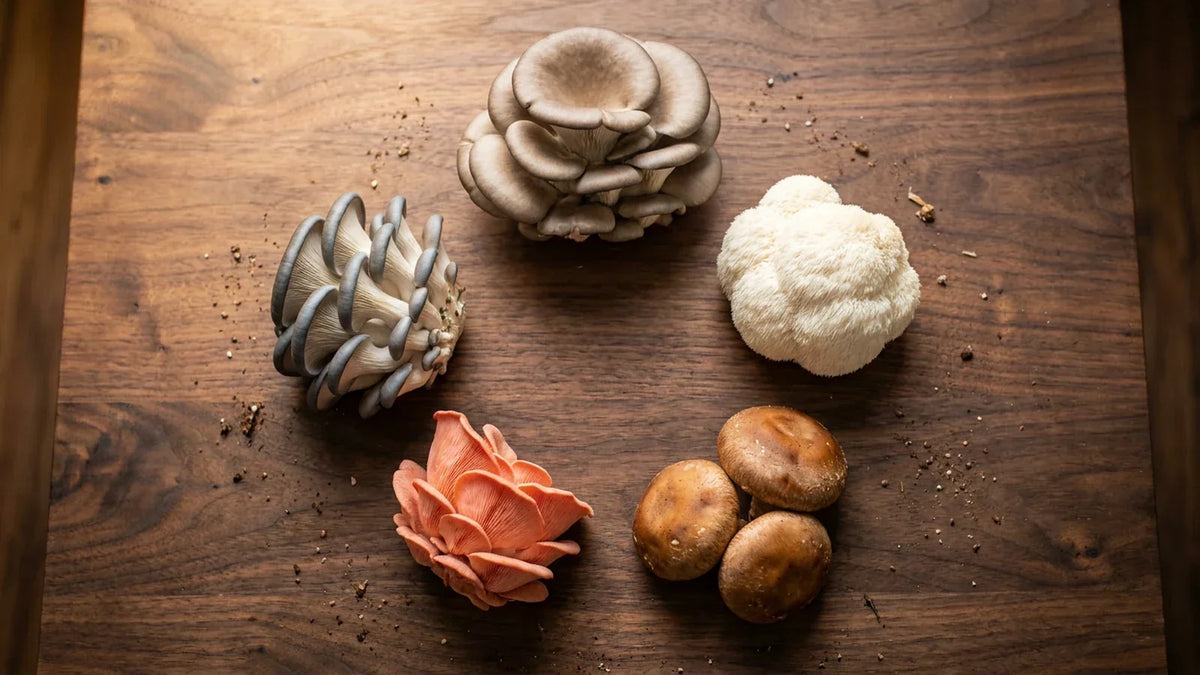
For general nutritional benefits, regularly incorporating culinary mushrooms like shiitake, oyster, lion's mane, and maitake into meals is ideal. Cooking mushrooms makes their nutrients more bioavailable and breaks down chitin (the tough cell wall material) for easier digestion.
Sautéing mushrooms with healthy fats like olive oil or butter enhances the absorption of fat-soluble nutrients. The umami flavor of mushrooms adds depth to countless dishes, making it easy to include them regularly without getting bored.
UV-exposed mushrooms provide significantly more vitamin D. Look for labels indicating "UV-treated" or "high vitamin D" mushrooms, or briefly expose fresh mushrooms to direct sunlight before cooking (2 hours in midday sun can dramatically increase vitamin D content).
Using Medicinal Mushroom Supplements
For specific health goals, concentrated extracts may be more practical than consuming large quantities of whole mushrooms. Quality matters enormously with mushroom supplements, look for products using fruiting bodies (not just mycelium), dual-extraction methods (capturing both water-soluble and alcohol-soluble compounds), and verified beta-glucan content.
Dosage varies by species and form. Most studies use 1-3 grams daily of dried mushroom or extract. Consistency matters more than the specific dose, benefits accumulate with regular use over weeks to months.
Some practitioners recommend cycling mushroom supplements (5 days on, 2 days off, or 3 weeks on, 1 week off) to prevent potential adaptation. However, many people take mushroom supplements daily long-term without issues.
Growing Your Own
Growing mushrooms at home ensures the freshest, most potent source while providing educational value and cost savings. Whether using basic mushroom grow kits or advanced automated systems, home cultivation is accessible to beginners.
Fresh mushrooms contain higher levels of certain bioactive compounds that degrade during storage and processing. Harvesting mushrooms and consuming them immediately maximizes their nutritional and medicinal benefits.
Frequently Asked Questions About Mushroom Benefits
What are the main health benefits of eating mushrooms regularly?
Regular mushroom consumption provides immune system support through beta-glucans, antioxidant protection from various phenolic compounds, B vitamins for energy metabolism, vitamin D for bone health, and prebiotic fiber for gut health. Culinary varieties like shiitake and oyster offer cardiovascular benefits including cholesterol management, while medicinal species like lion's mane and reishi provide additional cognitive and adaptogenic benefits. Most people notice increased energy, better immune resilience, and improved overall wellness with consistent mushroom intake.
Which mushroom is best for immune support?
Turkey tail and reishi mushrooms are among the most powerful for immune support, both containing high levels of beta-glucans and other immunomodulating compounds. Turkey tail's PSK and PSP polysaccharides have been so extensively studied they're used as approved medical treatments in some countries. However, combining multiple mushroom species often provides superior immune benefits as different mushrooms support immunity through complementary mechanisms. Many premium supplements blend 5-10 species for comprehensive immune support.
Can mushrooms help with anxiety and depression?
Research suggests lion's mane and reishi mushrooms may help reduce anxiety and depression symptoms. Studies show lion's mane can improve hippocampus function and reduce inflammation, both factors in mood disorders. Small human trials found improvements in anxiety and irritability after 4 weeks of lion's mane supplementation. Reishi's adaptogenic properties help modulate stress responses and cortisol levels, potentially explaining its mood-supporting effects. While promising, mushrooms shouldn't replace professional mental health treatment but may serve as complementary support alongside conventional approaches.
Are mushrooms good for weight loss?
While not a magic weight loss solution, mushrooms support healthy weight management through several mechanisms. Their high water and fiber content provides satiety with very few calories, you can eat a substantial portion of mushrooms for under 50 calories. The protein in mushrooms helps maintain muscle during weight loss. Beta-glucans slow digestion and moderate blood sugar, reducing cravings and energy crashes. Some evidence suggests mushroom compounds may improve metabolic function and fat metabolism. Combined with balanced nutrition and exercise, mushrooms make excellent additions to weight management plans.
How long does it take to notice benefits from medicinal mushrooms?
Timeline varies by person and specific benefit sought. Some people report increased energy and better stress resilience within 1-2 weeks of consistent use. Immune system benefits typically become apparent after 2-4 weeks as beta-glucans modulate immune cell activity. Cognitive benefits from lion's mane may take 4-8 weeks to become noticeable, as nerve growth factor effects accumulate gradually. Cardiovascular benefits like improved cholesterol may require 8-12 weeks of regular consumption. Consistency matters more than duration, daily use produces better results than sporadic supplementation.
Featured Snippet Summary
Mushrooms provide extensive health benefits including immune system support through beta-glucans, brain health enhancement from lion's mane's nerve growth compounds, cardiovascular protection from fiber and eritadenine, anti-inflammatory effects from triterpenes and antioxidants, and gut health support through prebiotic compounds. Medicinal mushrooms like reishi, lion's mane, and turkey tail offer additional adaptogenic, cognitive, and therapeutic benefits beyond nutrition, making them true functional superfoods.
Embrace the Remarkable Benefits of Mushrooms
The benefits of mushrooms extend far beyond basic nutrition. These fascinating fungi offer a unique combination of culinary excellence, therapeutic potential, and environmental sustainability unmatched by most other foods.
Whether you're interested in the cognitive-enhancing properties of lion's mane, the immune-modulating effects of turkey tail, the adaptogenic qualities of reishi, or simply the delicious flavor and nutrition of shiitake and oyster mushrooms, there's a mushroom species perfectly suited to your wellness goals.
The beauty of mushrooms lies in their safety and versatility. Unlike pharmaceutical interventions, mushrooms work gently with your body's natural systems, supporting health rather than forcing dramatic changes. They're suitable for long-term use, work synergistically with healthy lifestyles, and rarely cause side effects when consumed appropriately.
Start incorporating more mushrooms into your life today. Add shiitake to your stir-fries, experiment with lion's mane supplements for cognitive support, or discover the satisfaction of growing your own mushrooms at home with the Lykyn grow system.
Explore the complete world of edible and medicinal mushrooms and learn about specific varieties through our comprehensive cultivation guides. From turkey tail benefits to optimal growing techniques, discover why mushrooms deserve recognition as one of nature's most remarkable superfoods.
The ancient wisdom surrounding mushrooms is increasingly validated by modern science. These humble fungi offer profound benefits for personal health and planetary wellness, proof that sometimes the most powerful medicines grow right beneath our feet.







Share:
How to Grow Your Own Mushrooms at Home: The Complete Beginner's Guide
Rare Mushrooms: A Journey Through the World's Most Exotic and Valuable Fungi