


Wine cap mushrooms (Stropharia rugosoannulata) are transforming backyard gardens into productive mushroom farms across the country. Also known as King Stropharia or garden giants, these stunning burgundy-capped mushrooms offer one of the easiest entry points into outdoor mushroom cultivation. If you're dreaming of harvesting restaurant-quality gourmet mushrooms from your own garden beds, wine cap mushrooms deserve your attention.
These remarkable fungi can grow as large as dinner plates, produce abundant harvests for 3-5 years from a single inoculation, and actively improve your garden soil while feeding on mulch. Best of all, wine cap mushrooms require minimal maintenance once established, making them perfect for busy gardeners and beginners alike.
What Are Wine Cap Mushrooms?
Wine cap mushrooms (Stropharia rugosoannulata) belong to the Strophariaceae family and originate from North America and Europe. Their common names reflect their most distinctive features, "wine cap" refers to their deep burgundy to reddish-brown caps, while "garden giant" acknowledges their impressive size potential.
These mushrooms can reach truly remarkable dimensions. While most specimens grow 4-8 inches tall with 3-6 inch caps, exceptional examples can exceed 12 inches in height with caps approaching 12 inches across. Some growers report harvesting individual wine cap mushrooms weighing 3-5 pounds!

The flavor profile of wine cap mushrooms sits somewhere between shiitake and portobello, with earthy, umami-rich notes. Young specimens offer a particularly rich, almost cashew-like flavor that diminishes slightly as they mature. Their meaty texture makes them excellent substitutes for meat in vegetarian and vegan recipes.
Beyond culinary appeal, wine cap mushrooms offer impressive nutritional benefits. They're rich in protein, fiber, B vitamins (including B6 for brain health), vitamin D, calcium, iron, copper, and essential amino acids. Like most mushrooms, they're low in calories while providing powerful antioxidants.
Identifying Wine Cap Mushrooms
Learning to identify wine cap mushrooms accurately ensures safe foraging and helps you monitor your cultivation success.
Key Identification Features
Cap characteristics: The cap starts as a dome-shaped button, eventually flattening or even becoming slightly funnel-shaped with age. Fresh caps display deep burgundy, wine-red, or brick-red coloring. Sun exposure can fade mature caps to purplish-tan or medium brown. Young specimens may show fluffy white tufts near the cap margins.
Gills: The gills underneath the cap start pale gray, gradually transitioning to purplish-gray and finally dark purplish-brown as spores develop. The gills are adnate (attached to the stem).
Stem: Wine cap mushrooms feature thick, cream to white-colored stems. The stem contains a distinctive ring (annulus) that's radially split, resembling a cogwheel. This ring is remnant of the partial veil that initially covers young gills.
Spore print: If you need confirmation, wine cap mushrooms produce dark purple-brown to nearly black spore prints.
Flesh: The internal flesh is white and firm, maintaining good texture even as mushrooms mature.
Look-Alike Species to Avoid
While wine cap mushrooms are relatively distinctive, be aware of potential look-alikes when foraging. Some Agaricus species and Agrocybe species can appear similar from a distance. However, wine cap mushrooms' distinctive radially-split ring, color progression from burgundy to brown, and purplish-brown gills set them apart.
Never consume wild mushrooms unless you're 100% certain of identification. When in doubt, consult an experienced mycologist or your local mycological society.
Why Grow Wine Cap Mushrooms in Your Garden?
Wine cap mushrooms offer unique advantages that make them exceptionally valuable for home gardeners, particularly those interested in permaculture and sustainable food production.
Easy Outdoor Cultivation
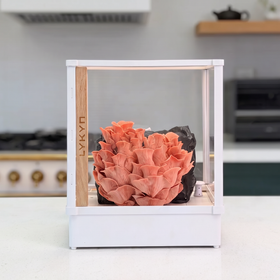
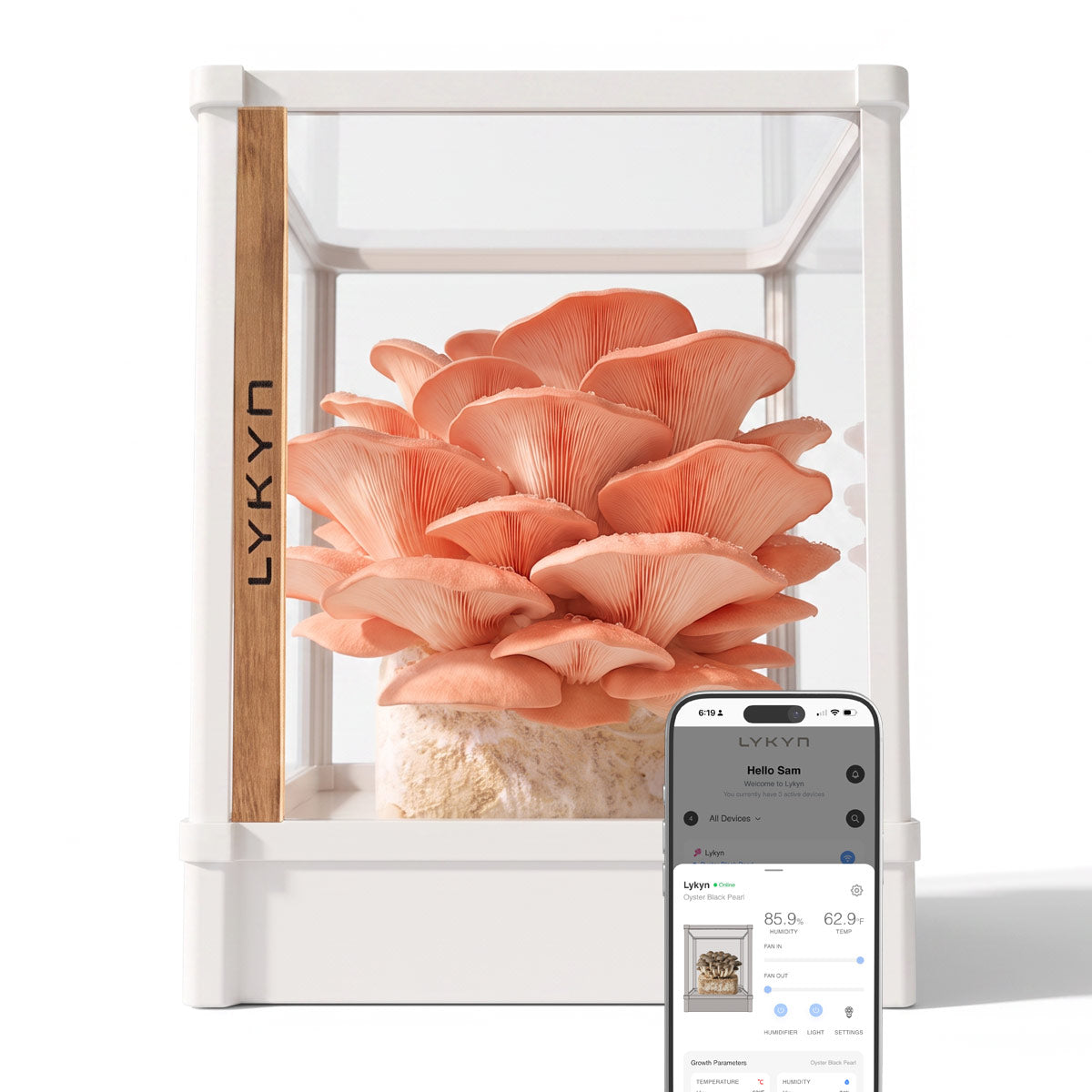
Unlike many gourmet mushrooms that require controlled indoor environments, wine cap mushrooms thrive outdoors with minimal intervention. They're among the most forgiving mushroom species for beginners, tolerating a wide range of conditions and requiring no special equipment. Compare this to indoor cultivation, where species like oyster and shiitake benefit from automated systems like the LYKYN Smart Mushroom Grow Kit to maintain precise environmental controls.
Soil Improvement and Composting
As saprobic fungi, wine cap mushrooms break down woody debris, straw, and other carbon-rich materials, transforming them into nutrient-rich soil amendments. This natural composting happens while you're growing food, creating a productive cycle that improves garden health year after year.
The mycelial network attracts earthworms, which thrive alongside wine cap mushrooms. This partnership accelerates organic matter breakdown and improves soil structure, creating better growing conditions for your vegetables and perennials.
Companion Planting Benefits
Research by mycologist Paul Stamets documented wine cap mushrooms' excellent performance as companion plants for corn. European gardeners have grown these mushrooms alongside corn for generations. The mushrooms also pair well with tomatoes, cucurbits (squash and cucumbers), brassicas (cabbage, broccoli), and various shade-providing plants.
Wine cap mushrooms have even demonstrated the ability to attack certain nematodes, potentially providing natural pest management benefits in garden beds.
Multi-Year Production
Unlike annual vegetables that require replanting each season, properly established wine cap mushroom beds produce harvests for 3-5 years from a single inoculation. Simply add fresh mulch annually to maintain productivity. This long-term return on minimal investment makes wine cap mushrooms incredibly cost-effective.
For those interested in other outdoor growing methods, explore this guide on growing turkey tail mushrooms, another excellent outdoor species with medicinal properties.
How to Grow Wine Cap Mushrooms: Complete Growing Guide
Growing wine cap mushrooms requires surprisingly little expertise or equipment. Follow these steps for successful cultivation in your garden.
Selecting the Perfect Location
Wine cap mushrooms need partial shade to thrive. While they tolerate more sun exposure than most cultivated mushrooms, full sun will dry out the substrate too quickly and inhibit fruiting.
Ideal locations include:
- Under tomato plants, corn, or other tall vegetables
- Around fruit trees or in perennial beds
- Beneath shade-providing shrubs
- Along shaded pathways or fence lines
- In woodland garden settings
The growing area should have access to water for irrigation during dry periods. Beds near your garden hose make maintenance easier.
Choosing Your Substrate
Wine cap mushrooms aren't picky eaters, accepting various carbon-rich materials:
Hardwood chips: Fresh hardwood chips (oak, maple, beech, alder) work excellently. Contact local tree services or arborists for free chips, they're often happy to deliver. Aim for chips at least 50% hardwood. Avoid treated lumber chips.
Straw: Clean wheat or oat straw provides faster colonization than wood chips but shorter lifespan. Soak straw for 2-3 days, then drain thoroughly before use.
Mixed substrate: Combining straw with wood chips offers balanced benefits, quick colonization from straw plus longevity from wood chips.
Cardboard: Layer cardboard underneath your substrate for weed suppression. The mushrooms will eventually break down the cardboard as well.
Obtaining Quality Spawn
Purchase wine cap (Stropharia rugosoannulata) spawn from reputable mushroom suppliers. Grain spawn works best for beginners, it's inoculated grain that spreads easily throughout your substrate.
Typical spawn quantities: One 5-pound bag of spawn inoculates approximately 50-100 square feet of garden bed. For detailed guidance on working with mushroom spawn, check this comprehensive guide on mushroom spores and spawn.
Building Your Mushroom Bed
Creating a wine cap mushroom bed requires minimal tools and no special skills.
Step 1: Clear your chosen area of weeds and debris. Rough up the soil surface slightly with a rake.
Step 2: (Optional) Lay cardboard for weed suppression, overlapping edges by several inches.
Step 3: Add your first substrate layer, approximately 2 inches of wood chips or straw.
Step 4: Crumble and spread spawn evenly across the substrate layer. Use roughly 20-30% of your total spawn for this layer.
Step 5: Add another 2-inch substrate layer and more spawn. Continue alternating layers until you've used all spawn or reached your desired bed depth.
Step 6: Finish with a thick substrate layer (3-4 inches) to protect spawn from drying and provide thermal insulation.
Step 7: Water thoroughly using a gentle spray. The substrate should be moist throughout but not waterlogged.
Most beds measure 6-12 inches deep total. Deeper beds take longer to colonize but may produce longer-term yields.
Best Timing for Inoculation
Wine cap mushrooms can be inoculated anytime between last spring frost and a few weeks before first fall frost. However, spring inoculation (April-May in most regions) works best, giving mycelium maximum time to colonize before fruiting conditions arrive in fall.
Fall inoculation works in mild climates but provides less colonization time before winter dormancy.
Maintaining Your Mushroom Bed
Wine cap mushrooms require minimal maintenance once established:
Watering: Keep substrate consistently moist, especially during initial colonization (first 4-8 weeks). Test moisture by pressing into the bed, it should feel damp but not dripping. During dry periods, water weekly or as needed.
Temperature management: Wine cap mycelium colonizes best at 60-75°F (15-24°C). Fruiting occurs most reliably when temperatures drop below 68°F (20°C), making fall the peak production season in most climates.
Annual refreshment: Add 2-3 inches of fresh substrate (wood chips or straw) each spring to maintain nutrition and moisture. This simple step extends productive life significantly.
Monitoring: Check your bed every few weeks. Look for white mycelium spreading through the substrate, a sign of healthy colonization. If you see this mycelial network, you can even expand your bed by transferring some to a new location with fresh substrate.
Harvesting Wine Cap Mushrooms
Knowing when and how to harvest maximizes both yield and quality.
Timing Your Harvest
Wine cap mushrooms typically fruit 2-6 months after inoculation, though timing varies widely based on temperature, moisture, and substrate quality. Spring-inoculated beds often produce first harvests in late summer or fall.
Mushrooms develop rapidly once pinning begins. Small "buttons" (young mushrooms with caps still attached to the stem) can reach harvestable size within 3-7 days.
Harvest Stages
You can harvest wine cap mushrooms at different stages depending on preference:
Button stage: Caps still attached to stems via the partial veil. Buttons offer the most tender texture and richest flavor. Perfect for delicate preparations.
Mature stage: Caps have broken away from the stem, forming the distinctive ring. Stems remain tender in younger mature specimens. Ideal for most cooking applications.
Fully mature: Caps completely flatten or even turn upward at edges. Stems become tougher and less desirable, though caps remain delicious. Best for drying or hearty preparations.
Avoid harvesting after mushrooms release spores (indicated by dark purple-brown dust on stems and surrounding substrate). While still edible, flavor quality diminishes.
Harvesting Technique
Use clean scissors or a sharp knife to cut mushrooms at the base. Cutting rather than pulling prevents substrate damage and protects developing pins.
Harvest in dry weather when possible. Wet mushrooms deteriorate faster in storage.
Handle carefully, wine cap mushrooms bruise easily despite their substantial size.
Post-Harvest Care
Established beds produce multiple flushes throughout the growing season. After heavy harvests, reduce watering slightly for 7-10 days to let the mycelium rest. Resume normal moisture levels to trigger additional pinning.
Cooking with Wine Cap Mushrooms
Wine cap mushrooms' meaty texture and rich umami flavor make them versatile in the kitchen.
Cleaning Your Harvest
Avoid soaking wine cap mushrooms, they absorb water readily, becoming waterlogged. Instead:
- Brush off visible dirt with a soft brush or cloth
- If necessary, rinse quickly under running water while gently rubbing away debris
- Pat dry immediately with clean towels
- Trim tough stem bases
Preparation Methods
Sautéing: The most popular method. Slice mushrooms and sauté in butter or olive oil with garlic and herbs until golden and tender (5-8 minutes).
Grilling: Large wine cap mushrooms grill beautifully. Brush with oil, season with salt and pepper, and grill until tender (4-5 minutes per side).
Roasting: Roast whole or halved wine caps at 400°F (200°C) for 15-20 minutes until caramelized.
Substitutions: Wine cap mushrooms work excellently as portobello or meat substitutes in burgers, steaks, and hearty dishes.
For recipe inspiration with cultivated mushrooms, explore these Italian oyster mushroom recipes that adapt beautifully to wine caps.
Storage
Fresh storage: Store unwashed wine cap mushrooms in paper bags (not plastic!) in the refrigerator. They'll keep 5-7 days.
Freezing: Sauté mushrooms first, cool completely, then freeze in airtight containers for up to 6 months.
Drying: Slice mushrooms thinly and dry in a dehydrator at 125°F (52°C) until crisp (6-10 hours). Store dried mushrooms in airtight containers for up to one year.
Important Consumption Notes
While wine cap mushrooms are generally considered safe and choice edibles, some considerations apply:
- Start with small portions when trying them for the first time, some individuals may experience digestive sensitivity
- Cook thoroughly, raw consumption may cause digestive upset due to chitin content
- Some sources note that daily consumption for multiple consecutive days may cause indigestion in sensitive individuals
- Proper identification is critical, never consume mushrooms without certainty
Troubleshooting Common Issues
Even low-maintenance wine cap mushrooms occasionally present challenges.
Contamination Problems
Green mold (Trichoderma): Appears as green, fuzzy growth. More common in overly wet conditions or poorly aerated beds. Remove contaminated sections and improve drainage.
Bacterial slime: Foul-smelling, slimy patches indicate bacterial contamination, usually from waterlogged substrate. Improve drainage and reduce watering frequency.
Unlike indoor cultivation where contamination can destroy entire grows (learn more about preventing mycelium contamination), outdoor wine cap beds usually recover as the robust mycelium outcompetes contaminants.
No Mushrooms Appearing
Insufficient colonization time: Wine cap mycelium may need 6-12 months to fully establish before fruiting, especially in cooler climates. Be patient.
Wrong temperature: Fruiting requires temperatures below 68°F (20°C). In warm climates, mushrooms may only appear during cooler months.
Dried substrate: Check moisture levels. Dried-out beds won't fruit. Restore consistent moisture and wait 2-3 weeks.
Depleted substrate: After 3-5 years, substrate nutrition may be exhausted. Add fresh substrate and consider re-inoculating.
Poor Yields
Inadequate spawn: Under-inoculated beds produce sparse mushrooms. Use recommended spawn quantities (1-2 pounds per 10 square feet minimum).
Competition: Other fungi may colonize substrate before wine caps establish. Fresh substrate and quality spawn reduce this risk.
Environmental stress: Extreme temperatures, prolonged drought, or heavy foot traffic can reduce yields. Provide consistent conditions.
Expanding Your Mushroom Growing
Once you've mastered wine cap mushrooms, numerous opportunities await for expanding your cultivation skills.
Other Outdoor Species
Wine cap success often leads growers to try other outdoor cultivation methods:
- Shiitake on logs: Produce premium mushrooms for years using log inoculation
- Oyster mushrooms on straw: Fast-growing and productive in buckets or beds (see this guide to growing oyster mushrooms in buckets)
- Turkey tail: Medicinal mushrooms on logs or wood chip beds
Indoor Growing
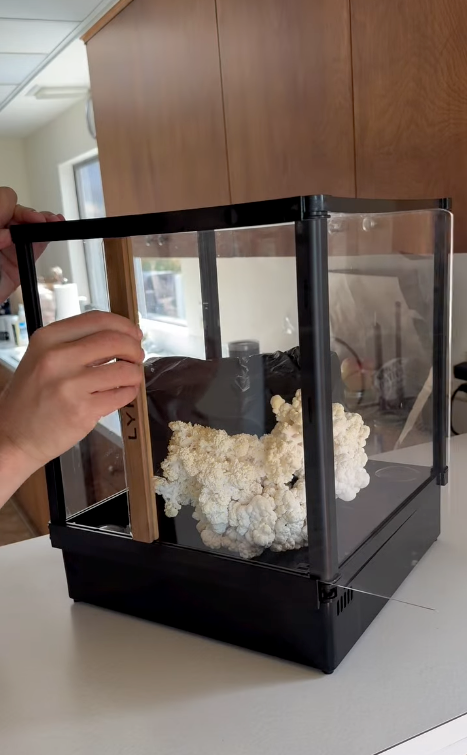
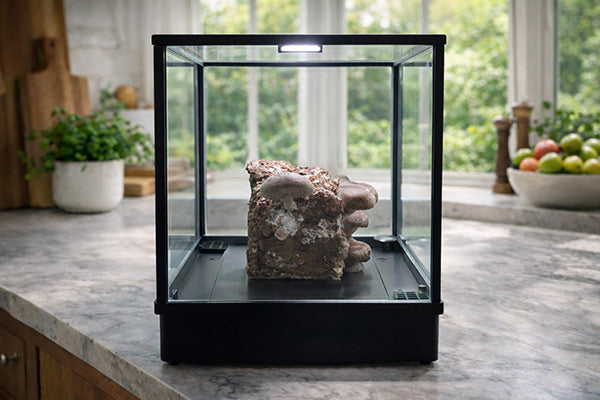
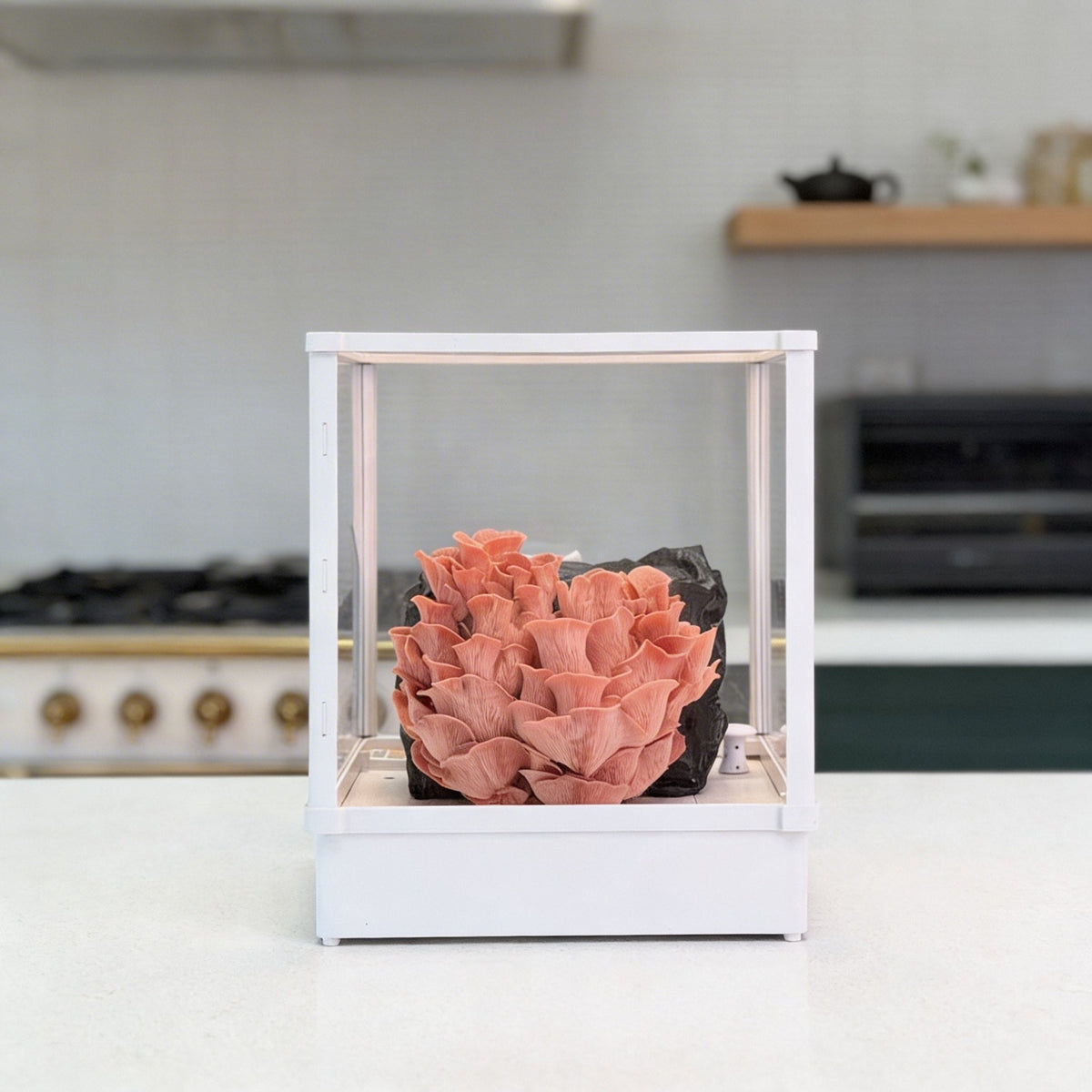
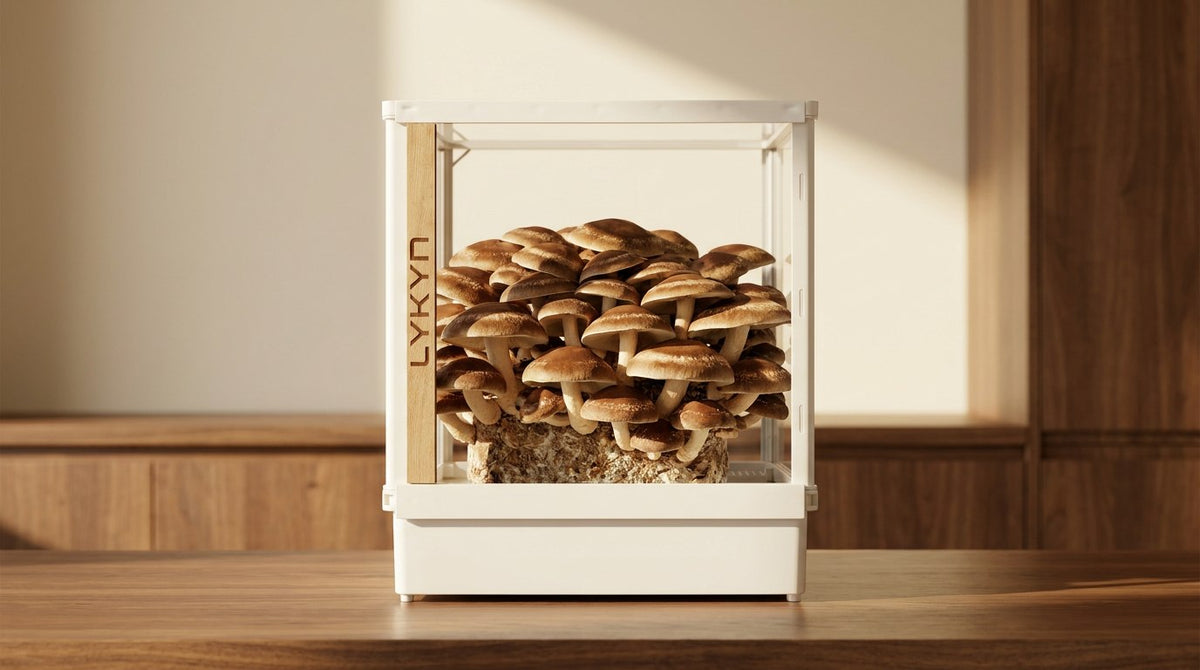
Interested in year-round production? Indoor cultivation offers consistent harvests regardless of season. The LYKYN Smart Mushroom Grow Kit automates humidity, temperature, and airflow for species like oyster, shiitake, and lion's mane.
For beginners exploring indoor options, this comprehensive mushroom grow kit guide compares different systems and species.
Advanced Techniques
Experienced growers can explore working with spores, creating custom substrate formulations, and even small-scale commercial production. Wine cap mushrooms' robust nature makes them forgiving for experimentation.
FAQ: Common Wine Cap Mushroom Questions
How long do wine cap mushrooms take to grow?
Wine cap mushrooms typically fruit 2-6 months after inoculation, though some beds may take up to 12 months depending on conditions. Once established, beds produce mushrooms seasonally (primarily fall and spring) for 3-5 years. Individual mushrooms develop quickly once pinning begins, reaching harvestable size within 5-10 days.
Can I grow wine cap mushrooms in containers?
Yes! Wine cap mushrooms adapt well to container growing. Use large containers (5+ gallons), ensure adequate drainage, and follow the same layering process used for garden beds. Container growing works especially well for small spaces or apartment balconies with partial shade.
Are wine cap mushrooms suitable for beginners?
Absolutely. Wine cap mushrooms rank among the easiest outdoor species for beginners. They tolerate environmental fluctuations, accept various substrates, require minimal maintenance, and don't demand the precise environmental control needed for indoor species like those grown in automated systems.
How much space do I need for wine cap mushrooms?
You can start with as little as 3-4 square feet. Small beds produce worthwhile harvests while teaching you the basics. Expand to 25-50+ square feet for substantial production. Wine cap mushrooms integrate beautifully into existing garden beds, requiring no dedicated space.
Do wine cap mushrooms need special fertilizer?
No. Wine cap mushrooms obtain all nutrition from substrate (wood chips, straw). Unlike plants, they don't use soil nutrients. In fact, they enrich soil by breaking down substrate into nutrient-rich compost your plants can use. Simply add fresh mulch annually to maintain mushroom nutrition.
Featured Snippet Summary
Wine cap mushrooms (Stropharia rugosoannulata) grow easily in garden beds using wood chips or straw. Layer substrate with spawn, maintain moisture, and harvest burgundy-capped mushrooms in 2-6 months. Beds produce for 3-5 years with minimal maintenance, improving soil while providing gourmet harvests.
Start Growing Wine Cap Mushrooms Today
Wine cap mushrooms offer an exceptional combination of easy cultivation, impressive yields, garden benefits, and culinary rewards. Whether you're an experienced gardener exploring mushroom cultivation or a complete beginner looking for a forgiving first project, wine cap mushrooms deliver consistent success.
The beauty of wine cap cultivation lies in its simplicity, no specialized equipment, no complex techniques, just basic gardening skills and patience. Your existing garden beds, mulched areas, or simple outdoor spaces can become productive mushroom farms with minimal investment.
While wine cap mushrooms excel outdoors, exploring both outdoor and indoor cultivation opens even more possibilities. The LYKYN Smart Mushroom Grow Kit provides automated year-round mushroom production indoors, perfectly complementing your outdoor wine cap beds.
Don't wait another season to discover the satisfaction of growing your own gourmet mushrooms. Order wine cap spawn this spring, establish your beds, and look forward to impressive harvests by fall. The combination of delicious eating, soil improvement, and sustainable food production makes wine cap mushrooms one of the most rewarding additions to any garden. Visit our complete mushroom growing guide to explore more species and cultivation techniques, then start your wine cap adventure today!




Share:
How to Grow Shrooms: Your Complete Step-by-Step Guide to Home Mushroom Cultivation
How to Grow Mushrooms in House: Your Complete Indoor Cultivation Guide