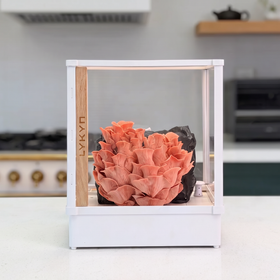



Becoming a successful mushroom grower has never been more accessible. Whether you're dreaming of cultivating gourmet oyster mushrooms in your kitchen or building a small-scale commercial operation, modern technology and proven techniques make it possible for anyone to grow fresh, organic mushrooms at home. This comprehensive guide will walk you through everything you need to know to start your journey as a confident mushroom grower.
The mushroom cultivation industry is booming, with more people discovering the satisfaction of growing their own food and the health benefits of fresh fungi. As a mushroom grower, you'll not only enjoy access to premium-quality mushrooms but also develop valuable skills in sustainable food production.
Understanding What It Takes to Be a Mushroom Grower
Every successful mushroom grower starts by understanding the fundamental requirements of fungal cultivation. Unlike traditional gardening, mushroom growing requires specific environmental conditions that mimic the natural habitats where these organisms thrive.

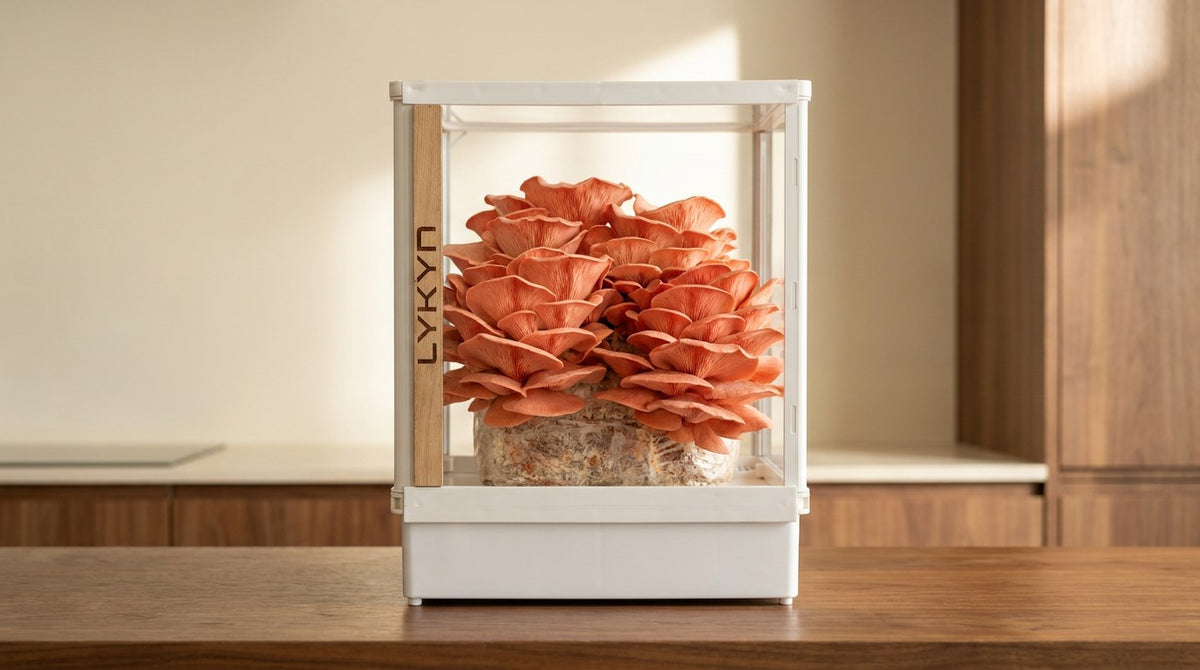
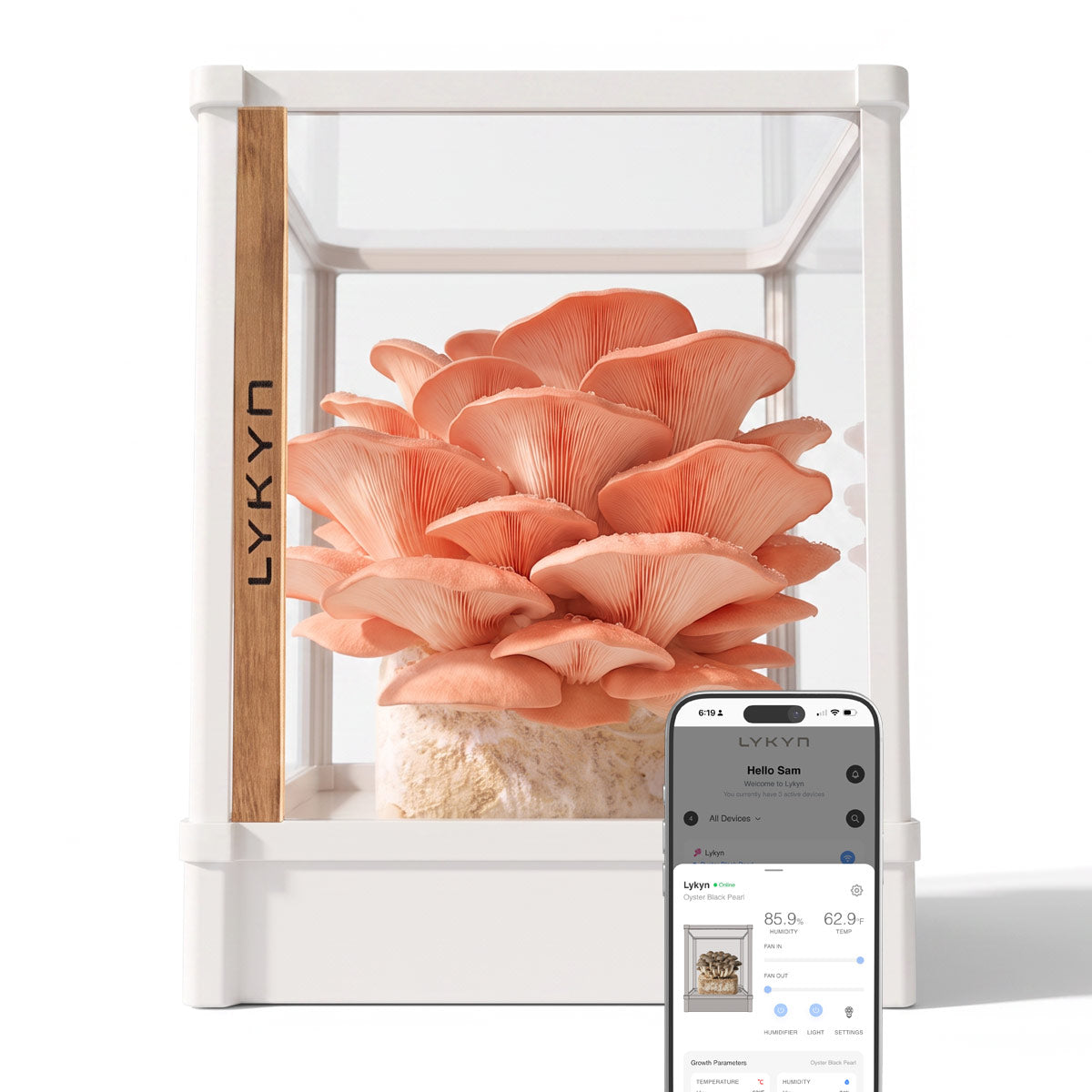
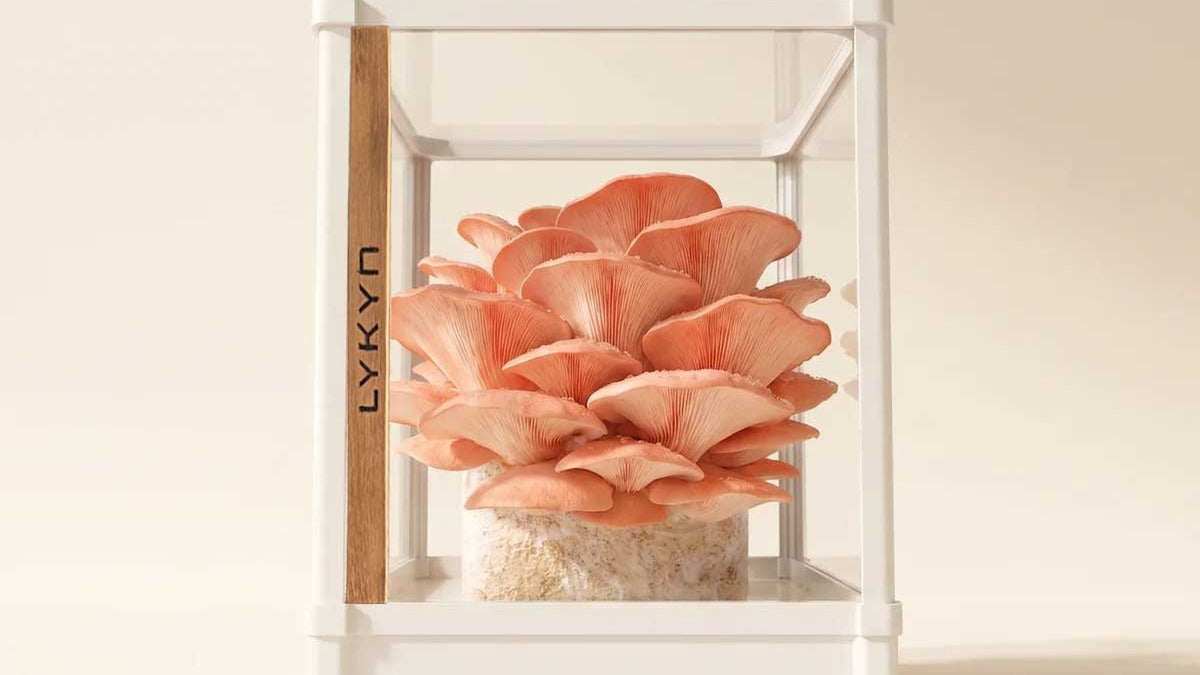
Mushrooms need high humidity levels between 80-95%, proper air circulation to manage CO2 buildup, consistent temperatures typically ranging from 60-75°F, and indirect lighting. As a beginner mushroom grower, you don't need to manually manage all these factors. The LYKYN Smart Mushroom Grow Kit automates humidity, airflow, and environmental monitoring through app-controlled technology, making it virtually impossible to fail on your first attempt.
The learning curve for mushroom growing varies depending on your chosen approach. Starting with ready-to-fruit kits allows you to focus on understanding fruiting conditions before advancing to more complex techniques like substrate preparation or working with spores.
Essential Equipment Every Mushroom Grower Needs
Your success as a mushroom grower depends heavily on having the right equipment. While you can start with basic supplies, investing in quality tools from the beginning saves time, money, and frustration.
Growing Chambers and Environmental Control
The heart of any mushroom growing operation is a reliable fruiting chamber. Traditional mushroom growers often build monotubs or shotgun fruiting chambers using plastic containers, but these DIY solutions require constant monitoring and manual adjustments.
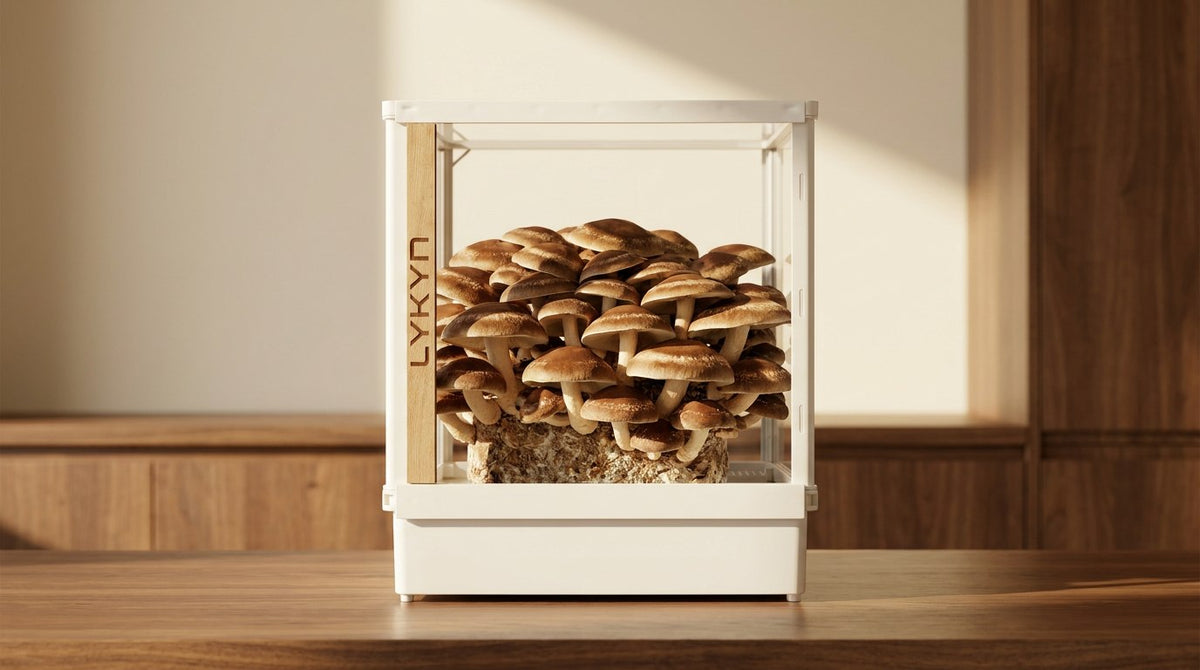
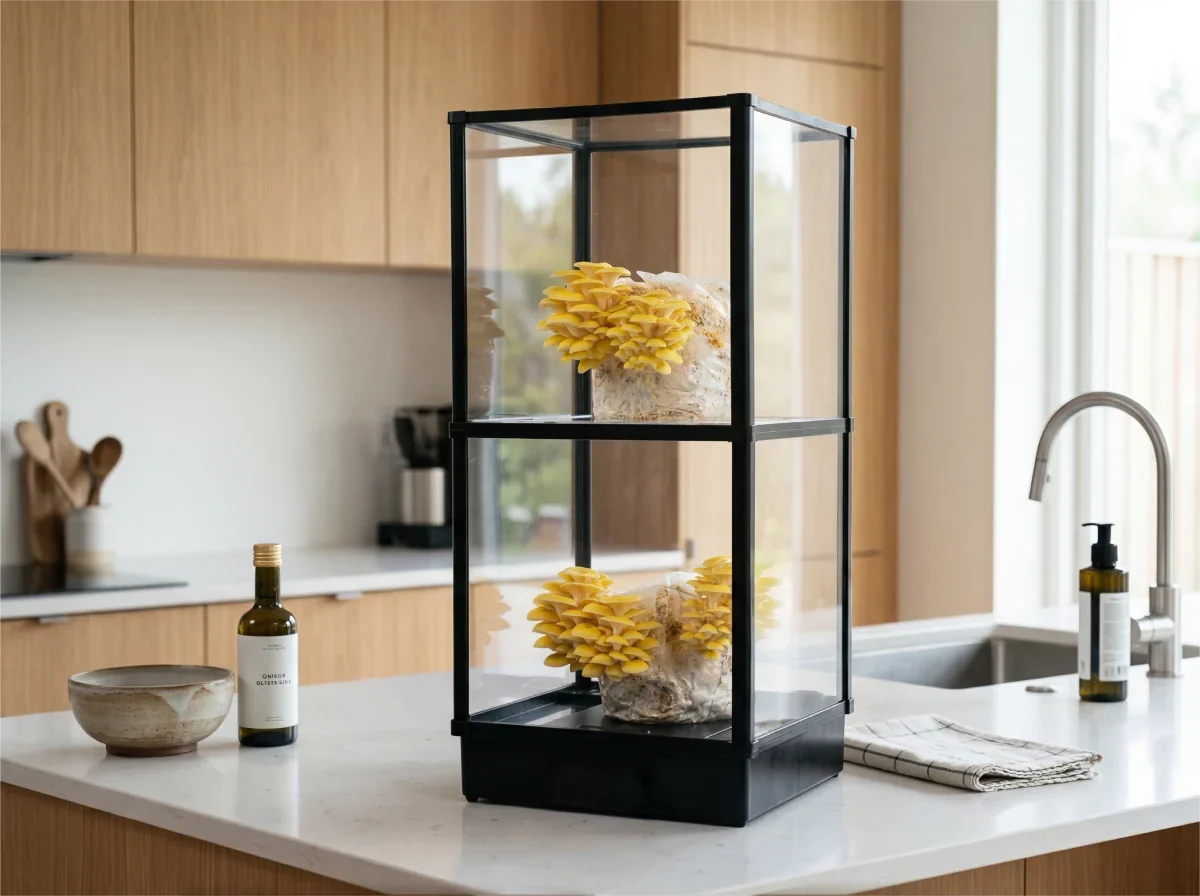
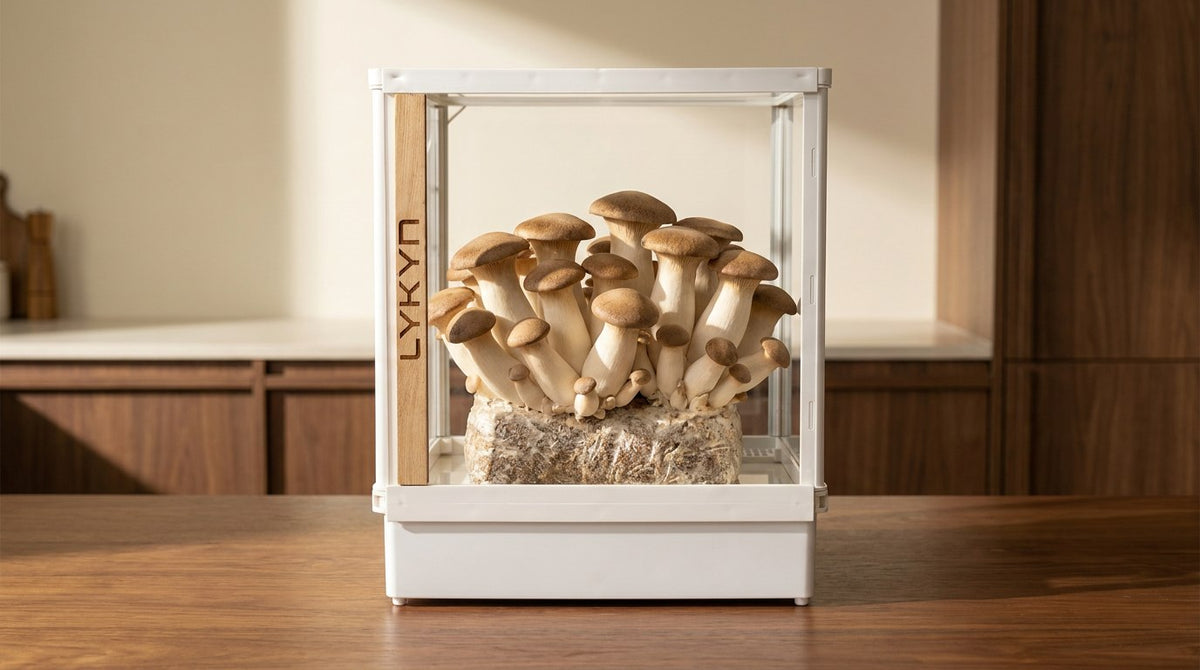
Modern mushroom growers benefit from smart automated systems that eliminate guesswork. The LYKYN Smart Mushroom Grow Chamber features variable-speed intake fans with built-in filtration, an ultrasonic humidifier with a 2.8L water tank, and lab-grade temperature and humidity sensors. The waterproof design operates quietly at under 35 dB, making it perfect for apartment living.
For mushroom growers interested in comparing different options, check out this detailed review of the top 5 mushroom growing kits available in 2025.
Substrate and Growing Medium
Experienced mushroom growers know that substrate quality directly impacts yields. Most beginners start with pre-colonized substrate blocks that come ready to fruit, eliminating the need for sterilization equipment and spawn preparation.
As you advance, you might prepare your own substrate using materials like hardwood sawdust, straw, or supplemented grain. This requires pressure cookers for sterilization, polypropylene bags with filter patches, and proper spawn material.
Monitoring and Maintenance Tools
Professional mushroom growers track environmental conditions precisely. Digital thermometers and hygrometers help you verify that conditions stay within optimal ranges. However, smart systems integrate these sensors directly into automated control systems, providing real-time monitoring through smartphone apps.

You'll also need spray bottles for manual misting if not using automated systems, clean scissors or knives for harvesting, and isopropyl alcohol (70% solution) for sterilizing tools and preventing contamination.
Best Mushroom Varieties for New Growers
Choosing the right mushroom species makes a tremendous difference in your success as a beginner mushroom grower. Some varieties forgive mistakes and environmental fluctuations, while others demand precision.
Oyster Mushrooms: The Perfect Starting Point
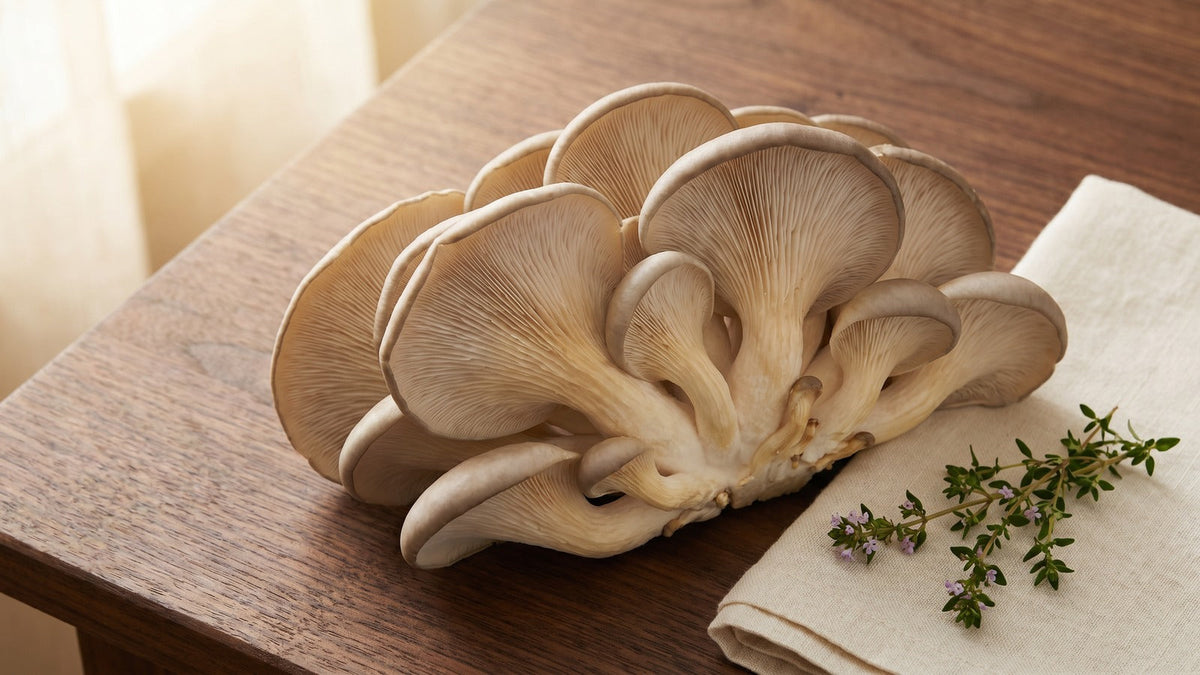
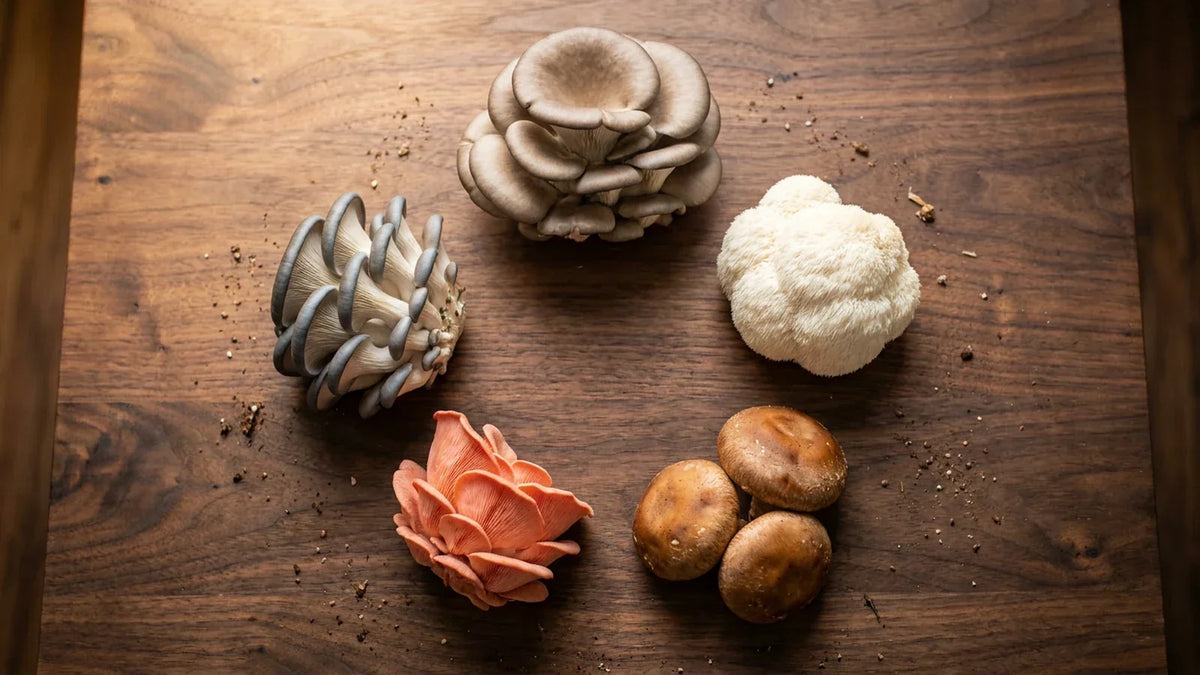
Oyster mushrooms rank as the most forgiving option for new mushroom growers. They grow rapidly, often producing harvestable mushrooms within 7-14 days of setup. These mushrooms tolerate temperature variations better than most species and produce impressive yields over multiple flushes.
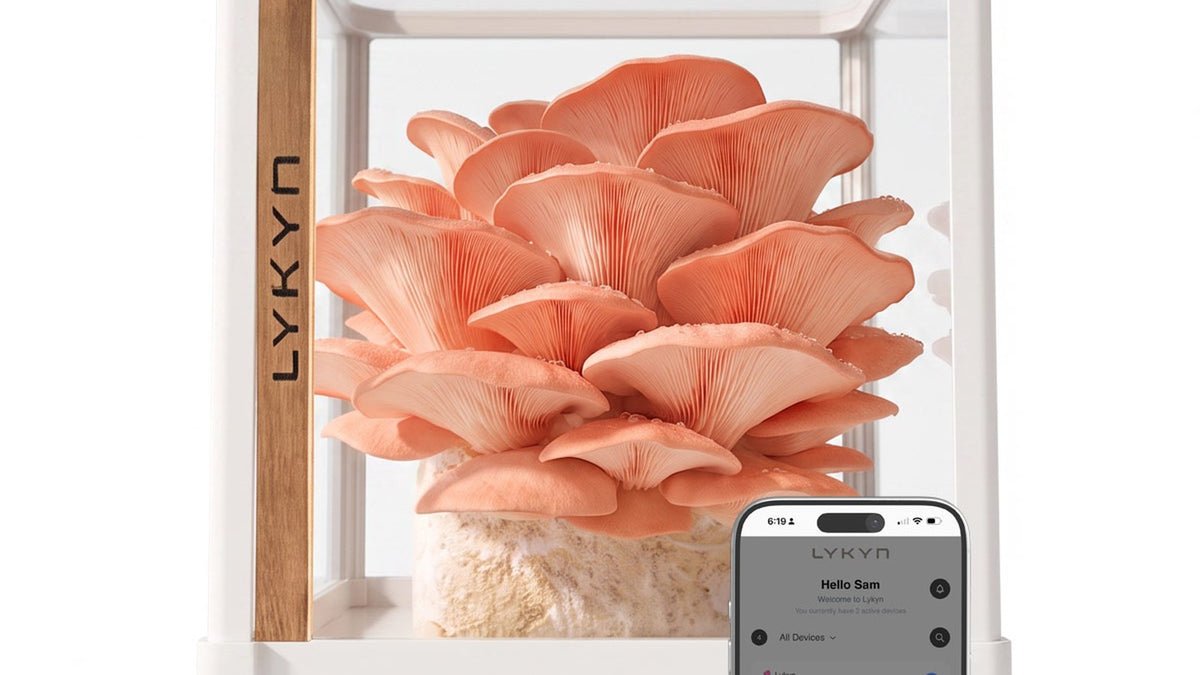
Pink, blue, yellow, and pearl oyster varieties each offer unique flavors and visual appeal. Their quick growth cycle provides fast feedback, helping you refine your techniques before moving to more challenging species.
Shiitake: Flavorful and Nutritious
Shiitake mushrooms take slightly longer to develop but reward patient mushroom growers with exceptional flavor and impressive nutritional profiles. These mushrooms need consistent humidity but adapt well to home growing conditions when properly managed.
Lion's Mane: The Gourmet Choice
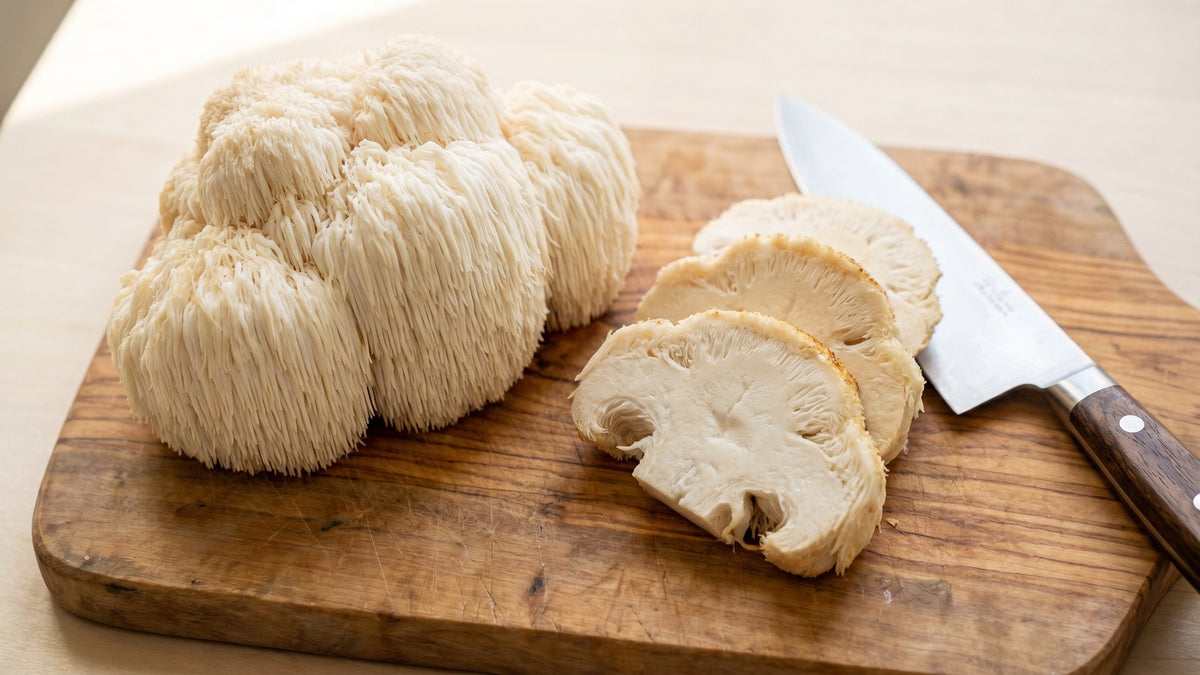
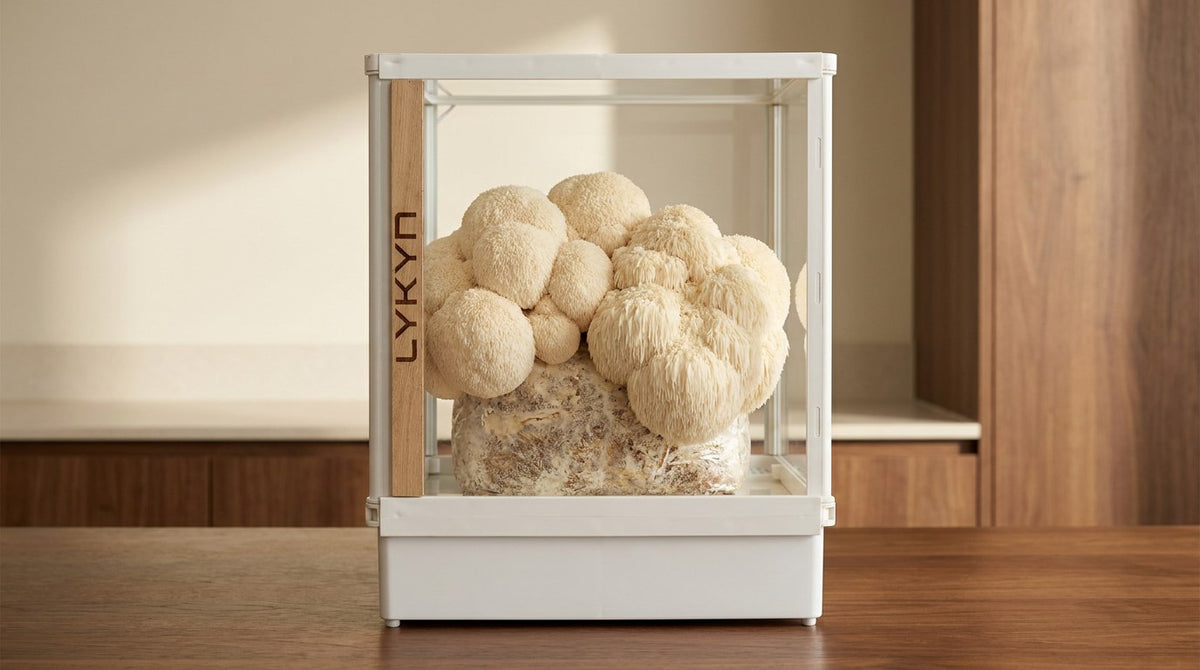
Lion's mane mushrooms have gained popularity among health-conscious mushroom growers due to their potential cognitive benefits. Their unique, cascading appearance creates stunning visual displays, and their seafood-like texture makes them perfect for plant-based cooking.
For detailed guidance on getting started, explore this comprehensive beginner's guide to mushroom grow kits.
Mastering the Mushroom Growing Process
Understanding the complete cultivation cycle transforms you from a curious beginner into a confident mushroom grower. The process involves several distinct phases, each with specific requirements.
Setting Up Your Growing Environment
Location selection matters tremendously. Successful mushroom growers choose spaces with stable temperatures, away from direct sunlight, and free from contamination sources like mold or excessive dust. Kitchen counters, spare rooms, and basement corners all work well.
Clean your chosen area thoroughly using 70% isopropyl alcohol. Remove potential contamination sources and ensure good air quality. If using traditional growing methods, this becomes your sterile workspace.
With automated systems like the LYKYN chamber, setup becomes dramatically simpler. You simply place your pre-colonized mushroom block inside, fill the water reservoir, select your mushroom variety in the app, and let the system handle environmental control automatically.
Managing Humidity and Air Exchange
This aspect separates successful mushroom growers from those who struggle. Mushrooms release significant amounts of water vapor and CO2 as they grow. Without proper humidity and fresh air exchange, you'll see elongated stems, poor cap development, and increased contamination risks.
Traditional mushroom growers manually mist their growing blocks 2-3 times daily and fan them to promote air exchange. This works but requires consistent attention and introduces contamination risks every time you open the growing environment.
Automated systems maintain perfect conditions continuously. The ultrasonic humidifier delivers fine mist particles that mushrooms absorb efficiently, while variable-speed fans ensure optimal CO2 levels without manual intervention.
Monitoring Growth and Development
Experienced mushroom growers develop an eye for recognizing normal development versus problems. Healthy mycelium appears bright white with a cotton-like texture. Mushroom pins (tiny developing mushrooms) typically appear within 7-14 days, depending on species and conditions.
During this phase, observe your mushrooms daily but avoid excessive handling. Look for signs of healthy growth like increasing size, proper cap formation, and appropriate coloring for your chosen species.
Problems like yellowing, unusual odors, or colored spots indicate potential contamination. Addressing these issues quickly prevents total loss. Learn more about identifying and preventing problems in this guide on mycelium contamination.
Common Challenges for Mushroom Growers
Every mushroom grower faces obstacles, especially when starting out. Understanding common problems helps you respond effectively.
Contamination Issues
Contamination represents the biggest challenge for mushroom growers. Green mold (Trichoderma), bacterial infections, and competing fungi can destroy your substrate before mushrooms develop.
Prevention proves far more effective than treatment. Working in clean environments, using sterile techniques, and maintaining proper environmental conditions dramatically reduce contamination risks. Automated growing systems with built-in filtration provide additional protection by filtering incoming air.
Environmental Control Problems
Mushroom growers frequently struggle with maintaining consistent humidity and temperature. Dried-out mushrooms indicate insufficient humidity, while excessive moisture promotes bacterial growth.
Temperature fluctuations stress mushrooms and slow development. Most species prefer stable temperatures between 60-75°F. Basements often work well due to naturally stable temperatures, though adequate ventilation remains essential.
Poor Yields or Failed Flushes
Disappointed mushroom growers sometimes see weak yields or complete fruiting failures. Common causes include depleted substrate nutrients, improper environmental triggers, or contamination outcompeting your mushrooms.
Quality substrate makes a tremendous difference. Pre-colonized blocks from reputable suppliers ensure strong mycelium and proper nutrition. Environmental factors like temperature drops or humidity spikes can trigger fruiting, so consistent conditions typically produce better results.
Advanced Techniques for Experienced Mushroom Growers
Once you master basic cultivation, numerous advanced techniques await. Serious mushroom growers eventually move beyond ready-to-fruit kits toward more sophisticated approaches.
Working with Spores and Spawn
Creating your own spawn from spores dramatically reduces per-pound costs and allows unlimited production scaling. This requires sterile technique, proper equipment, and patience.
You'll need spore syringes or prints, sterile jars or bags, pressure cookers for sterilization, and grain or agar media. The process involves inoculating sterile substrate with spores, allowing mycelium to colonize completely, then transferring to bulk substrate.
For those interested in this progression, explore detailed guidance on using spore syringes and obtaining mushroom spores.
Substrate Preparation and Formulation
Professional mushroom growers often formulate custom substrates optimized for specific species. Hardwood sawdust, wheat bran, gypsum, and various supplements create substrates that maximize yields and mushroom quality.
This level requires understanding sterilization, moisture content, and nutritional requirements. You'll invest in pressure cookers, large mixing containers, and bulk ingredients.
Scaling Production
Successful mushroom growers sometimes transition from hobbyist to commercial production. This involves dedicated growing spaces, multiple fruiting chambers, consistent spawn production, and reliable markets for harvests.
Starting small and scaling gradually helps you refine techniques before major investments. Many commercial mushroom growers begin by supplying local restaurants or farmers markets with specialty varieties.
Maximizing Your Success as a Mushroom Grower
Certain practices separate highly successful mushroom growers from those who struggle with inconsistent results.
Maintaining Detailed Growing Records
Professional mushroom growers track environmental conditions, yields, timeline from inoculation to harvest, and any problems encountered. This data helps you identify patterns and optimize your techniques.
Record temperatures, humidity levels, misting frequency, and flush weights. Note which substrate formulations or environmental adjustments produced superior results.
Continuous Learning and Experimentation
The most successful mushroom growers never stop learning. Join online communities, read cultivation forums, and connect with other growers. Each species has unique requirements, and experienced growers love sharing knowledge.
Start with proven methods, then gradually experiment with variations. Try different substrate formulations, environmental triggers, or growing techniques on small batches while maintaining successful approaches for your main production.
Building a Growing Routine
Consistency matters tremendously. Establish daily routines for checking your mushrooms, refilling water reservoirs, and monitoring conditions. Even with automated systems, regular observation helps you catch problems early.
Morning checks work well for most mushroom growers, allowing you to address any overnight issues before they worsen. Harvest mushrooms promptly when they reach maturity to trigger subsequent flushes.
FAQ: Common Questions for Mushroom Growers
How long does it take to grow mushrooms at home?
Most mushroom growers see their first harvest within 1-3 weeks after setting up ready-to-fruit kits. Oyster mushrooms typically produce harvestable mushrooms in 7-14 days, while shiitake may take 2-3 weeks. Multiple flushes from the same block extend production over 6-12 weeks total.
What's the expected yield for beginner mushroom growers?
Beginning mushroom growers typically harvest 1-2 pounds of fresh mushrooms per growing cycle from quality kits. Yields vary by species, oyster mushrooms often produce more than shiitake or lion's mane. Learn more about typical yields in this mushroom grow bag yield guide.
Do mushroom growers need special permits or licenses?
Home mushroom growers cultivating gourmet varieties for personal use generally don't need permits. Commercial mushroom growers selling products may need business licenses, food handler certifications, and potentially agricultural permits depending on your location. Always check local regulations before selling mushrooms.
How much space do I need to become a mushroom grower?
Beginning mushroom growers can start with as little as 1-2 square feet of space. A kitchen counter, shelf, or small corner works perfectly for 1-2 growing blocks. Scaling up requires more space, but even small apartments accommodate successful mushroom growing operations.
What's the most important factor for mushroom grower success?
Consistent environmental control matters most. Mushrooms demand high humidity and proper air exchange. New mushroom growers struggle most with maintaining these conditions manually. Automated growing systems solve this challenge, explaining why they produce more reliable results for beginners.
Featured Snippet Summary
Mushroom growers need proper equipment including fruiting chambers with humidity control, quality substrate, and monitoring tools. Start with beginner-friendly species like oyster mushrooms that forgive mistakes. Maintain 80-95% humidity, 60-75°F temperatures, and good air circulation for successful harvests within 1-3 weeks.
Start Your Journey as a Mushroom Grower Today
Becoming a successful mushroom grower opens doors to fresh, organic food production, fascinating biological processes, and potentially profitable cultivation skills. Whether you're interested in gourmet cooking, health benefits, or sustainable food systems, mushroom growing offers rewards that extend far beyond your first harvest.
The key to success lies in starting with quality equipment that automates the complex environmental controls mushrooms demand. The LYKYN Smart Mushroom Grow Chamber eliminates the trial-and-error period that frustrates many new growers, providing consistent results from your very first attempt.
Don't wait another day to begin your mushroom growing adventure. Every successful commercial mushroom grower started exactly where you are now, curious, excited, and ready to learn. Your kitchen counter could be producing fresh, gourmet mushrooms in just weeks. Visit the complete guide to choosing the best mushroom kit and take your first step toward becoming a confident, successful mushroom grower today.
Share:
Mushroom Spore Kit: Your Complete Guide to Starting Home Mushroom Cultivation
How to Grow Shrooms: Your Complete Step-by-Step Guide to Home Mushroom Cultivation