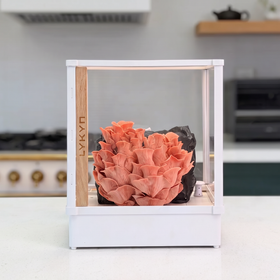



Growing mushrooms at home starts with understanding one crucial element: the mushroom spore kit. Whether you're dreaming of harvesting fresh Lion's Mane for cognitive health or cultivating gourmet oyster mushrooms for your kitchen, choosing the right spore-based growing system sets you up for success. This comprehensive guide walks you through everything you need to know about mushroom spore kits, from what they contain to how to use them effectively.

What Is a Mushroom Spore Kit?
A mushroom spore kit provides everything beginners need to start cultivating mushrooms from the reproductive stage. Think of spores as nature's seeds for the fungal kingdom, tiny, microscopic cells that contain all the genetic information needed to grow an entire mushroom organism.
Most complete spore kits include several essential components. You'll typically find spore syringes filled with millions of spores suspended in sterile water, ready-to-use growing substrate or grain bags, detailed instructions for inoculation, and sometimes humidity tents or basic growing supplies.
The beauty of modern mushroom spore kits lies in their accessibility. What once required laboratory equipment and advanced mycology knowledge now fits on your kitchen counter. However, it's important to understand that working with spores requires more patience than purchasing pre-colonized mushroom fruiting blocks, which are already growing and ready to fruit.
Understanding Mushroom Spores vs. Ready-to-Grow Systems
Before investing in a spore kit, you should understand how they differ from other growing methods. Mushroom cultivation typically follows a progression: spores germinate into mycelium, mycelium colonizes substrate, and finally fruiting bodies (the mushrooms you eat) develop.
Starting from spores means you're beginning at the very start of this cycle. The process takes longer, typically 4-8 weeks before you see mushrooms, but offers unique advantages. You gain deeper understanding of fungal biology, access to rare strains not available as ready-made kits, and significant cost savings for long-term cultivation.
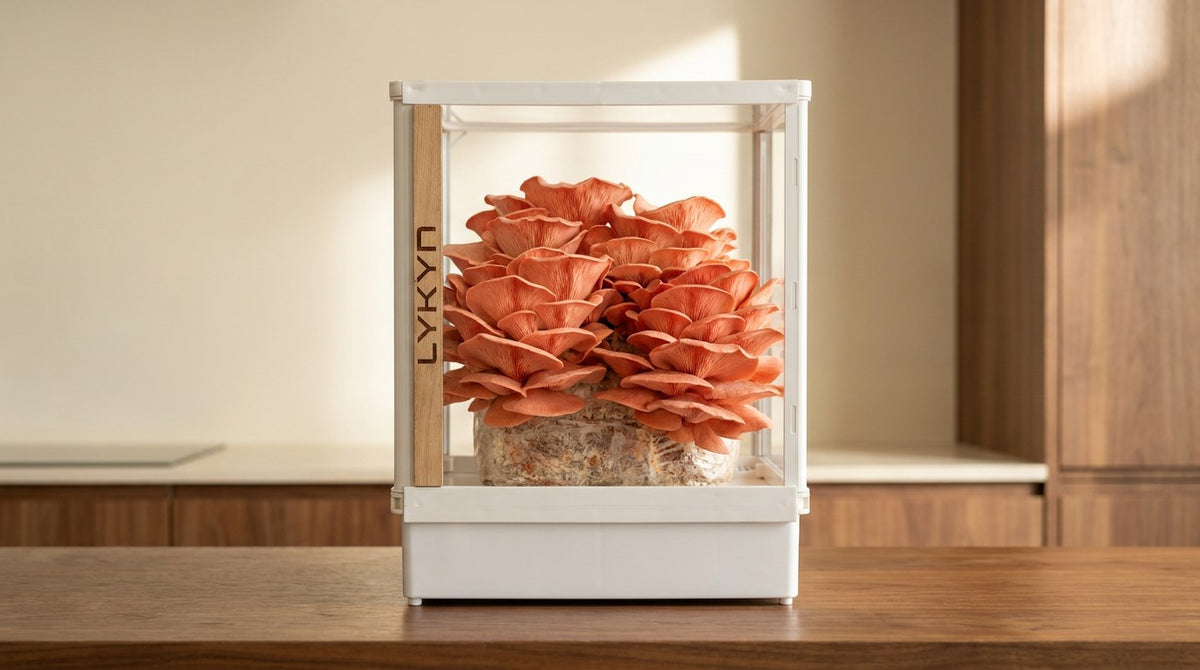
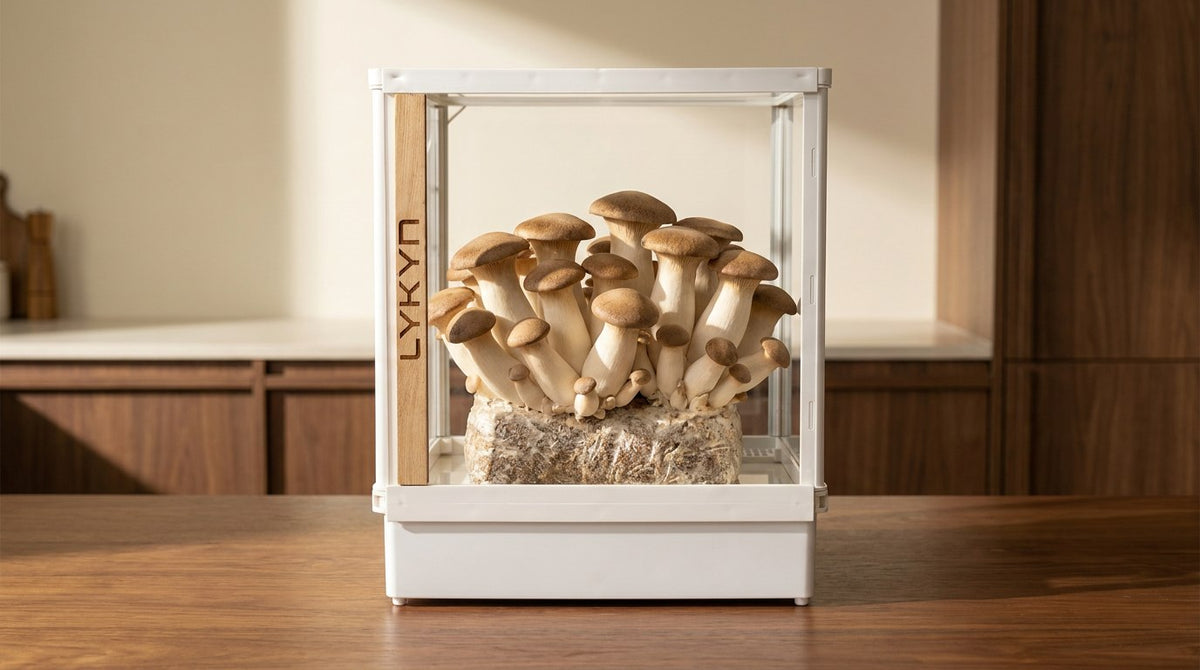
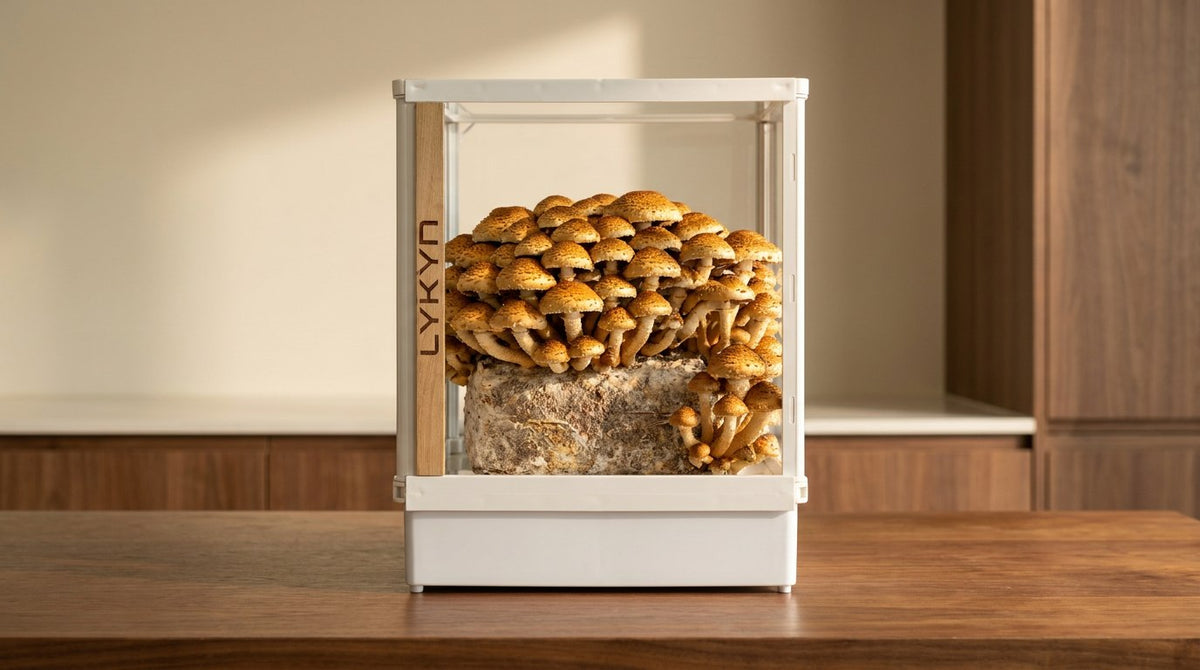
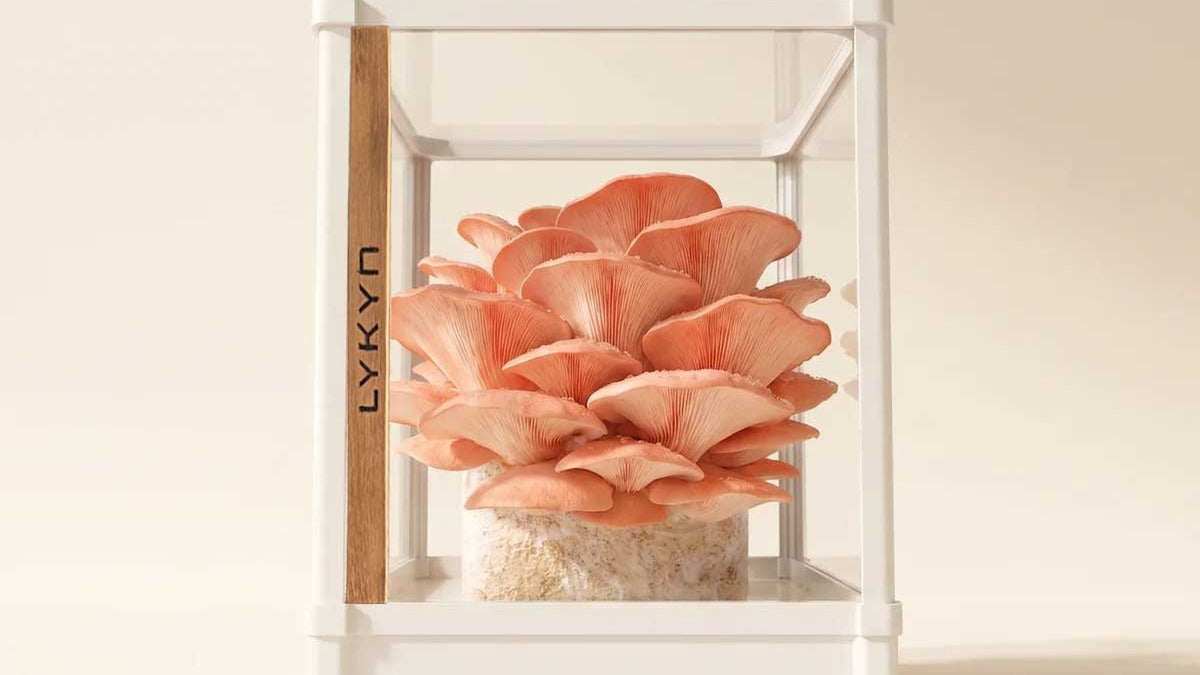
For absolute beginners who want faster results, the Lykyn Smart Mushroom Grow Kit offers an excellent alternative. This automated system eliminates guesswork by maintaining perfect humidity and airflow conditions, making it ideal for those who want to start harvesting within weeks rather than months.
Best Mushroom Species for Spore Kit Beginners
Not all mushroom species work equally well for beginners starting with spores. Some varieties colonize quickly and resist contamination, while others demand precise conditions and advanced techniques.
Oyster Mushrooms (Pleurotus Species)
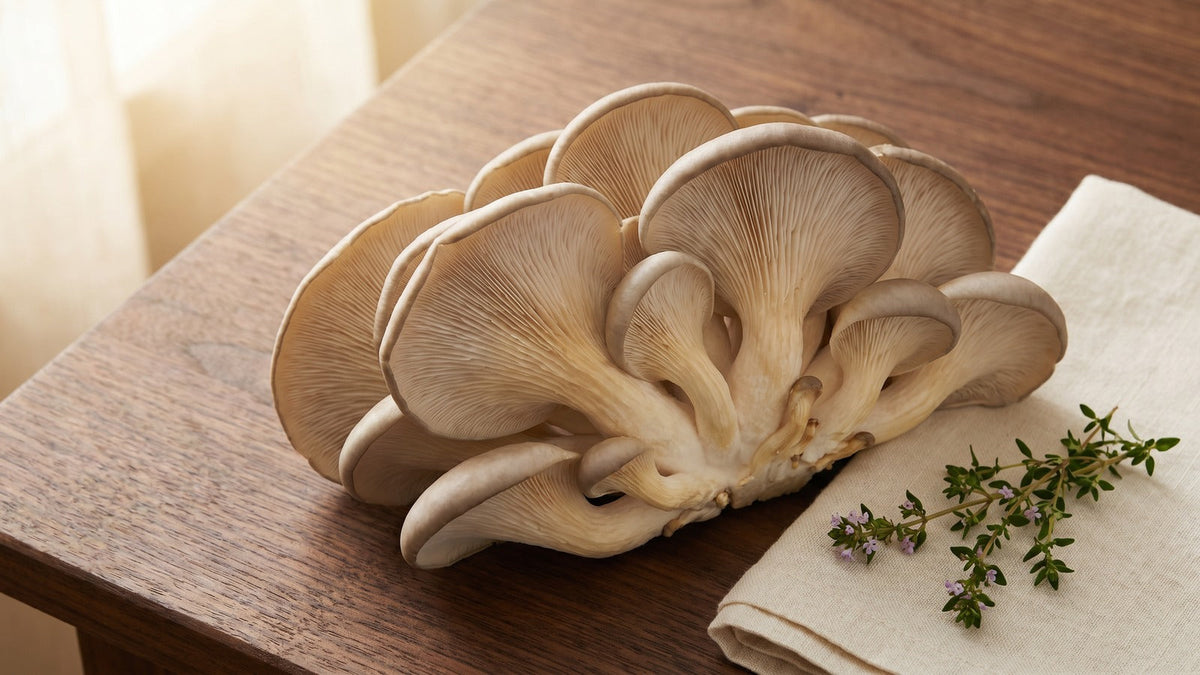
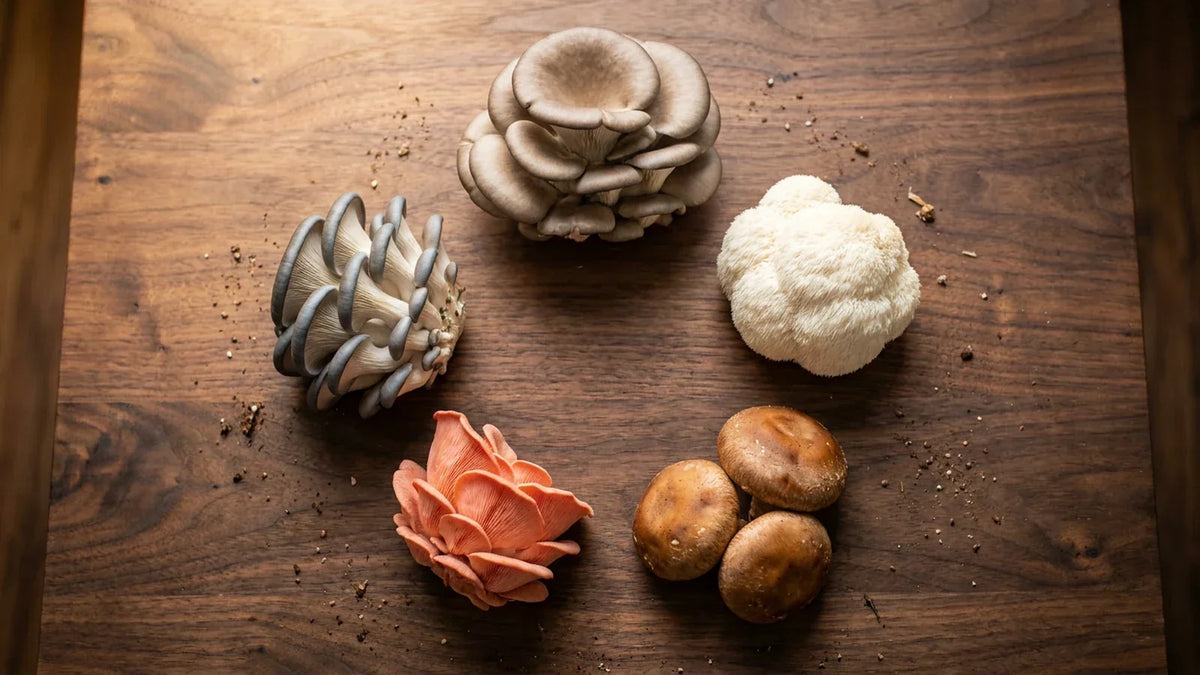
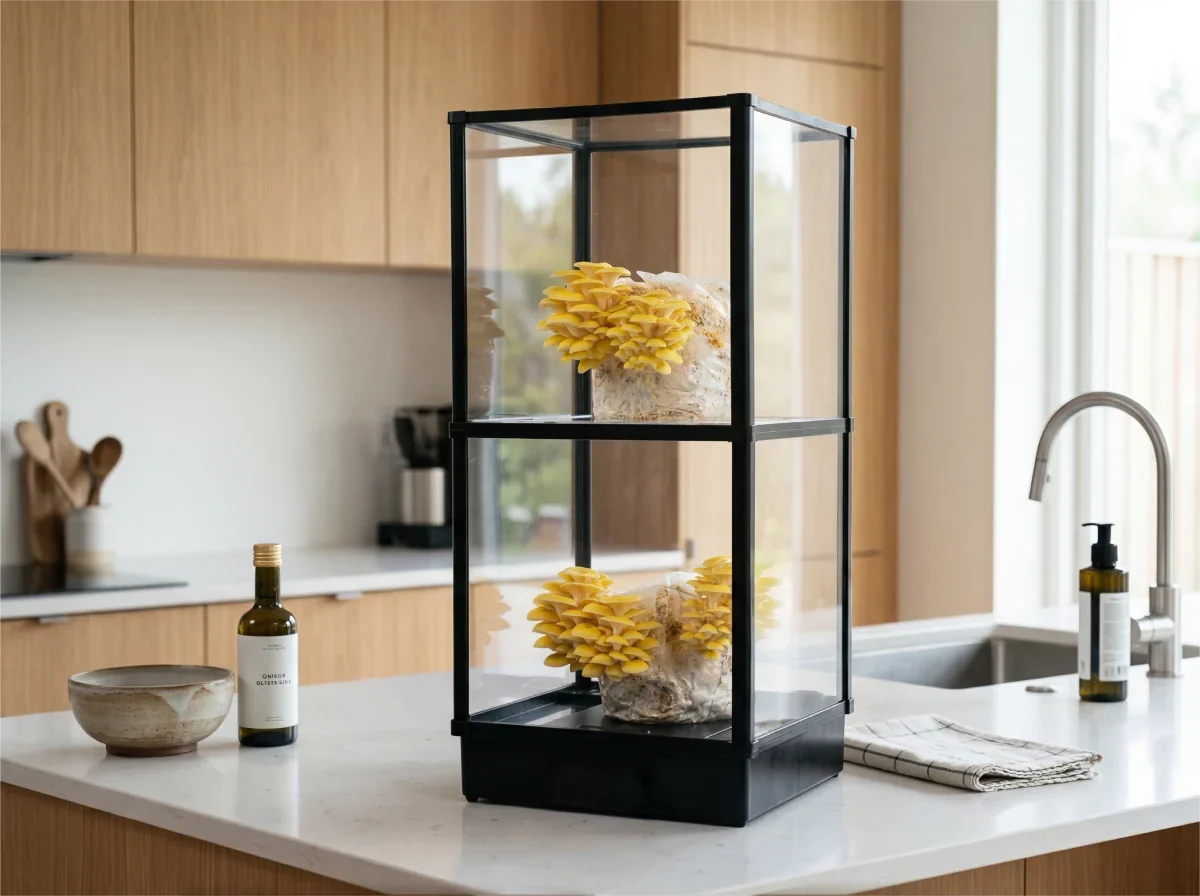
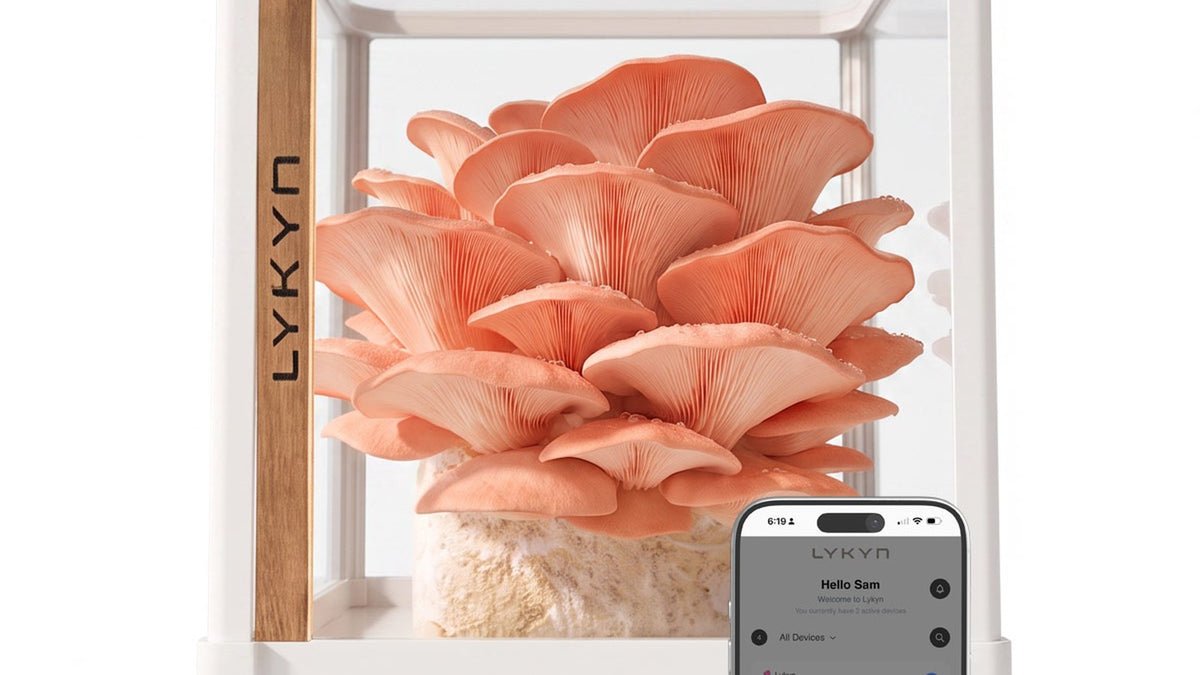
Oyster mushrooms top the beginner-friendly list for excellent reasons. These fast-growing fungi colonize substrate in just 2-3 weeks and tolerate variable conditions. Blue oyster, pink oyster, and golden oyster varieties each offer unique flavors and growing characteristics. Their aggressive colonization helps them outcompete contaminants, making them forgiving for new cultivators.
Lion's Mane (Hericium Erinaceus)
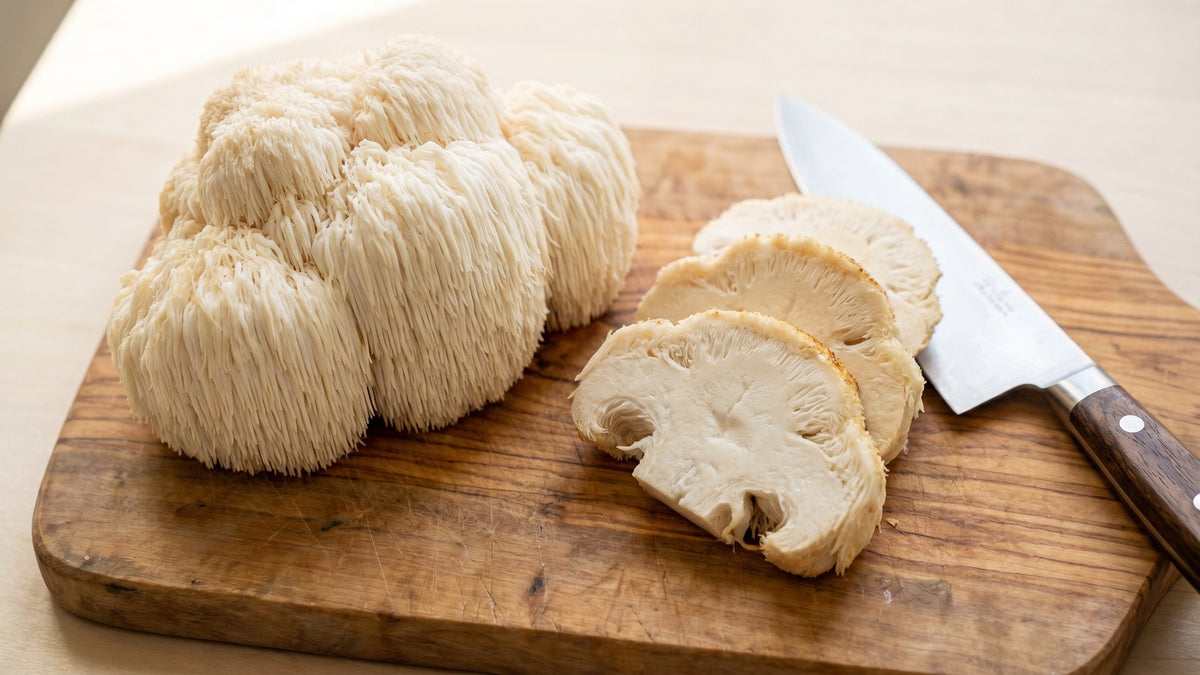
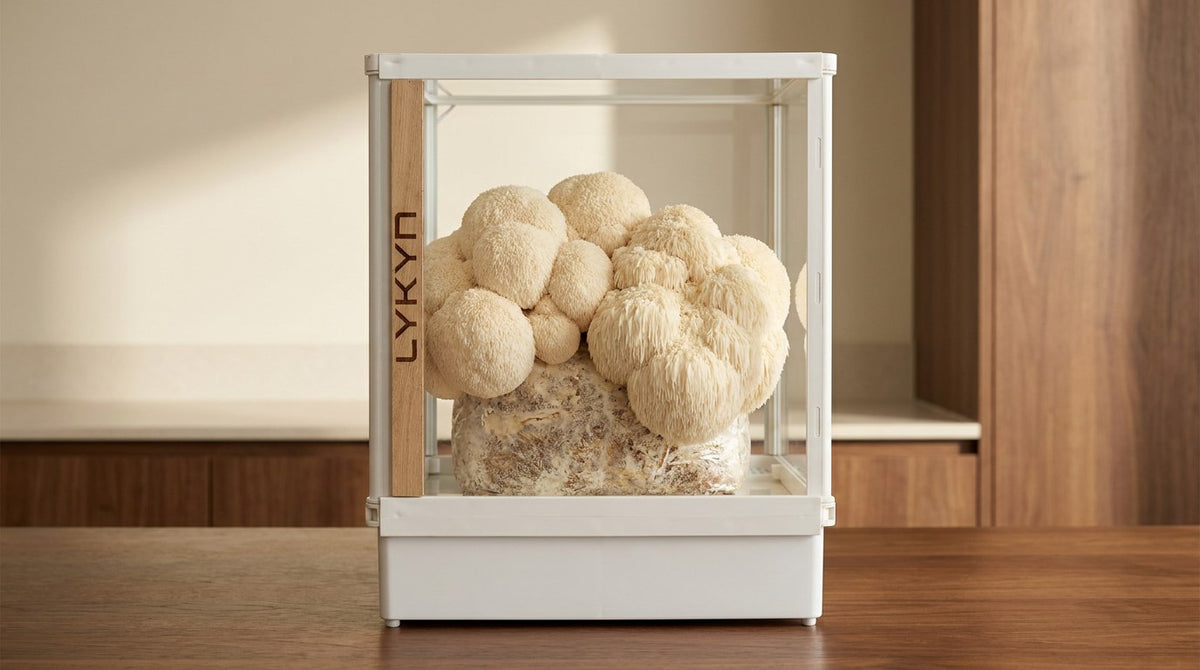
Lion's Mane mushrooms have gained massive popularity for their potential cognitive benefits. While slightly more demanding than oyster mushrooms, they remain accessible for beginners willing to maintain consistent humidity. The cascading white growth resembles icicles or a lion's mane, creating a stunning addition to any growing space. Learn more about the complete development process in our guide to Lion's Mane mushroom growth stages.
Shiitake (Lentinula Edodes)
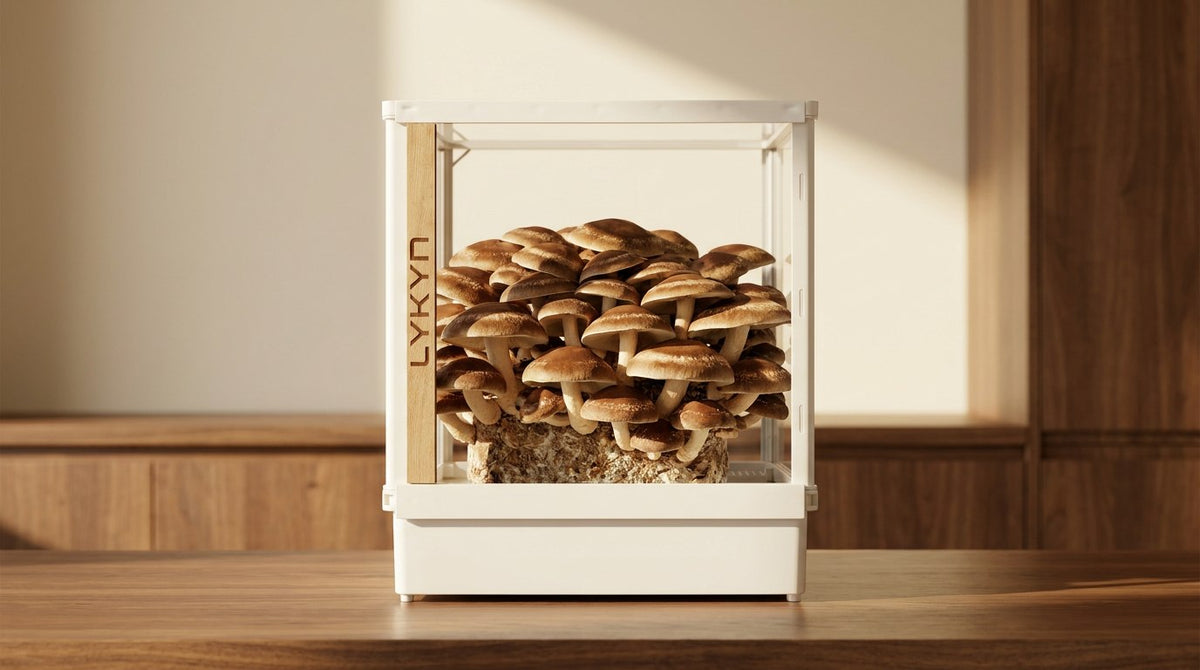
Shiitake mushrooms offer incredible flavor but require more patience than oyster varieties. They colonize substrate slowly, often 4-6 weeks, and need specific fruiting triggers like temperature drops. However, their long shelf life and culinary value make them worth the extra effort for dedicated growers.
Essential Equipment for Working with Mushroom Spore Kits
Success with spore kits depends heavily on having the right tools and maintaining proper sterile technique. Even tiny amounts of contamination can derail your entire growing project.
Sterile Work Environment
Creating a clean workspace is absolutely critical when working with spores. Most beginners start with a still air box, a simple plastic container with arm holes that minimizes air movement and reduces contamination. More advanced cultivators invest in laminar flow hoods, but they're not necessary for initial success.
Always clean your work area thoroughly with 70% isopropyl alcohol. Work away from heating vents, open windows, and high-traffic areas where airborne contaminants circulate. The moment you expose your sterile substrate or grain to open air, the contamination race begins.
Temperature and Humidity Control
Mushrooms demand specific environmental conditions at different growth stages. During colonization, most species prefer 70-75°F with moderate humidity. Once colonization completes and fruiting begins, requirements shift dramatically, usually needing 85-95% humidity with good air exchange.
Manual misting and fanning multiple times daily works but quickly becomes tedious. Automated systems like the Lykyn Smart Mushroom Grow Kit eliminate this hassle completely. The integrated ultrasonic humidifier with a 2.8-liter tank maintains perfect humidity for up to three weeks, while sealed and app-controlled fans ensure proper air exchange without contamination risk.
Basic Growing Supplies
Beyond the spore kit itself, you'll need several basic supplies. A spray bottle for misting provides immediate humidity control. Rubbing alcohol keeps surfaces sterile between work sessions. A sharp knife or scissors helps with harvesting. Clear plastic bags or containers create simple humidity chambers. Many growers also keep a lighter handy for flame-sterilizing needles and tools.

Step-by-Step: Using Your Mushroom Spore Kit
Working with spore kits follows a logical progression, but each step demands attention to detail. One mistake can introduce contamination that ruins weeks of work.
Step 1: Preparation and Sterilization
Begin by thoroughly cleaning your workspace and washing your hands. Wipe down all surfaces with 70% isopropyl alcohol. If using a still air box, spray the interior and let it settle for several minutes. Gather all supplies beforehand so you're not scrambling mid-process.
Flame-sterilize your spore syringe needle by heating it until glowing red, then letting it cool for 10-15 seconds. Shake your spore syringe vigorously to distribute spores evenly throughout the liquid. Some settling is normal during storage.
Step 2: Inoculation Process
Inoculation means introducing spores to your growing substrate or grain. If using pre-sterilized grain bags, locate the injection port, usually a self-healing rubber seal. Wipe the port with alcohol and insert your needle at a slight angle.
Inject 1-2 cc of spore solution per injection site. Most bags benefit from 3-4 injection points distributed around different areas. This increases colonization speed and provides backup if one injection point fails. After each injection, flame-sterilize your needle again before moving to the next site.
Step 3: Colonization Period
After inoculation, store your bags or containers in a dark location at optimal temperature. Over the next 2-6 weeks (depending on species), you'll watch white mycelium spread throughout the substrate. This stage requires patience, resist the urge to open bags or disturb growth.
Check daily for contamination signs like green, black, or pink coloration, or foul odors. Healthy mycelium appears bright white with a pleasant mushroom smell. If contamination appears, immediately remove affected bags to prevent spores from spreading to other projects.
Step 4: Fruiting Conditions
Once substrate fully colonizes with white mycelium, it's time to initiate fruiting. This typically requires exposing the colonized block to fresh air, light, and high humidity. Cut or remove part of the bag to allow mushroom development.
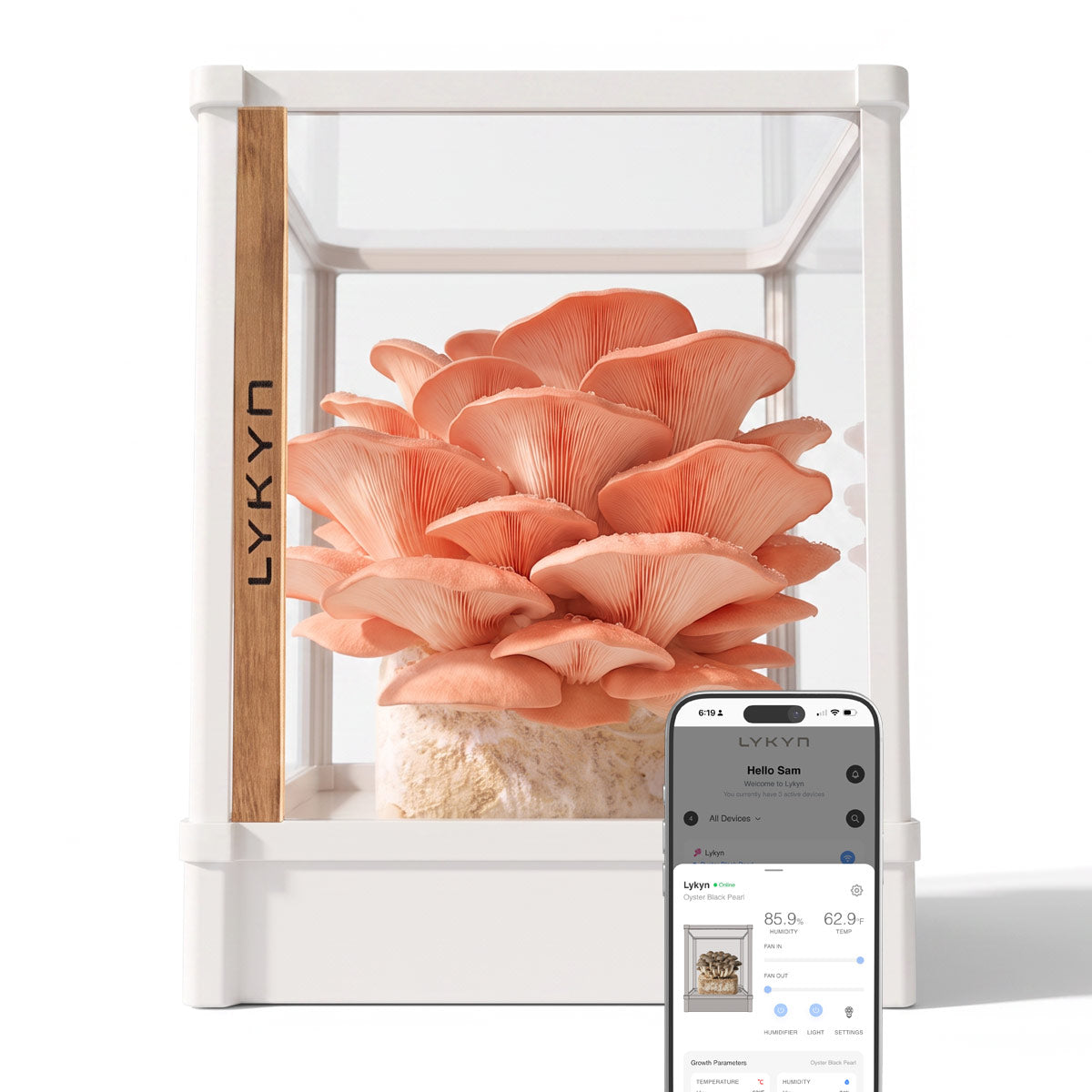
Maintaining perfect fruiting conditions manually demands dedication, misting 2-4 times daily and fanning for fresh air exchange. This is where many beginners struggle and where automated solutions shine. The Lykyn chamber handles all environmental controls automatically through its smartphone app, eliminating the risk of drying out or over-misting your mushrooms.
Common Challenges with Mushroom Spore Kits
Even experienced cultivators face challenges when working with spores. Understanding common problems helps you troubleshoot effectively and prevent repeated failures.
Contamination Issues
Contamination represents the single biggest challenge in mushroom cultivation. Green mold (Trichoderma), black mold (Aspergillus), and bacterial infections can overtake your substrate faster than mushroom mycelium. Prevention beats treatment every time, once contamination appears, that batch is usually lost.
Strict sterile technique is your best defense. Always work in clean environments, sterilize tools between uses, and never rush the process. The sealed design and built-in filtration in automated growing chambers significantly reduces contamination risk compared to open-air growing methods.
Slow or Stalled Colonization
Sometimes mycelium growth simply stops or proceeds extremely slowly. Temperature issues cause most stalled colonization, too cold and growth halts, too hot and mycelium dies. Maintain consistent temperatures within the optimal range for your species.
Insufficient moisture also slows colonization. Your substrate should feel like a wrung-out sponge, moist but not dripping. Old or weak spore genetics can also cause problems. Always purchase spores from reputable suppliers who guarantee viable, fresh products.
Poor Fruiting Results
You've successfully colonized your substrate, initiated fruiting conditions, but mushrooms won't form or develop poorly. This frustrating situation usually stems from environmental issues. Most mushrooms need high humidity (85-95%) during fruiting. They also require fresh air exchange to prevent carbon dioxide buildup, which causes deformed, elongated growth.
The trigger for fruiting often involves environmental changes, temperature drops, increased fresh air, or light exposure. Research your specific species to understand what triggers fruiting for best results. Our article on how to get mushroom spores provides additional insights into the complete cultivation cycle.
Mushroom Spore Kit vs. Complete Growing Systems
Understanding the differences between starting from spores and using complete growing systems helps you choose the right approach for your situation.
Time Investment Comparison
Spore kits require significantly more time from start to harvest. You'll spend 2-6 weeks in colonization before even beginning the fruiting stage. Complete systems using pre-colonized blocks typically fruit within 7-14 days of setup.
For busy professionals or those wanting quick results, pre-colonized options make more sense. Beginners serious about learning mycology benefit from experiencing the full growth cycle from spores. Check our comprehensive mushroom grow kit guide to compare different approaches.
Skill Level Requirements
Working with spores demands more technical knowledge and better sterile technique than ready-to-fruit systems. You're essentially starting from scratch, which means more opportunities for mistakes. However, this challenge builds valuable skills for advanced cultivation.
Pre-colonized fruiting blocks eliminate the most difficult technical aspects. You skip directly to the rewarding part, watching mushrooms develop and harvesting fresh fungi. The learning curve is much gentler, making them ideal for absolute beginners.
Cost Considerations
Spore syringes cost significantly less than complete grow kits, typically $10-20 compared to $30-60 for ready-to-fruit blocks. However, you'll also need to purchase or prepare substrate, which adds cost and complexity.
Long-term, working with spores and preparing your own substrate offers tremendous cost savings. Once you master the process, producing mushrooms becomes incredibly inexpensive. But the initial learning period often includes failed batches, which should factor into your cost calculations.
Advanced Tips for Maximizing Spore Kit Success
Once you've mastered basic spore kit techniques, several advanced strategies can improve your results dramatically.
Creating Spore Prints
After successfully fruiting mushrooms, collect your own spores by making spore prints. Place a mature mushroom cap gill-side down on clean paper or foil, cover with a glass, and wait 12-24 hours. You'll have millions of fresh spores for future grows, essentially providing unlimited free cultivation material.
Spore prints remain viable for years when stored properly in a cool, dark location. This skill transforms you from consumer to producer, reducing dependency on commercial suppliers. Our detailed guide on spore syringes covers advanced techniques for creating your own syringes from prints.
Optimizing Growth Conditions by Species
Different mushroom species thrive under specific conditions. Research your chosen variety thoroughly before beginning. Oyster mushrooms tolerate temperature variations and fruit readily, while shiitake demands precise conditions and specific fruiting triggers.
Maintain detailed notes about temperature, humidity, colonization speed, and yields. This data helps you refine your process and achieve consistent results. Many successful cultivators keep growing journals documenting every detail of their cultivation experiments.
Scaling Up Production
After mastering small-scale spore kit cultivation, scaling up becomes attractive. Purchase bulk substrate materials like hardwood sawdust, wheat bran, and gypsum. Invest in a pressure cooker for sterilizing larger quantities. Create multiple growing chambers or dedicate a room to cultivation.
The transition from hobbyist to serious cultivator requires more space and equipment investment. However, the satisfaction of producing pounds of fresh gourmet mushrooms weekly makes it worthwhile for dedicated growers. Consider the Lykyn Smart Mushroom Grow Kit as your primary fruiting chamber, its automated controls support consistent production across multiple batches.
Safety Considerations for Mushroom Spore Cultivation
While generally safe, mushroom cultivation does involve some health and safety considerations you should understand.
Spore Allergies and Respiratory Health
Mushroom spores can trigger allergic reactions in sensitive individuals. Professional cultivators sometimes develop respiratory issues from chronic spore exposure. The condition called hypersensitivity pneumonitis has been documented in mushroom workers, particularly those growing shiitake mushrooms.
Home growers face much lower risk due to smaller scale production. However, using proper ventilation and avoiding direct spore inhalation is wise. Automated systems with built-in spore filters, like the Lykyn chamber, capture spores before they escape into your living space, protecting air quality.
Never cultivate mushrooms in enclosed spaces without ventilation. Avoid breathing directly over fruiting mushrooms during misting. Consider wearing a basic dust mask when handling large quantities of dried mushrooms or collecting spores.
Proper Mushroom Identification
Only grow and consume mushrooms from verified, reputable sources. While mushroom grow kits and spore syringes from established suppliers are safe, never consume wild mushrooms without expert identification. Some toxic species closely resemble edible varieties.
For cultivated mushrooms, always cook them thoroughly before eating. Raw mushrooms can cause digestive upset even in edible species. Start with small portions when trying a new variety to ensure you don't have individual sensitivities.
Frequently Asked Questions About Mushroom Spore Kits
How long does it take to grow mushrooms from a spore kit?
Growing mushrooms from spores typically takes 4-8 weeks total from inoculation to harvest. The colonization phase requires 2-6 weeks depending on species and temperature. After colonization completes, fruiting and mushroom development adds another 1-2 weeks. Oyster mushrooms grow fastest (4-5 weeks total), while shiitake mushrooms may take 6-8 weeks or longer.
Can beginners successfully use mushroom spore kits?
Absolutely! While spore kits require more patience and sterile technique than pre-colonized blocks, beginners can definitely succeed with proper research and careful attention to cleanliness. Start with forgiving species like oyster mushrooms, follow instructions precisely, and don't get discouraged by initial failures. Many successful cultivators started with spore kits and learned through experience.
What's the difference between spore syringes and liquid culture?
Spore syringes contain dormant spores suspended in water, requiring time to germinate and colonize. Liquid culture contains actively growing mycelium in nutrient solution, colonizing substrate much faster. Liquid culture reduces colonization time by 50% or more but requires more advanced sterile technique to create. Check out our mushroom liquid culture collection for pre-made options.
How should I store unused mushroom spore syringes?
Store spore syringes in a refrigerator at 35-45°F for maximum longevity. Keep them in the original packaging away from light. Properly stored spore syringes remain viable for 6-12 months, sometimes longer. Bring syringes to room temperature before use and shake vigorously to redistribute settled spores. Never freeze spore syringes as ice crystals can damage spores.
What causes green mold contamination in mushroom grows?
Green mold, usually Trichoderma species, is the most common mushroom cultivation contaminant. It spreads through airborne spores present in virtually all environments. Contamination occurs when these spores land on your substrate before mushroom mycelium fully colonizes it. Prevention requires strict sterile technique, working in clean environments, and giving mushroom mycelium every advantage through proper inoculation and storage conditions.
Summary: Key Takeaways for Mushroom Spore Kit Success
Mushroom spore kits offer an affordable, educational entry point into home mushroom cultivation. Success requires understanding the complete growth cycle, maintaining sterile technique, and providing optimal environmental conditions throughout colonization and fruiting. While more time-intensive than ready-to-fruit blocks, working with spores builds foundational mycology knowledge and enables long-term, cost-effective mushroom production for dedicated growers.
Start Your Mushroom Growing Journey Today
Ready to experience the satisfaction of cultivating your own gourmet mushrooms? Whether you choose to start from spores or prefer the convenience of ready-to-fruit systems, the world of home mushroom cultivation offers endless possibilities.
For beginners wanting guaranteed success with minimal effort, the Lykyn Smart Mushroom Grow Kit eliminates guesswork through automated humidity and airflow control. Simply select your mushroom variety in the app and watch as your chamber maintains perfect growing conditions automatically. The integrated built-in filtration and spore capture system keeps your home environment clean while producing beautiful, bountiful harvests.
Browse our complete selection of mushroom growing supplies and start your cultivation adventure today. Fresh, organic mushrooms grown in your own home are just weeks away!
Share:
Button Mushroom Varieties: Everything You Need to Know About These Popular Fungi
The Complete Mushroom Grower's Guide: From Beginner to Expert Cultivator in 2025