


Here's a mind-blowing fact that might change everything you thought you knew about mushrooms: white button mushrooms, cremini mushrooms, and portobello mushrooms are actually the exact same species, just harvested at different stages of maturity.
Yes, you read that correctly. Those three completely different-looking mushrooms sitting in separate sections of your grocery store are all Agaricus bisporus, the world's most cultivated mushroom species. The white button is the toddler, the cremini is the teenager, and the portobello is the full-grown adult. This revelation isn't just a fun fact, understanding these growth stages fundamentally changes how you select, cook, and appreciate these remarkable fungi.
This comprehensive guide explores everything you need to know about button mushroom varieties, from their fascinating history and biological differences to practical advice on choosing the perfect mushroom for every dish. Whether you're a curious home cook or an aspiring mushroom cultivator, you'll discover why these humble fungi account for 90 percent of mushroom consumption in North America and how to make the most of each variety.
The Surprising Truth: One Species, Multiple Names
Button mushroom varieties represent one of nature's most successful examples of agricultural development. All belong to the species Agaricus bisporus, a basidiomycete mushroom native to grasslands in Eurasia and North America. What makes this species special isn't just its widespread cultivation, it's the remarkable transformation it undergoes as it matures.
The journey from button to portobello involves significant physical and chemical changes. As the mushroom ages, it loses moisture content, develops more robust flavors, and undergoes textural transformations that dramatically affect culinary applications. Understanding these changes helps you select the ideal mushroom variety for specific cooking methods and flavor profiles.
The commercial cultivation of button mushroom varieties has created a nearly one-billion-dollar industry in the United States alone. The average American consumes more than two pounds of mushrooms annually, with the vast majority being Agaricus bisporus in its various growth stages.
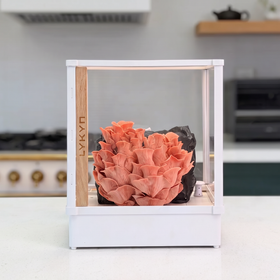
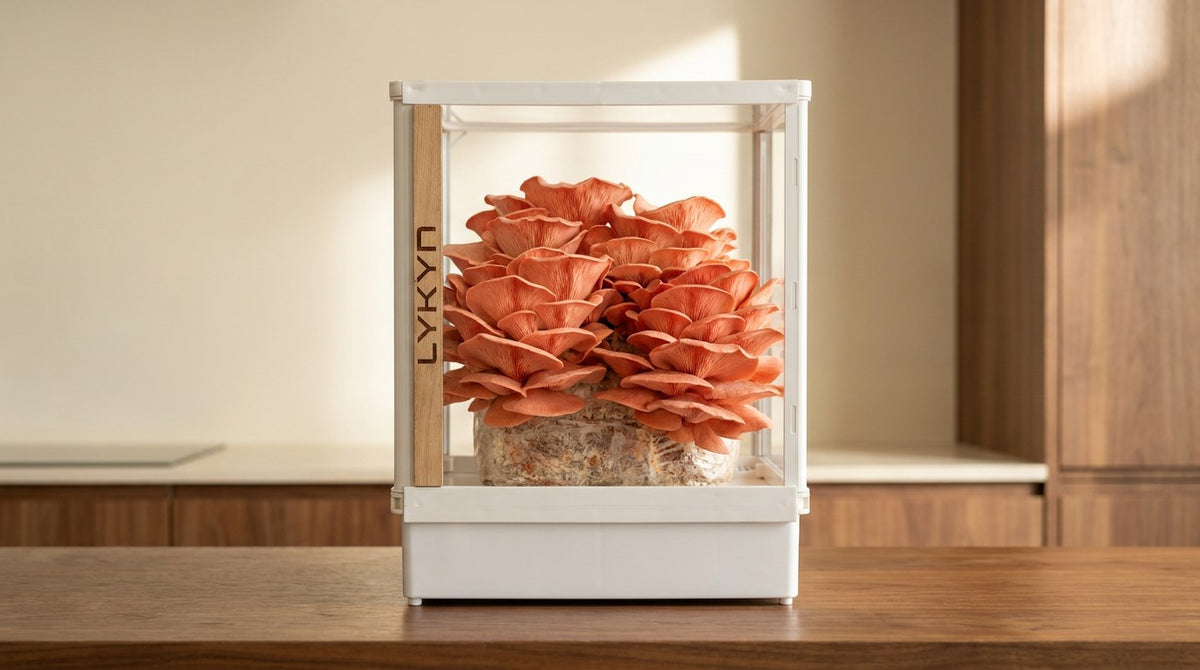
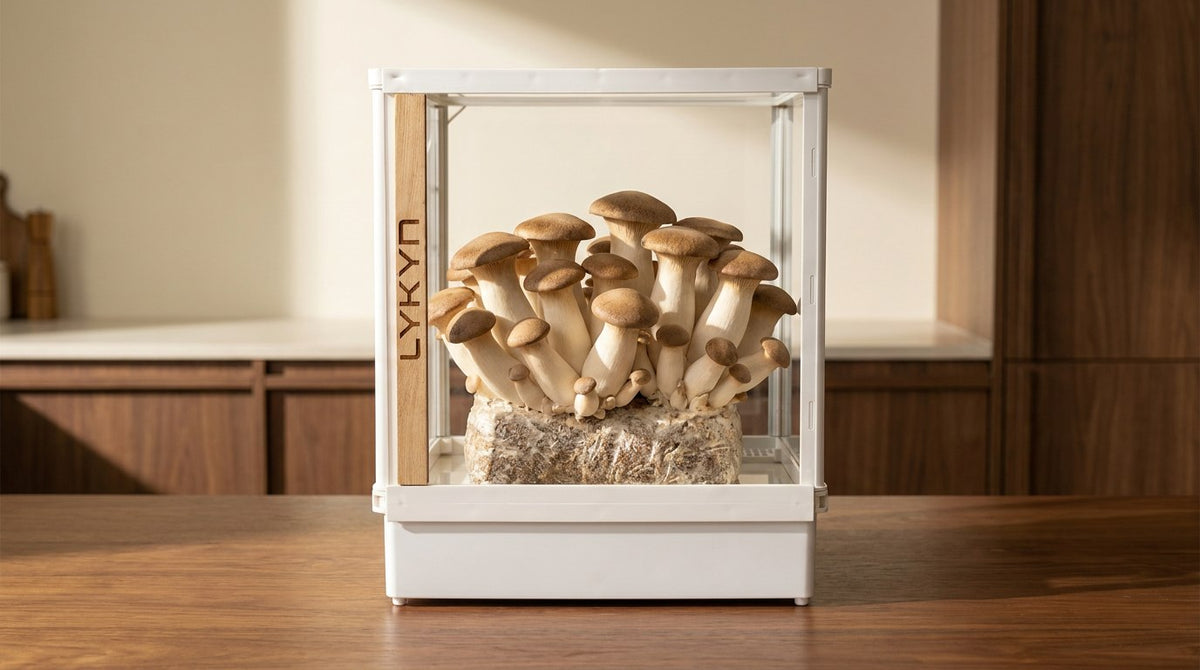
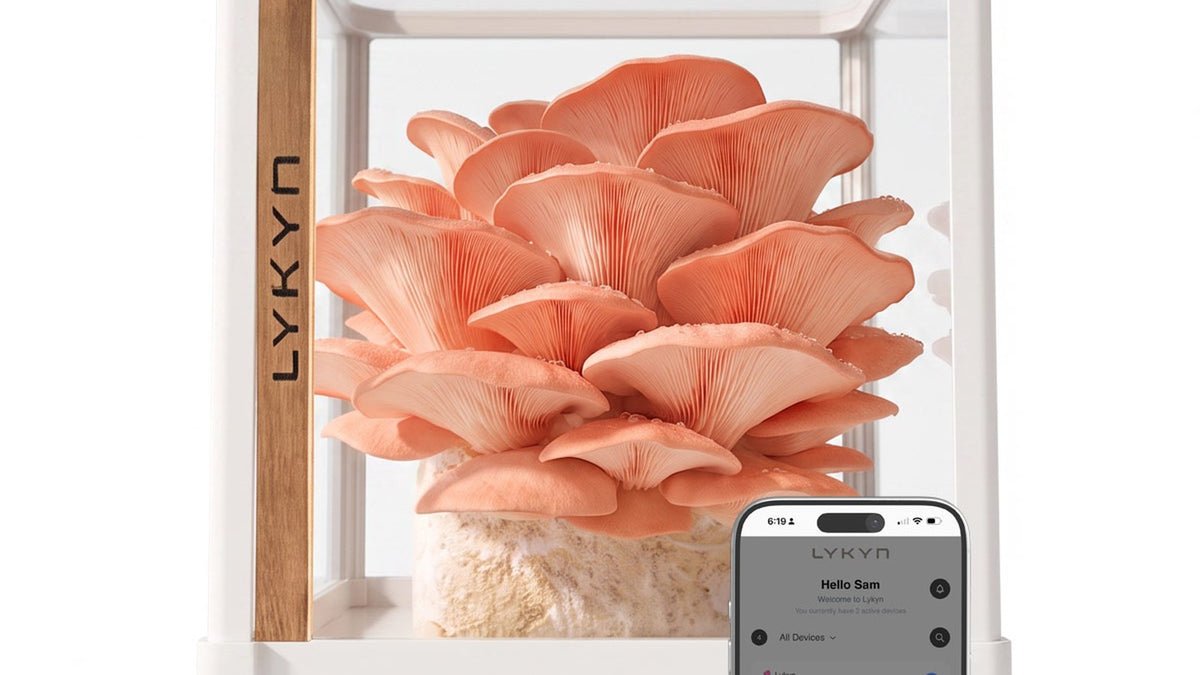
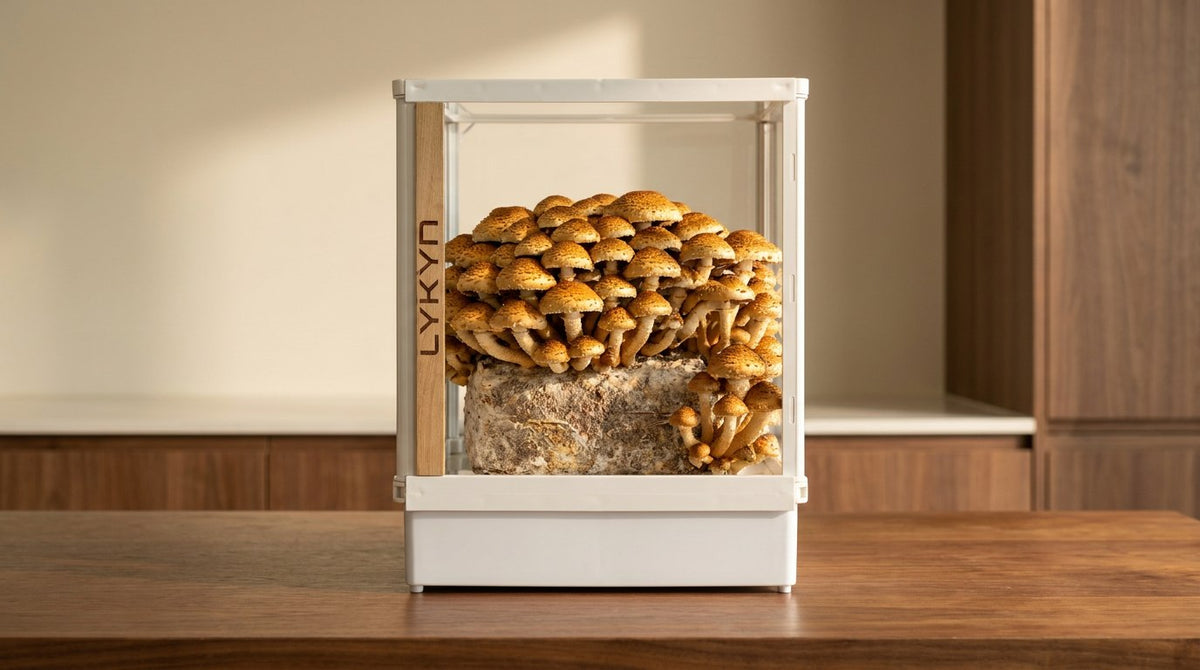
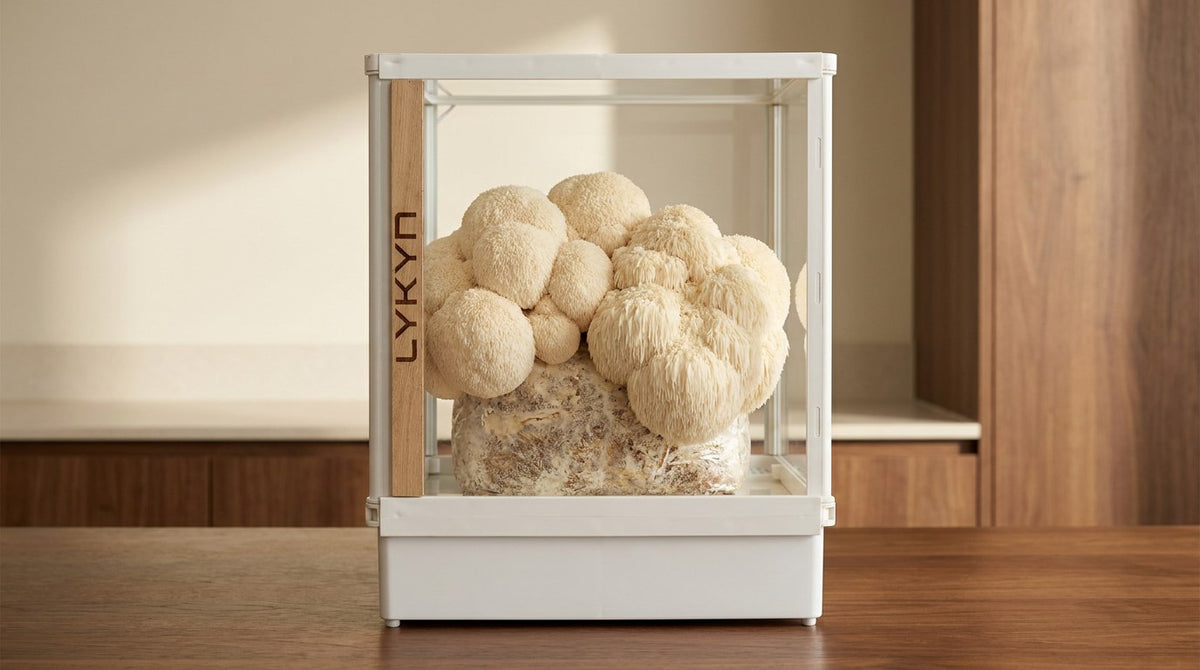
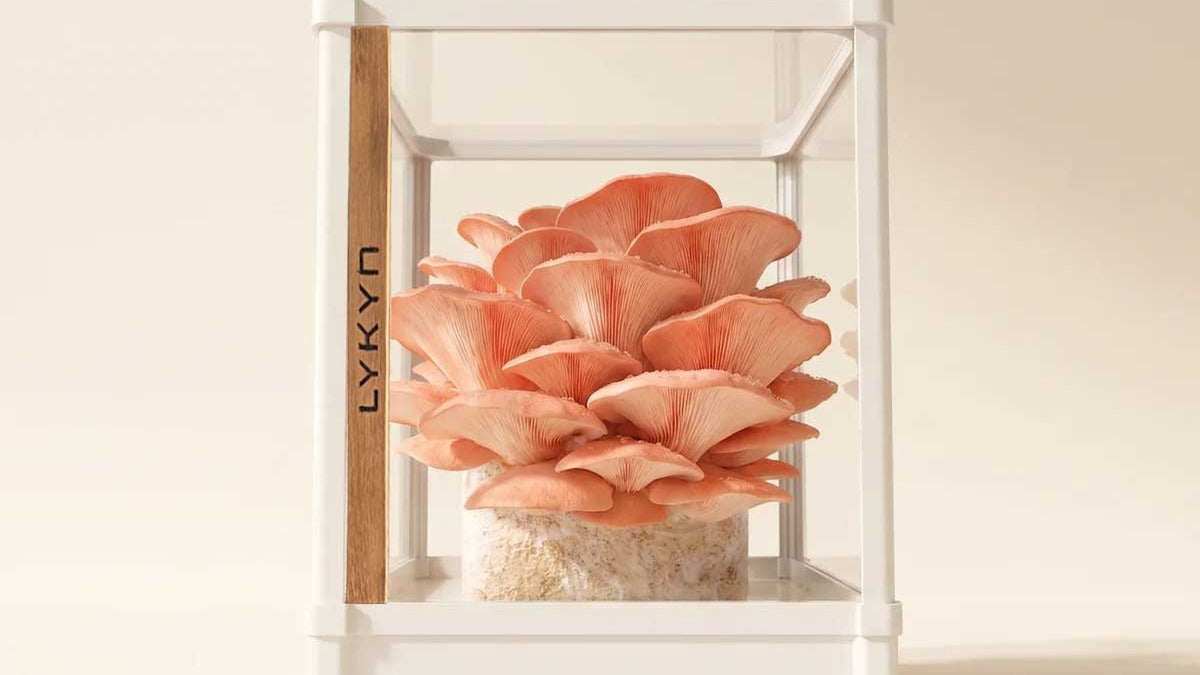
For those interested in growing their own mushroom varieties at home, the Lykyn Smart Mushroom Grow Chamber provides automated climate control that ensures successful cultivation of button mushrooms and other species. With intelligent humidity and airflow management, you can harvest fresh mushrooms at exactly the stage you prefer.

White Button Mushrooms: The Classic Choice
White button mushrooms represent the youngest, most immature form of Agaricus bisporus. These pristine white fungi are what most people envision when they think of mushrooms.
Physical Characteristics
White button mushrooms feature smooth, white to cream-colored caps measuring 1-2 inches in diameter. The caps are rounded and closed around short white stems, with gills hidden underneath. This closed-cap structure indicates youth, the mushroom hasn't yet opened to release spores.
The texture is firm yet tender with a slightly spongy quality. The stems are short and solid, typically 1-2 inches in length. When fresh, button mushrooms should feel dry to the touch with no sliminess or dark spots.
Flavor Profile and Culinary Uses
White button mushrooms offer the mildest flavor of all Agaricus bisporus varieties. Their subtle, earthy taste makes them incredibly versatile in the kitchen. They won't overpower other ingredients, making them perfect for dishes where you want mushroom texture without assertive flavor.
The mild profile intensifies during cooking. Sautéing or roasting concentrates their natural umami compounds, creating deeper, more satisfying flavors while maintaining a pleasant, approachable taste.
Best Applications:
- Raw in salads for crisp texture and mild flavor
- Pizza toppings that won't compete with other ingredients
- Cream-based soups where color consistency matters
- Stuffed mushroom appetizers with various fillings
- Quick sautés and stir-fries
White button mushrooms work exceptionally well when you need mushrooms to blend seamlessly into dishes rather than dominate them. Their pale color keeps sauces and soups looking clean and appetizing.
Historical Significance
The white button mushroom's dominance in the market resulted from a chance discovery in 1925. Louis Ferdinand Lambert, owner of Keystone Mushroom Farm in Coatesville, Pennsylvania, noticed a single white mushroom growing among his typical brown crop. As a trained mycologist, Lambert recognized the potential and propagated this natural mutation.
The white mushroom gained rapid popularity, mirroring the cultural preference for white bread during that era. Consumers found the pale, pristine appearance more attractive than brown varieties, and within decades, white buttons became the standard, accounting for the vast majority of mushroom production.
Cremini Mushrooms: The Middle Ground
Cremini mushrooms (also called baby bella, baby portobello, crimini, or Italian brown mushrooms) represent the middle stage of Agaricus bisporus development. They're allowed to grow longer than button mushrooms but harvested before reaching full portobello maturity.
Physical Characteristics
Cremini mushrooms display tan to dark brown caps measuring 1.5-2 inches in diameter. The caps remain relatively rounded with a closed veil covering brown gills underneath. When truly fresh, this veil should be intact, if the gills are exposed, the mushroom has begun transitioning toward portobello stage.
The brown coloring comes from longer growing time, allowing natural pigments to develop. The stems are white and slightly firmer than button mushrooms, with a more substantial feel overall.
Flavor and Texture Differences
Here's where things get interesting: cremini mushrooms taste noticeably different from their younger white button siblings. The additional growing time allows flavor compounds to concentrate, creating a deeper, earthier, more pronounced mushroom taste.
The texture also becomes slightly firmer and meatier. This improved structure holds up better during cooking, making creminis excellent for recipes requiring longer cooking times or higher temperatures.
Culinary Applications
Cremini mushrooms excel in applications where you want robust mushroom flavor without the full intensity of portobellos:
Ideal Uses:
- Mushroom bourguignon and hearty stews
- Risottos where mushroom flavor should shine
- Pasta sauces requiring depth
- Grilling and roasting applications
- Soups where darker color is acceptable
- Sautéed side dishes for steaks and roasts
Many chefs prefer creminis over white buttons for their superior flavor and texture. They offer a noticeable upgrade without the strong, sometimes divisive taste that portobellos can bring.
The price difference between white buttons and creminis is typically minimal, often just a dollar or two per pound, making them an affordable way to elevate everyday dishes.
Portobello Mushrooms: The Mature Stage
Portobello mushrooms (also spelled portabella or portabello) represent fully mature Agaricus bisporus specimens. These impressive fungi have been allowed to grow significantly larger, developing the characteristics that make them unique.
Physical Characteristics
Portobello mushrooms feature massive caps measuring 4-6 inches in diameter, sometimes even larger. The caps flatten out completely as they mature, losing the rounded button shape entirely. The brown color deepens, and visible scales may appear on the cap surface.
The defining characteristic is the open veil revealing dark brown to black gills underneath. This opening occurs naturally as the mushroom releases spores, signaling full maturity. The gills are crowded and dramatic, giving portobellos their distinctive appearance.
Stems remain relatively short compared to cap size, typically 1-2 inches. The stems are thick and substantial but often woody, leading many cooks to remove them before cooking.
Flavor and Texture Evolution
Portobellos undergo the most dramatic transformation in flavor and texture. The extended growing period causes significant moisture loss, concentrating all flavor compounds into a much more intense package.
The taste is deeply savory with pronounced umami notes. It's earthy, almost meaty, with a complexity that younger mushrooms simply cannot match. Some describe the flavor as having slight anise or seafood undertones.
The texture becomes notably drier and denser, truly meat-like in its substantial chew. This quality makes portobellos famous as vegetarian "steaks" and burger substitutes.
Culinary Applications
Portobellos shine in applications leveraging their size, flavor, and texture:
Signature Uses:
- Grilled whole as vegetarian steak substitutes
- Burger replacements (the original "mushroom burger")
- Stuffed with various fillings for impressive presentations
- Roasted and sliced for sandwiches
- Meat replacement in fajitas and stir-fries
- Thick-sliced for robust pasta dishes
The large cap size makes portobellos ideal for preparations impossible with smaller mushrooms. You can stuff them with entire meals, grill them like steaks, or use caps as "buns" for low-carb burgers.
Pro Tip: Remove the dark gills before cooking if you want to prevent dishes from turning gray or black. Simply scrape them out with a spoon. However, these gills are completely edible and add concentrated mushroom flavor, removal is purely aesthetic.
For more ideas on working with larger mushroom varieties, check out our guide on black pearl mushroom recipes which includes techniques applicable to portobellos.
Specialty Strains and Cultivars
While white buttons, creminis, and portobellos dominate the market, specialized breeding programs have developed unique Agaricus bisporus strains with specific characteristics.
Commercial Cultivars
Modern mushroom cultivation relies primarily on hybrid strains descended from the Horst U1 and U3 varieties developed in the Netherlands during the 1980s. These foundational strains exhibit:
- Reliable fruiting patterns
- Resistance to common diseases
- Consistent cap color and texture
- Optimal growth rates for commercial production
- Predictable yield characteristics
Most commercial operations use varieties genetically similar to these original Horsts, though continuous breeding efforts aim to improve disease resistance, shelf life, and flavor characteristics.
Domestically Bred Varieties
Various countries have developed localized strains optimized for regional growing conditions:
Notable Examples:
- Saea, Saejung, Saedo, and Saeyeon (Korean cultivars)
- Various European strains adapted for specific climates
- North American varieties optimized for indoor cultivation
- Strains bred for enhanced vitamin D production under UV exposure
These specialized varieties may show differences in:
- Growth speed and fruiting patterns
- Cap shape and color uniformity
- Stem thickness and length
- Flavor intensity and texture
- Storage life and transport resilience
The Narrow Genetic Base Challenge
One significant challenge facing button mushroom cultivation is the remarkably narrow genetic diversity among commercial strains. Most cultivated varieties share substantial genetic similarity, making the entire industry vulnerable to diseases and limiting opportunities for breeding improvements.
Research efforts focus on:
- Exploring wild Agaricus bisporus populations for genetic diversity
- Developing molecular markers for cultivar discrimination
- Creating new hybrids with improved characteristics
- Identifying strains with unique beneficial properties
For home growers using systems like the Lykyn Smart Mushroom Grow Kit, commercial strain limitations matter less since you can experiment with different varieties and growth conditions to find what works best in your environment.
Agaricus Bisporus Relatives
While discussing button mushroom varieties, it's worth noting related Agaricus species sometimes confused with cultivated varieties:
Agaricus Bitorquis (Summer Button Mushroom)
Sometimes called the spring agaricus or pavement mushroom, this close relative grows naturally in urban environments, often pushing through pavement and packed soil. It's edible and cultivated on a smaller scale, particularly in warmer climates.
Agaricus Campestris (Meadow Mushroom)
The wild field mushroom resembles button mushrooms and grows naturally in grassy fields after rainfall. It's completely edible and prized by foragers for its superior flavor compared to cultivated buttons.
Important Safety Note: Several poisonous mushrooms can resemble button mushrooms to untrained eyes. The destroying angel (Amanita species) and Agaricus xanthodermus (yellow-staining mushroom) are dangerous lookalikes. Never forage wild mushrooms without expert identification, stick to cultivated varieties or learn from experienced mycologists.
How Maturity Affects Nutrition
All button mushroom varieties provide similar nutritional benefits since they're the same species, but maturity does cause some differences:
Moisture Content
As mushrooms mature, they lose water:
- Button mushrooms: Highest moisture content (about 92%)
- Cremini mushrooms: Moderate moisture loss (about 90%)
- Portobello mushrooms: Lowest moisture (about 88%)
This moisture loss concentrates nutrients, meaning portobellos deliver more nutrition per weight than buttons.
Vitamin D Content
All Agaricus bisporus varieties can produce vitamin D when exposed to UV light. However, the larger surface area and extended growing time of portobellos may allow greater vitamin D accumulation under the same exposure conditions.
Protein and Mineral Density
The moisture loss during maturation concentrates protein and minerals, making portobellos more nutrient-dense per serving. However, the differences are relatively modest, all stages provide excellent nutrition.
For comprehensive information about mushroom nutritional benefits, see our detailed guide on benefits of button mushrooms in diet.
Choosing the Right Variety for Your Dish
Selecting the appropriate button mushroom variety dramatically affects your cooking results. Here's a practical guide:
Choose White Button Mushrooms When:
- You need mild flavor that won't overpower other ingredients
- Color consistency matters (cream soups, white sauces)
- Cooking for picky eaters or children
- Using mushrooms raw in salads
- Budget is the primary concern (often least expensive)
Choose Cremini Mushrooms When:
- You want noticeable mushroom flavor without intensity
- Making mushroom-forward dishes like risotto or pasta
- Cooking with robust ingredients that can handle stronger flavor
- Seeking better texture retention during longer cooking
- Willing to spend slightly more for flavor improvement
Choose Portobello Mushrooms When:
- You need substantial size for stuffing or grilling
- Creating vegetarian main courses requiring "meaty" texture
- Making dishes where intense mushroom flavor is desired
- Using mushrooms as meat replacements
- Appearance and presentation are priorities
Storage and Shelf Life Differences
Mushroom variety affects storage life due to moisture content differences:
White Button Mushrooms
Store properly in paper bags in the refrigerator for 5-7 days. Their higher moisture content makes them more perishable. Watch for sliminess or dark spots indicating spoilage.
Cremini Mushrooms
Slightly longer storage life of 7-10 days due to lower moisture and firmer texture. The brown color also masks minor discoloration that would be obvious on white buttons.
Portobello Mushrooms
Best storage life at 7-10 days, sometimes longer. The drier, more robust structure resists deterioration. However, the exposed gills can darken further, which is cosmetic rather than indicative of spoilage.
For all varieties, proper storage is critical. See our comprehensive guide on how to keep mushrooms fresh for expert storage techniques that maximize shelf life.
Growing Your Own Button Mushroom Varieties
Home cultivation gives you complete control over harvest timing, allowing you to enjoy mushrooms at any maturity stage you prefer. You can harvest young buttons, wait for cremini-stage development, or let them fully mature into portobellos, all from the same cultivation.
Timing Your Harvest
For White Buttons: Harvest when caps are closed around stems, typically 14-21 days after pinning begins. The mushrooms should be white to cream colored with no visible gills.
For Creminis: Allow 3-5 additional days of growth beyond button stage. Caps will begin expanding slightly and developing brown color while veils remain mostly intact.
For Portobellos: Continue growing 7-10 more days until caps fully flatten and open, revealing mature gills. These take significantly more time and resources than younger stages.
Cultivation Advantages
Growing your own offers multiple benefits:
- Harvest at exact maturity you prefer
- Ensure maximum freshness
- Avoid pesticides and questionable growing practices
- Experience the full mushroom life cycle
- Substantial cost savings over store-bought
- Educational opportunity for families
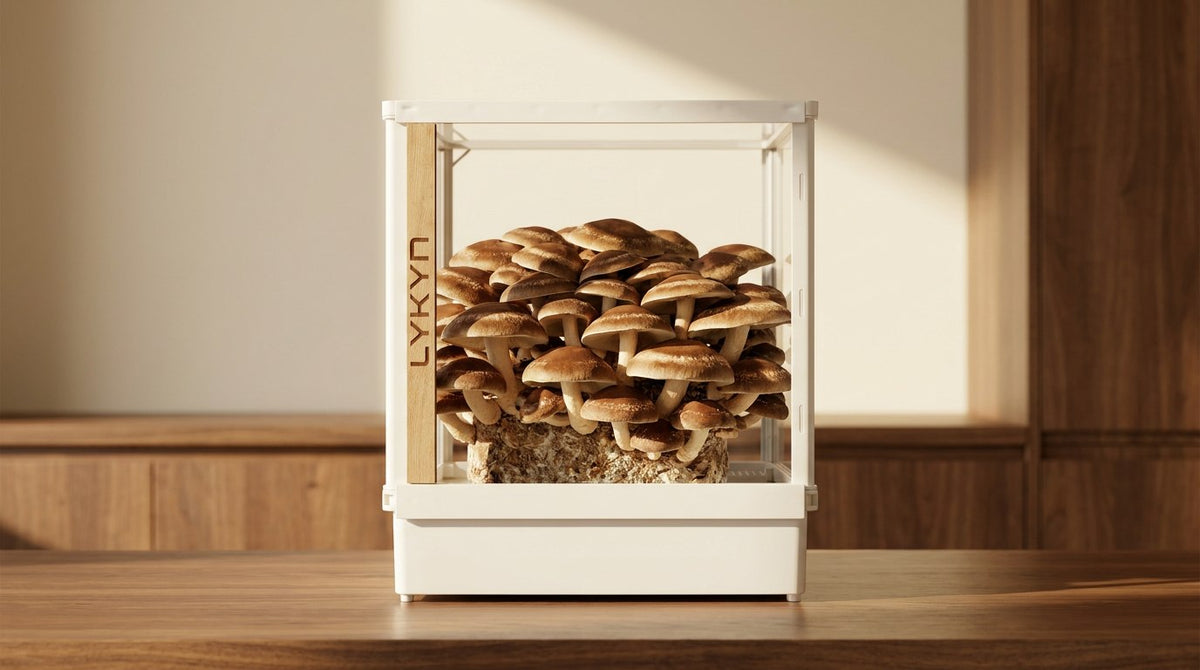
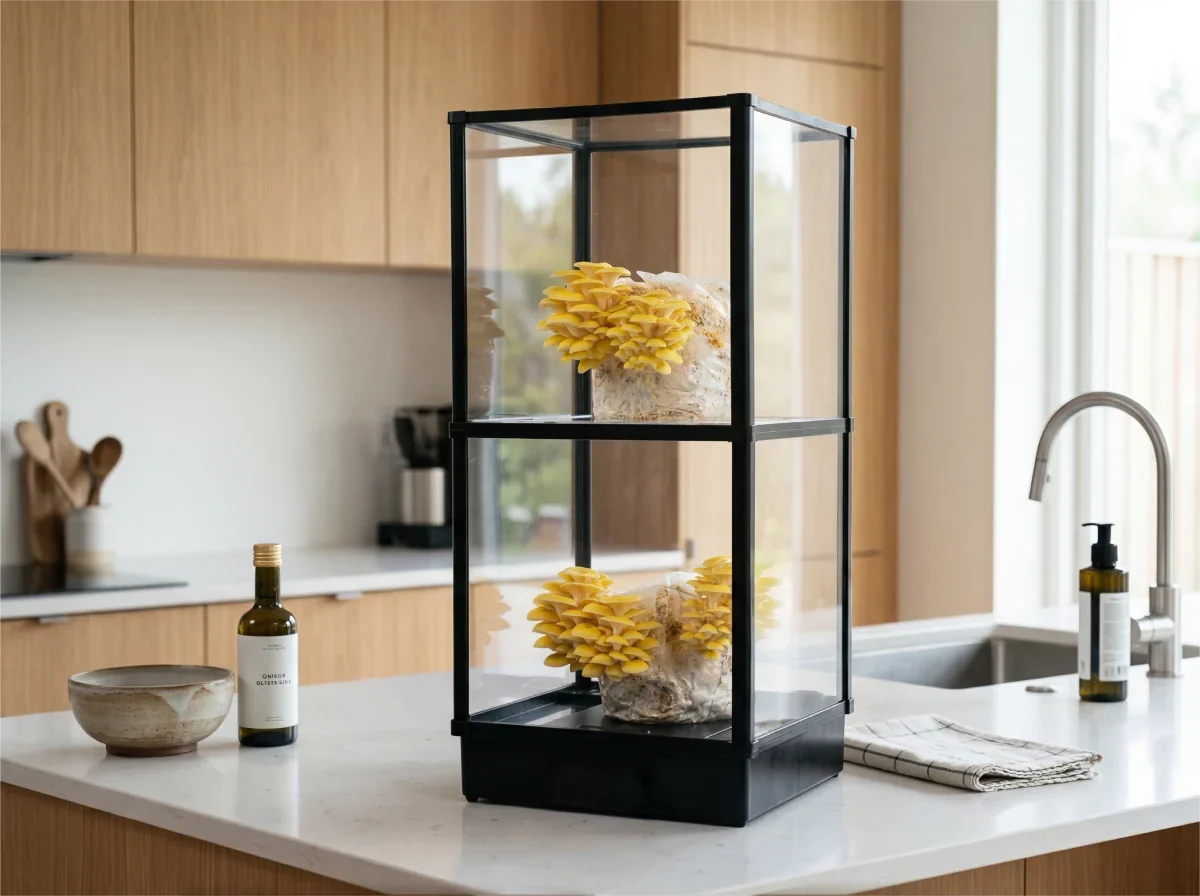
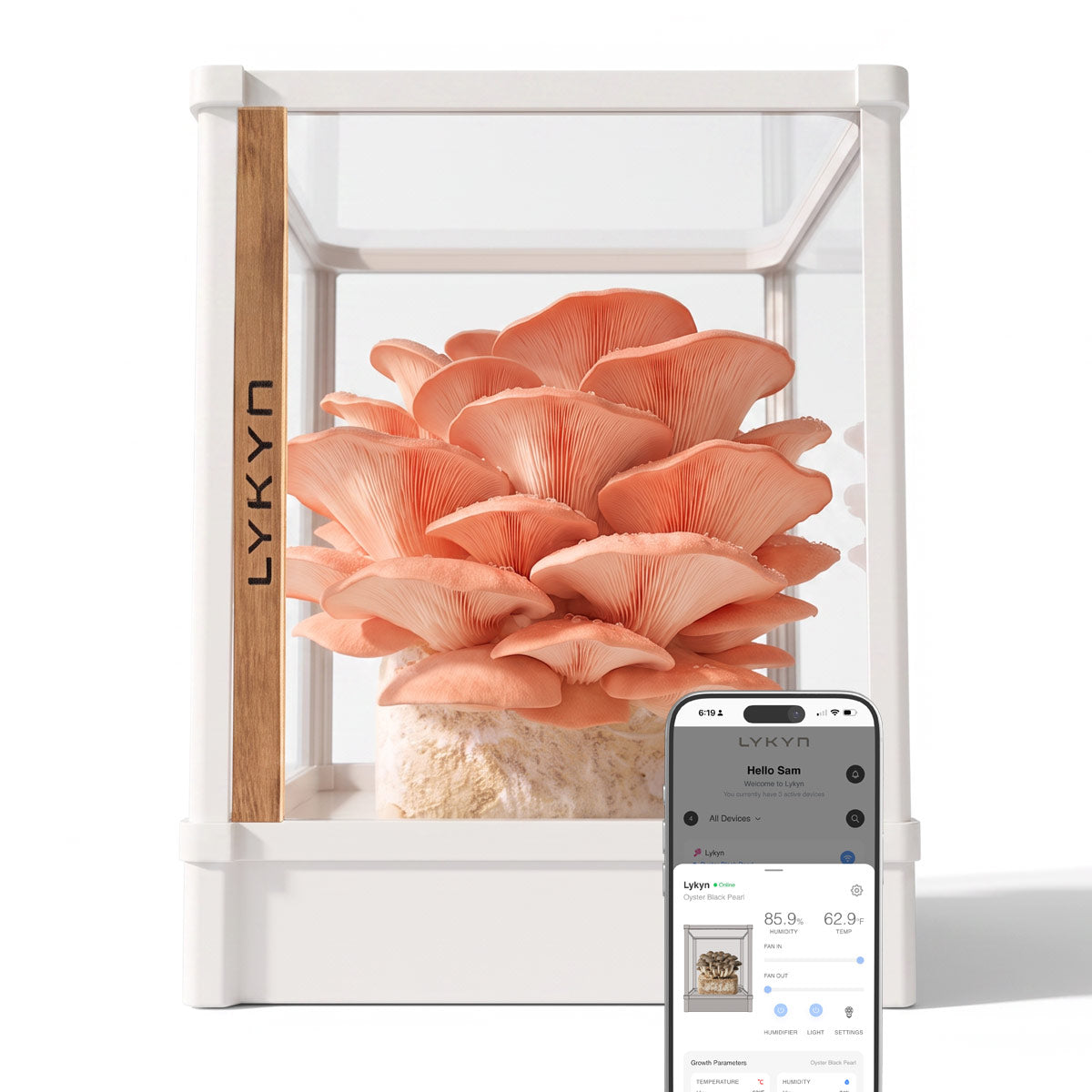
The Lykyn Smart Mushroom Grow Chamber makes home cultivation remarkably simple by automating the complex environmental requirements button mushrooms need. The system maintains perfect humidity, temperature, and fresh air exchange, ensuring successful harvests regardless of experience level.
For step-by-step guidance on getting started, visit our mushroom grow kit for beginners resource which covers everything from setup to harvest.
Cooking Methods by Variety
Different button mushroom varieties respond differently to cooking techniques:
Sautéing
- Buttons: Quick cooking (4-5 minutes) due to high moisture
- Creminis: Medium cooking time (6-8 minutes) for flavor development
- Portobellos: Longer cooking (10-12 minutes) to ensure thorough doneness
Roasting
- Buttons: 375°F for 15-18 minutes, stirring once
- Creminis: 400°F for 20-25 minutes for caramelization
- Portobellos: 425°F for 25-30 minutes, flipping halfway
Grilling
- Buttons: Thread on skewers, grill 8-10 minutes
- Creminis: Grill in basket or on foil, 10-12 minutes
- Portobellos: Grill caps directly on grates, 5-6 minutes per side
For detailed cooking instructions across all methods, see our comprehensive guide on how to cook button mushrooms.
Frequently Asked Questions About Button Mushroom Varieties
Are white button mushrooms and baby bellas really the same mushroom?
Yes, absolutely. White button mushrooms and baby bellas (cremini mushrooms) are both Agaricus bisporus, the only difference is maturity. Buttons are harvested young while still white, while creminis are allowed to grow longer and develop brown coloring. They're literally the same species at different ages.
Why do cremini mushrooms cost more than white buttons?
Cremini mushrooms take longer to grow than white buttons, several additional weeks of cultivation time, resources, and space. This increased production cost translates to slightly higher retail prices, though the difference is typically modest (usually $1-2 per pound).
Can I substitute one variety for another in recipes?
Generally yes, though flavor intensity increases from buttons to creminis to portobellos. You can substitute freely when flavor differences won't significantly impact the dish. However, portobellos' strong taste may overpower delicate recipes designed for mild buttons.
How do I know which maturity stage I'm buying?
Look at cap size, color, and whether gills are visible. White buttons have small, closed white caps. Creminis have brown caps (1.5-2 inches) with closed or barely opening veils. Portobellos have large, flat brown caps (4-6 inches) with fully exposed gills.
Do all button mushroom varieties have the same health benefits?
Yes, nutritionally they're very similar since they're the same species. The main difference is that moisture loss during maturation concentrates nutrients slightly, making portobellos marginally more nutrient-dense per weight. All stages provide excellent B vitamins, selenium, potassium, and potential vitamin D.
For more information about nutritional aspects, explore our article on shiitake mushroom benefits which discusses mushroom nutrition across different species.
Quick Summary: Button Mushroom Varieties Explained
Button, cremini, and portobello mushrooms are all Agaricus bisporus at different maturity stages. White buttons are youngest with mild flavor and closed caps. Creminis are middle-stage with brown color, firmer texture, and earthier taste. Portobellos are fully mature with large flat caps, exposed gills, and intense meaty flavor. Choose buttons for mild applications and raw use, creminis for balanced mushroom flavor in cooked dishes, and portobellos for substantial vegetarian mains and grilling. All varieties provide similar nutrition with minor concentration differences due to moisture loss during maturation.
Embrace the Full Spectrum of Button Mushroom Varieties
Understanding that button, cremini, and portobello mushrooms are the same species at different life stages fundamentally changes how you approach mushroom selection and cooking. Instead of treating them as completely separate ingredients, you can now make informed choices based on the specific characteristics each maturity stage brings to your dishes.
The beauty of Agaricus bisporus lies in its versatility. Whether you need the mild subtlety of white buttons, the balanced earthiness of creminis, or the robust meatiness of portobellos, you're working with a single remarkable species that has fed humans for centuries and continues to be one of the most popular foods worldwide.
By choosing the appropriate variety for each application, and understanding how maturity affects flavor, texture, and cooking behavior, you'll create better dishes and waste less food. The small price differences between varieties become insignificant when you consider the dramatic impact the right choice makes on your finished dish.
Ready to explore the full potential of button mushroom varieties? Consider growing your own with the Lykyn Smart Mushroom Grow Chamber, which gives you complete control over harvest timing. Experience mushrooms at every stage of maturity, from tender young buttons to fully developed portobellos, all from a single cultivation.
Start your mushroom journey today and discover why Agaricus bisporus has earned its place as the world's most beloved cultivated fungus. Your cooking, and your dinner guests, will benefit from this knowledge for years to come.
Share:
The Ultimate Guide to Cooking Perfect Button Mushrooms Every Time
Mushroom Spore Kit: Your Complete Guide to Starting Home Mushroom Cultivation