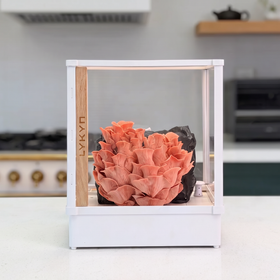



Want to know how to grow shrooms at home? You're in the right place. Growing mushrooms has become one of the most rewarding and accessible indoor gardening activities, offering fresh gourmet fungi right from your kitchen counter. Whether you're interested in cultivating oyster mushrooms, shiitake, or lion's mane, this comprehensive guide will teach you exactly how to grow shrooms successfully, even if you've never grown anything before.
The best part? Modern technology has made learning how to grow shrooms incredibly simple. Gone are the days of complicated setups and constant failures. Today's automated systems take the guesswork out of cultivation, allowing you to harvest fresh mushrooms in just 1-3 weeks.
Why Learn How to Grow Shrooms at Home?
Before diving into the techniques, let's explore why so many people are discovering how to grow shrooms in their own homes.
Fresh mushrooms from the grocery store often sit for days or weeks before reaching your plate. When you grow shrooms yourself, you harvest them at peak freshness, ensuring maximum flavor and nutritional value. Homegrown mushrooms taste noticeably better, richer, more complex, and without the waterlogged texture of store-bought varieties.
Learning how to grow shrooms also saves money long-term. A single growing setup can produce multiple harvests over several months. Quality grow kits produce 1-2 pounds of fresh mushrooms per cycle, with most varieties providing 2-4 flushes from one substrate block.
Growing shrooms connects you with sustainable food production. Mushrooms require minimal water compared to traditional crops, grow on agricultural waste products, and can be cultivated year-round regardless of weather. The spent substrate makes excellent garden compost, completing a natural cycle.

Understanding the Basics: How Shrooms Actually Grow
Before you learn the practical steps of how to grow shrooms, understanding their unique biology helps you make better decisions throughout the process.
Unlike plants that grow from seeds, mushrooms develop from microscopic spores or mycelium, the root-like network that absorbs nutrients. The mushrooms you see are actually the fruiting bodies, similar to apples on a tree. The real organism lives hidden in the substrate.
Mushrooms grow through a two-phase process. First, mycelium colonizes a nutrient-rich substrate (like sawdust, straw, or grain). Once the substrate is fully colonized, environmental triggers cause the formation of mushroom pins, tiny baby mushrooms. These pins rapidly inflate with water, sometimes growing several inches in just 24 hours.
This unique growth mechanism explains why environmental control matters so much when you learn how to grow shrooms. Mushrooms need specific humidity (80-95%), temperature (60-75°F for most varieties), fresh air exchange, and indirect light to fruit properly.
The Easiest Way to Grow Shrooms: Starting with a Grow Kit
For beginners wondering how to grow shrooms without complicated equipment, grow kits provide the perfect starting point. These kits contain pre-colonized substrate blocks ready to fruit, eliminating weeks of preparation and reducing contamination risks.
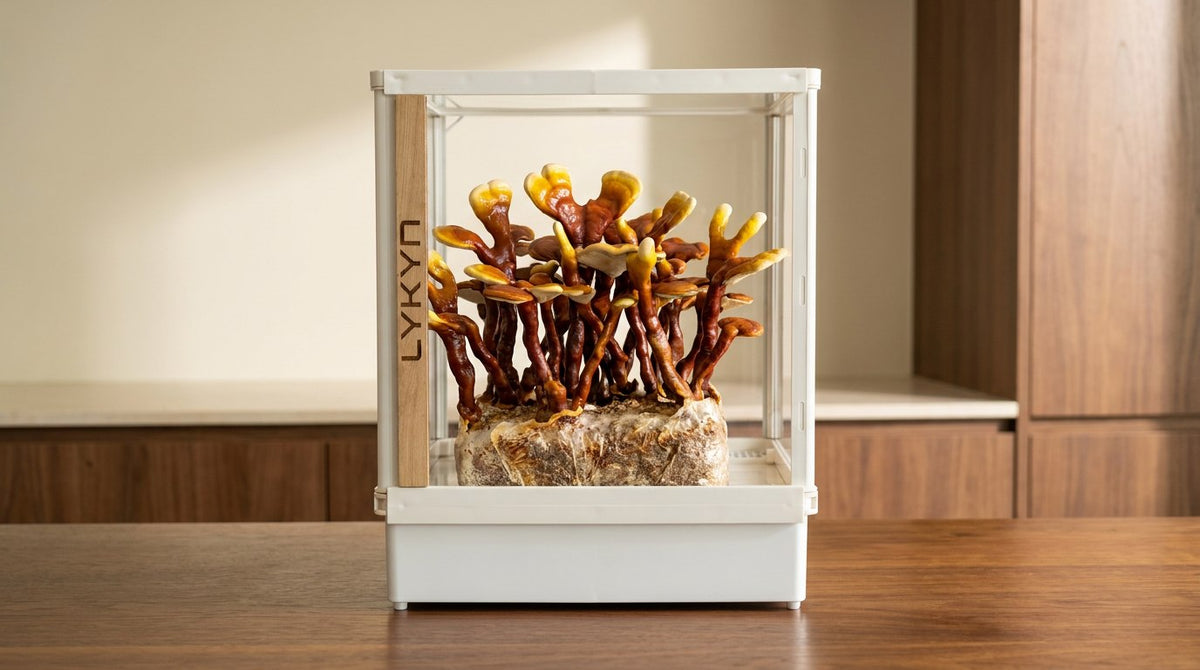
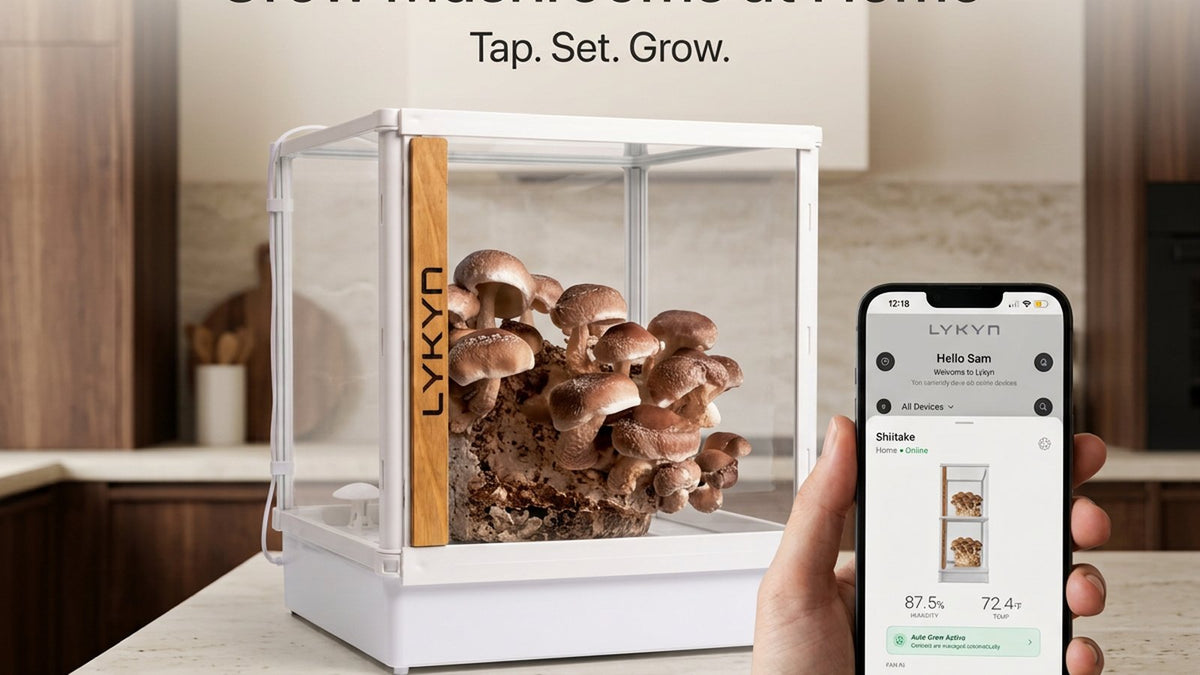
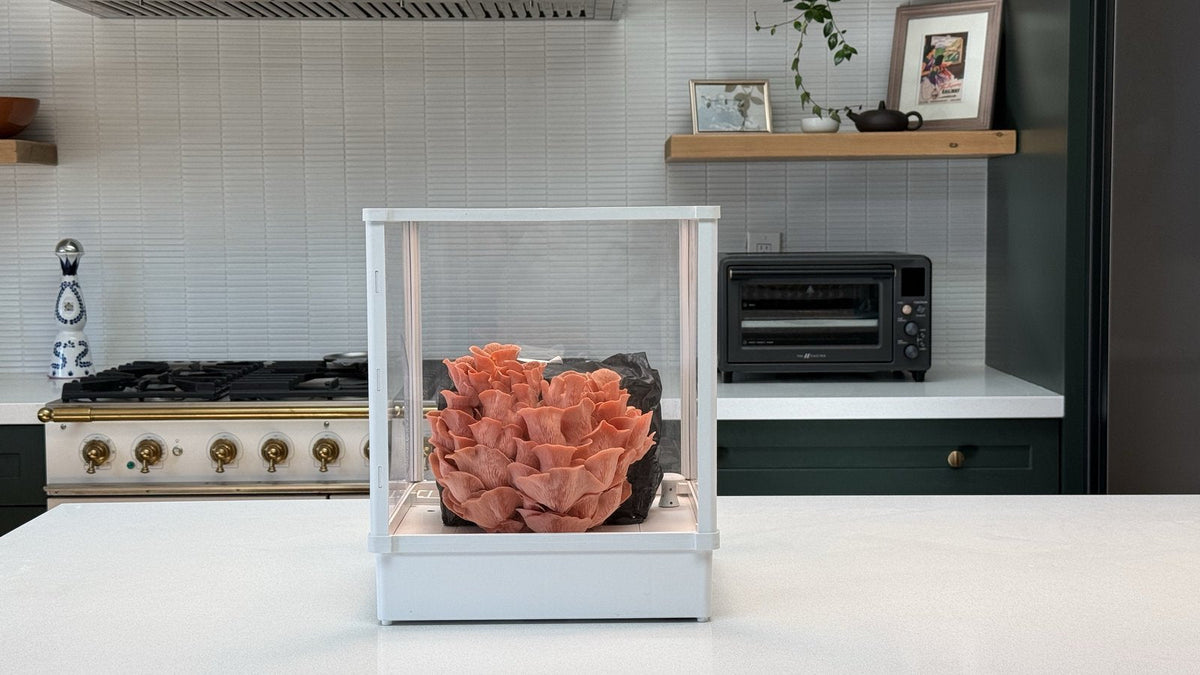
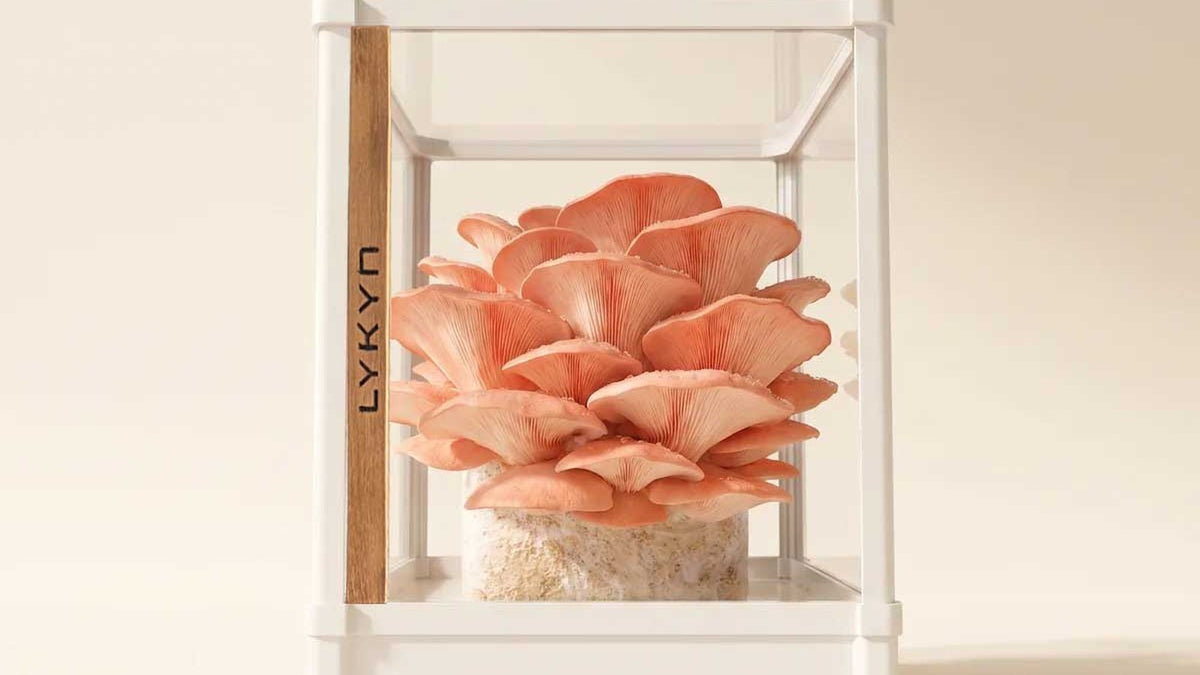
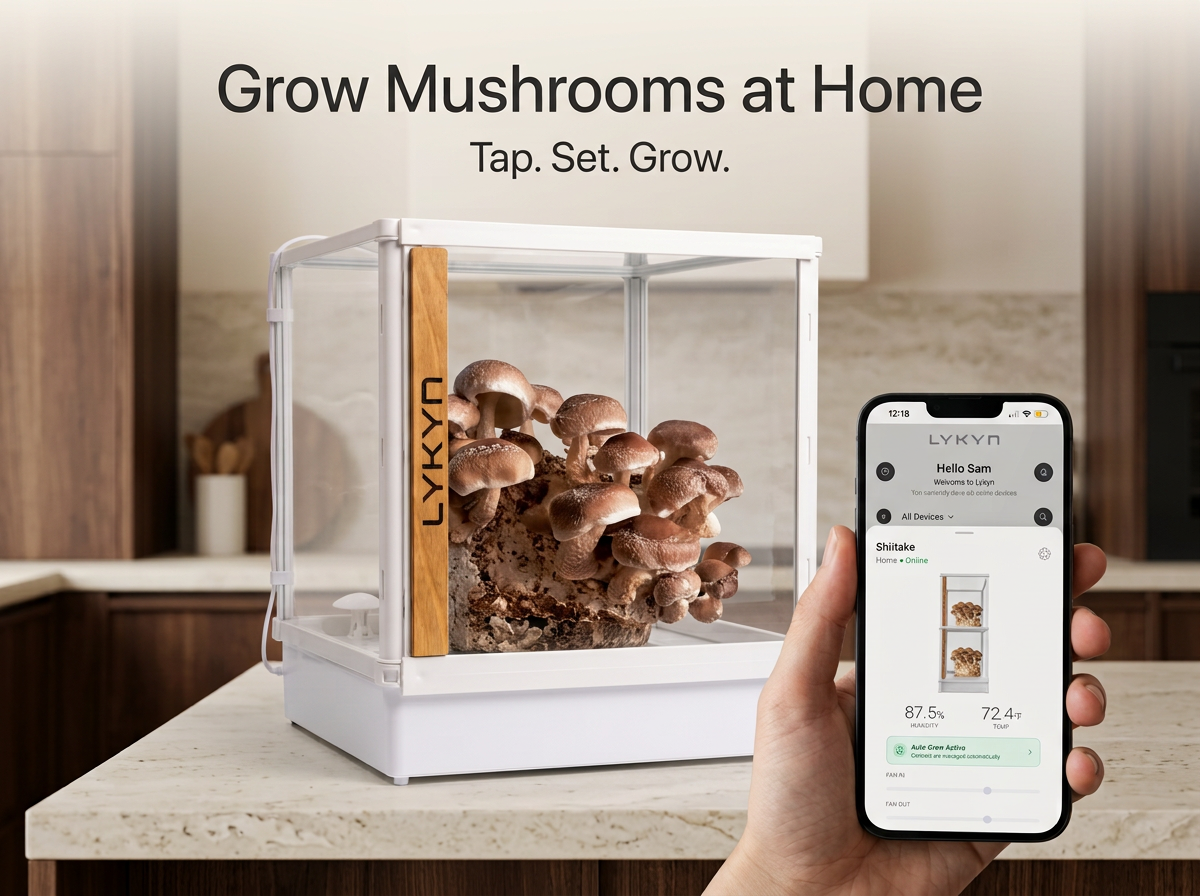
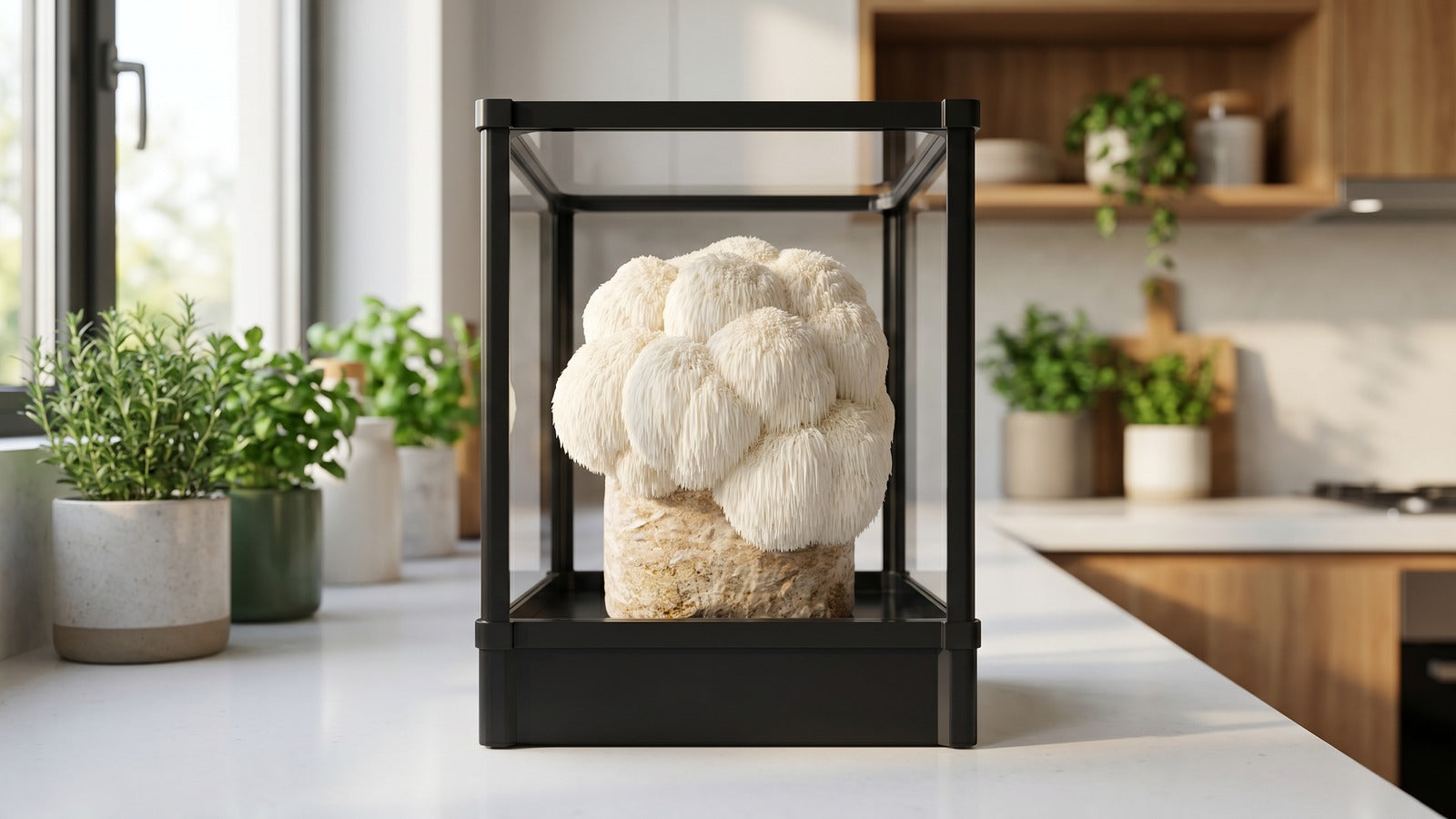
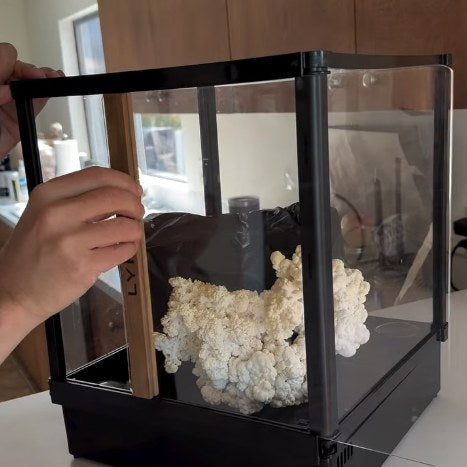
The LYKYN Smart Mushroom Grow Kit represents the gold standard for learning how to grow shrooms. This innovative system automates humidity control through a 2.8L ultrasonic humidifier, manages CO2 levels with sealed and app-controlled intake fans, and monitors conditions with lab-grade sensors, all controlled through a smartphone app.
Simply select your mushroom variety in the app, place your substrate block inside, and watch as the system maintains perfect growing conditions automatically. No manual misting, no guessing about humidity levels, no failed attempts.
For those comparing different options, this detailed review of the top 5 mushroom growing kits breaks down the best choices available in 2025.
Step-by-Step: How to Grow Shrooms with a Basic Kit
Let's walk through the complete process of how to grow shrooms using a ready-to-fruit kit, the method recommended for all beginners.
Step 1: Choose Your Location
Select a spot with stable temperatures between 60-75°F. Avoid direct sunlight, which can dry out mushrooms and raise temperatures. Kitchen counters, shelves, basements, or spare room corners all work excellently.
The location should have minimal contamination sources. While you don't need a sterile environment for fruiting, cleaner spaces reduce problems. Avoid areas near moldy materials, excessive dust, or strong air currents from heating vents.
Step 2: Prepare Your Growing Space
Clean your chosen area thoroughly with 70% isopropyl alcohol or a mild cleaning solution. This reduces airborne contaminants that might compete with your mushrooms.
If using a traditional humidity tent setup, ensure you have a clean spray bottle filled with clean water for misting. With automated systems like LYKYN, simply ensure adequate space for airflow around the chamber.

Step 3: Unpack and Inspect Your Kit
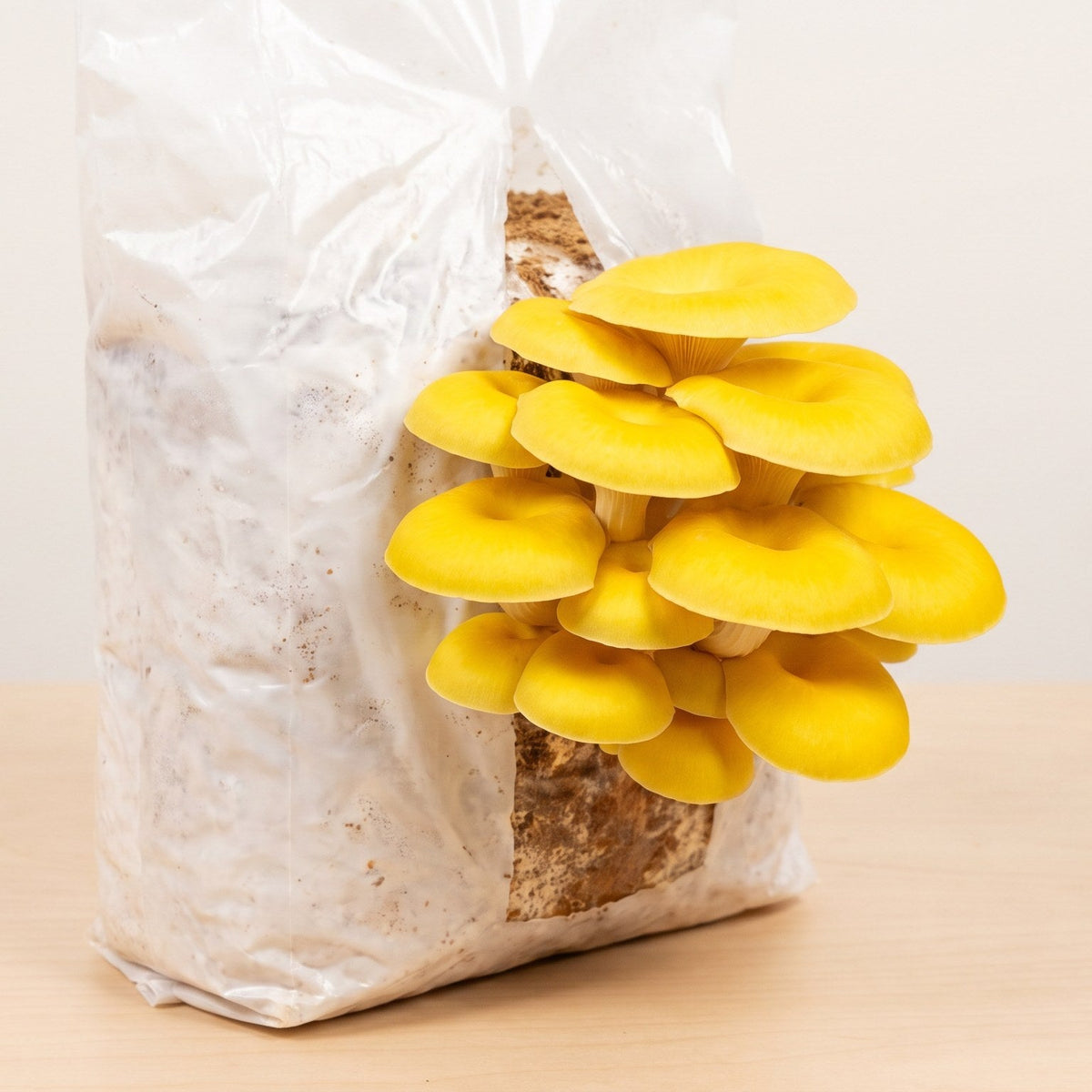
Carefully remove your mushroom block from its packaging. Inspect it for signs of healthy colonization, you should see white, fluffy mycelium throughout. Avoid blocks with green, black, or pink discoloration, which indicates contamination.
Most blocks come in breathable bags. Some require soaking before fruiting (follow specific instructions), while others are ready immediately. Read your kit's instructions carefully, as procedures vary by mushroom species and supplier.
Step 4: Create Fruiting Conditions
This step is where most beginners struggle when learning how to grow shrooms, but it's also where automation makes the biggest difference.
Traditional method: Place your block in a humidity tent (or create one with a clear storage container). Mist the inside of the tent 2-3 times daily to maintain 80-95% humidity. Fan the opening 2-3 times daily to promote fresh air exchange.
Automated method: Place your block in the LYKYN chamber, select your mushroom variety in the app, and let the system handle everything. The ultrasonic humidifier maintains perfect moisture levels while variable-speed fans manage CO2 automatically.
Step 5: Watch for Pinning
Within 5-14 days (depending on species), you'll see tiny pins forming. These baby mushrooms look like small bumps and gradually develop recognizable mushroom shapes.
This stage is critical. Maintain consistent conditions, sudden humidity drops or temperature changes can cause pins to abort. With automated systems, this happens reliably. Manual setups require vigilance.
Step 6: Monitor Growth
Once pinning begins, mushrooms grow remarkably fast. Oyster mushrooms can double in size daily during peak growth. Check your setup each morning to monitor progress.
Look for healthy development: caps expanding properly, good color for your variety, and sturdy stems. Elongated, thin stems indicate insufficient fresh air exchange, increase fanning if using manual methods.
Step 7: Harvest at the Right Time
Knowing when to harvest is crucial when you learn how to grow shrooms. Each variety has specific indicators:
- Oyster mushrooms: Harvest when caps flatten but before edges curl upward
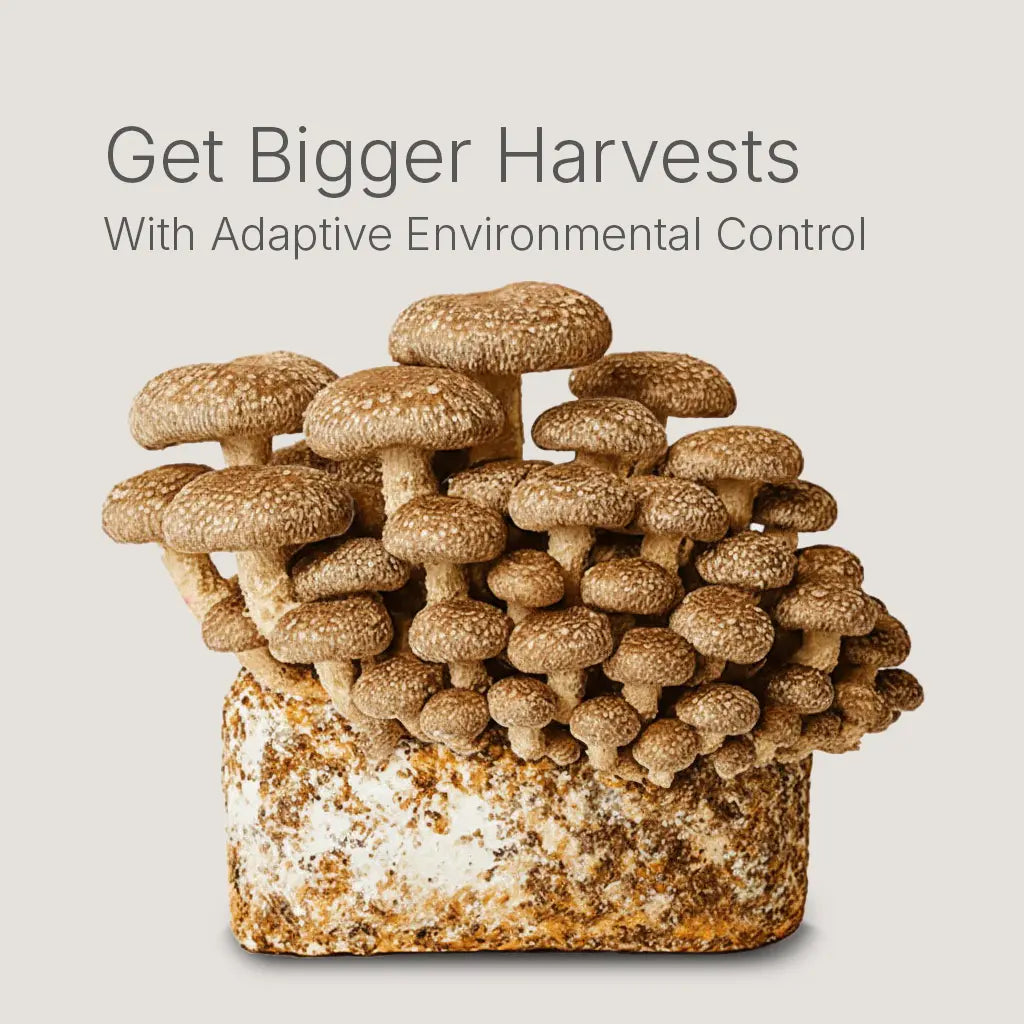
- Shiitake: Wait until caps are 80% open but before they fully flatten
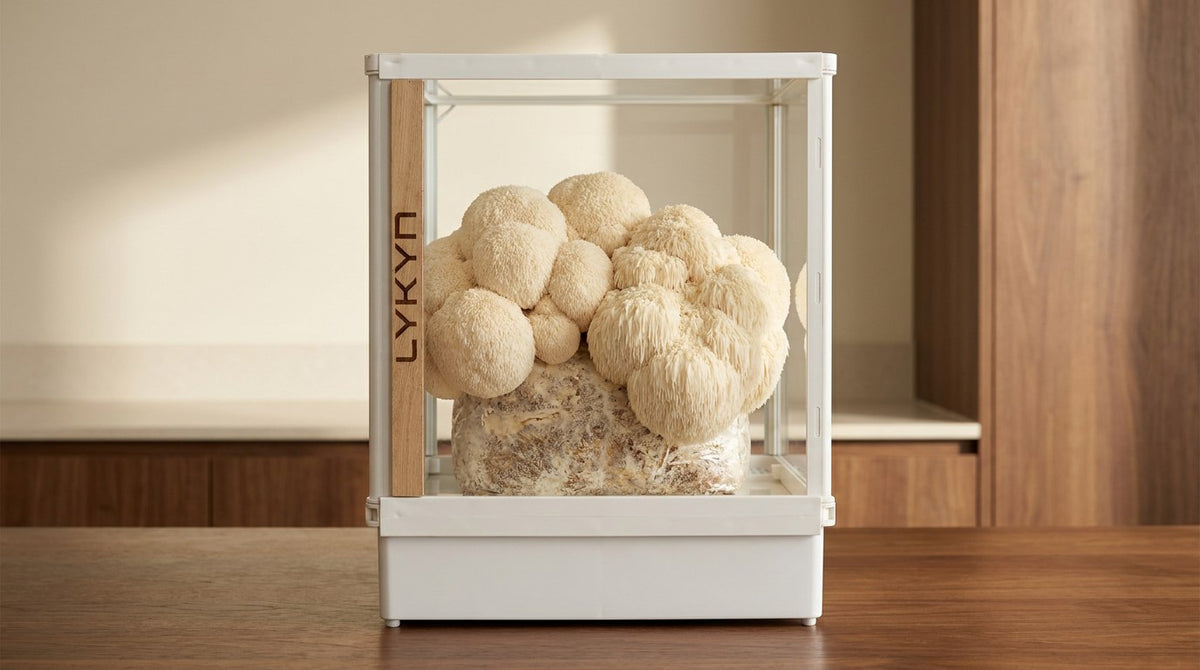
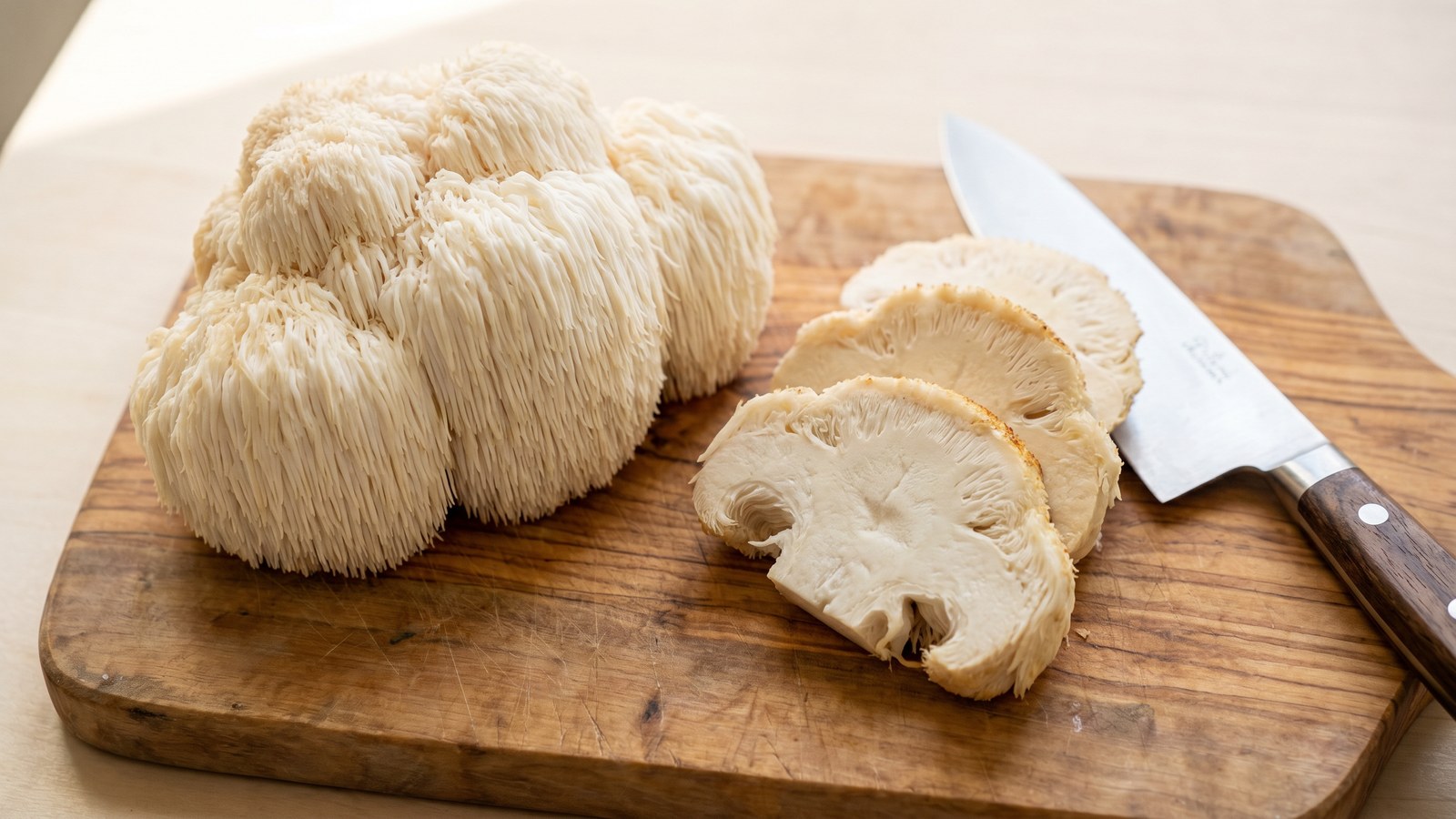
- Lion's mane: Harvest when spines are well-developed but still white
Use clean scissors or a sharp knife to cut mushrooms at the base. Avoid pulling, which can damage the substrate and reduce subsequent flushes.
Step 8: Encourage Additional Flushes
Most substrate blocks produce 2-4 harvests. After your first harvest, let the block rest for 7-10 days while maintaining lower humidity. Then soak the block in clean water for 12-24 hours to rehydrate it.
Return the block to fruiting conditions, and you'll typically see new pins within a week. Second and third flushes often produce smaller but still worthwhile yields.
For detailed information on expected yields, check this guide on mushroom grow bag yields.
Best Mushroom Varieties for Beginners Learning How to Grow Shrooms
Not all mushrooms are equally easy when you're learning how to grow shrooms. Start with forgiving varieties that tolerate mistakes.
Oyster Mushrooms: The Perfect First Choice
Oyster mushrooms (including pink, yellow, blue, and pearl varieties) rank as the easiest option. They grow quickly, tolerate temperature fluctuations, and produce impressive yields. Most beginners achieve success with oysters on their first attempt.
These mushrooms fruit within 7-14 days and can produce 1-1.5 pounds per grow bag. Their mild, slightly sweet flavor works in countless recipes. Learn more in this complete guide to growing oyster mushrooms.
Shiitake: Flavorful but Slightly Slower
Shiitake mushrooms take longer (14-21 days typically) but reward patient growers with exceptional flavor and nutritional benefits. They need consistent humidity but aren't particularly difficult once you understand their requirements.
Lion's Mane: Unique and Medicinal
Lion's mane mushrooms offer potential cognitive benefits alongside their unique appearance. They're slightly more sensitive to CO2 levels, making automated systems particularly valuable for this variety.

Advanced Techniques: How to Grow Shrooms from Scratch
Once you master grow kits, you might want to learn how to grow shrooms from the very beginning. This involves working with spores or spawn and preparing your own substrate.
Growing from Spores
Spore cultivation represents the most fundamental approach. You'll create spore prints or purchase spore syringes, then inoculate sterile agar or grain media. This requires sterile technique, patience, and specific equipment.
The process involves germinating spores on nutrient agar, isolating clean mycelium cultures, transferring to grain spawn, and finally inoculating bulk substrate. While more complex, this method allows unlimited production at minimal cost.
For complete instructions, explore this detailed guide on how to grow mushrooms from spores.
Bucket Cultivation Method
For larger yields, many growers learn how to grow shrooms in 5-gallon buckets. This method uses pasteurized straw or wood chips as substrate, with holes drilled around the bucket for fruiting.
The technique offers excellent value, single buckets can produce several pounds over multiple months. It requires more space than grow kits but scales efficiently. Read the complete tutorial on growing oyster mushrooms in buckets.
Log Cultivation for Long-Term Production
Outdoor log cultivation mimics natural growing conditions. You inoculate hardwood logs with spawn, then wait 8-12 months for colonization. Once established, logs produce mushrooms seasonally for 3-5 years.
This method works excellently for shiitake, oyster, and medicinal varieties like turkey tail. Learn more in this guide on growing turkey tail mushrooms.
Common Problems When Learning How to Grow Shrooms
Even experienced growers face challenges. Understanding common problems helps you respond quickly.
Contamination Issues
Contamination represents the biggest obstacle when learning how to grow shrooms. Green mold (Trichoderma) is most common, appearing as fuzzy green spots. Other contaminants include bacterial slime, cobweb mold, and competing fungi.
Prevention beats treatment. Work in clean environments, use proper sterile technique, and maintain optimal growing conditions. The LYKYN system's built-in filtration dramatically reduces contamination risks by filtering incoming air.
If contamination appears, remove affected blocks immediately to prevent spreading. Detailed contamination information is available in this comprehensive guide to mycelium contamination.
Humidity Problems
Insufficient humidity causes mushrooms to dry out, abort, or develop tough, inedible textures. Manual misting setups struggle with consistency, you might maintain perfect humidity when home but conditions deteriorate during work hours.
Automated systems solve this completely. Ultrasonic humidifiers maintain precise levels continuously without any manual intervention.
Poor Air Exchange
Mushrooms release significant CO2 as they grow. Without fresh air exchange, you'll see elongated stems, small caps, and poor yields. Traditional setups require manual fanning several times daily.
Variable-speed fans in automated chambers manage this perfectly, adjusting airflow based on real-time measurements.
Temperature Fluctuations
Most mushrooms prefer stable temperatures between 60-75°F. Significant fluctuations stress mycelium and slow growth. Choose growing locations carefully, avoiding areas near heating vents, windows, or exterior doors.
Essential Equipment for How to Grow Shrooms
Quality equipment makes learning how to grow shrooms significantly easier. Here's what you'll need at different experience levels.
Beginner Equipment
For those just starting, the essentials are minimal:
- A quality grow kit with pre-colonized substrate
- A growing chamber (humidity tent or automated system)
- Clean spray bottle (if using manual methods)
- Basic thermometer and hygrometer
- Clean scissors for harvesting
The LYKYN Smart Mushroom Grow Kit includes everything beginners need in one integrated system.
Intermediate Equipment
As you advance, additional tools improve results:
- Pressure cooker (for substrate sterilization)
- Polypropylene bags with filter patches
- Grain spawn or spore syringes
- 70% isopropyl alcohol for sterilization
- Still air box or laminar flow hood
Advanced Equipment
Serious cultivators eventually invest in:
- Laboratory-grade laminar flow hood
- Autoclave or large pressure cooker
- Mycology laboratory supplies
- Multiple fruiting chambers
- Commercial-grade humidification systems
Tips for Success: How to Grow Shrooms Like a Pro
These expert tips dramatically improve your success rate when learning how to grow shrooms.
Start with easy varieties. Don't attempt difficult species like morels or maitake on your first try. Master oyster mushrooms first, then progress to more challenging varieties.
Maintain detailed records. Track environmental conditions, growth timelines, and yields. This data helps you optimize future grows and identify patterns in successful versus failed attempts.
Prioritize cleanliness. While fruiting doesn't require sterile technique, cleaner environments produce better results. Wipe down surfaces, wash hands thoroughly, and minimize contamination sources.
Be patient during colonization. Don't rush the process. Fully colonized substrate produces far better yields than partially colonized material, even if waiting feels frustrating.
Monitor daily but don't over-handle. Check conditions and observe progress each day, but resist the urge to constantly move blocks or adjust settings. Consistency matters more than perfection.
Use automated systems when possible. Manual growing works but requires significant time commitment. Automated chambers like LYKYN eliminate most daily tasks while producing more reliable results.
For additional guidance on selecting the right equipment, review this comprehensive guide to choosing the best mushroom kit.
FAQ: Common Questions About How to Grow Shrooms
How long does it take to grow shrooms at home?
Most mushrooms fruit within 7-21 days after initiating fruiting conditions. Oyster mushrooms are fastest (7-14 days), while shiitake typically takes 14-21 days. The entire process from receiving a kit to first harvest usually spans 1-3 weeks. Understanding how mushrooms grow so fast helps explain this rapid development.
What's the easiest way to grow shrooms for beginners?
Ready-to-fruit grow kits with automated environmental control offer the easiest entry point. The LYKYN Smart Mushroom Grow Kit eliminates manual misting and guesswork, making it virtually impossible to fail. Start with oyster mushrooms, which forgive beginner mistakes better than other varieties.
How much does it cost to start growing shrooms?
Basic manual setups cost $30-60 including a grow kit, spray bottle, and humidity tent. Automated systems like LYKYN represent a larger initial investment but eliminate consumable costs and produce more reliable results. Most growers recoup costs within 2-3 growing cycles based on grocery store mushroom prices.
Can I grow shrooms in an apartment?
Absolutely. Mushroom cultivation works perfectly in apartments. Modern systems operate quietly (under 35 dB), require minimal space (about the size of a coffee maker), and don't produce odors. Many apartment dwellers successfully grow mushrooms on kitchen counters or shelves.
Do shrooms need light to grow?
Mushrooms need some light for proper development but not photosynthesis like plants. Indirect natural light or 12 hours of LED lighting daily works well. Avoid direct sunlight, which can overheat and dry out your setup. Most automated chambers include appropriate lighting cycles.
Featured Snippet Summary
To grow shrooms at home: choose oyster mushrooms for easiest success, maintain 80-95% humidity and 60-75°F temperature, provide fresh air exchange, and harvest when caps flatten. Automated grow kits like LYKYN eliminate manual misting, producing reliable harvests in 7-14 days for beginners.
Start Growing Shrooms Today
Learning how to grow shrooms transforms your relationship with food and connects you to sustainable production practices. The satisfaction of harvesting your first mushrooms, knowing you grew them yourself from start to finish, creates an experience that keeps cultivators coming back for more.
The key to success lies in starting with quality equipment designed for beginners. The LYKYN Smart Mushroom Grow Kit eliminates the trial-and-error period that frustrates many new growers. Its automated humidity control, sealed and app-controlled air exchange, and smartphone monitoring ensure consistent results from your very first attempt.
Don't wait to begin your mushroom growing journey. Every expert started exactly where you are now, curious about how to grow shrooms and ready to learn. Your kitchen counter could be producing fresh, gourmet mushrooms in just weeks. Visit the complete mushroom grow kit guide and take your first step toward becoming a confident mushroom cultivator today. The harvest you'll be enjoying in 2-3 weeks makes the small effort entirely worthwhile.
Share:
The Complete Mushroom Grower's Guide: From Beginner to Expert Cultivator in 2025
Wine Cap Mushrooms: Your Complete Guide to Growing Garden Giants at Home