


You're making a salad and wondering whether those fresh white button mushrooms in your refrigerator need to be cooked first. Or maybe you've seen them sliced raw on restaurant salads and questioned whether this practice is actually safe. The simple answer is yes, you can technically eat white button mushrooms raw, but there's much more to this story than a simple yes or no.
Understanding the nuances of raw versus cooked white button mushrooms helps you make informed decisions about how to prepare these popular fungi for maximum safety, nutrition, and enjoyment. This comprehensive guide explores the science behind eating raw mushrooms, potential risks, nutritional differences, and expert recommendations to help you decide what's best for your health.

The Truth About Eating Raw White Button Mushrooms
White button mushrooms (Agaricus bisporus) are technically edible in their raw state and have been consumed this way for decades in salads, crudités platters, and as garnishes. Many people eat them raw regularly without experiencing any immediate adverse effects. However, "technically edible" doesn't necessarily mean "optimal" or even "recommended" by nutrition and food safety experts.
The key consideration revolves around several important factors: digestibility, nutrient availability, naturally occurring compounds, and potential contaminants. Unlike some vegetables that are perfectly healthy eaten raw, mushrooms present unique challenges due to their biological structure and composition.
Mushrooms belong to the fungi kingdom, which means their cell walls contain chitin, the same tough, fibrous material found in insect exoskeletons and crustacean shells. Human digestive systems lack the enzymes necessary to break down chitin effectively, meaning raw mushrooms can be significantly harder to digest than cooked ones. This difficulty in breaking down cell walls also means that many valuable nutrients remain locked inside and unavailable for absorption when mushrooms are consumed raw.
Understanding the Risks of Eating Raw White Button Mushrooms
Digestibility Challenges and Gastrointestinal Discomfort
The chitinous cell walls in raw white button mushrooms create substantial digestive challenges for many people. When you consume raw mushrooms, your digestive system struggles to break down these tough structures, potentially leading to bloating, gas, stomach discomfort, and even cramping in sensitive individuals.
People with existing digestive issues, irritable bowel syndrome (IBS), or sensitive stomachs may experience more pronounced symptoms. Even those with robust digestive systems might notice that raw mushrooms sit heavily in their stomach compared to cooked varieties.
Cooking mushrooms breaks down these cell walls through heat, making them significantly easier for your body to process. The difference in digestibility between raw and cooked mushrooms can be quite dramatic, with cooked mushrooms passing through your digestive system much more smoothly.
Agaritine Content in Raw Mushrooms
White button mushrooms naturally contain a compound called agaritine, a hydrazine derivative that has raised some safety concerns in scientific literature. Research has shown that agaritine can break down into potentially problematic metabolites in the body.
Studies on laboratory animals exposed to high doses of agaritine have suggested potential carcinogenic effects, though it's important to note that these studies used doses far exceeding what any human would consume through normal dietary intake. The actual risk to humans consuming raw button mushrooms in typical quantities remains a subject of scientific debate and ongoing research.
The good news is that cooking significantly reduces agaritine content. Heat breaks down this compound, with studies showing that sautéing, boiling, or microwaving mushrooms can reduce agaritine levels by 50-90%. This represents a substantial reduction in exposure to this potentially concerning compound and provides one more compelling reason to cook your mushrooms.
Reduced Nutrient Bioavailability
One of the most significant drawbacks of consuming raw white button mushrooms is the dramatically reduced bioavailability of their nutrients. When nutrients are "locked" inside those tough chitinous cell walls, your body simply cannot access them effectively, even after digestion.
Cooking mushrooms releases proteins, B vitamins, minerals, and beneficial compounds like ergothioneine and selenium, making them available for absorption. Research demonstrates that cooked mushrooms provide significantly higher levels of these nutrients to your bloodstream compared to raw consumption.
Additionally, some antioxidants in mushrooms become more concentrated and bioavailable through the cooking process. The heat transforms certain compounds into more easily absorbed forms, essentially "unlocking" the nutritional treasure chest that raw mushrooms keep sealed.
Potential for Contamination
Raw mushrooms can potentially harbor bacteria, dirt, or other contaminants from the growing environment. While commercial white button mushrooms are grown in controlled conditions with strict safety standards, they're not sterile products.
The growing substrate (usually composted material), handling during harvest and packaging, and storage conditions all create opportunities for bacterial presence. Cooking provides an important food safety step that eliminates potential pathogens like Salmonella, E. coli, or Listeria that might be present.
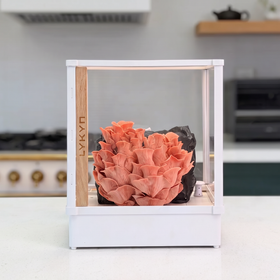
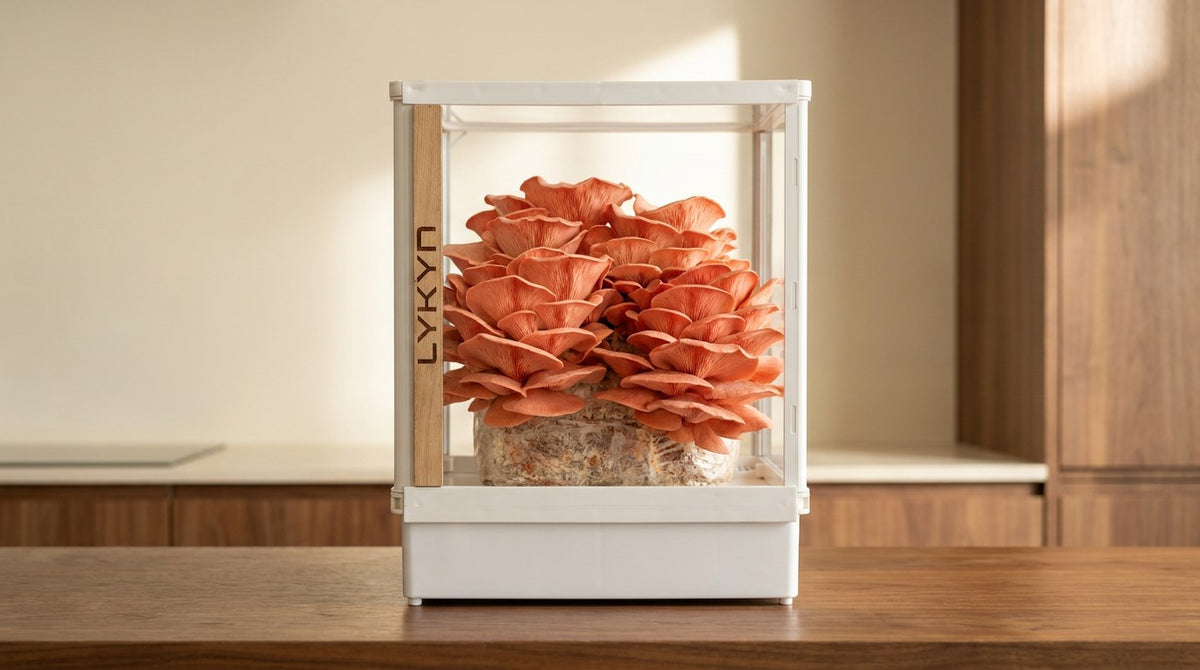
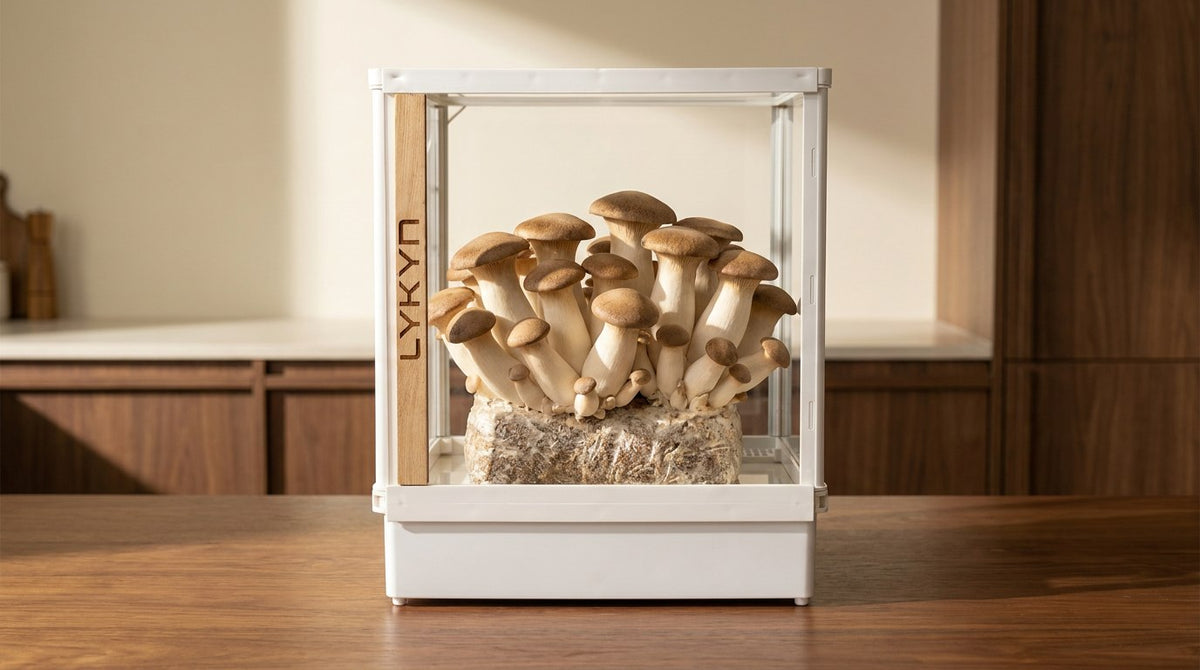
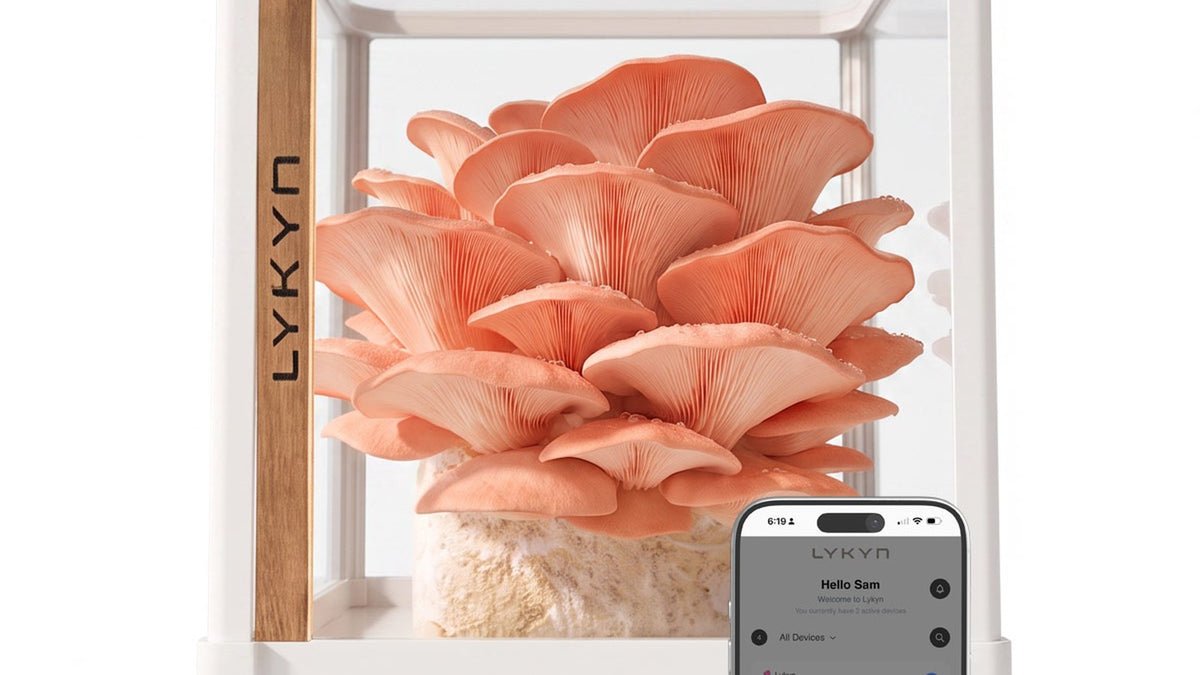
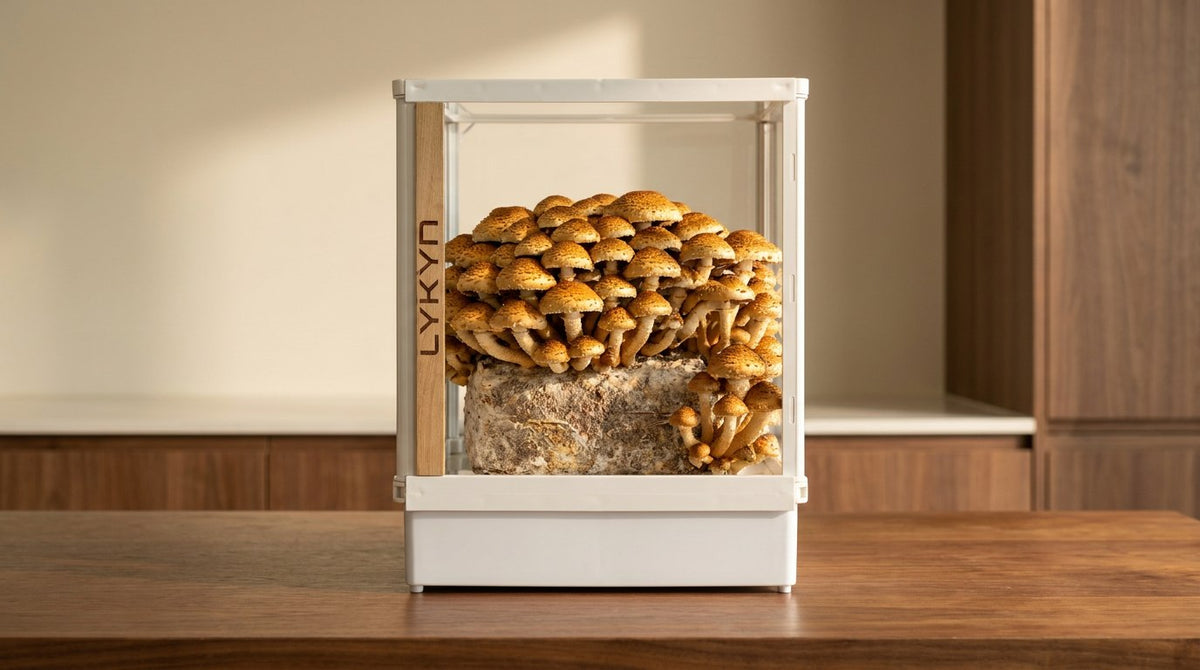
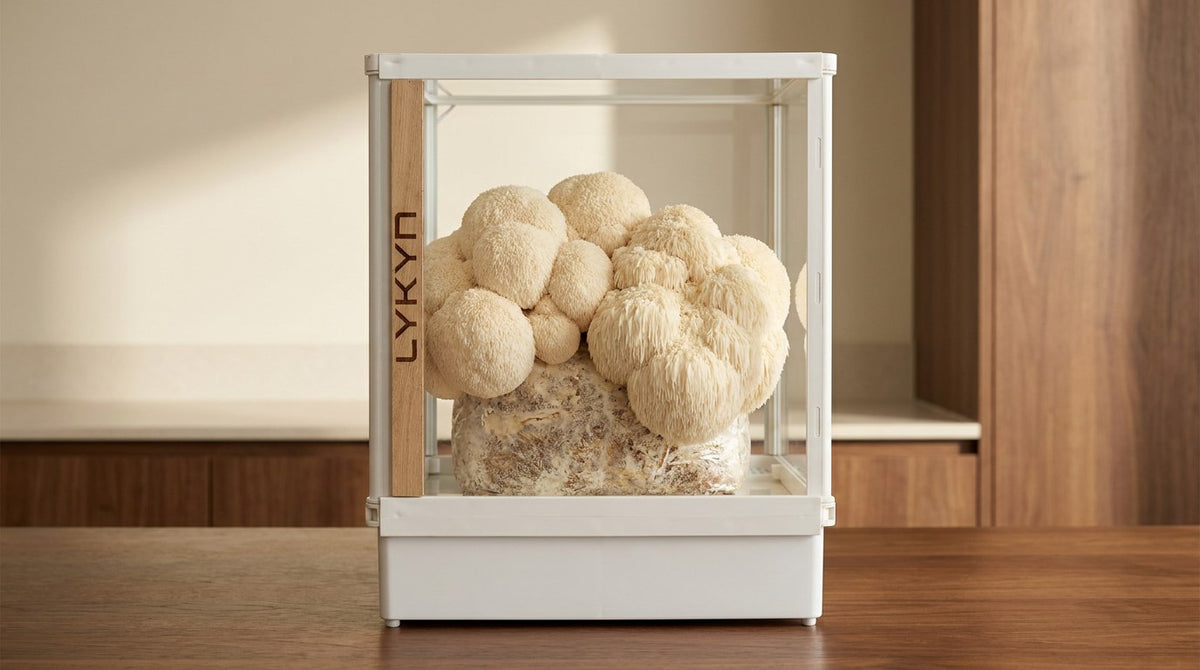
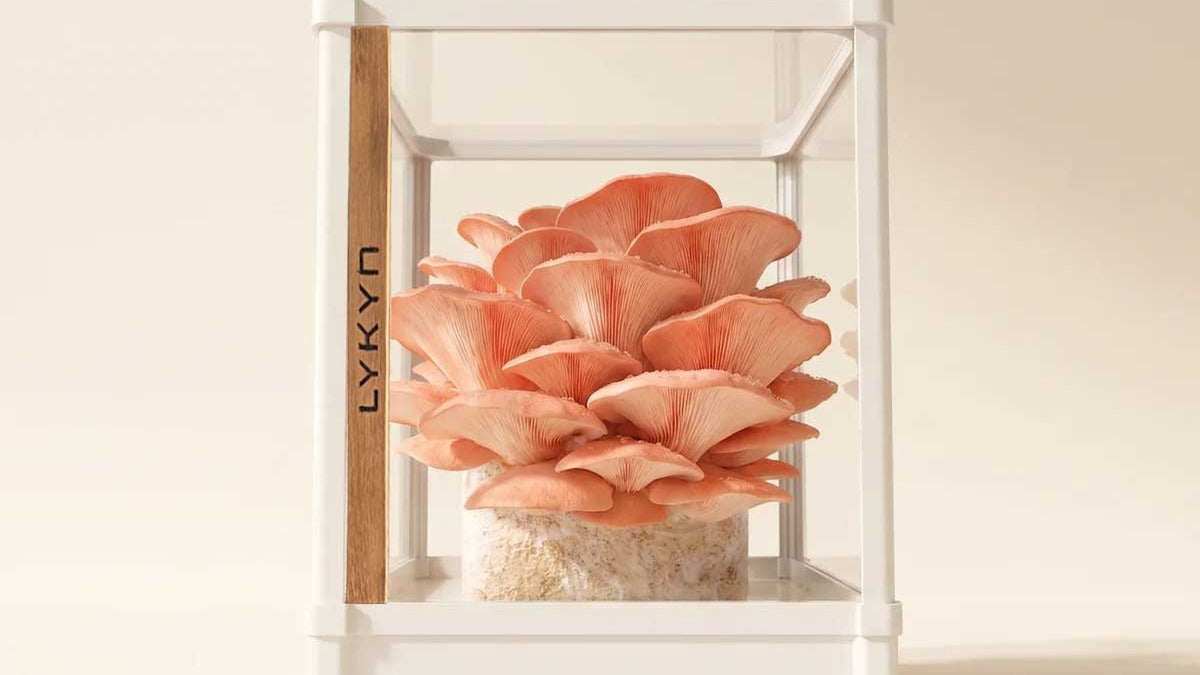
For commercially grown mushrooms from reputable sources, contamination risk remains relatively low. However, for mushrooms from unknown sources, farmers markets, or home cultivation, cooking provides an additional safety margin. If you're growing your own mushrooms using a LYKYN Smart Mushroom Grow Kit, proper handling and cooking still represent the safest approach.
The Case for Cooking White Button Mushrooms
Enhanced Nutritional Value
Scientific research consistently demonstrates that cooking mushrooms enhances their nutritional value rather than diminishing it. This finding contradicts common assumptions about raw foods always being more nutritious.
A study published in the International Journal of Food Sciences and Nutrition found that cooked mushrooms provided significantly higher levels of accessible antioxidants compared to raw samples. The cooking process doesn't destroy these beneficial compounds but rather makes them available for your body to use.
Protein digestibility also increases substantially with cooking. While mushrooms aren't exceptionally high in protein, the protein they do contain becomes much more accessible to your body after cooking, contributing more effectively to your daily protein needs.
The B vitamins in mushrooms, including riboflavin, niacin, and pantothenic acid, become more bioavailable when mushrooms are cooked. While some heat-sensitive vitamins may experience minor losses, the overall nutritional availability increases significantly enough that cooked mushrooms deliver superior nutrition.
Improved Flavor and Texture
Beyond health considerations, cooking transforms white button mushrooms into something far more delicious and appealing. Raw mushrooms have a somewhat bland, slightly rubbery texture with subtle earthiness. Cooking develops complex flavors through the Maillard reaction (browning), caramelization of natural sugars, and concentration of savory umami compounds.
Sautéing white button mushrooms in a bit of butter or olive oil creates golden-brown exteriors with tender, flavorful interiors. Roasting at high heat concentrates their flavors while creating appealing textural contrasts between crispy edges and meaty centers. Even gentle steaming or microwaving improves both texture and taste compared to raw consumption.
The umami-rich compounds in mushrooms become more pronounced when heated, making cooked mushrooms a powerful flavor enhancer in countless dishes. This transformation makes mushrooms far more satisfying and versatile in cooking applications.
Better Digestive Comfort
For most people, cooked mushrooms simply feel better in the digestive system. The broken-down cell walls allow your stomach and intestines to process mushrooms efficiently without the bloating, gas, or discomfort that raw mushrooms can trigger.
This improved comfort means you can enjoy larger servings of mushrooms and benefit from their impressive nutritional profile without digestive consequences. If you've experienced discomfort from raw mushrooms in the past, cooking them thoroughly will almost certainly resolve these issues.
When Raw White Button Mushrooms Might Be Acceptable
Despite the compelling reasons to cook white button mushrooms, certain situations exist where consuming them raw presents minimal risk for most healthy adults:
Small quantities in salads or as garnishes (a few thin slices) typically cause no issues for people with robust digestive systems. When mushrooms comprise a minor component of a meal rather than a main ingredient, the digestive load remains minimal.
Very fresh, high-quality mushrooms from reputable sources that have been properly cleaned present lower contamination risks than older or questionable specimens. If you choose to eat raw mushrooms, freshness is paramount.
Slicing mushrooms thinly increases surface area and makes them slightly easier to chew and digest compared to eating whole or thickly sliced raw mushrooms. Thorough chewing also helps break down some of the cell structure before swallowing.
However, even in these scenarios, cooking remains the safer, more nutritious option. The minor convenience of eating mushrooms raw doesn't outweigh the substantial benefits that a few minutes of cooking provides.
Expert Recommendations and Food Safety Guidelines
Food safety organizations and mycology experts overwhelmingly recommend cooking mushrooms before consumption. While white button mushrooms don't carry the same risks as some other raw mushroom varieties (such as shiitake, which can cause dermatitis reactions), cooking still represents best practice.
The United States Department of Agriculture (USDA) guidelines suggest cooking mushrooms to ensure food safety. While they don't explicitly prohibit raw consumption of common button mushrooms, the general recommendation favors cooking for both safety and nutritional reasons.
Professional chefs and nutritionists consistently advise cooking mushrooms. The combination of improved flavor, enhanced nutrition, better digestibility, and reduced contamination risk makes cooking the clearly superior choice.
If you're interested in learning more about safe mushroom preparation and consumption, our comprehensive guide on edible mushrooms provides additional context about various mushroom varieties and their safe preparation methods.
How to Properly Cook White Button Mushrooms for Maximum Benefits
Cooking white button mushrooms doesn't require complicated techniques. Simple methods work beautifully:
Sautéing Method
Heat a tablespoon of olive oil or butter in a skillet over medium-high heat. Add sliced or whole mushrooms in a single layer (don't overcrowd the pan). Cook without stirring for 3-4 minutes to allow browning, then stir and continue cooking for another 3-4 minutes until golden brown and tender. Season with salt, pepper, and fresh herbs.
Roasting Method
Preheat your oven to 400°F (200°C). Toss mushrooms with olive oil, salt, and pepper on a baking sheet. Spread in a single layer and roast for 20-25 minutes, stirring halfway through, until browned and tender.
Microwaving Method
Place mushrooms in a microwave-safe dish with a tablespoon of water. Cover and microwave on high for 2-3 minutes. While this method won't produce the same flavor development as sautéing or roasting, it effectively breaks down cell walls and makes nutrients accessible.
Quick Blanching Method
Bring a pot of water to a boil. Add mushrooms and cook for 2-3 minutes. Drain and proceed with your recipe. This method is particularly useful when you'll be adding mushrooms to salads or cold dishes but want the benefits of cooking.
For more detailed cooking instructions and delicious recipe ideas, check out our guide on how to cook oyster mushrooms, which offers techniques that work beautifully for white button mushrooms as well.
Proper Cleaning Before Cooking
Whether you choose to cook your mushrooms (recommended) or consume them raw (not recommended but your choice), proper cleaning is essential. White button mushrooms grown commercially are relatively clean but still benefit from proper preparation.
Avoid soaking mushrooms in water, as they absorb moisture like sponges and become waterlogged. Instead, gently wipe each mushroom with a damp paper towel or soft brush to remove any visible dirt or debris. For slightly dirtier mushrooms, a brief rinse under running water followed by immediate drying works well.
Remove any discolored spots or damaged areas with a paring knife. The stems of white button mushrooms are perfectly edible and don't need to be removed unless they're dried out or tough.
For more detailed information about proper mushroom cleaning techniques, our comprehensive guide on cleaning and preparing various mushroom types provides valuable insights that apply to white button mushrooms as well.
Growing Your Own White Button Mushrooms
Growing your own mushrooms at home ensures maximum freshness and allows you to harvest them at peak quality. While white button mushrooms require more specific growing conditions than beginner-friendly varieties like oyster mushrooms, home cultivation is definitely achievable with the right equipment.
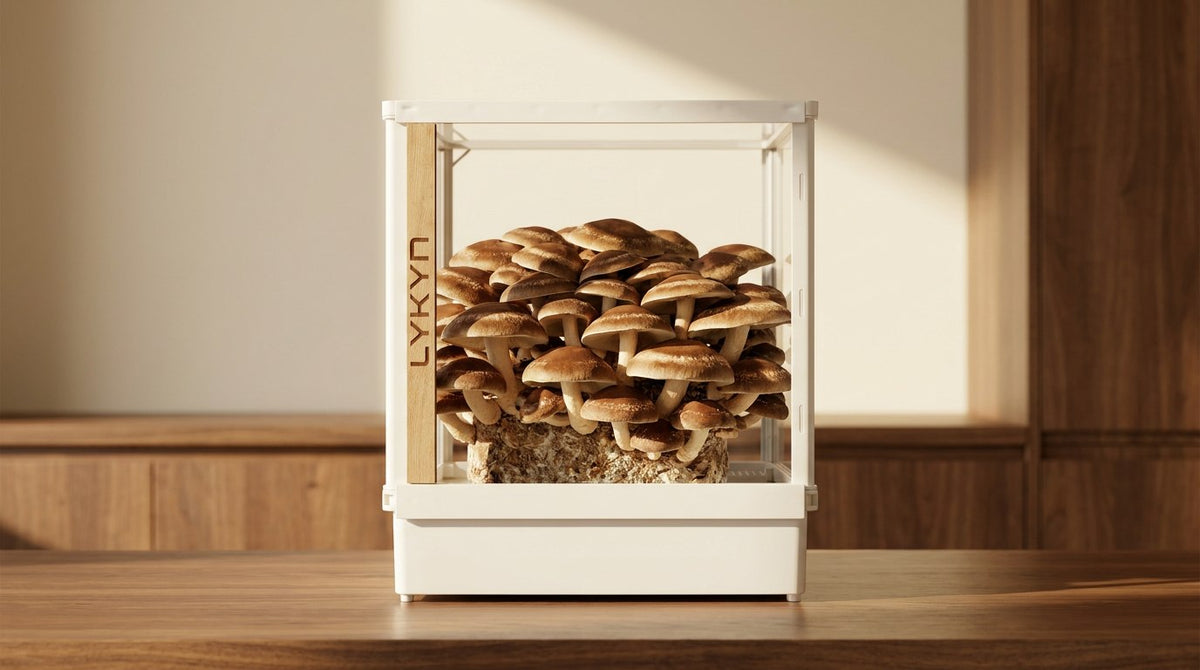
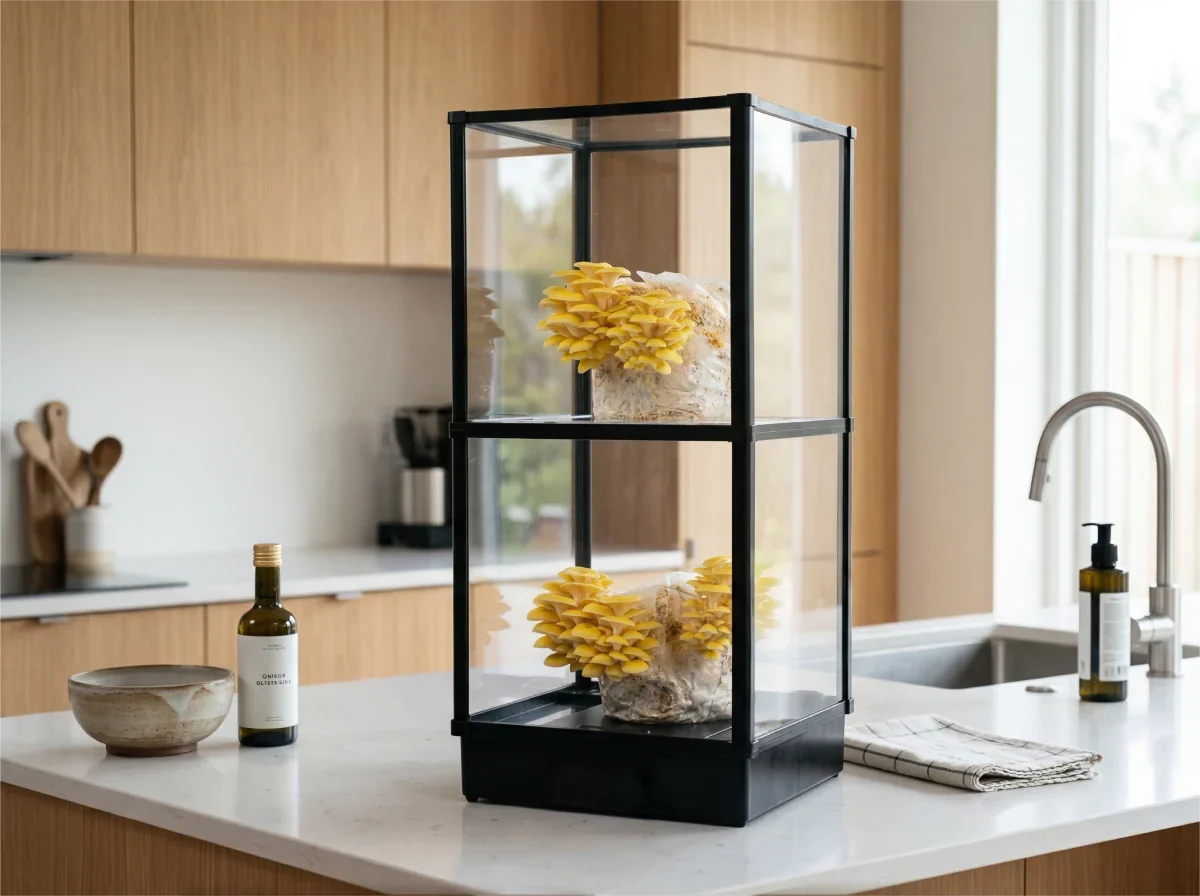
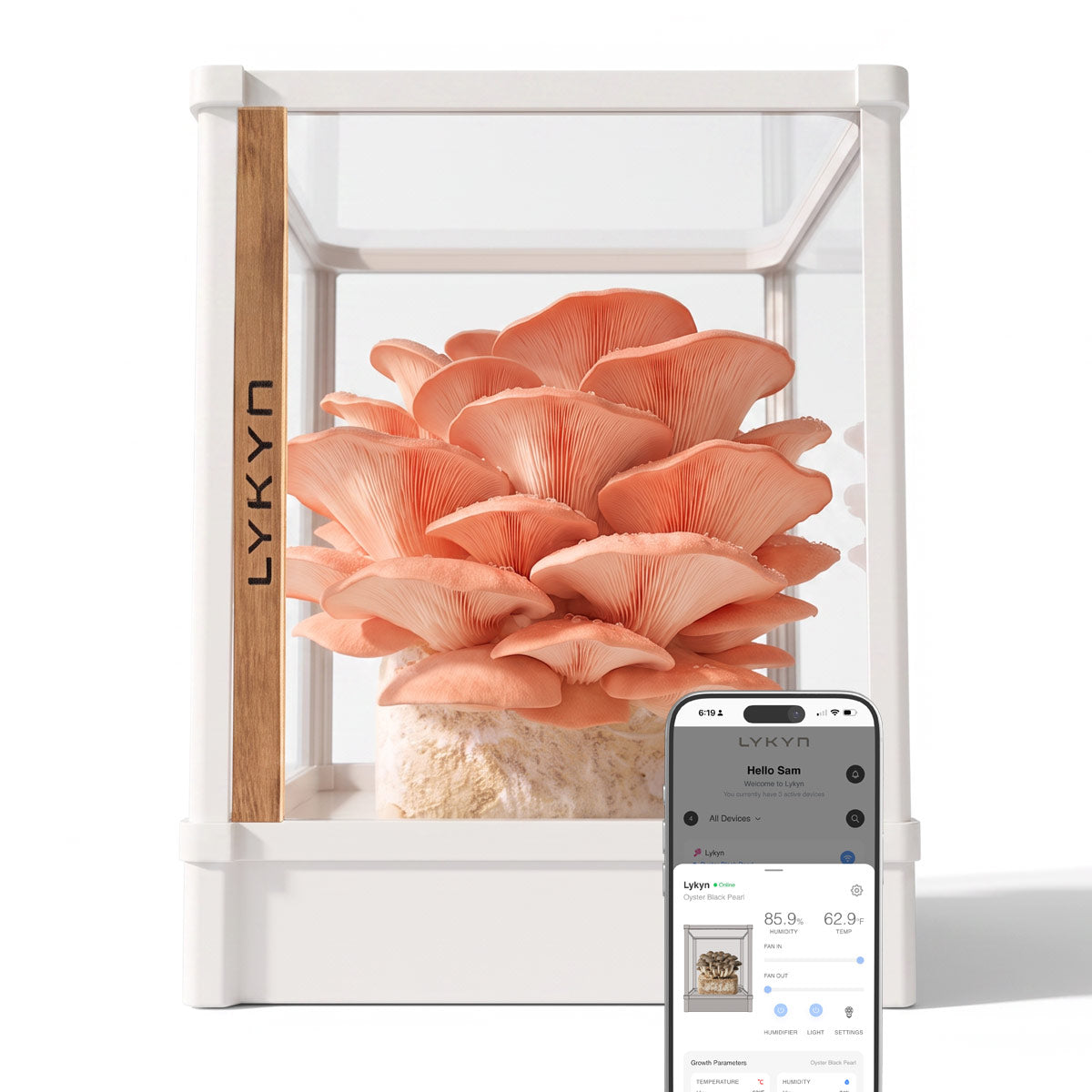
The LYKYN Smart Mushroom Grow Kit provides automated humidity control and optimal growing conditions that take the guesswork out of mushroom cultivation. This advanced system creates the perfect environment for growing various mushroom types, including more challenging varieties once you've mastered the basics.
If you're new to mushroom cultivation, consider starting with easier varieties before progressing to button mushrooms. Our detailed review of the top mushroom growing kits can help you choose the right system for your experience level and goals.
Even when growing your own mushrooms in controlled conditions, cooking them remains the recommended practice for safety and optimal nutrition. Home-grown mushrooms should be treated with the same food safety considerations as store-bought varieties.
Frequently Asked Questions About Raw White Button Mushrooms
Are white button mushrooms safe to eat raw in salads?
While technically possible for most healthy adults, it's not recommended as the optimal choice. Raw mushrooms are harder to digest, contain higher levels of potentially concerning compounds like agaritine, and provide significantly less nutritional value than cooked mushrooms. If you absolutely must use raw mushrooms in salads, use very small amounts, slice them thinly, and ensure they're extremely fresh and properly cleaned.
Do raw mushrooms have more nutrients than cooked mushrooms?
No, this is a common misconception. While raw foods sometimes retain more heat-sensitive vitamins, mushrooms are an exception to this rule. Cooking actually increases nutrient bioavailability in mushrooms by breaking down chitinous cell walls that lock nutrients inside. Studies show cooked mushrooms provide significantly higher levels of accessible antioxidants, proteins, and beneficial compounds compared to raw mushrooms.
Can raw white button mushrooms cause food poisoning?
While uncommon, it's possible if mushrooms are contaminated with bacteria like Salmonella, E. coli, or Listeria. Commercial mushrooms from reputable sources have low contamination risk, but it's not zero. Cooking provides an important safety step that eliminates potential pathogens. People with compromised immune systems, pregnant women, young children, and elderly individuals should avoid raw mushrooms entirely.
How much should I cook white button mushrooms to make them safe?
Cook mushrooms until they're tender and have released their moisture, typically 5-10 minutes depending on cooking method and mushroom size. They should reach an internal temperature of at least 160°F (71°C) to ensure food safety. Visual cues include reduced size, darkened color, and tender texture. Properly cooked mushrooms will have lost their raw, firm texture and appear moist but not waterlogged.
Are there any mushroom varieties that should never be eaten raw?
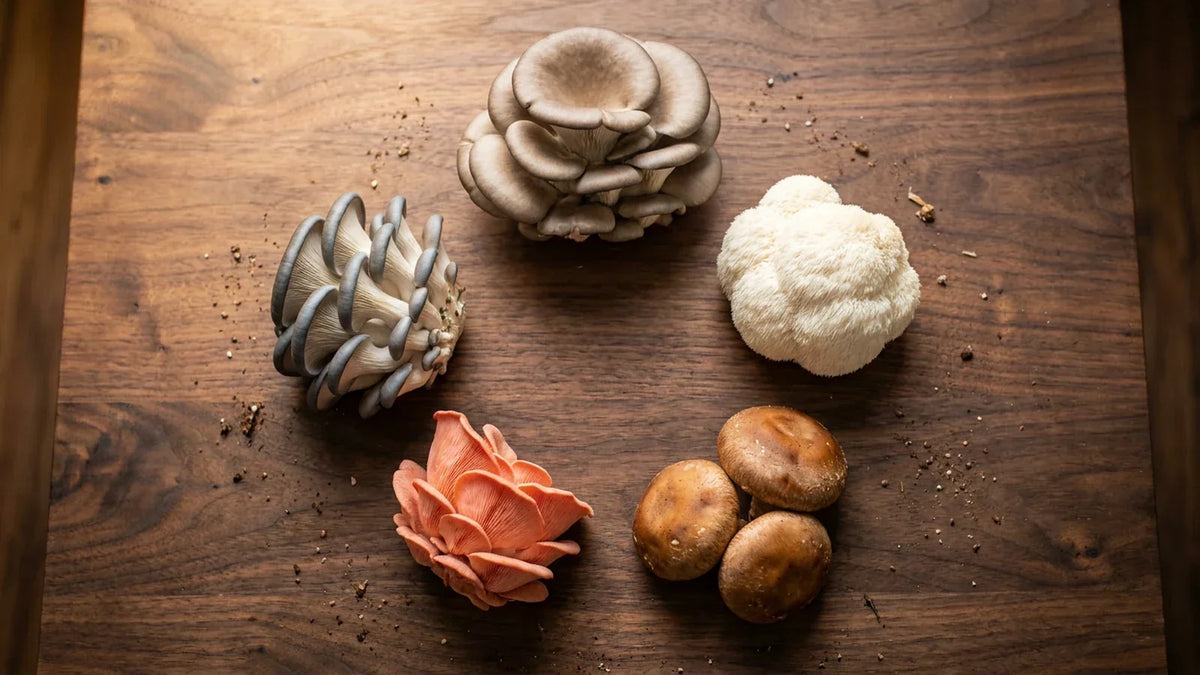
Yes, several mushroom varieties should absolutely never be consumed raw. Shiitake mushrooms can cause shiitake dermatitis, a distinctive, itchy rash, when eaten raw, as detailed in our guide on whether you can eat shiitake mushrooms raw. Other varieties like morels, honey mushrooms, and many wild mushroom species contain compounds that are toxic when raw but safe when thoroughly cooked. When in doubt, always cook mushrooms.
Featured Snippet Summary
While you can technically eat white button mushrooms raw, experts strongly recommend cooking them. Raw mushrooms are harder to digest due to chitinous cell walls, contain higher levels of potentially concerning compounds like agaritine, and provide dramatically lower nutritional value. Cooking for 5-10 minutes breaks down cell walls, increases nutrient bioavailability by up to 90%, and eliminates potential contaminants while dramatically improving flavor and texture.
Make the Smart Choice: Cook Your Mushrooms
The evidence overwhelmingly supports cooking white button mushrooms rather than consuming them raw. While eating a few thin slices of raw mushrooms on occasion likely won't cause serious problems for most healthy adults, you're missing out on superior nutrition, better flavor, improved digestibility, and enhanced safety that cooking provides.
The time investment is minimal, just five to ten minutes of cooking transforms raw mushrooms into a nutritious, delicious ingredient that your body can actually use effectively. Whether you're sautéing, roasting, microwaving, or steaming, any cooking method dramatically improves what white button mushrooms offer.
Ready to explore the wonderful world of mushrooms beyond the basic button variety? Learn about creating concentrated mushroom powders for year-round nutrition, or discover other varieties through our comprehensive mushroom guides. And if you're interested in ensuring the absolute freshest mushrooms possible, consider growing your own with a smart mushroom cultivation system that makes home growing remarkably simple.
Remember: when it comes to white button mushrooms, a little heat goes a long way toward maximizing both safety and nutrition. Cook your mushrooms, and enjoy them with confidence knowing you're getting the very best these remarkable fungi have to offer.
Share:
White Button Mushroom Health Benefits: Why This Humble Superfood Deserves Your Attention
White Button Mushroom Nutrition: The Complete Nutritional Breakdown You Need to Know