


Growing your own mushrooms at home has never been more accessible. Whether you're interested in cultivating oyster mushrooms for weekend meals, lion's mane for brain health, or shiitake for gourmet cooking, shroom kits offer the perfect entry point into this fascinating hobby. But with so many options available in 2025, how do you choose the right mushroom growing kit for your needs?
This guide walks you through everything you need to know about shroom kits, from basic grow blocks to advanced automated systems. You'll discover which kit matches your skill level, how to set it up correctly, and the secrets to harvesting multiple flushes of fresh, organic mushrooms right in your kitchen.
What Are Shroom Kits and How Do They Work?
A shroom kit, also known as a mushroom grow kit, is a complete cultivation system that contains everything you need to grow mushrooms at home with minimal effort. Think of it as the "instant garden" of the fungi world, all the complex preparation work has already been done for you.
Most shroom kits include a pre-colonized substrate block or bag filled with mushroom mycelium. The mycelium is the vegetative part of the fungus that has already spread through the growing medium, creating a white, thread-like network ready to produce mushrooms. When you expose this prepared block to the right environmental conditions, humidity, temperature, and fresh air, it triggers fruiting, and mushrooms start appearing within days.

The beauty of shroom kits lies in their simplicity. Unlike growing from spores or creating your own substrate, which requires sterile techniques and specialized equipment, these kits eliminate the most challenging steps. You simply open the package, provide water and fresh air, and watch your mushrooms grow.
Types of Shroom Kits: From Basic to Smart Technology
Traditional Mushroom Grow Blocks
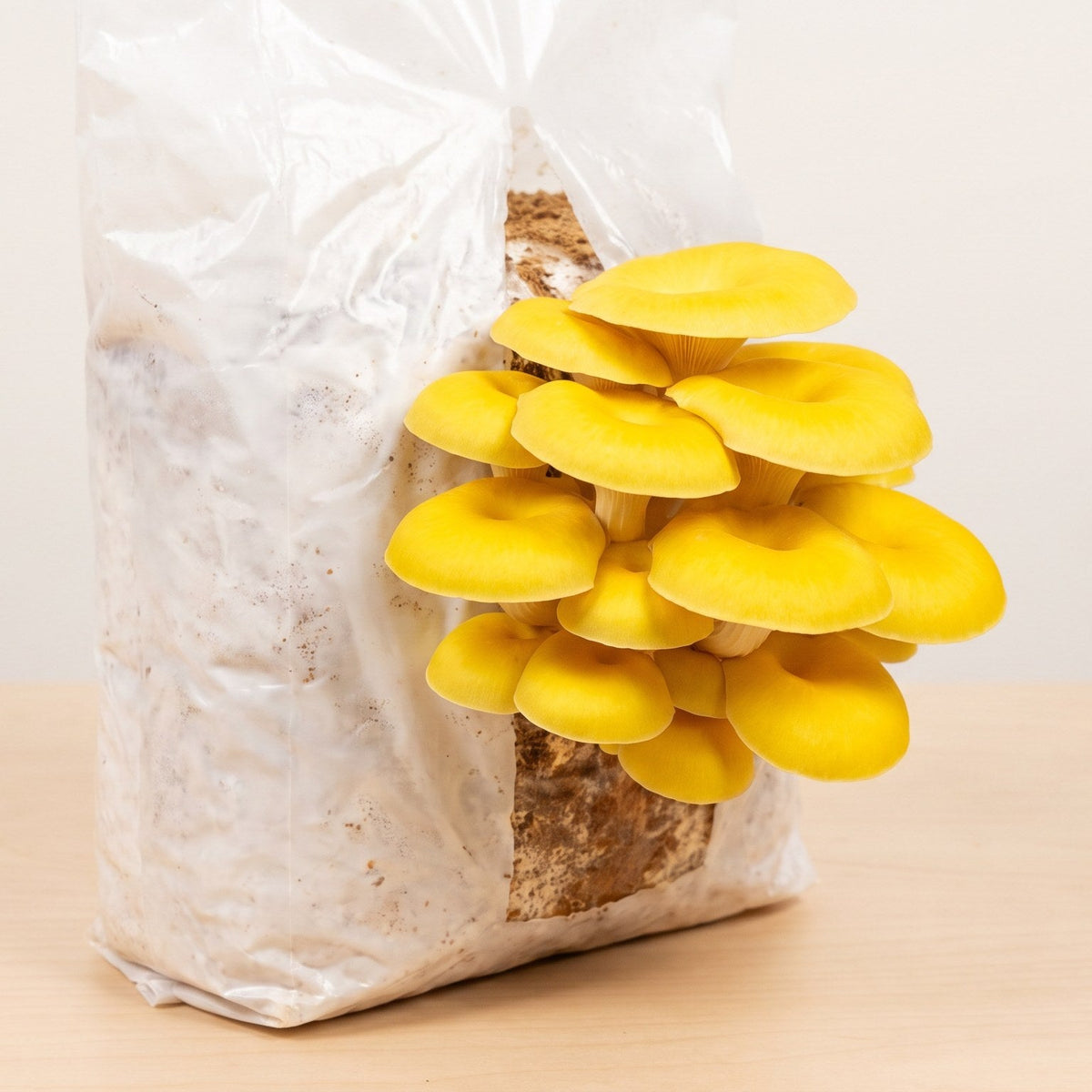
Traditional grow blocks are the most common type of shroom kit. They consist of sterilized substrate (usually hardwood sawdust, straw, or grain) that's been inoculated with mushroom spawn and allowed to fully colonize. These blocks typically come in clear plastic bags with filter patches that allow gas exchange while preventing contamination.
These basic kits are budget-friendly, usually ranging from $20 to $40, and perfect for beginners who want to learn the fundamentals of mushroom cultivation. Popular varieties include oyster mushrooms, shiitake, and lion's mane. Most traditional blocks produce 2-4 flushes (harvests) over 8-12 weeks.
All-in-One Mushroom Growing Kits
All-in-one kits take convenience a step further by including the grow block plus essential accessories like a humidity tent, spray bottle, and detailed instructions. Some even include a simple fruiting chamber, basically a modified plastic storage container with holes for air exchange.
These intermediate kits cost between $40 and $80 and work well for people who want better environmental control without investing in expensive equipment. They're particularly helpful if you're growing in a dry climate or don't have a naturally humid spot in your home.
Smart Automated Mushroom Grow Systems
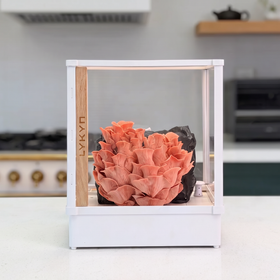
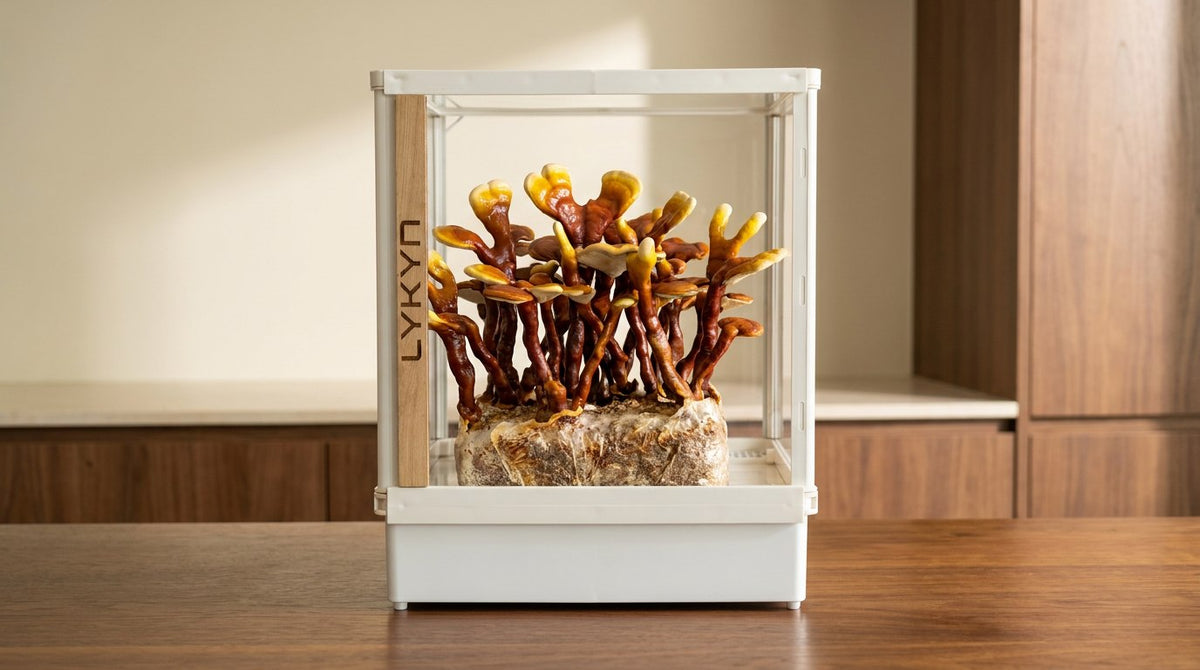
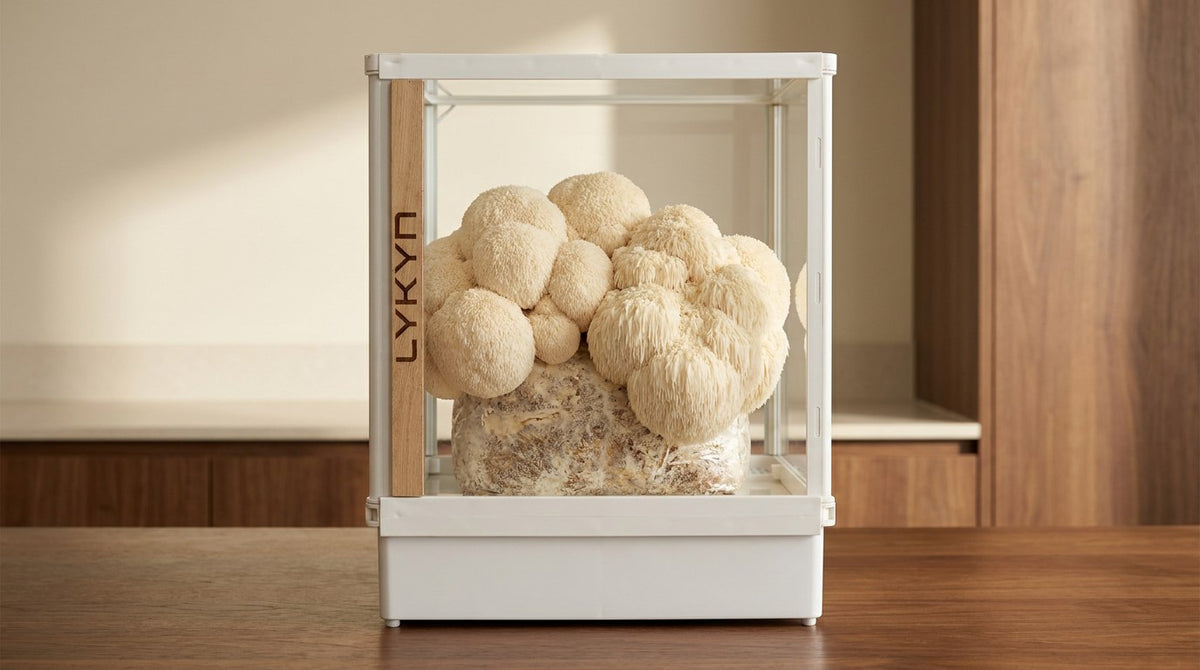
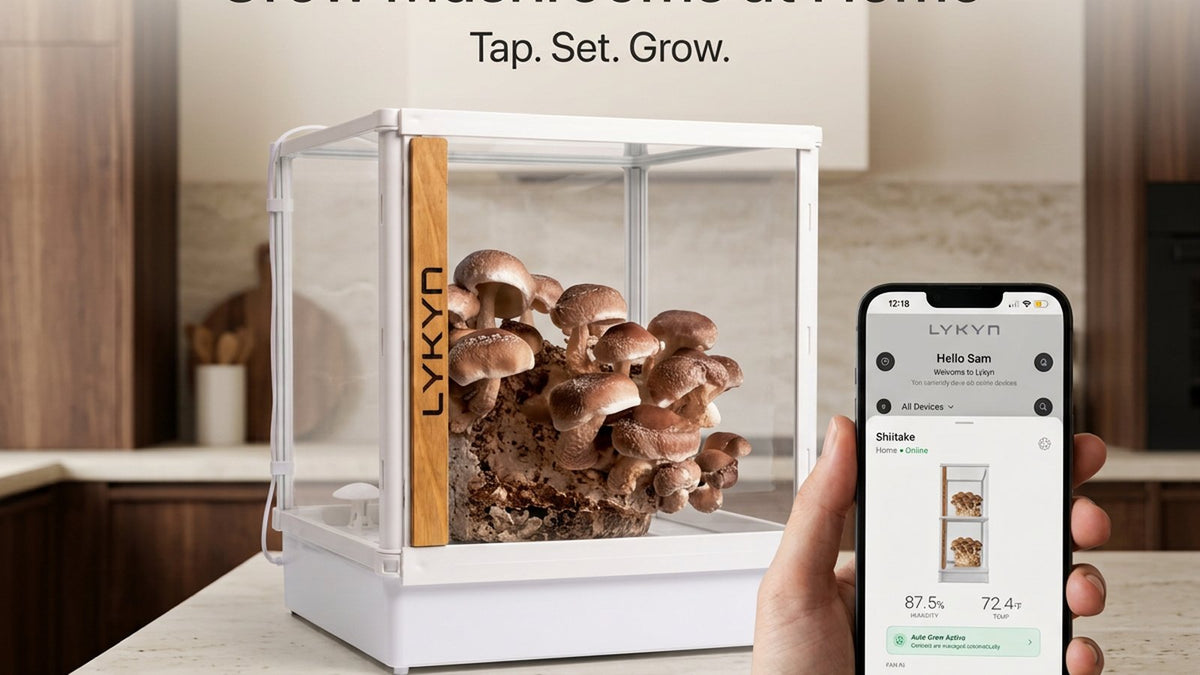
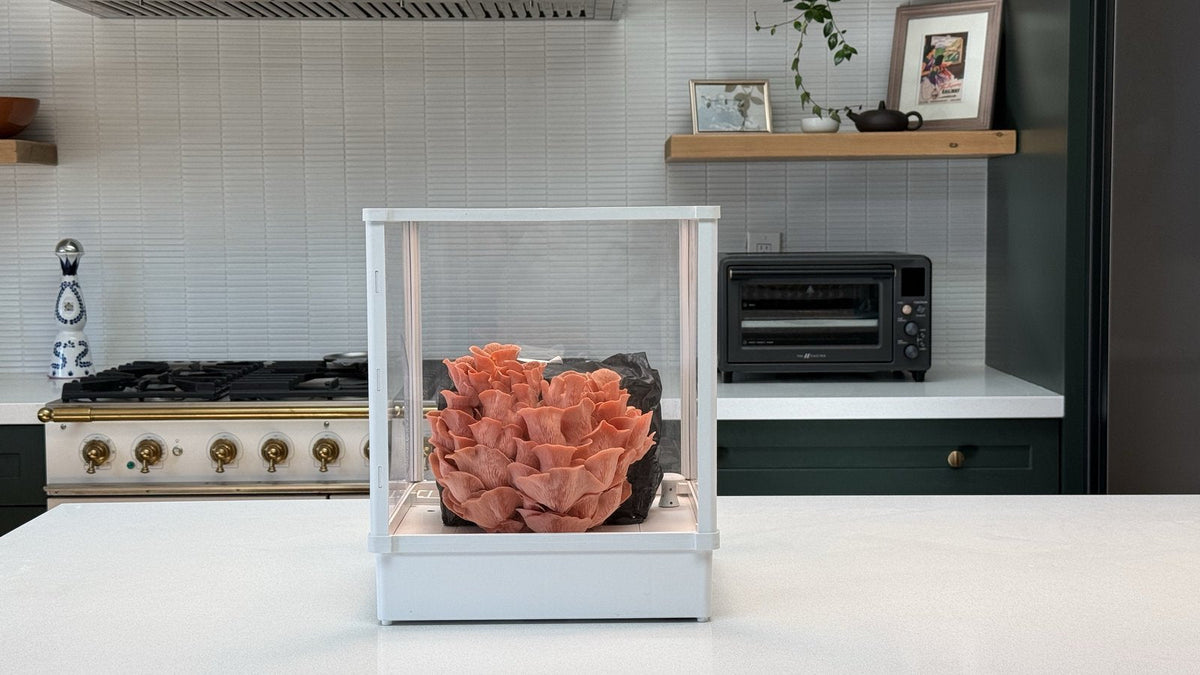
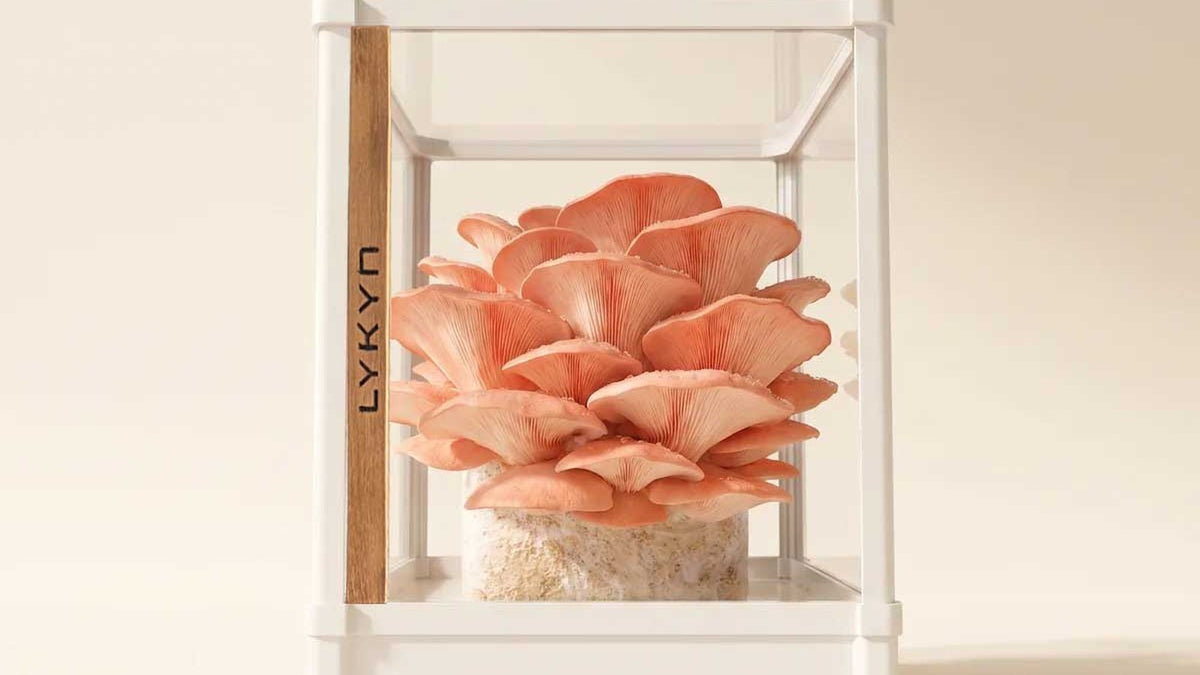
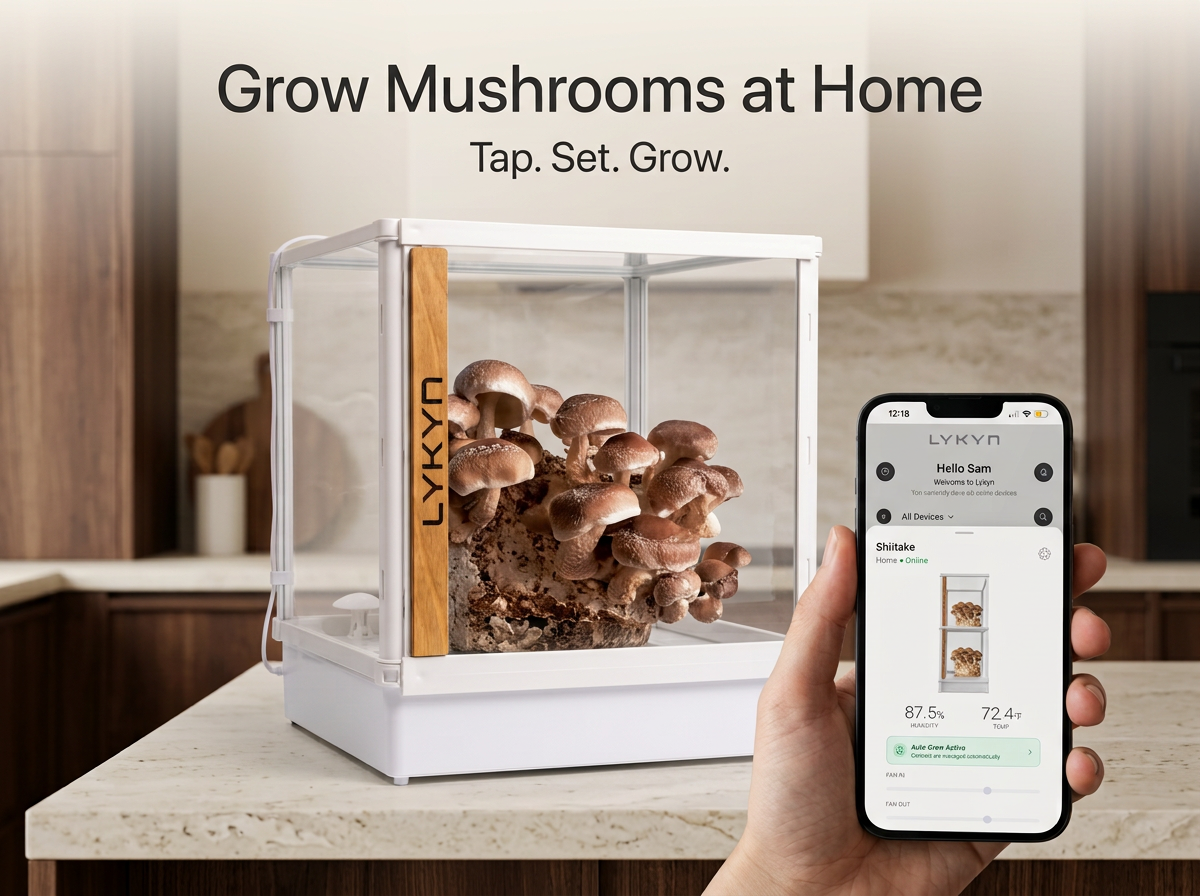
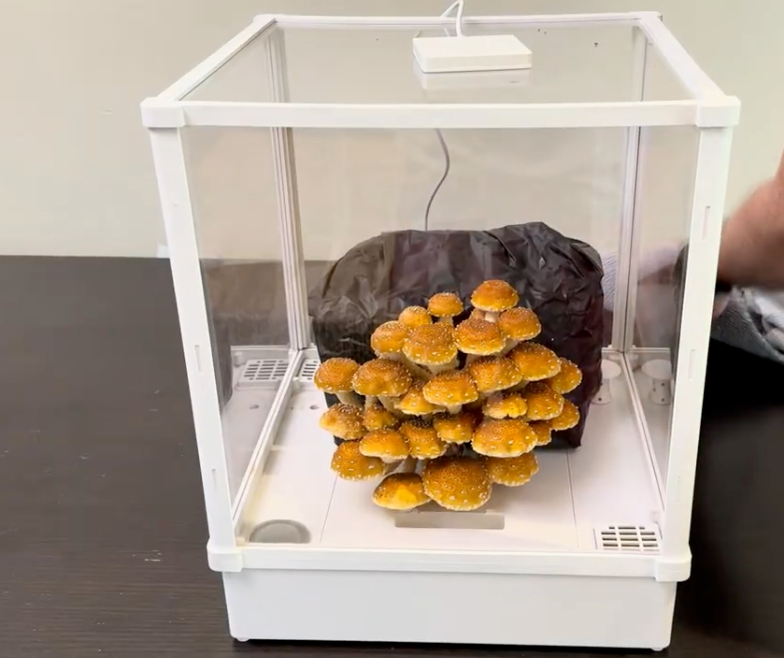
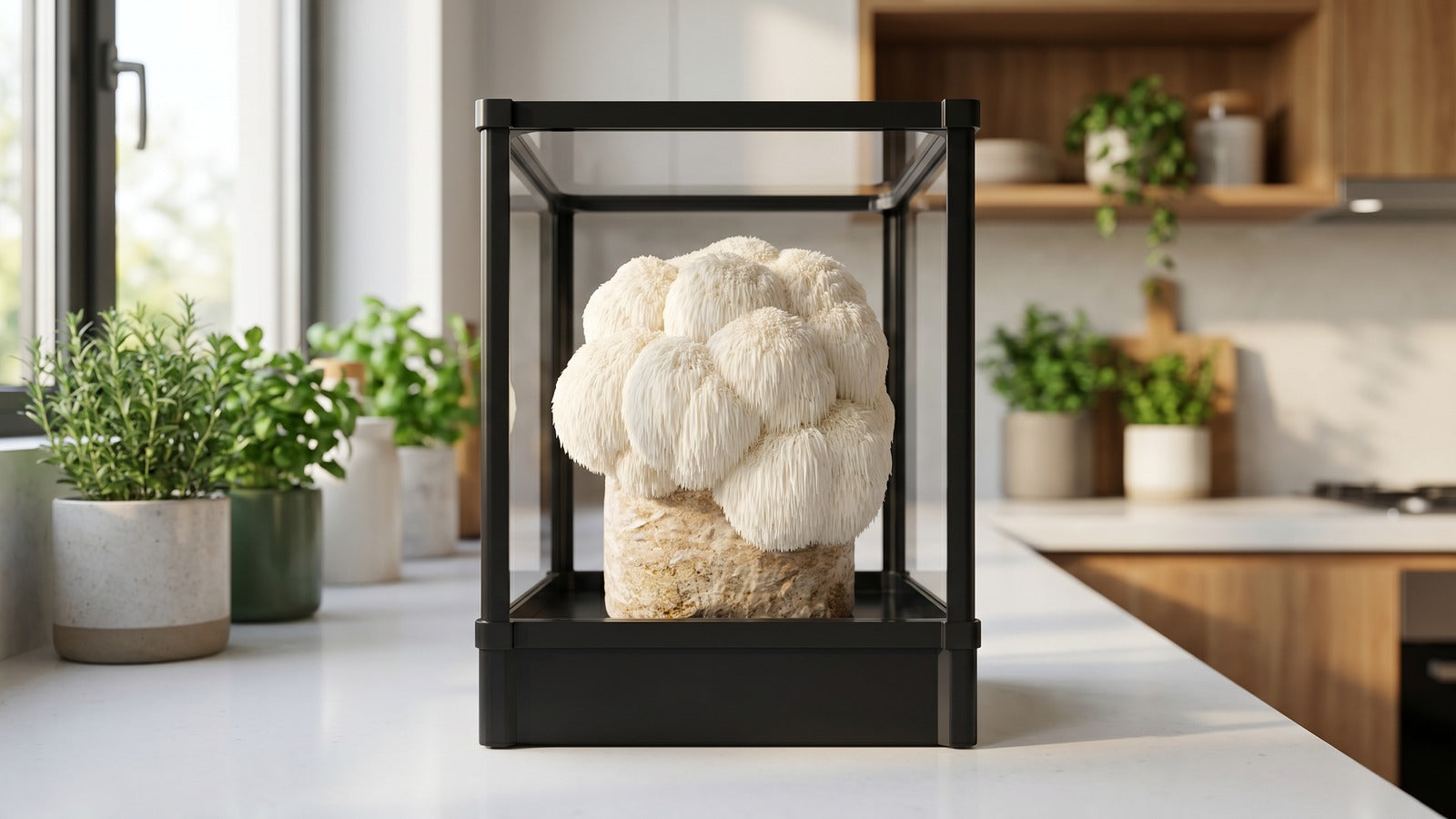
The latest innovation in home mushroom cultivation is smart automated systems like the Lykyn Smart Mushroom Grow KitLykyn Mushroom Grow Kit. These high-tech chambers eliminate all the guesswork by automatically controlling humidity, airflow, and lighting through a smartphone app.
The Lykyn system uses medical-grade built-in filtration, dual-fan airflow for optimal CO₂ exchange, an ultrasonic humidifier with a 2.8L reservoir, and species-specific presets for 28+ mushroom varieties. Simply insert your substrate block, select your mushroom type in the app, and the system maintains perfect growing conditions 24/7.
While premium smart systems cost more upfront (typically $200-300), they deliver consistently higher yields, reduce contamination risks, and allow you to grow more demanding species that fail in basic setups. For serious cultivators or anyone who's struggled with traditional methods, automated systems provide professional-grade results with minimal effort.
Choosing the Right Shroom Kit for Your Needs
Consider Your Experience Level
Complete beginners should start with oyster mushroom kits. Oyster varieties (blue, pink, golden, or pearl) are the most forgiving species, tolerating temperature fluctuations and environmental mistakes that would doom more sensitive mushrooms. They also grow incredibly fast, you'll see your first mushrooms within 5-10 days.
Intermediate growers who've successfully harvested a few oyster flushes can graduate to shiitake or lion's mane kits. These species take longer (14-21 days to first harvest) and require more consistent environmental control but offer superior flavor and medicinal benefits.
Advanced cultivators ready for maximum control should explore smart automated systems or even consider learning how to grow mushrooms from spores to create their own custom cultivation setups.

Think About Your Available Space
Shroom kits fit into surprisingly small spaces. Most grow blocks measure 5-10 inches across and can sit on a kitchen counter, bookshelf, or bathroom vanity. However, you need to consider not just the block itself but also the room for mushrooms to grow (some varieties like lion's mane can expand to 12+ inches) and adequate air circulation.
If you're growing in a small apartment, compact all-in-one kits or vertical growing systems maximize space efficiency. The modular design of the Lykyn mushroom grow system allows for flat-pack shipping and easy assembly, making it ideal for urban environments where space is premium.
Match the Kit to Your Goals
Are you growing mushrooms for:
Culinary purposes? Choose kits with high-yielding gourmet varieties like oyster or shiitake mushrooms. These produce substantial harvests perfect for cooking.
Health and wellness? Focus on medicinal species like lion's mane (cognitive support), reishi (immune function), or turkey tail (gut health). Learn more about turkey tail mushroom cultivation for specific growing techniques.
Educational projects? Fast-growing oyster kits are perfect for teaching kids about biology and food systems. The visible daily growth creates excitement and learning opportunities.
Long-term hobby? Invest in a quality smart system that will serve you for years and allow experimentation with multiple species. Advanced systems pay for themselves after 3-4 growing cycles.
Step-by-Step Guide to Using Your Shroom Kit
Initial Setup (Day 1)
When your shroom kit arrives, remove it from the shipping box and inspect the substrate for any signs of contamination (green, black, or red spots are bad; white mycelium is good). Place the block in your growing location away from direct sunlight, mushrooms need ambient light but direct sun will dry them out.
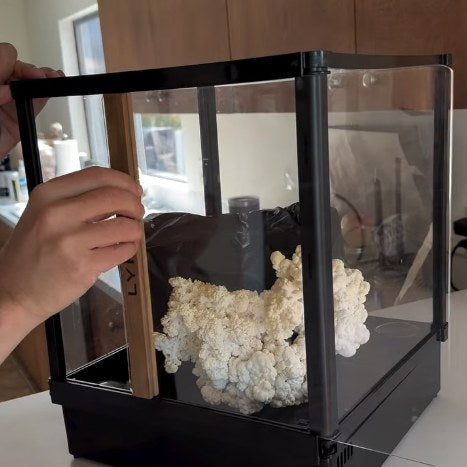
If using a basic block kit, cut an X-shaped opening 4-6 inches across in the plastic bag, exposing the white mycelium to air. This signals the fungus to start fruiting. For all-in-one kits, follow the specific instructions for your humidity tent setup. With smart systems like Lykyn, simply place the block inside the chamber and select your mushroom species in the app.
Daily Maintenance Routine
Traditional shroom kits require misting 2-4 times daily with clean water to maintain humidity around 85-95%. This is the most common point of failure for beginners, too little misting causes mushrooms to dry out and abort, while too much creates standing water that invites contamination.
Use a fine mist spray bottle, not a heavy stream. You want to see water beads on the mushroom surfaces without pooling at the base. If you notice the substrate surface looking dry and cracked, increase misting frequency. If you see excessive water dripping or puddles, reduce misting and improve air circulation.
Smart automated systems eliminate this tedious maintenance. The Lykyn mushroom chamber monitors humidity levels in real-time and activates the ultrasonic humidifier automatically, maintaining perfect conditions without any manual spraying. This consistency leads to better yields and virtually eliminates the risk of drying out your mushrooms.
Providing Fresh Air Exchange
Mushrooms breathe, absorbing oxygen and releasing CO₂ just like us. Stale, CO₂-rich air causes long stems, small caps, and poor mushroom development. Traditional kits need "fanning" 2-4 times daily, simply wave fresh air across the growing surface for 30-60 seconds using cardboard or the bag itself.
This manual fanning can feel tedious after a week or two, and inconsistent air exchange is a major reason home growers get disappointing yields. Automated systems solve this with intelligent dual-fan airflow. The Lykyn's variable-speed intake and exhaust fans maintain optimal CO₂ levels continuously while built-in filtration prevents contamination.

Temperature Management
Most culinary mushroom species fruit best between 55-75°F, with oysters on the warmer end and shiitake preferring cooler temperatures. Check your kit's specific requirements and choose a growing location that stays within range.
Basements, bathrooms, and kitchens often work well due to naturally higher humidity and moderate temperatures. Avoid placing kits near heating vents, air conditioners, or drafty windows. If you struggle with temperature control, consider investing in a small seedling heat mat for cool environments or a USB-powered fan for ventilation in warm spaces.
Harvesting Your Mushrooms: Timing and Technique
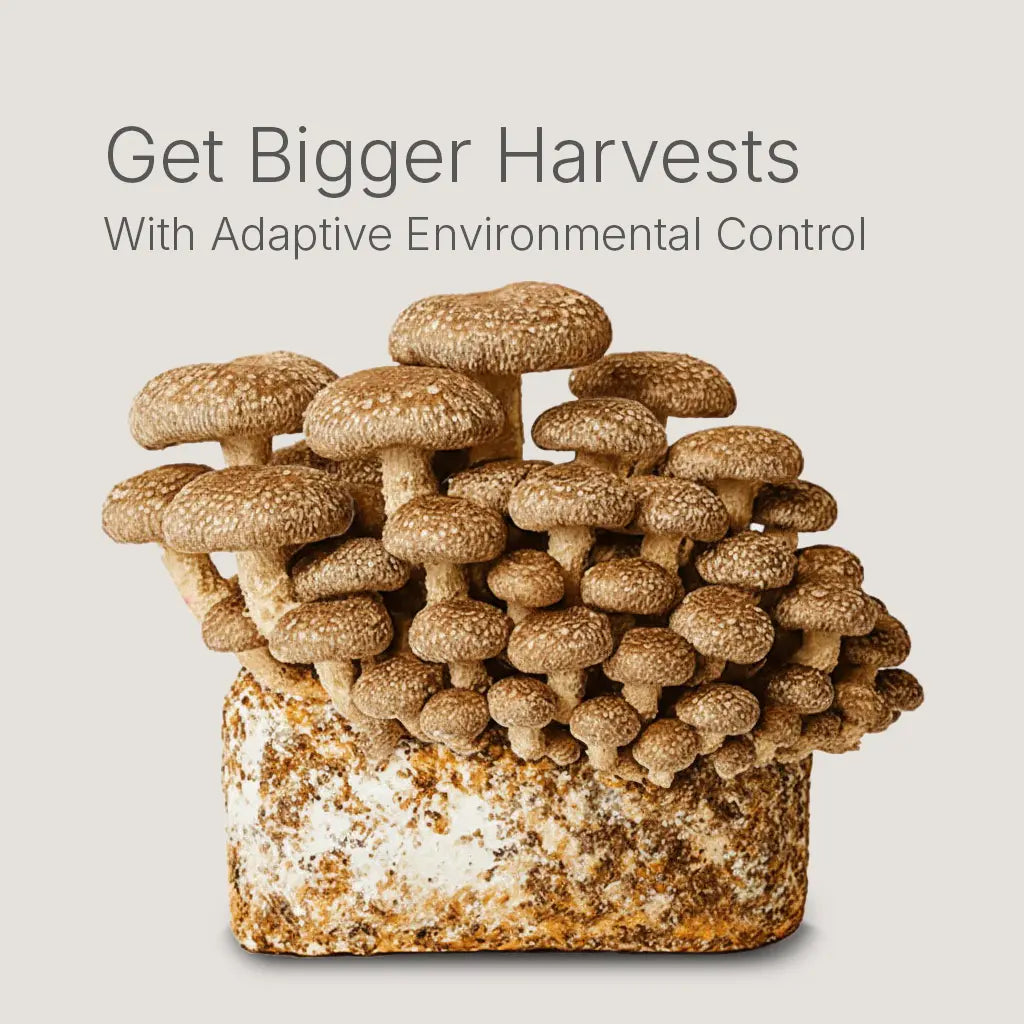
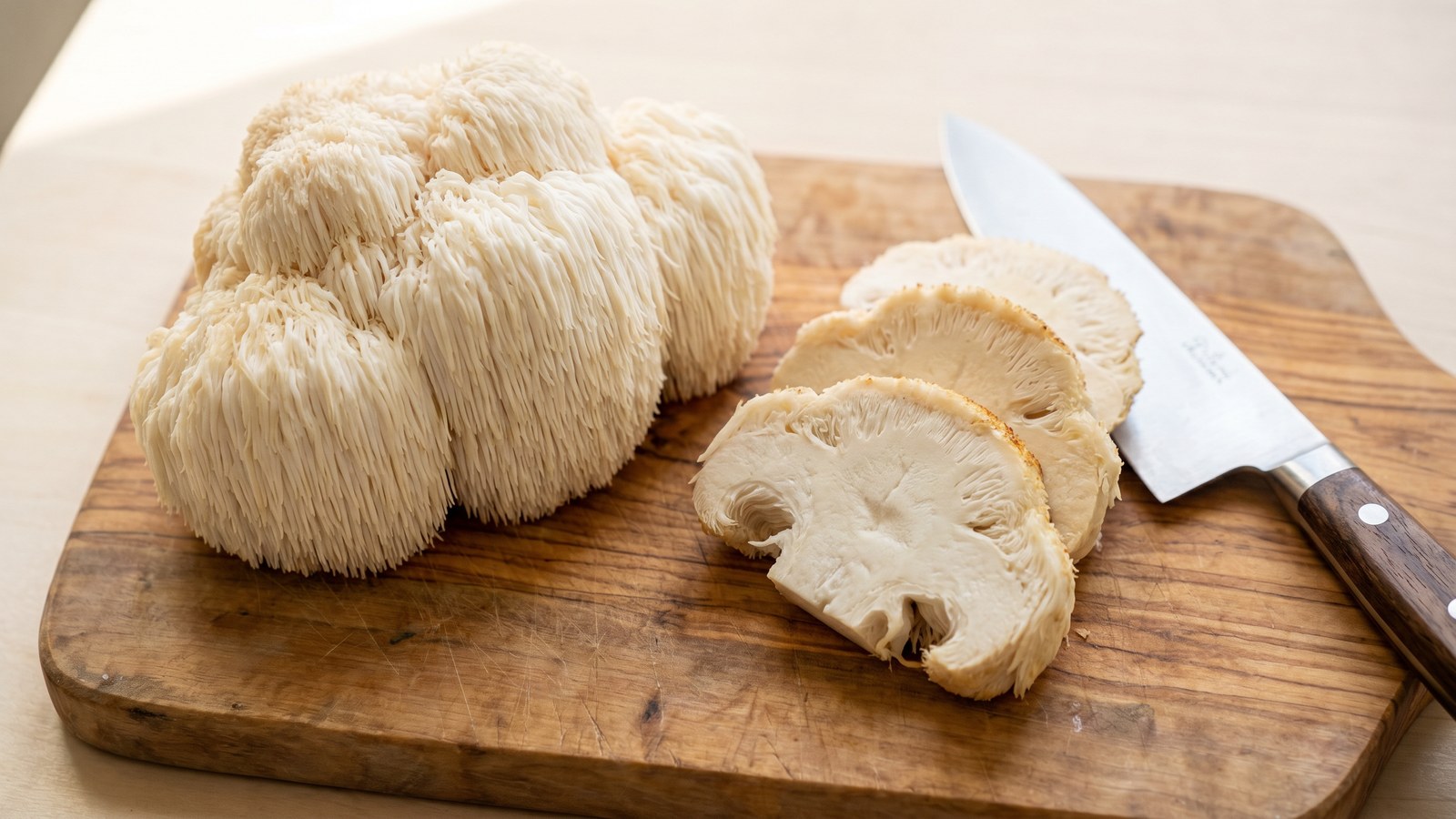
Knowing when to harvest mushrooms maximizes both yield and flavor. Oyster mushrooms are ready when the caps flatten out but before the edges start curling upward, typically 4-6 days after pins (baby mushrooms) first appear. Shiitake should be harvested when caps are 80% open but the veil underneath is still intact. Lion's mane reaches peak ripeness when the "teeth" are about 1/4 inch long but before they elongate further.
For detailed harvesting guidance specific to oyster varieties, check out our article on when to harvest oyster mushrooms for visual examples of perfect harvest timing.
Harvest by grasping the mushroom cluster at the base and twisting gently while pulling. This clean removal minimizes damage to the substrate and allows better subsequent flushes. Never cut mushrooms with scissors or a knife, as the remaining stems can rot and invite contamination.
After harvesting, give your block a "rest period" of 7-10 days. Reduce watering frequency and allow the mycelium to recover. Many growers submerge blocks in cold water for 12-24 hours between flushes to simulate rainfall, which triggers a new fruiting cycle. Most shroom kits produce 2-4 flushes, with yields decreasing each time as the substrate's nutrients deplete.
Troubleshooting Common Shroom Kit Problems
Mushrooms Growing Slowly or Not at All
The most common cause is insufficient humidity. If using a manual spray system, increase misting frequency and consider adding a humidity tent made from a clear storage container or plastic bag with air holes. Low temperatures also slow growth, most species need at least 60°F for reliable fruiting.
Check that your substrate block is actually ready to fruit. It should be solid white throughout, not showing patches of brown or yellow. If the block hasn't fully colonized, give it more time in a dark, warm location before attempting to fruit.
Mushrooms Developing Long Stems and Small Caps
This classic symptom indicates insufficient fresh air exchange (FAE). The mushrooms are literally stretching toward oxygen, creating tall, thin, oddly shaped fruits instead of the wide caps you want. Increase fanning frequency to at least 4-6 times daily, or if using a humidity tent, add more/larger air holes.
Automated systems with active airflow management prevent this issue entirely by maintaining consistent CO₂ levels. Learn more about how mushrooms grow so fast and the environmental factors that affect their development.
Contamination: Green, Black, or Colored Growth
Unfortunately, if you see colored mold (anything other than white mycelium), the kit is likely contaminated and should be discarded. Common contaminants include green Trichoderma, black Aspergillus, and orange Neurospora, all competitors that will overtake mushroom mycelium.
Contamination usually results from poor air quality, excessive handling, or compromised substrate during shipping. To prevent it, maintain clean hands when handling kits, don't remove the block from its bag unnecessarily, and ensure adequate fresh air exchange. Systems with built-in filtration like the Lykyn dramatically reduce contamination risk by removing airborne spores before they reach your growing substrate.
Maximizing Yields from Your Shroom Kit
Optimal Environmental Conditions
Consistency is key for maximum yields. Fluctuating humidity and temperature stress the mycelium, reducing productivity. Aim for 85-95% humidity during fruiting, 60-75°F temperature (species-dependent), and 12 hours of indirect light daily.
If you're serious about growing mushrooms long-term, invest in a hygrometer to monitor humidity levels accurately. Basic models cost under $15 and provide invaluable data for optimizing your growing environment. Smart growers use this data to fine-tune their manual misting schedules or to verify that automated systems are functioning correctly.
Proper Substrate Hydration Between Flushes
After each harvest, the substrate loses significant moisture. Many growers make the mistake of immediately trying to trigger another flush without rehydrating the block. This depletes the mycelium's reserves and leads to progressively smaller harvests.
Between flushes, consider the "cold water soak" technique: submerge your entire substrate block in cold water (50-60°F) for 12-24 hours. This rehydration simulates the heavy rainfall that triggers fruiting in nature. After soaking, allow excess water to drain completely before returning the block to fruiting conditions.
Nutrition and Supplementation
While most shroom kits come with complete nutrition, advanced growers supplement between flushes to extend productivity. Light misting with diluted organic fertilizer (1/4 strength) or coffee grounds tea can provide additional nutrients. However, be cautious, excessive supplementation attracts contaminants.
The spent substrate from finished kits makes excellent compost for gardens. Those mushroom mycelium break down complex organic matter into plant-available nutrients. Learn more about the complete mushroom fruiting body development cycle and how understanding this process improves cultivation success.
Advanced Growing: Beyond Basic Shroom Kits
Once you've mastered commercial shroom kits, numerous paths lead to more advanced cultivation. The next logical step involves purchasing mushroom spawn and preparing your own substrate, whether using the bucket method for growing oyster mushrooms in buckets or creating custom hardwood sawdust blocks.
You might also explore liquid culture techniques for propagating your favorite strains. Our comprehensive guide to Lion's Mane mushroom liquid culture covers everything from creating sterile cultures to troubleshooting contamination issues.
For those interested in outdoor cultivation, consider log inoculation, wood chip beds, or straw bale growing. These methods require more space and time but produce mushrooms for years from a single inoculation. Some species like oysters and shiitake adapt beautifully to outdoor cultivation in appropriate climates.
The path from beginner to expert mushroom cultivator is one of continuous learning and experimentation. Each harvest teaches you something new about fungal biology, environmental controls, and the delicate balance required for successful cultivation. Fortunately, modern tools like smart grow chambers make this learning curve much more forgiving than it was even five years ago.
Frequently Asked Questions About Shroom Kits
How long does a mushroom grow kit last?
Most shroom kits produce mushrooms for 2-3 months, yielding 2-4 flushes (harvests) during that time. The first flush typically produces the largest harvest, with subsequent flushes decreasing in size as the substrate's nutrients deplete. Total yield varies by species and kit quality but generally ranges from 1-3 pounds of fresh mushrooms per kit. After the kit stops producing, the spent substrate makes excellent garden compost.
Do mushrooms need light to grow?
Mushrooms don't photosynthesize like plants, so they don't need light for energy. However, they do use light as a directional signal and to develop proper color and shape. Most species need 12 hours of indirect natural or artificial light daily for optimal development. Direct sunlight should be avoided as it heats and dries the substrate. For detailed information, read our guide on do mushrooms need sunlight to understand the role light plays in cultivation.
What is the easiest mushroom to grow for beginners?
Oyster mushrooms (Pleurotus species) consistently rank as the easiest for home cultivation. They colonize quickly, tolerate temperature variations, forgive environmental mistakes, and produce impressive yields even under suboptimal conditions. Pink oyster, blue oyster, and golden oyster varieties all grow reliably for beginners and fruit within 5-10 days of proper conditions.
Can you reuse a mushroom grow kit?
While you cannot restart the same substrate block once exhausted, you can use the spent substrate as a spawn source to inoculate new substrate materials. Advanced growers harvest healthy mycelium sections and transfer them to fresh substrate using sterile techniques. However, for beginners, it's more reliable and less risky to purchase new kits or pre-made spawn rather than attempting this propagation. The reusable chamber from smart systems like Lykyn's automated mushroom chamber continues working with new substrate blocks indefinitely.
How often should I mist my mushroom grow kit?
Traditional shroom kits typically require misting 2-4 times daily, depending on your home's humidity levels. In dry climates or during winter heating season, you may need to mist 5-6 times daily. In naturally humid environments like bathrooms, 2-3 times may suffice. The substrate surface should appear moist with tiny water droplets but never soaking wet or dry. Smart automated systems eliminate manual misting entirely by maintaining constant optimal humidity through integrated humidifiers and sensors.
Start Your Mushroom Growing Journey Today
Growing your own mushrooms at home combines sustainability, nutrition, and the satisfaction of cultivating your own food. Whether you start with a simple $25 oyster mushroom kit or invest in a sophisticated automated system, you're joining a community of modern mycologists who value self-sufficiency and connection to nature.
Shroom kits remove the intimidation from mushroom cultivation, providing everything you need for success in one convenient package. The learning curve is gentle, the rewards are delicious, and the failures are forgiving. Each growing cycle teaches you more about these fascinating organisms and hones your cultivation skills.
Ready to harvest your first flush of fresh, organic mushrooms? Explore the complete selection of mushroom growing kits and find the perfect option for your space, budget, and experience level. Check out our detailed mushroom grow kit comparison to discover which system delivers the results you're looking for.
For more cultivation tips, troubleshooting advice, and growing techniques, browse our complete mushroom growing guide and join thousands of successful home mushroom growers transforming their kitchens into productive mini-farms. Your first harvest is just days away!
Share:
How to Grow Mushrooms from Mushrooms: Your Complete Guide to Mushroom Cloning and Propagation
How to Grow Your Own Mushrooms at Home: The Complete Beginner's Guide