


The term "mushroom packaging" represents two fascinating intersections of fungi and modern life: the revolutionary use of mycelium to create eco-friendly packaging materials that replace plastic and styrofoam, and the specialized techniques for packaging fresh mushrooms to preserve quality from harvest to table. Both topics reflect growing awareness of sustainability, food waste reduction, and the remarkable versatility of fungi.
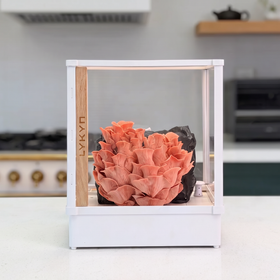
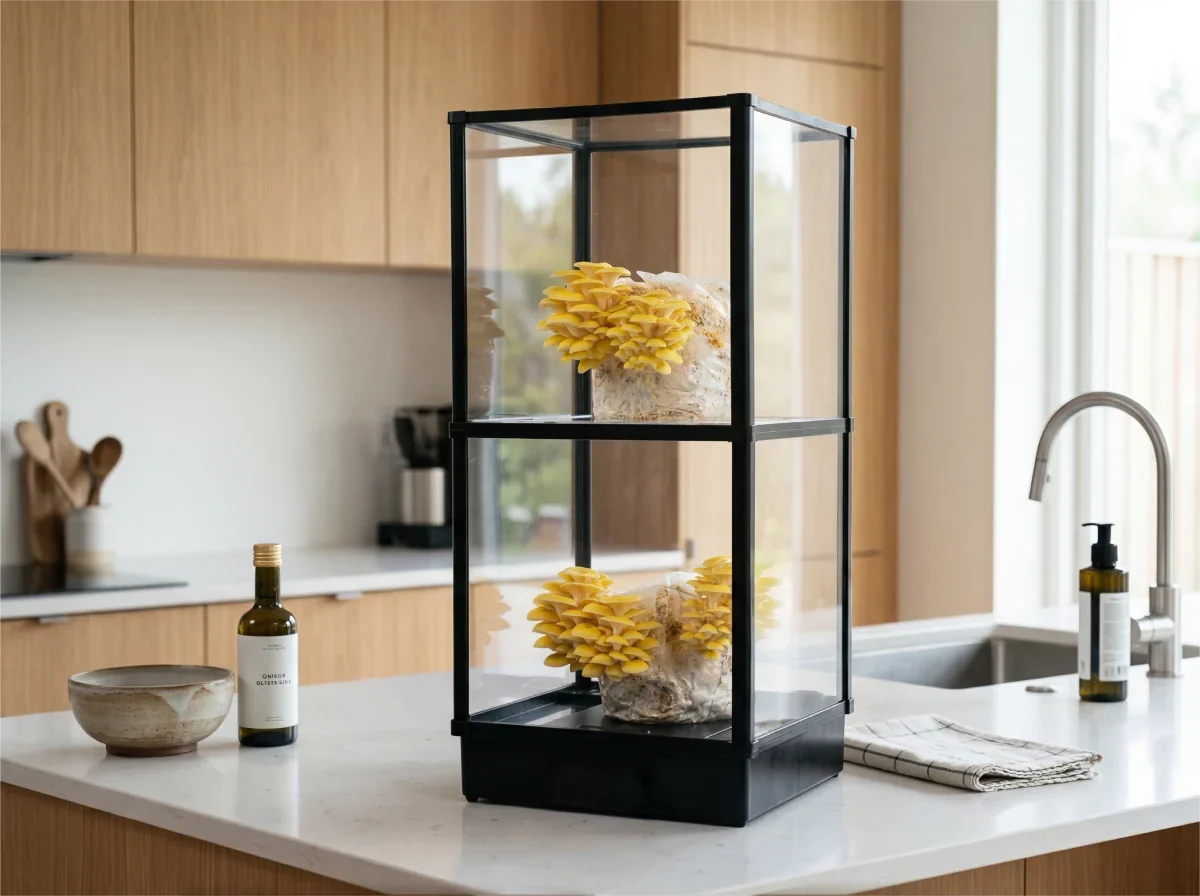
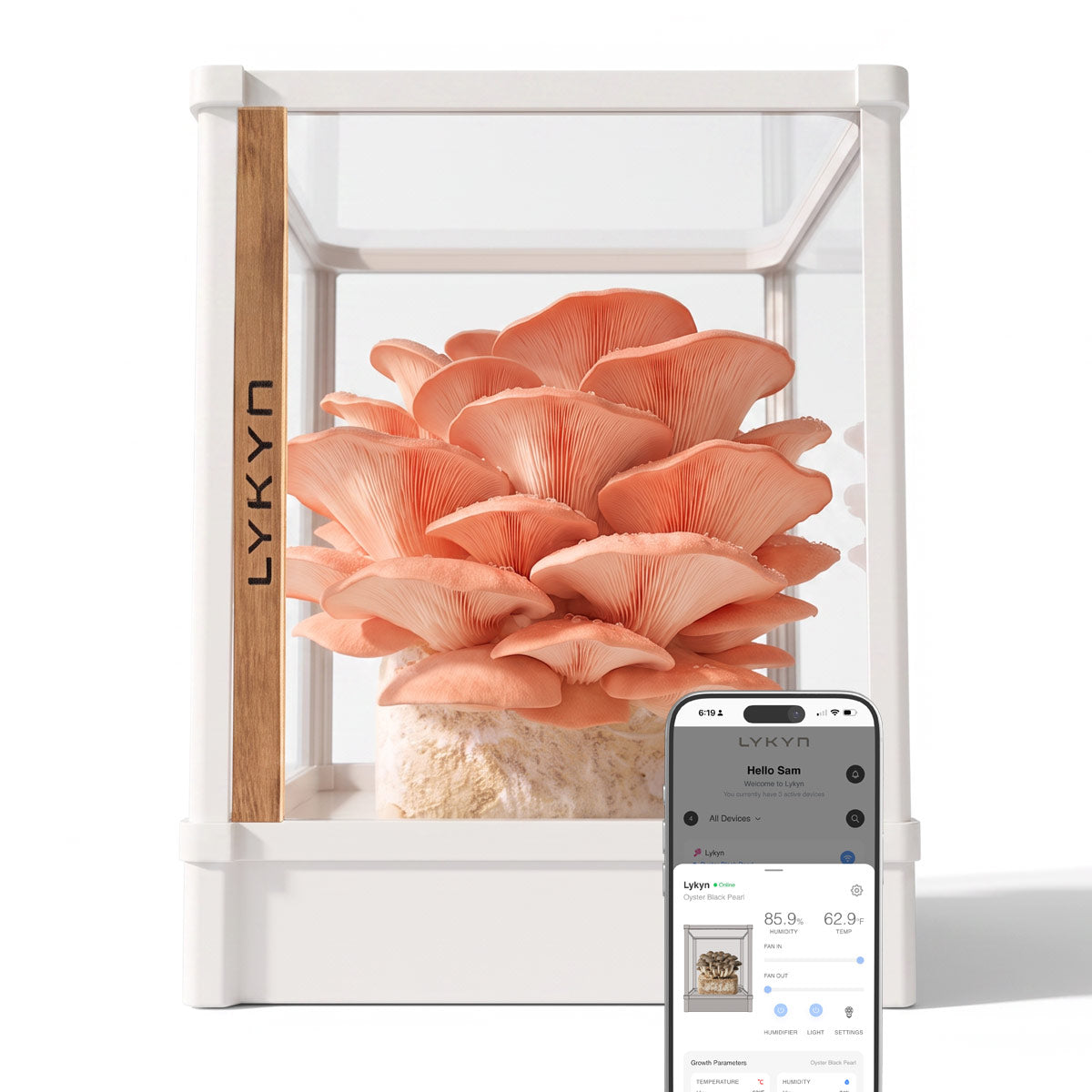
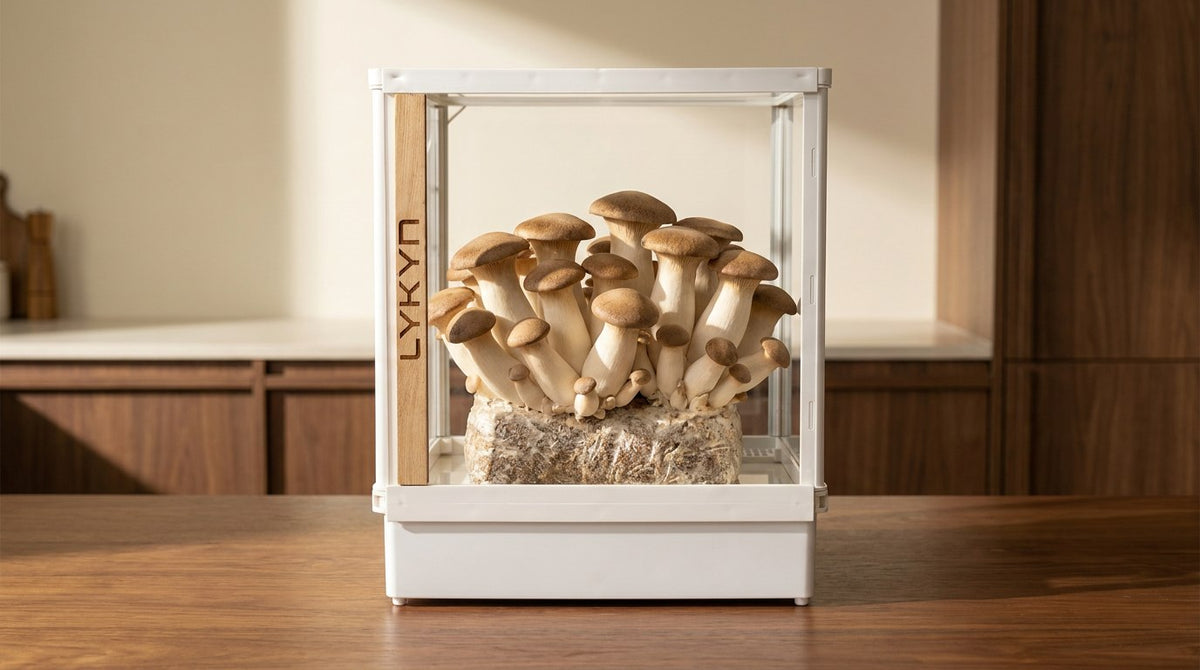
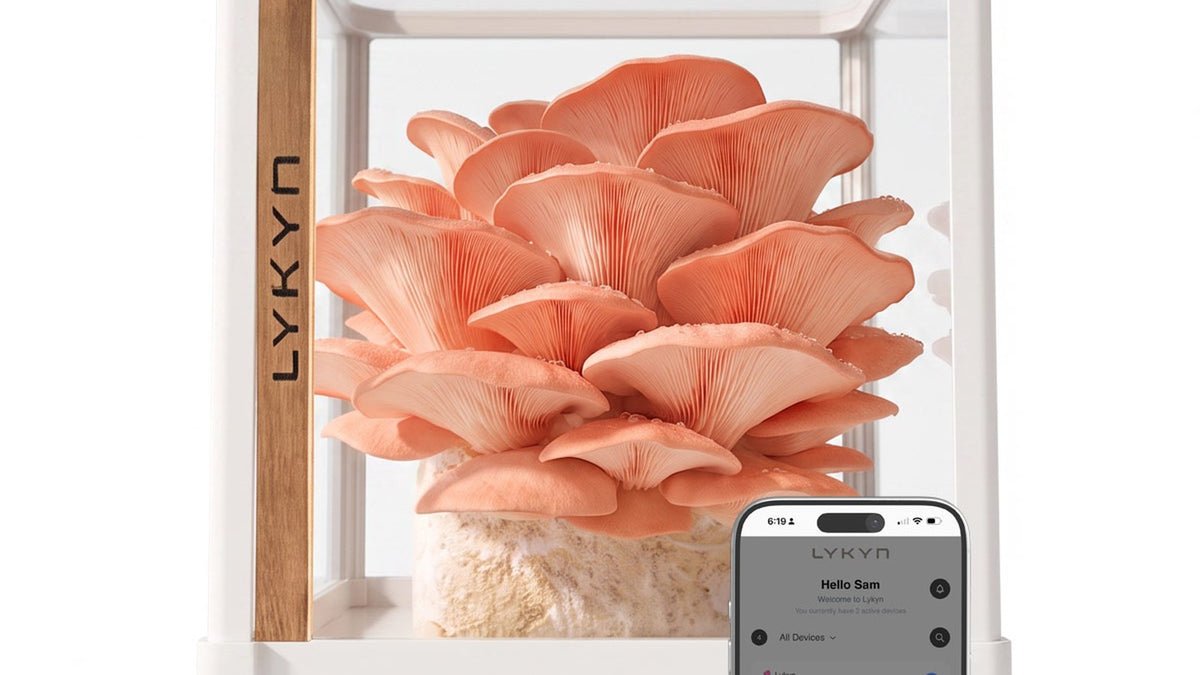
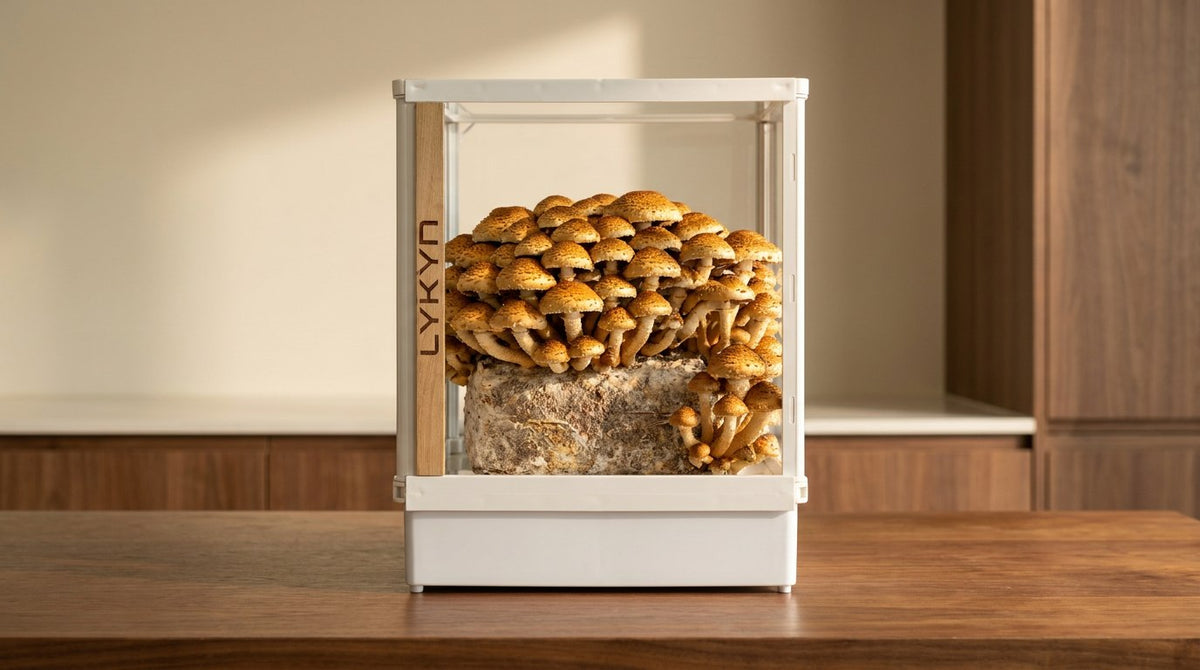
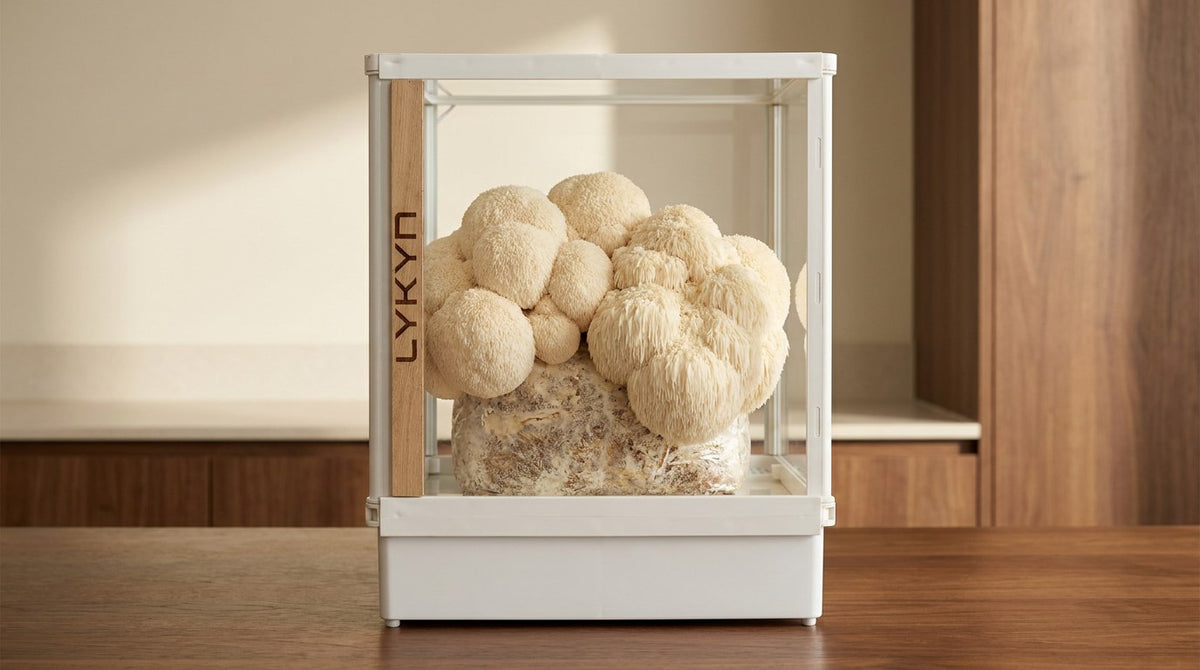
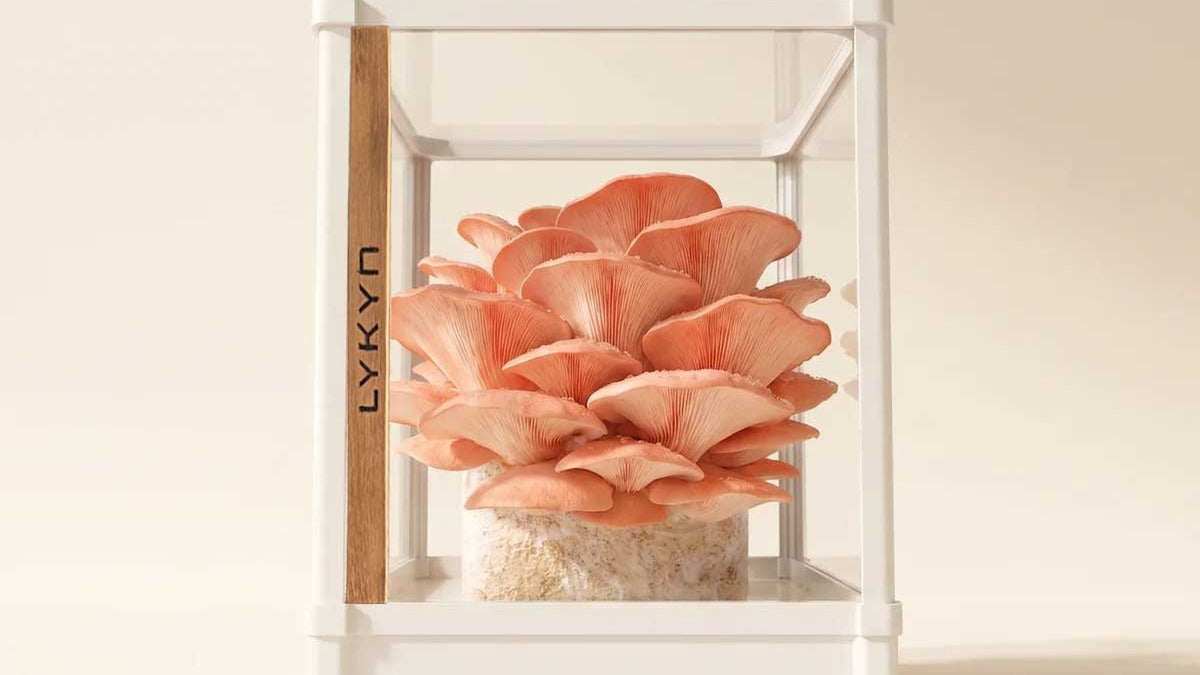
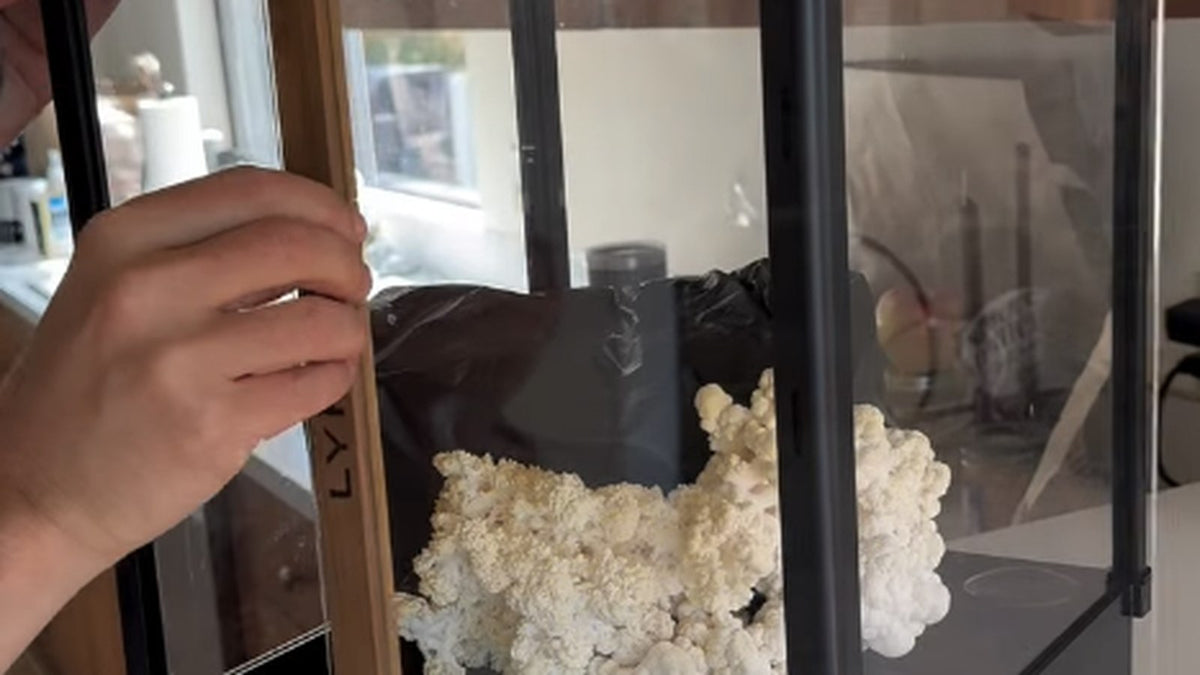
Whether you're interested in the cutting-edge technology of mycelium-based packaging materials or seeking practical guidance on how to properly store and package fresh mushrooms from your Lykyn Smart Mushroom Grow Kit, this comprehensive guide covers everything you need to know about mushroom packaging in 2025.
Mushroom-Based Packaging: The Sustainable Revolution
The most revolutionary development in mushroom packaging is the creation of protective packaging materials grown from mycelium, the root-like structure of fungi. This innovation addresses one of modern society's most pressing environmental challenges: the 900,000 metric tons of plastic foam protective packaging Americans use annually.
What Is Mycelium Packaging?
Mycelium packaging, commercially known as Mushroom® Packaging or MycoComposite™, is made from just two simple natural ingredients: mycelium (the vegetative part of fungi) and agricultural waste such as hemp hurd, corn husks, or wood chips.
The manufacturing process is remarkably elegant. Agricultural byproducts are placed in custom molds and inoculated with mushroom mycelium. Over 5-7 days, the mycelium grows through and around the organic material, binding it together like natural glue to form a solid, protective structure. The packaging is then heat-treated to dry it out, kill spores, and stop growth, creating a stable final product.
Unlike traditional manufacturing that creates waste, this process literally grows packaging to exact specifications without requiring light, water, chemicals, or the petroleum products that form the basis of plastic foam packaging.
Environmental Benefits of Mycelium Packaging
Complete compostability sets mycelium packaging apart from virtually all alternatives. Mushroom® Packaging is fully home-compostable, breaking down naturally in garden soil within 30-45 days. No special industrial composting facilities, high temperatures, or additives are required, the packaging simply returns to soil nutrients that nourish plants.
Compare this to traditional styrofoam, which never biodegrades, instead breaking into progressively smaller pieces that pollute waterways and accumulate in landfills indefinitely. Even many "biodegradable" plastic alternatives require energy-intensive industrial composting that isn't widely available.
Carbon sequestration makes mycelium packaging carbon-negative rather than carbon-neutral. Hemp, the most common agricultural waste used, sequesters more carbon per acre than any other commercial crop. The mycelium growth process locks this carbon into the packaging material. When the packaging eventually composts, it enriches soil rather than releasing greenhouse gases.
Upcycling agricultural waste transforms what would otherwise be discarded into valuable products. The hemp hurd (woody core) and corn stalks used in mycelium packaging come from waste streams of other industries. This circular economy approach reduces agricultural waste while creating high-value materials.
Energy efficiency in production dramatically reduces environmental impact. Growing mycelium packaging requires a fraction of the energy needed to produce petroleum-based foam polymers. The process happens at room temperature with minimal processing, avoiding the high heat and chemical processes required for conventional packaging manufacture.

Performance and Applications
Skeptics often wonder if "sustainable" packaging can match conventional materials' protective properties. The answer is yes, mycelium packaging has been tested extensively and performs comparably to styrofoam in key metrics.
Structural strength and cushioning meet or exceed polystyrene foam standards. Mycelium packaging provides excellent shock absorption, protecting fragile items during shipping. Major companies including Dell, IKEA, and Crate & Barrel have successfully used mushroom packaging for electronics, furniture, and delicate goods.
Moldability allows customization to any shape needed. The organic growth process means packaging can be grown in complex 3D molds to fit products precisely. This versatility makes mycelium suitable for everything from protective corner pieces to complete custom packaging solutions.
Hydrophobic properties protect against moisture when properly treated. While mycelium is naturally somewhat absorbent, processing techniques create water-resistant surfaces suitable for most shipping and storage applications. For extreme conditions, additional coatings can enhance moisture resistance.
Temperature stability maintains protective properties across typical shipping temperature ranges. Mycelium packaging doesn't become brittle in cold or soft in heat the way some plastic alternatives do, providing consistent protection throughout the supply chain.
Shelf life when stored dry exceeds 30 years, demonstrating that compostability doesn't mean the packaging degrades prematurely. It remains stable until deliberately composted, matching or exceeding traditional packaging longevity.
Commercial Adoption and Industry Leaders
Ecovative Design, the pioneer of mushroom packaging, launched commercially in 2010 and continues leading the industry. Their facilities in Green Island, New York, convert over 10 million pounds of agricultural waste into mycelium products annually. They've developed sophisticated strain selection, environmental controls, and manufacturing processes that enable consistent, large-scale production.
Major brand adoption validates mycelium packaging's commercial viability. Beyond Dell, IKEA, and Crate & Barrel, companies like Lush Cosmetics have embraced mushroom packaging for seasonal product launches. The beauty industry particularly values mycelium packaging, as its natural aesthetic aligns with organic, sustainable brand identities.
Licensing and expansion accelerate market penetration. Ecovative licenses their MycoComposite™ technology to other manufacturers, enabling regional production and reducing transportation distances. Partners in Mexico, Canada, the United States, United Kingdom, and Netherlands represent millions of square feet of production capacity.
Cost competitiveness continues improving. While initially more expensive than plastic foam, mushroom packaging costs have declined as production scales. For premium products where sustainability carries marketing value, the price premium is often justified by brand positioning and consumer appeal.
Packaging Fresh Mushrooms: Preserving Quality and Freshness
For home growers harvesting from systems like the Lykyn mushroom chamber or consumers storing market-bought mushrooms, proper packaging is essential for maintaining quality and extending shelf life.
Understanding Mushroom Perishability
Fresh mushrooms are notoriously delicate. Their high water content (80-90%) makes them susceptible to rapid deterioration through several mechanisms:
Continued respiration after harvest means mushrooms remain metabolically active, consuming stored nutrients and releasing moisture. Unlike truly dormant foods, mushrooms continue biological processes that gradually degrade quality.
Moisture loss causes mushrooms to shrivel, toughen, and lose weight. The delicate cell structure provides little protection against dehydration, especially in low-humidity refrigerator environments.
Microbial contamination establishes quickly on mushroom surfaces. Bacteria and mold spores in the air can colonize the moist mushroom environment, causing sliminess, off-odors, and visible spoilage.
Enzymatic breakdown begins immediately at harvest, with natural enzymes breaking down cell walls and causing textural changes. This process accelerates at warmer temperatures but continues even under refrigeration.
Optimal Packaging Materials for Fresh Mushrooms
Paper bags represent the gold standard for home mushroom storage. Brown paper bags absorb excess moisture while allowing air circulation, preventing the condensation that accelerates spoilage. The breathable nature of paper maintains the delicate moisture balance mushrooms need, humid enough to prevent drying but not so sealed that condensation forms.
For best results, store unwashed mushrooms in paper bags in the main refrigerator compartment (32-40°F). Never seal plastic bags around mushrooms, the trapped moisture creates ideal conditions for bacterial growth and mold.
Breathable commercial packaging used by many mushroom producers consists of paper or cardboard containers with ventilation holes, sometimes overwrapped with perforated plastic film. This packaging is specifically engineered for mushroom storage and often works well for keeping mushrooms fresh if undamaged.
If store-bought mushrooms arrive in proper breathable packaging, consider leaving them in their original containers until use. The packaging design accounts for optimal air flow and moisture management during the expected shelf life.
Modified atmosphere packaging (MAP) represents the cutting-edge of commercial mushroom preservation. Specialized films control the atmosphere inside packages, maintaining higher CO₂ and lower O₂ levels that slow respiration and deterioration.
Companies like StePacPPC have developed advanced MAP solutions specifically for mushrooms that can extend shelf life from a few days to over two weeks. Their Xtend bags maintain mushroom quality, texture, and appearance significantly longer than traditional packaging, reducing food waste throughout the supply chain.
For sliced mushrooms particularly vulnerable to degradation, flow-pack MAP solutions can preserve freshness for up to 18 days, a remarkable achievement for such delicate products. These innovations benefit commercial operations, food service providers, and eventually consumers through improved product quality and reduced waste.
Storage Best Practices
Temperature control is absolutely critical. Store mushrooms at 32-40°F in the main refrigerator compartment where temperatures remain stable. Avoid door shelves where temperature fluctuates with opening and closing. The crisper drawer can work if not overly humid, but monitor moisture levels carefully.
Never pre-wash mushrooms before storage. Mushrooms absorb water like sponges, and this extra moisture dramatically reduces shelf life by promoting bacterial growth. Store mushrooms dry and clean them only immediately before use with a damp cloth or soft brush.
Handle gently to minimize bruising. Physical damage breaks cell walls, releasing moisture and creating entry points for microorganisms. Bruised spots darken and deteriorate faster than intact tissue.
Check regularly for signs of deterioration. Remove any mushrooms showing sliminess, dark spots, or off-odors promptly to prevent them from affecting others in the same container. Fresh mushrooms should be firm, relatively dry to the touch, and smell pleasant and earthy.
Extending Shelf Life Through Preservation
When you have more mushrooms than you can use fresh, several preservation methods extend usability far beyond refrigerated storage timeframes.
Drying is the most traditional and effective long-term preservation method. Properly dried mushrooms last 6-12 months stored in airtight containers with desiccant packets. Drying actually concentrates flavors, making dried mushrooms especially valuable for soups, sauces, and dishes where intense mushroom taste is desirable.
For detailed guidance on drying different varieties, see our articles on how to dry shiitake mushrooms and dehydrating morel mushrooms.
Freezing works best for mushrooms that will be cooked later. Raw mushrooms develop rubbery textures when frozen due to ice crystal formation, but pre-cooking (sautéing, blanching, or roasting) before freezing preserves better quality. Our guide on freezing maitake mushrooms covers techniques applicable to other varieties.
Proper packaging for frozen mushrooms requires airtight, freezer-safe containers or vacuum-sealed bags with excess air removed. Label with dates and use within 3-12 months depending on preparation method. Flash-freezing on baking sheets before bagging prevents mushrooms from clumping together.
Commercial Packaging Innovations
Sustainable materials are transforming commercial mushroom packaging. Eco-conscious producers increasingly use compostable paper and cardboard containers rather than plastic trays and overwrap. These breathable, recyclable options maintain mushroom quality while reducing environmental impact.
Companies like Good Start Packaging offer compostable mushroom containers specifically designed for farmers markets and CSA deliveries. These food-safe, vented boxes protect delicate mushrooms while supporting sustainable agriculture and zero-waste goals.
Bulk packaging for food service presents unique challenges. Restaurant and institutional buyers need mushrooms to maintain quality during larger-volume transport and storage. Modified atmosphere bulk packaging with moisture and gas transmission properties customized for mushrooms enables efficient distribution without sacrificing freshness.
Consumer-friendly features improve home storage success. Some packaging includes storage instructions, breathable designs that work straight from purchase, and tamper-evident seals that ensure food safety while simplifying the path from store to home refrigerator.
Special Considerations for Home-Grown Mushrooms
When you grow your own mushrooms at home, you control harvest timing and freshness, but you also need proper storage planning to maximize your harvest's value.
Harvest at peak ripeness for best flavor and longest storage life. Learning when to harvest different varieties ensures optimal texture, flavor, and keeping quality. Under-mature mushrooms lack developed flavor, while over-mature specimens deteriorate faster.
Handle immediately after harvest. The clock starts ticking the moment mushrooms are picked. Refrigerate promptly, ideally within an hour of harvest, to slow metabolism and deterioration. Brief room temperature exposure won't ruin mushrooms, but cold storage extends viable shelf life substantially.
Clean gently before storage if needed. Home-grown mushrooms from clean environments like the Lykyn grow chamber may need minimal cleaning. Use a soft brush or damp cloth to remove any substrate particles. Extensive washing should wait until cooking.
Package appropriately for quantity. Separate mushrooms into amounts you'll use in single cooking sessions. Multiple small containers prevent repeatedly exposing entire harvests to temperature changes and handling.
Share or preserve excess rather than letting mushrooms spoil. Home cultivation can produce abundant harvests. When production exceeds fresh consumption capacity, drying, freezing, or sharing with friends ensures nothing goes to waste.
Packaging for Gifting or Selling
Home growers sometimes share or sell excess production. Proper packaging protects quality and presents products professionally.
Breathable containers like paper produce bags or cardboard boxes with ventilation maintain mushroom condition during transport. Include simple storage instructions: "Refrigerate immediately, use within 5-7 days, store in paper bag."
Clear labeling benefits recipients. Include mushroom variety, harvest date, and basic cooking suggestions. For less common varieties, brief preparation notes help ensure good experiences that build enthusiasm for specialty mushrooms.
Sustainable packaging aligns with mushroom cultivation values. Home growers typically embrace sustainability, making compostable paper packaging more appropriate than plastic. This consistency reinforces environmental messaging.
Frequently Asked Questions About Mushroom Packaging
What is mushroom packaging made from?
Mushroom packaging (mycelium packaging) is made from two simple ingredients: mycelium (the root-like structure of fungi) and agricultural waste products such as hemp hurd, corn stalks, or wood chips. The mycelium grows through the organic material over 5-7 days, binding it together naturally to form solid, protective packaging. After growth, the material is heat-treated to stop further development, creating a stable, compostable product. This process requires no petroleum, plastics, or synthetic chemicals, making it one of the most environmentally friendly packaging materials available.
Can you recycle mushroom mycelium packaging?
Mushroom mycelium packaging shouldn't be recycled in traditional recycling streams because it's not plastic or paper, it's living organic material. Instead, it should be composted. Simply break the packaging into small pieces and add to home compost bins or spread throughout gardens. The packaging decomposes naturally within 30-45 days, enriching soil with nutrients. If home composting isn't available, check if your area has commercial composting facilities that accept it. Alternatively, it can be disposed of in regular trash where it will biodegrade much faster than plastic alternatives, though composting is preferred for maximum environmental benefit.
How should fresh mushrooms be packaged for storage?
Fresh mushrooms should be stored in breathable paper bags or containers with ventilation holes in the refrigerator's main compartment at 32-40°F. Never store mushrooms in sealed plastic bags, as trapped moisture accelerates spoilage by promoting bacterial growth and mold. Store mushrooms unwashed and dry, clean them only immediately before cooking. Proper mushroom storage in paper bags extends shelf life to 5-10 days depending on variety, compared to just 2-3 days in plastic. For longer preservation, mushrooms can be dried, frozen after cooking, or stored using modified atmosphere packaging in commercial settings.
Why do grocery stores use plastic packaging for mushrooms?
Many grocery stores use plastic packaging for mushrooms because it provides transparency (consumers can see the product), protects against handling damage, and enables efficient stacking for transport and display. However, the best commercial mushroom packaging uses breathable plastic with perforations or paper/cardboard containers with plastic windows, never fully sealed plastic. Modified atmosphere packaging (MAP) with specialized breathable films can extend mushroom shelf life significantly while reducing waste. Increasingly, sustainable grocers are shifting to paper-based mushroom containers that offer visibility through cellophane windows while providing better air circulation and compostability.
How long can mushrooms stay fresh in proper packaging?
Fresh mushroom shelf life varies by variety and storage method. Button and cremini mushrooms typically last 7-10 days in proper refrigerated storage (paper bags, 32-40°F). Oyster mushrooms are more delicate, staying fresh 5-7 days. Shiitake can last up to 10 days. With advanced modified atmosphere packaging used commercially, mushrooms can maintain quality for 14-21 days. Dried mushrooms stored in airtight containers last 6-12 months. Properly frozen cooked mushrooms maintain quality for 3-12 months. The key to maximum freshness is prompt refrigeration after harvest or purchase, breathable packaging that prevents moisture buildup, and consistent cold temperatures without fluctuations.
Featured Snippet Summary
Mushroom packaging refers to both sustainable packaging materials grown from mycelium (fungal roots) that replace plastic foam, and proper methods for storing fresh mushrooms. Mycelium packaging uses agricultural waste and fungal growth to create compostable protective materials that biodegrade in 30-45 days. Fresh mushrooms should be stored in breathable paper bags at 32-40°F, never in sealed plastic. Modified atmosphere packaging extends commercial mushroom shelf life to 14-21 days through controlled gas environments.
The Future of Mushroom Packaging
The convergence of sustainability demands, technological innovation, and consumer awareness positions both types of mushroom packaging for continued growth and development.
Regulatory pressures increasingly favor sustainable packaging. Legislation banning polystyrene in major jurisdictions, plastic packaging taxes, and targets for 100% compostable packaging by 2025-2030 create strong market drivers for mycelium alternatives. Companies adopting mushroom packaging early gain competitive advantages as regulations tighten.
Consumer preference for sustainable products continues strengthening. Surveys consistently show consumers willing to pay premiums for environmentally responsible packaging, particularly in premium and natural products categories. Brands using mushroom packaging can leverage this in marketing and brand positioning.
Technology improvements in both mycelium manufacturing and fresh mushroom preservation continue advancing. Faster-growing strains, optimized production facilities, and enhanced material properties make mycelium packaging increasingly competitive with traditional options. Similarly, innovations in modified atmosphere packaging, breathable films, and smart packaging technologies improve fresh mushroom quality and reduce waste.
Scale and cost reductions make sustainable options more accessible. As production volume increases and processes optimize, mycelium packaging costs decline toward parity with plastic alternatives. The trillion-dollar packaging industry's transformation creates enormous opportunities for sustainable materials.
Conclusion: Embracing Mushroom Packaging Innovation
Whether you're interested in the revolutionary environmental benefits of mycelium-based packaging materials or seeking practical guidance for storing fresh mushrooms from your home cultivation system, mushroom packaging represents innovation meeting necessity.
The shift from petroleum-based packaging to compostable mycelium alternatives addresses urgent environmental challenges while demonstrating that sustainable solutions can match or exceed conventional performance. As consumers, growers, and businesses embrace these innovations, we move toward a future where packaging enriches soil rather than polluting it.
For home mushroom cultivators using systems like the Lykyn grow chamber, understanding proper storage and packaging preserves the quality of your harvest, reduces waste, and ensures maximum enjoyment of your home-grown fungi.
Explore our comprehensive guides on mushroom cultivation, storage techniques, and preservation methods to make the most of your mushroom growing journey. The future of packaging, and the future of sustainable food production, includes mushrooms in more ways than one.
Share:
Rare Mushrooms: A Journey Through the World's Most Exotic and Valuable Fungi
Mushrooms and Cancer: What Science Reveals About These Medicinal Fungi