



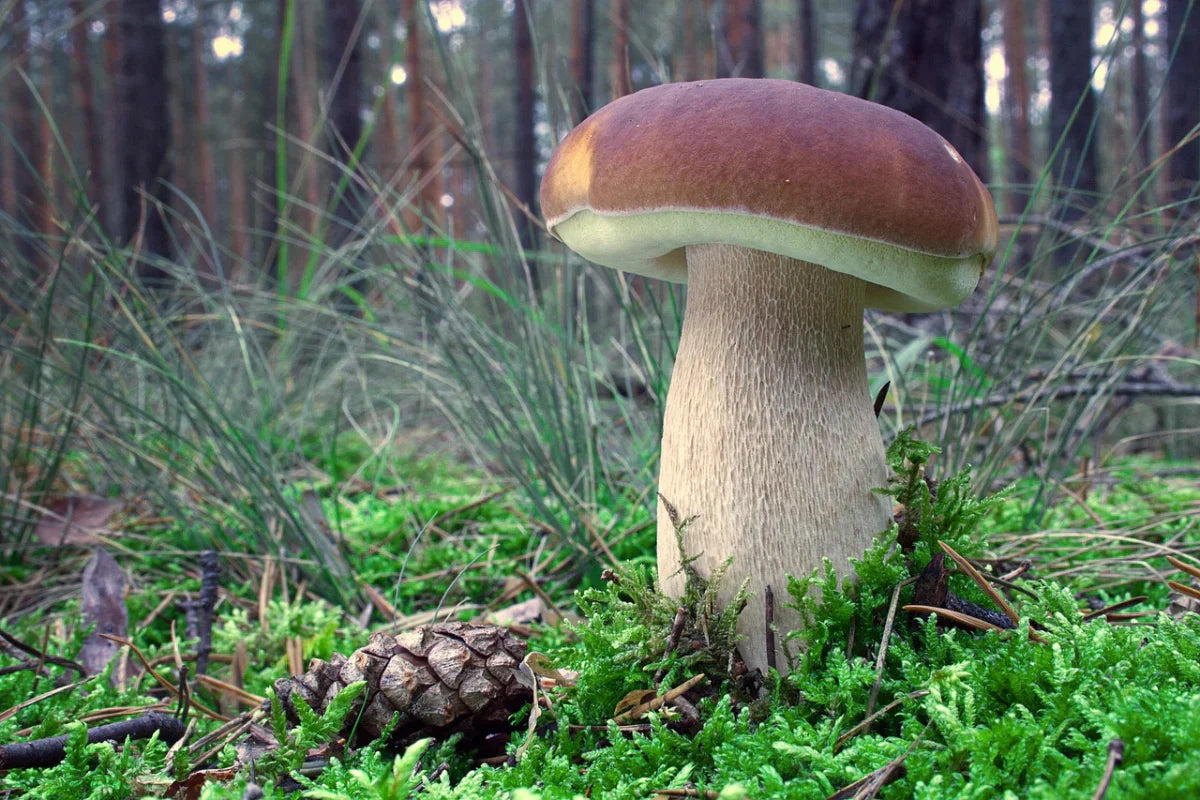
Porcini boletus mushrooms represent the pinnacle of wild mushroom gastronomy, earning their reputation as the "king of mushrooms" through their exceptional flavor, meaty texture, and unparalleled culinary versatility. These magnificent fungi, scientifically known as Boletus edulis, have captivated chefs, foragers, and food enthusiasts for centuries with their rich, nutty flavor and ability to transform simple dishes into gourmet masterpieces.
The allure of porcini boletus extends far beyond their culinary applications, encompassing their role in forest ecosystems, their fascinating biology, and their significant economic impact in regions where they grow naturally. Understanding these remarkable mushrooms—from their identification in the wild to their preparation in the kitchen—opens up a world of gastronomic possibilities and deeper appreciation for one of nature's most valuable gifts.

Understanding Porcini Boletus: Botanical and Biological Characteristics
Scientific Classification and Nomenclature
Taxonomic Details
- Scientific name: Boletus edulis
- Common names: Porcini, King Bolete, Penny Bun, Steinpilz
- Family: Boletaceae
- Kingdom: Fungi, Phylum: Basidiomycota
Regional Naming Variations
- Italy: Porcini (meaning "little pigs")
- France: Cèpe de Bordeaux
- Germany: Steinpilz (stone mushroom)
- Poland: Borowik szlachetny
- Russia: Белый гриб (white mushroom)
Physical Characteristics and Identification
Cap (Pileus) Features
- Diameter ranges from 2-12 inches when mature
- Color varies from light brown to dark chestnut
- Smooth, slightly sticky surface when moist
- Firm, thick flesh that remains white when cut
Stem (Stipe) Characteristics
- Height typically 3-8 inches with bulbous base
- Cream to light brown coloration
- Network of fine white lines (reticulation) on upper portion
- Solid when young, may develop hollow center with age
Pore Surface Instead of Gills
- White pores when young, becoming yellow-green with age
- Tubes easily separate from cap flesh
- Spores released through tiny pores rather than gills
- Spore print is olive-brown color
Flesh Qualities
- Firm, white flesh that doesn't change color when cut
- Pleasant nutty aroma intensifies when dried
- Dense, meaty texture perfect for cooking
- No bitter or unpleasant tastes
Habitat and Ecological Requirements
Preferred Growing Environments
- Mycorrhizal relationship with various tree species
- Commonly associated with oak, pine, spruce, and chestnut trees
- Found in both deciduous and coniferous forests
- Prefers well-drained, slightly acidic soils
Geographic Distribution
- Native to Europe, Asia, and North America
- Widely distributed across temperate regions
- Introduced to other continents through forestry practices
- Elevation ranges from sea level to mountain forests
Seasonal Availability
- Primary fruiting season: late summer through fall (August-November)
- Spring varieties occur in some regions (May-June)
- Weather-dependent availability varies by year
- Climate change affecting traditional fruiting patterns
Culinary Excellence and Flavor Profile
Unique Taste and Texture Characteristics
Flavor Development
- Fresh porcini: mild, nutty, slightly sweet
- Dried porcini: intensely concentrated, earthy, umami-rich
- Develops complex flavors when cooked properly
- Absorbs and enhances other ingredients' flavors
Textural Qualities
- Firm, meaty texture holds up to various cooking methods
- Dense flesh provides satisfying, substantial mouthfeel
- Maintains structure during longer cooking processes
- Different parts offer varying textures for culinary diversity
Aroma Characteristics
- Fresh specimens have subtle, pleasant earthiness
- Drying intensifies aroma dramatically
- Rehydrated dried porcini release powerful fragrance
- Cooking releases complex aromatic compounds
Culinary Applications and Cooking Methods
Fresh Porcini Preparations
- Grilling and roasting showcase natural flavors
- Sautéing with garlic and herbs creates classic preparations
- Raw applications in salads when very fresh and young
- Braising and slow-cooking for rich, complex dishes
Dried Porcini Utilization
- Rehydrating in warm water releases concentrated flavors
- Soaking liquid becomes valuable mushroom stock
- Grinding into powder creates intense seasoning
- Addition to sauces and stocks for depth and complexity
Traditional Italian Applications
- Risotto ai porcini: classic Northern Italian preparation
- Pasta dishes with porcini and cream or oil-based sauces
- Polenta with porcini for rustic, satisfying meals
- Pizza toppings for gourmet flatbread preparations
International Culinary Uses
- French cuisine: incorporated into classic mother sauces
- German cooking: paired with game meats and hearty stews
- Asian fusion: combined with soy-based flavors and noodles
- Modern American: featured in farm-to-table preparations
Nutritional Profile and Health Benefits
Macronutrient Composition
Caloric Content and Energy
- Approximately 26 calories per 100 grams fresh
- Low in fat and carbohydrates
- High water content (about 90% in fresh specimens)
- Concentrated nutrients when dried
Protein Content
- About 3.1 grams protein per 100 grams fresh
- Contains all essential amino acids
- High-quality protein easily absorbed by body
- Particularly rich in lysine and methionine
Carbohydrate Profile
- Approximately 4.3 grams carbohydrates per 100 grams
- High fiber content supports digestive health
- Low glycemic impact suitable for diabetic diets
- Complex carbohydrates provide sustained energy
Vitamin and Mineral Content
B-Vitamin Complex
- Riboflavin (B2): supports energy metabolism
- Niacin (B3): important for cardiovascular health
- Pantothenic acid (B5): essential for hormone production
- Folate: crucial for DNA synthesis and cell division
Essential Minerals
- Potassium: 484mg per 100g supporting heart health
- Phosphorus: important for bone health and energy storage
- Copper: essential for iron absorption and connective tissue
- Selenium: powerful antioxidant supporting immune function
Trace Elements
- Iron: supports oxygen transport and energy production
- Zinc: crucial for immune function and wound healing
- Manganese: important for bone development and metabolism
- Magnesium: supports over 300 enzymatic reactions
Bioactive Compounds and Health Benefits
Antioxidant Properties
- Beta-glucans support immune system function
- Ergothioneine provides cellular protection
- Polyphenolic compounds offer anti-inflammatory benefits
- Selenium content supports antioxidant enzyme systems
Immune System Support
- Beta-glucans stimulate immune cell activity
- High protein content supports antibody production
- Selenium enhances immune system responsiveness
- Anti-inflammatory compounds support overall health
Cardiovascular Benefits
- Potassium helps regulate blood pressure
- Low sodium content supports heart health
- Fiber helps maintain healthy cholesterol levels
- Antioxidants protect against cardiovascular damage

Foraging and Sustainable Harvesting
Identification and Safety Guidelines
Distinguishing Features from Look-Alikes
- True porcini have white flesh that doesn't change color
- Pore surface rather than gills distinguishes from dangerous species
- Network pattern on stem is characteristic identifier
- Pleasant smell differentiates from bitter or unpleasant species
Safety Considerations
- Never eat mushrooms without 100% positive identification
- Learn from experienced foragers or mycologists
- Use multiple field guides and resources for verification
- When in doubt, don't consume unknown specimens
Common Look-Alike Species
- Tylopilus felleus (Bitter Bolete): bitter taste, pink pores
- Boletus badius: bruises blue when cut
- Strobilomyces strobilaceus: black spores, different texture
- Always verify multiple identifying characteristics
Sustainable Foraging Practices
Ethical Harvesting Guidelines
- Cut mushrooms at base rather than pulling from ground
- Leave some specimens to release spores for future generations
- Avoid damaging surrounding vegetation and soil
- Respect private property and obtain permission when required
Environmental Considerations
- Understand ecosystem role of mycorrhizal fungi
- Avoid over-harvesting from single locations
- Rotate harvesting areas to prevent depletion
- Support forest health through responsible practices
Legal and Regulatory Awareness
- Research local regulations and permit requirements
- Respect protected areas and designated wilderness zones
- Some areas require foraging permits or licenses
- Commercial collection may have different regulations
Commercial Forms and Market Applications
Fresh Porcini Market
Seasonal Availability and Pricing
- Peak season pricing varies with supply and weather
- Premium prices for large, perfect specimens
- Fresh porcini can cost $20-40 per pound retail
- Restaurant demand drives much of fresh market
Quality Grading and Selection
- Grade A: large, perfect caps with minimal insect damage
- Grade B: smaller or slightly damaged but still excellent
- Commercial grades based on size, appearance, and condition
- Fresh specimens must be used quickly due to short shelf life
Dried Porcini Products
Processing and Preparation
- Dehydration concentrates flavors and extends shelf life
- Professional drying maintains color and texture
- Home drying requires proper equipment and technique
- Quality dried porcini retain shape and light color
Market Forms and Applications
- Whole dried caps for premium presentations
- Sliced dried porcini for convenient cooking
- Porcini powder for seasoning and flavor enhancement
- Specialty blends combined with other mushrooms
Economic Value
- Dried porcini worth $100-300 per pound wholesale
- Retail prices often $15-30 per ounce
- International trade in dried porcini worth millions annually
- Premium grades command highest prices
Value-Added Products
Processed Porcini Applications
- Porcini-infused oils and vinegars
- Mushroom pâtés and spreads
- Seasoning blends and spice mixtures
- Frozen preparations for year-round availability
Restaurant and Food Service
- Fine dining establishments feature porcini prominently
- Specialty ingredient for gourmet food manufacturers
- Hotel and resort culinary applications
- Catering and special event preparations
Storage and Preservation Techniques
Fresh Porcini Storage
Short-Term Storage Methods
- Refrigerate in paper bags for 3-5 days maximum
- Avoid plastic bags which trap moisture and accelerate decay
- Store in vegetable crisper with good air circulation
- Use newspaper or paper towels to absorb excess moisture
Preparation for Storage
- Clean gently with brush or damp cloth
- Remove any damaged or insect-affected portions
- Avoid washing with water unless absolutely necessary
- Handle carefully to prevent bruising and damage
Preservation Methods
Drying Techniques
- Air drying in well-ventilated, warm areas
- Dehydrator drying at 95-115°F for optimal results
- Oven drying at lowest temperature with door slightly open
- Properly dried porcini last 6-12 months when stored correctly
Freezing Preparations
- Sauté briefly before freezing for best texture
- Blanch quickly in boiling water before freezing
- Freeze individual portions for convenient use
- Vacuum sealing extends freezer life significantly
Alternative Preservation
- Pickling in vinegar-based solutions
- Oil preservation for short-term storage
- Salt preservation traditional in some cultures
- Freeze-drying for maximum shelf life and quality
Long-Term Storage Solutions
Dried Porcini Storage
- Airtight containers in cool, dark locations
- Vacuum-sealed packages for extended storage
- Protection from light, moisture, and pests
- Proper storage maintains quality for years
Quality Maintenance
- Regular inspection for signs of deterioration
- Protection from humidity and temperature fluctuations
- Rotation of stock using oldest products first
- Documentation of storage dates for quality control
Regional Varieties and Seasonal Patterns
European Porcini Traditions
Italian Porcini Culture
- Northern Italy traditional stronghold for porcini cuisine
- Seasonal festivals celebrating porcini harvests
- Family traditions passed down through generations
- Regional specialties featuring local porcini varieties
French Cèpe Appreciation
- Bordeaux region famous for exceptional cèpes
- Integration into classic French culinary techniques
- Market traditions and seasonal availability
- Professional chef training includes cèpe preparation
Eastern European Harvesting
- Poland and Czech Republic significant producers
- Traditional preservation and preparation methods
- Commercial export operations
- Cultural significance in rural communities
North American Porcini
Pacific Northwest Varieties
- Abundant porcini in Oregon and Washington forests
- Commercial harvesting operations
- Restaurant industry demand
- Recreational foraging popularity
Rocky Mountain Species
- High-altitude porcini varieties
- Seasonal timing differences from coastal areas
- Unique flavor characteristics
- Growing commercial interest
Eastern North American Occurrence
- Less common but present in certain forest types
- Different species within Boletus edulis complex
- Regional variations in size and flavor
- Increasing forager interest and knowledge
Cultivation Attempts and Challenges
Mycorrhizal Relationship Complexities
Symbiotic Requirements
- Porcini form essential partnerships with tree roots
- Cannot be cultivated like saprophytic mushrooms
- Require established forest ecosystems
- Complex soil chemistry and microbiology needs
Cultivation Research
- Scientific attempts to understand mycorrhizal relationships
- Inoculation experiments with limited success
- Greenhouse and controlled environment trials
- Long-term research into cultivation possibilities
Alternative Production Methods
Forest Management for Porcini
- Silviculture practices that encourage porcini production
- Selective harvesting to maintain optimal forest conditions
- Soil management and pH optimization
- Tree species selection for maximum porcini potential
Trufficulture-Style Approaches
- Planting inoculated tree seedlings
- Long-term investment in porcini production
- Experimental orchards and managed forests
- Partnership between forestry and mushroom production

Economic Impact and Market Trends
Global Trade and Commerce
International Market Value
- Global porcini trade worth hundreds of millions annually
- Major exporting countries include Italy, Poland, China
- Growing demand in North American and Asian markets
- Premium pricing for certified organic and wild-harvested
Supply Chain Considerations
- Seasonal nature creates supply volatility
- Weather patterns significantly affect annual yields
- Storage and logistics challenges for fresh products
- Quality control throughout distribution network
Market Trends and Future Outlook
Consumer Demand Patterns
- Increasing interest in gourmet and specialty foods
- Growing awareness of wild foods and foraging
- Restaurant industry driving premium demand
- Home cooking enthusiasts seeking authentic ingredients
Sustainability and Certification
- Organic certification for wild-harvested products
- Sustainable harvesting certification programs
- Traceability requirements for commercial products
- Environmental stewardship in harvesting areas
Cooking Techniques and Recipe Applications
Basic Preparation Methods
Cleaning and Preparation
- Gentle brushing to remove debris and soil
- Trimming of damaged or insect-affected areas
- Slicing to showcase beautiful interior
- Inspection for quality and freshness
Fundamental Cooking Techniques
- Sautéing to develop flavors and textures
- Roasting for concentrated, caramelized results
- Braising for tender, flavorful preparations
- Grilling for smoky, outdoorsy applications
Advanced Culinary Applications
Sauce Preparations
- Porcini cream sauces for pasta and risotto
- Wine-based reductions featuring porcini flavors
- Stock and broth preparations using stems and trimmings
- Compound butter infusions for finishing dishes
Gourmet Presentations
- Stuffed porcini caps for elegant appetizers
- Porcini carpaccio when specimens are pristine
- Confit preparations for intense flavor concentration
- Molecular gastronomy applications using porcini essences
Traditional and Regional Recipes
Classic Italian Preparations
- Risotto ai porcini with Arborio rice and white wine
- Pasta with porcini, garlic, and fresh herbs
- Porcini and truffle combinations for luxury dishes
- Antipasti featuring marinated porcini
International Fusion
- Asian-inspired porcini and noodle preparations
- French techniques applied to porcini cookery
- Modern American farm-to-table applications
- Contemporary presentations respecting traditional flavors
Health Considerations and Dietary Applications
Nutritional Benefits for Specific Diets
Plant-Based and Vegetarian Diets
- High-quality protein source for vegetarians
- Umami flavors satisfy meat cravings
- Essential amino acids support complete nutrition
- Vitamin B12 content beneficial for plant-based diets
Low-Carbohydrate and Ketogenic Diets
- Minimal carbohydrate content fits dietary restrictions
- High nutrient density with low caloric impact
- Satisfying textures support dietary adherence
- Natural flavors reduce need for high-carb seasonings
Weight Management Applications
- Low calorie density promotes satiety
- High protein content supports metabolism
- Fiber content aids digestive health
- Satisfying flavors reduce cravings for processed foods
Potential Health Considerations
Allergies and Sensitivities
- Rare but possible mushroom allergies
- Individual sensitivities to specific compounds
- Cross-reactivity with other fungal allergens
- Consultation with healthcare providers for concerns
Preparation Safety
- Proper cooking eliminates potential pathogens
- Fresh consumption requires highest quality specimens
- Avoid specimens showing signs of decay
- Storage safety prevents foodborne illness
Conclusion
Porcini boletus mushrooms represent the perfect intersection of culinary excellence, nutritional value, and natural wonder, earning their status as the most prized wild mushrooms through centuries of appreciation by chefs, foragers, and food enthusiasts worldwide. Their complex flavor profile, substantial texture, and remarkable versatility make them invaluable ingredients that transform ordinary dishes into extraordinary culinary experiences.
Understanding porcini boletus—from their ecological role in forest ecosystems to their preparation in professional kitchens—reveals the depth and complexity that make these mushrooms so treasured. Whether enjoyed fresh during their brief seasonal availability or preserved through drying for year-round use, porcini offer unparalleled opportunities for culinary creativity and gastronomic satisfaction.
The economic value and cultural significance of porcini boletus extend far beyond their role as luxury ingredients, encompassing sustainable forest management, traditional knowledge preservation, and the growing appreciation for wild foods and their connection to natural ecosystems. As interest in authentic, high-quality ingredients continues to grow, porcini boletus will undoubtedly maintain their position as the ultimate expression of wild mushroom excellence.
For those fortunate enough to experience fresh porcini or skilled enough to work with their dried counterparts, these remarkable fungi offer endless possibilities for exploration and enjoyment, representing one of nature's finest gifts to the culinary world and a testament to the extraordinary diversity and value of wild mushrooms.


Share:
How to Grow Baby Bok Choy: Your Complete Guide to Fresh Asian Greens
Grow Kits for Psychedelic Mushroom