


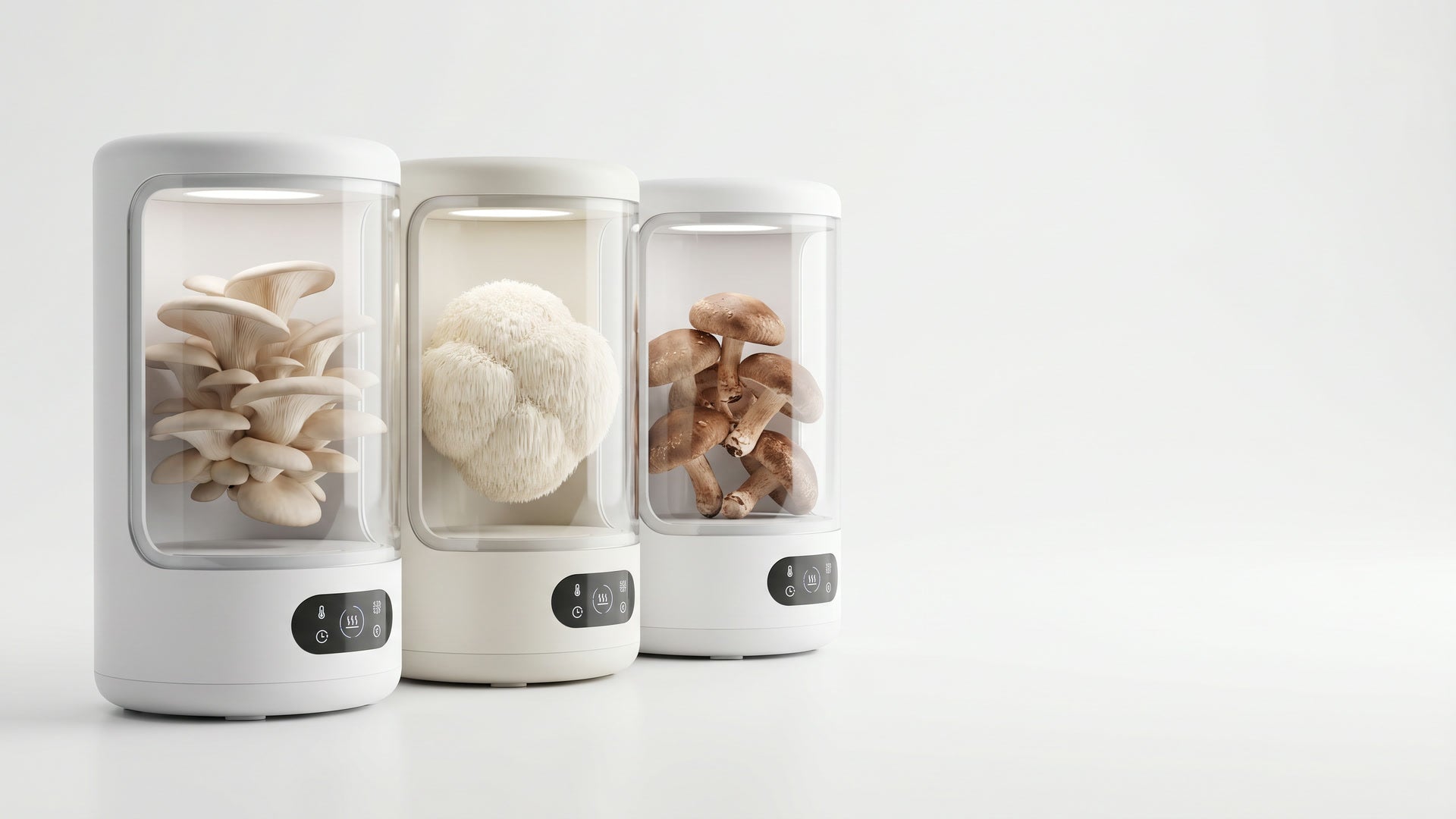
Can you freeze mushrooms? The short answer is yes, and when done correctly, freezing extends their shelf life from about a week in the refrigerator to up to 12 months in the freezer. Whether you've grown an abundant crop with your Lykyn Smart Mushroom Grow Kit or picked up fresh varieties at the market, the right preparation techniques preserve flavor, texture, and nutritional value.
Most fresh mushrooms last only about a week in the refrigerator before they become soft, brown, or slimy. Freezing offers an excellent solution: reduce food waste, save money by buying in bulk, and keep these versatile ingredients on hand whenever inspiration strikes.
Why Freeze Mushrooms
Extending Shelf Life and Reducing Waste
The main reason to freeze mushrooms is the dramatic extension of usable life. Properly frozen mushrooms last 6 to 12 months in the freezer, compared with the few days you get in the fridge. This matters most when you find mushrooms on sale, harvest a heavy flush from your grow kit, or simply buy more than you can use right away.
Cost Savings and Bulk Purchasing
Buying mushrooms in bulk translates to significant savings. With proper freezing, you can take advantage of seasonal sales, farmer's market deals, or warehouse pricing. Bulk purchasing can cut per-unit costs by 20 to 40 percent, and eliminating spoilage waste compounds those savings over a year.
Convenience for Meal Preparation
Frozen mushrooms turn weeknight cooking into a quick assembly job. Pre-cooked, portioned mushrooms add instant nutrients and flavor to soups, casseroles, pasta sauces, and stir-fries, without an extra grocery run.
How Freezing Affects Mushrooms
Texture and Moisture
Mushrooms contain 80 to 95 percent water, which makes them particularly sensitive to freezing. They lack rigid cell walls, instead relying on water pressure to hold their shape. When that water freezes, ice crystals form and can rupture cell membranes, which is why raw-frozen mushrooms often turn mushy after thawing.
You can freeze raw mushrooms, but the result works best in dishes where soft texture is an asset rather than a flaw, like blended soups, sauces, or pizza toppings.
Nutritional Impact
Freezing preserves most nutritional value when done correctly. Protein, fiber, selenium, potassium, phosphorus, and most B vitamins remain largely intact. Some water-soluble vitamins (riboflavin, niacin, folate) may decline modestly during long storage, but the overall nutritional benefit is much closer to fresh than to canned or dried.
Flavor Preservation
Frozen mushrooms retain most of their original flavor profile, and pre-cooking before freezing concentrates flavor compounds. The key is starting with the freshest possible mushrooms, then using techniques that minimize textural degradation.

Raw vs. Cooked: Which Method Is Best?
The Case for Cooking Before Freezing
Most culinary experts agree that cooking before freezing produces better results than raw freezing. Pre-cooking removes excess moisture, which prevents the mushy texture that plagues raw-frozen mushrooms. Cooking also concentrates flavor and saves time at meal prep.
When Raw Freezing Works
Raw freezing skips the steaming or sautéing step. The results work in hot dishes where texture isn't critical, such as blended soups or casseroles. Hen of the woods, maitake, and slimy-capped Suillus varieties are actually better frozen raw because their high moisture content makes them hard to dehydrate through cooking.
Step-by-Step: How to Freeze Mushrooms Properly
Selection and Preparation
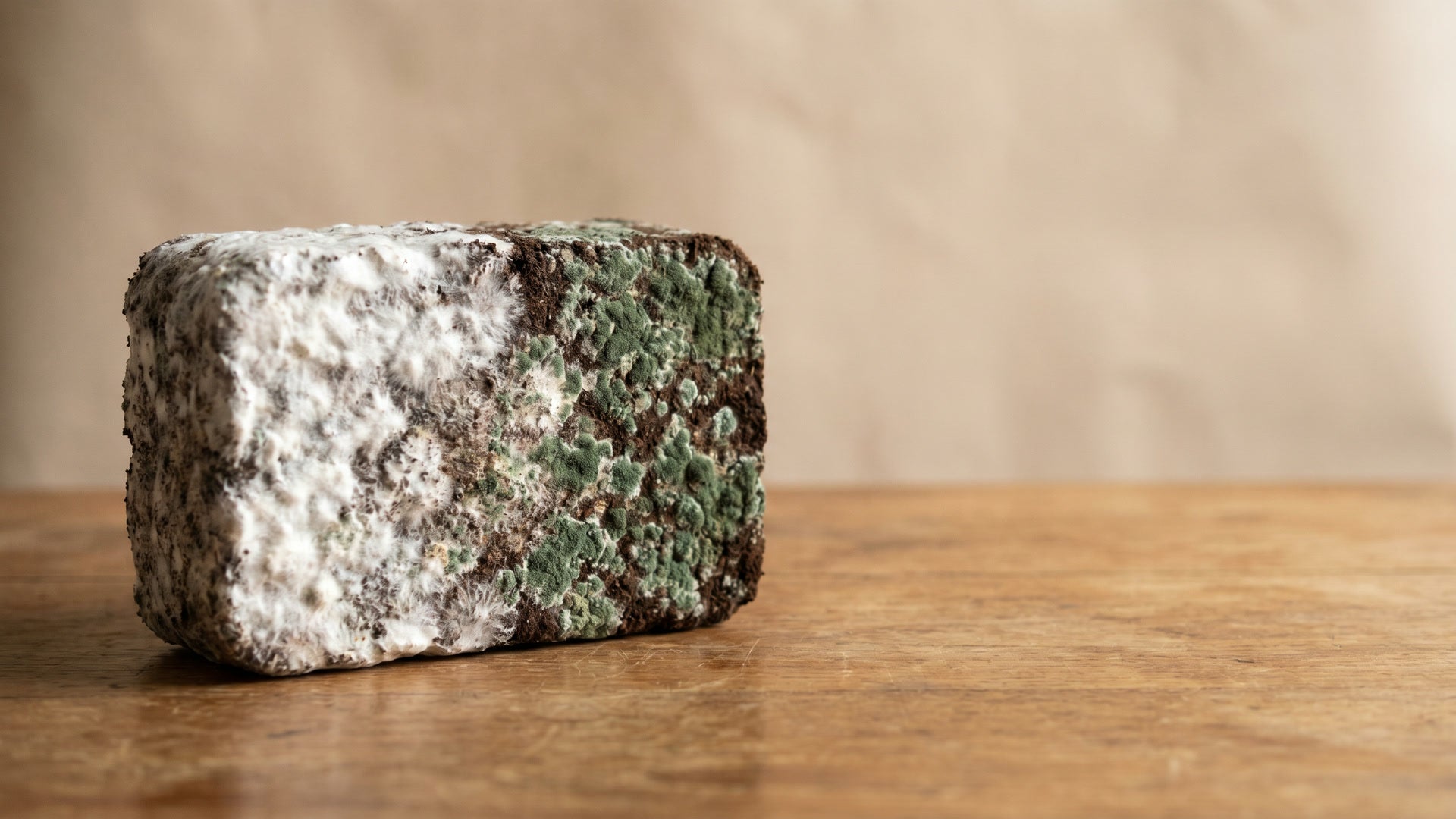
Choose quality mushrooms. Fresh mushrooms have a firm texture, an earthy smell, and no mushy or dark spots. Don't freeze anything that's already dry, shriveled, darkened, moldy, or off-smelling. The fresher the input, the better the result.
Cleaning. Brush off visible dirt with a damp paper towel, soft brush, or pastry brush. Avoid washing if possible. Mushrooms are porous, so excessive water makes them mushy. For dirty specimens, a quick rinse under cold water is fine. Pat thoroughly dry afterward.
Sizing. Trim woody stems. Slice or quarter anything larger than one inch across. Small button mushrooms can stay whole, but most varieties benefit from uniform cuts for even freezing and cooking.
Cooking Methods Before Freezing
Steam blanching. A quick cooking process that destroys enzymes responsible for spoilage and also inactivates Listeria and Salmonella.
- Soak mushrooms in 2 cups water plus 1 teaspoon lemon juice for 5 to 10 minutes to prevent discoloration.
- Bring a pot of water to a boil and set a steamer basket inside.
- Steam for 3 to 5 minutes, depending on size.
- Transfer immediately to an ice bath for the same duration.
- Drain thoroughly and pat dry.
Steam-blanched mushrooms last up to 12 months in the freezer.
Sautéing. A dry-heat method using a small amount of fat at relatively high temperature. May preserve B vitamins better and improve absorption of antioxidants.
- Heat a small amount of neutral oil or butter in a large skillet over medium-high heat.
- Add mushrooms in a single layer.
- Cook for about 5 minutes, until fork-tender and most liquid has evaporated.
- Season with salt, pepper, or herbs if desired.
- Cool completely before packaging.
The mushrooms should become tender but not squishy, and the pan should be mostly dry when you're done. Pre-cooked frozen mushrooms can be added directly to recipes without thawing.
Flash Freezing
Flash freezing prevents mushrooms from clumping together and makes portioning easy.
- Spread cooled, cooked mushrooms on a parchment-lined baking sheet in a single layer. Pieces should not touch.
- Place in the freezer for 1 to 2 hours, until completely solid.
- Transfer to freezer-safe bags or rigid containers.
- Remove as much air as possible to prevent freezer burn.
- Label with date and variety.
- Store at 0°F (-18°C) or below.
Freezing Different Types of Mushrooms
Button, Cremini, and Portobello
These three varieties are the same species at different stages of maturity, and all freeze well using steaming or sautéing. Slice uniformly, blanch for 2 minutes, and store. For portobellos, remove the stem and scrape out the dark gills before preparation, since the gills can develop a bitter taste and discolor everything they touch. Expect 6 to 8 months of optimal storage life.
Shiitake
Shiitake stems are tough and leathery. Pinch firmly at the base where the stem meets the cap and pry off, then discard or save for stock. The caps benefit from longer cooking (10+ minutes) and blanching for 3 minutes due to their thickness. Sautéing works exceptionally well for shiitakes, and their umami flavor actually intensifies through freezing. Store for 8 to 10 months.
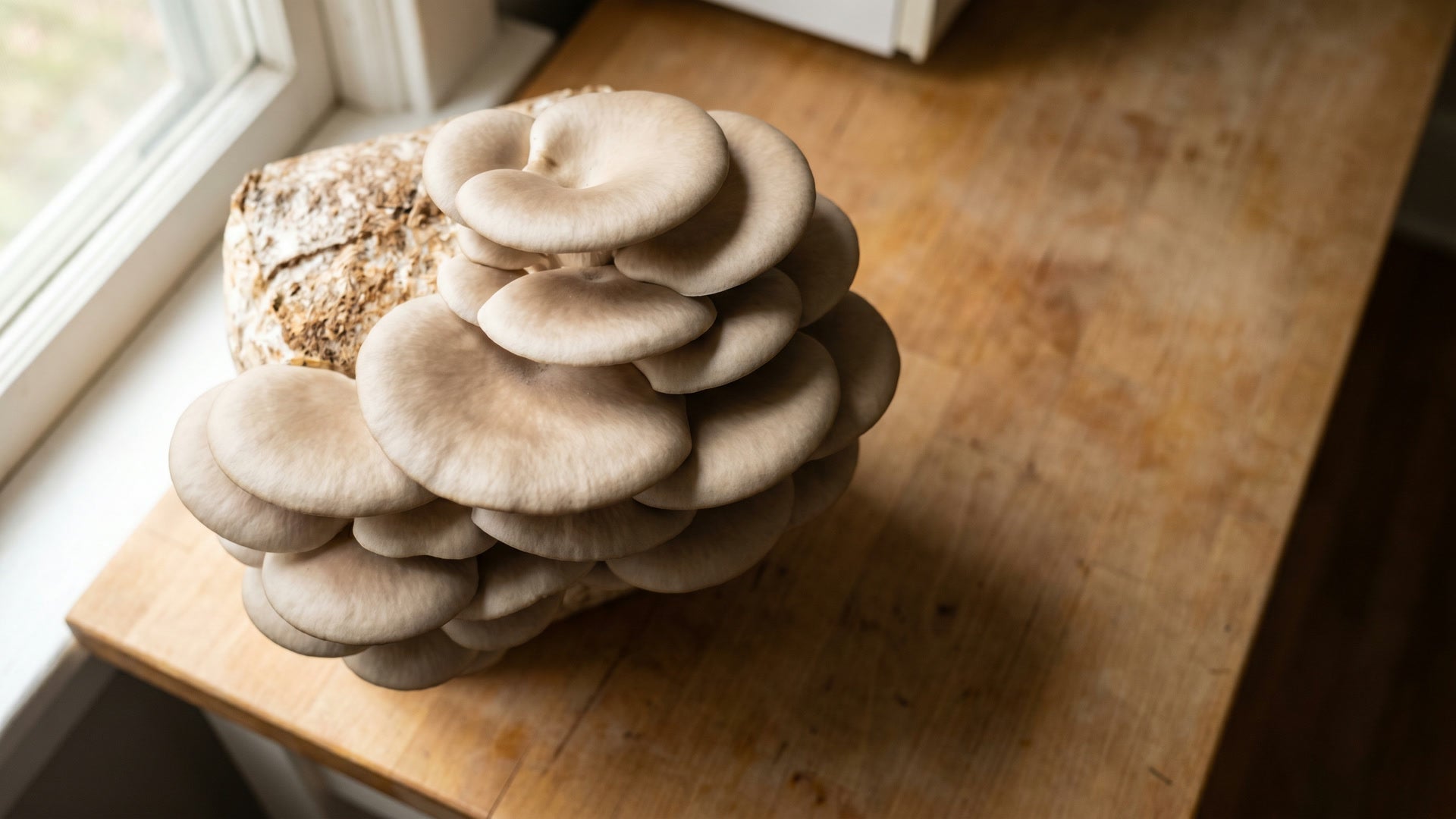
Oyster
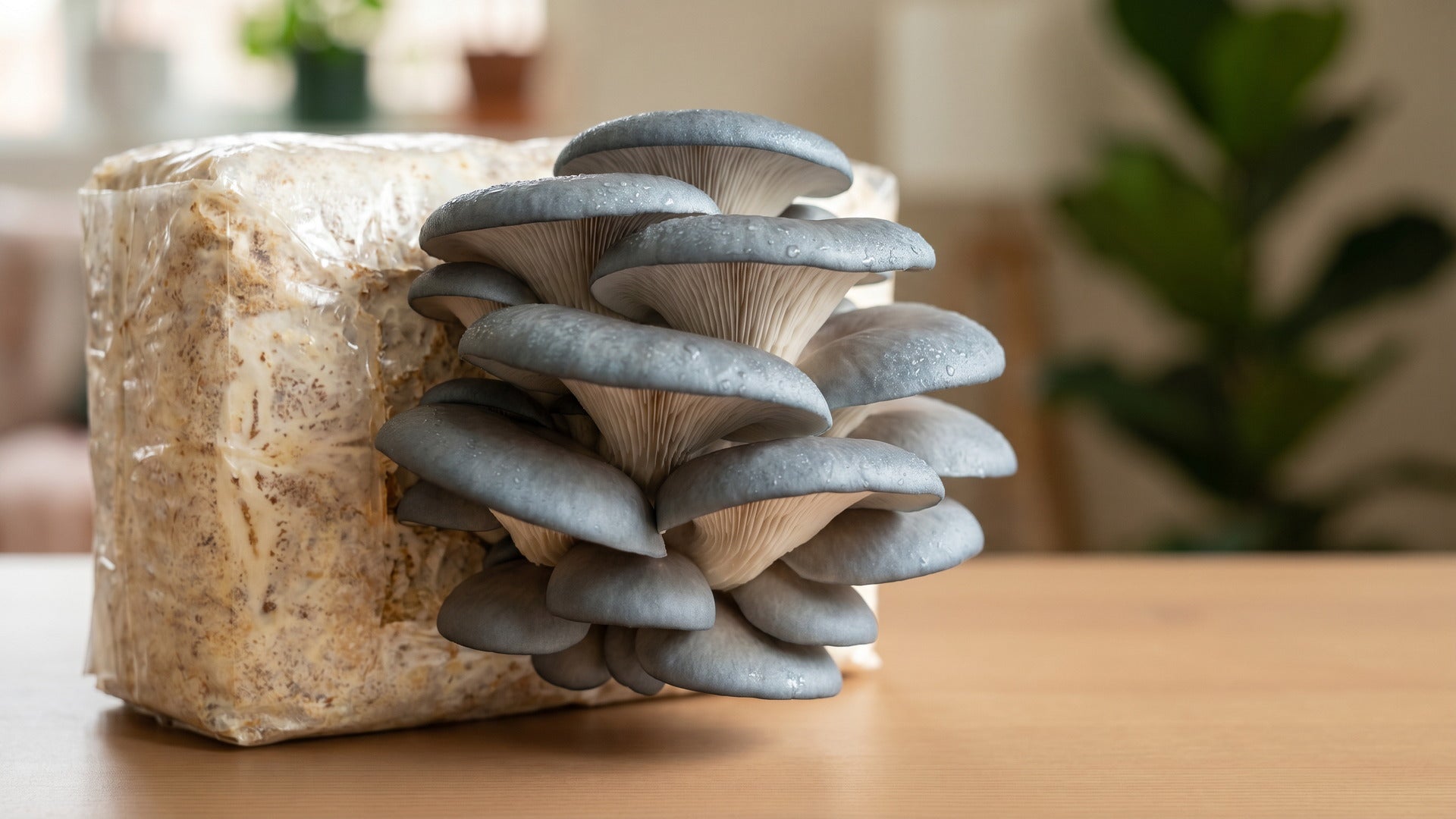
Oyster mushrooms grow in clusters around a firm central stem. Cut individual caps away from the base. Cook briefly: tree oysters overcook in just 4 minutes. Their delicate texture is better suited to sautéing than steaming. Best used within 6 months.
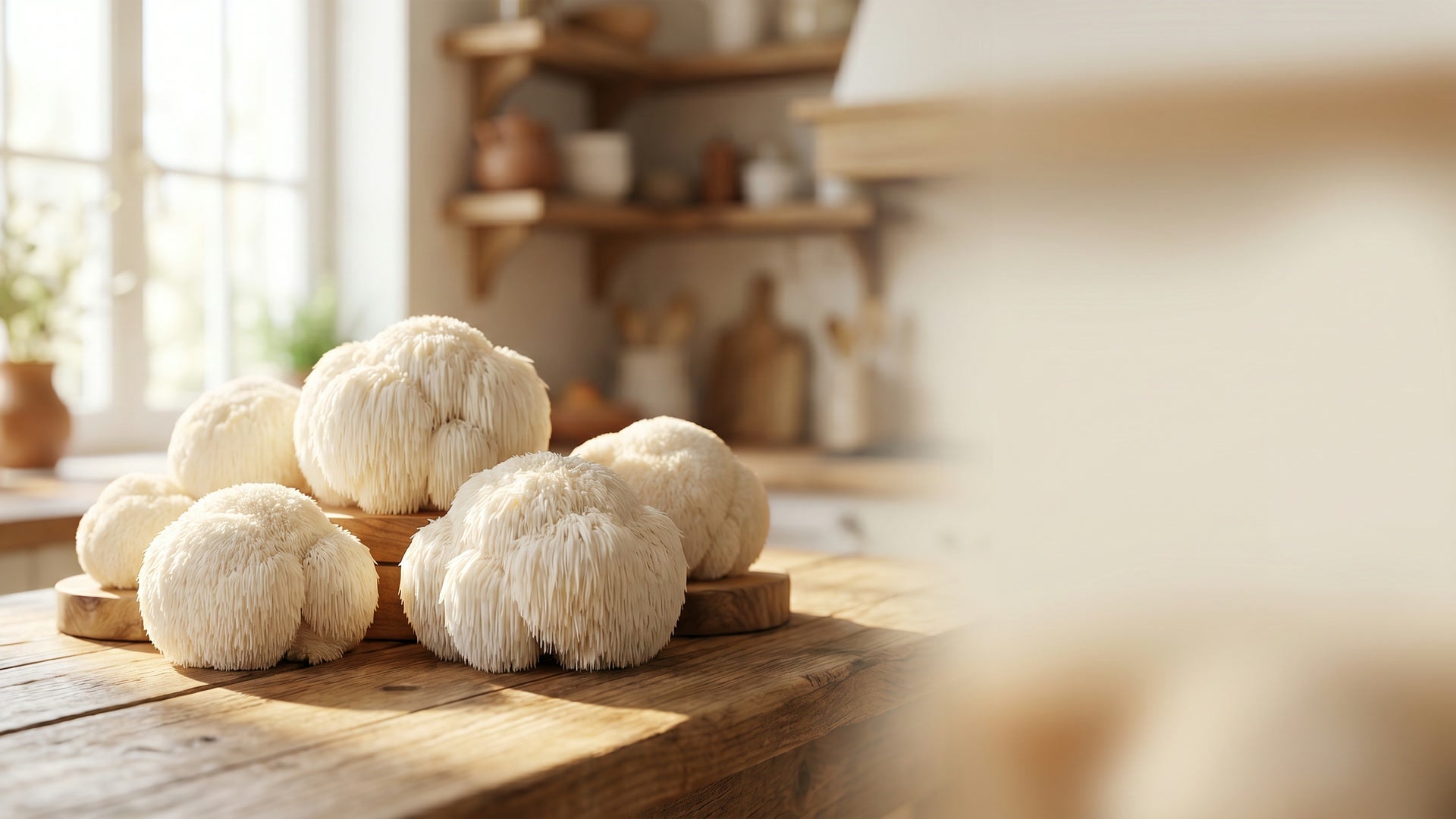
Lion's Mane
Lion's mane has a unique seafood-like texture that changes somewhat through freezing, but stays usable in cooked dishes. If you're growing it with a Lykyn grow kit, harvest at peak teeth length and process within 24 hours for the best result.
- Break into bite-sized pieces before processing.
- Sautéing preserves the best texture and flavor.
- Blanch for 2 to 3 minutes for soup applications.
- Use frozen lion's mane in pasta dishes, stews, and crab-cake-style preparations.
Specialty Varieties
Maitake (Hen of the Woods): The ruffled structure freezes raw nicely thanks to high natural moisture, or cooked for 15+ minutes for better texture retention.
Chanterelles: Always cook before freezing. Raw-frozen chanterelles develop a bitter taste on thawing.
King Oyster: The large, meaty stems benefit from slicing into strips or rounds and sautéing until golden before freezing.
Packaging and Storage
Container Options
Container choice has a real impact on quality and longevity:
- Vacuum-sealed bags: longest storage life, most space-efficient.
- Heavy-duty freezer bags: good general-purpose option, remove as much air as possible.
- Rigid containers: protect delicate mushrooms from being crushed.
- Portion-sized containers: meal-planning convenience.
- Ice cube trays: for mushrooms frozen in sauce or stock.
Storage Timelines
- Cooked frozen: 9 to 12 months optimal quality.
- Raw frozen: 4 to 6 months optimal quality.
- Steam-blanched: up to 12 months.
- Sautéed: 9 to 10 months.
- Vacuum-sealed: add 2 to 4 months to any of the above.
Frozen mushrooms remain safe indefinitely at 0°F or below, but quality declines over time. Use within a year for best results.
Preventing Freezer Burn
Mushrooms are more prone to freezer burn than most foods because of their high water content. To minimize the risk:
- Use vacuum-sealing equipment when possible.
- Double-wrap in freezer bags for extra protection.
- Maintain a consistent freezer temperature.
- Store in the main freezer compartment, not the door.
- Label every package with contents and date.
How to Use Frozen Mushrooms
Cooking Directly from Frozen
One of the best things about properly frozen mushrooms is that they usually don't need thawing. Add them directly to:
- Soups and stews during cooking.
- Pasta dishes while the sauce simmers.
- Stir-fries (add toward the end of cooking).
- Rice and grain dishes while liquid is being absorbed.
- Pizza toppings (the moisture they release dissipates while baking).
- Casseroles and baked dishes.
When Thawing Is Necessary
Some preparations benefit from thawing first:
- Recipes that call for room-temperature ingredients.
- Dishes where texture is important (salads, garnishes).
- Preparations with precise timing.
For thawing, transfer to the refrigerator overnight. Mushrooms don't do well at room temperature, where they may become soggy and develop off-flavors.
Best Applications
Frozen mushrooms work best in cooked applications where modest texture changes are unnoticeable:
- Soups, broths, and stews.
- Pasta sauces and gravies.
- Risottos and grain dishes.
- Casseroles and braised dishes.
- Meat substitutes in cooked dishes.
- Pizza and flatbread toppings.
Avoid frozen mushrooms for raw preparations (salads, garnishes), dishes that depend on crisp texture, standalone sautéed mushroom dishes, or stuffed mushroom preparations.
Maximizing Your Lykyn Harvest for Freezing
If you're growing mushrooms with the Lykyn Smart Mushroom Grow Kit, planning harvests around preservation makes the freezing workflow much smoother:
- Harvest at peak maturity (pin caps just curling for oyster, full teeth elongation for lion's mane).
- Process within 24 hours of harvest. The fresher the input, the better the frozen output.
- Stagger flushes across your kit so you're not freezing 5 pounds in one panicked session.
- Reserve a few hours each week for processing during an active fruiting cycle.
- Label by variety and harvest date so first-in, first-out rotation is automatic.
The controlled environment of a smart grow kit produces mushrooms with optimal moisture content and cellular structure, which freezes especially well. Pin-to-harvest tracking means you know exactly when a flush peaked, which makes the freezer-vs-fresh decision straightforward.
Advanced Preservation: Combining Methods
Experienced home preservers don't rely on freezing alone. Combining methods creates diverse pantry stocks and matches the storage technique to each variety's strengths:
- Dehydrate dense varieties (shiitake, porcini) for shelf-stable umami concentration; freeze the delicate ones.
- Powder trimmings and lower-grade specimens for instant flavor boosters.
- Pickle small quantities for immediate use while freezing the bulk harvest.
- Freeze in sauce form for fully prepped meal bases: duxelles, mushroom broth, marsala sauce, or pasta-ready bases.
Troubleshooting Common Problems
Mushy Texture
Likely causes: mushrooms weren't fresh to begin with, inadequate pre-cooking, improper thawing, or over-washing before freezing. Fix it by starting with the freshest possible mushrooms, always cooking before freezing (with the few raw-friendly exceptions noted above), using directly from frozen when possible, and limiting water exposure during cleaning.
Flavor Loss or Off-Flavors
Usually caused by freezer burn from poor packaging, storage beyond recommended timeframes, temperature fluctuations, or cross-contamination from strongly flavored items in the freezer. Use proper packaging, maintain a consistent freezer temperature, rotate stock, and store away from anything pungent.
Discoloration
Comes from enzyme activity before freezing, oxidation during preparation, or improper blanching. Use the lemon juice solution noted in the steam blanching steps, work quickly during preparation, and store in opaque containers when possible.
Food Safety Checklist
- Maintain freezer temperature at 0°F (-18°C) or below consistently.
- Use clean equipment and surfaces during processing.
- Cool hot mushrooms completely before packaging.
- Don't thaw and refreeze multiple times.
- Follow the storage timelines above for both safety and quality.
Conclusion
Can you freeze mushrooms? Absolutely, and getting it right unlocks a year of culinary convenience. The single most important takeaway: while raw freezing is possible, cooking first (steam blanching or sautéing) produces dramatically better results in texture, flavor, and shelf life.
The fundamentals are consistent across varieties: start with fresh, high-quality mushrooms, clean them with minimal water exposure, cook them appropriately, flash freeze to prevent clumping, and store in airtight, well-labeled containers. Different mushrooms get slightly different treatment, but the framework holds.
With proper technique and storage, your frozen mushrooms will hold up beautifully for 6 to 12 months, which means you'll always have a reliable supply ready for soups, casseroles, pasta dishes, and stir-fries whenever the craving hits.
Aktie:
King Oyster Mushroom - Meaty Texture and Rich Flavor
Cordyceps Mushrooms - Energy, Immunity, and Wellness