


Why Grow Edible Mushrooms at Home? The Real Benefits
It's Cheaper Than You Think
A single Pink Oyster Mushroom Grow Kit costs around $25-35 and produces 2-3 pounds of mushrooms over multiple flushes. At farmer's market prices ($12-18/lb for specialty mushrooms), you're looking at $36-54 worth of produce from one kit.

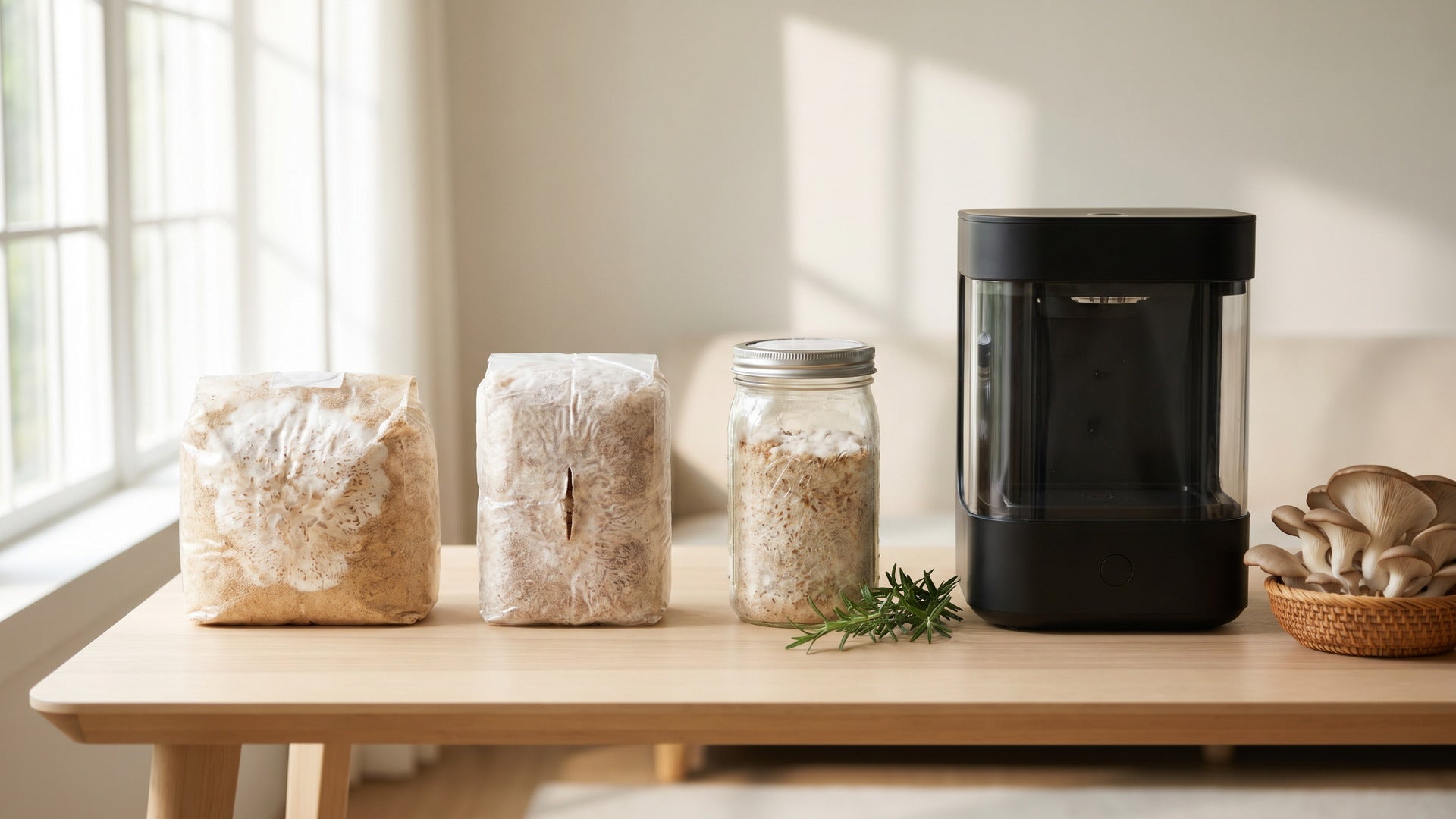
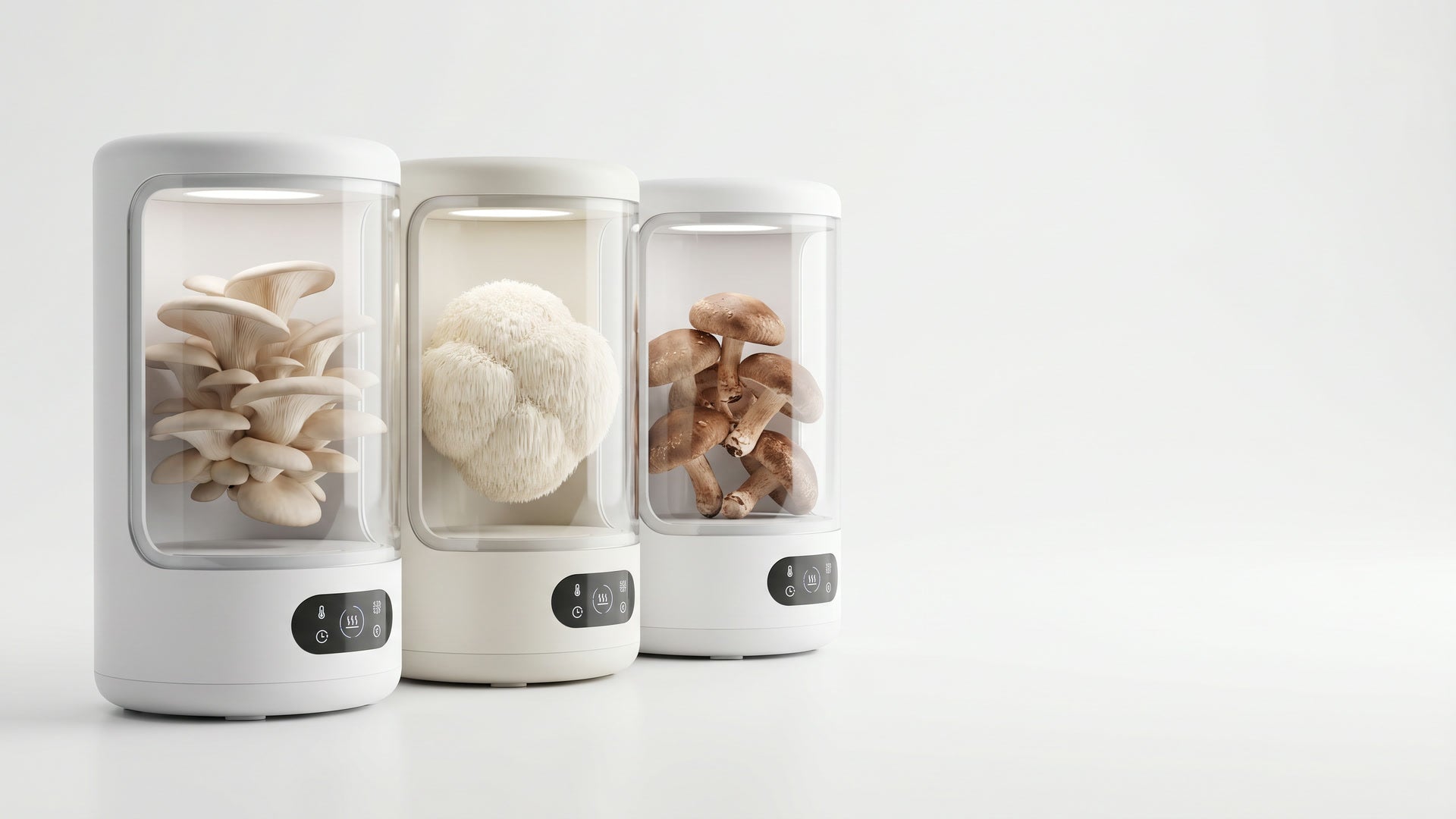
Smart Chamber. Bone White Single
- 2.8L tank, 90% humidity automatic
- App-controlled, plug-and-play
- 6 lb block ceiling, in stock

Smart Chamber. Obsidian Black Single
- Same hardware as Bone White
- Matte black premium finish
- Pairs with any kitchen palette

That's a 50-100% return on your investment. And once you learn the basics, you can start growing from bulk spawn for even less.
Freshness You Can't Buy
Here's something most people don't realize: mushrooms start losing nutritional value within hours of harvest. A 2024 study from UC Davis found that store-bought mushrooms retain only 60-70% of their original beta-glucan content by the time they reach consumers.
When you grow at home, you're eating mushrooms at peak nutrition. Period.
It's Actually Fun
I'm not going to oversell this, watching mycelium colonize a substrate is weirdly satisfying. There's something almost meditative about checking on your mushrooms each morning, misting them, and watching tiny pins transform into full fruiting bodies in just days.

The 7 Best Edible Mushrooms to Grow at Home (Ranked by Difficulty)
1. Oyster Mushrooms (Pleurotus species), Easiest
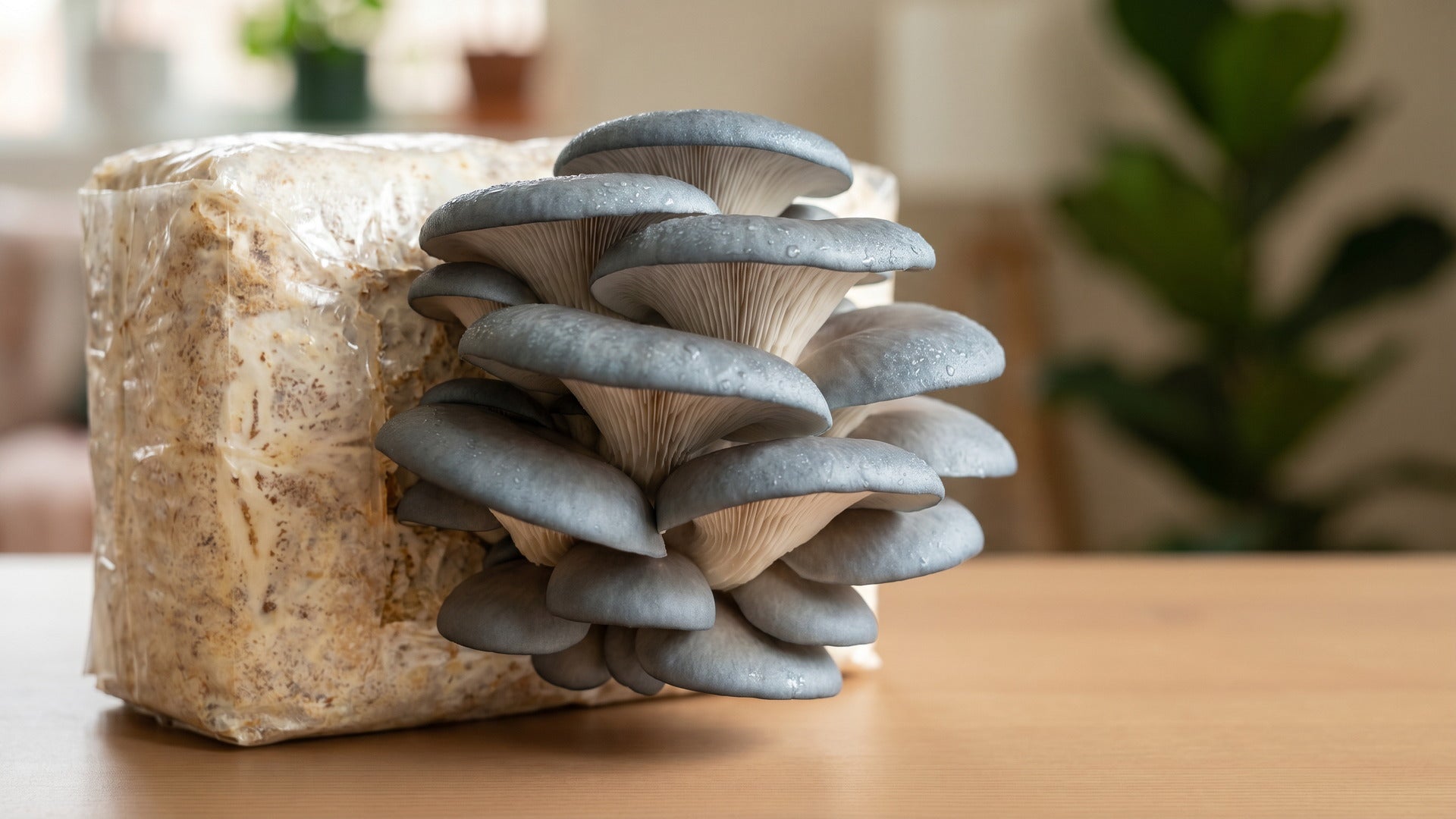
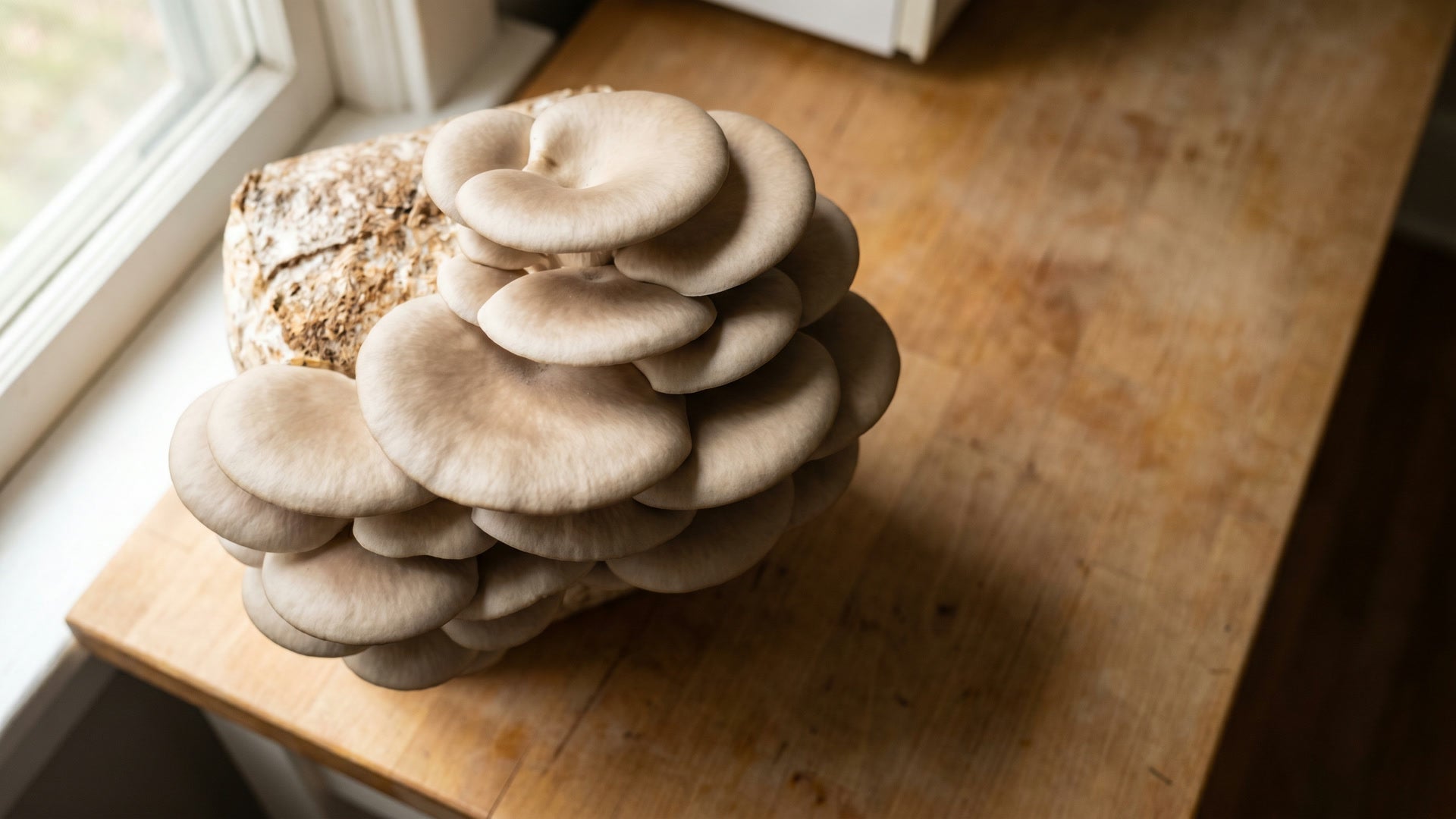
Oyster mushrooms are the golden retriever of home cultivation: forgiving, reliable, and happy almost anywhere.
- Colonize substrate in 10-14 days
- Tolerate temperature fluctuations (55-80°F)
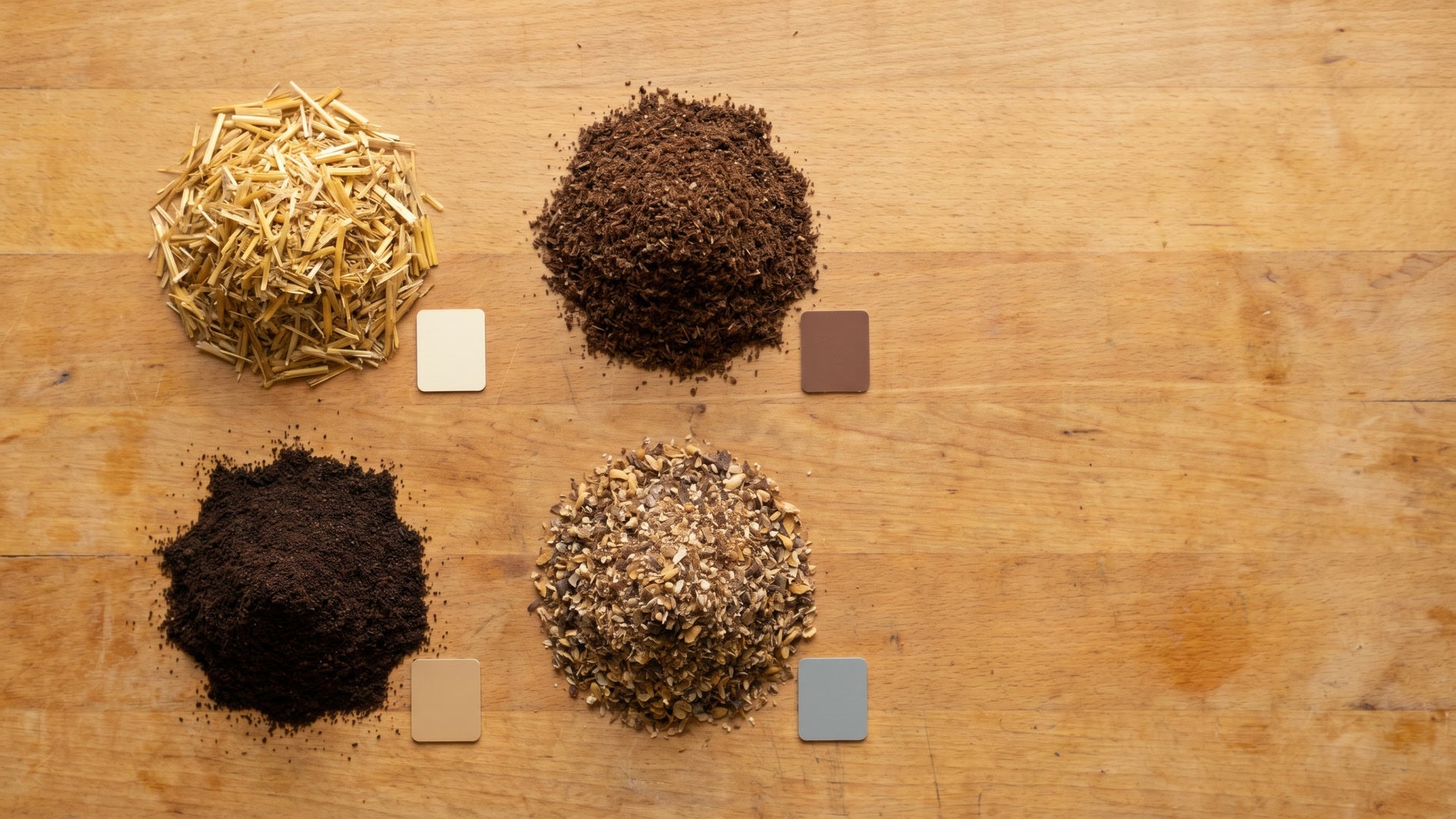
- Grow on coffee grounds, straw, cardboard, or hardwood
- Multiple varieties: blue, pink, golden, king
Expected yield: 1-2 lbs per 5 lb substrate block
I always recommend starting with a Blue Oyster Mushroom Grow Kit if you've never grown before. Blues are slightly more forgiving than pinks when it comes to humidity mistakes.
2. Lion's Mane (Hericium erinaceus), Easy to Moderate
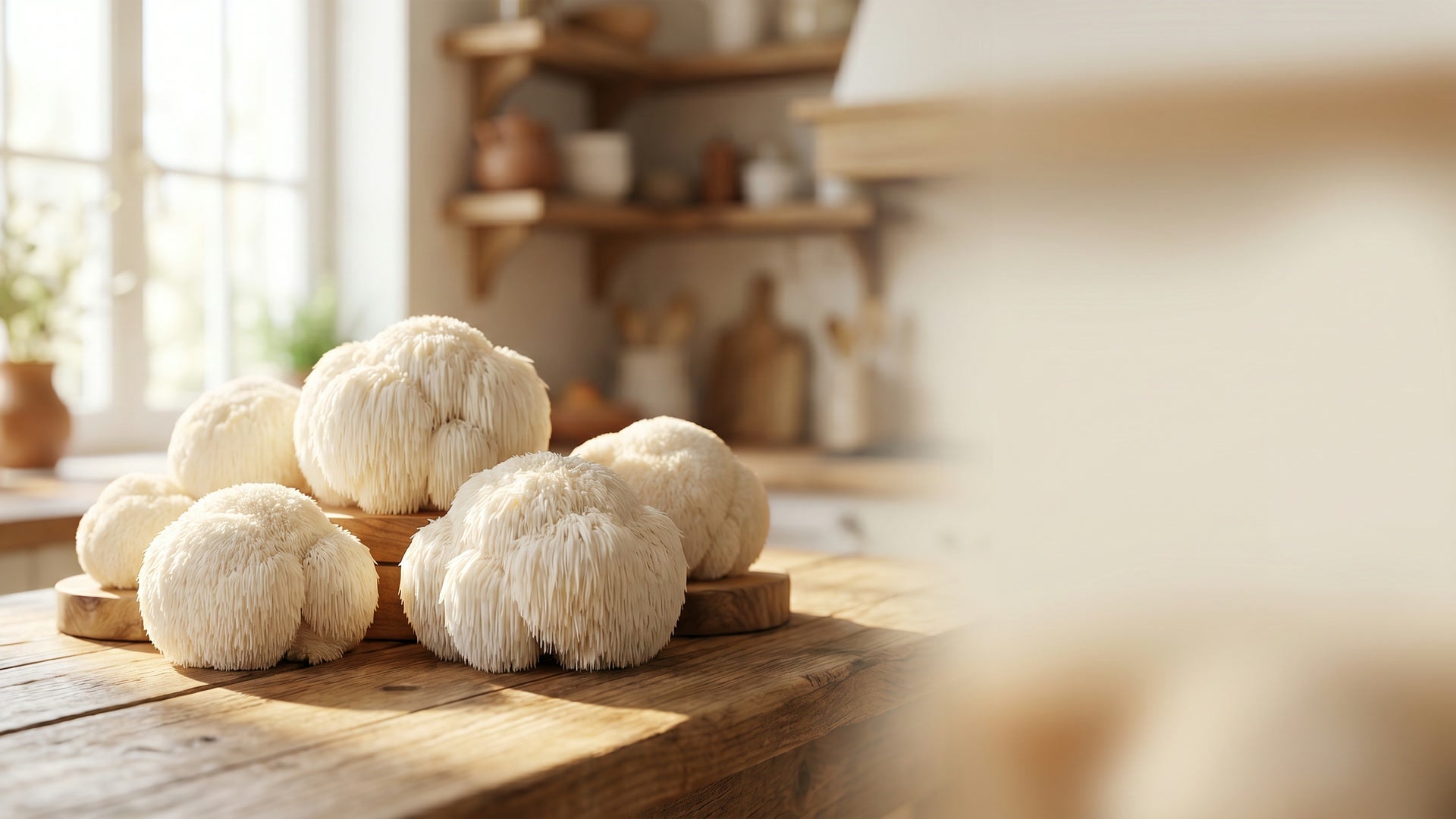
Lion's mane looks like something from another planet, cascading white spines that taste like crab when sautéed in butter. But looks aside, this one's genuinely valuable.
- Contains compounds (hericenones and erinacines) studied for cognitive benefits
- Sells for $16-25/lb retail in 2026
- Unique culinary applications
- Relatively fast fruiting (14-21 days)
Growing requirements:
- Temperature: 60-75°F (prefers cooler)
- Humidity: 85-95%
- Light: Indirect, ambient light
- Substrate: Hardwood sawdust or supplemented pellets
One thing to note: lion's mane is pickier about fresh air exchange than oysters. If your mushrooms look "toothy" instead of forming those beautiful cascading spines, increase airflow.
3. Shiitake (Lentinula edodes), Moderate
Shiitake is where home cultivation gets interesting. These aren't just tasty, they're the second most cultivated mushroom worldwide for good reason.
- Rich umami flavor intensifies when dried
- Longer shelf life than oysters (7-10 days refrigerated)
- Traditional log cultivation connects you to centuries-old methods
- Contains lentinan, a studied immune-supporting compound
Two growing methods:
- Indoor blocks: Faster (8-12 weeks to first harvest)
- Outdoor logs: Slower (6-18 months) but produces for 3-6 years
For deeper guidance on shiitake cultivation, check out our article on The Complete Beginner's Guide to Growing Shiitake Mushrooms, it covers the shocking process, which is key for indoor blocks.
4. Wine Cap (Stropharia rugosoannulata), Moderate (Outdoor)
Wine caps are the mushroom for gardeners. They grow directly in wood chip beds outdoors and actually improve your soil while producing burgundy-capped beauties.
- Outdoor garden beds
- Permaculture setups
- Anyone with access to wood chips
- Spring and fall harvests
Yield potential: 5-20 lbs per 50 sq ft bed annually
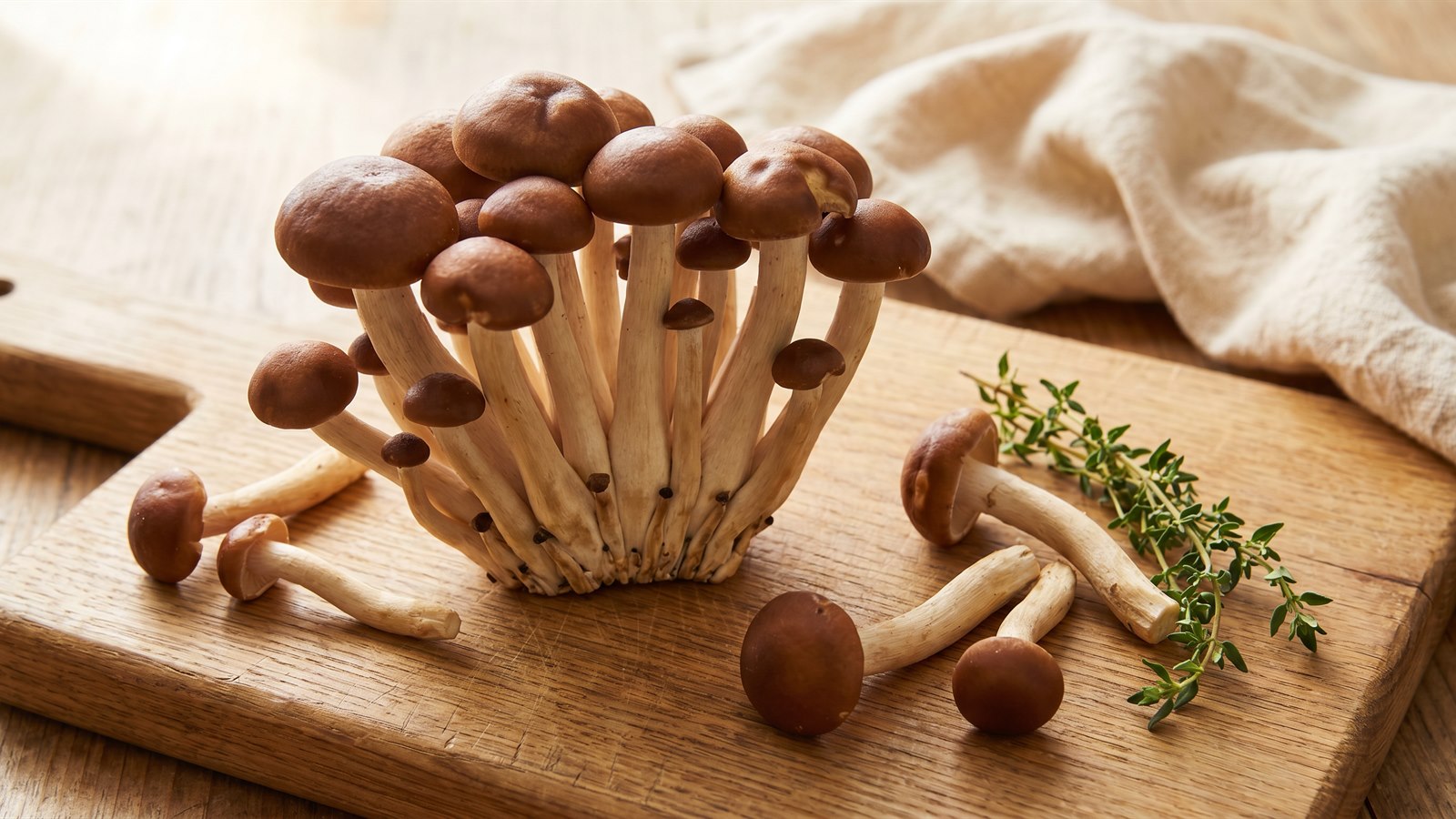
5. Chestnut Mushrooms (Pholiota adiposa), Moderate
Chestnuts are underrated. Nutty flavor, firm texture that holds up to cooking, and they're genuinely beautiful with their cinnamon-brown caps.
- Temperature: 50-65°F (they like it cool)
- Humidity: 85-90%
- Time to fruit: 14-28 days after colonization
These are perfect if you have a basement or cool garage space.

6. Pioppino (Agrocybe aegerita), Moderate to Advanced
Pioppino (also called black poplar mushrooms) are the chef's choice. Crunchy stems, mild flavor, and they hold up beautifully in stir-fries and soups.
- Exceptional texture rarely found in stores
- Long shelf life (10-14 days)
- Premium pricing ($18-30/lb) if you sell
- Clusters look impressive
Challenge factor: Slower colonization, specific fruiting triggers needed.
7. King Trumpet (Pleurotus eryngii), Advanced
King trumpets are the "meaty" mushroom, thick stems with a texture that mimics scallops when sliced and seared. They're also the trickiest on this list.
- Requires precise humidity (80-85%)
- Needs temperature drop to trigger fruiting
- Longer colonization period
- Worth it for the culinary experience
If you've mastered oysters and want a challenge, king trumpets are your next level.
How to Start Growing Edible Mushrooms at Home: Step-by-Step
Step 1: Choose Your First Variety
Start with oyster mushrooms. Seriously. I know lion's mane is tempting, but oysters teach you the fundamentals, humidity, fresh air exchange, harvesting timing, without punishing mistakes.

Fuel Your Mushroom Journey
Smart Mushroom Grow Chamber
Plug-and-play smart chamber with humidity, light, and airflow dialed in for every species. Beginners harvest their first flush in days, not months.
Add to cart $299Step 2: Get Your Growing Setup
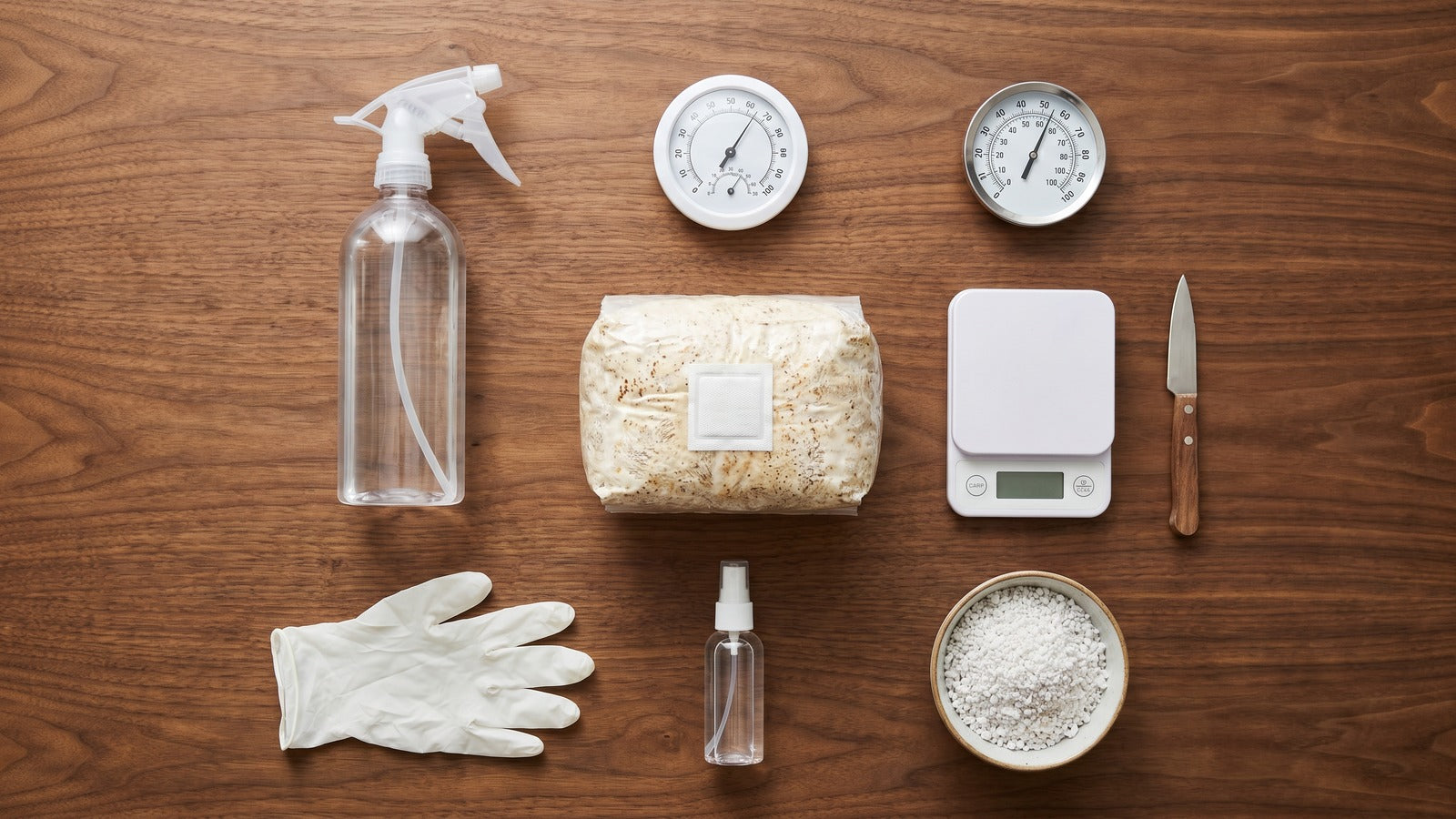
Basic equipment needed:
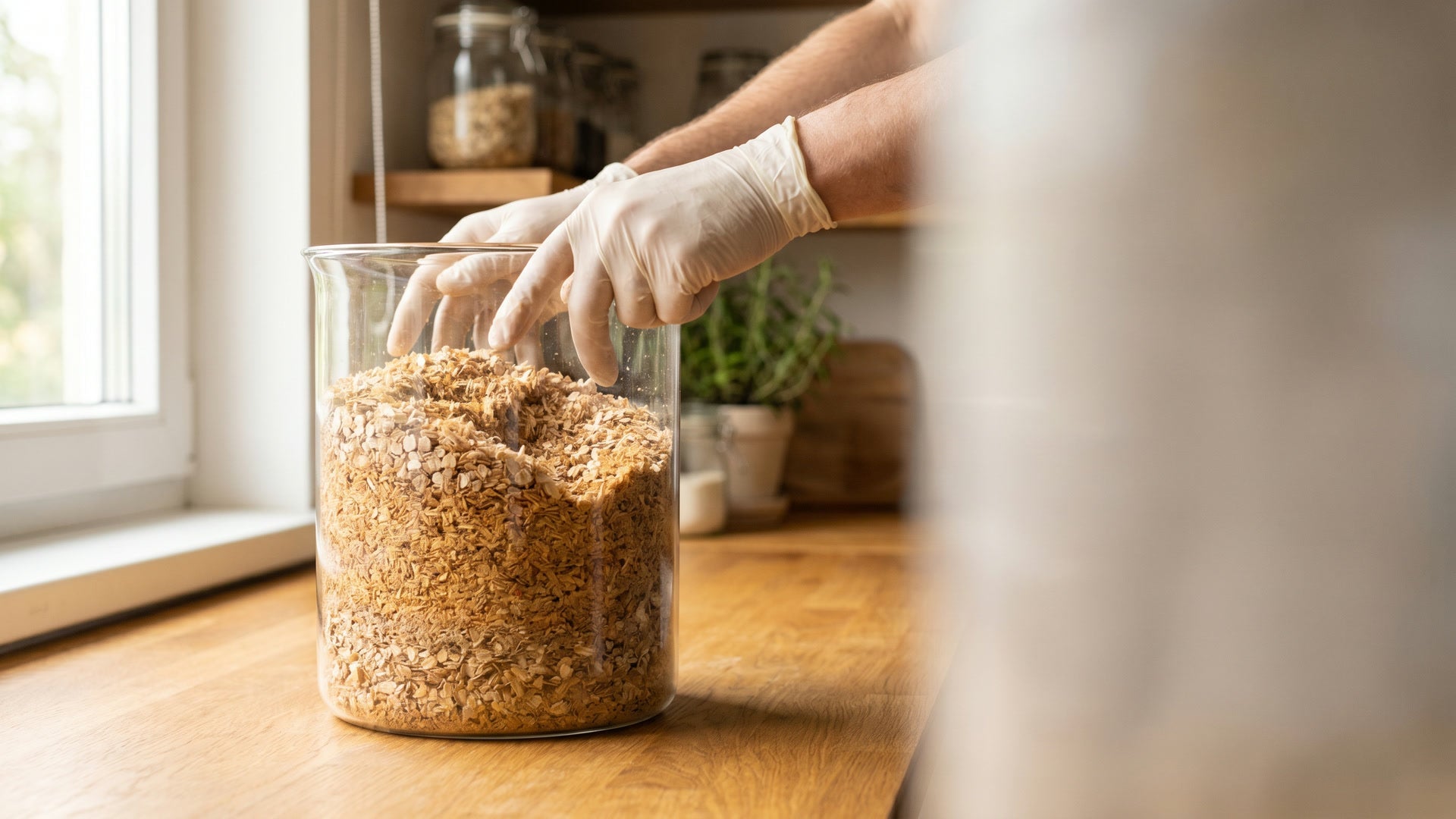
- Grow kit OR spawn + substrate
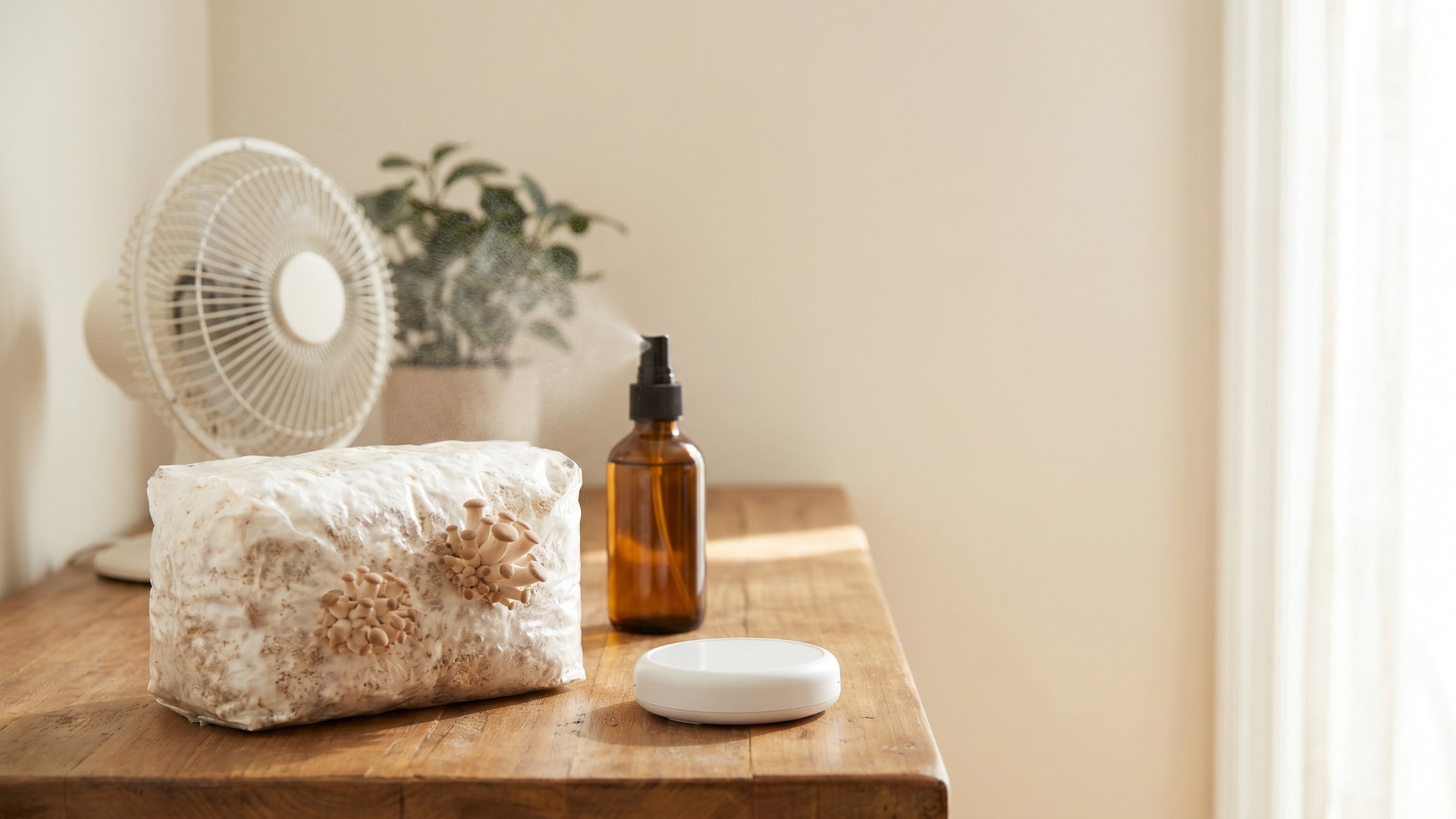
- Spray bottle for misting
- Humidity tent or fruiting chamber (a clear plastic bin works)
- Indirect light source
- Small fan for air exchange
Step 3: Follow Colonization Protocol
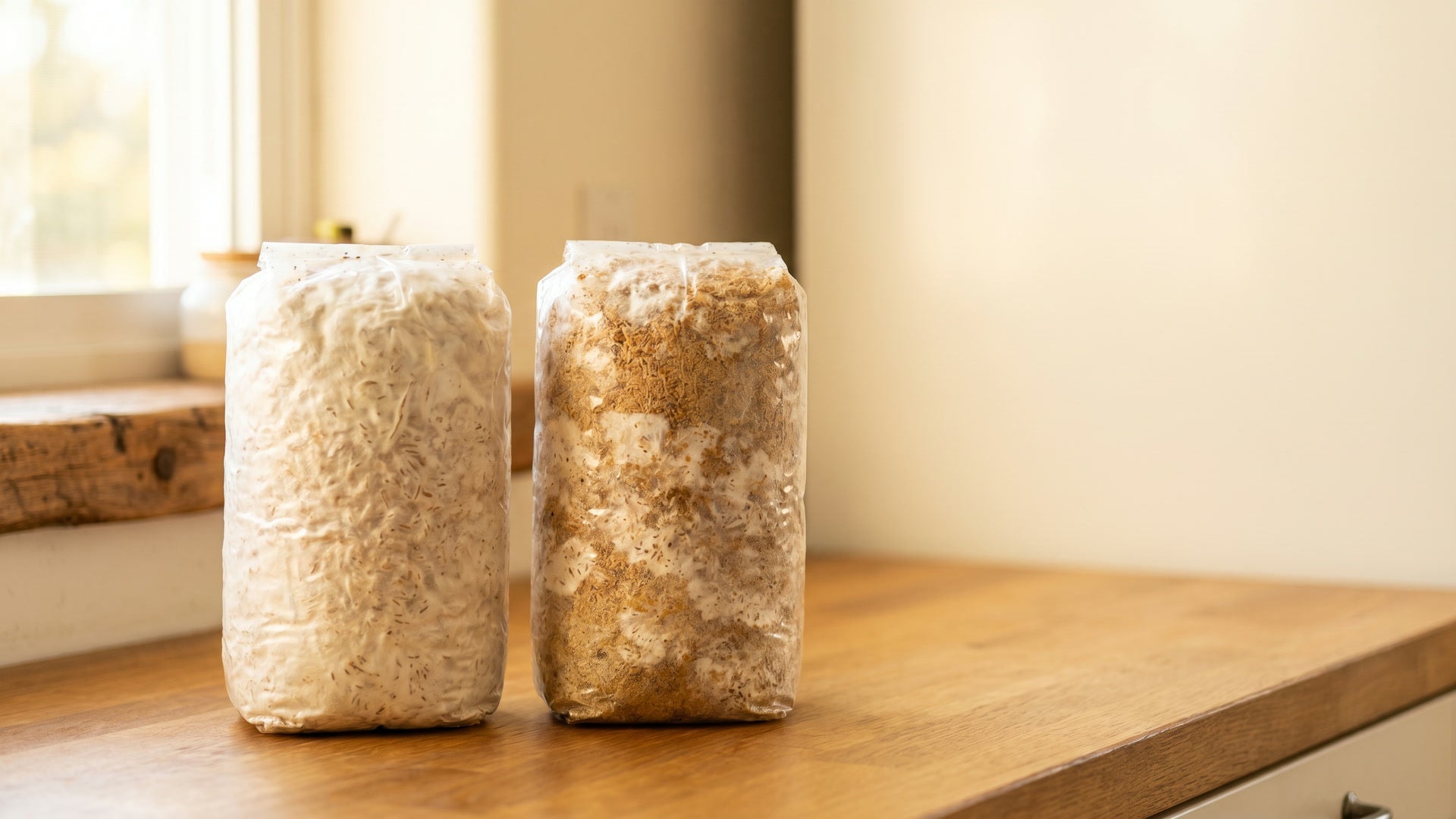
Once you receive your kit or inoculate your substrate:
- Store in a dark location at 65-75°F
- Wait for full colonization (white mycelium covers substrate)
- This takes 10-21 days depending on variety
Step 4: Initiate Fruiting Conditions
When colonization is complete:
- Introduce light (indirect, 12 hours daily)
- Increase humidity to 80-95%
- Provide fresh air exchange (fan 2-3x daily)
- Reduce temperature slightly if possible
Step 5: Harvest at the Right Time
| Mushroom | Harvest Sign | Timing |
|---|---|---|
| Oyster | Cap edges still slightly curled | Just before caps flatten |
| Lion's Mane | Spines 1/4" to 1/2" long | Before yellowing |
| Shiitake | Caps 50-70% open | Before gills fully expose |
Harvesting too late results in spore drop (messy) and reduced shelf life.

Common Mistakes When Growing Mushrooms at Home
Not Enough Humidity
This is mistake #1. Mushrooms are roughly 90% water. If your pins dry out, they abort. Use a hygrometer, they're $10 and save endless frustration.
Too Much Direct Misting
Counterintuitive, right? You need humidity, but spraying directly on pins can cause bacterial blotch. Mist the walls of your fruiting chamber, not the mushrooms themselves.
Ignoring Fresh Air Exchange
Mushrooms produce CO2 as they grow. Without fresh air, you'll get leggy stems and tiny caps. If your oysters look like long noodles with tiny hats, increase airflow.
Harvesting Too Late
Once spores drop, flavor and texture decline. When in doubt, harvest early.
For more troubleshooting help, our guide on 5 Common Mushroom Growing Mistakes and How to Avoid Them covers these issues in detail.
Frequently Asked Questions About Growing Edible Mushrooms at Home
What is the easiest mushroom to grow at home for beginners?
Oyster mushrooms are the easiest edible mushrooms to grow at home. They tolerate a wide temperature range (55-80°F), colonize quickly, and forgive minor mistakes with humidity and airflow. Most beginners see their first harvest within 2-3 weeks of starting a grow kit.
How long does it take to grow mushrooms at home from a kit?
Most mushroom grow kits produce their first harvest in 7-21 days after you start the fruiting process. Oyster mushrooms are fastest (7-14 days), while lion's mane and shiitake take 14-21 days. The full colonization period before fruiting adds another 10-14 days for most species.
Can you grow edible mushrooms indoors without special equipment?
Yes, you can grow edible mushrooms indoors with minimal equipment. A basic setup needs only a spray bottle, clear plastic bag or container for humidity, and indirect light from a window. Temperature-controlled spaces like kitchens or basements work well for most beginner varieties.
How much do homegrown mushrooms actually yield?
A standard 5-pound mushroom grow block typically produces 1-2 pounds of fresh mushrooms across 2-3 flushes. Oyster mushrooms yield the highest for beginners, often producing up to 40% of the substrate weight. This means a $30 kit can produce $40-70 worth of gourmet mushrooms.
Are homegrown mushrooms safe to eat?
Homegrown mushrooms from reputable grow kits or spawn are completely safe to eat. The species sold for home cultivation are well-established edibles with no toxic look-alikes in controlled growing conditions. Always purchase from trusted suppliers and never eat wild mushrooms without expert identification.
What is the most profitable mushroom to grow at home?
Lion's mane is currently the most profitable mushroom for home growers in 2026, selling for $16-25 per pound at farmer's markets and to restaurants. Specialty oyster varieties (pink, golden) and shiitake also command premium prices. Profitability depends on your local market and growing efficiency.
Do mushrooms need sunlight to grow indoors?
Mushrooms don't need direct sunlight and actually prefer indirect or ambient light. About 12 hours of low light daily helps trigger fruiting and develop proper cap color. A north-facing window or simple LED light works perfectly. Too much direct sunlight can dry out your substrate.
Conclusion: Start Your Mushroom Growing Journey Today
Growing edible mushrooms at home is one of the most rewarding food projects you can start in 2026. Let's recap what you've learned:
- Oyster mushrooms are your starting point, forgiving, fast, and perfect for learning fundamentals
- The investment pays off quickly, $30-40 in supplies yields $50-70+ in gourmet mushrooms
- Basic equipment is all you need, spray bottle, humidity container, indirect light
- Humidity and airflow are your two main variables, master these, and you'll succeed with any species
- Harvest timing matters, pick before spores drop for best flavor and texture
The hardest part is simply starting. Once you see your first pins forming, you'll understand why so many people get hooked on this hobby.
Ready to Grow Your First Mushrooms?
Start with our most popular beginner-friendly option:
Shop the Pink Oyster Mushroom Grow Kit →
These kits ship with fully colonized substrate, just open, mist, and harvest in 10-14 days. No experience needed.
Limited spring inventory available. Orders ship within 48 hours.
Aktie:
What Is Mushroom Cocoa and Why Are People Obsessed With It?
What Is Mushroom Cocoa and Why Are People Obsessed With It?