


Gluten-free cream of mushroom soup from scratch takes about 30 minutes and tastes far better than any can. The key swaps are simple: replace the wheat flour in the roux with cornstarch, sweet rice flour, or a 1:1 gluten-free flour blend. The result is silky, savory, and indistinguishable from a traditional version when made carefully.
Standard canned cream of mushroom soup contains wheat flour as a thickener, which makes it off-limits for anyone with celiac disease or non-celiac gluten sensitivity. The gluten-free shelf options are improving but tend to taste flat. Making it at home is the most reliable path to a soup that actually tastes good.
The science of thickening without wheat flour
Wheat flour does two things in cream soup: it thickens, and it carries fat into a stable emulsion. To replace it, you need a starch that thickens (cornstarch, arrowroot, sweet rice flour, tapioca) and you need to maintain the fat-and-liquid balance to prevent separation.
Each gluten-free thickener behaves differently:
- Cornstarch: Produces a glossy, slightly translucent thickening. Strong thickening power (use about half the amount you would use of flour). Must be mixed with cold liquid first (a slurry) to avoid lumps. Loses thickening if boiled too long.
- Sweet rice flour (mochiko): Produces a matte, opaque thickening very similar to wheat flour. Cook it briefly in fat (like a regular roux) before adding liquid. The most underrated gluten-free thickener.
- Arrowroot: Glossy like cornstarch but holds up better under acid. Loses thickening on extended boiling.
- 1:1 gluten-free flour blend (King Arthur, Bob's, Cup4Cup): Closest behavior to wheat flour. Use in equal measure.
- Tapioca starch: Slightly stringy texture. Better for fruit pies than cream soups.
Our recommended choice for cream of mushroom is sweet rice flour, with cornstarch as the second pick.

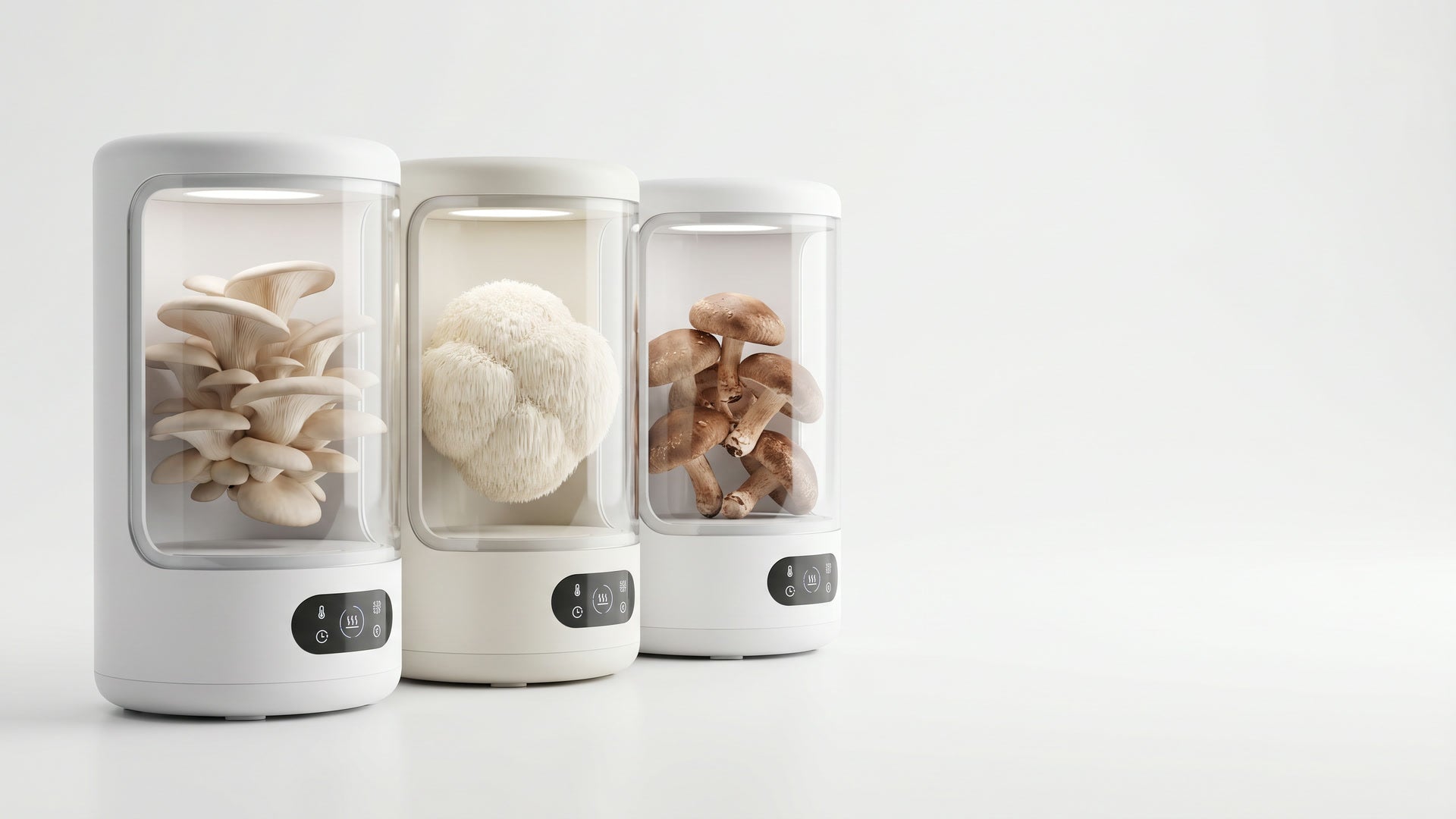
Smart Chamber. Bone White Single
- 2.8L tank, 90% humidity automatic
- App-controlled, plug-and-play
- 6 lb block ceiling, in stock

Smart Chamber. Obsidian Black Single
- 2.8L tank, 90% humidity automatic
- App-controlled, plug-and-play
- Matte obsidian finish, in stock

Black Oyster Fruiting Block
- 5 lb colonized hardwood block
- 1-3 day cycle, easy first flush
- Lab-tested strain, in stock
Ingredients
Yields about 5 cups, equivalent to 4 condensed-soup cans. Serves 4 to 6 as a side soup, or use as a 1:1 casserole substitute.
- 3 tablespoons unsalted butter
- 1 medium yellow onion, finely diced
- 2 cloves garlic, minced
- 1 pound fresh mushrooms (cremini, white button, or a mix), sliced
- 3 tablespoons sweet rice flour (or 2 tablespoons cornstarch dissolved in 1/4 cup cold broth)
- 2 cups chicken or vegetable broth (verify gluten-free certified)
- 1 cup whole milk or half-and-half
- 1/2 cup heavy cream
- 1 teaspoon fresh thyme leaves (or 1/2 teaspoon dried)
- 1 teaspoon tamari or gluten-free soy sauce (verify GF)
- 1/2 teaspoon salt, plus more to taste
- 1/4 teaspoon black pepper
- Pinch of freshly grated nutmeg (optional)
- Fresh parsley or chives to garnish
Step-by-step method (sweet rice flour version)
- Melt the butter (1 minute): In a heavy 3-quart saucepan or Dutch oven, melt the butter over medium heat.
- Sweat the aromatics (4 minutes): Add the diced onion and a pinch of salt. Cook until translucent, about 4 minutes. Add the garlic and cook 30 seconds more.
- Brown the mushrooms (8 to 10 minutes): Add the sliced mushrooms. Spread them out, then resist stirring for 3 minutes to let them brown. Stir, then continue cooking until they release water, reabsorb it, and start to caramelize on the edges (8 to 10 minutes total).
- Make the gluten-free roux (1 to 2 minutes): Sprinkle the sweet rice flour evenly over the mushrooms. Stir constantly for 1 to 2 minutes. The mixture should look like wet sand and start to smell toasty.
- Add the liquids (10 to 12 minutes): Slowly whisk in the broth, then the milk and cream. Whisk constantly until smooth. Bring to a gentle simmer (do not boil hard). Stir in thyme, tamari, salt, and pepper.
- Simmer (8 minutes): Reduce heat to low. Simmer 6 to 8 minutes, stirring occasionally, until the soup coats the back of a spoon. Taste and adjust salt.
- Finish: Add a pinch of nutmeg if using. Ladle into bowls and garnish with parsley or chives.

Fuel Your Mushroom Journey
Smart Mushroom Grow Chamber
Plug-and-play smart chamber with humidity, light, and airflow dialed in for every species. Beginners harvest their first flush in days, not months.
Add to cart $299Cornstarch slurry version (faster, glossier)
If you do not have sweet rice flour, use cornstarch. The method differs slightly:
- Follow steps 1 through 3 above, but skip step 4 (no roux).
- Add the broth, milk, and cream directly to the mushroom mixture. Bring to a simmer.
- In a small bowl, whisk 2 tablespoons of cornstarch with 1/4 cup of cold broth or water to make a smooth slurry.
- Pour the slurry into the simmering soup while whisking. Cook 2 minutes until thickened.
- Season and finish as in step 6 and 7 above.
The cornstarch version is faster but the thickening can break if reheated multiple times. The sweet rice flour version reheats more reliably.
Verify everything is actually gluten-free
Cross-contamination ruins more home gluten-free soups than any other factor. Check the labels on these ingredients:
- Broth or stock: Many commercial broths contain wheat or barley as flavor carriers. Look for certified GF labels.
- Soy sauce: Standard soy sauce contains wheat. Use tamari, labeled gluten-free.
- Worcestershire sauce: Some brands contain barley malt vinegar. Lea & Perrins in the US is gluten-free; in the UK, the same brand contains barley.
- Sweet rice flour: Mochiko is naturally gluten-free, but check for shared-facility warnings.
- Cornstarch: Most brands are GF, but the same shared-facility note applies.
- Cream of tartar, baking powder, and other helpers: Usually fine but worth a label check.
If you cook for someone with celiac disease, use dedicated utensils and a clean pan to avoid contamination from a previous wheat-flour roux.
Using fresh mushrooms for better flavor
The thickener is the technical part. The flavor of the soup comes from the mushrooms themselves. Older grocery-store mushrooms with brown gills produce a duller soup than fresh-cut specimens.
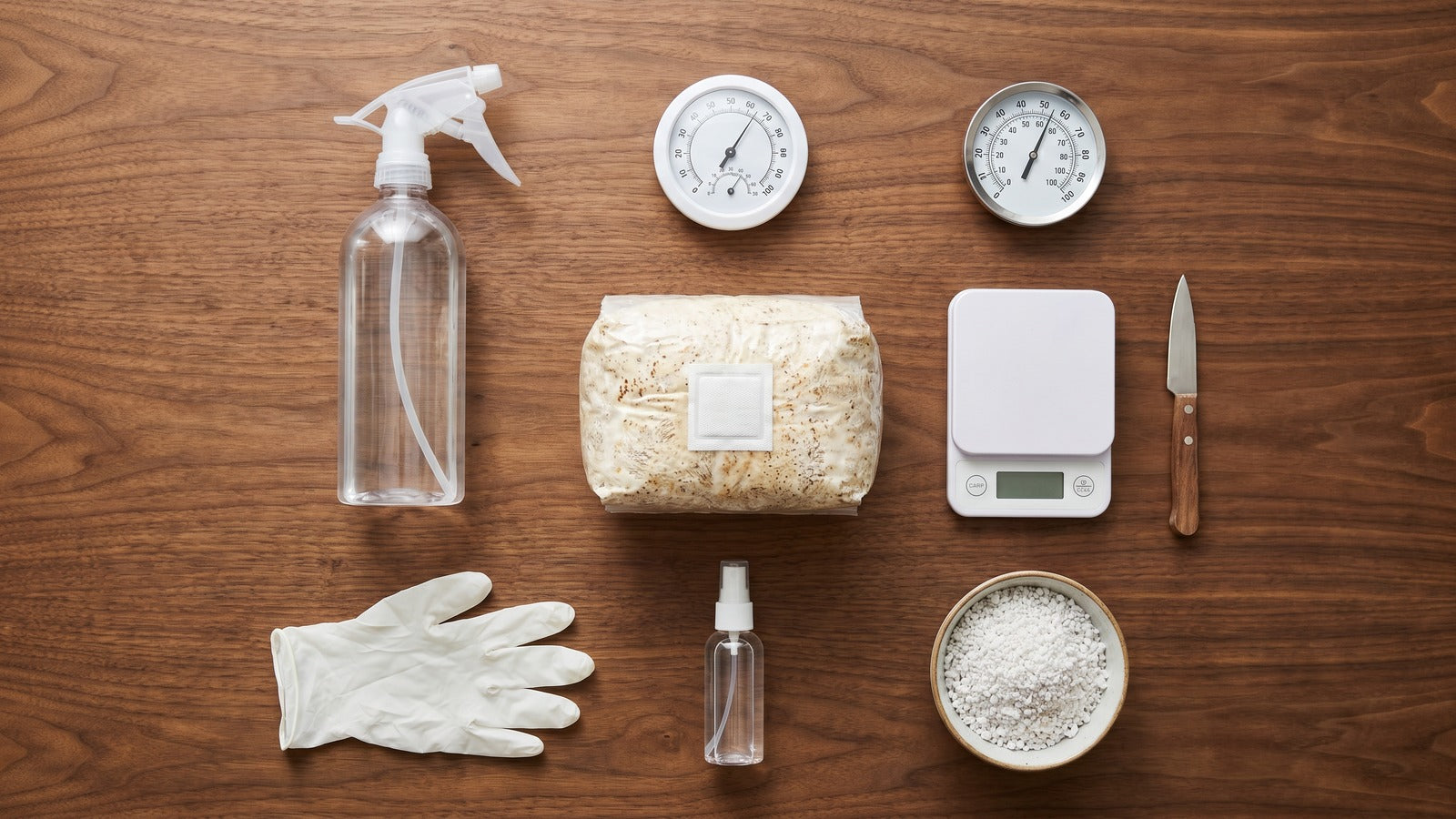
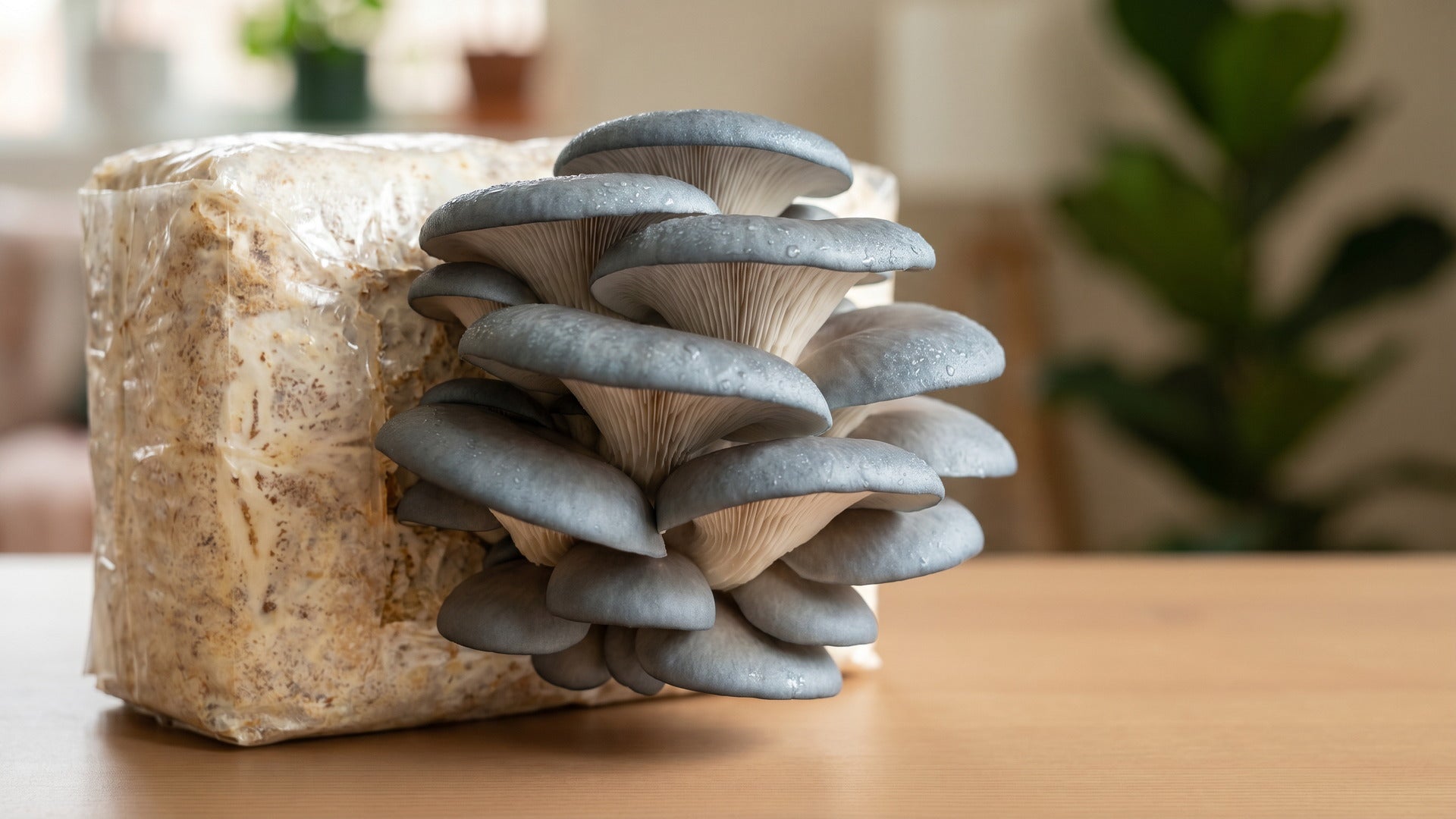
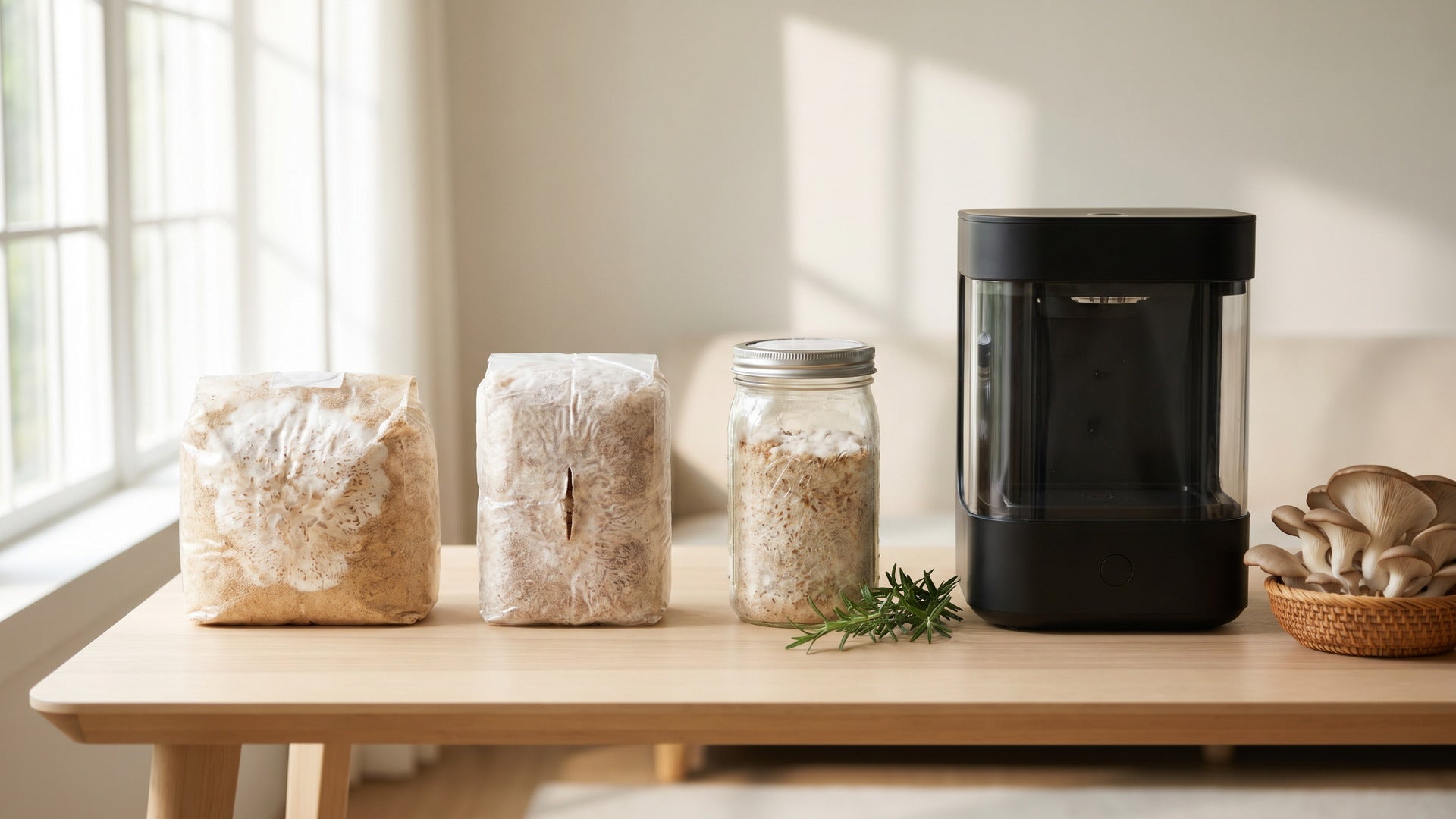
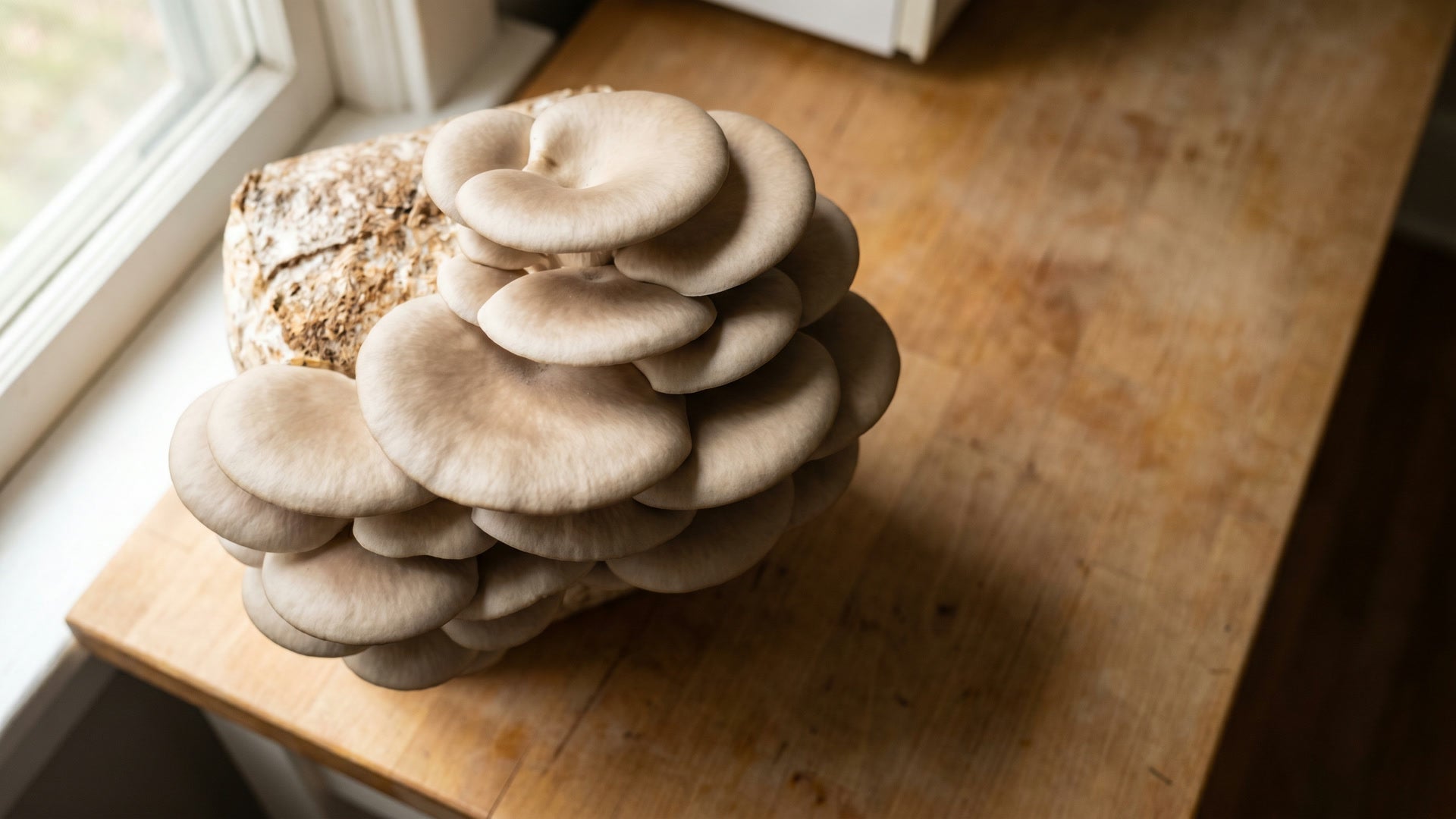
Growing your own with a home mushroom grow kits means you can harvest 60 minutes before cooking. Fresh cremini, shiitake, or oyster mushrooms have firmer cell walls and brown more aggressively, which translates to a deeper, more savory soup. If you mix three varieties, you also get textural contrast from a single pan.
Using gluten-free cream of mushroom soup in casseroles
To substitute this homemade soup 1:1 for a canned condensed soup, reduce the broth from 2 cups to 1 1/2 cups. The finished consistency should be thick enough to slowly coat a spoon, similar to canned condensed soup before water is added.
This works in classic gluten-free versions of:
- Green bean casserole (use GF fried onions or homemade panko-style topping with GF breadcrumbs)
- Tuna noodle casserole (with GF pasta and verified GF tuna)
- Chicken and rice bake
- Pork chop and mushroom bake
- Stroganoff over GF egg noodles or rice
Storage and freezing
Refrigerate in airtight containers up to 4 days. The flavor improves overnight as the umami develops.
Freezing works, though dairy-based soups can separate. To minimize separation, freeze for no more than 6 weeks and reheat gently over low heat while whisking. A small whisk in a tablespoon of fresh cream during reheating brings the texture back together.
Common problems and fixes
- Lumpy soup: Cornstarch was added without a slurry, or the sweet rice flour was not stirred enough during the roux step. Blend with an immersion blender for 30 seconds to smooth it out.
- Thin soup: The thickener did not fully activate. Simmer another 5 minutes, or whisk in an additional cornstarch slurry (1 tablespoon cornstarch + 2 tablespoons cold water).
- Pasty mouthfeel: Too much starch. Stir in 1/4 cup of warm broth to dilute, then adjust seasoning.
- Bland flavor: A pinch more salt, a teaspoon more tamari, and a squeeze of lemon usually fixes it.
Once you make this once, the canned versions taste artificially salty by comparison. The cost per cup is also lower than the gluten-free shelf brands, and you control every ingredient. This is the kind of staple recipe worth memorizing.


Aktie:
How to Get Rid of Mushrooms in Yard: A Practical Guide
How to Get Rid of Mushrooms in Yard: A Practical Guide