


Gourmet mushrooms are the cultivated specialty varieties that go beyond the standard white button: Lion's Mane, King Trumpet, Pink Oyster, Shiitake, Maitake, Chestnut, and a handful of others. They're called "gourmet" because chefs reach for them for flavor, texture, and visual interest, not because they're more nutritious than supermarket mushrooms (though some, like Lion's Mane, do carry well-studied functional compounds on top of being delicious).
If you've cooked with the same brown caps for years and want to expand the rotation, this guide covers what each variety actually brings to a dish, how to source them fresh, and which ones reward home cultivation.

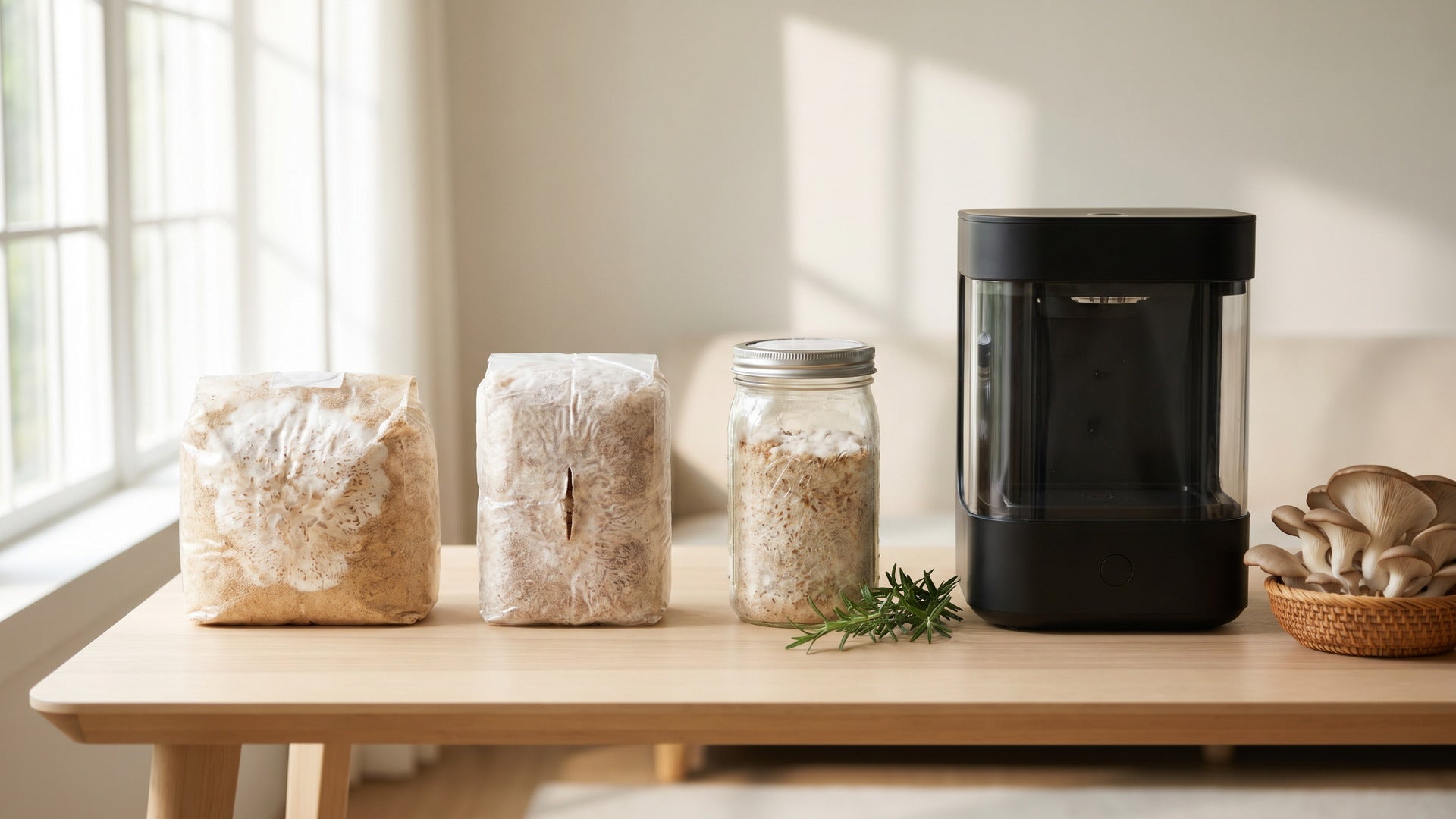
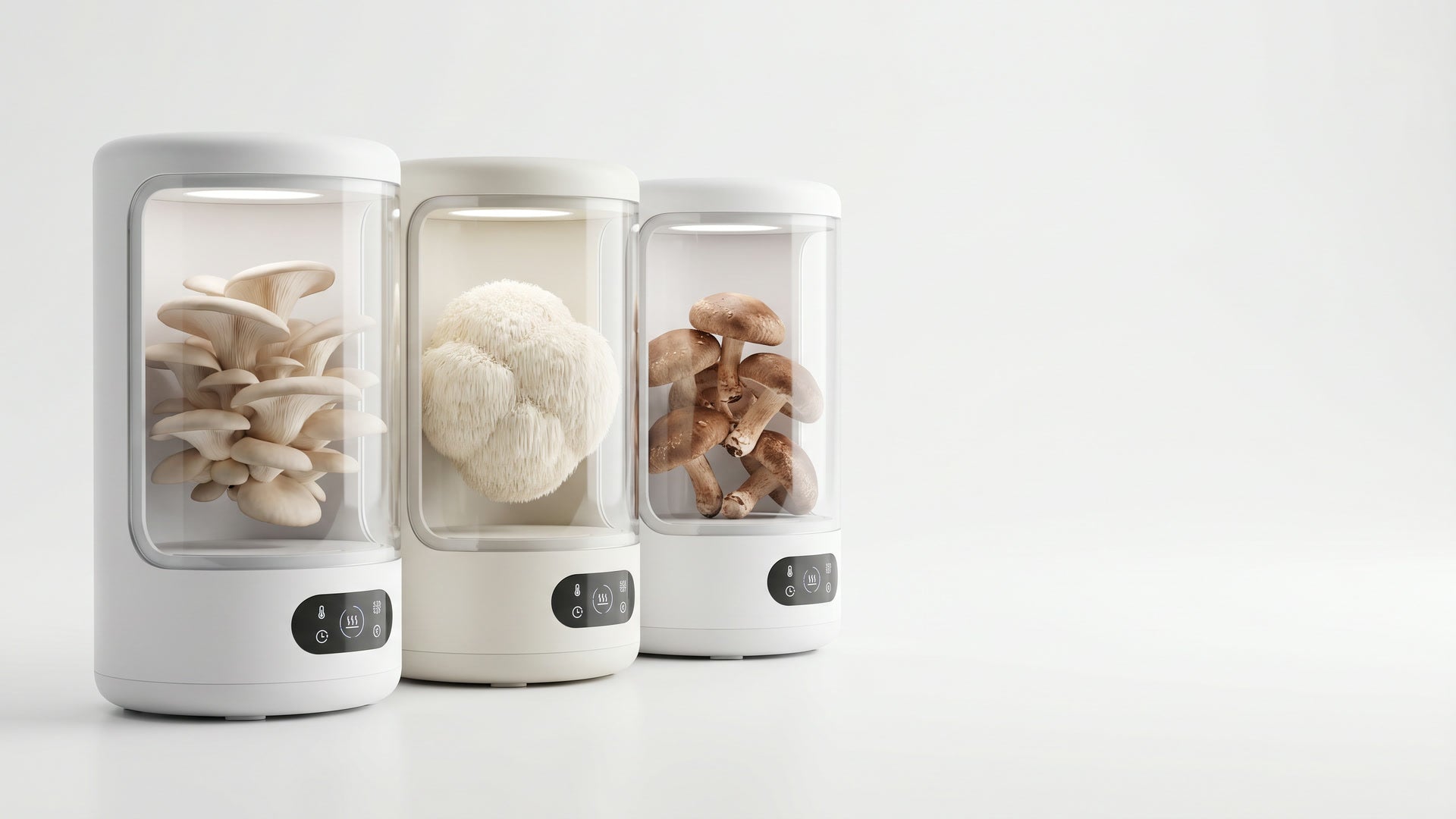
Smart Chamber. Bone White Single
- 2.8L tank, 90% humidity automatic
- App-controlled, plug-and-play
- 6 lb block ceiling, in stock

Smart Chamber. Obsidian Black Single
- Same hardware as Bone White
- Matte black premium finish
- Pairs with any kitchen palette

What makes a mushroom "gourmet"
The term isn't regulated. It generally refers to species that are uncommon at standard grocery stores, are cultivated rather than foraged, and have distinct culinary profiles. Foraged species like morels and chanterelles are usually called "wild" or "specialty" rather than gourmet, even though they show up on the same restaurant menus.
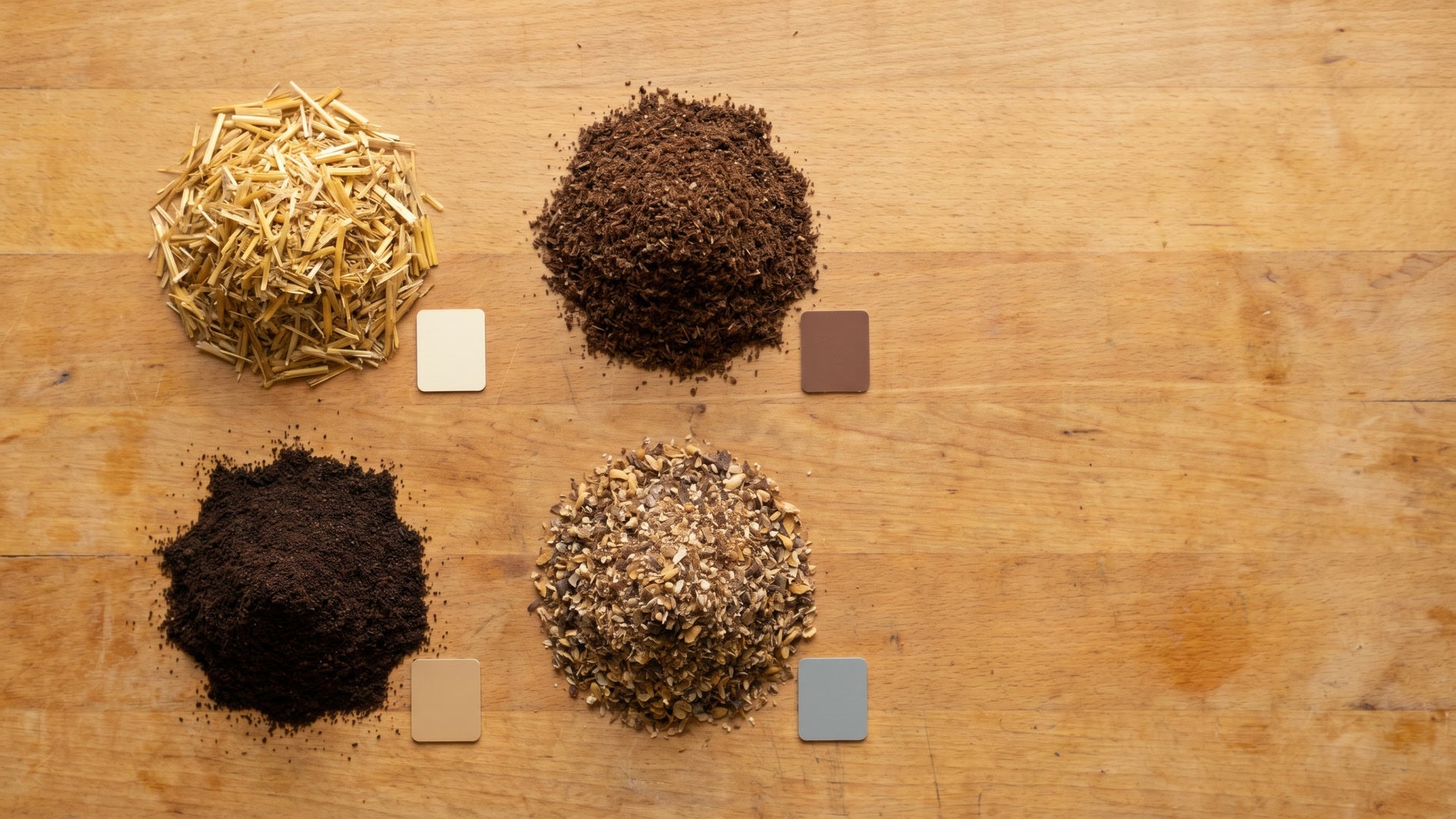
What unites the gourmet list is intentional cultivation. Each variety is grown on a substrate suited to its biology (hardwood sawdust for Shiitake, supplemented straw for Oysters, beech sawdust for Lion's Mane), and the growing parameters control flavor, density, and shelf life.
Lion's Mane (Hericium erinaceus)
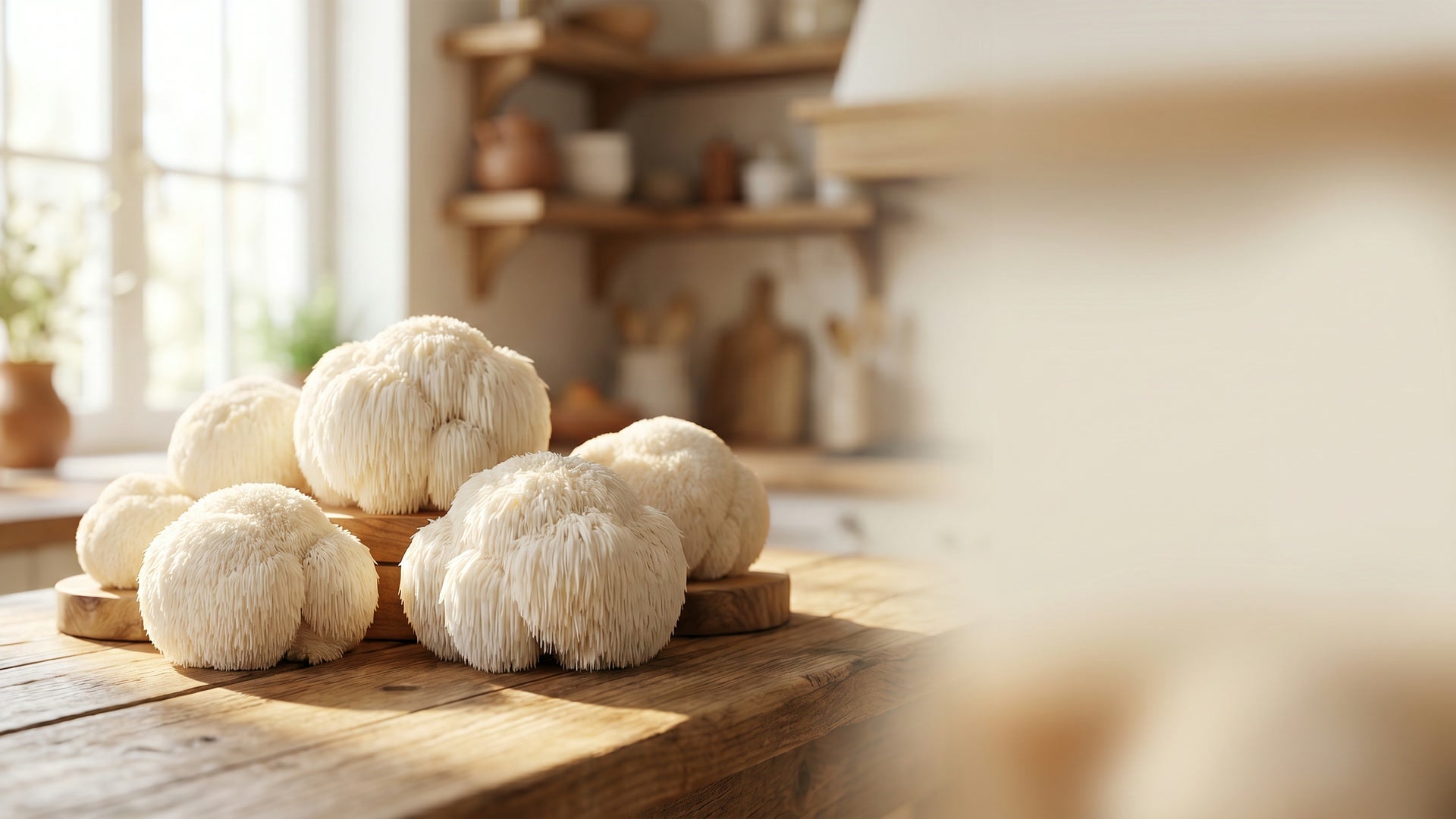
White, shaggy, cascading clusters that look like a sea creature. Lion's Mane tastes like crab or lobster meat when cooked properly, with a firm, slightly stringy texture that pulls apart in chunks.
The cooking trick is patience. Tear the fruit body into pieces, dry-pan the mushroom for the first few minutes to drive off moisture, then add butter or oil. Rushing it gives you a spongy result. Done right, Lion's Mane crab cakes, Lion's Mane "scallops," and Lion's Mane in pasta sauces are convincing seafood stand-ins.
Lion's Mane also contains hericenones and erinacines, compounds studied for their effects on nerve growth factor. Researchers in Japan have published on its potential cognitive support effects, though clinical evidence in humans is still early.
King Trumpet (Pleurotus eryngii)
Thick white stems with small brown caps, also called King Oyster, French Horn, or Eryngii. The stem is the prize. Dense, almost meaty, with a mild flavor that takes on whatever you cook it in.
Slice King Trumpet stems into half-inch rounds, score them in a crosshatch pattern, and sear in butter for two minutes per side. The result has the texture of a small scallop. Brush with miso butter, finish with sea salt, and you have a side dish that holds its own next to any protein.
Shiitake (Lentinula edodes)
Brown caps, white pleated gills, woody stems. Shiitake has more naturally occurring glutamate than almost any cultivated mushroom, which means deep, savory, umami-driven flavor.
Fresh shiitake works in stir-fries, grilled, or simmered in broths. Dried shiitake is its own ingredient. Rehydrate them in warm water for 30 minutes and you get plump, intensely flavored caps plus a rich liquid you can use as a stock base. Always remove the stem before cooking, it stays tough.
Maitake (Grifola frondosa)
Also called Hen of the Woods. Big, feathery clusters of overlapping fronds, gray-brown in color. The flavor is earthy and slightly peppery, more assertive than oyster mushrooms but less intense than shiitake.

Fuel Your Mushroom Journey
Smart Mushroom Grow Chamber
Plug-and-play smart chamber with humidity, light, and airflow dialed in for every species. Beginners harvest their first flush in days, not months.
Add to cart $299Tear maitake into clusters along its natural fault lines (don't slice through), then roast at 425 F with olive oil for 12 to 15 minutes until the edges are crisp and dark. Roasted maitake on its own with sea salt is one of the simplest restaurant-style plates you can make at home.
Pink, Pearl, and Yellow Oyster (Pleurotus species)
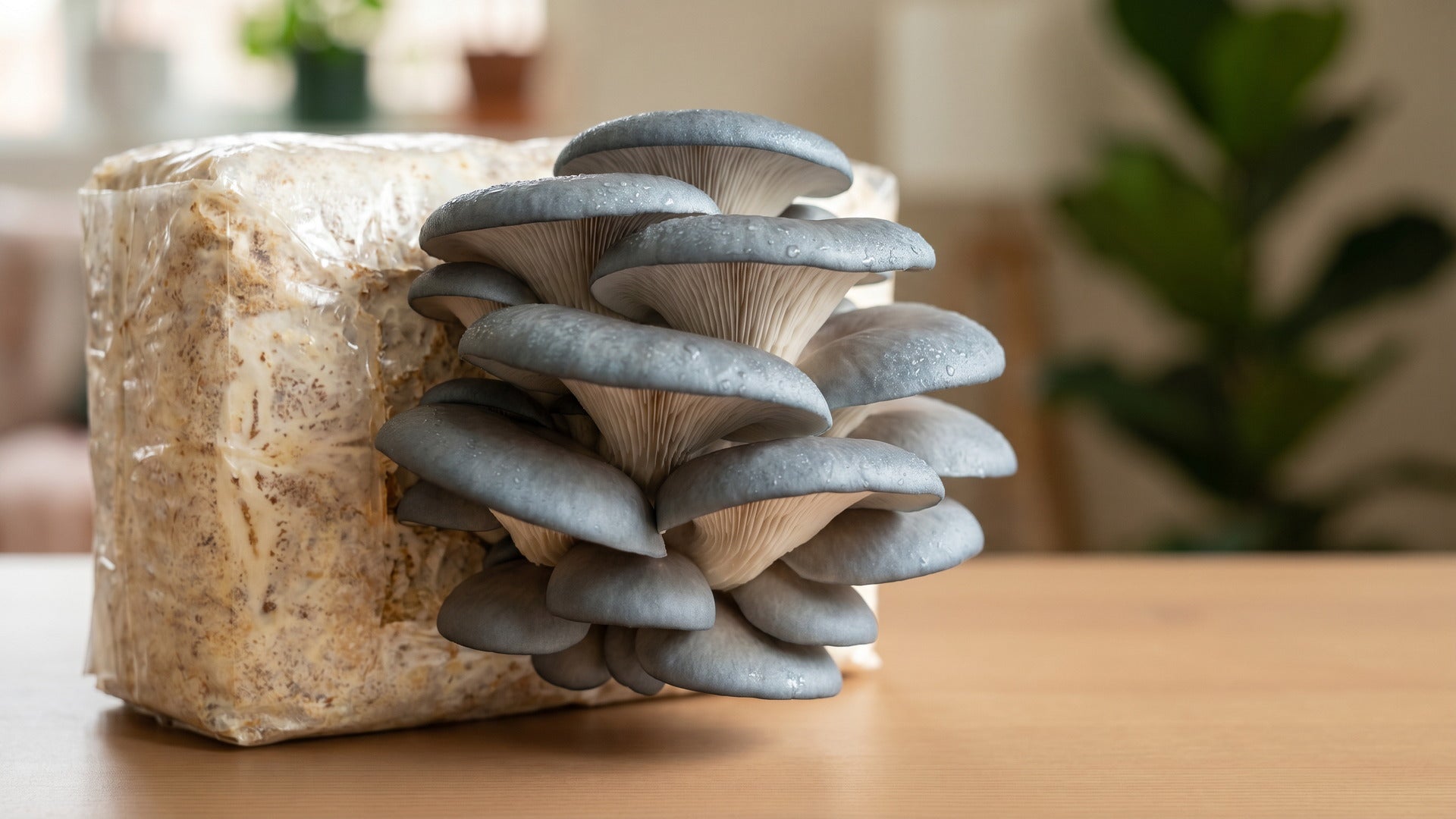
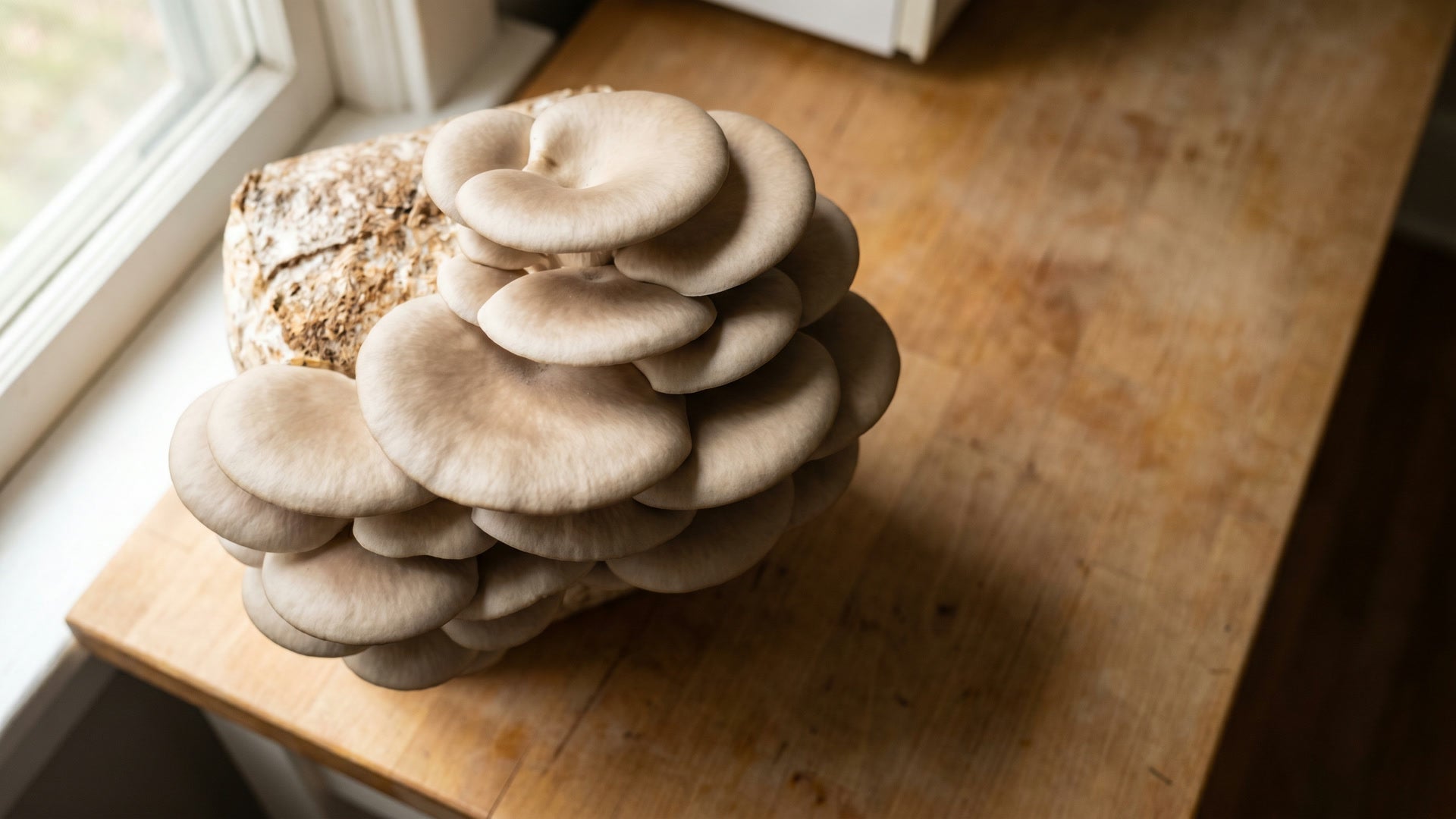
Oyster mushrooms grow in fluted, cap-and-gill clusters. Pearl oysters are gray-white and have a mild, slightly anise flavor. Pink oysters are vibrant magenta when fresh and have a stronger, slightly seafood-like quality. Yellow oysters are golden and have a mild, almost nutty flavor.
All oysters cook fast (two to three minutes in a hot pan with butter) and don't take well to overcooking. Tear them by hand to preserve their delicate structure. They're some of the most photogenic mushrooms in any kitchen.
Chestnut and Black Pearl mushrooms
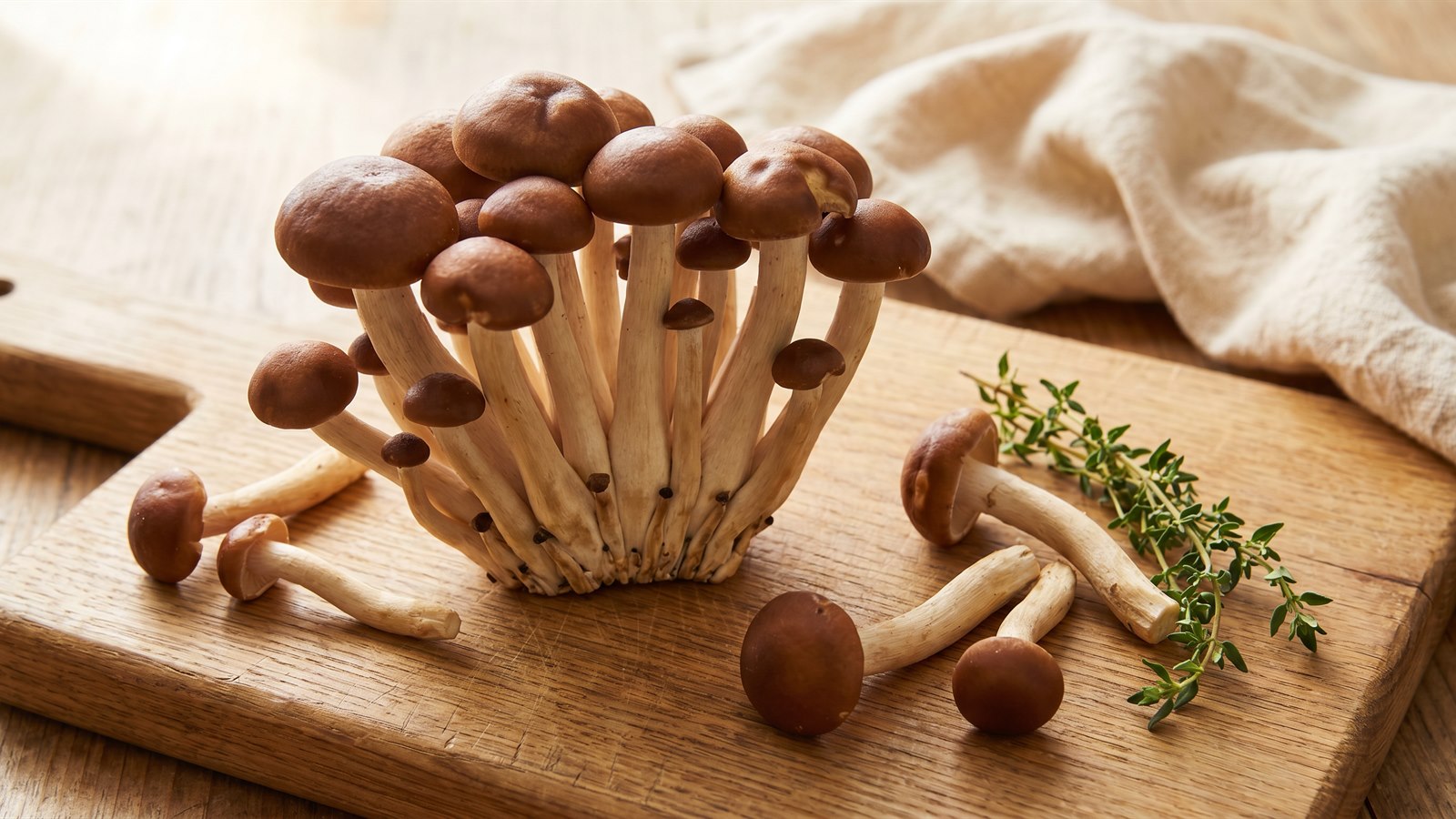
Chestnut mushrooms (sometimes labeled "cinnamon caps") have small reddish-brown caps and white stems. They taste slightly nutty, almost like the flavor of their namesake. Black Pearl is a darker oyster variety with a meatier texture.
Both are excellent in mushroom medleys, where their colors and shapes add visual contrast to a sauté.
Sourcing gourmet mushrooms fresh
Specialty grocers, farmers markets, and Asian markets are your best bet for fresh gourmet mushrooms. They should look firm, dry, and unblemished. Avoid anything slimy, deeply bruised, or with a fishy smell (mushrooms past their prime go off quickly).
Once you get them home, store gourmet mushrooms in a paper bag in the fridge (not plastic, which traps moisture and accelerates spoilage). Most will keep five to seven days, but the flavor and texture peak in the first two or three.
The case for growing them yourself
Gourmet mushroom prices have climbed steadily. Fresh Lion's Mane runs 20 to 30 dollars per pound at most US grocers. King Trumpet is similar. Maitake tops the chart. Even oyster mushrooms, which are easier to find, are often eight to twelve dollars per pound for the more colorful varieties.
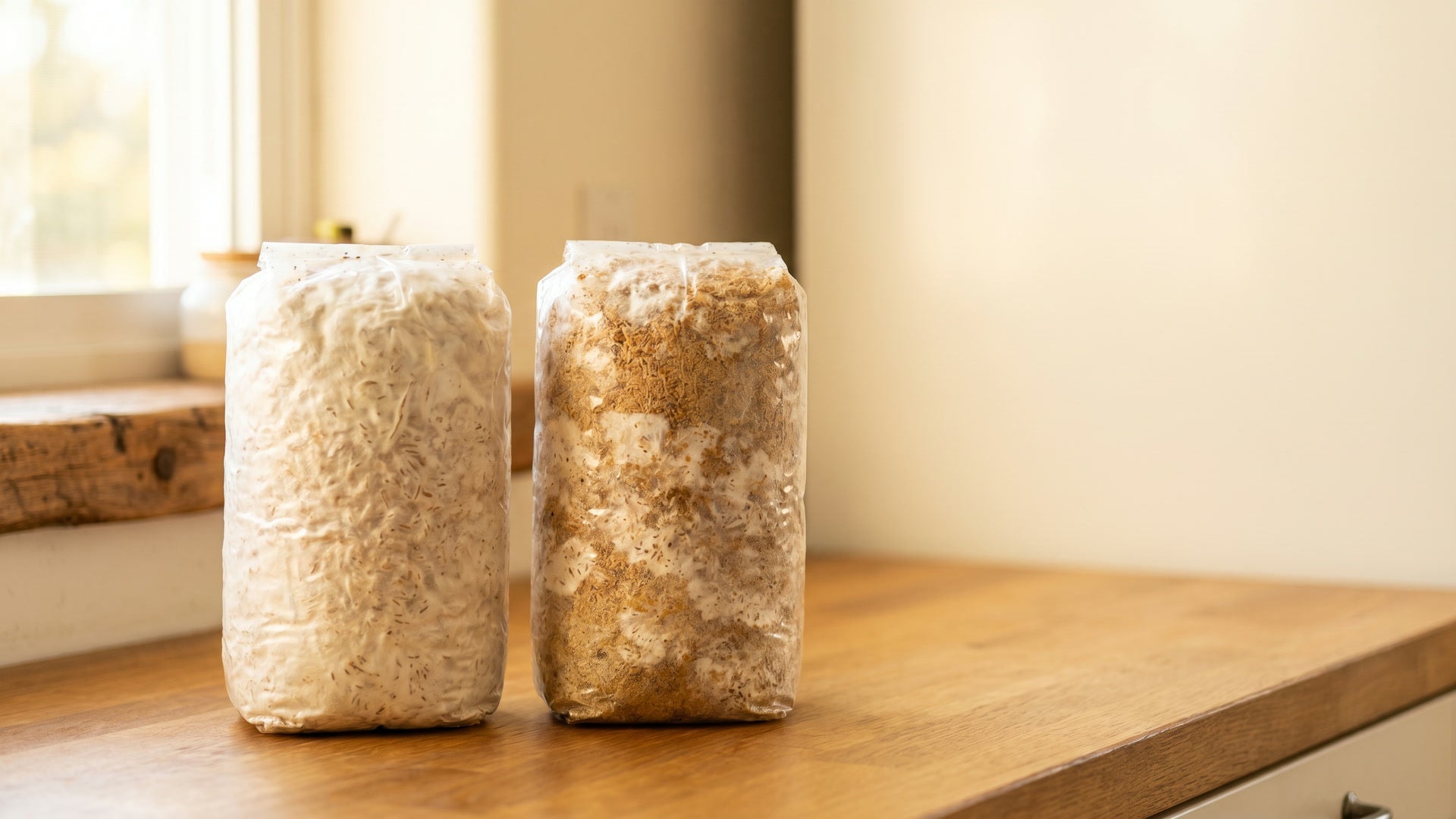
Home cultivation has gotten dramatically easier in the last few years. A countertop mushroom grow kit yields between 1 and 2 pounds of fresh fruit from a single block, depending on species, and the entire cycle takes four to six weeks from start to first harvest. The flavor is noticeably better than store-bought because you cook the mushroom within hours of harvest, not days.
How to build a gourmet mushroom kitchen rotation
Start with two or three varieties you'll actually use, not eight you'll let go bad. King Trumpet is the easiest entry point because it sears beautifully and pairs with everything. Lion's Mane is the most rewarding once you get the cooking technique down. Shiitake gives you a savory base ingredient for soups, stir-fries, and braises.
Once those three feel natural, add maitake for roasting and one of the colorful oysters (Pink or Yellow) for visual impact and lighter dishes. That's a five-variety rotation that covers nearly every gourmet preparation you'll see on a high-end menu.
Aktie:
Hedgehog and Mushroom: The Foraged Species and the Pairing
Hedgehog and Mushroom: The Foraged Species and the Pairing