


Mushrooms grow so fast because they don't build their structure from scratch like plants. Instead, they rapidly inflate pre-formed cellular structures with water, allowing them to expand several inches in just 24 hours. Species like oyster mushrooms can double in size every day, fueled by 80-95% water content and a mycelial network that delivers nutrients on demand.
Have you ever wondered how mushrooms can seemingly appear overnight after rain? One day your yard is clear, and the next morning you discover clusters that were not there before. This speed is one of nature's most fascinating phenomena, and understanding the biology behind it will make you a more successful home grower.
Unlike plants, mushrooms do not build new cells when they fruit. They inflate pre-formed cellular structures with water in a process that can produce several inches of growth in a single day. This guide breaks down exactly how that mechanism works, which species grow the fastest, and how to replicate ideal conditions in your own grow chamber.
The Science Behind Rapid Mushroom Growth

Pre-Formed Cellular Architecture
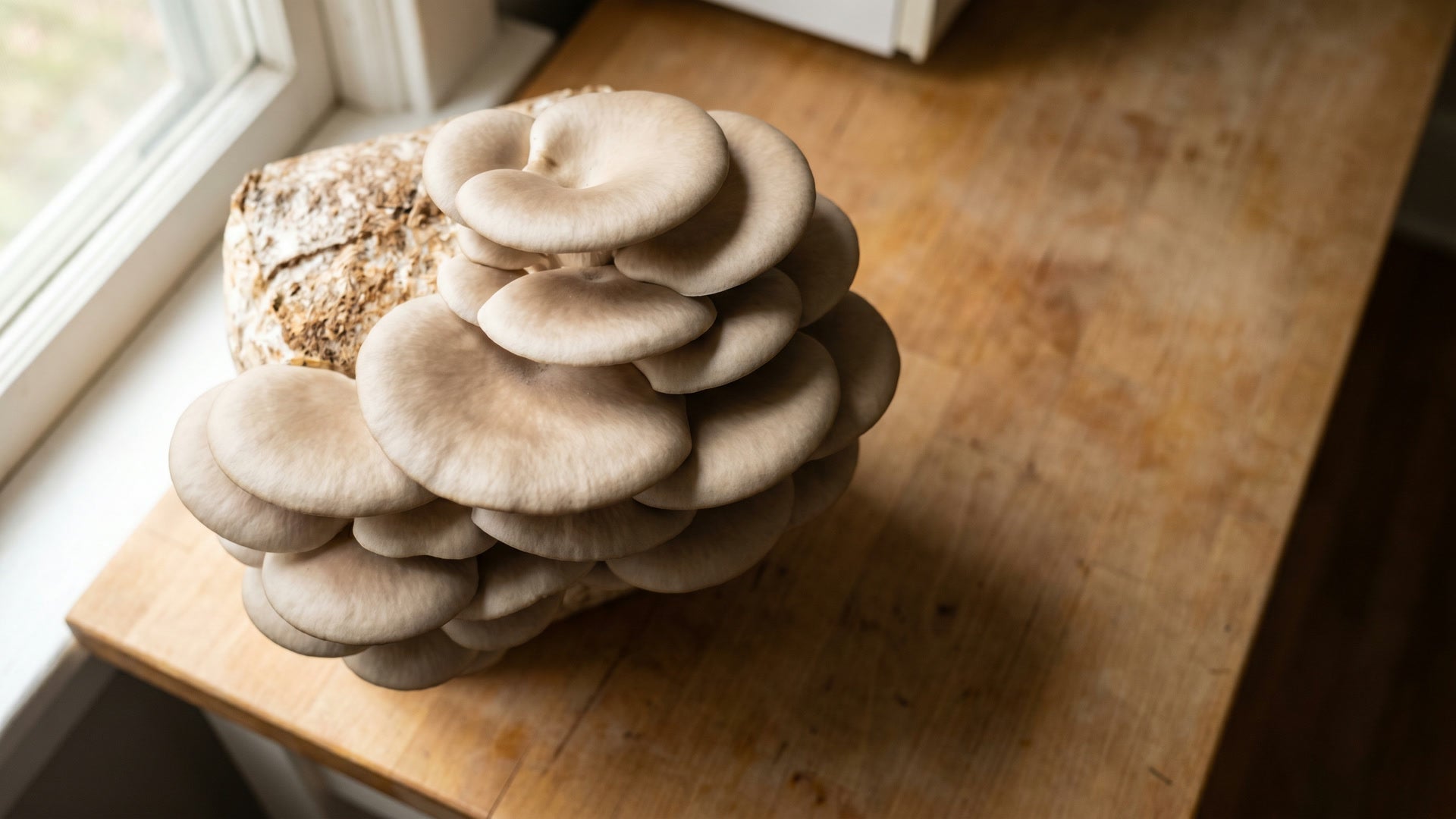
Plants grow by dividing cells and slowly building new tissue. Mushrooms do the opposite. They create every cell they will ever need during the mycelial stage, then pack those cells into tiny structures called primordia. When conditions are right, the primordia rapidly absorb water and unfold into the mushroom you see above ground. No cell division required. Just expansion.
An Efficient Water Transport System
Mushrooms are 80-95% water by weight. The underground mycelial network works like a plumbing system, pulling water and nutrients out of the substrate and pushing them up into the fruiting body. Once the fruit body hits a humidity threshold (usually above 80% relative humidity), the expansion cascade begins.
Expansion vs. Cell Division
Because mushrooms rely on expansion instead of division, they hit growth rates plants cannot match. Oyster mushrooms can gain 2-6 inches in a single day. A lion's mane cluster can double in volume overnight. This is not an analogy. It is measured biology.
Mushrooms are living water balloons. They don't build new cells to grow, they pump water into cells they already made. Hit 85-95% humidity and you unlock that speed.
Environmental Triggers That Accelerate Growth

Mushrooms do not fruit on a schedule. They fruit when environmental conditions tell them the outside world is safe for spore dispersal. Three cues do most of the work.
Temperature Shifts
A drop of 5-10 degrees Fahrenheit signals the mycelium to shift from vegetative growth to fruiting. Each species has a preferred range:
-
Oyster mushrooms:
55-75°F (13-24°C) -
Shiitake:
55-65°F (13-18°C) -
Lion's Mane:
65-75°F (18-24°C)
High Humidity
Fruiting bodies need 80-95% relative humidity to expand without drying out. Below that range, pins abort. Above 95% without airflow, bacterial blotch takes over. The sweet spot is narrow, which is why automated chambers outperform manual misting so dramatically.
Indirect Light
Mushrooms do not photosynthesize, but they still respond to light. Indirect light acts as a directional cue. Stems grow toward the brightest source to maximize spore dispersal. A small LED panel or a bright indirect window is enough. Direct sunlight dries out the fruit and slows growth.
If your chamber is hitting the humidity target but pins are still aborting, check the fresh air exchange. CO2 buildup during fruiting causes long, leggy stems and failed pins even when every other variable looks right.
Species-Specific Growth Rates

Growth speed is highly species-dependent. Pick the wrong variety for an impatient grower and you will burn out before the first flush. Tap the tabs below to compare the three most popular home species.
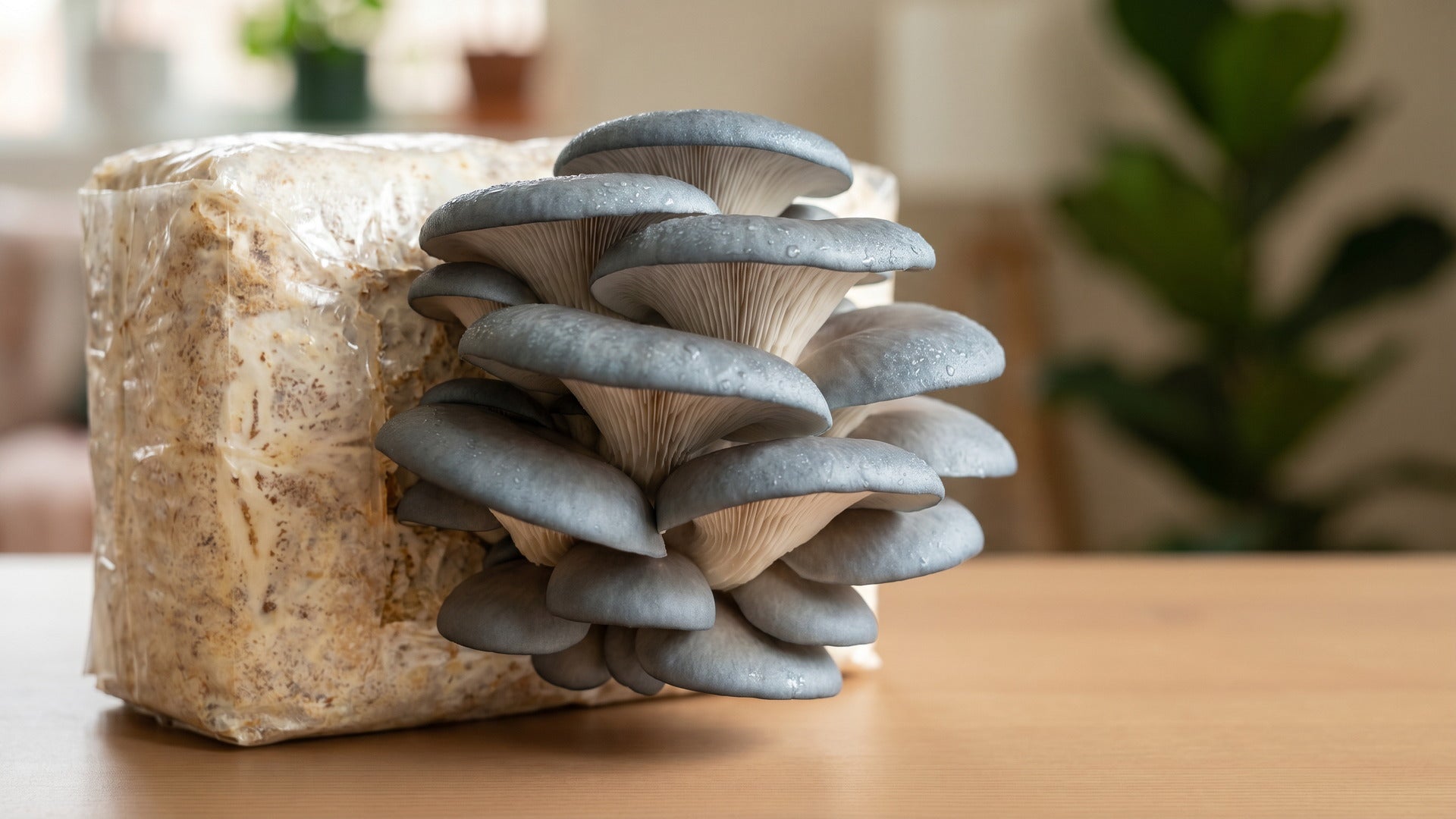
Oyster mushrooms are the fastest gourmet species. Under ideal conditions they complete the entire cycle from primordia to harvest in 7-14 days. Expect 2-6 inches of growth per day during the peak fruiting window. Pink, blue, and pearl oysters are the most forgiving for beginners.
Growth rate: 2-6 inches/day · Time to harvest: 7-14 days · Beginner-friendly: Yes
Shiitake takes its time. A typical hardwood block delivers a first flush 10-21 days after pinning. The caps are denser and chewier than oyster, which is exactly why chefs reach for them. Shiitake prefers cooler temperatures and dips in humidity between waterings.
Growth rate: 1-3 inches/day · Time to harvest: 10-21 days · Beginner-friendly: Moderate
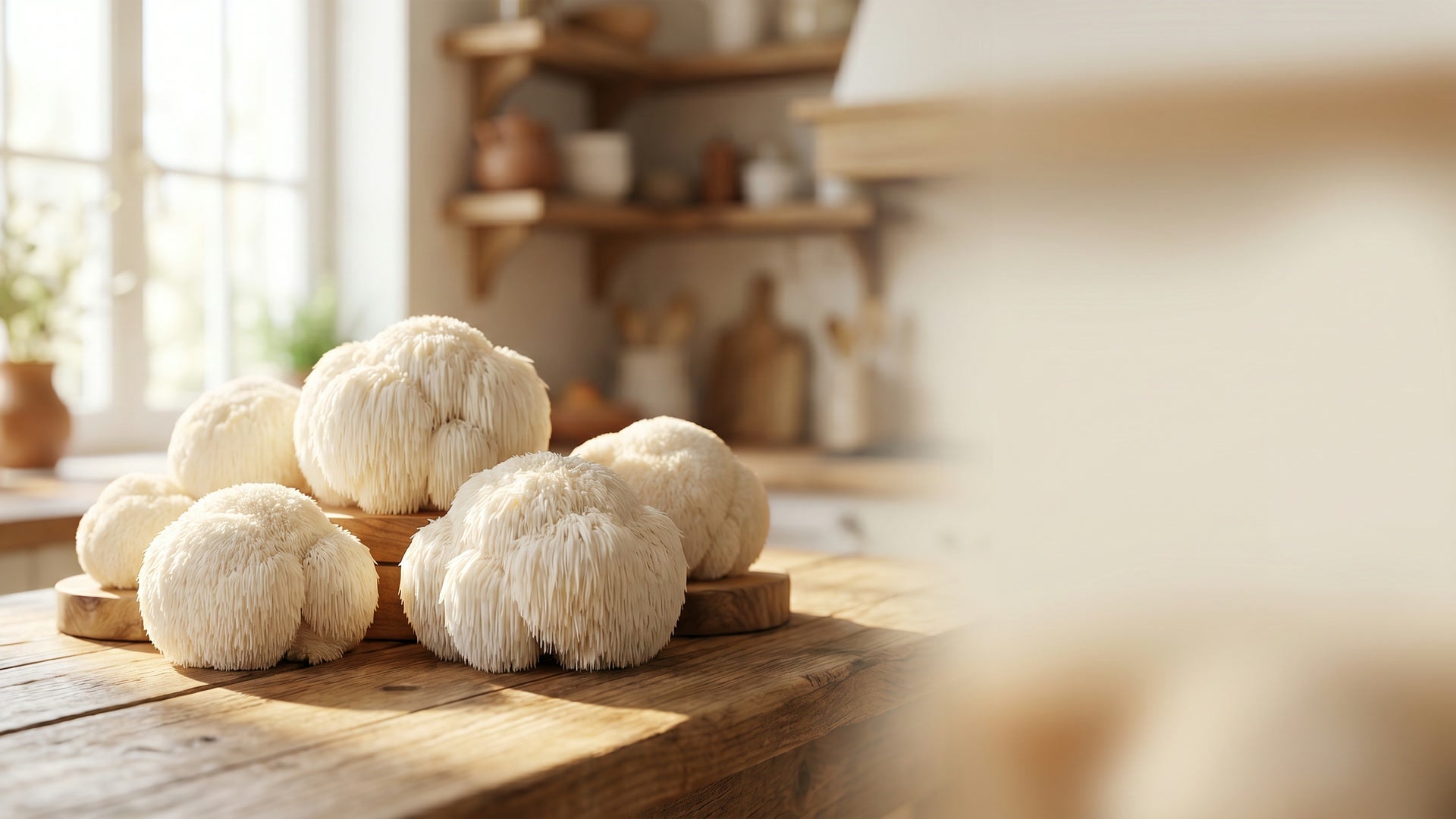
Lion's Mane fruits slower overall but accelerates dramatically during peak expansion. Once pins form, clusters can double in volume within 24 hours. The spines are fragile, so handle harvest with care. Lion's Mane loves steady humidity and dislikes temperature swings.
Growth rate: 1-2 inches/day (peak: doubles overnight) · Time to harvest: 14-21 days · Beginner-friendly: Moderate
How to Optimize Growth Speed in Home Cultivation

Dial In Humidity
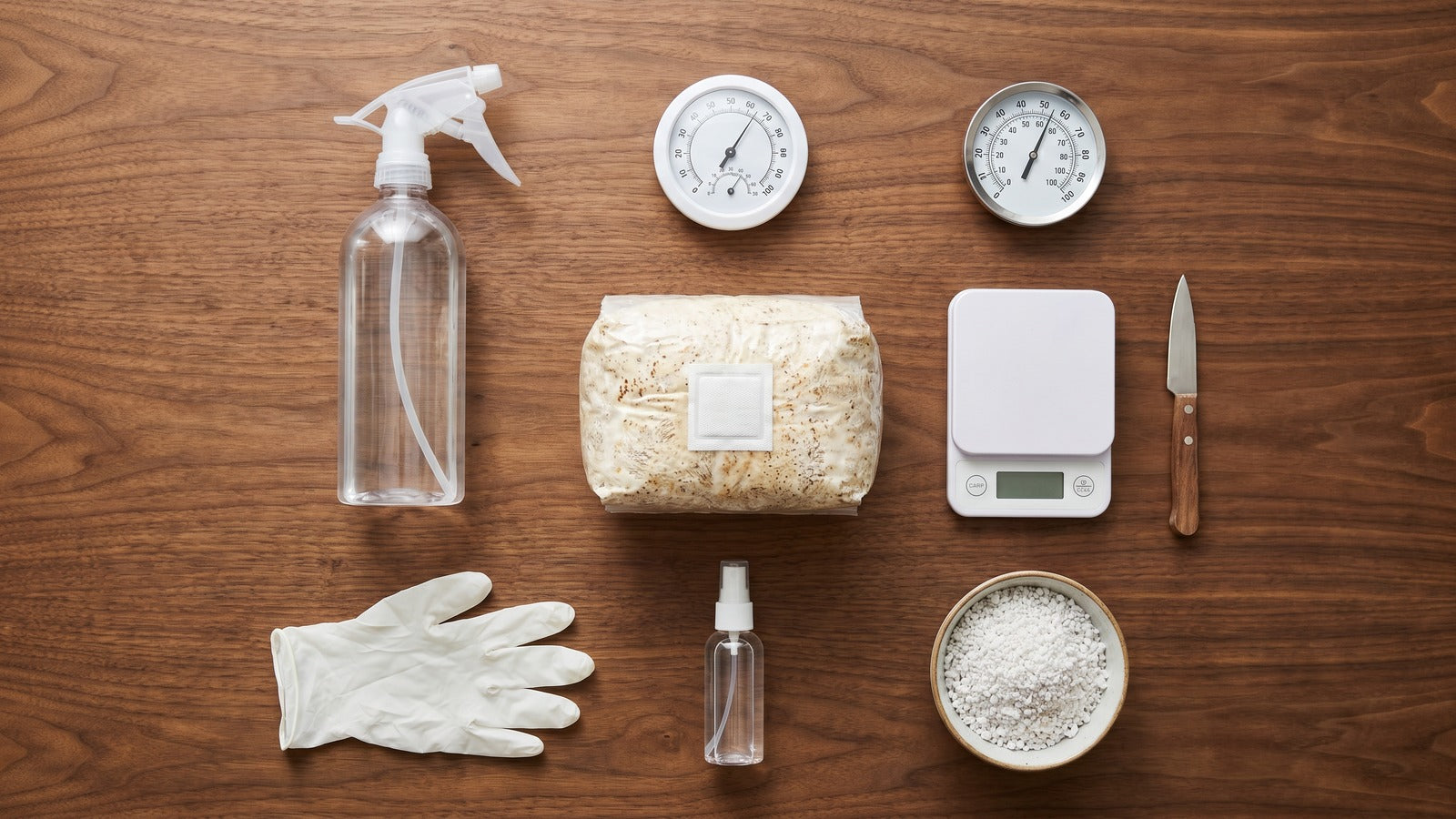
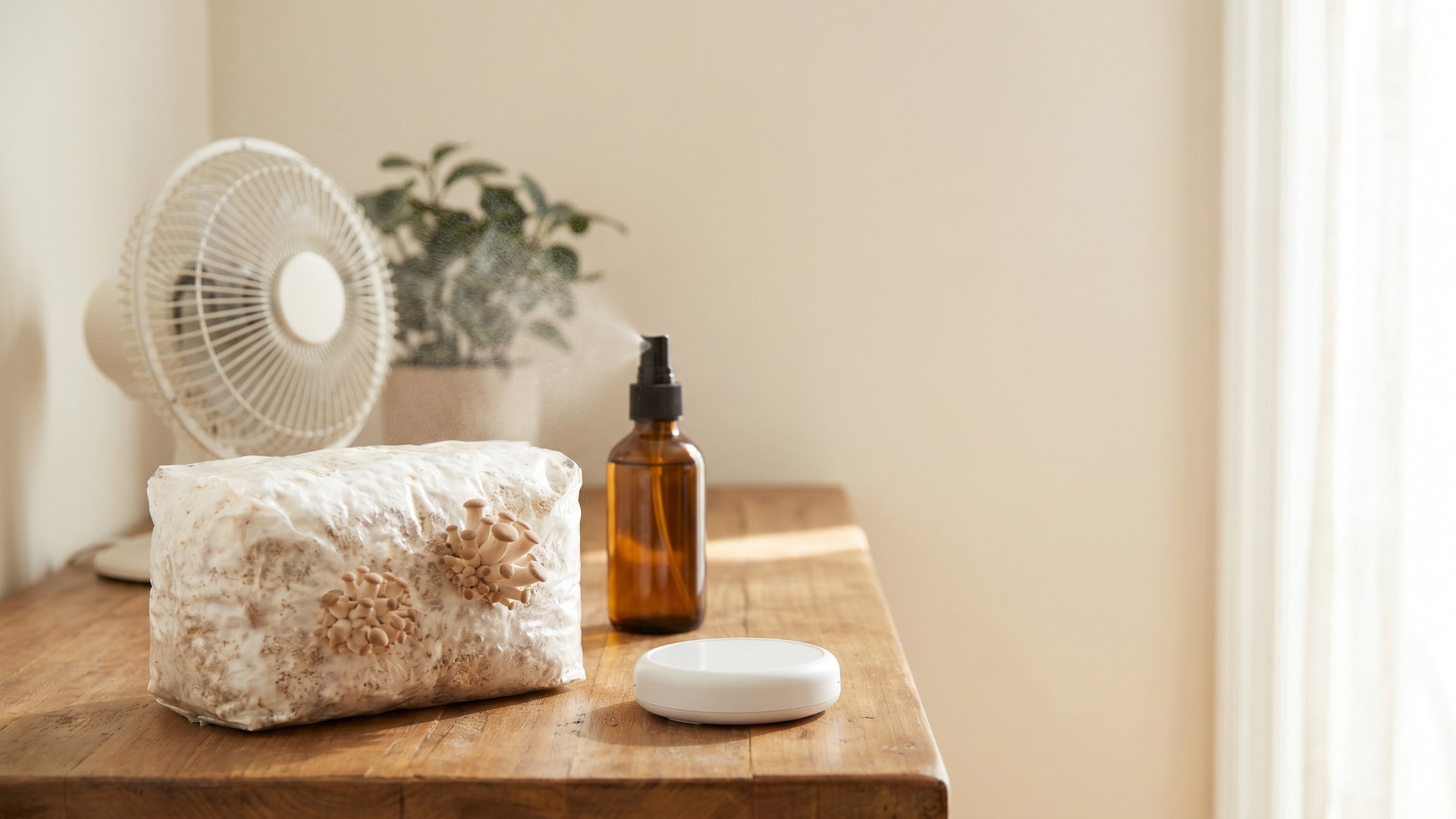
Aim for 85-95% RH during fruiting. Ultrasonic humidifiers with automatic sensors are the most reliable. Manual misting works but introduces humidity swings that slow growth and invite contamination.
Control Temperature Carefully
Pick a species whose range matches your room. A 70°F room works for oyster and lion's mane year-round without active heating or cooling. Avoid temperature swings greater than 5°F within a 12-hour window during active fruiting.
Fresh Air Exchange
Mushrooms release CO2. Without air exchange, CO2 builds up to levels that force thin, elongated stems. Smart chambers cycle fresh air through filters automatically. Manual setups need a brief fanning every few hours.
Harvest at the Right Moment
The fastest growth happens in the first 2-3 days after pins emerge. Harvest just before caps fully flatten. This is both peak flavor and peak yield. Waiting too long triggers spore release, which slows the next flush.
Chasing 95%+ humidity around the clock causes more problems than it solves. Without adequate airflow, stagnant super-saturated air invites bacterial blotch and cobweb mold that will destroy your flush in 48 hours. Balance humidity with FAE. Never maximize one at the expense of the other.

Fuel Your Mushroom Journey
Smart Mushroom Grow Chamber
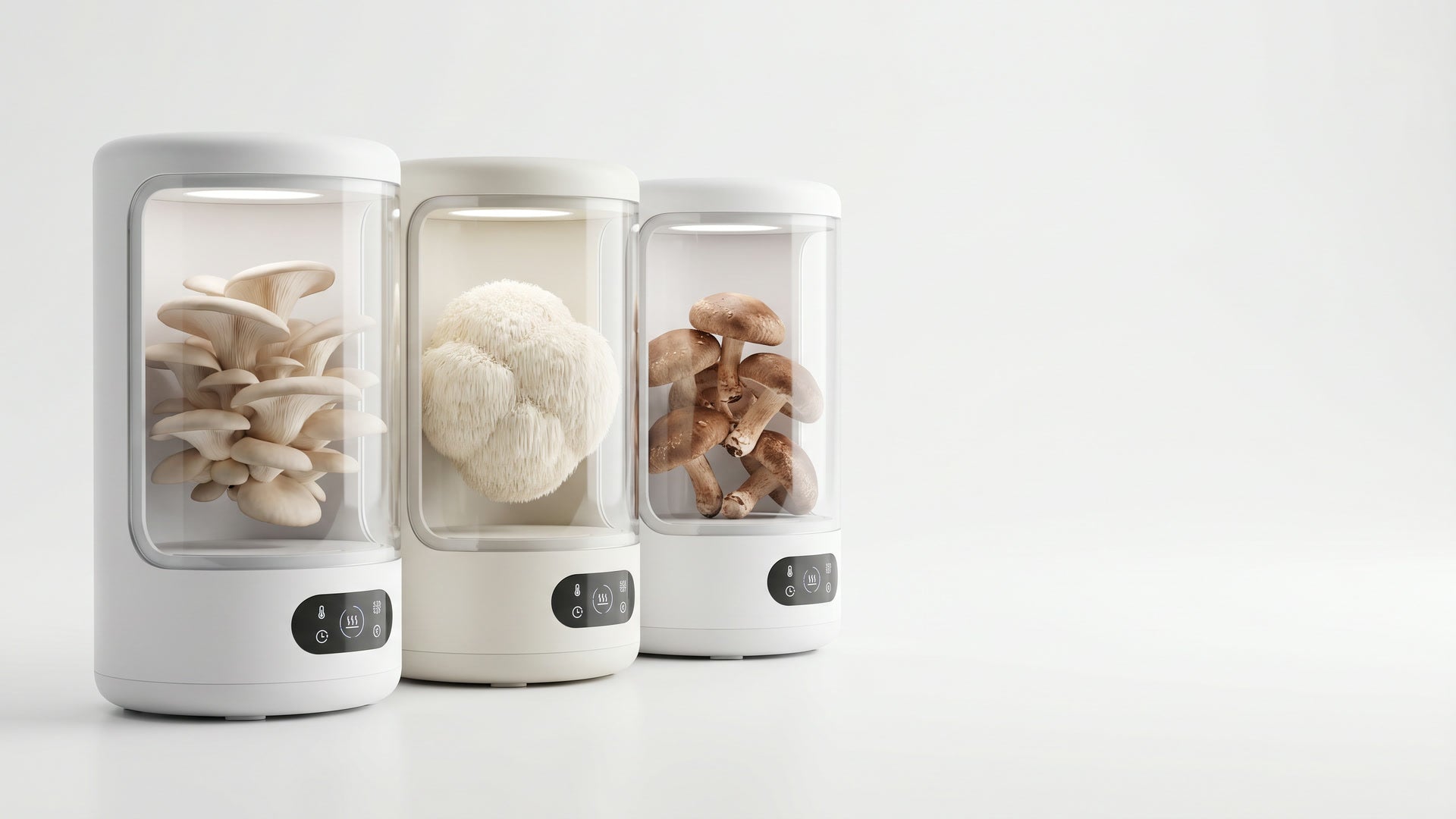
Plug-and-play smart chamber with humidity, light, and airflow dialed in for every species. Beginners harvest their first flush in days, not months.
Add to cart $299Common Factors That Slow Mushroom Growth
Even the right species in the right chamber can stall. Three culprits account for most slow-growth reports from home cultivators.
Environmental Stress
Fluctuating humidity, temperature extremes, stagnant air, and poor light placement all slow growth. The mycelium senses these conditions and essentially pauses. It would rather wait than fruit into a hostile environment.
Nutrient Depletion
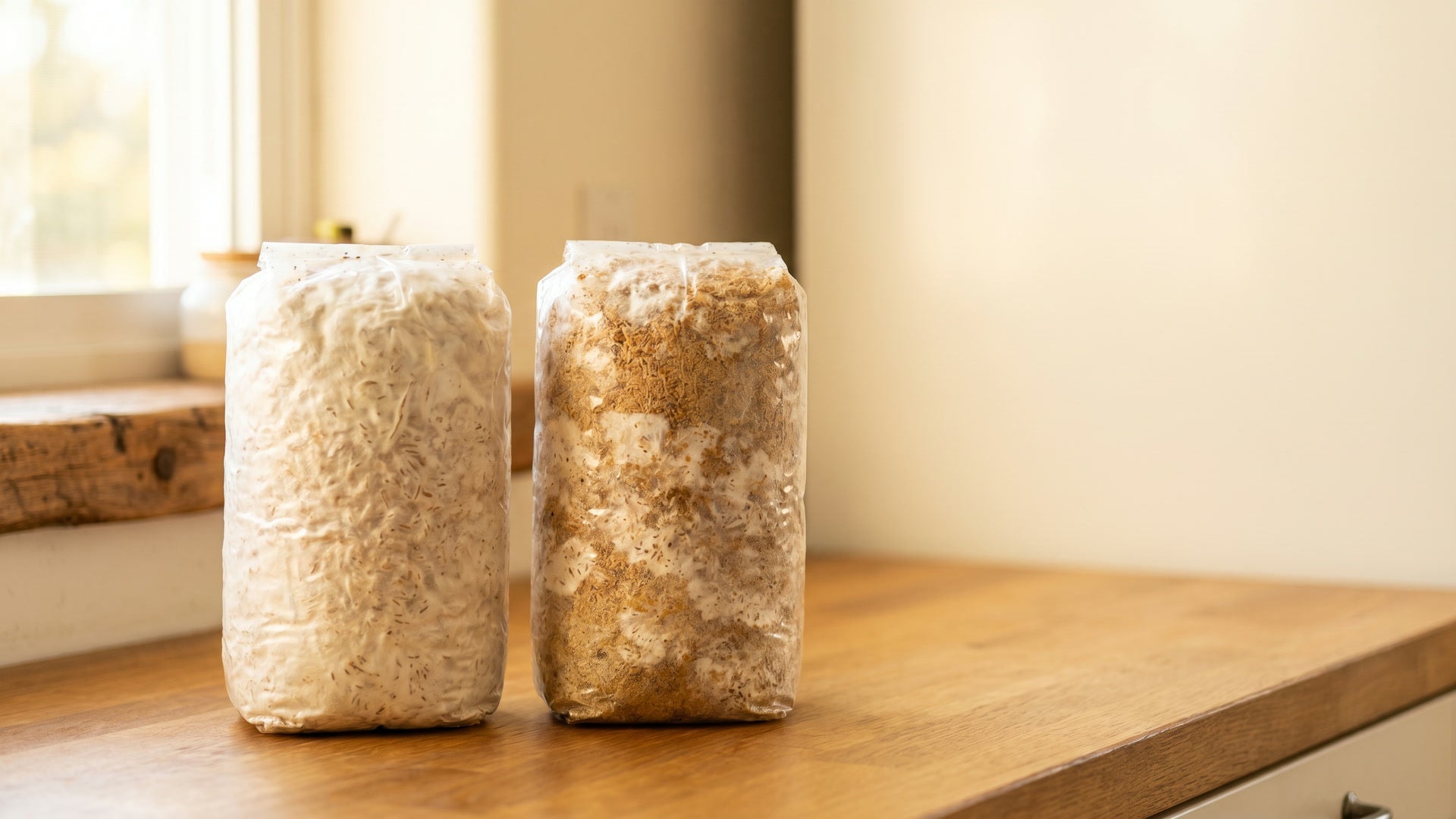
First flushes are almost always the fastest. As the substrate runs low on available carbohydrates and nitrogen, subsequent flushes come slower and smaller. This is why most home growers see declining yields after the third flush and simply start a fresh block.
Contamination
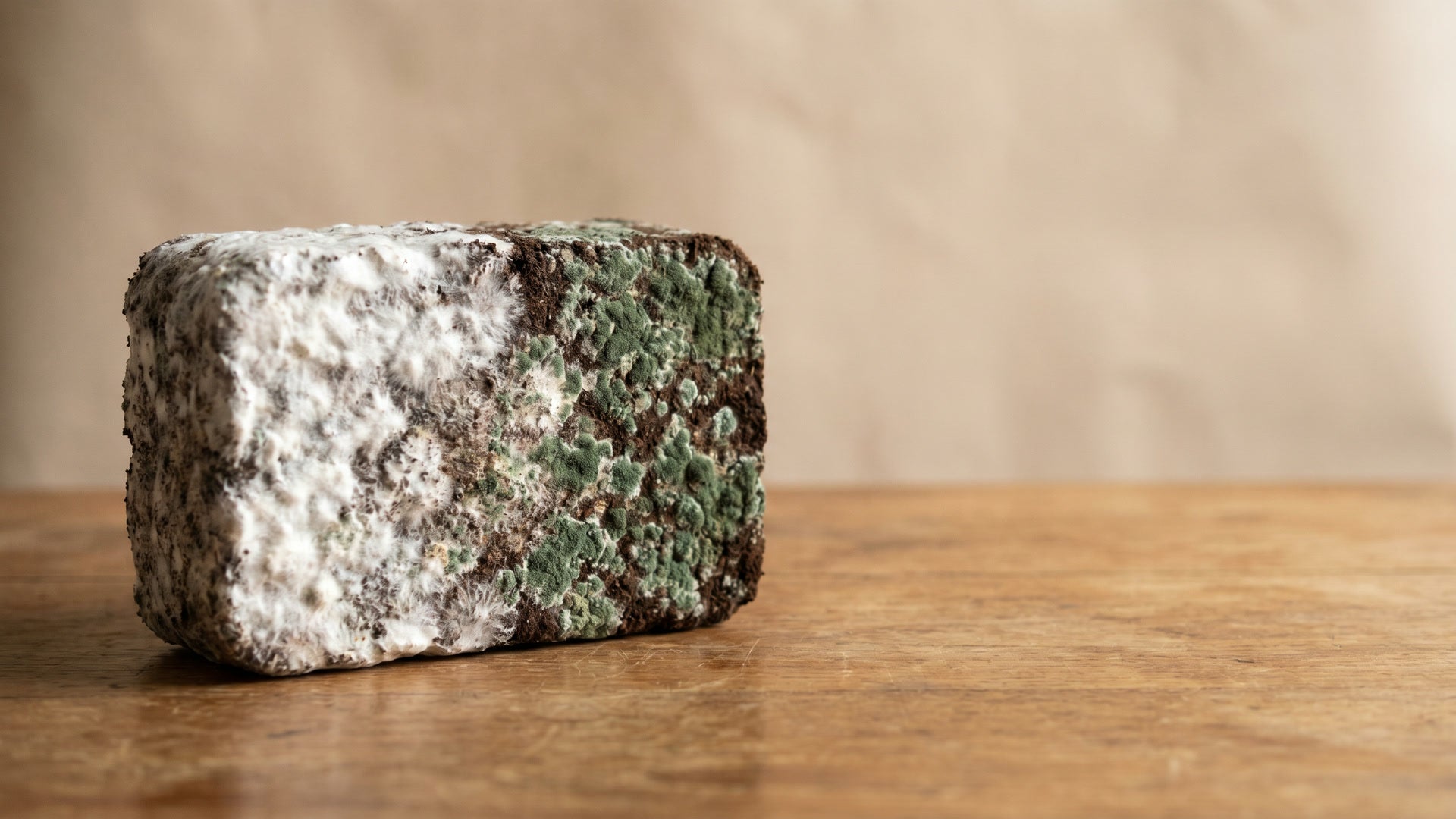
Bacterial blotch, cobweb mold, and green Trichoderma mold compete for the same nutrients your mushrooms need. Even mild contamination slashes growth rates dramatically. Keep your chamber closed as much as possible and clean surfaces between grows.
Frequently Asked Questions
How fast can mushrooms actually grow?
The fastest mushrooms grow 2-6 inches in a single day under optimal conditions. Species like oyster can double in size every 24 hours during peak fruiting. This is biological cell expansion, not cell division. Which is why the rates are so much faster than any plant.
Why do mushrooms grow faster than plants?
Mushrooms inflate pre-formed cellular structures with water instead of building new cells from scratch like plants do. Think of it as unfolding a pre-made origami shape versus building one piece by piece. Expansion beats construction on speed every time.
What environmental conditions make mushrooms grow fastest?
Mushrooms grow fastest with 85-95% relative humidity, temperatures in the species' preferred range, consistent fresh air exchange, and enough indirect light. Automated chambers outperform manual misting because they hold all four variables steady at the same time.
Can I make my home-grown mushrooms grow faster?
Yes. Tighten environmental control, pick fast species like oysters, and use high-quality pre-sterilized substrate. The biggest gains come from steady humidity and active airflow rather than any single "trick."
Do all mushroom species grow at the same rate?
No. Oyster is the fastest gourmet species (7-14 day cycle). Shiitake is moderate (10-21 days). Lion's mane is slower overall but doubles in size during its peak expansion window. Pick the species to match your patience.
Why did my mushrooms stop growing halfway through?
Usually humidity dropped, CO2 built up from lack of airflow, or contamination set in. Check your humidifier water level first, then your fan cycle, then scan the substrate for off-color patches.
The Bottom Line
Mushrooms grow so fast because biology gave them a shortcut. Inflation instead of construction. Hit the right humidity, pick a fast species, and give your mycelium fresh air, and you can watch a pinhead become dinner inside a single week.
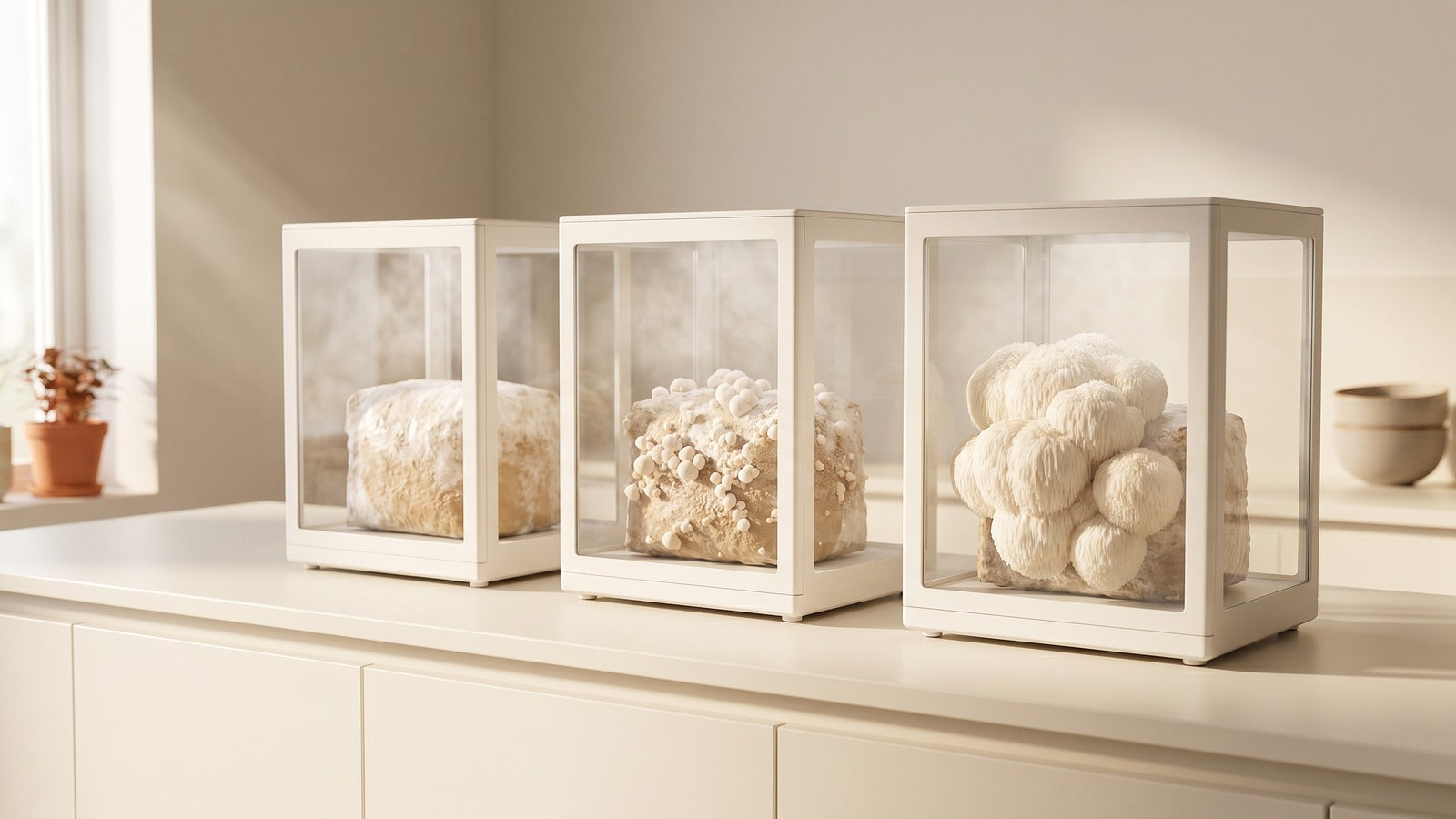
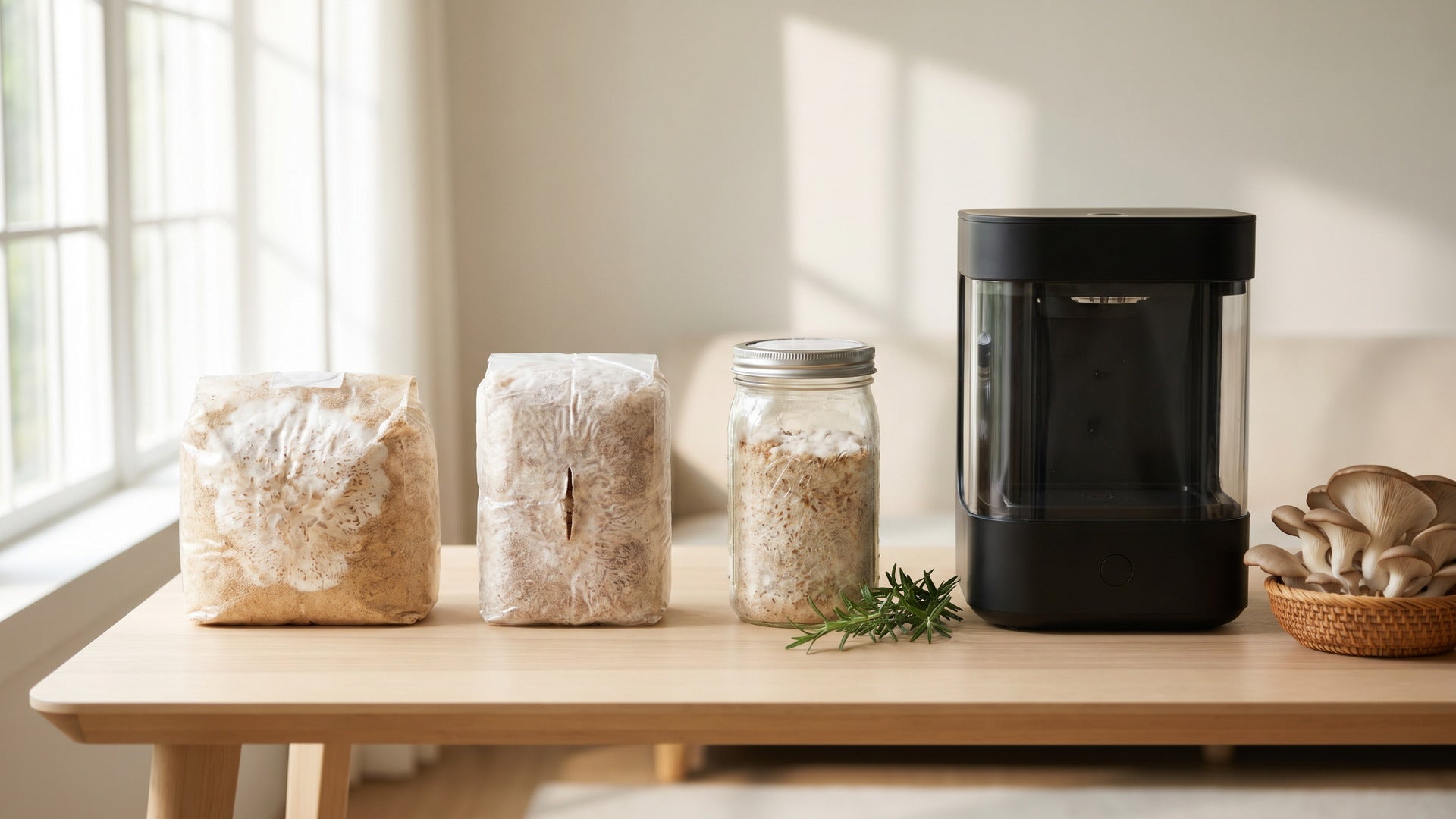
If you want to see that speed in your own kitchen without babysitting a plastic tote, the Lykyn Smart Mushroom Grow Kit automates humidity, airflow, and light through a phone app. Tap a species, refill the tank, and let the chamber do the rest.
Fuel Your Mushroom Journey

Smart Chamber. Bone White Single
- 2.8L tank, 90% humidity automatic
- App-controlled, plug-and-play
- 6 lb block ceiling, in stock

Smart Chamber. Obsidian Black Single
- Same hardware as Bone White
- Matte black premium finish
- Pairs with any kitchen palette

Aktie:
How to Make Mushroom Extract: Your Complete DIY Guide to Medicinal Mushroom Tinctures
How to Cook Reishi Mushroom: Your Complete Guide to Preparing Nature's "Mushroom of Immortality"