


The question "how long does it take for morel mushrooms to grow?" doesn't have a simple answer because it depends on whether you're asking about the visible fruiting stage or the complete life cycle from spore to harvestable mushroom. Understanding morel growth timelines is crucial for foragers timing their hunts, cultivators attempting to grow their own, and anyone fascinated by these remarkable fungi.
Morel mushrooms (Morchella species) follow a complex growth pattern that involves both visible and invisible stages. While the mushrooms we harvest seem to appear "overnight" during spring, the reality is far more intricate, involving years of underground development before the first fruiting bodies emerge.

Understanding the Complete Morel Life Cycle
The Hidden Underground Phase (1-3+ Years)
The majority of a morel's life occurs completely out of sight, making this the longest phase of their development cycle. This underground stage includes several critical processes:
Spore Germination (2-8 weeks) When morel spores land in suitable conditions, they begin germinating within 2-8 weeks under optimal moisture and temperature conditions. However, spore germination rates are notoriously low, with success depending heavily on environmental factors.
Mycelium Development (6 months to several years) After germination, the spores develop into thread-like structures called hyphae, which grow and branch to form an extensive underground network called mycelium. This mycelium spreads through soil and organic matter, establishing the foundation for future mushroom production.
Sclerotia Formation (Variable timing) Under certain conditions, the mycelium forms hardened masses called sclerotia, dense structures containing stored nutrients that help the fungus survive unfavorable conditions. These can remain dormant for years until proper environmental triggers occur.
The Visible Fruiting Stage (7-14 Days)
Once environmental conditions align perfectly, the transformation from invisible mycelium to harvestable morel happens relatively quickly:
Initial Fruiting (1-3 days) When temperature, moisture, and other environmental factors reach optimal levels, the mycelium or sclerotia begin producing the reproductive structures we recognize as morel mushrooms. These initial "pins" are barely visible.
Rapid Development (4-7 days) Most morels complete their above-ground growth cycle in 4-6 days, though the biggest morel mushrooms often benefit from extended development periods. During this phase, they can grow 0.2 to 0.4 inches per day under optimal conditions.
Maturation and Spore Release (7-14 days total) The mushroom reaches full size and begins releasing spores to continue the cycle. After reaching maturity, morels typically remain viable for harvest for several days before beginning to deteriorate.
Wild vs. Cultivated Morel Growth Timelines
Wild Morel Development
Understanding when morel mushroom season occurs helps explain their natural growth patterns. Wild morels follow predictable seasonal timing:
Seasonal Progression: The morel season moves like a wave across North America, progressing northward at approximately 100 miles per week as spring temperatures advance.
Environmental Triggers: Wild morels require specific temperature fluctuations, moisture levels, and soil conditions that occur naturally during spring transitions.
Tree Associations: The symbiotic relationships with morel mushroom trees significantly influence growth timing and success rates.
Cultivation Timeline Challenges
For those wondering can you grow morel mushrooms at home, the timeline is much more extended and uncertain:
Initial Establishment (1-2 years) Home cultivation typically requires 2-5 years from initial inoculation until the first morels appear. This extended timeline reflects the complex environmental requirements these fungi need.
Success Rates: Even with proper methods, success is not guaranteed. Morel growing kits have mixed reviews, with generally low success rates.
Patience Required: Unlike other mushroom varieties that fruit quickly, morels require long-term commitment and realistic expectations.

Factors Affecting Morel Growth Speed
Temperature Requirements
Soil Temperature: Morels typically begin fruiting when soil temperatures reach 50-55°F (10-13°C), though this varies by species and region.
Air Temperature: Ideal conditions include daytime temperatures between 60-70°F (15-21°C) and nighttime temperatures above 40°F (4°C).
Temperature Fluctuations: The contrast between cool nights and warm days triggers the hormonal responses that initiate fruiting.
Moisture Conditions
Soil Moisture: Consistent soil moisture is more important than recent rainfall for triggering growth.
Humidity Levels: Adequate ambient humidity supports rapid development once fruiting begins.
Drainage: Well-draining soils prevent waterlogging while maintaining necessary moisture levels.
Nutritional and Environmental Factors
Substrate Quality: Rich organic matter and proper soil chemistry support faster development.
Tree Relationships: Proximity to compatible tree species can significantly influence growth rates and success.
Seasonal Cues: Morels require specific environmental signals that typically occur during spring transitions.
Regional Variations in Growth Timing
Southern Regions (Late March. Early May)
-
States: Texas, Oklahoma, Arkansas, Tennessee, Georgia, South Carolina, Alabama
-
Growth Period: Shorter season due to rapid temperature changes
-
Peak Development: Typically 7-10 days from emergence to harvest
Central Regions (April. Early June)
-
States: Pennsylvania, New York, Michigan, Wisconsin, Minnesota, Iowa, Northern Illinois
-
Growth Period: Extended season allows for multiple flushes
-
Peak Development: 10-14 days from emergence to harvest
Western Regions (April. July)
-
States: California, Oregon, Washington, Idaho, Montana, Colorado, Wyoming
-
Growth Period: Highly elevation-dependent timing
-
Peak Development: Variable based on elevation and local conditions
Daily Growth Rates: How Fast Do Morels Actually Grow?
Optimal Conditions Growth Rate
Under ideal conditions, morel mushrooms demonstrate impressive daily growth:
-
Average Daily Growth: 0.2 to 0.4 inches per day
-
Peak Growth Period: Days 3-5 after initial emergence
-
Size at Maturity: Most morels reach 2-6 inches in height
Environmental Impact on Growth Speed
Favorable Conditions: Warm days (65-75°F), cool nights (45-55°F), and adequate moisture can accelerate growth significantly.
Adverse Conditions: Cold snaps, drought, or excessive rain can slow or halt development entirely.
Microclimate Effects: Localized conditions around specific tree species can create optimal growing microclimates.
Spore to Harvest: The Complete Timeline
Laboratory Conditions
Research has shown that under controlled laboratory conditions:
-
Spore germination: 2-4 weeks
-
Mycelium establishment: 3-6 months
-
Sclerotia formation: 6-12 months
-
Fruiting initiation: Requires specific trigger conditions
-
First harvest: 1-3 years from initial spore inoculation
Wild Conditions
In natural forest environments:
-
Spore germination: 4-8 weeks (highly variable)
-
Mycelium development: 1-3+ years
-
Environmental trigger response: Immediate to several seasons
-
Fruiting to harvest: 7-14 days
Home Cultivation Attempts
For morel mushroom spores cultivation projects:
-
Initial establishment: 1-2 years minimum
-
First potential fruiting: 2-5 years
-
Success likelihood: Low to moderate
-
Consistent production: Rarely achieved
Fuel Your Mushroom Journey
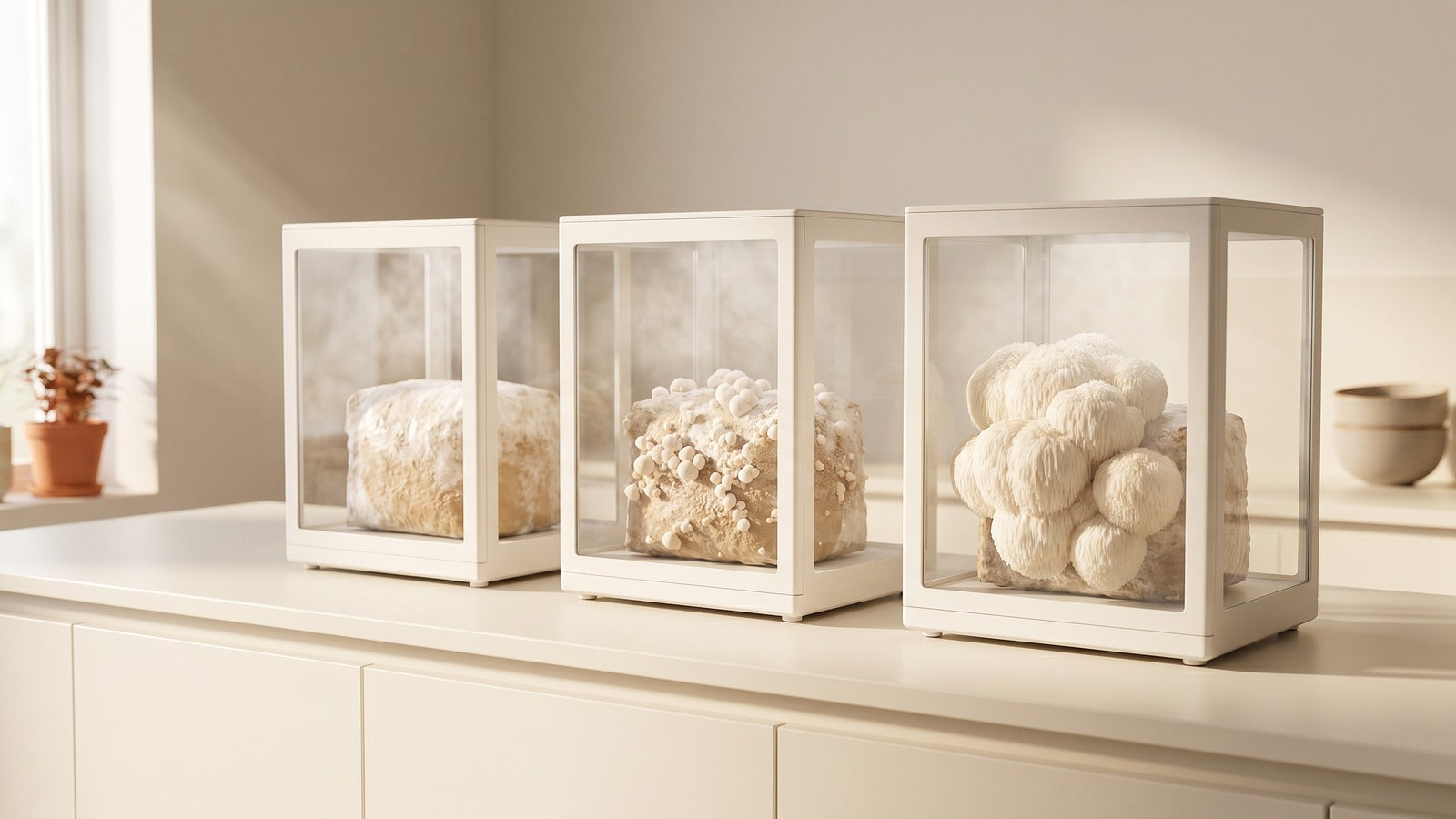
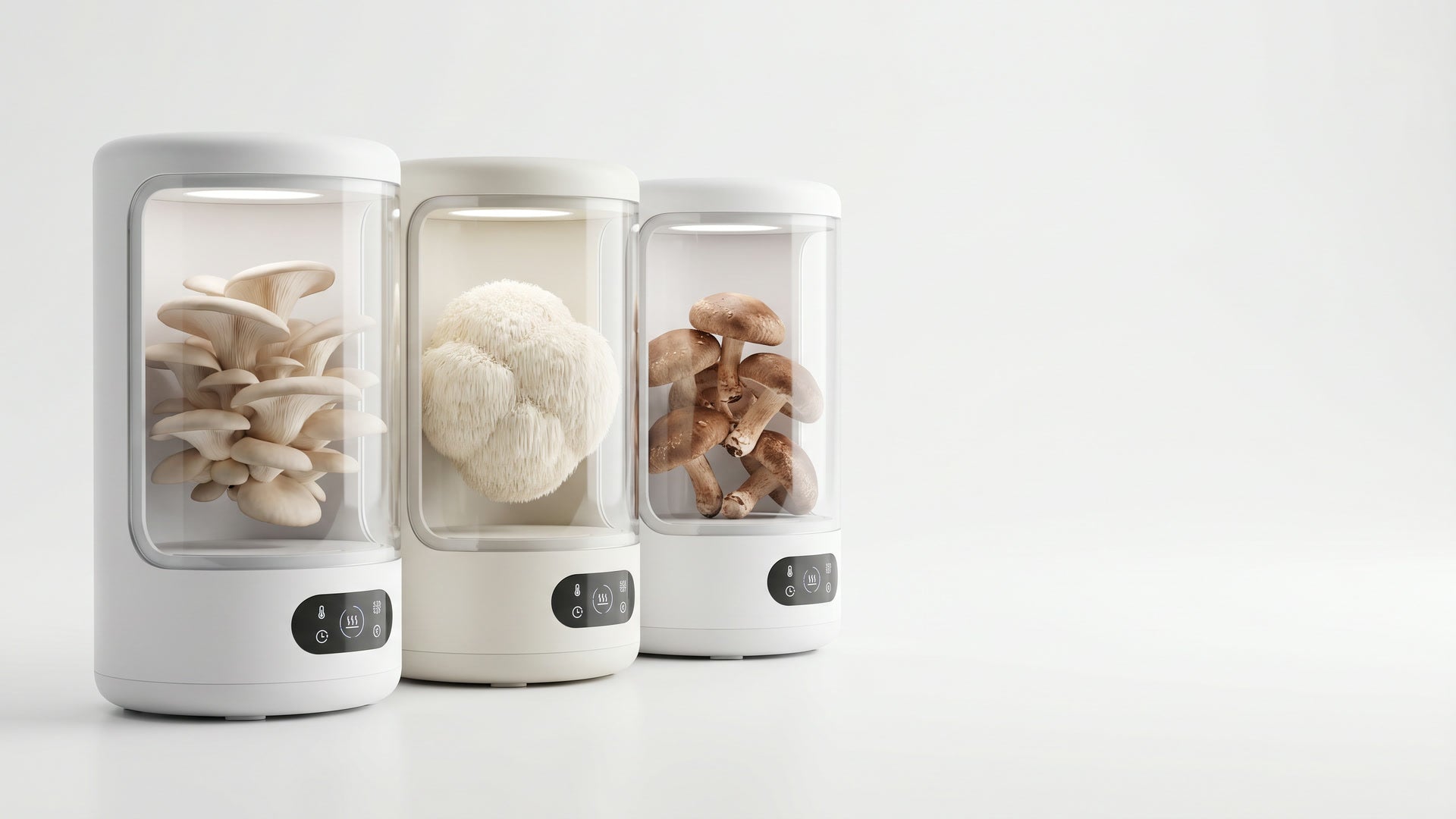
Smart Mushroom Grow Chamber
Plug-and-play smart chamber with humidity, light, and airflow dialed in for every species. Beginners harvest their first flush in days, not months.
Add to cart $299Why Morel Growth Timing Matters for Foragers
Optimal Harvest Windows
Understanding growth timelines helps foragers:
-
Time hunts effectively: Knowing when to start looking in specific regions
-
Return to productive spots: Morels may continue emerging over 2-3 weeks
-
Harvest at peak quality: Collecting mushrooms at optimal maturity
Seasonal Planning
Phenological Indicators: Natural signs like oak leaves being "the size of a squirrel's ear" help predict optimal timing better than calendar dates.
Weather Monitoring: Tracking soil temperatures and moisture conditions helps predict emergence.
Multiple Visits: The extended fruiting period means successful foragers often return to the same spots multiple times.
Modern Growing Solutions
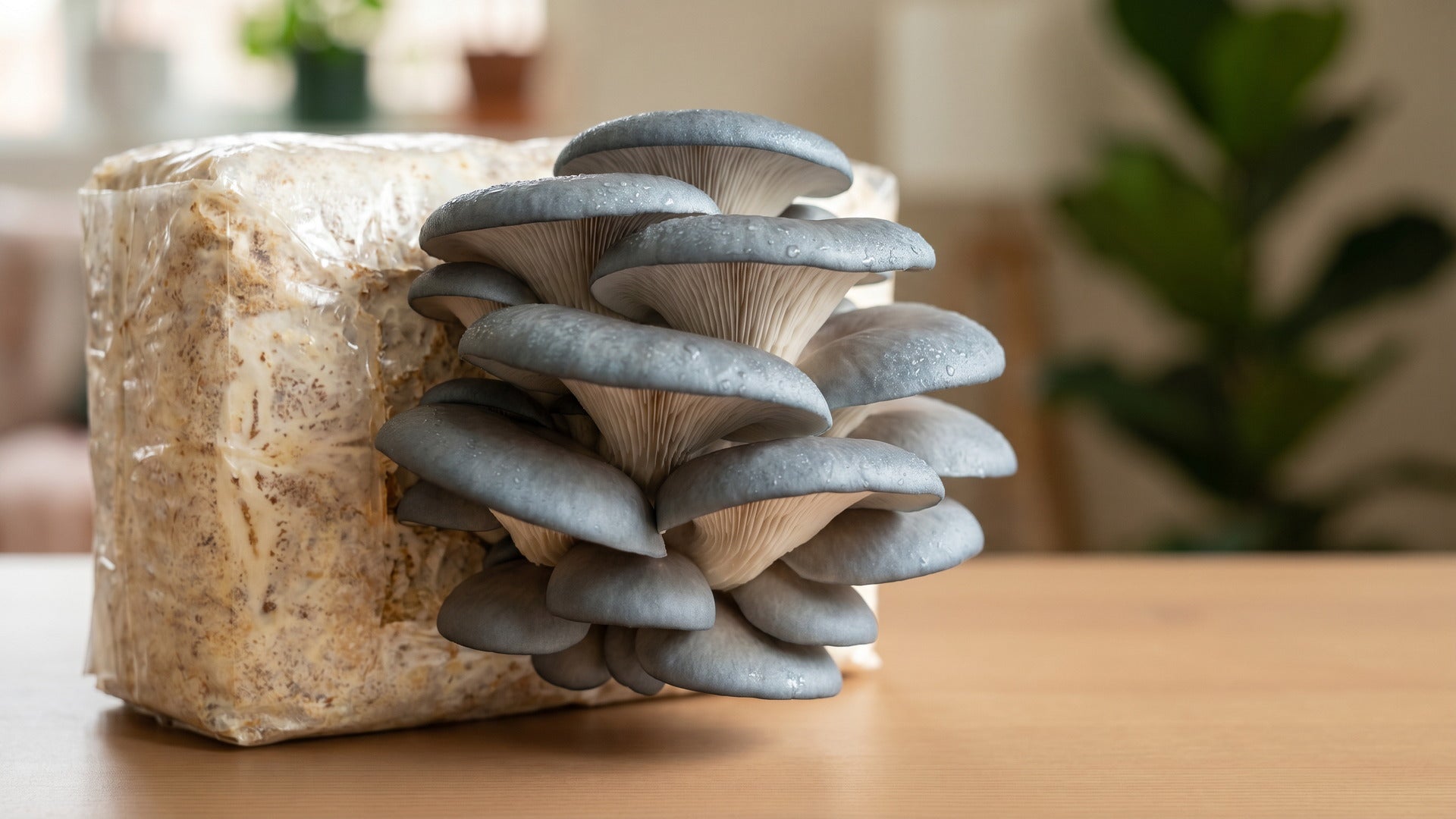
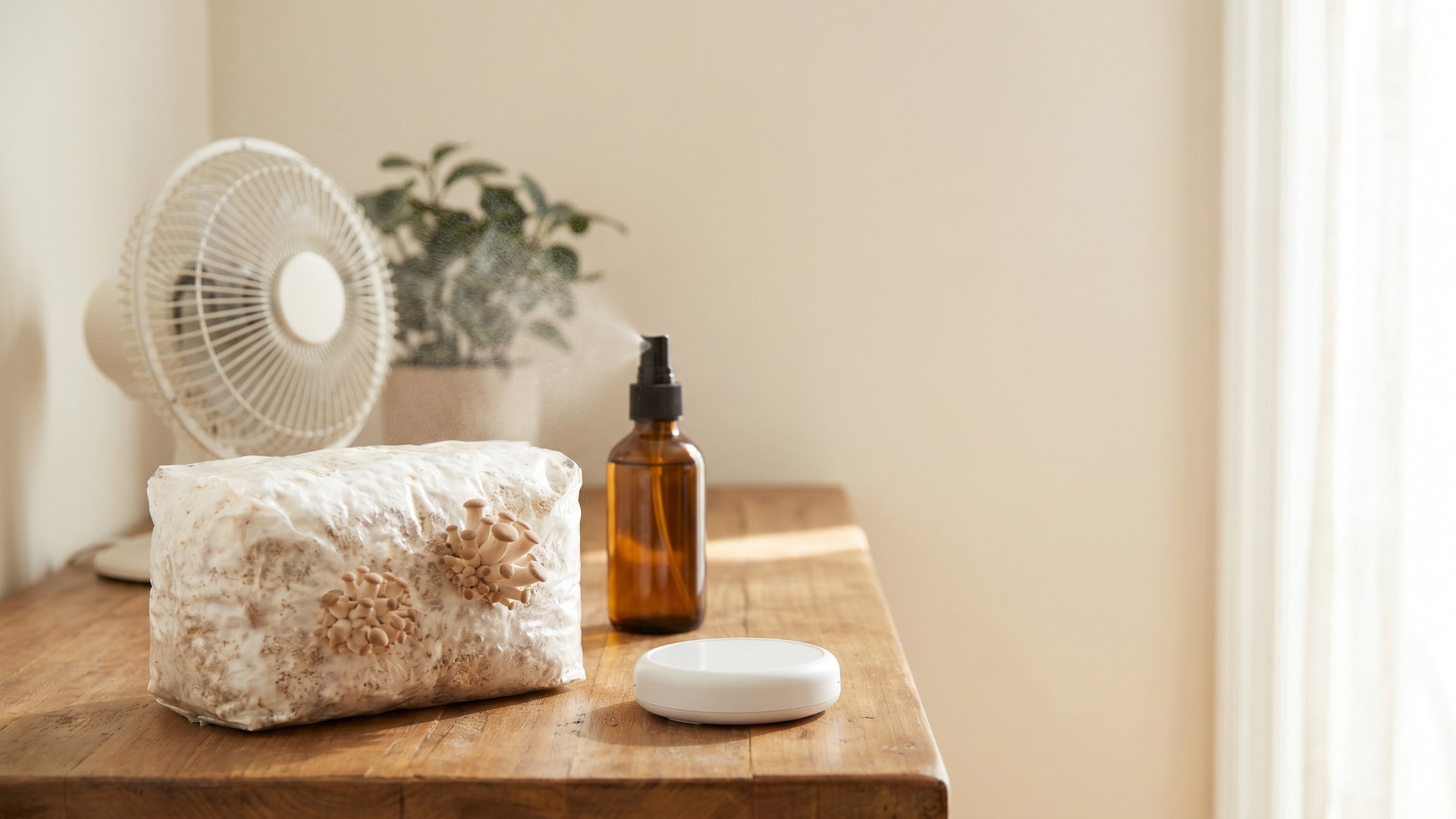
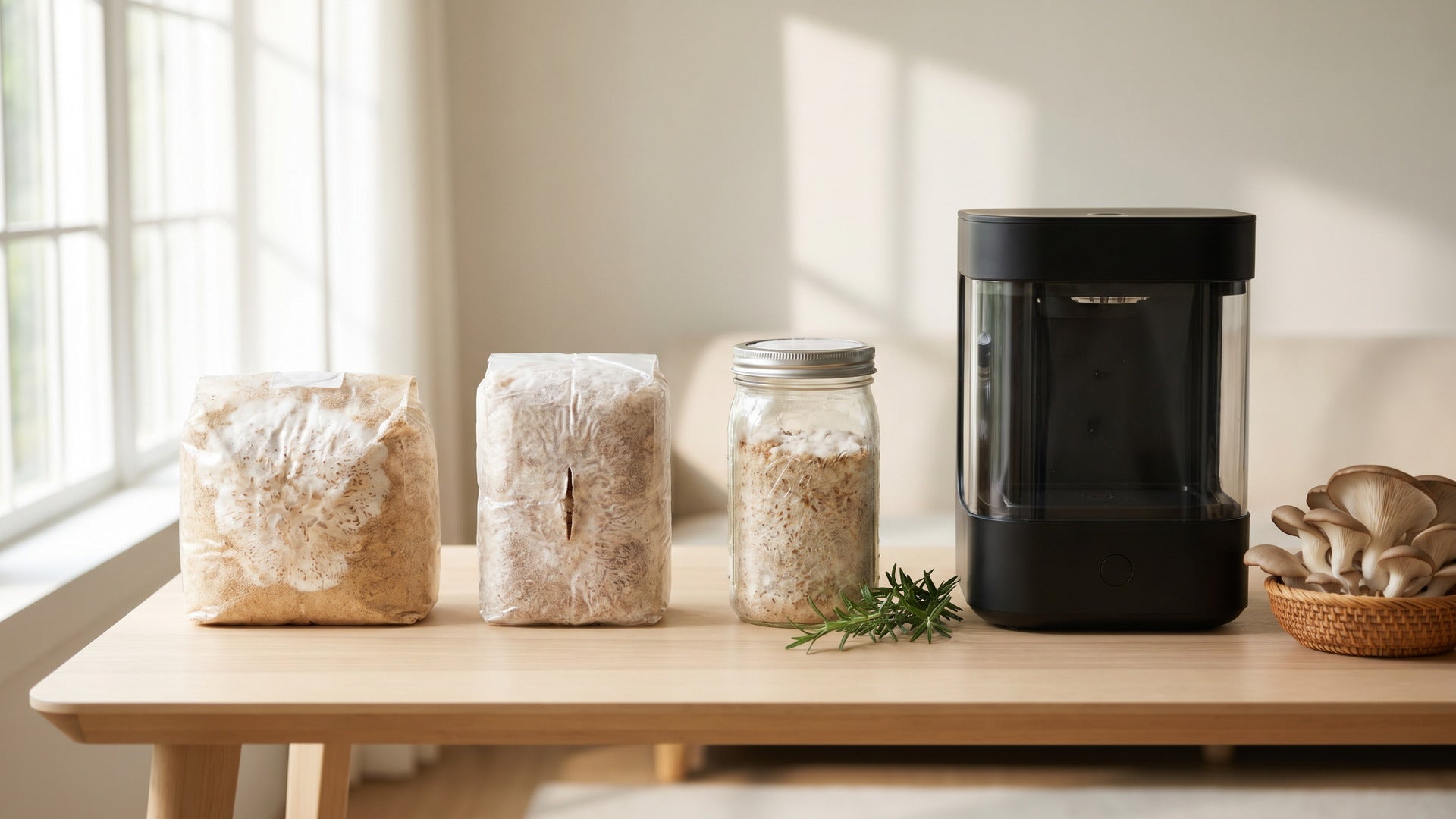
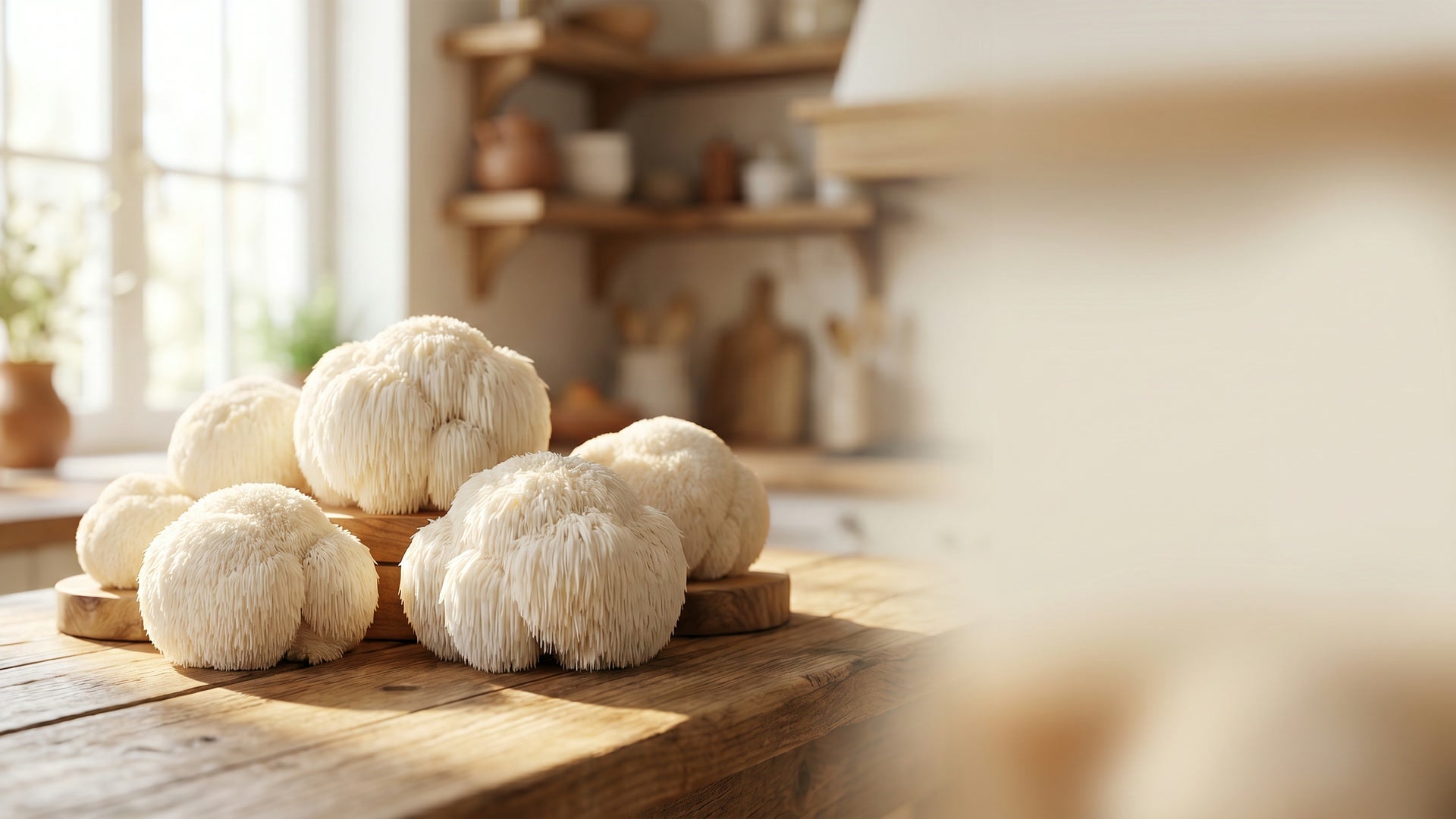
While morel cultivation remains challenging, you can explore growing other varieties with predictable timelines. The Lykyn Smart Mushroom Grow Chamber makes it easy to grow oyster, shiitake, and lion's mane mushrooms that fruit reliably within 7-21 days.
For those interested in mushroom cultivation with guaranteed results, our mushroom grow kit guide provides options that fruit quickly and consistently, unlike the unpredictable nature of morel cultivation.
Frequently Asked Questions
How long do morel mushrooms take to grow from pins to full size?
Once morel pins appear, they typically reach full size within 4-7 days under optimal conditions, with most completing their growth cycle within a week.
Can you speed up morel mushroom growth?
Natural morel growth cannot be significantly accelerated, as they require specific temperature fluctuations and environmental conditions that occur naturally during spring.
How long do morels stay good after reaching maturity?
Fresh morels remain at peak quality for 3-5 days after reaching full size, though they can be harvested slightly before or after this window depending on conditions.
Why do some morels take longer to grow than others?
Growth rates vary based on species, environmental conditions, soil quality, and the specific microclimate where they're growing. Different morel species also have slightly different optimal conditions.
How many years does it take to establish a morel patch?
Establishing a productive morel area typically takes 2-5 years from initial spore or mycelium introduction, with no guarantee of success due to their complex environmental requirements.
Summary: Morel Growth Timeline At-a-Glance
Complete life cycle from spore to harvest takes 1-3+ years, with most time spent in underground mycelium development. Visible fruiting stage occurs rapidly over 7-14 days once environmental triggers align. Daily growth rates reach 0.2-0.4 inches per day under optimal spring conditions. Cultivation attempts require 2-5 years with low success rates, while wild morels follow predictable seasonal patterns across different regions.
Start Your Mushroom Growing Journey Today
While morel cultivation remains one of mycology's greatest challenges, you can still enjoy the satisfaction of growing fresh, gourmet mushrooms at home. The Lykyn Smart Mushroom Grow Chamber offers guaranteed results with varieties that fruit within weeks rather than years.
Discover the joy of homegrown mushrooms with reliable growing systems that take the guesswork out of cultivation. While you're planning your next morel hunting adventure, you can be harvesting fresh oyster, shiitake, and other gourmet varieties right from your kitchen countertop.
Fuel Your Mushroom Journey

Smart Chamber. Bone White Single
- 2.8L tank, 90% humidity automatic
- App-controlled, plug-and-play
- 6 lb block ceiling, in stock

Smart Chamber. Obsidian Black Single
- Same hardware as Bone White
- Matte black premium finish
- Pairs with any kitchen palette

Aktie:
Tulip Morel: The Ultimate Guide to Nature's Hidden Spring Treasure
Should I Take Lion's Mane With Food? Your Complete Absorption and Timing Guide