


How to Cut Baby Bok Choy: The Complete Guide to Perfect Preparation
Learning how to cut baby bok choy properly transforms this nutritious Asian vegetable from an intimidating ingredient into a versatile, easy-to-prepare addition to countless dishes. Baby bok choy, with its tender leaves and crisp stems, requires specific cutting techniques to maximize both its visual appeal and cooking performance, making proper preparation essential for achieving restaurant-quality results in your home kitchen.
The art of cutting baby bok choy lies in understanding its unique structure and how different cutting methods affect cooking times, texture, and presentation. Unlike many vegetables that can be roughly chopped, baby bok choy benefits from precise, thoughtful cutting that preserves its delicate balance of tender greens and crunchy stems while ensuring even cooking throughout your chosen preparation method.

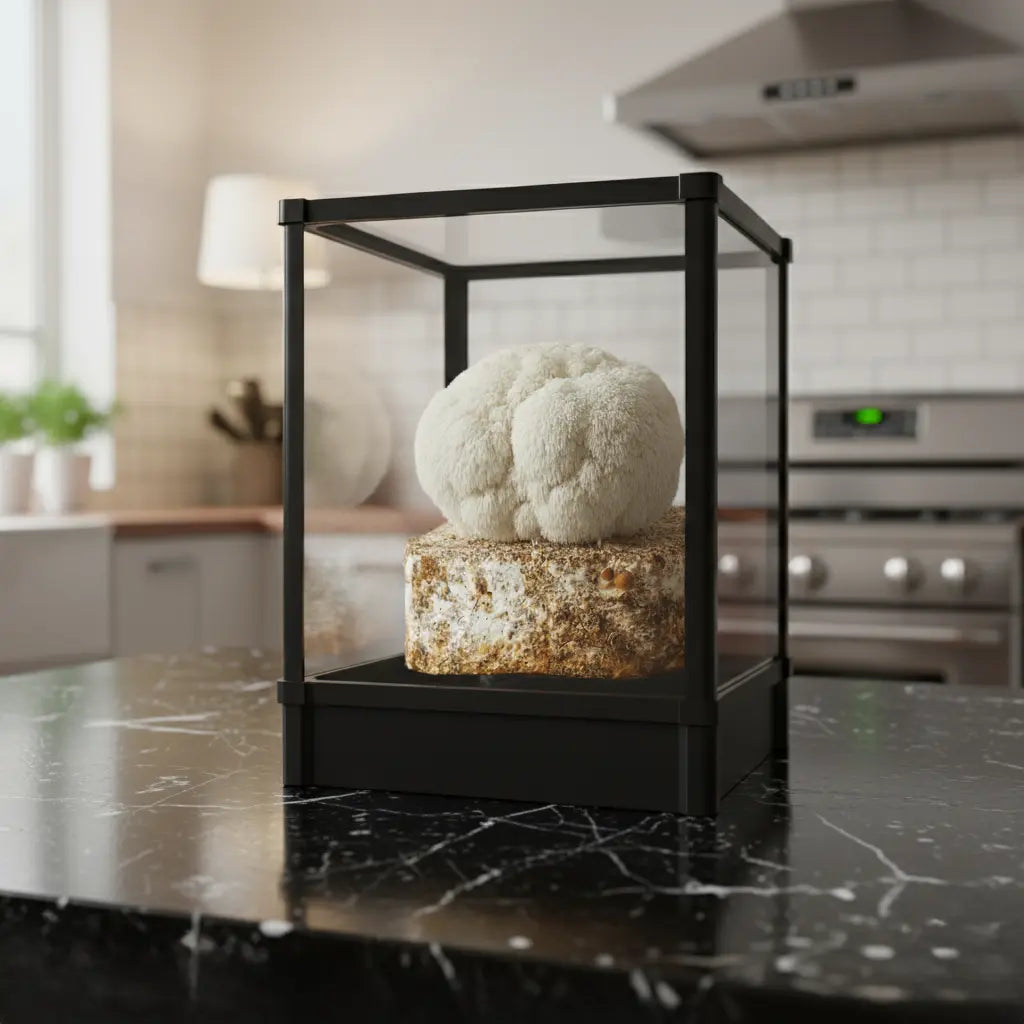
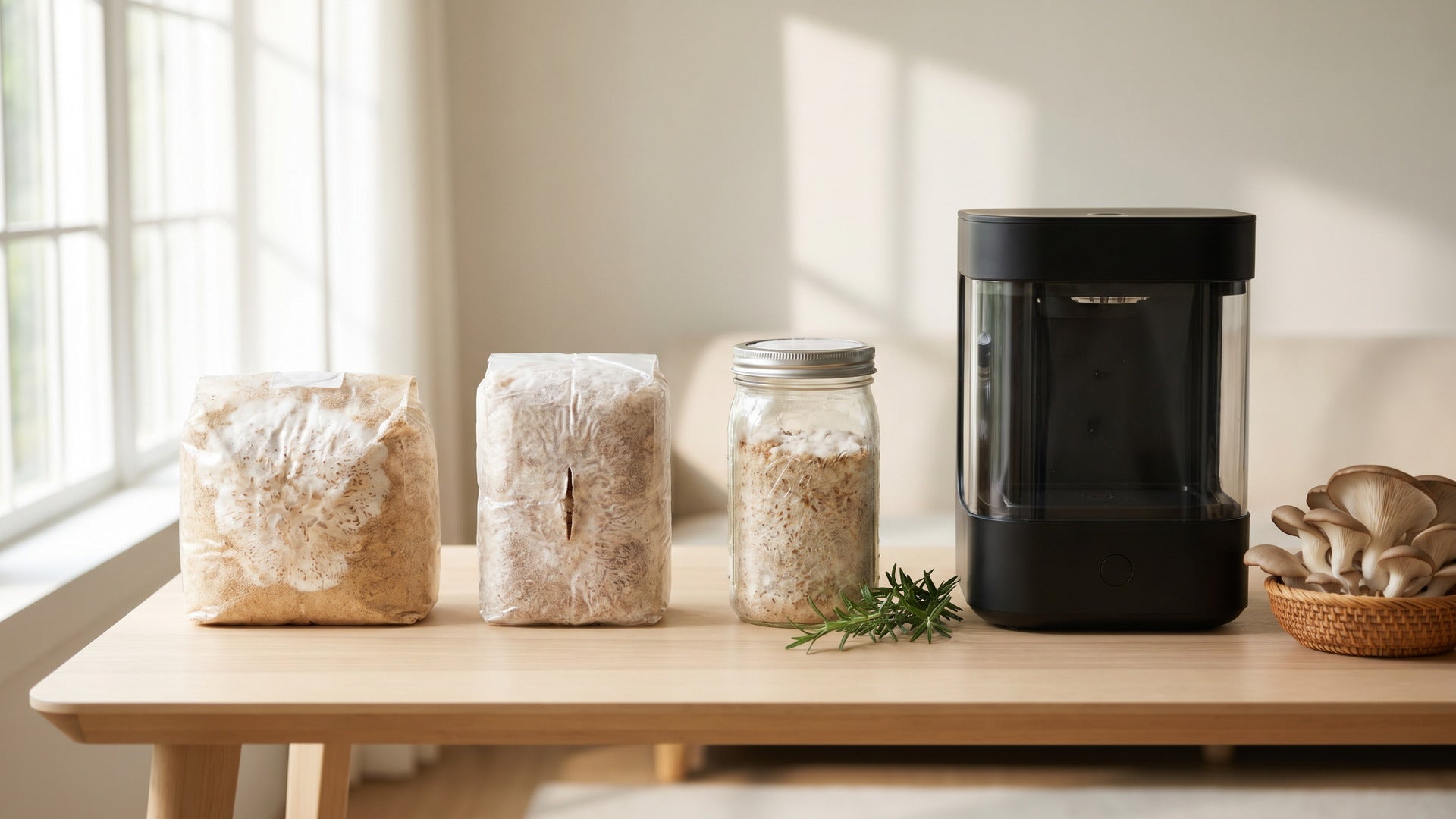
Smart Chamber. Bone White Single
- 2.8L tank, 90% humidity automatic
- App-controlled, plug-and-play
- 6 lb block ceiling, in stock

Smart Chamber. Obsidian Black Single
- Same hardware as Bone White
- Matte black premium finish
- Pairs with any kitchen palette

Understanding Baby Bok Choy Structure and Characteristics
What Makes Baby Bok Choy Special
Size and Appearance
- Compact size typically 3-6 inches in length
- Miniature version of regular bok choy with identical flavor
- White or light green stems with dark green leaves
- Tender texture throughout both stems and leaves
Flavor Profile
- Mild, sweet flavor with subtle peppery notes
- Less bitter than mature bok choy
- Stems provide crunch while leaves add delicate texture
- Absorbs other flavors beautifully in cooking
Nutritional Benefits
- High in vitamins A, C, and K
- Good source of calcium and folate
- Low in calories but high in nutrients
- Contains antioxidants and anti-inflammatory compounds
Baby Bok Choy vs. Regular Bok Choy
Size Differences
- Baby bok choy: 3-6 inches long, harvested young
- Regular bok choy: 8-12 inches long, fully mature
- Baby variety has more tender stems and leaves
- Cooking times differ significantly between sizes
Cutting Considerations
- Baby bok choy often cooked whole or halved
- Regular bok choy requires more aggressive cutting
- Stem-to-leaf ratio more balanced in baby variety
- Less waste and preparation time with baby bok choy
Selecting and Storing Baby Bok Choy
Quality Selection Criteria
Visual Inspection
- Choose specimens with bright, vibrant green leaves
- Stems should be firm, white, and free from blemishes
- Avoid bok choy with yellowing or wilted leaves
- Look for compact, heavy-feeling heads
Freshness Indicators
- Leaves should feel crisp and snap cleanly when bent
- No dark spots, sliminess, or signs of decay
- Fresh, clean aroma without any sour or off odors
- Uniformly sized heads for even cooking
Size Selection
- Choose heads of similar size for consistent cooking
- Smaller heads (3-4 inches) perfect for whole preparations
- Larger baby bok choy (5-6 inches) ideal for cutting
- Consider intended cooking method when selecting size
Proper Storage Techniques
Refrigerator Storage
- Store in perforated plastic bags in crisper drawer
- Keep unwashed until ready to use
- Maintain high humidity to prevent wilting
- Use within 3-5 days for best quality
Pre-Cutting Storage
- Wash and dry thoroughly before storing
- Wrap in paper towels to absorb excess moisture
- Store in airtight containers for 2-3 days maximum
- Keep cut surfaces away from air to prevent browning

Essential Equipment for Cutting Baby Bok Choy
Required Tools
Sharp Chef's Knife
- 8-10 inch chef's knife with sharp blade
- Clean blade ensures precise cuts
- Sharp knife prevents bruising of delicate leaves
- Quality knife makes cutting safer and more efficient
Cutting Board
- Large, stable cutting board with adequate space
- Wood or plastic boards work equally well
- Clean board prevents contamination
- Non-slip surface ensures safety during cutting
Kitchen Shears (Optional)
- Useful for trimming tough root ends
- Convenient for separating individual leaves
- Helpful for precise trimming tasks
- Clean, sharp shears work best
Preparation Tools
Colander for Washing
- Large colander for thorough rinsing
- Allows proper drainage after washing
- Essential for removing dirt and debris
- Multiple rinses often necessary
Paper Towels or Clean Kitchen Towels
- For drying after washing
- Absorb excess moisture before cutting
- Prevent water from diluting flavors during cooking
- Keep cutting surface dry and safe
Step-by-Step Cutting Techniques
Basic Preparation Steps
Initial Cleaning Process
- Remove any damaged or yellowed outer leaves
- Trim bottom root end if present but keep base intact
- Rinse thoroughly under cold running water
- Pay special attention to base where dirt collects
Thorough Washing Method
- Fill large bowl with cold water
- Submerge bok choy and agitate gently
- Lift out and inspect for remaining dirt
- Repeat washing process if necessary
Drying Process
- Shake off excess water gently
- Pat dry with paper towels or clean kitchen towel
- Ensure leaves and stems are completely dry
- Dry vegetables cook better and don't splatter oil
Cutting Method 1: Halving Lengthwise
When to Use This Method
- Perfect for grilling or roasting preparations
- Ideal for stir-frying with dramatic presentation
- Maintains structural integrity during cooking
- Shows off beautiful natural shape of vegetable
Step-by-Step Process
- Place baby bok choy on cutting board stem-side down
- Position sharp knife at center of base
- Cut straight down through center from base to tip
- Each half should have equal amounts of stem and leaves
- Rinse cut surfaces if dirt remains in crevices
Tips for Perfect Halving
- Keep knife perpendicular to cutting board
- Use smooth, confident cutting motion
- Don't saw back and forth which bruises leaves
- Cut through stem base cleanly to keep halves intact
Cutting Method 2: Crosswise Slicing
Applications for Crosswise Cuts
- Excellent for soups and noodle dishes
- Perfect for quick-cooking stir-fries
- Ensures even distribution in mixed dishes
- Creates uniform pieces for consistent cooking
Cutting Technique
- Lay baby bok choy on its side on cutting board
- Start cutting from leaf end toward stem base
- Make cuts 1-2 inches apart depending on desired size
- Keep cuts perpendicular to length of vegetable
- Separate leaves from stems if cooking times differ
Size Variations
- 1-inch pieces: ideal for stir-fries and quick cooking
- 2-inch pieces: perfect for soups and braises
- ½-inch pieces: excellent for fried rice and noodle dishes
- Adjust size based on cooking method and dish requirements
Cutting Method 3: Separating Stems and Leaves
Why Separate Components
- Stems require longer cooking time than leaves
- Allows for sequential cooking for perfect texture
- Prevents overcooking of delicate leaves
- Professional technique for optimal results
Separation Process
- Identify where white stem meets green leaves
- Cut leaves away from stems at natural junction
- Keep stems in larger pieces for even cooking
- Tear leaves into bite-sized pieces if desired
Cooking Timing Considerations
- Start cooking stems 2-3 minutes before adding leaves
- Stems should be tender-crisp before adding leaves
- Leaves cook very quickly, usually 30 seconds to 1 minute
- This method ensures perfect texture throughout
Cutting Method 4: Whole Preparation
When to Keep Whole
- Small baby bok choy (3-4 inches) perfect for whole cooking
- Impressive presentation for individual servings
- Ideal for steaming and braising methods
- Maintains maximum nutritional value
Preparation Steps
- Trim minimal amount from root end to clean
- Keep base intact to hold leaves together
- Make shallow X-cut in base for even cooking
- Wash thoroughly, paying attention to base crevices
Cooking Considerations
- Whole bok choy takes longer to cook through
- Base needs more cooking time than tips
- Steam or braise for best results
- Test doneness by piercing base with knife tip
Cooking Method-Specific Cutting Techniques
Stir-Frying Preparations
Optimal Cut Size

Fuel Your Mushroom Journey
Smart Mushroom Grow Chamber
Plug-and-play smart chamber with humidity, light, and airflow dialed in for every species. Beginners harvest their first flush in days, not months.
Add to cart $299- 1-2 inch crosswise pieces for even cooking
- Separate stems and leaves for sequential cooking
- Cut on slight diagonal for increased surface area
- Uniform sizes ensure consistent doneness
Cutting Strategy
- Cut stems into ½-inch pieces
- Leave leaves in larger pieces (they shrink significantly)
- Consider cooking vessel size when determining cuts
- Prepare all cutting before starting to cook
Soup and Broth Applications
Best Cutting Approaches
- Crosswise cuts in 1-2 inch pieces work well
- Whole small bok choy excellent in clear broths
- Separate stems and leaves for textural contrast
- Consider spoon size when determining cut dimensions
Timing Considerations
- Add stems early in soup cooking process
- Add leaves in final 1-2 minutes of cooking
- Whole bok choy needs 5-8 minutes in simmering broth
- Avoid overcooking which makes leaves mushy
Grilling and Roasting Cuts
Preparation for High Heat
- Halved lengthwise works best for grilling
- Brush cut surfaces with oil to prevent sticking
- Score stem base in crosshatch pattern for even cooking
- Whole small bok choy perfect for roasting
Heat Distribution
- Cut surfaces caramelize beautifully when grilled
- Stems need longer exposure to heat than leaves
- Position cut-side down first for best browning
- Turn carefully to prevent leaves from burning
Steaming Preparations
Steaming-Friendly Cuts
- Whole baby bok choy ideal for steaming
- Halved lengthwise for faster, more even cooking
- Keep pieces large to prevent overcooking
- Score stem base for more even steam penetration
Steaming Tips
- Arrange cut-side down in steamer basket
- Steam 3-5 minutes for halved bok choy
- Whole bok choy needs 5-8 minutes
- Test doneness with knife tip in thickest part
 Advanced Cutting Techniques
Decorative Cutting Methods
Fan Cutting
- Make multiple lengthwise cuts from tip toward base
- Stop cuts ¾ of way through, leaving base intact
- Creates elegant fan shape for special presentations
- Perfect for steaming and light braising
Flower Cutting
- Score base in crosshatch pattern ¼ inch deep
- Creates flower-like opening during cooking
- Particularly beautiful in clear broths
- Traditional technique in Chinese cuisine
Professional Kitchen Techniques
Chiffonade for Leaves
- Stack larger leaves on top of each other
- Roll tightly from stem to tip
- Slice crosswise into thin ribbons
- Perfect for garnishing and quick-cooking applications
Julienne Stems
- Cut stems lengthwise into thin strips
- Uniform thickness ensures even cooking
- Excellent for salads and quick stir-fries
- Professional appearance in finished dishes
Maintaining Freshness After Cutting
Immediate Use Strategies
Preventing Oxidation
- Use cut bok choy immediately for best results
- Rinse cut surfaces briefly if not using right away
- Keep cut vegetables in cool, humid environment
- Avoid exposing cut surfaces to air unnecessarily
Quality Preservation
- Pat cut surfaces dry before cooking
- Remove any damaged or wilted pieces after cutting
- Use sharpest knife available to minimize cell damage
- Handle gently to prevent bruising
Short-Term Storage
Refrigerator Storage of Cut Bok Choy
- Store in airtight containers lined with paper towels
- Use within 24-48 hours for best quality
- Keep different cuts separated for optimal freshness
- Label containers with cutting date
Blanching for Longer Storage
- Blanch cut bok choy in boiling water for 30 seconds
- Immediately plunge into ice water to stop cooking
- Drain thoroughly and store in refrigerator
- Use within 3-4 days after blanching
Common Cutting Mistakes and How to Avoid Them
Cutting Errors That Affect Quality
Using Dull Knives
- Dull blades crush rather than cut cleanly
- Results in bruised, damaged vegetables
- Causes faster deterioration and poor cooking results
- Always use sharp, clean knives
Cutting Too Small
- Tiny pieces overcook quickly and become mushy
- Lose textural contrast between stems and leaves
- Difficult to handle during cooking process
- Aim for substantial pieces that maintain integrity
Ignoring Natural Structure
- Cutting against natural grain can create tough pieces
- Not separating stems from leaves when appropriate
- Failing to account for different cooking times
- Understanding plant structure improves results
Timing and Preparation Mistakes
Cutting Too Far in Advance
- Cut vegetables lose quality quickly
- Oxidation affects both appearance and nutrition
- Plan cutting timing around cooking schedule
- Fresh-cut vegetables always taste better
Inadequate Cleaning
- Dirt and debris affect both taste and texture
- Particularly important in stem base area
- Multiple rinses often necessary
- Clean vegetables cook more evenly
Nutritional Considerations and Benefits
Maximizing Nutritional Value
Cutting Impact on Nutrition
- Smaller cuts expose more surface area to air
- Some vitamin loss occurs with extensive cutting
- Quick cooking after cutting preserves nutrients
- Steam or stir-fry to maintain nutritional content
Cooking Method Effects
- Light cooking methods preserve more nutrients
- Overcooking destroys heat-sensitive vitamins
- Water-soluble vitamins leach into cooking liquid
- Save cooking liquids for soups and sauces when possible
Health Benefits of Baby Bok Choy
Nutritional Profile
- High in vitamins A, C, and K
- Good source of calcium and potassium
- Contains folate and other B vitamins
- Low in calories but nutrient-dense
Antioxidant Properties
- Contains glucosinolates with anti-cancer properties
- High levels of beta-carotene and other antioxidants
- Anti-inflammatory compounds throughout plant
- Regular consumption supports overall health

Pairing Cut Baby Bok Choy with Other Ingredients
Complementary Flavors
Asian Flavor Profiles
- Ginger, garlic, and soy sauce enhance natural flavors
- Sesame oil adds nutty richness
- Rice wine and mirin provide subtle sweetness
- Chili oil and peppers add heat and complexity
Western Adaptations
- Lemon juice and olive oil for Mediterranean preparations
- Butter and herbs for simple European-style cooking
- Bacon and shallots for rich, savory combinations
- Cheese and cream for indulgent preparations
Cooking Combinations
Protein Pairings
- Chicken and pork complement mild bok choy flavors
- Seafood, especially shellfish, pairs beautifully
- Tofu and other plant proteins work excellently
- Eggs create satisfying, nutritious combinations
Vegetable Combinations
- Mushrooms add umami depth
- Bell peppers provide color and sweetness
- Carrots add natural sweetness and crunch
- Snow peas and snap peas create textural variety
Conclusion
Learning how to cut baby bok choy properly elevates this nutritious vegetable from simple ingredient to culinary star, enabling home cooks to create restaurant-quality dishes with confidence and skill. The key to success lies in understanding the vegetable's unique structure, selecting appropriate cutting methods for your intended cooking technique, and maintaining the delicate balance between crisp stems and tender leaves.
Whether you're preparing a quick stir-fry, elegant steamed presentation, or hearty soup, proper cutting technique ensures optimal texture, even cooking, and beautiful presentation. The investment in sharp knives and proper technique pays dividends through consistently excellent results and enhanced enjoyment of this versatile, nutritious vegetable.
Remember that baby bok choy's mild flavor and tender texture make it an excellent gateway for those new to Asian vegetables, while its nutritional benefits and cooking versatility make it valuable for experienced cooks seeking healthy, delicious ingredients. Master these cutting techniques, and you'll find yourself reaching for baby bok choy regularly as a go-to vegetable for countless culinary applications.
As you practice these cutting methods, you'll develop the confidence and skill to adapt techniques based on your specific needs and cooking preferences, ultimately making baby bok choy preparation as natural and intuitive as preparing any familiar vegetable in your kitchen repertoire.



Aktie:
Wasabi Growing Conditions: Essential Requirements for Successful Cultivation
Mung Bean Sprouts Nutrition: Complete Guide to Health Benefits and Nutritional Value