


How to Grow Wasabi: The Ultimate Guide to Cultivating the World's Most Challenging Plant
Learning how to grow wasabi represents one of the most rewarding yet demanding challenges in home cultivation, offering the opportunity to produce the world's most expensive and sought-after culinary ingredient. True wasabi (Wasabia japonica) commands prices of $100-200 per pound precisely because of its notoriously difficult growing requirements, making successful cultivation both an impressive achievement and potentially profitable endeavor.
The journey of growing wasabi requires understanding why this remarkable plant has earned its reputation as nearly impossible to cultivate outside its native Japanese mountain habitats. However, with proper knowledge, equipment, and dedication, home growers can successfully produce authentic wasabi that delivers the clean, fiery heat and complex flavors impossible to achieve with common horseradish substitutes found in most restaurants.

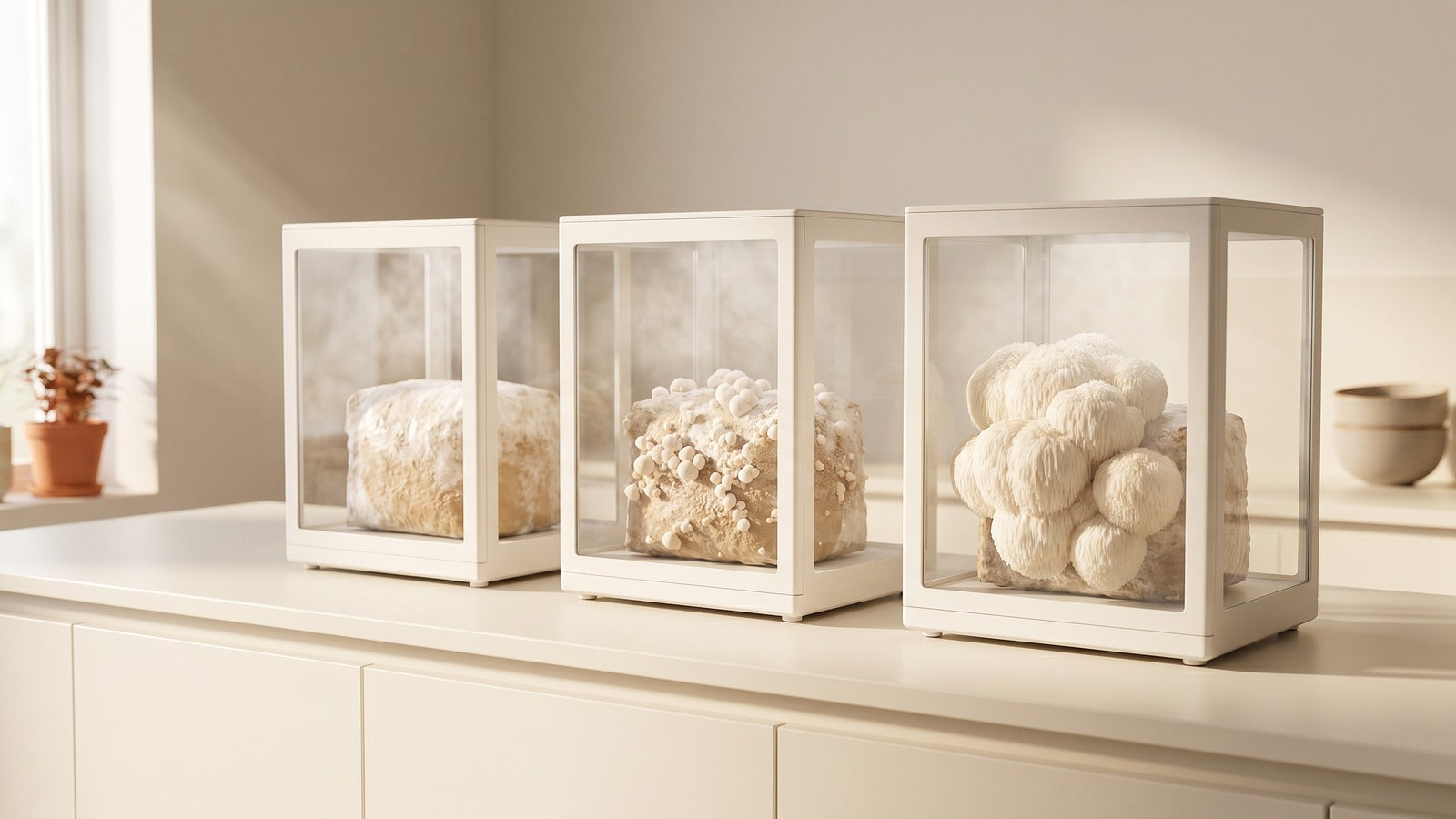
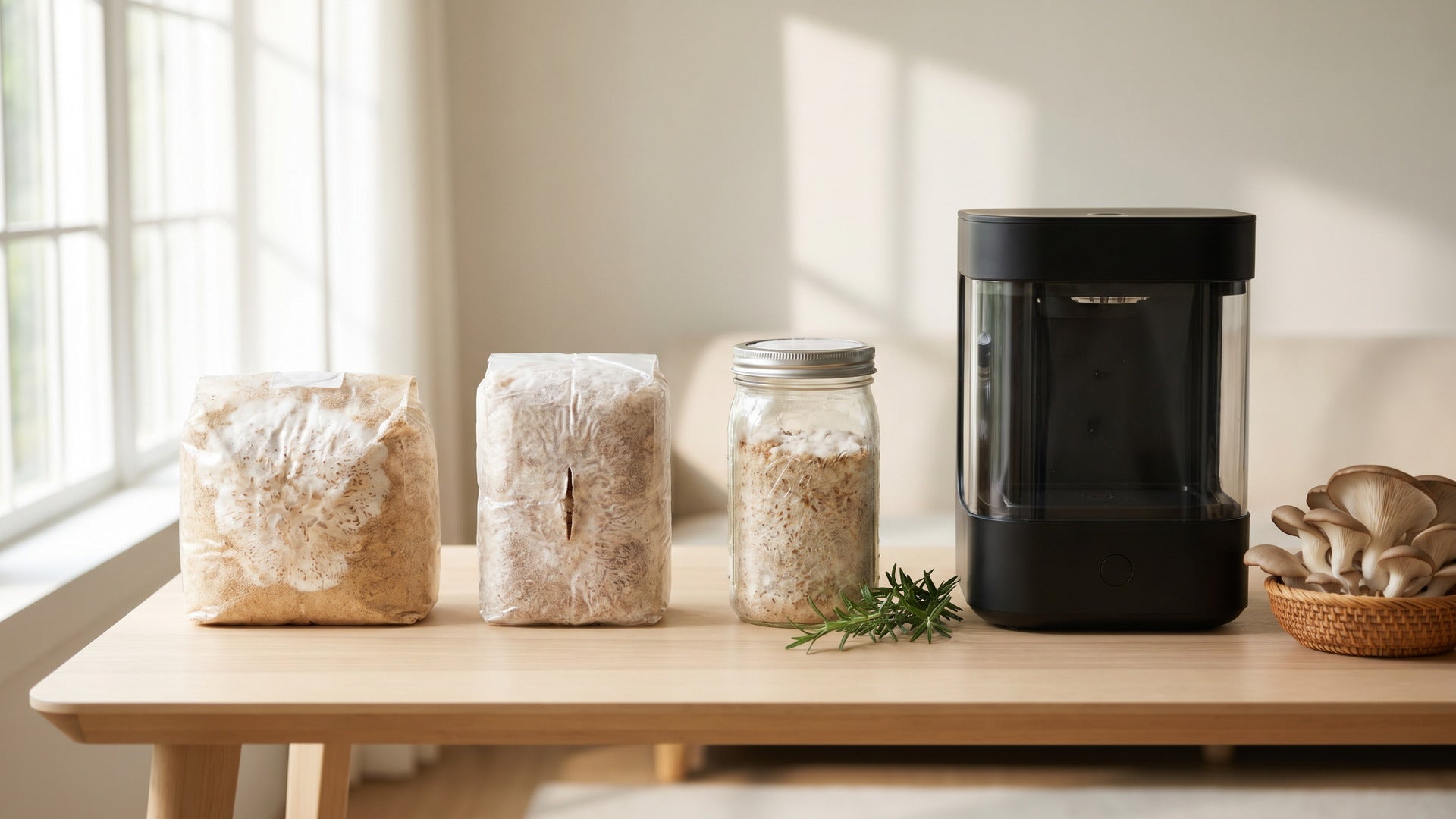
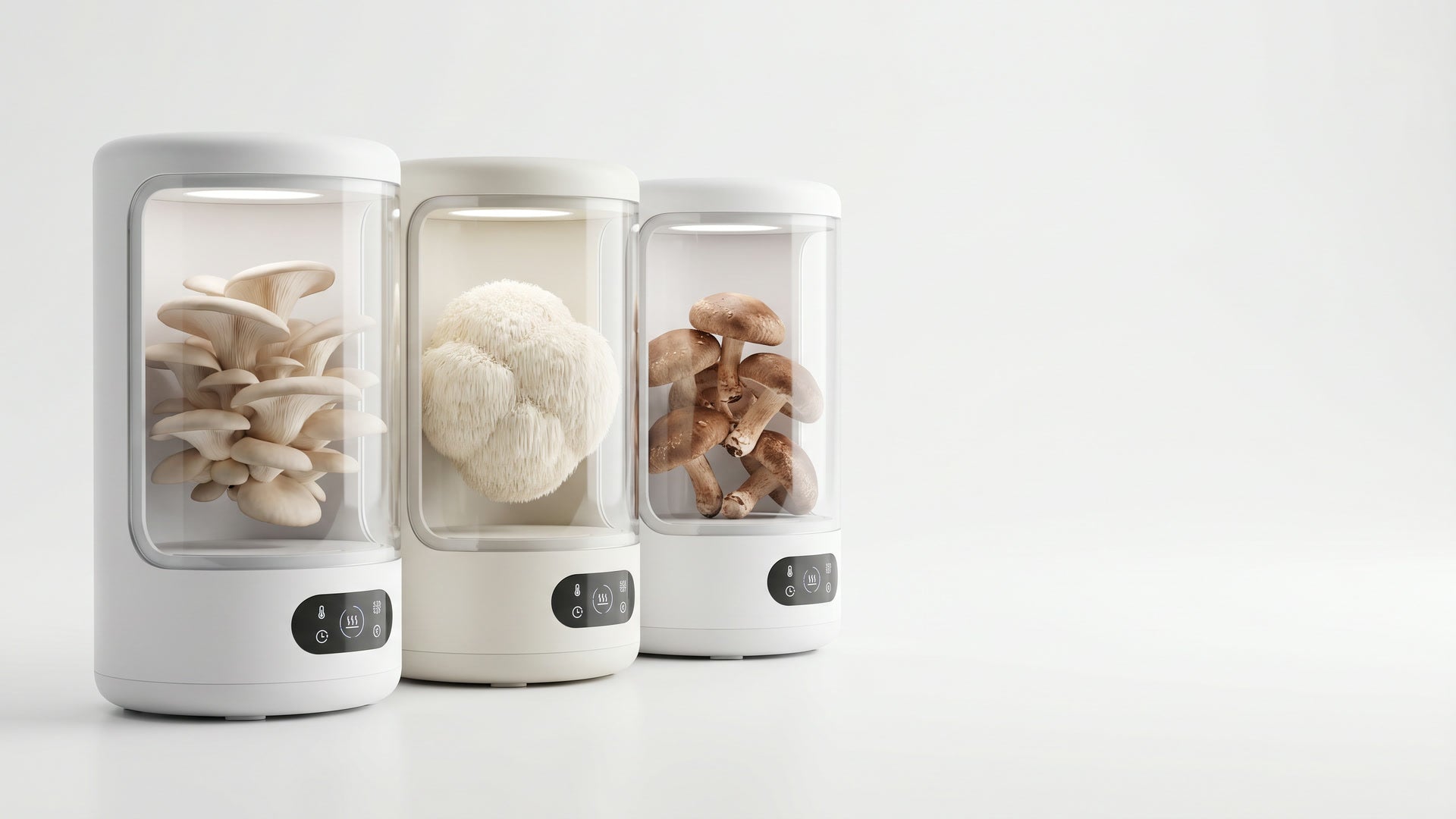
Smart Chamber. Bone White Single
- 2.8L tank, 90% humidity automatic
- App-controlled, plug-and-play
- 6 lb block ceiling, in stock

Smart Chamber. Obsidian Black Single
- Same hardware as Bone White
- Matte black premium finish
- Pairs with any kitchen palette

Understanding Wasabi: What Makes It So Special
The Real Wasabi Plant
Botanical Characteristics
- Scientific name: Wasabia japonica (also known as Eutrema japonicum)
- Member of the Brassicaceae family, related to cabbage and mustard
- Perennial herb with distinctive heart-shaped leaves
- Thick, knobby rhizome (underground stem) provides the prized flavor
Why Authentic Wasabi Is Rare
- Extremely specific growing requirements limit cultivation
- Most commercial "wasabi" contains no real wasabi
- Fresh wasabi loses potency within 15 minutes of grating
- Limited shelf life makes transportation and storage challenging
Flavor Profile and Uses
- Clean, intense heat that dissipates quickly
- Sweet, almost floral undertones follow initial fire
- Complex flavor impossible to replicate artificially
- Traditional accompaniment to sushi and sashimi
Growth Characteristics and Timeline
Maturation Timeline
- 18-24 months from planting to harvest-ready rhizome
- Leaves can be harvested throughout growing cycle
- Flowers appear after 12-18 months under proper conditions
- Seeds provide propagation opportunities for experienced growers
Plant Size and Structure
- Mature plants reach 12-18 inches in height and width
- Rhizome develops slowly, reaching 6-8 inches when mature
- Multiple stems emerge from central growing point
- Root system spreads shallowly through growing medium
Getting Started: Essential Preparations
Obtaining Wasabi Plants
Plant Sources and Quality
- Specialty nurseries focusing on Japanese or rare plants
- Online suppliers with verified authentic wasabi
- Tissue culture laboratories offering sterile plantlets
- Avoid seeds unless you're an experienced grower
Plant Selection Criteria
- Choose healthy plants with vibrant green foliage
- Look for established root systems and multiple growing points
- Verify authenticity (many sellers offer horseradish as wasabi)
- Select plants that have been properly acclimated
Initial Plant Care
- Quarantine new plants for 2-3 weeks
- Gradually acclimate to your growing conditions
- Avoid repotting immediately after purchase
- Monitor closely for signs of stress or disease
Essential Equipment and Supplies
Environmental Control Systems
- Temperature control: thermostats, heaters, and cooling systems
- Humidity control: ultrasonic humidifiers and hygrometers
- Lighting: LED grow lights with adjustable intensity
- Air circulation: gentle fans for air movement
Growing Supplies
- High-quality containers with excellent drainage
- Specialized growing medium (peat, perlite, bark mix)
- pH testing kit and adjustment solutions
- Water filtration system for pure water
Monitoring Equipment
- Digital thermometer and hygrometer
- pH meter for water and soil testing
- Light meter for intensity measurement
- Data logging systems for tracking conditions
Step-by-Step Growing Process
Setting Up the Growing Environment
Location Selection
- Choose location with stable temperatures
- Ensure access to electrical outlets for equipment
- Provide adequate ventilation without drafts
- Consider accessibility for daily monitoring and care
Environmental Parameters
- Temperature: Maintain 54-59°F (12-15°C) consistently
- Humidity: Keep at 95-98% relative humidity
- Lighting: Provide 12-14 hours of filtered light daily
- Air circulation: Gentle movement without direct airflow on plants
Growing Medium Preparation
- Mix 50% high-quality peat moss
- Add 30% perlite for drainage and aeration
- Include 20% fine bark chips or similar organic matter
- Adjust pH to 6.0-7.0 range before planting
Planting and Initial Setup
Container Preparation
- Use containers 8-12 inches deep with multiple drainage holes
- Clean and sterilize all containers before use
- Fill with prepared growing medium
- Pre-moisten medium with filtered water
Planting Process
- Plant at same depth as original container
- Gently firm soil around roots without compacting
- Water immediately with lukewarm, filtered water
- Place in prepared growing environment
Initial Establishment Period
- Provide extra humidity during first few weeks
- Reduce light intensity for initial establishment
- Monitor daily for signs of transplant shock
- Avoid fertilizing for first month after planting
Daily Care and Maintenance Routine
Daily Monitoring Tasks
- Check temperature and humidity levels
- Inspect plants for signs of stress or disease
- Monitor soil moisture without overwatering
- Observe overall plant health and vigor
Watering Requirements
- Use only filtered or distilled water
- Maintain consistent soil moisture without waterlogging
- Water when top inch of growing medium feels dry
- Ensure excellent drainage to prevent root rot
Environmental Adjustments
- Fine-tune temperature and humidity as needed
- Adjust lighting intensity and duration seasonally
- Maintain air circulation without creating drafts
- Document conditions for pattern recognition

Essential Growing Conditions in Detail
Temperature Management
Optimal Temperature Range
- Daytime temperatures: 54-59°F (12-15°C)
- Nighttime temperatures: can drop to 50°F (10°C)
- Avoid temperature swings greater than 5°F
- Root zone temperature equally important as air temperature
Temperature Control Methods
- Insulated growing chambers for stability
- Thermostat-controlled heating and cooling
- Thermal mass (water containers) for temperature buffering
- Backup systems for equipment failures
Humidity Control
Achieving High Humidity
- Ultrasonic humidifiers for consistent moisture
- Humidity chambers or enclosed growing spaces
- Misting systems for foliar moisture
- Water-filled trays for passive humidity
Balancing Humidity and Air Quality
- Provide gentle air circulation to prevent mold
- Monitor for fungal diseases in high humidity
- Ensure fresh air exchange without humidity loss
- Use fans positioned to avoid direct plant exposure
Lighting Requirements
Light Intensity and Quality
- Provide 200-400 PPFD (Photosynthetic Photon Flux Density)
- Use full-spectrum LED or fluorescent lights
- Maintain consistent 12-14 hour photoperiods
- Avoid direct sunlight which burns leaves
Lighting Setup
- Position lights 12-18 inches above plants
- Use adjustable mounting systems
- Include timers for consistent photoperiods
- Monitor plants for light stress or insufficiency
Water Quality and Nutrition
Water Requirements
- Use filtered or distilled water exclusively
- Maintain pH between 6.0-7.0
- Keep total dissolved solids (TDS) below 150 ppm
- Test water quality regularly
Fertilization Program
- Use diluted, balanced liquid fertilizer monthly
- Reduce feeding during winter months
- Avoid over-fertilization which promotes disease
- Monitor plants for nutrient deficiency signs
Common Problems and Solutions
Environmental Stress Issues
Temperature Problems
- Symptoms: wilting, slow growth, leaf discoloration
- Solutions: improve temperature control, add insulation
- Prevention: invest in quality climate control equipment
- Monitoring: use multiple thermometers for accuracy
Humidity-Related Issues
- Low humidity: leaf browning, poor growth
- Excessive humidity: fungal diseases, mold growth
- Solutions: adjust humidification systems, improve air circulation
- Balance: maintain high humidity with adequate air movement
Disease and Pest Management
Common Fungal Diseases
- Root rot from overwatering or poor drainage
- Leaf spot diseases in stagnant, humid conditions
- Crown rot from poor air circulation
- Prevention more effective than treatment
Disease Prevention Strategies
- Maintain proper environmental conditions
- Ensure adequate air circulation
- Use sterile growing media and tools
- Remove infected plant material immediately
Pest Management

Fuel Your Mushroom Journey
Smart Mushroom Grow Chamber
Plug-and-play smart chamber with humidity, light, and airflow dialed in for every species. Beginners harvest their first flush in days, not months.
Add to cart $299- Aphids and spider mites in dry conditions
- Fungus gnats in overly moist conditions
- Slugs and snails attracted to high humidity
- Use integrated pest management approaches
Growth and Development Issues
Slow or Stunted Growth
- Usually indicates environmental stress
- Check temperature, humidity, and light levels
- Examine roots for signs of disease or problems
- Adjust care routine based on plant response
Leaf Problems
- Yellowing: nutrient deficiency or overwatering
- Browning edges: low humidity or fertilizer burn
- Drooping: temperature stress or root problems
- Spots: fungal or bacterial diseases
Harvesting and Using Your Wasabi
Harvesting Timeline and Techniques
Leaf Harvesting
- Harvest outer leaves throughout growing cycle
- Leave center growing point intact
- Young leaves offer mild wasabi flavor
- Use fresh or preserve for later use
Rhizome Harvesting
- Main harvest after 18-24 months
- Rhizome should be thick, firm, and well-developed
- Harvest entire plant or take portions from mature plants
- Handle carefully to prevent damage
Post-Harvest Handling
- Use fresh rhizome immediately for best flavor
- Store briefly in refrigerator wrapped in damp cloth
- Clean gently with soft brush before grating
- Prepare only amount needed for immediate use
Traditional Preparation and Use
Grating Fresh Wasabi
- Use traditional sharkskin grater (oroshi) or fine microplane
- Grate in circular motions to develop heat
- Use immediately within 15 minutes of grating
- Cover grated wasabi to preserve potency
Culinary Applications
- Traditional accompaniment to sushi and sashimi
- Mix into sauces and dressings
- Add to soups and noodle dishes
- Use leaves in salads and cooked preparations
Preservation Methods
- Freeze fresh rhizome for extended storage
- Dry and powder for longer shelf life
- Create wasabi paste with minimal additives
- Pickle young shoots and leaves

Advanced Growing Techniques
Hydroponic Cultivation
Hydroponic Advantages
- Precise control over nutrients and environment
- Reduced risk of soil-borne diseases
- Potentially faster growth with optimal nutrition
- Easier monitoring and adjustment of conditions
System Requirements
- Deep water culture or nutrient film technique
- Precise pH and nutrient monitoring
- Consistent water temperature control
- Backup systems for equipment reliability
Propagation Methods
Division of Mature Plants
- Carefully separate established plants during repotting
- Ensure each division has roots and growing points
- Allow cut surfaces to callus before planting
- Provide extra care during establishment
Seed Propagation
- Collect fresh seeds from mature flowering plants
- Stratify seeds in refrigerator for 2-3 months
- Sow in sterile seed-starting medium
- Maintain consistent moisture and temperature
Scaling Production
Multiple Plant Management
- Stagger plantings for continuous harvest
- Organize growing space efficiently
- Maintain detailed records for each plant
- Plan expansion based on success rates
Commercial Considerations
- Food safety and handling protocols
- Market development and customer education
- Regulatory requirements for food production
- Competition analysis and pricing strategies
Seasonal Care and Management
Spring Management
Emergence from Winter Dormancy
- Gradually increase temperature and light
- Resume regular watering and feeding schedule
- Monitor for new growth and pest emergence
- Prepare for active growing season
Growth Period Care
- Maintain optimal environmental conditions
- Increase attention to humidity and air circulation
- Begin regular fertilization program
- Monitor for rapid growth and development
Summer Challenges
Heat Management
- Maximum cooling requirements during hot weather
- Increased humidity generation needs
- Monitor for heat stress and adjust conditions
- Consider backup cooling systems
Peak Growing Season
- Maintain consistent care routines
- Monitor for pests and diseases more frequently
- Consider leaf harvesting for kitchen use
- Plan for fall and winter preparations
Fall and Winter Care
Preparing for Dormancy
- Gradually reduce temperature and light levels
- Decrease watering and eliminate fertilization
- Prepare plants for winter rest period
- Plan equipment maintenance during dormancy
Winter Dormancy Management
- Maintain minimal environmental conditions
- Reduce monitoring frequency but don't neglect plants
- Use dormant period for planning and preparation
- Prepare for spring restart and new growing cycle

Economic Considerations and Return on Investment
Initial Investment Analysis
Setup Costs
- Environmental control equipment: $2,000-10,000
- Growing supplies and containers: $300-800
- Plants and initial materials: $200-500
- Monitoring and automation systems: $500-2,000
Operating Expenses
- Electricity for climate control and lighting
- Water filtration and growing supplies
- Plant replacement and expansion costs
- Equipment maintenance and repairs
Potential Returns
Market Value
- Fresh wasabi rhizomes: $100-200 per pound
- Leaves and stems have commercial value
- Specialty market demand continues growing
- Personal consumption value significant
Break-Even Analysis
- Typical setup breaks even after 2-3 successful harvests
- Single mature plant can yield ¼ to ½ pound of rhizome
- Leaves provide ongoing harvest value
- Learning curve affects initial success rates
Success Tips and Best Practices
Critical Success Factors
Consistency Over Perfection
- Stable conditions more important than perfect parameters
- Avoid frequent adjustments and changes
- Develop consistent care routines
- Patient, long-term approach essential
Quality Equipment Investment
- Reliable environmental control systems justify higher costs
- Accurate monitoring equipment prevents problems
- Backup systems prevent catastrophic failures
- Professional-grade components ensure longevity
Learning from Failures
Common Beginner Mistakes
- Impatience with slow growth rates
- Inadequate environmental control systems
- Poor quality water or growing media
- Inconsistent care and monitoring
Improvement Strategies
- Document all conditions and care activities
- Learn from each growing cycle
- Connect with other wasabi growers
- Continuously refine techniques and equipment
Long-Term Success Planning
Skill Development
- Start with single plants to learn techniques
- Gradually expand as skills develop
- Experiment with different growing methods
- Build expertise through hands-on experience
System Improvement
- Upgrade equipment based on results
- Refine environmental control systems
- Improve monitoring and automation
- Plan for scaling successful operations
Conclusion
Learning how to grow wasabi successfully requires dedication, patience, and significant investment in proper equipment and environmental controls. However, the rewards extend far beyond the considerable monetary value of the harvest, providing the satisfaction of mastering one of horticulture's most challenging species while producing an ingredient impossible to obtain elsewhere.
Success with wasabi cultivation depends on understanding that this plant's requirements are non-negotiable rather than suggestions. The specific environmental conditions, quality equipment, and consistent care represent the minimum requirements for success, not optional upgrades for better results.
For those willing to accept the challenge, growing wasabi offers unique rewards including the unparalleled flavor of fresh, authentic wasabi, the satisfaction of achieving what many consider impossible, and potentially significant economic returns. The key lies in approaching wasabi cultivation with realistic expectations, proper preparation, and commitment to meeting the plant's exacting requirements.
Whether pursuing wasabi growing as a culinary adventure, horticultural challenge, or potential business venture, success begins with understanding and respecting this remarkable plant's unique requirements while maintaining the patience and persistence necessary for long-term success with one of the world's most demanding yet rewarding crops.
Aktie:
Grow Your Own Mushroom Oasis: A Beginner's Guide to Building the Perfect Mushroom Grow Tent
Grow Your Own Mushroom Oasis: A Beginner's Guide to Building the Perfect Mushroom Grow Tent