


Quick Answer
Great sautéed mushrooms come down to four moves: dry-clean the mushrooms, slice them evenly, use a hot wide pan with butter or a high-smoke-point oil in a single layer, and resist stirring until deep golden edges form. Salt at the end, not at the start, so the mushrooms sear instead of steam.

Sautéing mushrooms is one of the most fundamental cooking techniques that transforms ordinary fungi into golden, flavorful delicacies. Whether you're preparing a simple side dish or incorporating mushrooms into complex recipes, mastering the art of sautéing will elevate your culinary skills and create restaurant-quality results in your own kitchen.
Understanding the Basics of Mushroom Sautéing
Sautéing, derived from the French word "sauter" meaning "to jump," involves cooking food quickly in a small amount of fat over relatively high heat. When applied to mushrooms, this technique creates a beautiful golden-brown exterior while maintaining a tender, juicy interior that's packed with concentrated flavors.
The key to successful mushroom sautéing lies in understanding the unique properties of mushrooms. These fungi contain high water content, which must be properly managed during cooking to achieve the desired texture and prevent soggy, steamed results.
Choosing the Right Mushrooms for Sautéing
Popular Mushroom Varieties for Sautéing
Button Mushrooms
- Most common and readily available variety
- Mild flavor that absorbs seasonings well
- Uniform size makes for even cooking
- Perfect for beginners learning the technique
Cremini Mushrooms
- Also known as baby bella mushrooms
- Slightly more robust flavor than button mushrooms
- Firmer texture holds up well to high heat
- Excellent choice for hearty dishes
Shiitake Mushrooms
- Rich, umami-packed flavor profile
- Meaty texture perfect for vegetarian dishes
- Remove stems before sautéing as they're tough
- Adds sophisticated depth to any recipe
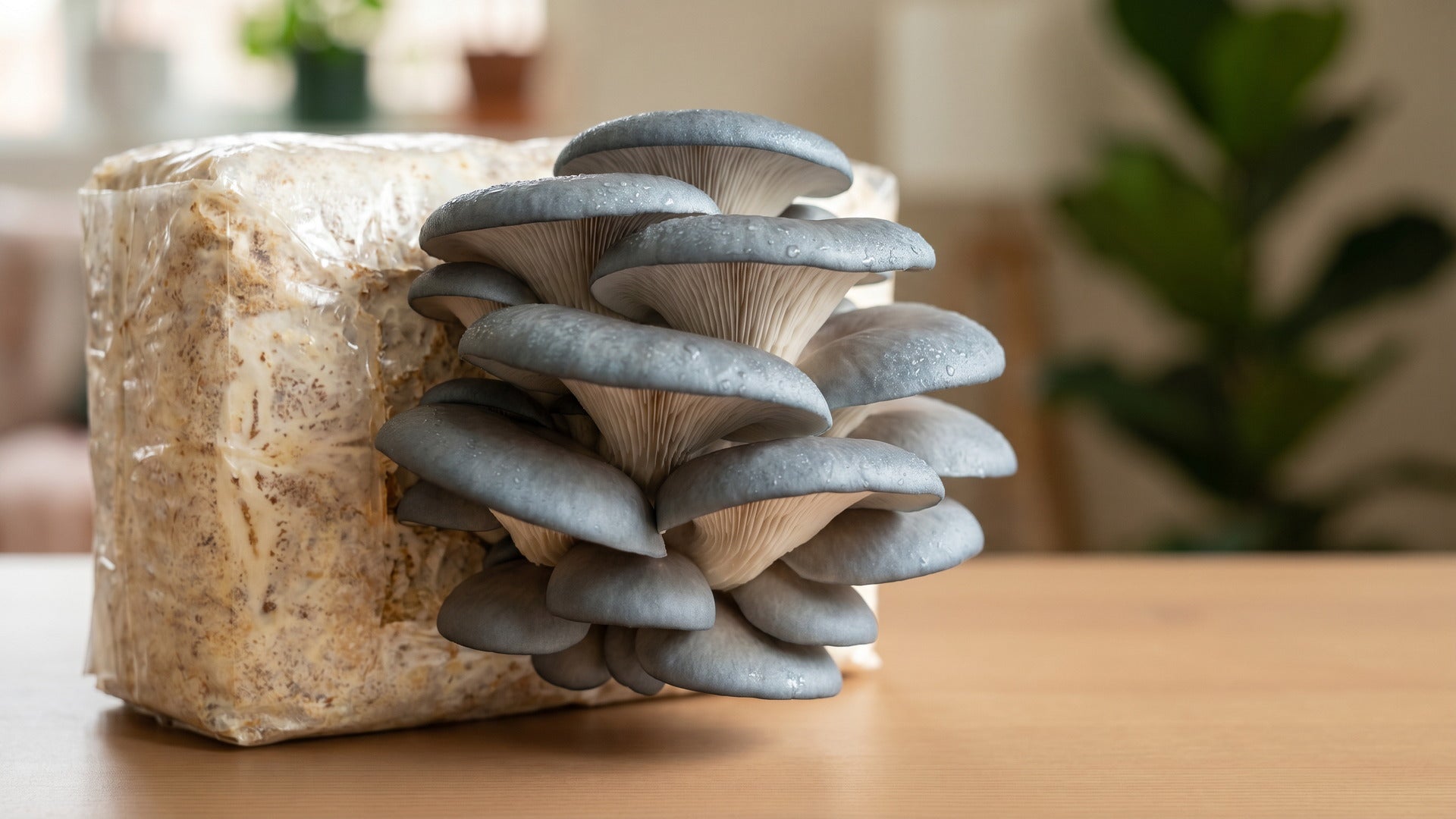
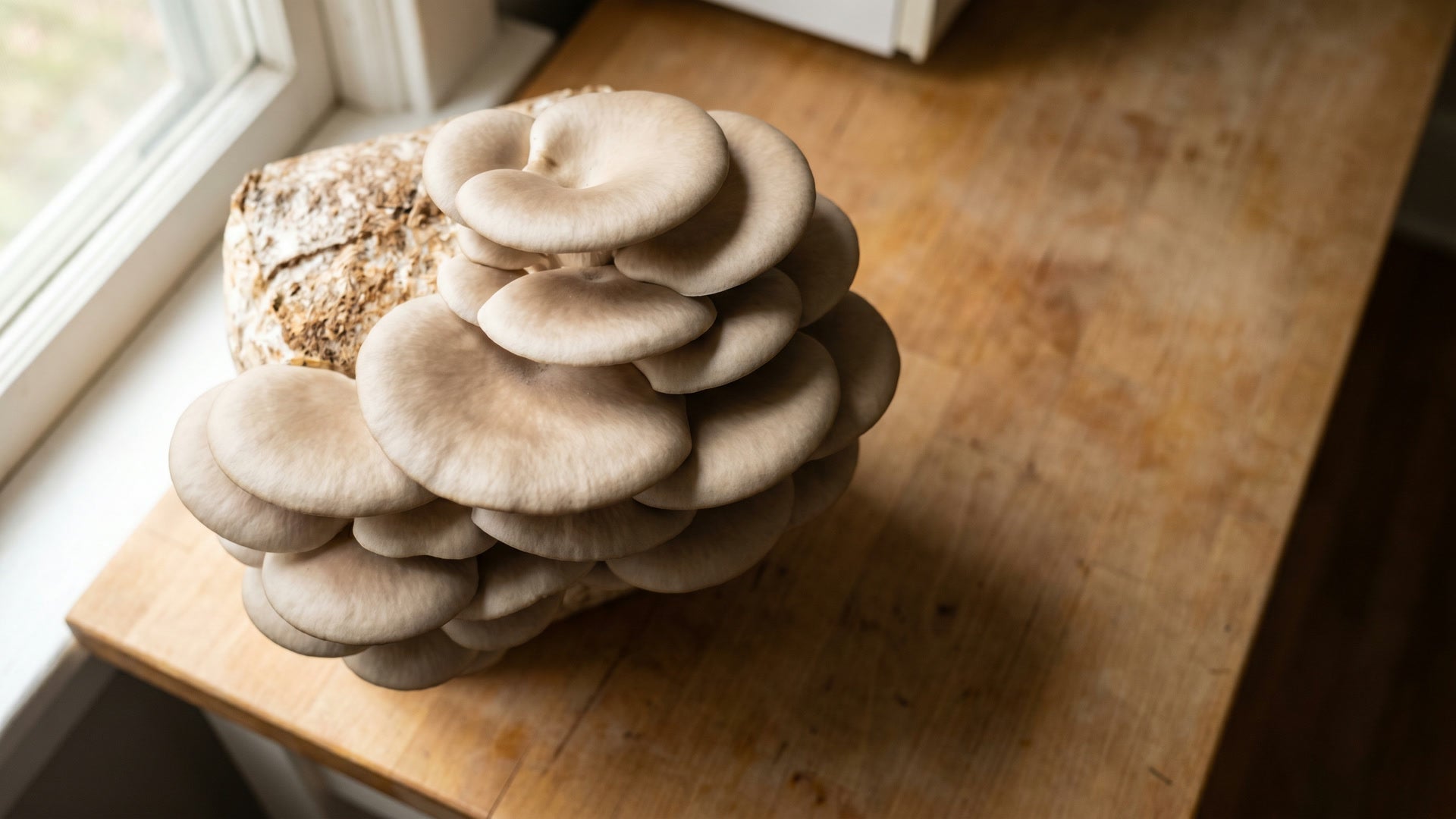
Oyster Mushrooms
- Delicate, sweet flavor with subtle brininess
- Cook quickly due to their tender nature
- Beautiful presentation when kept in larger pieces
- Pairs excellently with lighter seasonings
Portobello Mushrooms
- Large, meaty caps perfect for substantial dishes
- Robust flavor that can stand alone as a main course
- Remove stems and scrape out gills if desired
- Slice into strips for even cooking
Fresh vs. Dried Mushrooms
Fresh mushrooms are ideal for sautéing as they provide the best texture and immediate flavor release. Dried mushrooms should be rehydrated before sautéing, though they can add intense, concentrated flavors to your dishes.
Essential Equipment and Tools
Must-Have Kitchen Tools
Heavy-Bottomed Skillet or Sauté Pan
- Stainless steel or cast iron works best
- Ensures even heat distribution
- Prevents hot spots that can burn mushrooms
- Size should accommodate mushrooms in single layer
Sharp Knife
- Clean cuts prevent mushroom damage
- Uniform slicing ensures even cooking
- Sharp blade reduces mushroom bruising
- Essential for proper preparation
Cutting Board
- Stable surface for safe mushroom preparation
- Wood or plastic both work effectively
- Keep separate board for mushroom prep if possible
Wooden or Silicone Spatula
- Gentle stirring prevents mushroom breaking
- Won't scratch pan surfaces
- Heat-resistant materials essential
- Allows for proper mushroom flipping

Step-by-Step Sautéing Instructions
Preparation Phase
Step 1: Clean the Mushrooms
- Gently wipe mushrooms with damp paper towel
- Remove any visible dirt or debris
- Avoid washing under running water as mushrooms absorb moisture
- Trim any damaged or discolored portions
Step 2: Slice Mushrooms Uniformly
- Cut mushrooms into consistent pieces (¼-inch thick slices work well)
- Remove tough stems from shiitake varieties
- Keep pieces similar in size for even cooking
- Larger pieces retain more moisture and flavor
Step 3: Prepare Seasonings and Aromatics
- Mince garlic cloves if using
- Chop fresh herbs like thyme, rosemary, or parsley
- Have salt and pepper readily available
- Prepare any wine or broth for deglazing
Cooking Process
Step 4: Heat the Pan Properly
- Preheat pan over medium-high heat
- Allow pan to get hot before adding oil
- Proper temperature prevents mushroom sticking
- Hot pan creates immediate searing effect
Step 5: Add Oil and Fat
- Use neutral oils like vegetable or grapeseed oil
- Butter can be added for flavor but watch for burning
- Oil should shimmer but not smoke
- Use enough oil to coat pan bottom lightly
Step 6: Add Mushrooms in Single Layer
- Don't overcrowd the pan
- Mushrooms should have space between pieces
- Overcrowding creates steam instead of searing
- Cook in batches if necessary for best results
Step 7: Resist the Urge to Stir
- Let mushrooms cook undisturbed for 3-4 minutes
- Allow golden-brown crust to develop
- Stirring too early prevents proper browning
- Listen for gentle sizzling sounds
Step 8: Flip and Continue Cooking
- Turn mushrooms when edges appear golden
- Cook additional 2-3 minutes on second side
- Mushrooms should release their moisture gradually
- Continue until desired doneness achieved
Step 9: Season and Finish
- Add salt and pepper to taste
- Include garlic, herbs, or other aromatics
- Deglaze with wine or broth if desired
- Finish with butter for extra richness
Advanced Techniques and Tips
Temperature Control Mastery
Managing heat levels throughout the cooking process is crucial for perfect results. Start with medium-high heat to create initial searing, then reduce to medium if mushrooms brown too quickly. The goal is steady evaporation of moisture while developing rich, caramelized flavors.
Moisture Management Strategies
The Dry Pan Method
- Start cooking mushrooms without oil initially
- Allow natural moisture to evaporate first
- Add oil once mushrooms begin to brown
- Creates more concentrated mushroom flavor
The Traditional Oil Method
- Add oil to hot pan before mushrooms
- Creates immediate searing effect
- Faster cooking process
- Better for delicate mushroom varieties
Flavor Enhancement Techniques
Deglazing for Depth
- Add wine, broth, or even water to hot pan
- Scrape up browned bits from pan bottom
- Creates flavorful sauce base
- Adds complexity to finished dish
Herb and Spice Timing
- Add hardy herbs like thyme early in cooking
- Include delicate herbs like parsley at the end
- Garlic should be added in final minutes to prevent burning
- Spices can be bloomed in oil before adding mushrooms

Common Mistakes and How to Avoid Them
Overcrowding the Pan
The most frequent mistake home cooks make is adding too many mushrooms to the pan at once. This creates steam instead of the desired searing effect, resulting in grey, soggy mushrooms rather than golden, caramelized ones.
Solution: Cook mushrooms in batches, ensuring each piece has adequate space to brown properly.
Using Too Low Heat
Insufficient heat fails to create the Maillard reaction necessary for proper browning and flavor development.
Solution: Use medium-high heat and ensure your pan is properly preheated before adding mushrooms.
Stirring Too Frequently
Constantly moving mushrooms prevents proper browning and can break delicate varieties.
Solution: Let mushrooms cook undisturbed for several minutes before flipping or stirring.
Adding Salt Too Early
Salt draws out moisture from mushrooms, which can prevent proper browning if added too early in the cooking process.
Solution: Season mushrooms near the end of cooking for best texture and flavor results.
Flavor Combinations and Seasonings
Classic Herb Pairings
Thyme and Mushrooms
- Earthy flavors complement each other perfectly
- Add fresh thyme in final minutes of cooking
- Dried thyme can be added earlier in process
- Creates aromatic, restaurant-quality results
Rosemary Enhancement
- Robust herb pairs well with hearty mushroom varieties
- Use sparingly as flavor can be overpowering
- Remove stems before serving
- Excellent with portobello mushrooms
Parsley Brightness
- Fresh parsley adds color and freshness
- Stir in just before serving
- Balances rich, earthy mushroom flavors
- Essential for finishing touch
Wine and Liquid Additions
White Wine Deglazing
- Sauvignon Blanc or Chardonnay work excellently
- Add after mushrooms are nearly cooked
- Allow alcohol to cook off before serving
- Creates elegant sauce base
Broth Enhancement
- Vegetable or chicken broth adds depth
- Use low-sodium varieties for better control
- Reduce liquid by half for concentrated flavor
- Perfect for creating pan sauces

Serving Suggestions and Applications
As a Side Dish
Sautéed mushrooms make an excellent accompaniment to various main courses. They pair beautifully with grilled steaks, roasted chicken, pork tenderloin, and fish preparations. The earthy flavors complement rich proteins while adding textural interest to the plate.
Incorporating into Main Dishes
Pasta Applications
- Toss with hot pasta and olive oil for simple preparation
- Combine with cream sauce for richer dishes
- Add to risotto during final cooking stages
- Mix with fresh herbs and parmesan cheese
Egg Dishes
- Perfect addition to omelets and frittatas
- Excellent topping for scrambled eggs
- Beautiful garnish for eggs Benedict
- Essential component in quiche preparations
Pizza and Flatbread Toppings
- Pre-cook mushrooms before adding to pizza
- Prevents excess moisture on crust
- Concentrates flavors during baking process
- Combines well with other vegetables
Vegetarian and Vegan Applications
Sautéed mushrooms provide substantial protein and umami flavors in plant-based dishes. They work excellently as burger patties, taco fillings, or the centerpiece of grain bowls and salads.
Fuel Your Mushroom Journey
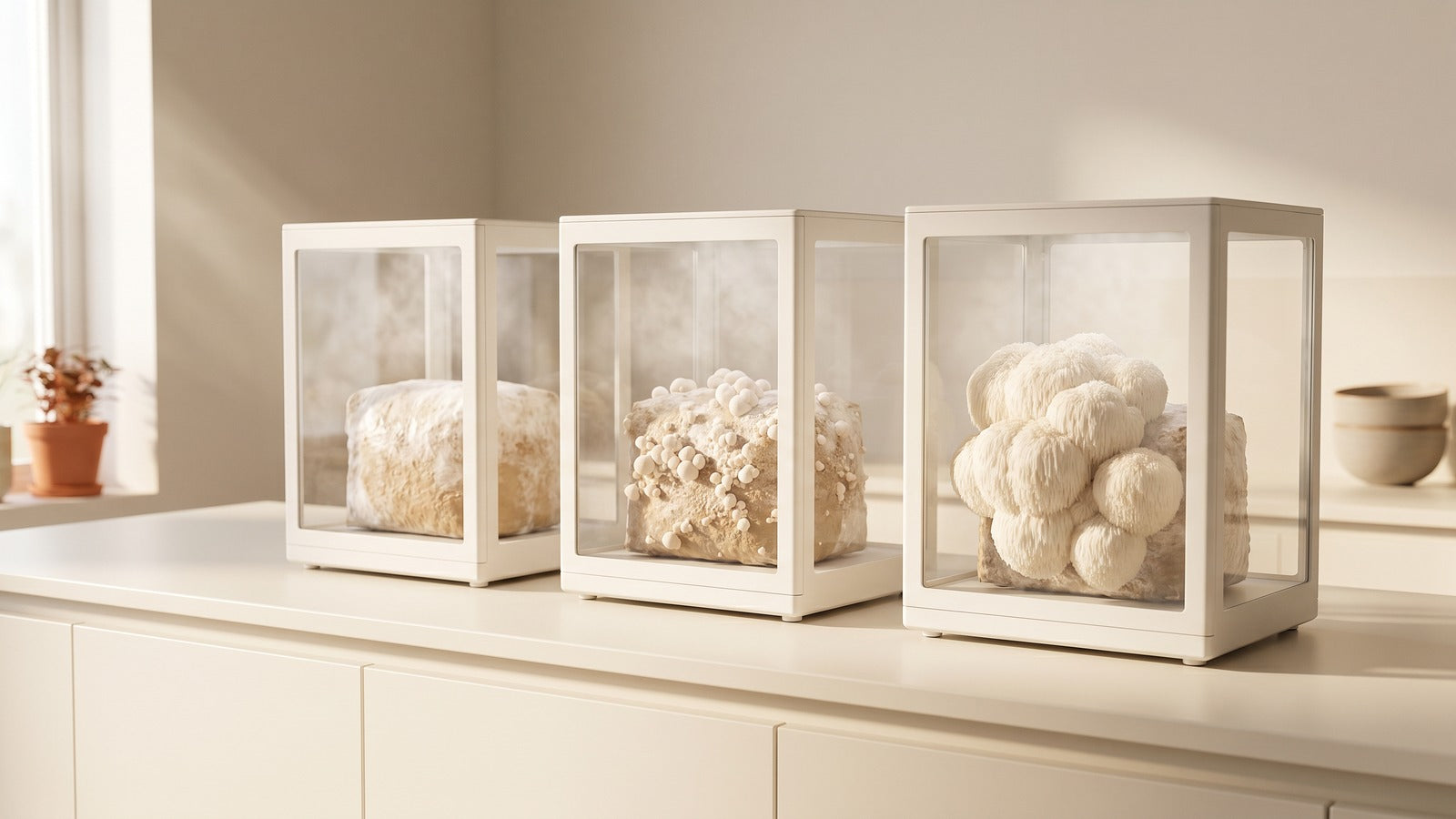
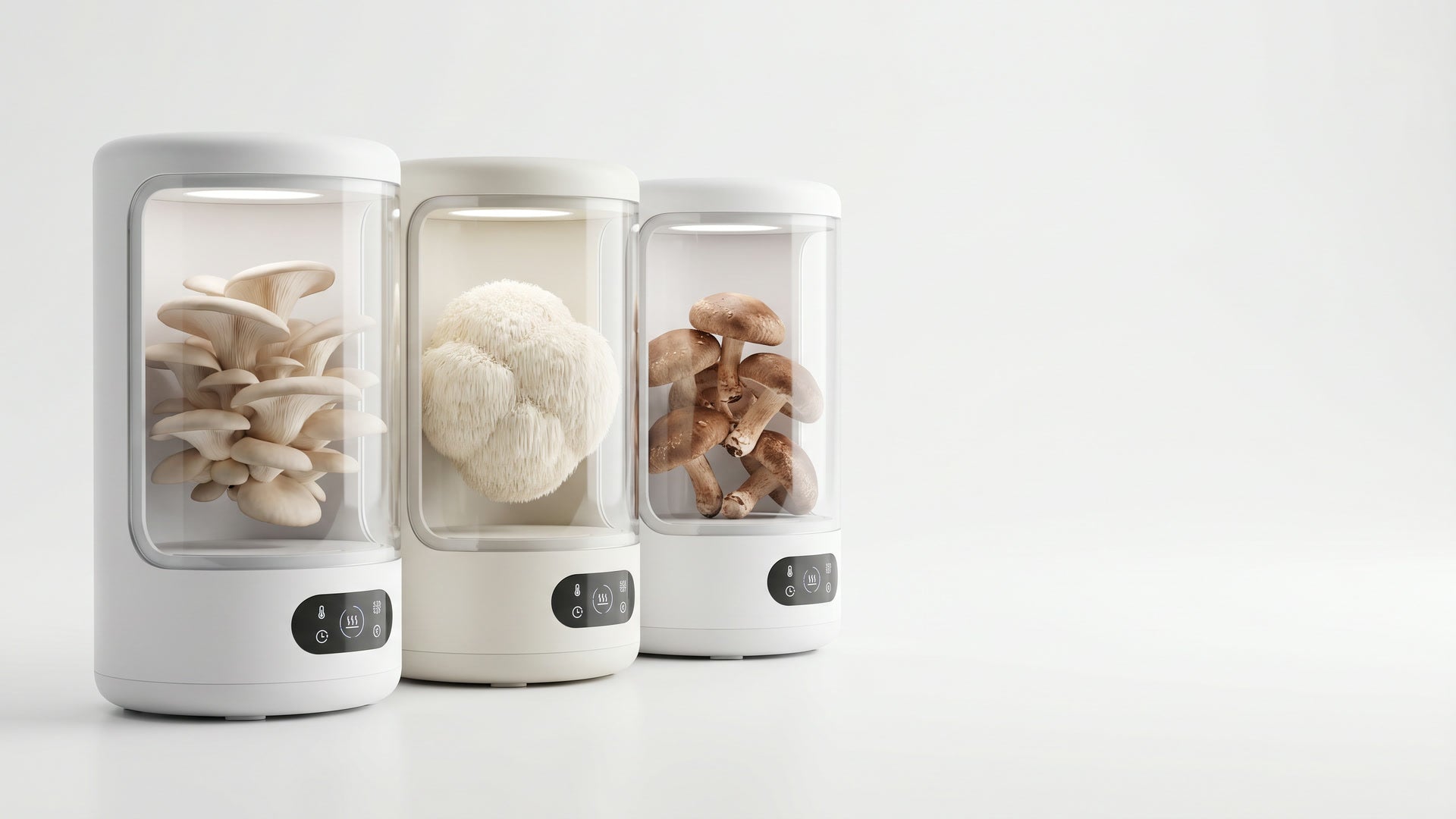
Smart Mushroom Grow Chamber
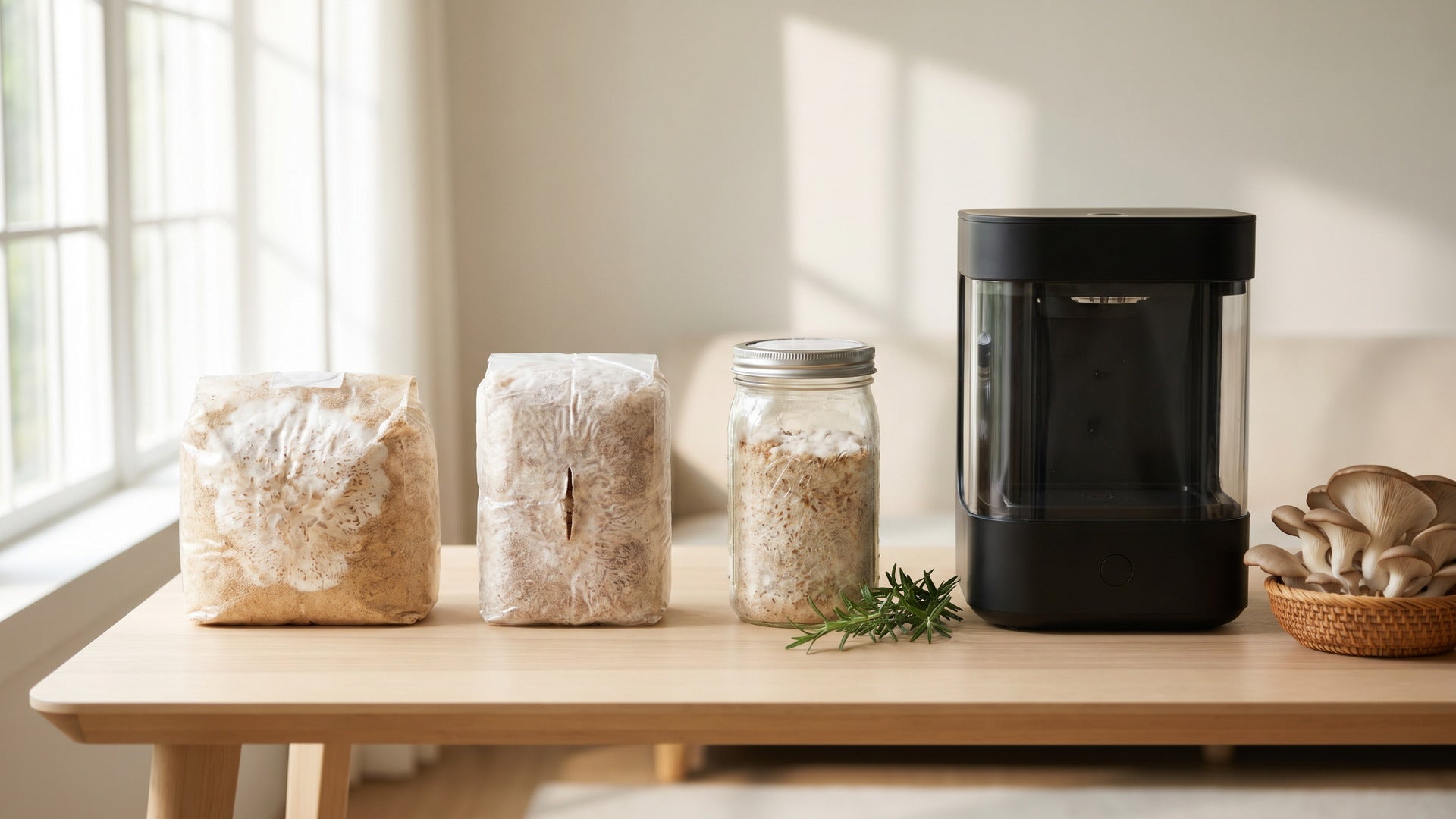
Plug-and-play smart chamber with humidity, light, and airflow dialed in for every species. Beginners harvest their first flush in days, not months.
Add to cart $299Storage and Meal Prep Tips
Proper Storage Methods
Refrigerator Storage
- Store cooked mushrooms in airtight containers
- Use within 3-4 days for best quality
- Reheat gently to prevent texture changes
- Add fresh herbs when reheating for brightness
Freezing Considerations
- Texture changes significantly when frozen
- Best used in cooked applications after thawing
- Freeze in portion-sized containers
- Use within 2-3 months for optimal quality
Meal Prep Strategies
Batch Cooking Benefits
- Prepare large quantities for week's meals
- Portion into individual serving sizes
- Reduces daily cooking time significantly
- Maintains consistent quality and flavor
Reheating Techniques
- Use low heat to prevent overcooking
- Add splash of broth or wine to refresh
- Stir gently to prevent breaking
- Finish with fresh herbs or seasonings
Nutritional Benefits of Sautéed Mushrooms
Health Advantages
Mushrooms provide numerous health benefits while being naturally low in calories and fat. They're excellent sources of potassium, selenium, and various B vitamins. The sautéing process concentrates these nutrients while creating delicious flavors.
Key Nutritional Components:
- High in protein for a vegetable
- Rich in antioxidants and minerals
- Low in calories and carbohydrates
- Good source of dietary fiber
Cooking Method Benefits
Sautéing preserves more nutrients compared to boiling or steaming, as the quick cooking time and minimal liquid prevent nutrient loss. The addition of healthy fats during sautéing also helps with absorption of fat-soluble vitamins.
Troubleshooting Common Issues
Mushrooms Releasing Too Much Water
If mushrooms release excessive moisture during cooking, increase heat slightly and cook longer to evaporate excess liquid. This often happens with frozen mushrooms or those stored too long.
Uneven Browning
Ensure uniform slicing and avoid overcrowding. If some pieces brown faster than others, remove them temporarily and continue cooking remaining mushrooms.
Bland Flavor Results
Season gradually throughout cooking process rather than only at the end. Consider adding aromatics like garlic, shallots, or herbs to build flavor layers.
Conclusion
Mastering the technique of sautéing mushrooms opens up countless culinary possibilities in your kitchen. With proper preparation, temperature control, and timing, you can consistently create restaurant-quality results that enhance any meal. Remember that practice makes perfect, and each variety of mushroom may require slight adjustments to your technique.
The key principles remain constant: use high heat, avoid overcrowding, resist frequent stirring, and season thoughtfully. Whether you're preparing a simple side dish or incorporating mushrooms into complex recipes, these fundamental techniques will ensure delicious, golden-brown results every time.
Start with basic varieties like button or cremini mushrooms to build your confidence, then experiment with more exotic varieties as your skills develop. Soon, you'll be creating mushroom dishes that rival those from your favorite restaurants, all from the comfort of your own kitchen.
Frequently asked questions
Why do my sautéed mushrooms turn out soggy?
Soggy mushrooms usually mean the pan was too crowded, the heat was too low, or salt went in too early. Cook in a single layer in a hot wide pan, leave the mushrooms alone for the first two minutes so a crust forms, and add salt at the end after the moisture has cooked off.
Should I use butter or oil to sauté mushrooms?
A combo of both is ideal. Start with a tablespoon of a high-smoke-point oil (grapeseed or refined olive) so the pan stays hot, then add butter in the last minute for browning and flavor. Pure butter alone tends to burn before the mushrooms develop a sear.
Do I need to wash mushrooms before sautéing?
Wash quickly under cool water and pat very dry with paper towels, or brush off any visible soil with a damp cloth. Soaking is the only real problem, mushrooms absorb water like a sponge, and wet mushrooms will steam in the pan instead of caramelizing.
What is the best mushroom for sautéing?
Cremini, baby bella, and oyster mushrooms are the easiest everyday picks: clean flavor, firm texture, even browning. King oyster sliced into rounds gives a meaty, scallop-like result. Shiitake adds umami but cook the caps separately from the stems for even doneness.
How long do sautéed mushrooms last in the fridge?
Cooled and stored in an airtight container, sautéed mushrooms keep three to four days. Reheat in a hot dry pan to revive the crust, microwaving turns them soft.
Sauté the freshest mushrooms you have ever cooked
Mushrooms picked the same day sear faster and brown deeper. The Lykyn smart chamber plus a 5 lbs species kit puts a steady supply on your kitchen counter.
Fuel Your Mushroom Journey

Smart Chamber. Bone White Single
- 2.8L tank, 90% humidity automatic
- App-controlled, plug-and-play
- 6 lb block ceiling, in stock

Smart Chamber. Obsidian Black Single
- Same hardware as Bone White
- Matte black premium finish
- Pairs with any kitchen palette

Aktie:
Mushroom Sauce: Rich, Creamy, and Flavorful Delight
How to Grow Mushrooms at Home: A Beginner's Guide