


Lion's Mane Powder: The Ultimate Guide to Nature's Cognitive Enhancer
What is Lion's Mane Powder?
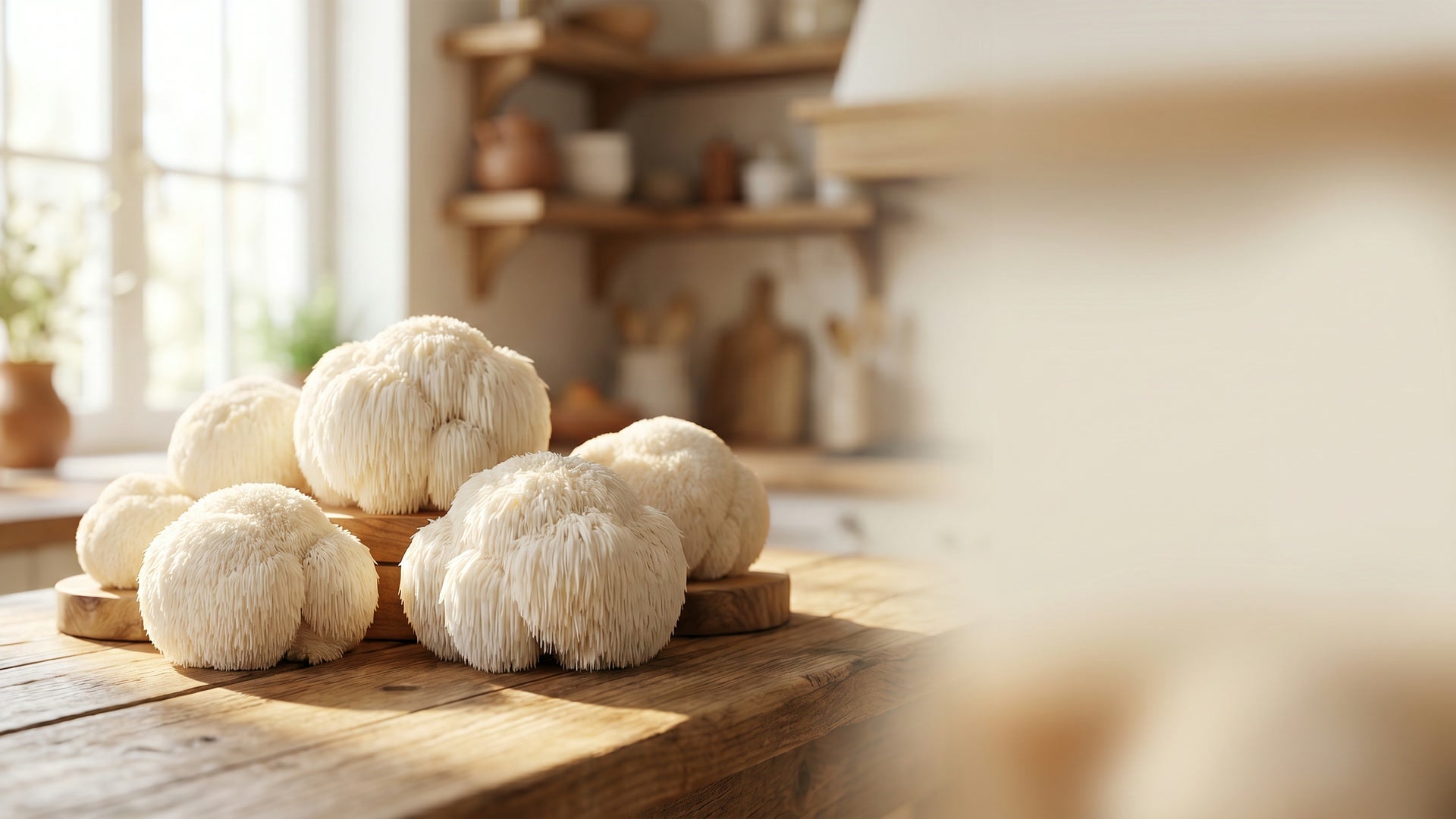
Lion's Mane Powder is derived from the Lion's Mane mushroom (Hericium erinaceus), a distinctive fungus recognized by its white, shaggy appearance resembling a lion's mane. This medicinal mushroom has been used in traditional Chinese medicine for centuries and has recently gained popularity in Western wellness communities for its impressive array of health benefits. The powder form is created by drying and grinding the mushroom, making it convenient to incorporate into various foods and beverages.
The Science Behind Lion's Mane Powder
The remarkable properties of Lion's Mane Powder stem from its bioactive compounds, primarily:
- Hericenones and erinacines: These compounds have been shown to stimulate nerve growth factor (NGF) production, which is crucial for brain cell growth and maintenance.
- Beta-glucans: Powerful polysaccharides that support immune function and possess anti-inflammatory properties.
- Antioxidants: Help combat oxidative stress and reduce inflammation throughout the body.
Research into these compounds has revealed why Lion's Mane has earned its reputation as a cognitive superfood and natural health supplement.

7 Remarkable Health Benefits of Lion's Mane Powder
Cognitive Enhancement and Brain Health
Lion's Mane Powder has gained significant attention for its neuroprotective and cognitive-enhancing properties. Studies suggest it may:
- Support memory function: Regular consumption may help improve both short-term and long-term memory retention.
- Enhance focus and concentration: Many users report improved ability to concentrate on tasks.
- Promote nerve regeneration: The stimulation of NGF production may help repair and regenerate neurons.
- Protect against neurodegenerative conditions: Some research indicates potential protective effects against conditions like Alzheimer's and Parkinson's disease.
Mood and Mental Wellbeing
The benefits of Lion's Mane extend to emotional health as well:
- Reduce anxiety and depression symptoms: Several studies have shown that Lion's Mane Powder may help alleviate symptoms of mild anxiety and depression.
- Support stress management: Adaptogens in Lion's Mane can help the body adapt to stress more effectively.
- Improve sleep quality: Many users report better sleep when incorporating Lion's Mane into their routine.
Digestive Health Support
Lion's Mane Powder offers significant benefits for gut health:
- Protect the digestive tract: It may help prevent and treat ulcers by protecting the stomach lining.
- Reduce inflammation in the digestive system: Its anti-inflammatory properties can help soothe conditions like inflammatory bowel disease.
- Support beneficial gut bacteria: Preliminary research suggests it may function as a prebiotic, supporting healthy gut flora.
Immune System Enhancement
The immune-modulating properties of Lion's Mane Powder make it valuable for:
- Strengthening immune response: Beta-glucans help activate immune cells.
- Fighting pathogens: Some compounds in Lion's Mane have demonstrated antimicrobial properties.
- Balancing immune function: Rather than simply stimulating the immune system, it helps regulate it for optimal function.
Heart and Circulatory System Benefits
Research suggests Lion's Mane may support cardiovascular health by:
- Improving lipid profile: Studies indicate it may help reduce LDL ("bad") cholesterol levels.
- Supporting healthy blood pressure: Some research shows potential benefits for maintaining normal blood pressure.
- Reducing risk of blood clots: Certain compounds may have mild anticoagulant effects.
Anti-inflammatory and Antioxidant Effects
Lion's Mane Powder contains powerful compounds that:
- Combat free radicals: Its antioxidant properties help neutralize harmful free radicals.
- Reduce chronic inflammation: Many chronic diseases are linked to inflammation, which Lion's Mane may help mitigate.
- Support cellular health: By reducing oxidative stress, it helps maintain healthy cell function.
Potential Anti-Cancer Properties
While research is still in early stages, some studies suggest Lion's Mane may:
- Inhibit the growth of certain cancer cells: Laboratory studies have shown potential against various cancer cell lines.
- Support conventional cancer treatments: It may complement traditional therapies, though more research is needed.
- Provide protective effects: Its antioxidant properties may help prevent cellular damage that can lead to cancer.
How to Incorporate Lion's Mane Powder Into Your Daily Routine
Recommended Dosage
While optimal dosages can vary based on individual needs and product concentration, generally:
- Beginners: Start with 500-1000mg daily
- Experienced users: 1000-3000mg daily, often split into two doses
- Therapeutic usage: Some studies have used up to 3000-5000mg daily for specific conditions
Always consult with a healthcare provider before beginning any new supplement regimen, especially if you have existing health conditions or are taking medications.
Popular Methods of Consumption
Lion's Mane Powder is versatile and can be incorporated into your diet in numerous ways:
- Mixed into coffee or tea: A popular option for masking the slightly bitter taste while enjoying a morning cognitive boost.
- Added to smoothies: Blends well with fruits and other superfoods.
- Stirred into oatmeal or yogurt: An easy addition to breakfast foods.
- Used in soups and broths: Traditional in Asian cuisine.
- Encapsulated: For those who prefer not to taste it, capsules are available.
- Added to baked goods: Can be incorporated into muffins, bread, or energy bars.
Timing for Optimal Benefits
To maximize the benefits of Lion's Mane Powder:
- Morning consumption: Many users prefer taking it in the morning for improved focus throughout the day.
- With meals: Taking it with food can improve absorption and reduce any potential stomach discomfort.
- Consistent usage: The neurological benefits of Lion's Mane are often cumulative, with many users reporting best results after 2-4 weeks of regular use.

Potential Side Effects and Precautions
Possible Side Effects
Lion's Mane Powder is generally considered safe for most people, but some may experience:
- Mild digestive discomfort: Especially when first beginning supplementation.
- Skin rash: Rare allergic reactions have been reported.
- Increased bleeding risk: Due to its mild anticoagulant properties.
Who Should Exercise Caution
Certain groups should consult healthcare providers before using Lion's Mane Powder:
- Pregnant or breastfeeding women: Due to limited safety data.
- People with mushroom allergies: Cross-reactivity is possible.
- Individuals with bleeding disorders: The anticoagulant effects may be problematic.
- Those scheduled for surgery: Should discontinue use at least two weeks before procedures.
- People taking anticoagulant medications: Potential interactions may occur.
Selecting a High-Quality Lion's Mane Powder
Key Quality Indicators
Not all Lion's Mane supplements are created equal. Look for products that:
- Specify the extraction method: Dual-extraction (water and alcohol) ensures the full spectrum of beneficial compounds.
- Provide beta-glucan content: Higher percentages indicate better quality.
- Source from reputable growers: Preferably organic cultivation to avoid pesticides and heavy metals.
- Include fruiting bodies: Superior to mycelium-only products.
- Undergo third-party testing: Ensures potency and purity.
Red Flags to Avoid
Be wary of products that:
- Don't specify which part of the mushroom is used: Mycelium grown on grain is less potent than fruiting bodies.
- Use fillers or additives: These dilute the active compounds.
- Make exaggerated health claims: Reputable companies adhere to regulatory guidelines.
- Lack transparency about sourcing: Quality producers are open about their supply chain.
- Have inconsistent reviews: Look for products with consistently positive feedback.
Lion's Mane Powder vs. Other Forms
Comparing Different Lion's Mane Supplements
Lion's Mane is available in several forms, each with distinct advantages:
-
Powder:
- Pros: Versatile for use in various foods and beverages, often most economical
- Cons: Taste may be noticeable, requires measuring
-
Capsules:
- Pros: Convenient, tasteless, pre-measured
- Cons: Often more expensive, may contain fillers
-
Tinctures:
- Pros: Rapid absorption, long shelf life
- Cons: May contain alcohol, can be costly
-
Whole mushroom:
- Pros: Culinary uses, complete nutrient profile
- Cons: Less concentrated, shorter shelf life
-
Gummies:
- Pros: Pleasant taste, convenient
- Cons: Often contain sugar or artificial ingredients, typically lower dosages
The History and Cultural Significance of Lion's Mane
Traditional Uses
Lion's Mane has a rich history of use across various cultures:
- Traditional Chinese Medicine: Used for centuries to support digestive health and overall vitality.
- Japanese cuisine: Known as "yamabushitake," it's prized for both culinary and medicinal purposes.
- Traditional Buddhist medicine: Monks used it to enhance focus during meditation.
- Native American practices: Some tribes utilized similar mushroom species for healing purposes.
Modern Research and Growing Popularity
The interest in Lion's Mane has exploded in recent years:
- Scientific validation: Modern research has begun confirming traditional knowledge about its benefits.
- Growing market: The global functional mushroom market has seen double-digit growth.
- Celebrity endorsements: Various health influencers and celebrities have promoted its benefits.
- Integration into mainstream products: Now found in everything from coffee blends to skincare.
Frequently Asked Questions About Lion's Mane Powder
When Can I Expect to See Results?
The timeline for experiencing benefits varies:
- Cognitive effects: Many users report enhanced focus within days to weeks.
- Mood improvements: Often noticed within 2-4 weeks of consistent use.
- Neurological benefits: May take 1-3 months of regular supplementation.
- Individual variation: Genetics, baseline health, and dosage all influence results.
Can Lion's Mane Be Combined With Other Supplements?
Lion's Mane works well in combination with:
- Other medicinal mushrooms: Reishi, Cordyceps, and Chaga complement its effects.
- Adaptogens: Compounds like Rhodiola and Ashwagandha may enhance stress-relief benefits.
- Omega-3 fatty acids: May work synergistically for brain health.
- B vitamins: Support overall neurological function alongside Lion's Mane.
Is Wild or Cultivated Lion's Mane Better?
This is a common question with important considerations:
-
Wild Lion's Mane:
- May contain higher levels of certain beneficial compounds
- Risk of environmental contaminants
- Sustainability concerns with overharvesting
-
Cultivated Lion's Mane:
- Consistent quality when properly grown
- Reduced environmental impact
- Control over growing conditions limits contamination
Most experts recommend high-quality cultivated Lion's Mane from reputable sources.
Conclusion: Is Lion's Mane Powder Right for You?
Lion's Mane Powder represents a fascinating intersection of ancient wisdom and modern science. Its potential benefits for cognitive function, mood support, and overall health make it worthy of consideration for those looking to enhance their wellness routine naturally.
As with any supplement, the key lies in selecting quality products, using them consistently, and having realistic expectations about results. When integrated into a healthy lifestyle that includes proper nutrition, regular exercise, and adequate sleep, Lion's Mane Powder may offer valuable support for both mind and body.
Whether you're a student looking to enhance focus, a professional seeking cognitive support, or simply someone interested in proactive health maintenance, Lion's Mane Powder offers a natural option backed by both tradition and emerging research.
Before incorporating any new supplement into your routine, consult with healthcare professionals, especially if you have existing medical conditions or take medications. With proper use, Lion's Mane Powder may become a valuable addition to your wellness toolkit.







Aktie:
Oyster Mushrooms: A Beginner’s Delight and Growing Guide
Lion’s Mane Mushroom Recipe: A Delicious Culinary Delight