


Marinated mushrooms are fresh or cooked mushrooms soaked in a mixture of oil, acid (like vinegar or lemon), and seasonings for 30 minutes to 24 hours. They make excellent appetizers, salad toppings, and side dishes. The best varieties for marinating include cremini, shiitake, and lion's mane due to their firm texture.
Look, I get it. You've probably had those sad, slimy marinated mushrooms from a jar at the grocery store and thought, "Is this really what everyone's raving about?"
Nope. Not even close.

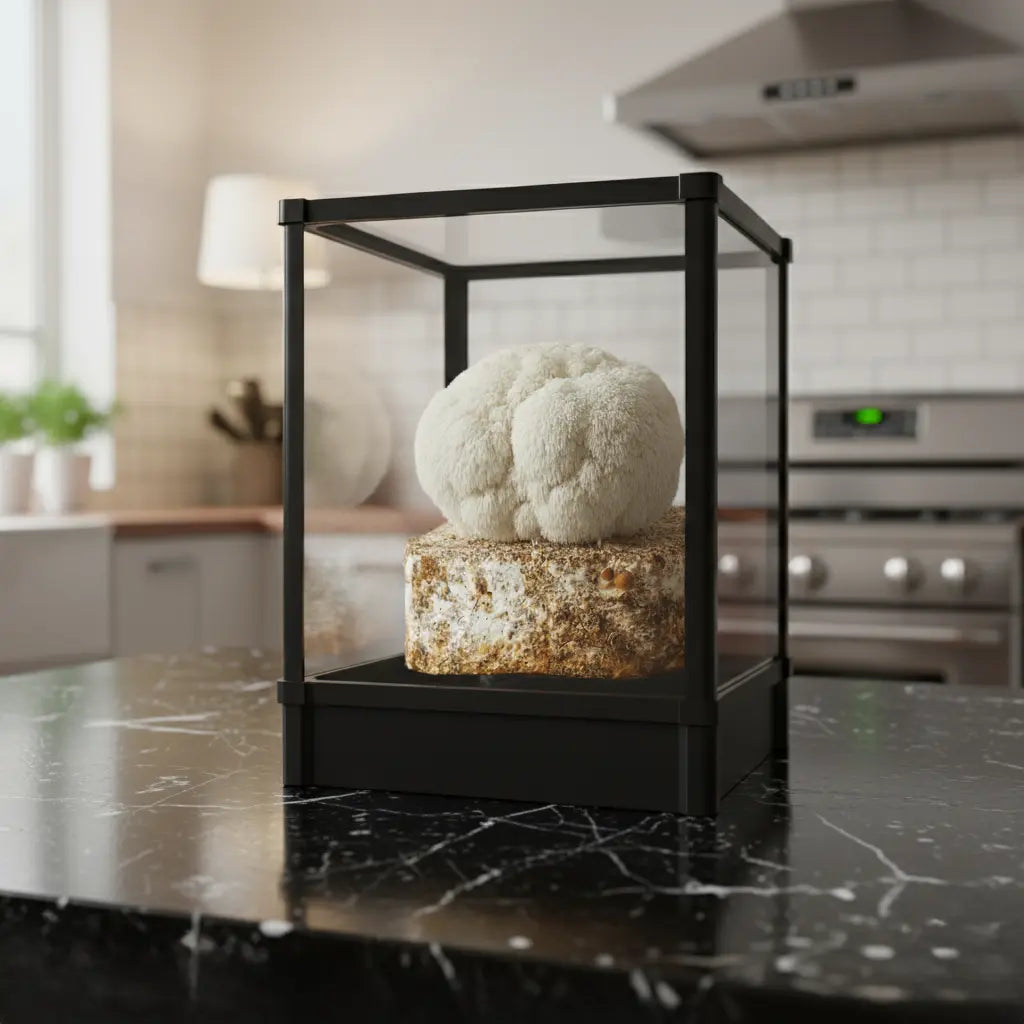
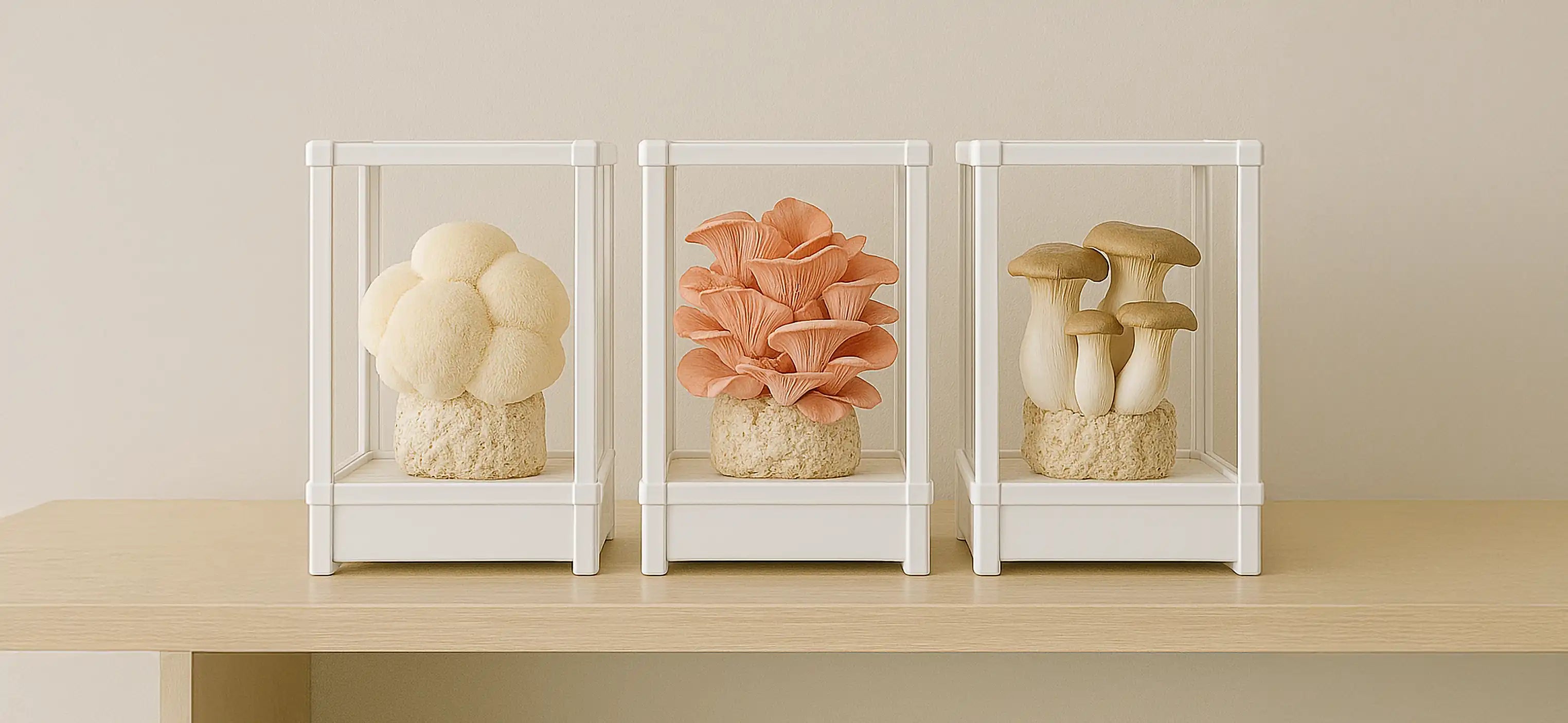
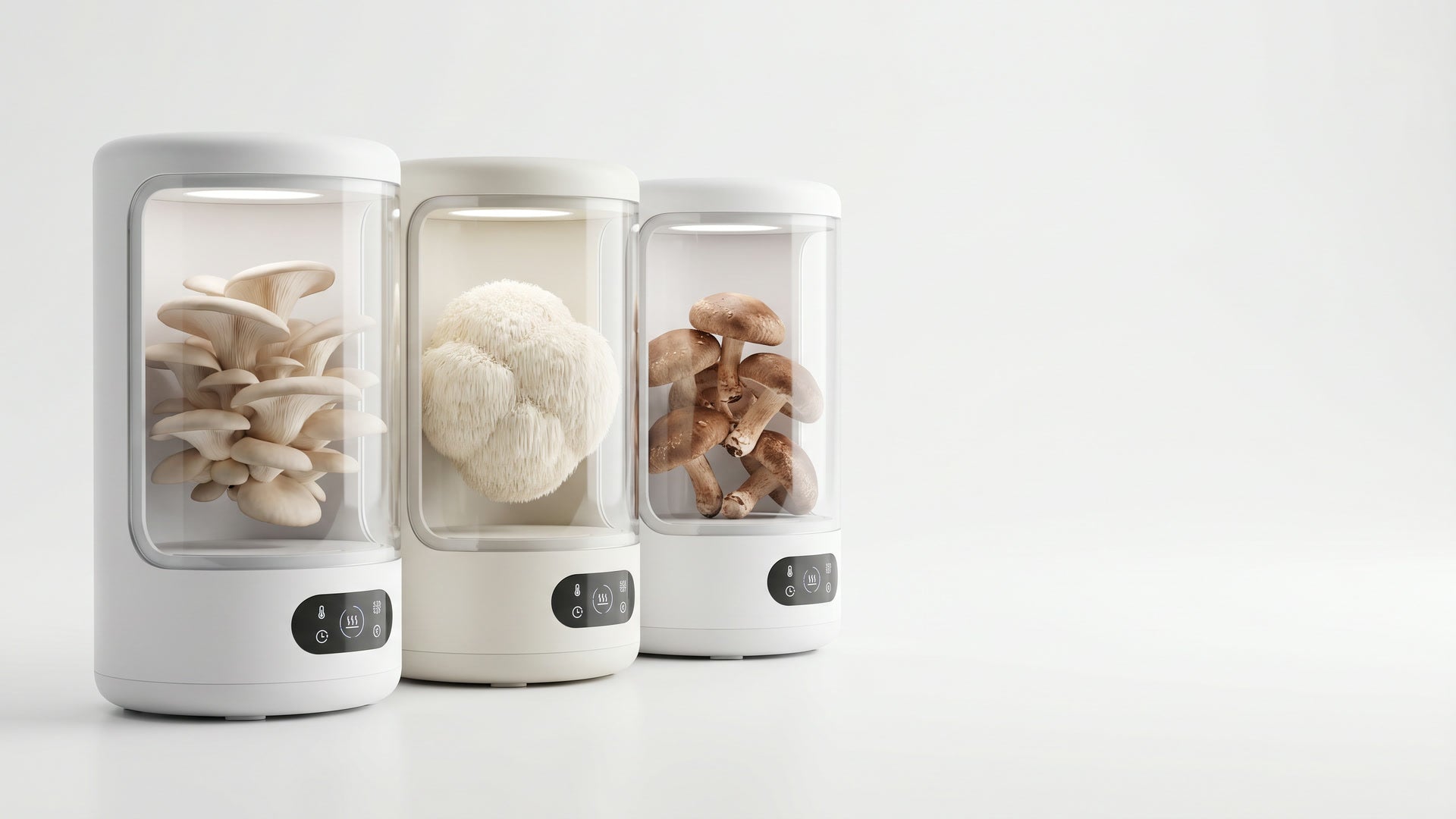
Smart Chamber. Bone White Single
- 2.8L tank, 90% humidity automatic
- App-controlled, plug-and-play
- 6 lb block ceiling, in stock

Smart Chamber. Obsidian Black Single
- Same hardware as Bone White
- Matte black premium finish
- Pairs with any kitchen palette

Homemade marinated mushrooms are a completely different experience. They're tender but still have bite. They're packed with flavor that you control. And honestly? They're so easy to make that I feel a little guilty every time someone asks for my "secret recipe."
I've been growing and preparing mushrooms for years now, and marinating them has become one of my favorite ways to showcase what fresh fungi can really do. Let me walk you through everything you need to know.
What Are Marinated Mushrooms, Exactly?
Marinated mushrooms are simply mushrooms that have been soaked in a flavorful liquid called a marinade. This process does two things: it infuses the mushrooms with incredible taste, and it slightly breaks down their texture for a more tender bite.
The basic marinade formula is pretty straightforward:
- Fat (olive oil, avocado oil)
- Acid (vinegar, lemon juice, wine)
- Aromatics (garlic, herbs, spices)
- Salt (essential for drawing out moisture and adding flavor)
That's it. Four components, endless possibilities.
Why Mushrooms Take to Marinades So Well
Here's something most people don't realize: mushrooms are like tiny sponges. They're composed of about 90% water, and their cell structure is uniquely porous. When you introduce a marinade, mushrooms absorb those flavors way more efficiently than most vegetables.
This is why the quality of your mushrooms matters so much. If you start with bland, mass-produced mushrooms, you'll get bland results. Start with fresh, high-quality shiitake from your own grow block? Now we're talking.
The Best Mushroom Varieties for Marinating
Not all mushrooms are created equal when it comes to marinating. You want varieties that hold their shape and have enough texture to stand up to the acid in your marinade.

Top-Tier Marinating Mushrooms
| Mushroom Variety | Texture After Marinating | Flavor Profile | Marinating Time |
|---|---|---|---|
| Shiitake | Firm, meaty | Deep umami, earthy | 2-24 hours |
| Cremini (Baby Bella) | Medium-firm | Mild, nutty | 1-4 hours |
| Lion's Mane | Tender, seafood-like | Delicate, sweet | 30 min-2 hours |
| Oyster | Soft, velvety | Mild, anise notes | 1-3 hours |
| King Trumpet | Very firm | Mild, scallop-like | 2-8 hours |
If you want that rich umami depth, shiitake mushrooms are unbeatable. As we covered in our guide to shiitake mushroom soup, these mushrooms have a naturally "meaty" quality that intensifies when marinated.
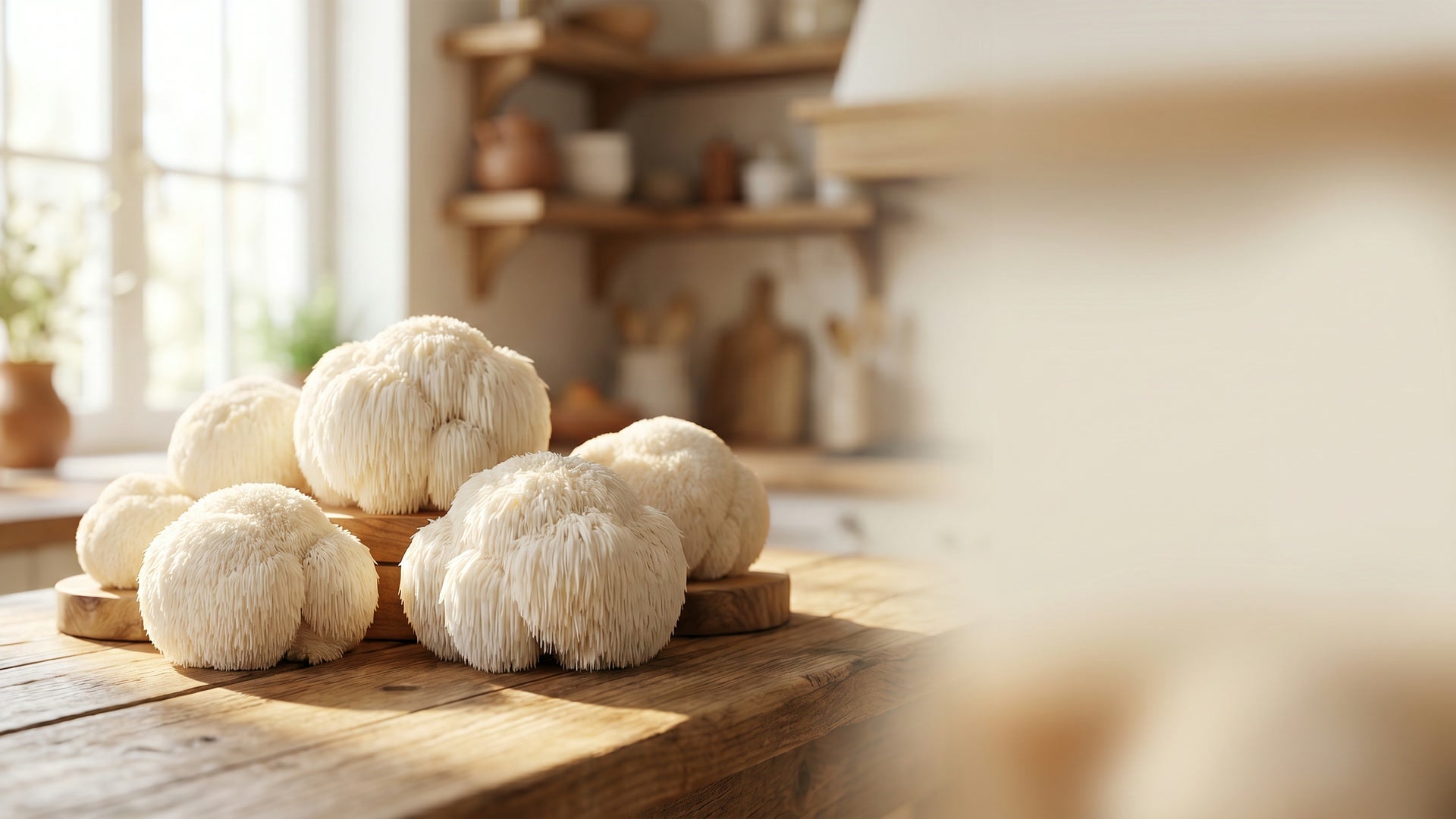
For something more delicate and unexpected, I love working with lion's mane. Growing your own with a Lion's Mane Mushroom Fruiting Block gives you the freshest possible starting point, and the slightly sweet, lobster-like flavor after marinating is genuinely impressive.
How to Make Perfect Marinated Mushrooms: Step-by-Step
Here's my go-to method that works beautifully every single time.
Ingredients for Basic Marinade
- 1 lb fresh mushrooms (cleaned and trimmed)
- ½ cup extra virgin olive oil
- ¼ cup red wine vinegar or balsamic
- 4 garlic cloves, minced
- 1 tsp salt
- ½ tsp black pepper
- 1 tsp dried oregano or 1 tbsp fresh
- ½ tsp red pepper flakes (optional)
Step 1: Prep Your Mushrooms
Clean your mushrooms with a damp cloth or soft brush. Never soak them in water, they'll absorb it and become waterlogged.
Small mushrooms can stay whole. Larger ones should be halved or quartered so they're roughly the same size. This ensures even marinating.
Step 2: Decide Raw or Cooked
You have two paths here:
Raw marinating: Works best for tender varieties like button or cremini. Simply toss cleaned mushrooms directly into the marinade. Results in a firmer texture.
Blanched or sautéed marinating: Briefly cook mushrooms (2-3 minutes in boiling water, or quick sauté in oil) before marinating. This softens them and helps them absorb flavors faster. I prefer this method for meatier varieties like shiitake.
Step 3: Mix Your Marinade
Whisk together oil, vinegar, garlic, salt, pepper, and herbs in a bowl. Taste it, it should be punchy and flavorful. The mushrooms will mellow everything out.

Step 4: Combine and Wait
Pour marinade over mushrooms in a glass jar or container. Make sure mushrooms are fully submerged. Refrigerate for at least 30 minutes, though 4-8 hours is ideal for maximum flavor penetration.
Step 5: Serve and Store
Remove mushrooms from refrigerator 20-30 minutes before serving, cold dulls flavor. They'll keep refrigerated for up to 2 weeks in an airtight container.
Creative Ways to Use Marinated Mushrooms
Once you have a batch of these ready, the possibilities are honestly endless.
As an Appetizer
Serve them straight from the jar with crusty bread. Add some fresh parsley and a drizzle of the marinade oil. Done. People will think you're fancy.
In Salads
Toss them into any green salad for instant upgrade. They work particularly well with arugula, shaved parmesan, and a simple lemon dressing.
On Charcuterie Boards
Marinated mushrooms are basically the MVP of any cheese board. They pair beautifully with aged cheeses, olives, and cured meats.
In Pasta and Grain Bowls
Chop them roughly and fold into warm pasta. The residual marinade becomes part of your sauce. This is lazy genius cooking.
Our Baby Bella Mushrooms guide mentions that these mushrooms are "marinated in vinaigrettes to soften texture", that same technique works brilliantly in warm dishes too.

Fuel Your Mushroom Journey
Smart Mushroom Grow Chamber
Plug-and-play smart chamber with humidity, light, and airflow dialed in for every species. Beginners harvest their first flush in days, not months.
Add to cart $299Advanced Marinade Variations to Try
Once you've mastered the basic method, here are some flavor combinations worth exploring:
Asian-Inspired Marinade
- Sesame oil + rice vinegar + soy sauce + ginger + green onion
- Perfect for shiitake mushrooms
- Marinate 2-4 hours
Mediterranean Style
- Olive oil + lemon juice + sun-dried tomatoes + feta + oregano
- Works great with cremini or cinnamon cap mushrooms
- Marinate 4-8 hours
Spicy Mexican
- Olive oil + lime juice + jalapeño + cilantro + cumin
- Excellent with firm button mushrooms
- Marinate 2-6 hours

Common Mistakes to Avoid
After making (and eating) hundreds of batches, here's what trips people up:
Using too much acid: More vinegar doesn't mean more flavor. It means mushy mushrooms. Stick to a 2:1 oil-to-acid ratio.
Not salting enough: Mushrooms need salt. It draws out moisture and creates space for the marinade to enter. Don't be shy.
Overcrowding the container: Mushrooms need to be submerged. Use a jar that fits, or weigh them down with plastic wrap pressed directly on the surface.
Marinating too long: Beyond 24 hours, texture starts to degrade. For the best results, 4-8 hours hits the sweet spot.
Frequently Asked Questions About Marinated Mushrooms
How long do marinated mushrooms last in the refrigerator?
Properly stored marinated mushrooms last 2-3 weeks in the refrigerator. Keep them in an airtight container with the mushrooms fully submerged in marinade. Always use clean utensils when removing them to prevent contamination.
Can you marinate mushrooms without cooking them first?
Yes, you can marinate raw mushrooms, and many recipes call for exactly this approach. Raw marinating produces a firmer texture and takes slightly longer (4-8 hours minimum). Cooking mushrooms briefly before marinating results in softer texture and faster flavor absorption.
What is the best vinegar for marinated mushrooms?
Red wine vinegar and balsamic vinegar are the most popular choices for marinated mushrooms. Red wine vinegar provides clean acidity, while balsamic adds sweetness and depth. Rice vinegar works well for Asian-inspired marinades, and apple cider vinegar offers a milder, fruity tang.
Do marinated mushrooms need to be refrigerated?
Yes, homemade marinated mushrooms must be refrigerated and stored at 40°F (4°C) or below. Unlike commercially canned products, home preparations don't undergo the same preservation processes. Leaving them at room temperature risks bacterial growth.
Can you freeze marinated mushrooms?
Freezing is possible but not recommended. The freezing process damages mushroom cell walls, resulting in a mushy, watery texture upon thawing. If you must freeze, use them in cooked dishes like soups or stews where texture matters less.
Are marinated mushrooms healthy?
Marinated mushrooms are nutritious, providing B vitamins, selenium, potassium, and antioxidants with relatively few calories (about 50-80 per serving depending on oil content). They're naturally low in sodium when homemade and contain dietary fiber that supports digestive health.
What mushrooms should you not marinate?
Avoid very delicate varieties like enoki or beech mushrooms, their thin structure can't withstand the acid in marinades. Also skip morels unless thoroughly cooked first, as they contain compounds that cause stomach upset when raw. Stick to firmer varieties for best results.
Conclusion: Your Marinated Mushroom Journey Starts Now
Making marinated mushrooms at home is one of those small kitchen wins that pays off every time you open the fridge. Here's what we covered:
- The basics matter: Quality mushrooms, a balanced marinade (2:1 oil to acid), and proper salting are non-negotiable
- Variety selection is crucial: Shiitake, cremini, and lion's mane hold up best to marinating
- Timing affects texture: 4-8 hours is the sweet spot for most varieties
- Storage is simple: Refrigerate in airtight containers for up to 2-3 weeks
- Versatility is endless: Use them in salads, pasta, appetizers, or straight from the jar
The difference between store-bought and homemade marinated mushrooms is night and day. Once you taste your own, you'll never go back.
Ready to Grow Your Own Mushrooms for Marinating?
The freshest mushrooms make the best marinades, that's just a fact. Skip the grocery store uncertainty and grow your own shiitake, lion's mane, or specialty varieties at home.
Shop Lykyn's Mushroom Growing Kits →
Harvest on Monday, marinate on Tuesday, impress everyone by Wednesday. Your future self (and your taste buds) will thank you.
Aktie:
Can Dogs Safely Eat Mushrooms? Here's What Every Pet Owner Needs to Know
How to Make the Best Golden Mushroom Soup at Home