


The meadow mushroom (Agaricus campestris) stands as one of nature's most rewarding wild fungi for foragers. With its delicate flavor often described as superior to cultivated button mushrooms, these pristine white treasures emerge in grassy fields and pastures following rainfall. However, successful and safe foraging requires careful identification skills to distinguish these delicious edibles from potentially dangerous look-alikes. This comprehensive guide will walk you through everything you need to know about identifying, collecting, and enjoying meadow mushrooms while staying safe in the process.
Understanding Meadow Mushrooms: Nature's Wild Button Mushroom
Meadow mushrooms belong to the same genus (Agaricus) as commercial button mushrooms but offer a more complex flavor profile and the thrill of wild foraging. Before venturing into the field, it's crucial to understand these fungi's basic characteristics, habitat preferences, and seasonal patterns.
Taxonomy and Related Species
Meadow mushrooms (Agaricus campestris) belong to the Agaricaceae family and are close relatives of several commercially important and wild mushroom species:
- Cultivated Button Mushroom (Agaricus bisporus): The commercially cultivated mushroom found in supermarkets
- Horse Mushroom (Agaricus arvensis): Larger than meadow mushrooms with a more pronounced anise scent
- Wood Mushroom (Agaricus silvicola): Similar appearance but grows in woodland settings rather than open grassland
This taxonomic relationship explains why meadow mushrooms share certain characteristics with button mushrooms but offer a distinct wild flavor profile that many enthusiasts prefer.
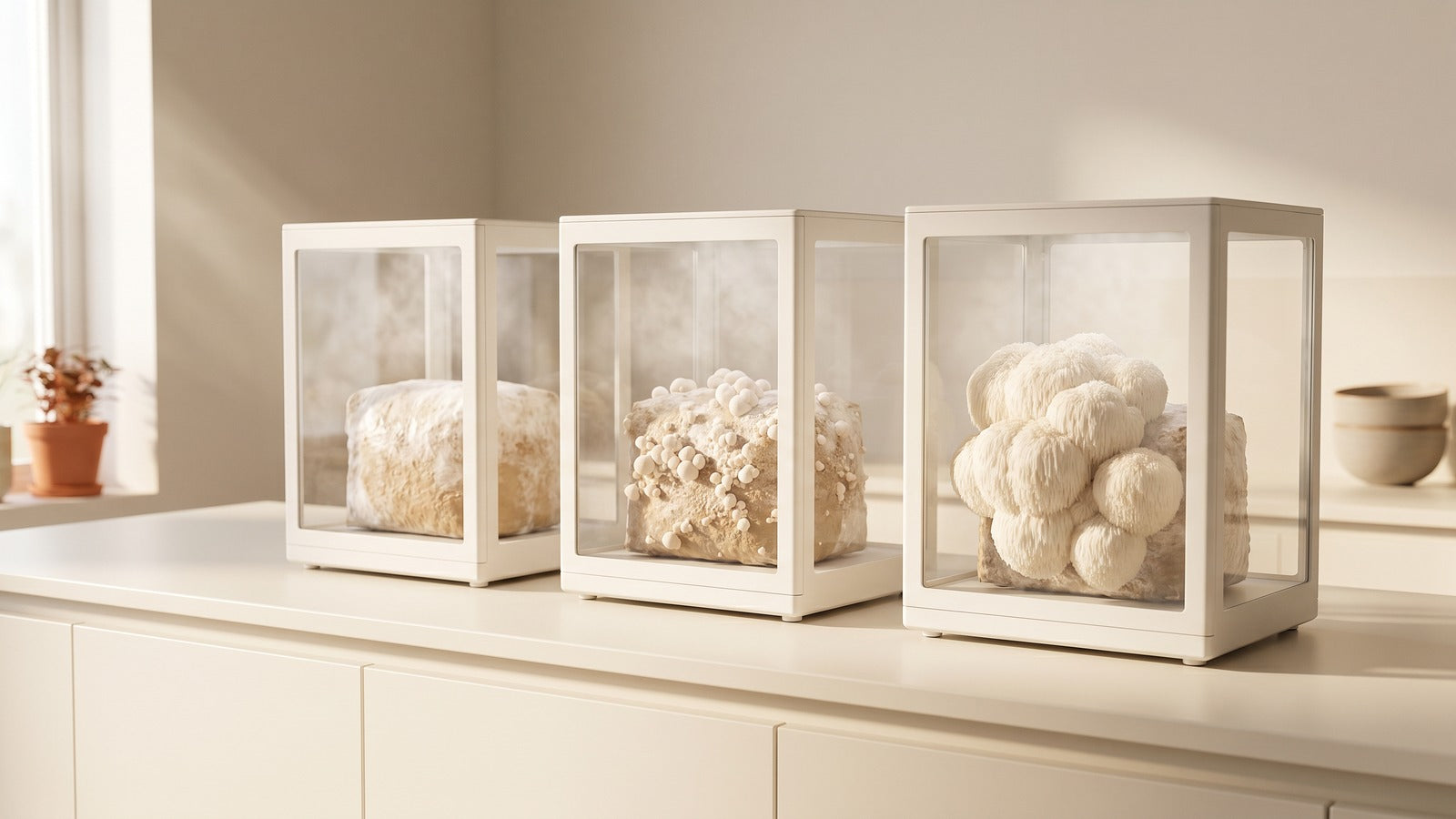
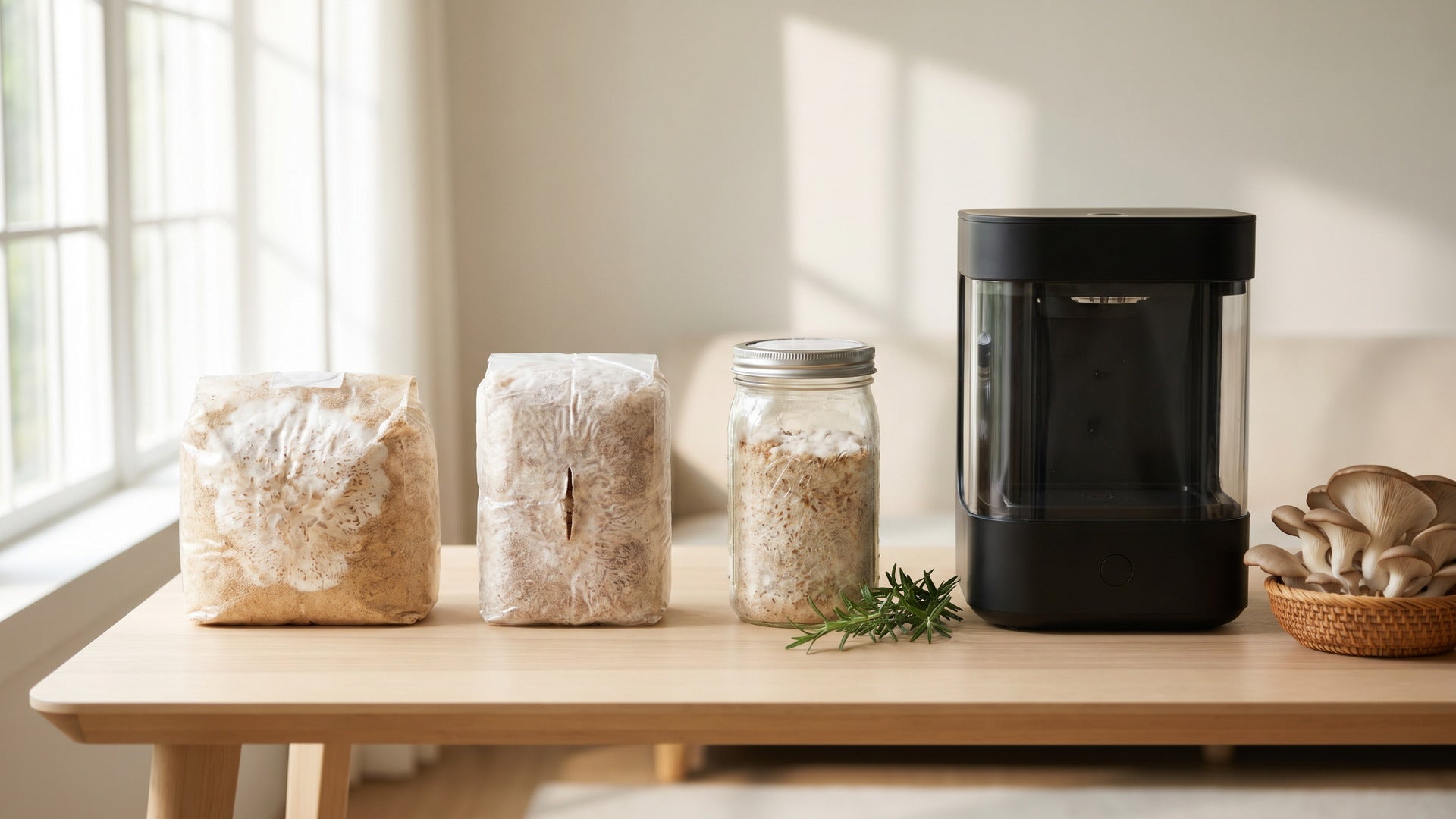
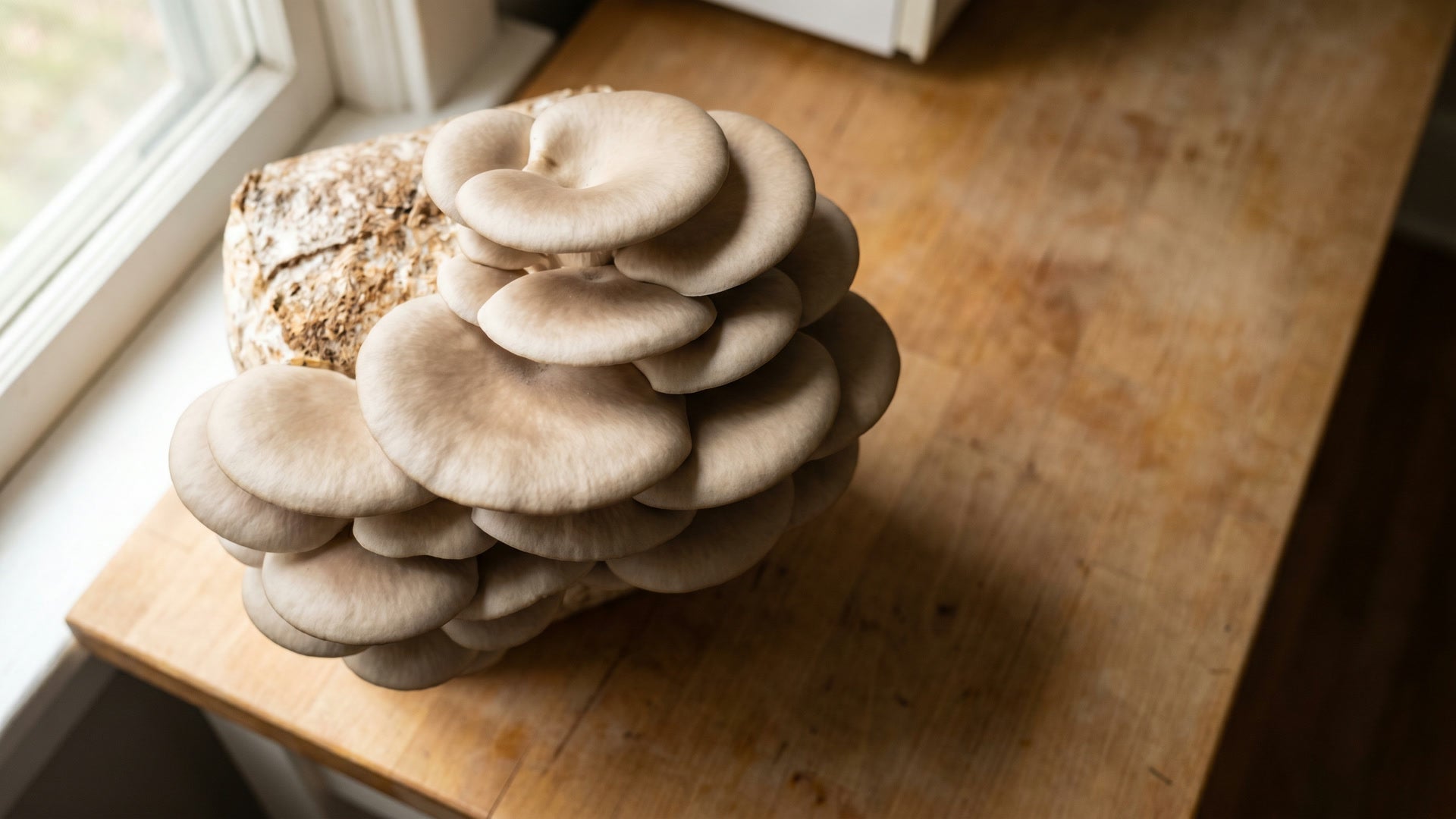
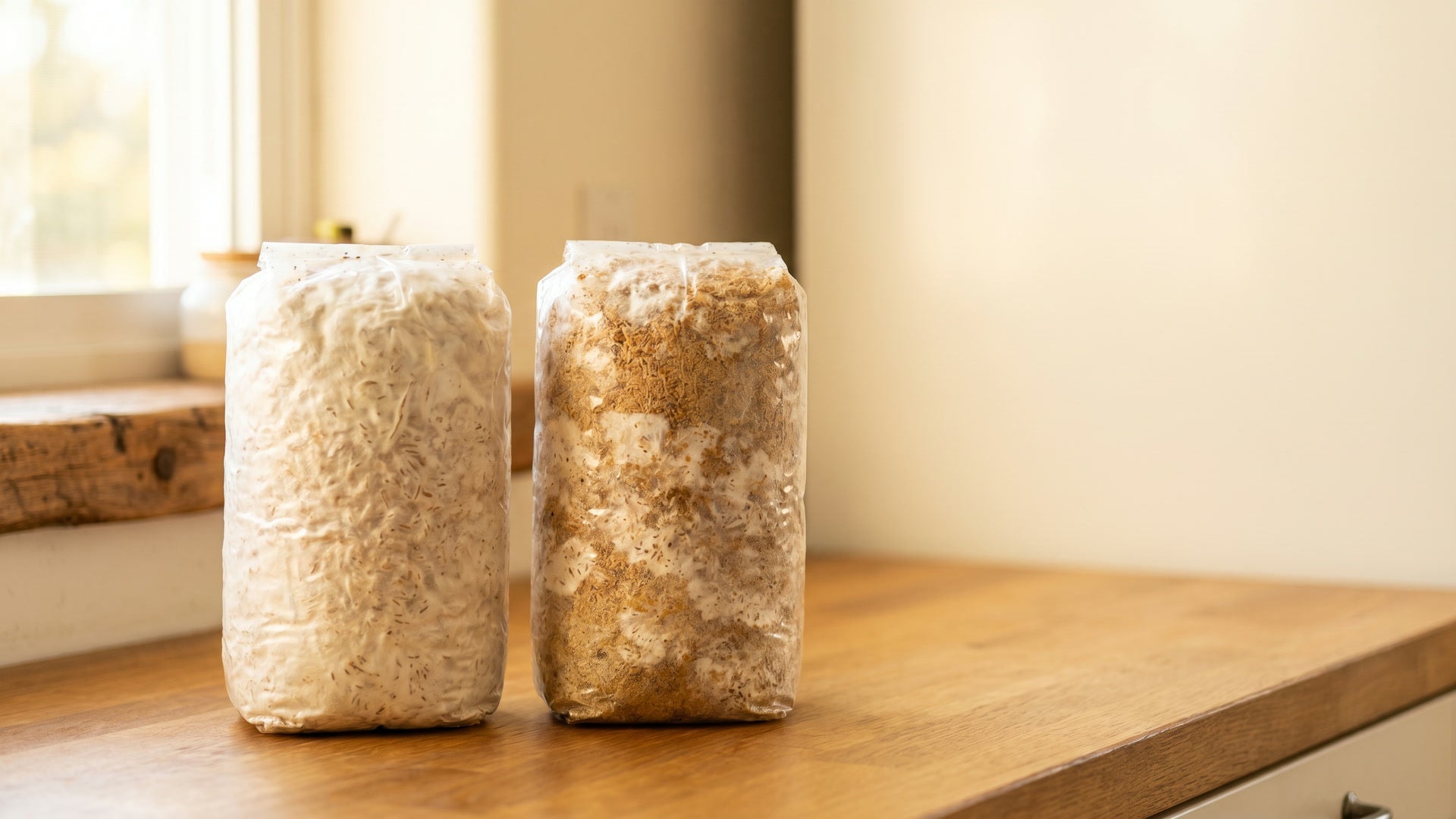
While meadow mushrooms aren't commonly commercially cultivated due to specific growing requirements, mushroom enthusiasts can explore many other delicious varieties through home cultivation. The Lykyn Smart Mushroom Grow Kit offers an excellent way to grow gourmet mushrooms like shiitake, oyster, and lion's mane at home with minimal effort.
Natural Habitat and Distribution
True to their name, meadow mushrooms primarily inhabit:
- Grassy meadows and fields
- Pastures (particularly those with horse or cattle grazing history)
- Lawns and parks
- Golf courses and sports fields
- Grassy roadside verges
They typically grow individually or in small groups, occasionally forming partial fairy rings or lines. Unlike many forest mushrooms, they prefer open, sunny locations with short grass. They're widely distributed throughout North America, Europe, Asia, and Australia, making them accessible to foragers across multiple continents.
Seasonal Growth Patterns
Meadow mushrooms follow distinct seasonal patterns that vary by region:
- Temperate North America/Europe: Primarily late summer through fall (August-October), with a possible spring flush in some areas
- Warmer Climates: May appear year-round following adequate rainfall
- Peak Conditions: Typically emerge 3-5 days after substantial rainfall when temperatures are between 50-75°F (10-24°C)
Understanding these seasonal patterns helps foragers time their excursions for maximum success. The mushrooms often appear suddenly and can disappear quickly, so timing is essential.

Identification: Key Features and Look-Alike Warnings
Proper identification is absolutely critical when foraging for meadow mushrooms, as several dangerous look-alikes exist. Always follow the complete identification protocol and never consume wild mushrooms unless you are 100% confident in your identification.
Definitive Identification Characteristics
Meadow mushrooms display several distinctive features that help identify them:
Cap Characteristics
- Size: 2-5 inches (5-12 cm) in diameter when mature
- Shape: Convex when young, flattening with age
- Color: White to cream when young, sometimes developing light brown scales with age
- Texture: Smooth, sometimes silky, occasionally with fine scales
- Margin: Incurved when young, flattening or slightly upturned with maturity
Gill Structure
- Color: Pink when young, darkening to chocolate brown or nearly black at maturity
- Attachment: Free from the stem (not attached)
- Spacing: Crowded, with many short gills (lamellulae)
Stem Features
- Size: 1-3 inches (3-7 cm) tall, 0.5-1 inch (1-2.5 cm) thick
- Shape: Equal or slightly bulbous at base
- Color: White, sometimes staining slightly yellowish when bruised
- Texture: Smooth to slightly fibrous
- Ring/Annulus: Thin, sometimes fragile partial veil that often disappears with age
Other Identifying Features
- Spore Print: Dark chocolate brown to purple-brown
- Smell: Pleasant, mild mushroomy or nutty aroma
- Flesh: White, sometimes staining slightly pinkish when cut
- Growth Pattern: Scattered or in groups in grassland, occasionally in fairy rings
Dangerous Look-Alikes to Avoid
Several potentially deadly mushrooms can be mistaken for meadow mushrooms, particularly by inexperienced foragers:
Deadly Amanitas
- Death Cap (Amanita phalloides): Has a volva (cup) at base and white gills at all stages
- Destroying Angels (Amanita bisporigera and relatives): White with white gills and a prominent volva at base
Other Concerning Look-Alikes
- Yellow Stainer (Agaricus xanthodermus): Similar appearance but base of stem turns bright yellow when cut or bruised; has unpleasant phenol odor
- White Clitocybe species: Some toxic white species with attached gills rather than free gills
- Chlorophyllum molybdites: Has green spores/gills when mature, causes severe gastrointestinal distress
Critical Differentiation Points
To safely distinguish meadow mushrooms from dangerous look-alikes:
- Gill Color: Pink gills when young that darken to chocolate brown with age (NEVER white gills)
- Spore Print: Must be dark chocolate brown (NEVER white or green)
- Stem Base: No cup-like volva at the base as found in Amanita species
- Staining Reaction: Only mild yellowish or pinkish staining if any (NEVER bright yellow)
- Smell: Pleasant mushroomy aroma (NEVER chemical or phenolic)
Never rely on a single identification feature. Always check ALL characteristics and when in doubt, discard the specimen. The saying "When in doubt, throw it out" is the golden rule of mushroom foraging.
For those who prefer the safety and certainty of home cultivation, the Lykyn Smart Mushroom Grow Kit provides a reliable way to grow identifiable, safe mushroom varieties without the risks associated with wild foraging.
Ethical and Safe Foraging Practices
Successful mushroom foraging involves more than just identification skills, it requires sustainable practices, proper equipment, and attention to environmental considerations.
Essential Foraging Equipment
Before heading out to collect meadow mushrooms, gather these important tools:
- Knife or Scissors: For clean cutting rather than pulling mushrooms
- Breathable Basket or Mesh Bag: Allows spores to disperse while you forage
- Field Guide: Specific to your region for accurate identification reference
- Magnifying Glass: For examining fine details like gill attachment
- Wax Paper or Paper Bags: For separating different specimens
- Notebook: To record location, habitat, and growth conditions
- Camera: To document specimens in their natural habitat before harvesting
- GPS or Map: To mark productive locations for future visits
Avoid using plastic bags, which can accelerate mushroom deterioration through condensation and heat buildup.
Sustainable Collection Methods
Responsible foraging ensures mushroom populations remain viable for future seasons:
- Cut Don't Pull: Use a knife to cut mushrooms at the stem base rather than pulling, which can damage the underground mycelium
- Leave Some Behind: Never harvest all mushrooms in an area, leave some to mature and release spores
- Respect Young Specimens: Leave very young "button" specimens to develop for easier identification
- Observe Limits: Take only what you'll reasonably use, avoid wasteful collection
- Rotate Areas: Avoid overforaging the same locations repeatedly in a single season
- Minimal Impact: Stay on established paths when possible and avoid disturbing the habitat
These practices help ensure sustainable mushroom populations for years to come.
Location Considerations and Potential Contaminants
Not all meadow mushrooms are safe to collect, even when properly identified. Avoid harvesting from:
- Areas treated with pesticides or herbicides
- Roadsides with heavy traffic (potential heavy metal contamination)
- Industrial areas or former industrial sites
- Locations downhill from agricultural fields (potential runoff concerns)
- Areas with potential chemical spills or contamination history
- Golf courses or manicured lawns likely treated with chemicals
- Areas with high dog traffic or animal waste
Clean all collected mushrooms thoroughly and consider cooking them well to reduce potential contaminants and increase digestibility.
For those concerned about contamination issues or lacking access to suitable foraging locations, growing mushrooms at home with the Lykyn Smart Mushroom Grow Kit provides a reliable alternative. Learn more about the advantages of home mushroom cultivation in our detailed guide on choosing the right mushroom grow kit.
Culinary Uses and Preservation Methods
Once you've safely identified and collected meadow mushrooms, their culinary potential awaits. Their flavor is often described as more complex and richer than commercial button mushrooms, with subtle nutty and earthy notes.
Cleaning and Preparation Techniques
Proper cleaning preserves quality while removing dirt and potential contaminants:
- Brush Clean: Use a soft mushroom brush or damp cloth to remove dirt from caps and stems
- Minimal Water: If washing is necessary, do so quickly under cold running water and dry immediately
- Trim Base: Cut away any dirty portions of the stem base
- Inspect Gills: Check for insects or debris in the gill area
- Aging Check: Discard any specimens showing signs of decay or excessive insect damage
While some traditionalists insist on never washing mushrooms, a quick rinse just before cooking does minimal harm and can remove potential contaminants.
Cooking Methods That Enhance Flavor
Meadow mushrooms respond well to various cooking techniques:
Quick High-Heat Methods
- Sautéing: Cook quickly in butter or oil over medium-high heat until golden
- Grilling: Brush with oil and grill briefly for smoky notes
- Broiling: Top with herbs and broil until edges crisp
Slower Cooking Applications
- Simmering: Add to soups and stews during the last 15-20 minutes of cooking
- Roasting: Roast at 375°F (190°C) with herbs and garlic for concentrated flavor
- Braising: Slow-cook with wine or broth for rich, developed flavors
Avoid overcooking, which can make them tough or rubbery. Their delicate flavor pairs well with butter, garlic, fresh herbs, and mild cheeses.
Preservation Options for Surplus Harvests
When you've collected more than you can use immediately, consider these preservation methods:
Drying
- Slice mushrooms evenly (¼ inch/6mm thickness)
- Arrange on dehydrator trays or in a low oven (125°F/52°C)
- Dry until completely crisp (8-12 hours in dehydrator)
- Store in airtight containers with desiccant packets
- Rehydrate in warm water or broth before using
Freezing Options
- Sauté-First Method: Briefly cook in butter, cool, then freeze in portion-sized containers
- Blanching Method: Quickly blanch in boiling water for 1-2 minutes, shock in ice water, drain thoroughly, and freeze
- Duxelles Preparation: Finely chop, sauté with onions and herbs until moisture evaporates, cool, and freeze
For those interested in exploring other preservation methods for different mushroom varieties, our guide on drying shiitake mushrooms offers additional techniques applicable to many species.
Comparing Wild vs. Cultivated Mushroom Experiences
While meadow mushrooms offer the excitement and unique flavors of wild foraging, home cultivation systems provide accessibility, consistency, and safety advantages that appeal to many mushroom enthusiasts.
The Unique Appeal of Wild Foraging
Wild mushroom foraging provides distinct experiences that many enthusiasts cherish:
- Connection with Nature: Direct engagement with natural ecosystems and seasonal rhythms
- Treasure Hunt Experience: The thrill of discovery and successful identification
- Regional Variation: Exposure to locally adapted strains with unique characteristics
- Cost-Free Harvesting: Access to gourmet ingredients without financial investment
- Traditional Knowledge: Connection to historical foraging practices and wisdom
These experiential aspects often draw people to wild mushroom hunting beyond simply acquiring ingredients.
The Advantages of Home Cultivation
While meadow mushrooms aren't typically cultivated commercially, home growing systems offer significant advantages for other gourmet mushroom varieties:
- Absolute Safety: Elimination of identification uncertainty and toxic look-alike risks
- Year-Round Availability: Harvest regardless of season, weather, or natural fruiting cycles
- Consistent Quality: Predictable yields, size, and maturity
- Convenience: No travel required, harvest as needed
- Controlled Growing Environment: Optimal conditions without contaminants
The Lykyn Smart Mushroom Grow Kit represents the cutting edge of home cultivation technology, with automated environmental controls that maintain perfect conditions for mushroom development without constant monitoring.
Complementary Approaches for Mushroom Enthusiasts
Many mushroom lovers find value in both wild foraging and home cultivation:
- Seasonal Complementarity: Forage during natural fruiting seasons while growing other varieties year-round
- Skill Development: Apply knowledge gained from controlled cultivation to better understand wild mushroom ecology
- Risk Diversification: Ensure mushroom availability through cultivation while enjoying the bonus of foraged finds
- Expanded Variety: Access both wild species not commercially available and cultivated varieties that don't grow locally
- Educational Progression: Start with the safety of cultivation before advancing to wild foraging skills
This balanced approach allows enthusiasts to experience the full spectrum of fungal diversity while managing risk appropriately.
For those interested in exploring mushroom cultivation as a complement to foraging, our guide on growing fresh shiitake mushrooms at home provides an excellent starting point.
FAQ About Meadow Mushrooms
How can I tell meadow mushrooms apart from deadly Amanita species?
When is the best time to forage for meadow mushrooms?
Why do my meadow mushrooms turn yellow when cut or bruised?
Can meadow mushrooms be cultivated at home like button mushrooms?
How do meadow mushrooms compare to store-bought button mushrooms in taste and nutrition?
The Broader World of Mushroom Appreciation
Whether you're drawn to the thrill of wild foraging or the reliability of home cultivation, mushrooms offer a fascinating intersection of gastronomy, science, and natural connection.
Building Progressive Mushroom Skills
Many enthusiasts find that mushroom appreciation follows a natural skill progression:
- Culinary Exploration: Begin by cooking with commercially available varieties
- Home Cultivation: Advance to growing gourmet mushrooms in controlled environments
- Guided Foraging: Learn from experts through organized forays and workshops
- Simple Species Identification: Start with easily identifiable species with few look-alikes
- Advanced Foraging: Gradually expand knowledge to include more varieties with proper identification skills
This progressive approach builds knowledge safely while deepening appreciation for fungal diversity. The Lykyn Smart Mushroom Grow Kit provides an excellent entry point for those beginning this journey, offering reliable results while building fundamental mushroom knowledge.
The Conservation Importance of Fungi
Beyond their culinary value, mushrooms play critical ecological roles:
- Nutrient Cycling: Breaking down organic matter and returning nutrients to soil
- Symbiotic Relationships: Forming essential partnerships with plants and trees
- Soil Health: Contributing to soil structure and microbial diversity
- Biodiversity Support: Providing habitat and food sources for countless organisms
- Ecological Indicators: Reflecting ecosystem health through their presence or absence
By understanding and respecting these roles, mushroom enthusiasts contribute to broader conservation awareness and sustainability practices.
For those interested in the ecological significance of different mushroom species, our article on elm oyster mushrooms explores the fascinating relationships between fungi and their environments.
Summary: Embracing the World of Meadow Mushrooms
Meadow mushrooms represent one of nature's accessible wild gourmet treasures, offering both the thrill of the hunt and culinary rewards. Their identification requires careful attention to detail, particularly distinguishing them from dangerous look-alikes, but provides a gateway to deeper mushroom appreciation.
The key points to remember include:
- Always verify multiple identification features, particularly gill color progression from pink to brown
- Forage responsibly with sustainable practices that preserve populations
- Consider location carefully to avoid contaminated specimens
- Appreciate both wild foraging and controlled cultivation as complementary approaches
- Develop skills progressively, building knowledge systematically
Whether you're hunting for meadow mushrooms in autumn fields or cultivating gourmet varieties at home with systems like the Lykyn Smart Mushroom Grow Chamber, the fascinating world of fungi offers endless exploration and enjoyment.
Ready to begin your mushroom journey? While meadow mushrooms remain primarily a forager's prize, you can explore many other delicious varieties through home cultivation. The Lykyn Smart Mushroom Grow Kit makes growing gourmet mushrooms at home simple and rewarding, with automated environmental controls that ensure success even for beginners.

Aktie:
Fresh Shiitake Mushrooms: Complete Growing Guide for Home Cultivation 2025
Kikurage Mushrooms: Complete Guide to Wood Ear Fungi 2025